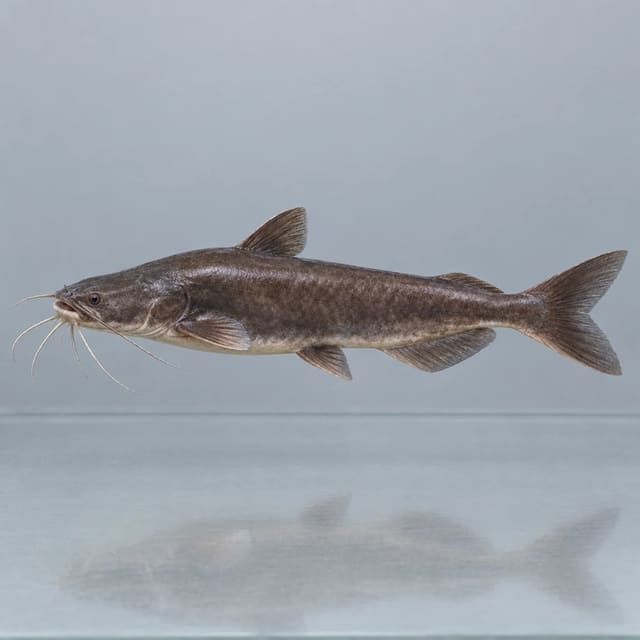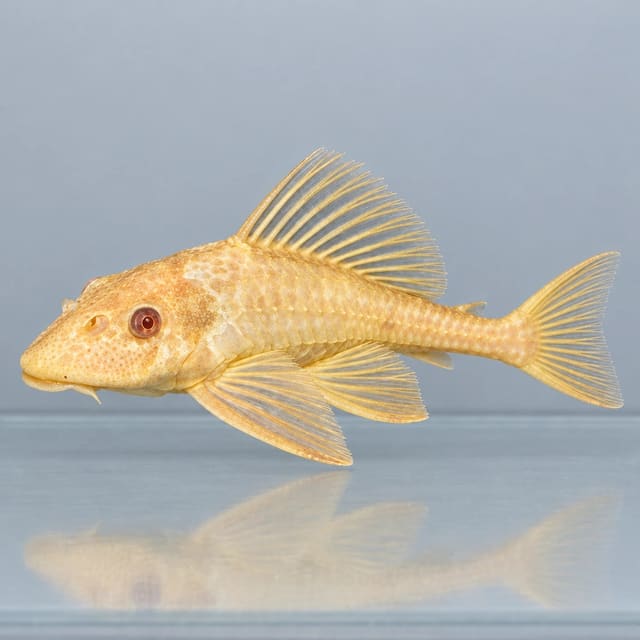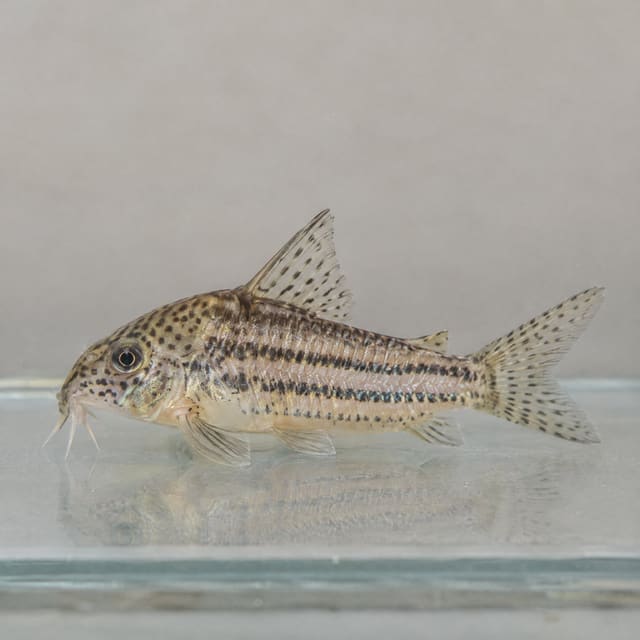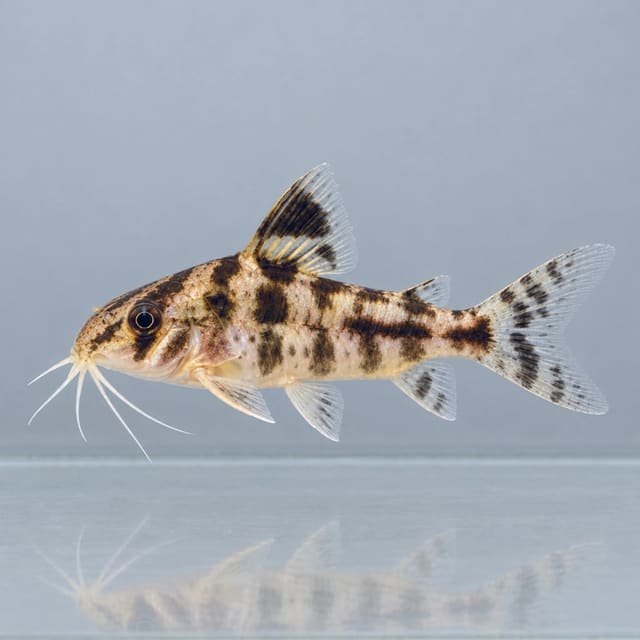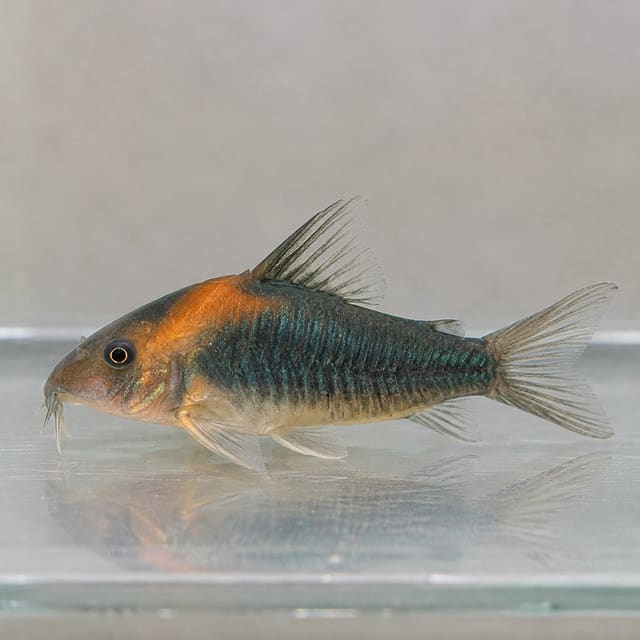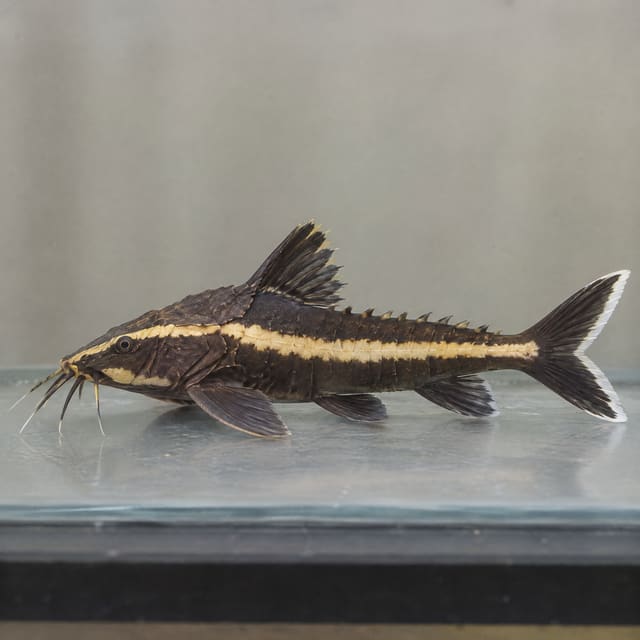
Moderate
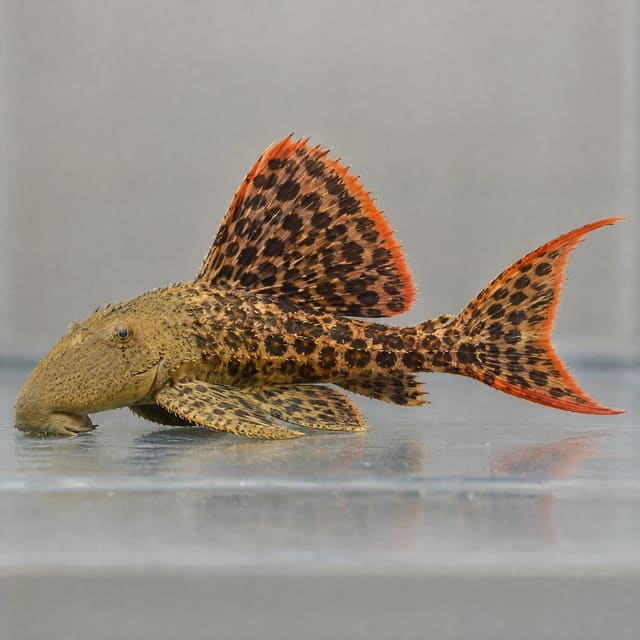
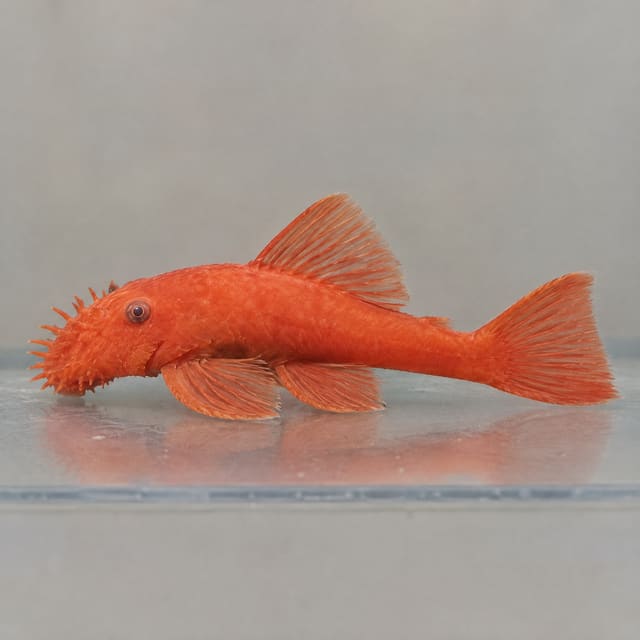
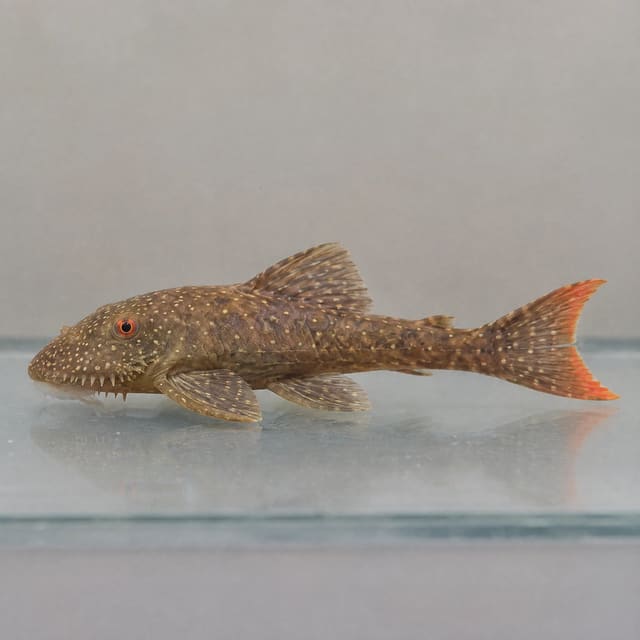
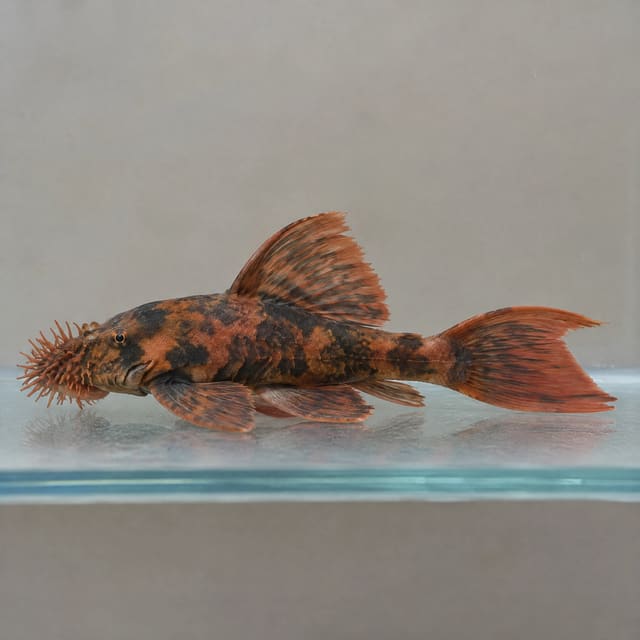
Red/Black Longfin Bristlenose Pleco (Ancistrus sp.)
22–27°C · pH 6–8
£11.99
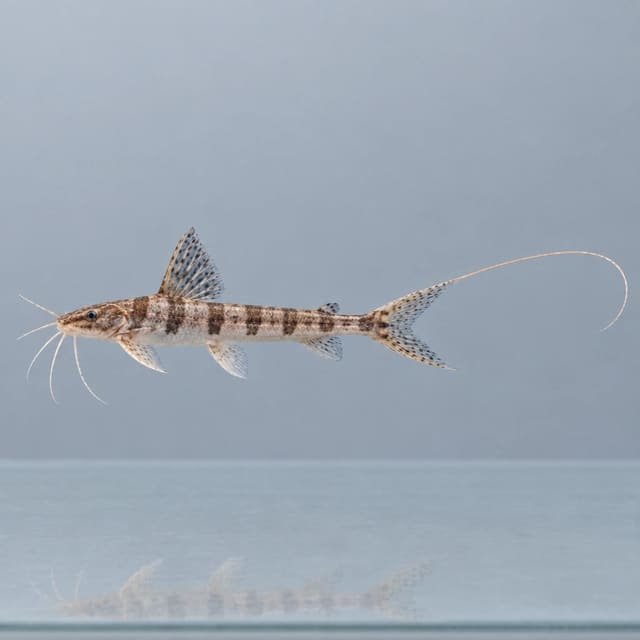
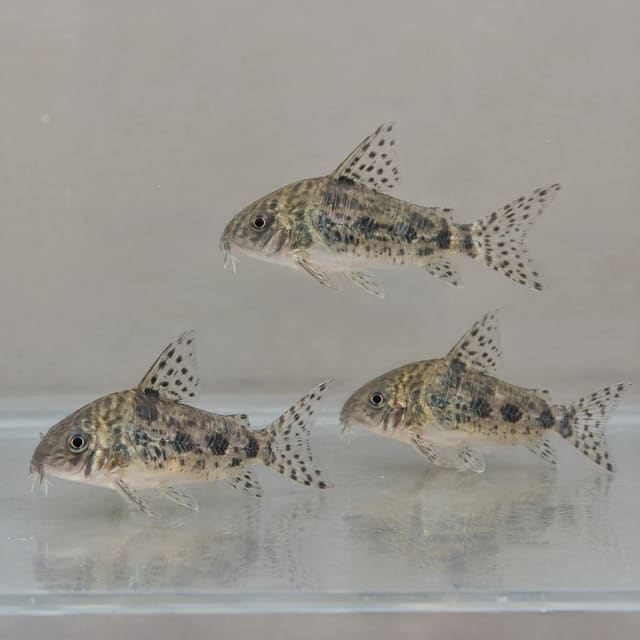
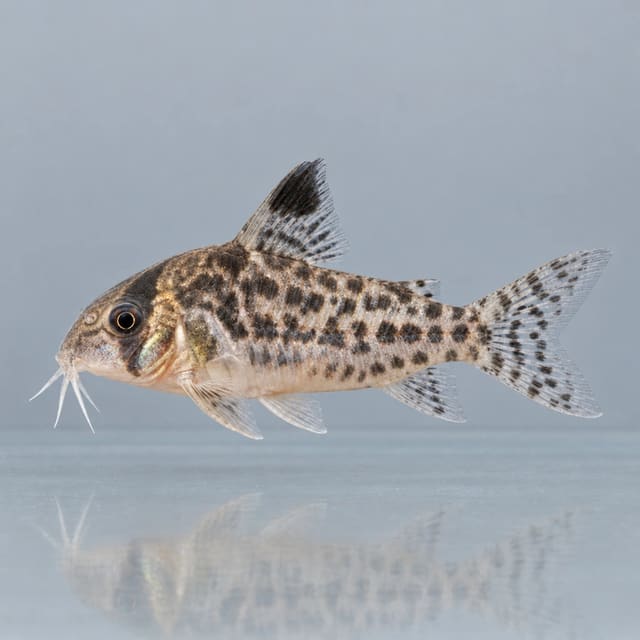
Harttia punctata is a slender, spotted whiptail catfish from the rocky rapids of the Rio Tocantins in Brazil that grows to about 16 cm. A peaceful grazer of algae and tiny invertebrates, it needs a mature tank with strong flow, very clean, oxygen-rich water and flat stones to graze. One live fish per purchase.
Harttia punctata
Harttia punctata is a slender, spotted whiptail catfish from the rocky rapids of the Rio Tocantins in Brazil that grows to about 16 cm. A peaceful grazer of algae and tiny invertebrates, it needs a mature tank with strong flow, very clean, oxygen-rich water and flat stones to graze. One live fish per purchase.
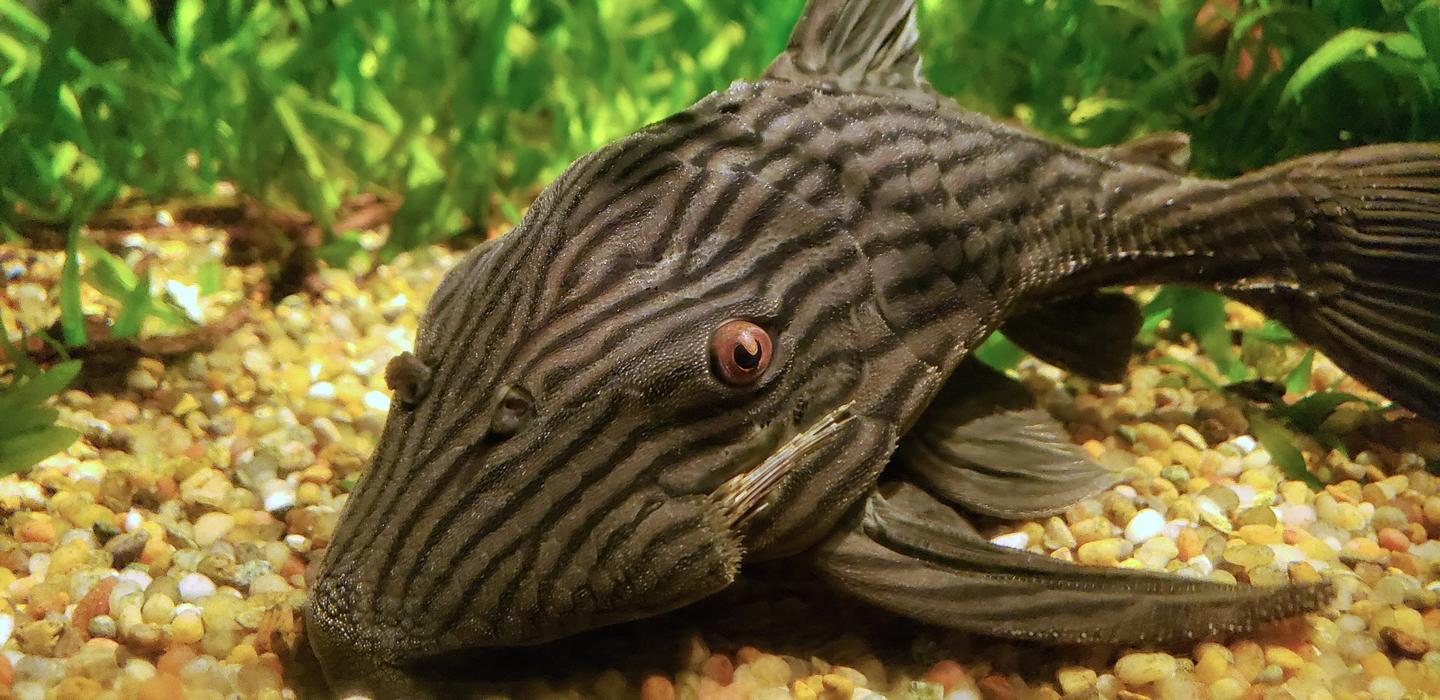
‘Pleco’ is a loose aquarium-trade label, not one species or one care sheet. Before buying, confirm the scientific name or defensible L-number, adult size and measurement method, required footprint, temperature and water, diet, social plan and source. No universal pleco tank size, menu or algae result is honest.
Read the full care guidance when planning conditions for your aquarium.
Harttia punctata is a slim, spotted whiptail catfish of the armoured suckermouth family Loricariidae. It comes from the upper and middle Rio Tocantins basin in Brazil, where ScotCat describes it living in rapids over rocky slab bottoms in medium to large rivers. The fish was described scientifically in 2001 from a type locality on rocks just below the Tucuruí dam in Pará. Planet Catfish lists the common name Spotted Lizard Pleco, and the species name punctata simply means spotted.
Like other Harttia, it is a current-loving grazer. It clings to stones, scrapes off the thin film of algae and tiny animals that grows on them, and needs water that is clean, moving and rich in oxygen. That makes Harttia punctata a rewarding fish for a keeper who already runs a mature, strongly filtered aquarium, and a poor choice for a warm, still community tank.
| Question | What the sources say |
|---|---|
| Adult size | 16.6 cm standard length for males or unsexed fish and 14.0 cm for females (FishBase); 16.5 cm (ScotCat); 133 mm (Planet Catfish) |
| Home waters | Rapids of the Tocantins-Araguaia system, Brazil |
| Diet | Diatoms and green algae from rocks, plus midge and blackfly larvae and tiny crustaceans (ScotCat) |
| Temperament | Peaceful grazer |
| Difficulty | Demanding: sensitive to care mistakes and to transport (Aquarium Glaser, ScotCat) |
| Conservation | Least Concern (FishBase, assessed 2018) |
We sell this fish to experienced keepers. If you have kept royal whiptails or hillstream species successfully and your tank already has strong flow and a stable biofilm, Harttia punctata is an uncommon and beautiful step up. If you are new to whiptails, start with a hardier relative such as the Royal Whiptail Catfish and come back to this one later.
One purchase quantity supplies one live Harttia punctata. There is a single option, Standard, because no size grade is recorded for this fish; it will be a young fish, smaller than the adult figures above. The photographs show the species and its spotted pattern, not the individual you receive, and the gallery images are representative, so colour and spotting will vary from fish to fish.
Wild Harttia do not travel well. ScotCat notes that they do not do well in imports, and Aquarium Glaser describes catching and transport as especially challenging. That is why we ask buyers to have the tank fully ready, with grazing stones already covered in growth, before the fish is dispatched.
| Fish | How it differs |
|---|---|
| Harttia punctata | Short, relatively deep head; spotted body; much of the belly bare; 27-29 plates along the side; a tiny, inconspicuous barbel at each corner of the mouth (FishBase, ScotCat) |
| Harttia duriventris | Also from the Tocantins and very similar in colour, but the whole belly is covered in bony plates and the spots are fewer and less contrasting (Aquarium Glaser) |
| Royal whiptails (Sturisoma, Sturisomatichthys) | Close relatives with similar habits but easier care; usually long snouts and tall fins |
| Twig catfish (Farlowella) | Extremely thin, stick-like body with a long snout |
Aquarium Glaser points out that some H. duriventris may arrive mixed with H. punctata because the two look so alike, and that belly patterns vary widely within the species. Care for the two is the same. Check the belly from below through the glass once the fish has settled if you want to confirm which you have.
No minimum tank size is published for Harttia punctata. As a guide, Seriously Fish gives a base of 120 × 45 cm, about 243 litres, for Lamontichthys filamentosus, another loricariid whiptail of the same 16-17 cm standard length. We use that as the starting point and recommend a long, low tank rather than a tall one, because this fish lives on the bottom and needs grazing surface, not height.
The footprint matters more than the volume. Every grazing whiptail needs its own share of stone surface, and every fish you add competes for the same biofilm. Use our tank volume calculator to check what your tank really holds once sand and rocks are in, and plan for adult size even though the fish arrives smaller.
Copy the rapids it comes from. ScotCat records that in the wild it grazes algae growing on rugged, light-coloured rocks and submerged vegetation, so give it plenty of flat and rounded stones over sand or fine gravel, set where the current runs across them. A few pieces of wood add shade and resting places without blocking the flow. A setup in the style of our hillstream loach guide, with a strong, directional current and lots of stone, is a good model.
| Area | Purpose |
|---|---|
| Flat stones in the current | Main grazing surface; light reaching them helps algae and biofilm grow |
| Open sand between stones | Resting and feeding area for sinking foods |
| Wood or overhanging stone | Shade and a quiet place to rest |
| Return of the filter and pumps | A strong, directional flow along the length of the tank |
A newly scrubbed tank has nothing for a grazer to eat. Put the stones in place weeks before you order, leave the light on a normal day cycle and let a thin film of growth develop. Some keepers mature extra stones in a bright spare tank and swap them in later. This simple step does more for a new Harttia than any single food.
Published values for Harttia punctata disagree on temperature, and we would rather tell you than pretend there is one answer. ScotCat lists a cool range for this species and says Harttia need reduced temperatures, but its sheet for a related species from French Guiana and Suriname gives a warm range, and Aquarium Glaser describes the fish as needing warm water. FishBase records the species only as tropical and gives no figures.
| Source | Temperature | pH | Other notes |
|---|---|---|---|
| ScotCat, H. punctata | 18-22°C | 6.0-7.5 | Clean, oxygen-rich water and a strong current |
| ScotCat, H. guianensis (relative) | 25-30°C | 6.0-7.0 | Fast water over rock and sand |
| Aquarium Glaser, H. punctata | Warm (no figure) | Not given | Very clean and rich in oxygen |
| FishBase | Not given | Not given | Tropical, freshwater |
Ask us the temperature the fish has been kept at before dispatch, match it on arrival and then keep it steady; stability matters more to this fish than a particular number. Warm water holds less dissolved oxygen than cool water, so if you run the tank at the warm end, add surface movement or an air stone. Aim for a pH between 6.0 and 7.0, the range that suits both ScotCat sheets. No hardness figure is published, so avoid extremes and change water with the same source each time.
UK tap water varies a lot by region, from soft in much of Scotland, Wales and the north-west to hard and alkaline in much of the south and east of England. Test yours, or check your water company's report, and compare it with the ranges above using our water matcher. Our water chemistry guide explains how to soften hard water with RO water if you need to. Whatever the source, keep ammonia and nitrite at zero and nitrate no more than 20 mg per litre above your tap water, as OATA advises for all catfish.
Clean, oxygen-rich, moving water is the one thing every source agrees on. Choose a filter rated well above the tank volume and add a circulation pump if the current does not reach the far end. Our guide to aquarium filtration explains how to size it. Keep the surface rippling so oxygen can enter, and never let the filter stop for long: a rheophile in a still tank suffers quickly.
In the wild Harttia punctata eats mostly microscopic algae, especially diatoms and green algae, with chironomid (midge) and simuliid (blackfly) larvae and tiny crustaceans also recorded in its diet (ScotCat). In the aquarium ScotCat lists dry foods, algae wafers, Spirulina and ordinary tablet foods, with frozen foods such as Artemia nauplii, glassworms and Daphnia. Aquarium Glaser stresses that fine foods should make up most of the diet.
| Part of the diet | What to give | How |
|---|---|---|
| Grazing | Natural algae and biofilm on stones | Always available; rotate matured stones in if it runs low |
| Main prepared food | Algae or Spirulina wafers and sinking tablets | A small portion daily, near the stones, after lights dim |
| Small animal foods | Frozen Artemia, Daphnia, glassworms or a loricariid frozen mix | A few times a week, thawed, in small amounts |
OATA advises feeding only what fish can eat within a few minutes once a day, but notes that grazing species may need extra time with algal foods. Watch the fish rather than the clock: remove what is left after a few hours so it does not foul the water. A ready-made option such as our Loricaria frozen food makes the animal part of the diet easy. Check the belly from the front each week: a flat or sunken belly means it is not getting enough.
Because Harttia are sensitive to transport, take extra care on arrival. OATA recommends drip acclimatisation for sensitive or specially kept fish: keep the fish in its bag or container, drip tank water in slowly through an airline until the water matches, then net it across without adding the transport water. Turn the tank lights off and keep the room quiet. Our guide to acclimatising new fish explains both the floating and the drip methods.
Check our delivery and Live Arrival Guarantee policy before ordering so you know the dispatch days and what to do if there is a problem.
| Sign | What to check |
|---|---|
| Sunken or hollow belly | Not enough grazing or food reaching it; feed after dark and add matured stones |
| Fast breathing, resting near the surface or the filter outlet | Low oxygen or high temperature; increase surface movement and check the heater |
| Hiding all the time, not grazing | Water quality, bullying by tank mates or too little flow |
| White spots, cloudy patches or frayed fins | Water quality first, then disease; OATA lists these among the signs to act on |
Most problems with whiptails start with water quality or starvation, so test the water before reaching for any treatment, and treat carefully: many medications lower oxygen levels.
Harttia punctata is peaceful and will not harm other fish. The risk runs the other way: fast, greedy bottom feeders can take its food, and large or boisterous fish can stress it. The best companions are small, calm fish that enjoy the same strong flow and clean water, and you can keep more than one Harttia if there are enough stones. Try any combination in our tank mates tool.
| Suits | Avoid |
|---|---|
| Small, peaceful characins such as the Rummy Nose Tetra, if your temperature suits them | Large cichlids and predatory fish |
| Other flow-loving loricariids such as the Bulldog Pleco, with plenty of stones | Fast, greedy bottom feeders that clear every wafer |
| Calm whiptails such as the Bearded Whiptail Catfish or the Twig Catfish (Farlowella acus) | Fin and barbel nippers |
| Others of its own kind in a large enough tank | Warm, still, crowded community tanks |
Always check that a companion's temperature range overlaps the one you have chosen for the Harttia. Browse more South American catfish, related Sturisoma whiptails and other algae eaters in our catfish and plecos range, and read our pleco care guide for general loricariid care.
Planet Catfish has no aquarium breeding report for Harttia punctata. In the genus, Aquarium Glaser explains that Harttia are open breeders rather than cave spawners: the eggs are laid on stones with a strong current flowing over them and the male guards them until they hatch. Healthy Harttia have been bred in aquariums.
Mature males can be recognised by a broader head and odontodes, small bristle-like growths, on the first ray of the pectoral fins (ScotCat). For the related H. guianensis, ScotCat reports eggs laid on a flat surface with brood care and the fry raised on newly hatched Artemia, microworms, fine dry foods and Spirulina tablets fed five times a day. Breeding this species would be a genuine achievement worth recording.
It is a spotted whiptail catfish of the family Loricariidae (subfamily Loricariinae) from the upper and middle Rio Tocantins basin in Brazil, described in 2001. Planet Catfish lists the common name Spotted Lizard Pleco. It lives on rocks in rapids and grazes algae and tiny invertebrates.
FishBase gives a maximum of 16.6 cm standard length for males or unsexed fish and 14.0 cm for females. ScotCat gives 16.5 cm and Planet Catfish 133 mm. Plan for about 16 cm without the tail filament.
No. Specialist sources describe Harttia as harder to keep than royal whiptails such as Sturisoma, sensitive to small care mistakes and to transport. It suits an experienced keeper with a mature, strongly filtered, well-oxygenated tank.
The sources disagree. ScotCat lists 18-22°C for this species, while its sheet for the related H. guianensis gives 25-30°C and an importer's species note calls for warm water. Ask us what temperature the fish has been kept at, match it on arrival and keep it steady, with extra aeration if you keep it warm. A pH of 6.0-7.0 suits both ScotCat sheets.
In the wild it grazes diatoms and green algae from rocks, plus midge and blackfly larvae and tiny crustaceans. In the aquarium ScotCat lists algae wafers, Spirulina, tablet foods and frozen foods such as Artemia, glassworms and Daphnia. Grow algae on the stones before it arrives and feed small amounts every day.
No species minimum is published. For a comparison, Seriously Fish gives a 120 × 45 cm base for Lamontichthys filamentosus, a whiptail of the same 16-17 cm length. Plan at least that footprint, with strong flow and plenty of flat stones.
Yes, if the tank is large enough. It is peaceful, and ScotCat suggests a small group for related Harttia species. Each fish needs its own grazing area, so add stones and space rather than packing more fish into the same footprint.
Planet Catfish has no aquarium breeding report for this species. In the genus, eggs are laid in the open on stones in strong current and the male guards them until they hatch, and healthy Harttia have been bred in aquariums.
No reviews for this item yet. Bought one? Honest reviews only, good or bad.
What customers say about ordering from us
Easy website plenty of info on fish your buying great to pick a time slot
TRACEY DURRANT · 7 Oct 2026
Got some lovely fish thank you
Kevin Mackie · 7 Oct 2026
Reviews of our shop, collected by Judge.me, an independent third-party review collector. Newest first.
Moved by UK carriers licensed to handle live animals
Hand-packed with oxygen bags, poly box, heat pack
Email photos the same day; an optional unboxing video helps us review problems faster — claim terms apply
Klarna & PayPal Pay in 3 at checkout