Tetras for Sale UK

Premium Tetras for sale UK — Cardinal, Ember, Black Neon, Rummy Nose, Serpae, Diamond, Glowlight and more. Peaceful community schoolers.

3 things to check before ordering
  • Check the listing for the exact sale unit and current price
  • Match adult size, water needs and social behaviour
  • Prepare a fully cycled aquarium before arrival

Current Tetras listings

74 products

Neon Tetra with a bright blue stripe and red rear body against a softly blurred background
Moderate

Neon Tetra (Paracheirodon innesi)

21–25°C · pH 5–7

£2.99

Cardinal Tetra in side profile with a blue stripe and full-length red lower body on black
Moderate

Cardinal Tetra (Paracheirodon axelrodi)

23–27°C · pH 5.5–7 · 60L

£2.54
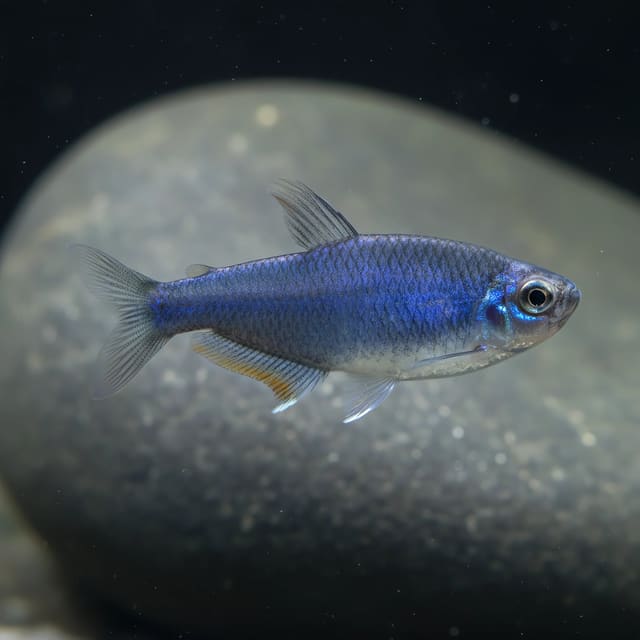
Side view of a Super Blue Emperor Tetra with a vivid blue body in an aquarium
−40%
Moderate

Super Blue Emperor Tetra (Inpaichthys kerri)

24–27°C · pH 5.5–7 · 68L

£2.99£4.99
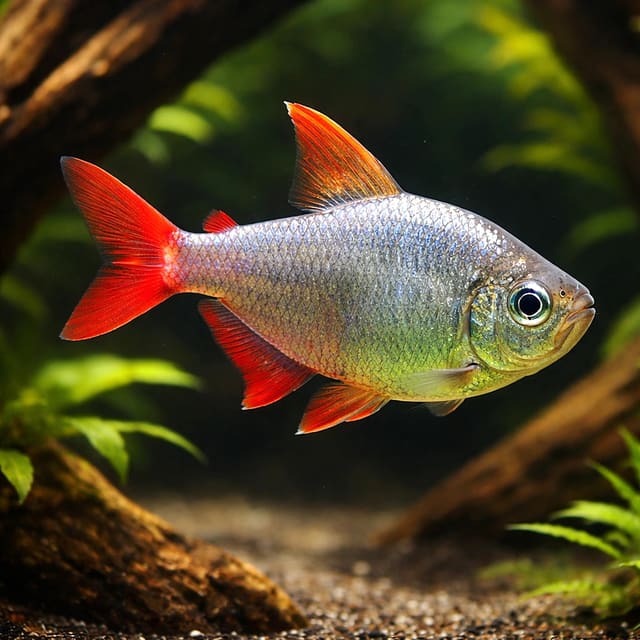
Red-Blue Colombian Tetra with red fins beside driftwood, shown in right-facing side profile with a silver body.
−14%

Red-Blue Colombian Tetra (Hyphessobrycon columbianus)

20–28°C · pH 5–7.5 · 81L

£2.57£2.99
Royal Tetra (Inpaichthys kerri)
−13%
Easy

Royal Tetra (Inpaichthys kerri)

24–27°C · pH 5.5–7 · 80L

£3.99£4.99
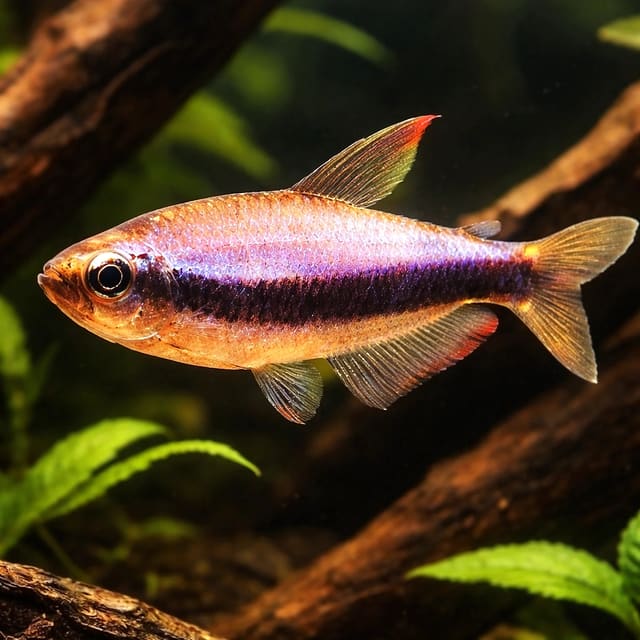
Purple Pencilfish with a vivid red stripe swimming among green plants and wood

Purple Pencilfish (Nannostomus rubrocaudatus)

24–28°C · pH 4–7 · 81L

£23.99
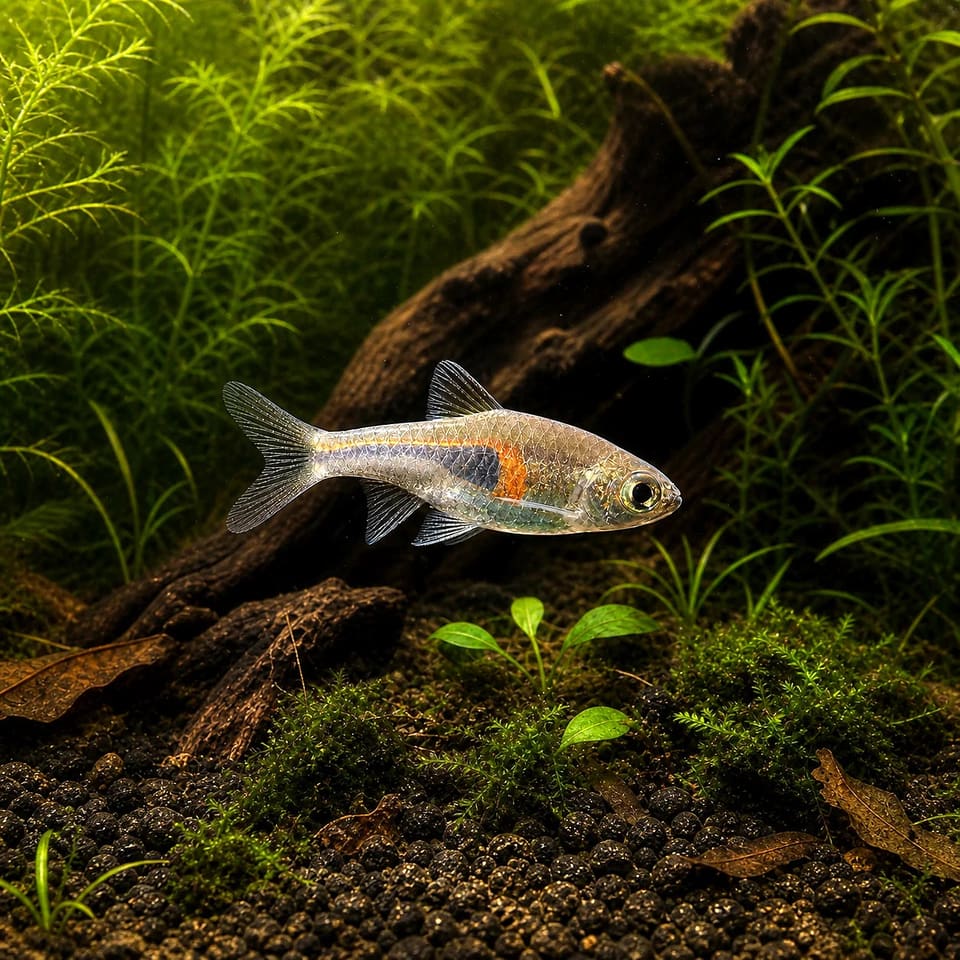
Glass Bloodfin Tetra with a translucent blue body and red-orange tail among wood and plants
Easy

Glass Bloodfin Tetra (Prionobrama filigera)

23–27°C · pH 6.5–7.5 · 68L

£3.99
Green Neon Tetra with a bright blue-green stripe swimming among wood and plants
−25%

Green Neon Tetra (Paracheirodon simulans)

23–27°C · pH 5.5–6 · 41L

£2.99£3.99
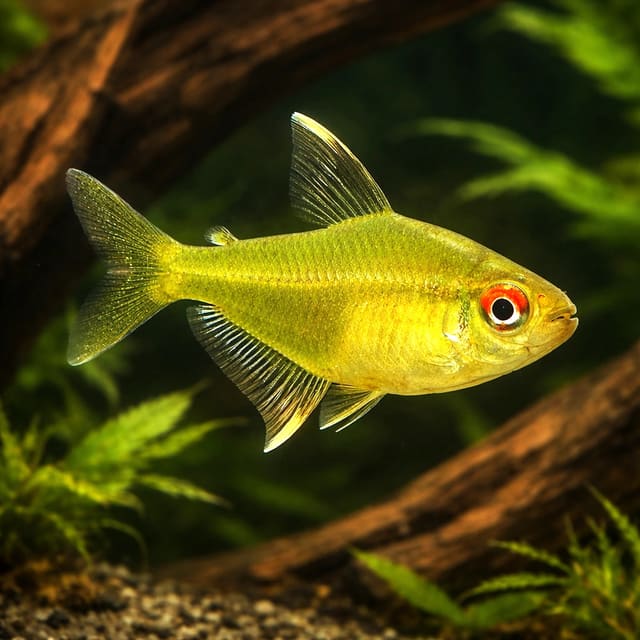
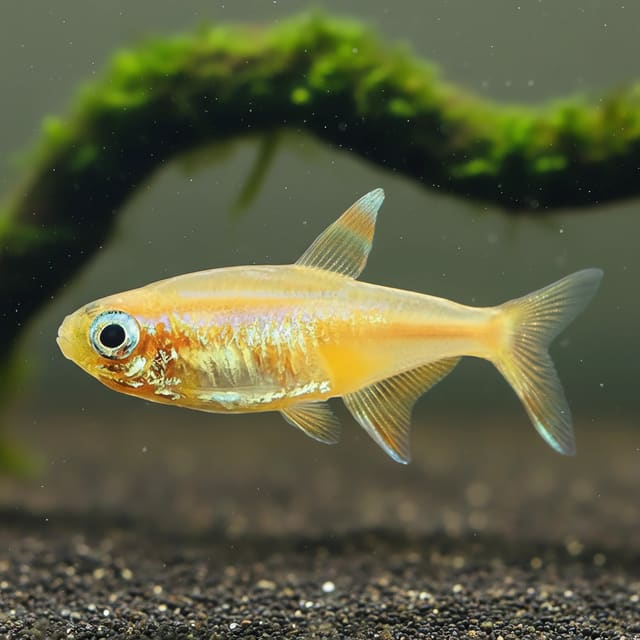
Lemon Tetra swimming beside wood and green plants, with a red-ringed eye, dark fins and gravel below

Lemon Tetra (Hyphessobrycon pulchripinnis)

22–27°C · pH 6.5–7.5 · 72L

£3.99
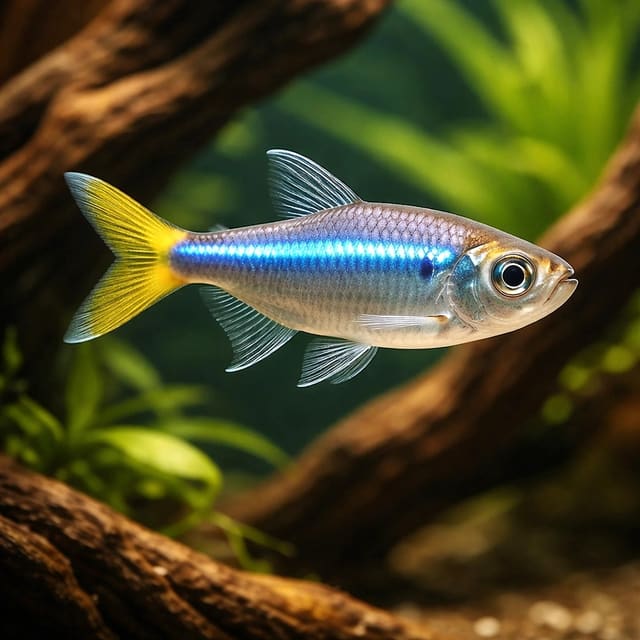
Yellow-Tailed African Tetra swimming among green plants and dark wood, with a blue stripe and bright yellow forked tail

Yellow-Tailed African Tetra (Alestopetersius caudalis)

22–26°C · pH 6.5–7.5 · 108L

£8.99
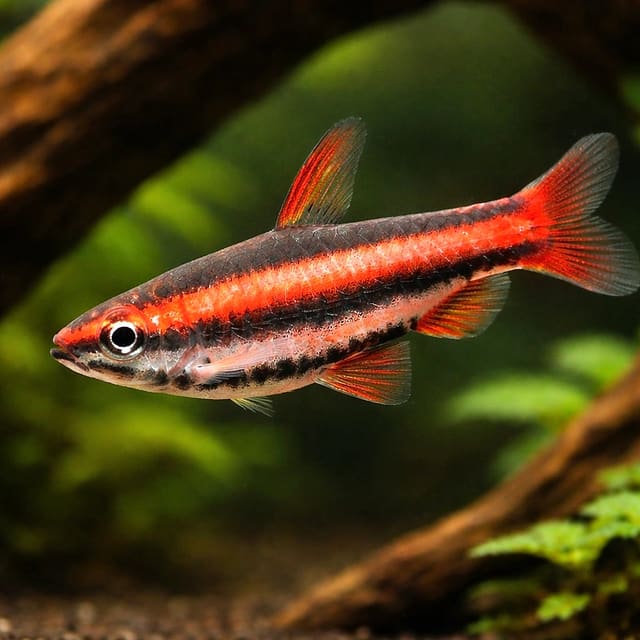
Red-Line Tetra with vivid red and black side stripes among plants and dark wood

Red-Line Tetra (Hyphessobrycon amapaensis)

23–28°C · pH 5–7 · 54L

£7.99
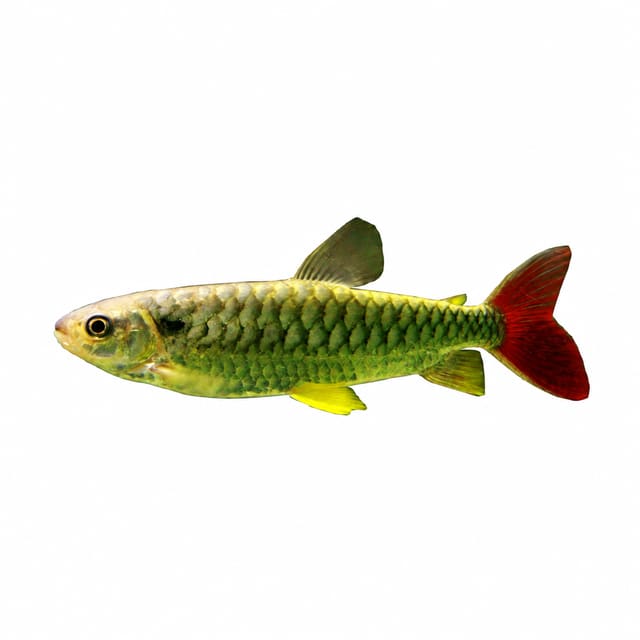
Tucan Fish (Chalceus erythrurus)

Tucan Fish (Chalceus erythrurus)

22–26°C · pH 6.5–7 · 243L

£14.99
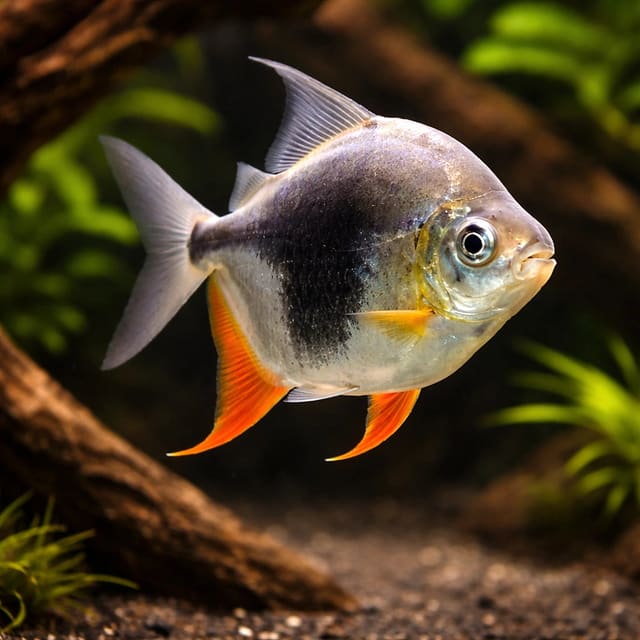
Blackberry Silver Dollar (Myleus sp. Lamax III) representative aquarium illustration
−11%
Advanced

Blackberry Silver Dollar (Myleus sp. "Lamax III")

24–28°C · pH 6–7.5 · 500L

£140.61£157.99
Red-and-black striped pencilfish swimming between wood and green plants

Dwarf Pencilfish (Nannostomus marginatus)

24–26°C · pH 6.5–7 · 41L

£6.99
Bleeding Heart Tetra with a red shoulder spot swimming by green plants and wood

Bleeding Heart Tetra (Megalamphodus erythrostigma)

23–27°C · pH 6.5–7.2 · 81L

£12.99
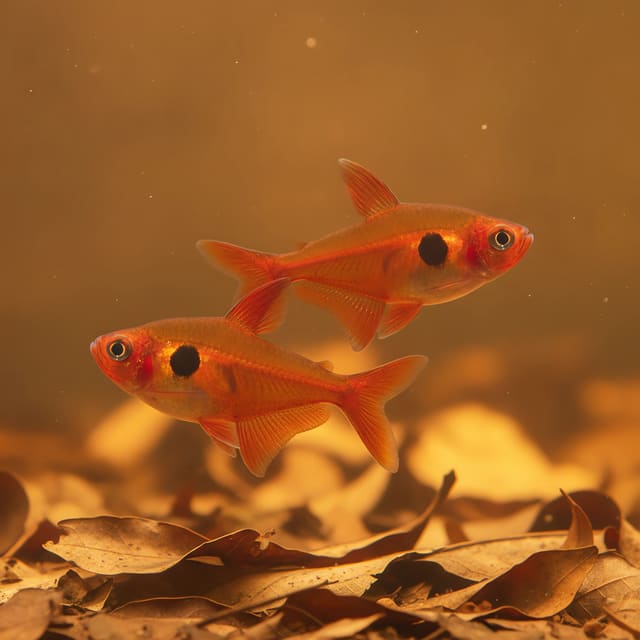
Two Red Phantom Tetras pictured with dark shoulder spots above aquarium leaf litter

Red Phantom Tetra (Megalamphodus sweglesi)

£5.99
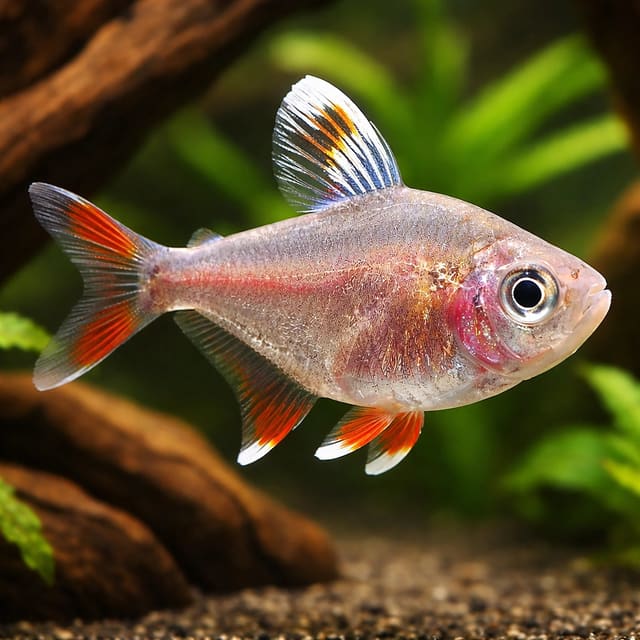
Ornate Tetra (Hyphessobrycon bentosi)
Easy

White-Fin Ornate Tetra (Hyphessobrycon bentosi)

23–28°C · pH 5.5–7.5

£5.99
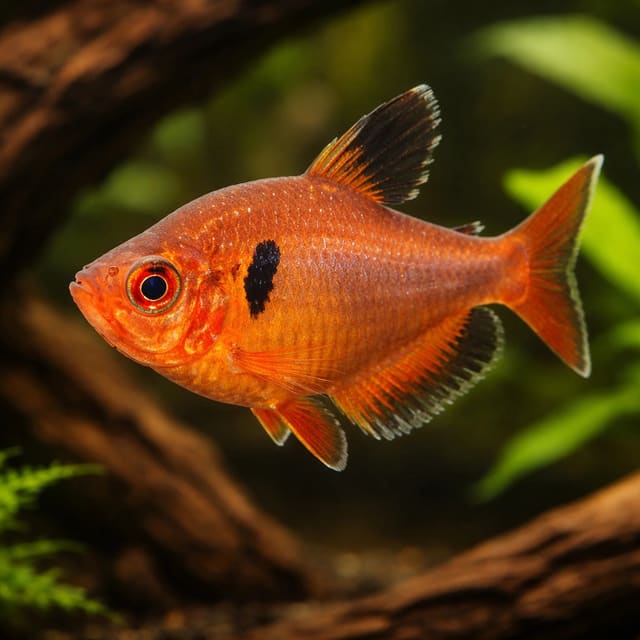
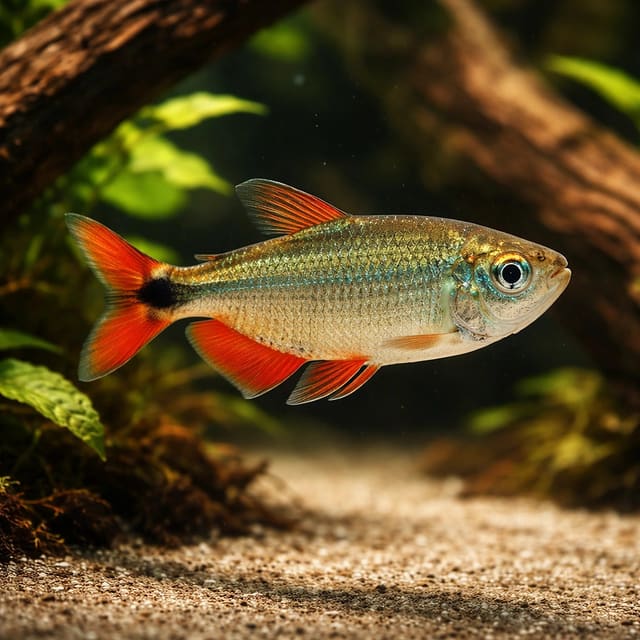
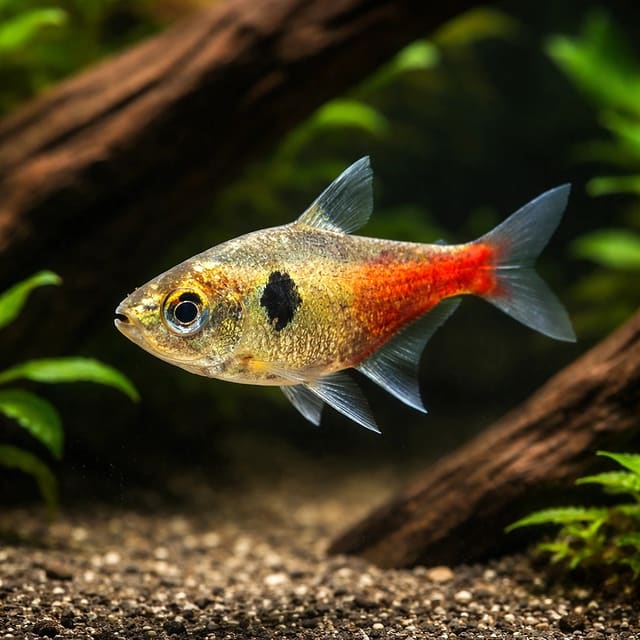
Serpae Tetra with a black shoulder patch swimming among green plants and dark wood

Serpae Tetra (Megalamphodus eques)

20–28°C · pH 5–7.5 · 72L

£2.99
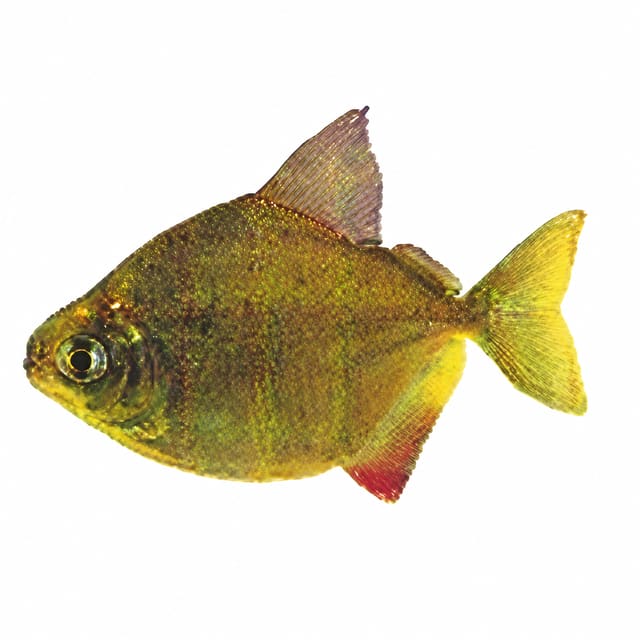
Schreitmüller's Silver Dollar (Metynnis hypsauchen)
Moderate

Schreitmüller's Silver Dollar (Metynnis hypsauchen)

24–28°C · pH 6–7 · 260L

£7.99
Red-Bellied Pacu with a silver body and orange-red belly swimming among wood and plants
Advanced

Red-Bellied Pacu (Piaractus brachypomus) – Juvenile Size Options

23–28°C · pH 4.8–7.5 · 2550L

£6.99
Buenos Aires Tetra with red fins swimming among wood and plants
−10%

Buenos Aires Tetra (Psalidodon anisitsi) – 3.5–5.5cm Sizes

22–27°C · pH 6.5–8

£2.69£2.99
Paracheirodon innesi yellow in a planted aquarium — representative image
Moderate

Yellow Neon Tetra (Paracheirodon innesi) — Size Options: 1.5–3 cm

21–25°C · pH 5–7

£2.99
Rosy Phantom Tetra (Megalamphodus roseus) — representative image
Easy

Yellow Phantom Tetra (Hyphessobrycon roseus)

20–28°C · pH 5–7 · 54L

£4.99
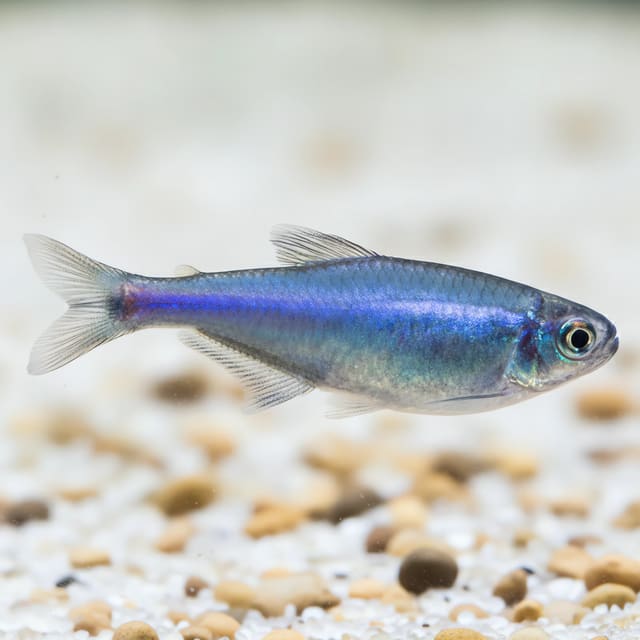
Cochus Blue Tetra in side profile above pale gravel, with an iridescent blue stripe and clear fins

Cochus Blue Tetra (Boehlkea fredcochui) – 2–4cm+ Size Grades

22–27°C · pH 6.5–8

£5.99

Before you choose from this collection

The tetra wall: over a hundred live characin species and forms, from ember, emperor, golden and Colombian tetras through green neons to pencilfish and silver dollars. If it shoals and shimmers, it's probably here — every listing is live, current stock.

Tetras are schooling fish to their core. Pick a species, buy ten of it, keep the water warm and stable, and you get the moving ribbon of colour that makes planted tanks famous. Boxes ship insulated with oxygen-charged bags and our live arrival guarantee.

Explore related collections

Visual route into our wider UK live-fish range.
Frequently asked questions

Most classic community tetras — ember, emperor, glowlight types, Colombian — sit between £2 and £5 per fish, so a proper school of ten is £20-£50. Wild-caught and collector species cost more. Prices below are live: what's listed is what's in stock today.
Ember, emperor and Colombian tetras are the forgiving picks — small, hardy and unfussed by typical UK water. Neons and cardinals are just as keepable but want a mature, fully cycled tank first, so make them the second addition, never the fish that opens a new setup.
Ten or more of the same species is the honest minimum — six is survivable but you'll see nervous, washed-out fish. In a big school tetras swim in open water, colour up fully and show the coordinated shoaling behaviour you bought them for. Budget schools, not pairs.
Side by side, absolutely — embers over the plants, emperors mid-water, pencilfish at the surface makes a beautiful layered tank. But each species only schools with its own kind, so buy 8-10 of each rather than three of many. Mixed singles never form a shoal.
Less forgiving than neons. Cardinals want warm (23-27°C), soft, acidic water and a mature tank, and wild-caught imports need careful acclimatisation. Captive-bred cardinals — which is what we stock when available — are noticeably tougher. Treat them as a fish for the settled tank, not the new one.