
Molly Fish Care: Tank Size, Temperature & Types

Mollies are social livebearers sold under a broad trade name. Identify the species or domestic form first; plan at least 45 litres for a small group of smaller mollies or 80 litres for sailfins, then verify adult size, water, sex ratio and the complete community.
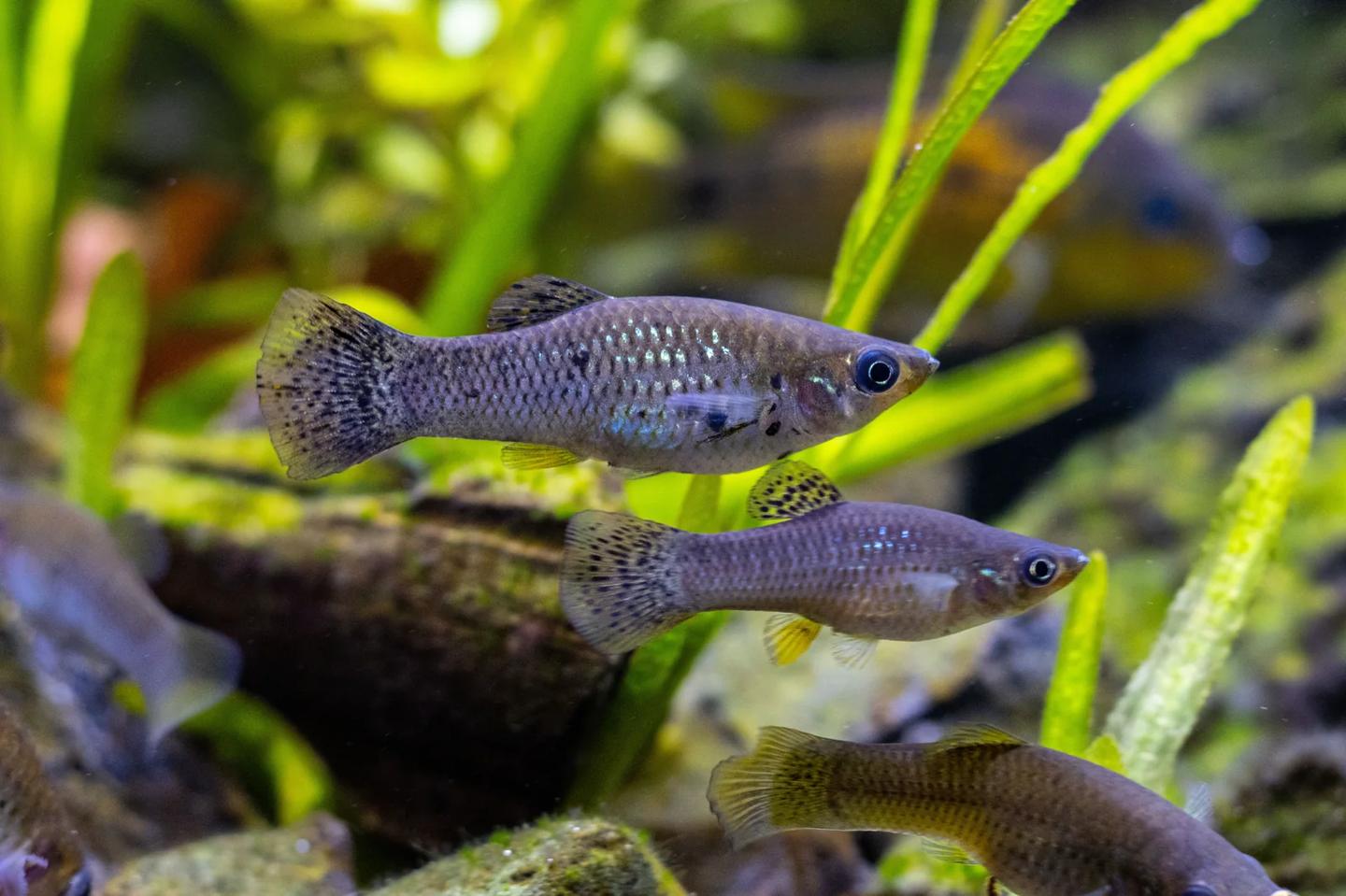
OATA gives at least 45 litres for a small group of smaller mollies and at least 80 litres for sailfins, with at least three fish and two females per male as starting guidance. These are planning floors, not capacity guarantees.
Live stock
Molly Fish for sale — see live stock & today’s prices
The useful answer starts with the label. “Molly fish” is a trade name, not one uniform animal. Smaller common-type mollies may stay below about 10 cm, while sailfin mollies can reach about 15 cm. OATA's UK starting floors are 45 litres for a small group of smaller mollies and 80 litres for sailfins, with at least three fish and two females per male[7]. Adult form, group, water, footprint and filtration can all justify more.
That distinction is what the old one-size-fits-all advice misses. Before buying, ask which species or domestic form is actually offered, its expected adult size, the seller's measured holding water and the sex of the fish. A colour name such as black, gold or dalmatian does not answer those questions.
- Identity: treat an unverified domestic molly as Poecilia sp. or a domestic form, not a guaranteed pure species.
- Group: start with at least three; for mixed sexes, OATA suggests two females per male.
- Aquarium: at least 45 litres for a small group of smaller mollies; at least 80 litres for sailfins.
- Water: 20–28°C, pH 7.0–8.0 and 8–18 dGH as broad UK guidance; match the exact fish and companions.
- Waste: ammonia and nitrite must remain at zero; verify with tests.
- Food: use an algae-rich staple plus suitable varied food; do not rely on leftover community food.
- Salt: never add it by habit; first establish the species, source water and whole-tank consequences.
What is a molly fish?
Three accepted species frequently appear in aquarium discussions:
| Name used in the trade | Accepted species | Evidence-backed planning distinction |
|---|---|---|
| Common or shortfin molly | Poecilia sphenops | FishBase reports 7.5 cm maximum standard length, which excludes the tail. |
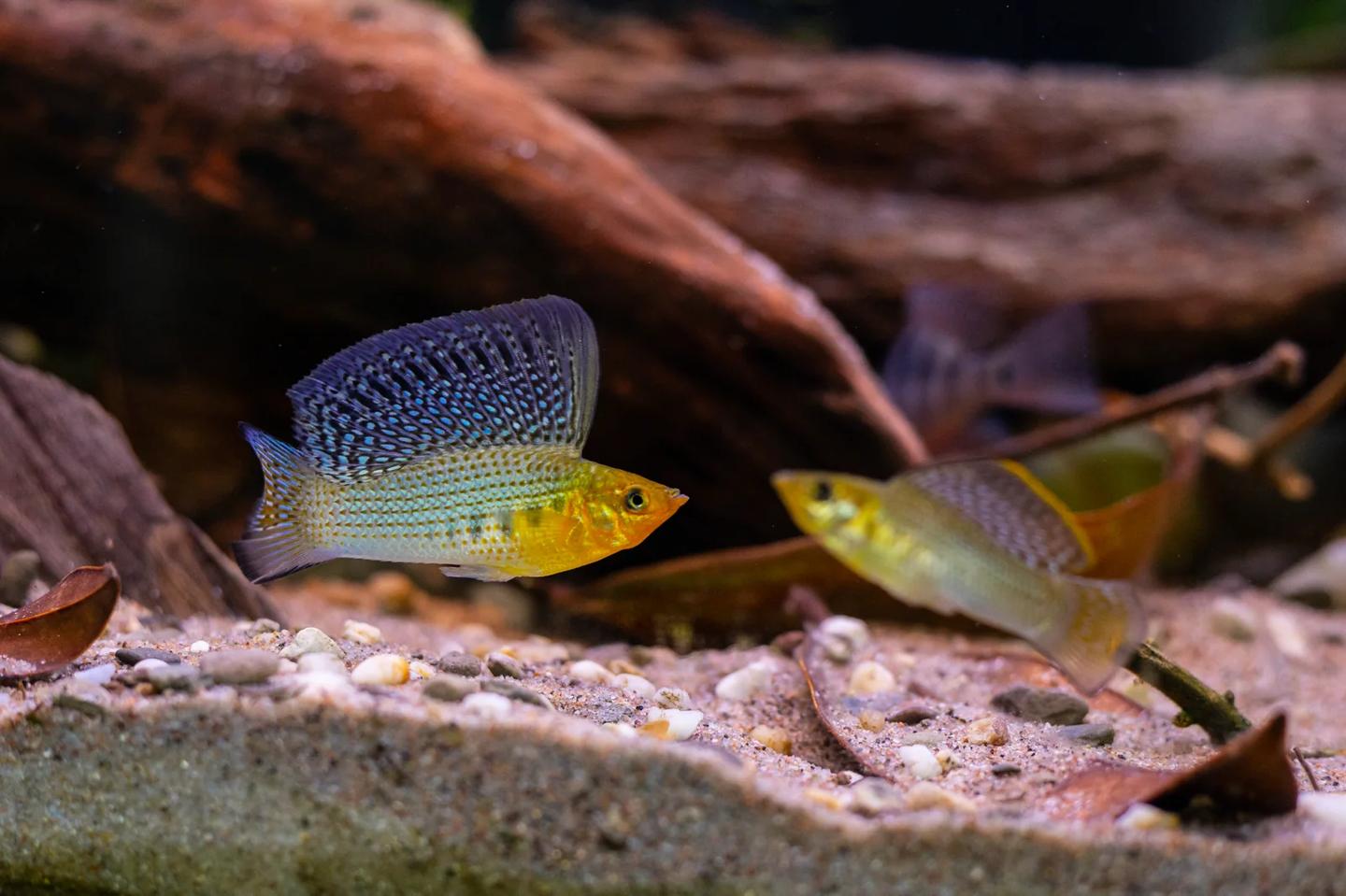
| Sailfin molly | Poecilia latipinna | FishBase and USGS report up to 15 cm total length; males can develop a large sail-like dorsal. |
| Yucatan sailfin molly | Poecilia velifera | FishBase reports up to 15 cm total length and a warmer published environmental range. |
The Catalog of Fishes currently accepts all three in Poeciliidae[1][2][3]. They are not interchangeable labels. Standard length and total length are also different measurements, so 7.5 cm SL and 15 cm TL must not be compared as though measured identically[4][5][6].
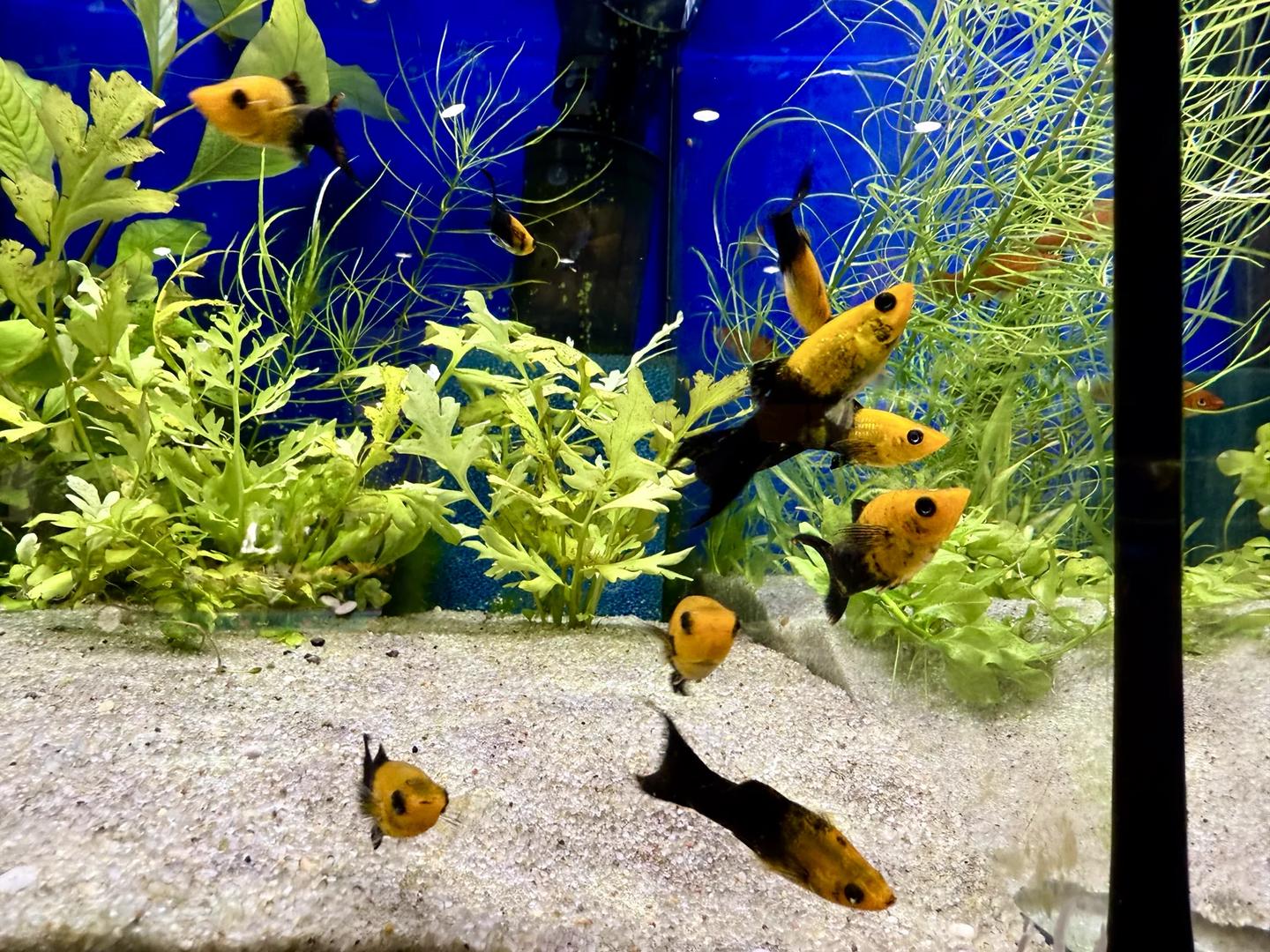
Domestic colour and fin forms complicate identity further. The USGS profile notes that some “black molly” records and commercially bred forms attributed to P. latipinna involve hybrids[8]. This does not mean every domestic molly is a hybrid; it means a colour name or photograph cannot certify a pure species. Keep the seller's exact wording and record uncertainty honestly.
Molly fish tank size
OATA recommends at least 45 litres for a small group of smaller guppies or mollies and at least 80 litres for sailfin mollies[7]. Those values are useful purchase floors, not permission to fill every nominal 45- or 80-litre aquarium the same way.
Check these together:
| Decision | What to verify | Unsafe shortcut |
|---|---|---|
| Adult identity | Species, domestic form and largest defensible adult dimension | Sizing for the juvenile in the sales photo |
| Social plan | At least three, sex ratio, chasing and feeding access | Adding one molly because it “looks peaceful” |
| Footprint | Horizontal swimming space after wood, plants and equipment | Treating tall and long tanks as equivalent |
| Water | Temperature, pH, GH/KH and salinity history | Assuming every UK tap or “tropical” fish matches |
| Capacity | Complete adult community, oxygen, filter and maintenance | A universal fish-per-litre calculation |
The label on an aquarium is its gross volume. Substrate, decor, equipment and the air gap reduce actual water volume. Measure the internal length, width and water depth, then keep enough open horizontal space for active swimming.
Tank Volume Calculator
Enter length, width, and height to get your real water volume in litres.
Open tool →Larger water volumes usually change more slowly and give more room to manage social pressure. The RSPCA advises choosing more space than the minimum and treating simple fish-per-litre values only as rough guidelines because temperature, filtration, water source and maintenance also matter[12].
Temperature, pH, hardness and salt
OATA's broad freshwater range for guppies and mollies is 20–28°C, pH 7.0–8.0 and 8–18 dGH, with zero ammonia and zero nitrite[7]. It is a practical UK screen across commonly traded fish, not proof that every species, source population or domestic line performs identically at both ends.
Use this sequence:
- Ask the seller for the exact fish's measured holding temperature, pH and hardness.
- Test the destination aquarium rather than relying on a postcode or “hard-water area” label.
- Choose a stable temperature inside the verified overlap for every inhabitant.
- Use a thermostatic heater and a separate thermometer.
- Record weekly ammonia, nitrite, nitrate, pH and hardness so a trend is visible before fish show distress.
UK tap water varies with local geology. The Drinking Water Inspectorate directs customers to their water company for an accurate local hardness value and warns that its national map cannot show every local variation[13]. “Most UK water is fine” is therefore not a test result.
Water Parameter Matcher
Enter your tap water readings to see if this species will thrive.
Open tool →Do mollies need salt?
Do not add aquarium salt automatically. Catalog of Fishes and FishBase record freshwater and brackish habitats for the wild species, while OATA gives a workable freshwater care range without prescribing routine salt[1][2][3][7].
That evidence supports neither “mollies must have salt” nor “salt is always harmless.” Ask whether the actual stock is maintained in fresh or brackish water. Any salinity change must account for the fish's origin, the measured starting and destination water, plants, invertebrates, tank mates and the reason for the change. Salt is not a substitute for cycling, hardness, oxygen, diagnosis or water changes.
Filtration, cycling and aquarium layout
Mollies should enter a mature, filtered aquarium—not be used to cycle one. The RSPCA recommends fishless cycling and adding fish only after ammonia and nitrite have risen during the cycle and returned to zero[12]. OATA likewise warns that stocking too quickly can overwhelm the biological filter[7].
Plan the layout around both movement and refuge:
- keep an open horizontal swimming lane;
- use live or aquarium-safe artificial plants to break long sightlines;
- avoid sharp or rough decor, especially around large fins;
- guard filter intakes where fry may be present;
- maintain surface movement and oxygen without turning the whole aquarium into a strong current;
- fit a lid around cables and pipework rather than leaving jump gaps.
Plants can give females and fry cover, but plant density does not repair chronic crowding or relentless pursuit. Watch whether every adult can rest, feed and leave another fish's line of sight.
How many mollies should live together?
OATA suggests at least three fish with two females for each male[7]. Treat 1:2 as a starting arrangement, not a guarantee. A controlled comparative study that included P. latipinna found that females spent less time feeding when accompanied by a male, demonstrating a real cost of mating attention[9].
The practical test is behaviour:
- Can every fish feed without being displaced?
- Can a pursued fish break visual contact and rest?
- Are fins intact and swimming normal?
- Does one male continually trap another or one female?
- Are water quality and oxygen stable at the full adult load?
An all-female group removes ongoing male mating pressure, but it does not guarantee no fry. In a controlled P. latipinna study, previously mated females produced later broods using stored sperm[10]. Ask whether females have been housed with mature males and have a humane plan for unexpected young.
Male vs female molly fish
For mature fish, look at the anal fin—not colour or belly size. OATA describes the male's narrow modified anal fin as a gonopodium and the female's anal fin as triangular[7]. In sailfin species, the enlarged sail-like dorsal is a male trait, but domestic fin forms and juvenile development can make photographs misleading.
Do not use a round abdomen as proof of pregnancy, or a pale colour as proof of sex. Before dispatch, ask the seller to confirm the sex of the actual fish from a clear current view. If sex is uncertain, build the stocking plan around that uncertainty rather than promising a ratio the shipment may not deliver.
Feeding mollies
OATA describes mollies as omnivores and recommends a good-quality flake or granule with a high algae content, supplemented with suitably sized live or frozen foods such as daphnia or small bloodworm[7]. FishBase records plant matter and animal foods in the diets of the accepted species[4][6].
Use feeding as an observation tool:
- Offer a complete, appropriately sized algae-rich staple.
- Add variety in amounts the group finishes without leaving waste.
- Spread food across more than one spot if a dominant fish blocks access.
- Confirm each fish eats; enthusiasm elsewhere in the group can hide one declining individual.
- Adjust quantity from body condition, water tests and uneaten food—not a fixed number of pinches.
Courgette, algae wafers and frozen foods can add variety, but no one ingredient cures poor water or proves a balanced diet. Avoid unsupported claims that one food frequency prevents bloat, constipation or disease.
Molly fish tank mates
Mollies are often described as peaceful, but compatibility is a decision, not a label. OATA says they can live with many fish yet specifically advises against keeping sailfins with timid species[7].
| Candidate | Why it may fit | What still needs checking |
|---|---|---|
| Guppies | Broad OATA temperature, pH and hardness guidance overlaps | Fin activity, sex ratios, fry, food and total adult load |
| Platies | Active livebearers often planned for harder water | Exact water range, crowding and continuous reproduction |
| Other medium-hard-water community fish | Chemistry may overlap | Adult size, speed, fin-nipping, feeding layer and temperament |
| Timid or slow-feeding fish | None by default | Sailfin activity and feeding competition can make the pairing unsuitable |
| Shrimp, fry or very small animals | May share water in some systems | Predation cannot be ruled out; use a species-focused setup if survival is the priority |
The tool is a comparison aid, not a guarantee. Verify the exact fish and current aquarium, and plan a mature separation option before combining animals.
Breeding and fry
Mollies are livebearers. OATA gives a broad care-sheet range of 20–80 fry after a pregnancy of about 24–30 days, while also noting that young are easily eaten in a community aquarium[7]. These are variable guidance figures, not a timetable or brood-size promise for an individual.
If breeding is not the goal, avoid mixed sexes and still prepare for stored-sperm fry. If it is the goal, first arrange:
- enough mature capacity for juveniles as they grow;
- safe fine cover and protected filtration;
- suitably sized complete food;
- frequent water-quality observation;
- a realistic separation and rehoming plan.
Do not buy a mixed-sex group and treat unplanned fry as a harmless bonus. Reproduction increases biological load quickly, and adult females need space to avoid persistent pursuit.
Balloon mollies and welfare
“Balloon” or “dwarf” refers to a shortened body form, not simply a colour. A genome-wide study of dwarf white sailfin mollies documented shorter bodies and dysplastic vertebrae compared with the normal-bodied fish it examined[11].
That study did not measure pain, prove a shorter lifespan, or test every commercial balloon line. It therefore cannot support claims that every balloon molly will suffer the same outcome—or that the form is automatically harmless. A careful buying decision should:
- ask how the body form and species are labelled;
- reject fish that cannot swim, balance, breathe or feed normally;
- avoid breeding visibly compromised animals;
- provide more space and observation rather than using the shorter body to justify a smaller tank;
- prefer a normal-bodied molly when the added anatomical uncertainty cannot be resolved.
Health: what “shimmying” does and does not tell you
A molly holding position while its body rocks or shudders is showing an abnormal sign, not naming one disease. Water chemistry, temperature, oxygen, social stress, transport, infection and other problems can overlap in appearance.
Respond in order:
- Test ammonia, nitrite, nitrate, pH, hardness and temperature immediately.
- Check surface movement, filter flow, recent maintenance, new additions and chasing.
- Compare the result with the exact fish's documented source and destination water.
- Isolate only in a suitable mature system when aggression or disease risk justifies it.
- Seek experienced aquatic or veterinary help when the sign persists, worsens, or occurs with gasping, injury, loss of balance or refusal to feed.
Do not raise temperature, add salt or choose a medicine from the word “shimmy.” OATA advises testing water and getting specialist guidance when fish show abnormal behaviour, breathing, appearance or appetite[7].
Buying mollies in the UK
Before payment or dispatch, get answers to these questions:
| Ask the seller | Why it matters |
|---|---|
| What exact species or domestic form is this, and is hybrid ancestry known? | Common names and colours do not prove taxonomy. |
| What is the expected adult size and measurement basis? | Smaller common forms and 15 cm sailfins need different plans. |
| What are the current measured holding temperature, pH, GH/KH and salinity? | Acclimation starts from real source and destination water. |
| Is this actual fish confidently sexed, and has a female shared water with males? | Ratio and unexpected-fry planning depend on it. |
| What is the sale unit and current body size? | “Pair”, “group” and photo count must not be assumed. |
| What arrival instructions and welfare support apply to this shipment? | Journey and bag conditions vary. |
The Molly Fish shop owns current stock, price, size, sex and availability. This care guide does not hard-code those changing facts. The delivery page is the current source for postcode coverage, dispatch and Live Arrival Guarantee terms.
Prepare and test the mature aquarium before ordering. Follow the seller's current arrival instructions and compare source with destination water; do not apply one fixed timer to every journey. Current GOV.UK seller guidance requires species-appropriate conditions, gradual acclimatisation information and welfare-led decisions rather than a universal stocking equation[14]. Our new-fish acclimation guide explains the decision points.
Evidence limits and editorial method
This page separates four evidence layers. Catalog of Fishes is used for accepted names and distribution. FishBase and USGS support labelled species size, habitat and morphology. OATA supplies broad UK aquarium guidance. Primary studies support only their narrow findings on mating pressure, stored sperm and dwarf-molly anatomy.
No cited source proves that every domestic colour form is a pure species, every UK tap suits mollies, every female is pregnant, a fixed ratio prevents harassment, one lifespan applies to all mollies, salt is universally required or forbidden, or one tank-mate list guarantees safety. Those claims have been removed rather than polished into a stronger-sounding answer.
Tropical Fish Co sells some of the animals discussed here. Commercial links are kept separate from the care answer, and stock can change. If you spot an error, use the correction link below so the claim and its source can be reviewed. Correction forms and email are not leads or ecommerce conversions; only shopping actions such as add-to-cart, checkout and purchase are commerce outcomes.
Molly species, habitat and domestic colour forms
Frequently asked questions
Sources & further reading
Material factual claims cite the sources below; store policy and cautious inference are labelled in the article. Sources are grouped by type so you can judge their weight at a glance.
Peer-reviewed study (3)
- [9]Tobler, M., Plath, M., Burmeister, H., et al. (2007). Sexual harassment in live-bearing fishes (Poeciliidae): comparing courting and noncourting species. Behavioral Ecology. View source
Comparative experiment including P. latipinna; female feeding time fell in the presence of a male. It does not prove one universal home-aquarium ratio.
- [10]Hankison, S., Gangloff, E. J., Fry, B., et al. (2022). Effects of reliance on stored sperm on reproduction in the sailfin molly Poecilia latipinna. Journal of Fish Biology. View source
Direct evidence that previously mated P. latipinna females can use stored sperm in a later reproductive cycle; not a promise that every female is carrying young.
- [11]Wang, L., Liu, S., et al. (2019). Identification of loci controlling the dwarfism trait in the white sailfin molly. Genes. View source
Imaging and genetic study found shortened bodies and dysplastic vertebrae in the studied dwarf white sailfin mollies; it did not measure pain, lifespan or every balloon strain.
Scientific database (6)
- [1]Fricke, R., Eschmeyer, W. N. & Van der Laan, R. (eds.) (2026). Eschmeyer's Catalog of Fishes: Poecilia sphenops. California Academy of Sciences. View source
Current accepted name, family, native distribution and freshwater/brackish habitat; not a domestic-strain identification guide.
- [2]Fricke, R., Eschmeyer, W. N. & Van der Laan, R. (eds.) (2026). Eschmeyer's Catalog of Fishes: Poecilia latipinna. California Academy of Sciences. View source
Current accepted sailfin-molly name, distribution and freshwater/brackish habitat.
- [3]Fricke, R., Eschmeyer, W. N. & Van der Laan, R. (eds.) (2026). Eschmeyer's Catalog of Fishes: Poecilia velifera. California Academy of Sciences. View source
Current accepted Yucatan sailfin-molly name, distribution and freshwater/brackish habitat.
- [4]Froese, R. & Pauly, D. (eds.). FishBase species summary: Poecilia sphenops. FishBase. View source
Species-level 7.5 cm maximum standard length, environmental range and broad diet record; not a retail sale-size or domestic-hybrid promise.
- [5]Froese, R. & Pauly, D. (eds.). FishBase species summary: Poecilia latipinna. FishBase. View source
Species-level 15 cm maximum total length, temperature and morphology records.
- [6]Froese, R. & Pauly, D. (eds.). FishBase species summary: Poecilia velifera. FishBase. View source
Species-level 15 cm maximum total length, environmental range and broad diet record.
Animal-welfare charity (1)
- [12]Royal Society for the Prevention of Cruelty to Animals. Choosing an aquarium for pet fish. RSPCA. View source
UK welfare guidance for space, biological filtration, fishless cycling, heating, water testing and stable conditions.
Trade-body guidance (1)
- [7]Ornamental Aquatic Trade Association. How to look after guppies and mollies. OATA. View source
UK aquarium guidance for water, size, group, sexing, tank layout, feeding, health checks and reproduction; not a controlled species trial or capacity formula.
Government / regulatory (3)
- [8]U.S. Geological Survey (2026). Sailfin Molly (Poecilia latipinna) species profile. USGS Nonindigenous Aquatic Species Database. View source
Wild range, habitat, 15 cm size and explicit warning that some black and commercial forms reported as P. latipinna are hybrids.
- [13]Drinking Water Inspectorate. Water Hardness / Hard Water. Drinking Water Inspectorate. View source
Official explanation of hardness and local UK variation; it is not stretched into a claim that every postcode suits mollies.
- [14]Department for Environment, Food & Rural Affairs (2026). Selling animals as pets licensing: statutory guidance for local authorities. GOV.UK. View source
Current licensed-seller context for species-appropriate water, acclimatisation, records and welfare-led stocking rather than a fish-per-litre promise.
Spotted something that needs a fix?
Fishkeeping moves fast and we want every guide spot-on. If you think something here is wrong, out of date, or could be clearer, tell us — our team reads every message and updates the page.
Suggest an edit
Tropical Fish Co Editorial Team
Evidence-led aquarium editorial team
The Tropical Fish Co editorial team compiles care guidance from the sources cited on each page, separates published evidence from practical husbandry policy, and checks retail links against the current catalogue. First-hand experience is included only when a named contributor and the observation have been verified.
Keep exploring
Care guides
- Guppy Care Guide: Poecilia reticulata
Evidence-checked guppy care for UK aquariums: tank size, social and sex planning, water, feeding, tank mates, health, breeding and buying.
- Platy Fish Care: Tank Size, Temperature & Types
Platy fish care for UK keepers: compare platy types, tank size, temperature, water, lifespan, groups, male vs female, pregnancy and tank mates.
- Aquarium Water Parameters: What to Test and Why
Learn which freshwater aquarium water parameters to test, how to read ammonia, nitrite, nitrate, pH, GH and KH, and when a result needs action.
Related care guides
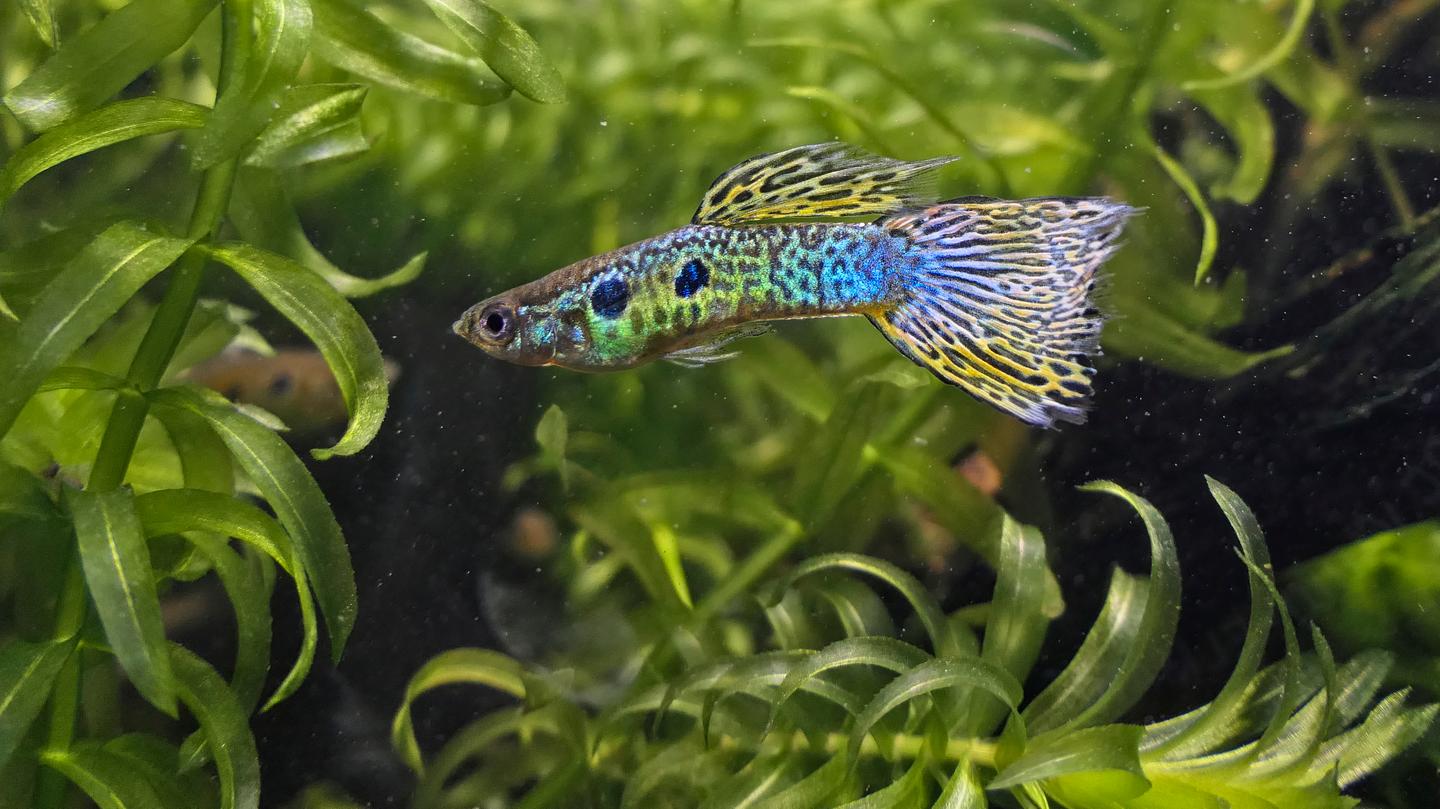
Guppy Care Guide: Poecilia reticulata
Guppies are social livebearers suited to a prepared beginner, not a fish-per-litre formula. Use a mature filtered aquarium, tested neutral-to-alkaline mineral-bearing water, deliberate sex and population planning, open swimming room, cover and a separation option.
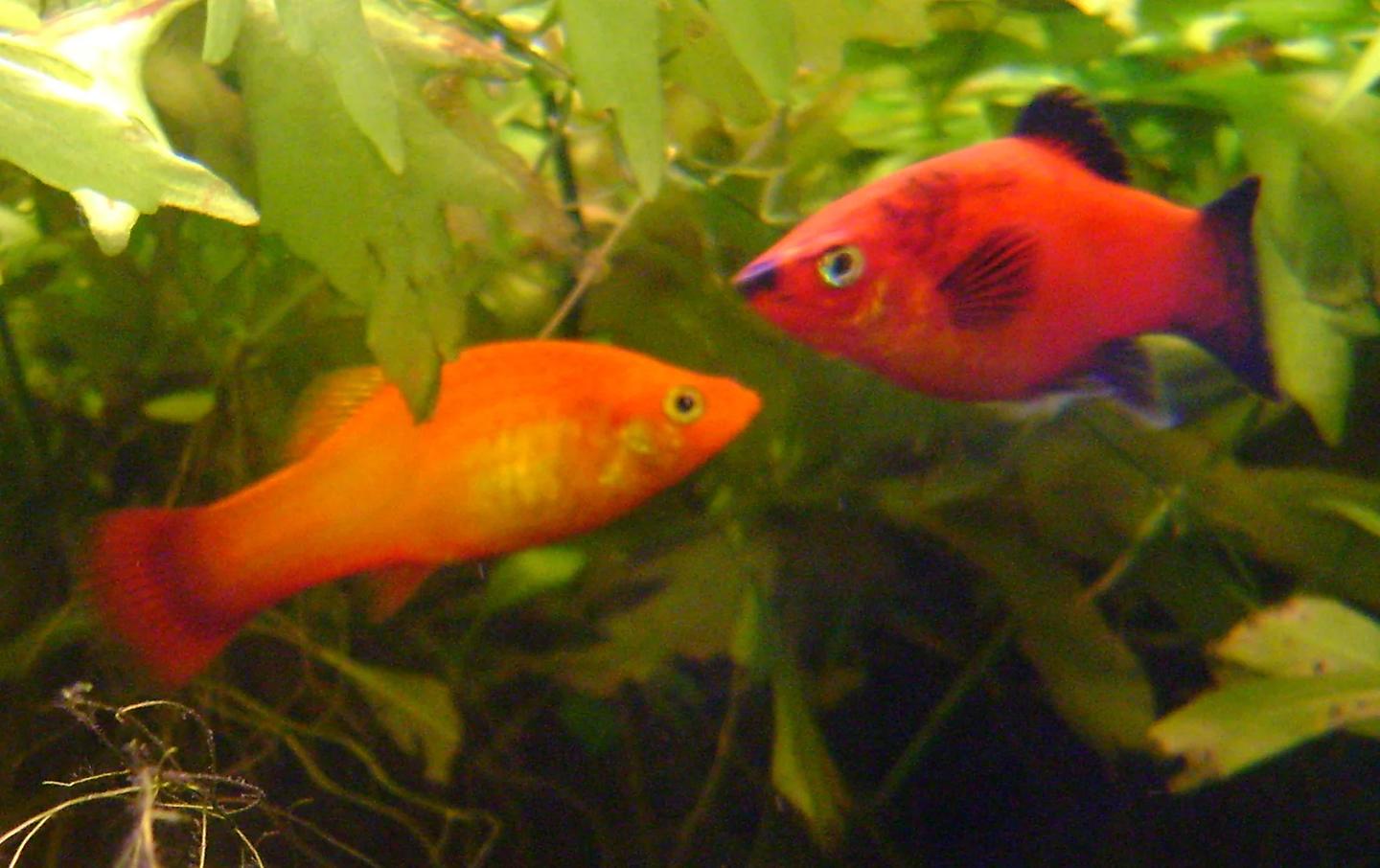
Platy Fish Care: Tank Size, Temperature & Types
Platy is a trade name used for Xiphophorus maculatus, X. variatus and domestic forms. Start with at least three in a mature aquarium of at least 45 litres, verify the exact fish and measured water, and plan extra capacity before mixing sexes.
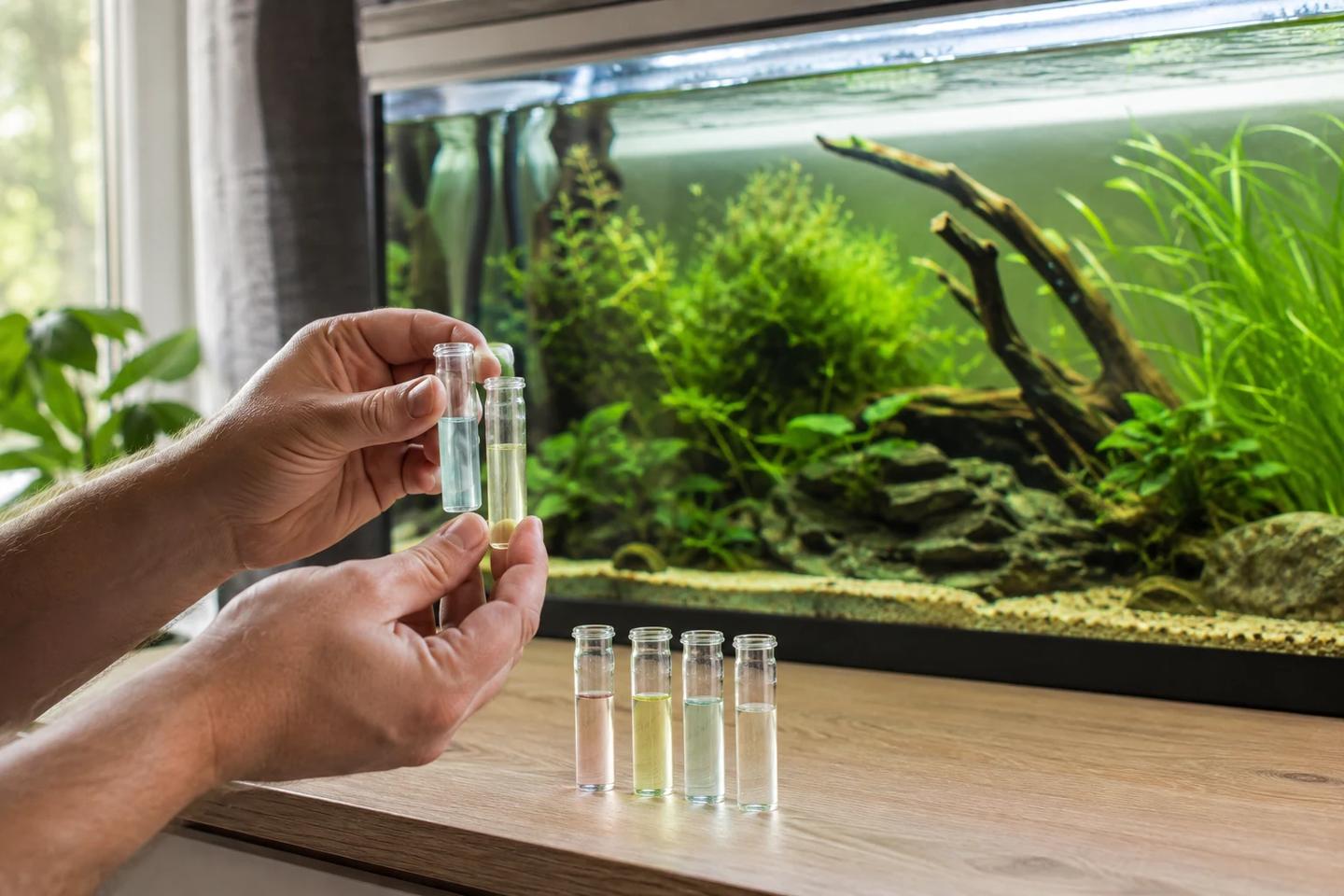
Aquarium Water Parameters: What to Test and Why
There is no universal set of perfect freshwater aquarium parameters. Identify the animals, learn what the test and unit actually report, establish your local source-water baseline, and compare repeat measurements. In an established aquarium, a confirmed ammonia or nitrite detection needs investigation; pH, GH, KH, temperature and nitrate decisions depend on the species, life stage and whole system.