
How to Acclimate New Fish (UK Drip Method Guide)
Proper acclimation is the difference between healthy new fish and dead ones in 48 hours. The process: float the sealed bag 20-30 minutes to match temperature, drip-acclimate over 30-60 minutes to match water chemistry, then net fish (NEVER pour the bag water) into the tank. Total time: about an hour. Skip it and even hardy species can die from osmotic shock; do it properly and even sensitive shrimp transition without losses.
Why proper acclimation matters
Fish are sensitive to changes in temperature, pH, hardness, and dissolved minerals that are completely imperceptible to us. The water your fish arrives in — whether from a UK shop bag or an online delivery — is almost never identical to your tank water. During transit, CO₂ builds up in the bag and lowers pH; ammonia rises from waste; temperature drifts.
Dropping a fish straight from that environment into your aquarium causes osmotic shock[3] — cells rapidly absorb or lose water as they try to balance the mineral concentration mismatch. The result is gill damage, organ stress, and often death within 24-48 hours. Proper acclimation gives the fish's body time to adapt gradually. Half an hour of your time, dramatically better survival rates.
This guide is the protocol I use for every fish I add to a tank — cross-referenced against the most respected hobbyist database[1] and species-specific tolerance data from FishBase[2].
Acclimation Timer
Step-by-step drip acclimation timer with species-specific defaults.
Open tool →The full protocol in 5 steps
| Step | What you do | Time | Why |
|---|---|---|---|
| 1 | Float sealed bag in tank | 20-30 min | Match temperature without exposing fish to either water |
| 2 | Pour bag contents into clean bucket | 1 min | Start the chemistry-matching stage |
| 3 | Drip tank water into bucket | 30-60 min | Gradually shift bucket water from shipping to tank parameters |
| 4 | Net fish into tank, discard bucket water | 2 min | Never pour shipping water into your tank |
| 5 | Dim lights, no food for 12-24 hours | 24 h | Let fish recover from transit stress |
Total active time: about an hour. Total elapsed time: closer to 1.5 hours including the post-add quiet period.
Step 1: Temperature matching (float method)
Float the sealed bag in your aquarium for 20-30 minutes. This equalises temperature slowly without exposing your fish to either water.
Do not open the bag during this step. The goal is purely temperature matching. Opening the bag lets ammonia-saturated shipping water contact fresh air, which causes a pH spike that's more dangerous than the temperature gap.
For UK winter deliveries, the bag may arrive significantly colder than your tank. Float the full 30 minutes and check by touch — when the bag feels the same temperature as the tank surface, you're ready for step 2.
Heat packs in shipping boxes last 24-36 hours. If your delivery was delayed (Royal Mail / DPD weather hold), check the box temperature before opening. A box that arrives cold to the touch needs extra-careful temperature matching — float for 30+ minutes and aim for a slow drip rather than a fast one once you start step 2.
Step 2: The drip acclimation method
This is the gold standard. It works for every species, from hardy guppies to sensitive crystal shrimp.
- Open the bag and gently pour fish + bag water into a clean aquarium-only bucket
- Take a length of airline tubing (the thin flexible tube used for air pumps)
- Tie a loose knot in the middle to control flow rate
- Start a siphon from your aquarium into the bucket
- Adjust the knot until water drips at 2-3 drops per second (slower for sensitive species)
- Let it drip until bucket water has roughly doubled in volume — typically 30-60 minutes
During this time the bucket water gradually shifts from shipping parameters to your tank parameters. The fish's body adapts without shock.
Drip times by species
| Species group | Drip rate | Duration | Notes |
|---|---|---|---|
| Livebearers (guppy, platy, molly) | 3 drops/sec | 30 min | Most tolerant — hardiest acclimators |
| Hardy tetras (ember, lemon, black skirt) | 2-3 drops/sec | 30-45 min | Standard community drip |
| Neon / cardinal tetras | 2 drops/sec | 45-60 min | Soft-water origin — slower is safer |
| Corydoras catfish | 2 drops/sec | 45-60 min | Wild-caught especially sensitive |
| Bettas | 2-3 drops/sec | 30-45 min | Avoid temperature shock especially |
| Plecos (bristlenose, common) | 2 drops/sec | 45-60 min | Bigger fish = more body mass to adjust |
| Discus | 1-2 drops/sec | 60-90 min | Soft-water specialist — go slow |
| Neocaridina shrimp (cherry) | 1-2 drops/sec | 60-90 min | Sensitive to hardness changes |
| Caridina shrimp (crystal red) | 1 drop/sec | 90-120 min | Most sensitive — extreme care needed |
| Wild-caught any species | 1 drop/sec | 90+ min | Match source water as closely as possible |
Water Parameter Matcher
Enter your tap water readings to see if this species will thrive.
Open tool →A loose overhand knot in airline tubing makes a surprisingly accurate flow restrictor. Tighter knot = slower drip. Start with the knot fully loose and watch the drip — tighten gradually until you hit your target rate. If the bucket fills too fast, tighten more. If it stops dripping completely, loosen.
Step 3: Transfer to the tank
Once the bucket water has roughly doubled in volume, move the fish:
- Use a soft mesh net to gently lift each fish from the bucket
- Let the bucket water drain back through the net
- Lower the net into the tank so the fish swims out under their own power
- Dim the tank lights first — sudden brightness adds unnecessary stress
Never pour bucket water into the tank. That water contains:
- Ammonia from hours of fish waste in a small volume
- Potential pathogens from the supplier's system
- Dissolved medications (many suppliers add prophylactic meds to shipping water)
- Stress hormones that can spook your existing fish
Discard the bucket water down the drain. Rinse the bucket and net before storing.
This is non-negotiable. Even the best supplier's bag water is high-ammonia, possibly pathogenic, and not parameter-matched to your tank. Net the fish, drain the water, never the other way around. One careless pour can introduce ich or columnaris to a previously healthy display tank.
The first 24 hours
| Hour | What to do |
|---|---|
| 0 | Fish in tank. Dim lights. Walk away |
| 0-2 | Don't feed. Don't tap glass. Don't add other fish. Just watch from a distance |
| 2-12 | Fish should be exploring. Schooling species may hide briefly — that's normal |
| 12-24 | Lights back on gradually. Small first feed (pinch of flake) |
| 24-48 | Resume normal feeding schedule at half portion |
| 48 h+ | Full normal feeding if all fish are eating |
Watch for stress signs throughout: rapid gill movement, clamped fins, gasping at surface, pale colour, persistent hiding. Brief hiding is normal — persistent hiding for 48+ hours is a problem.
Troubleshooting
| Symptom | Probable cause | Fix |
|---|---|---|
| Fish gasping at surface within 1 hour | Ammonia / chloramine in tank water | Test immediately; 50% water change with dechlorinator |
| Fish dying within 24 hours | Skipped or too-fast drip; tank not cycled | Re-test tank parameters; lengthen drip on next batch |
| Pale colour, clamped fins, hiding 48h+ | Continuing stress; possibly disease | Test water; observe for ich (white spots), columnaris (fluffy patches) |
| One species dies, others fine | Species-specific incompatibility (pH, hardness, temp) | Research that species' real tolerance; was your tap water matched? |
| All fish hiding from one specific tank mate | Aggression | Move the bully or rehome; common with cichlids, gouramis |
Common mistakes
Mistake 1: Float-and-dump instead of full drip
The legacy method (float 15 minutes, open bag, tip fish in) was standard 20 years ago when fish came from local suppliers with similar tap water. With modern shipping and varied online sources, the parameter gap is too wide. The 30-extra-minutes of dripping prevents 80% of next-day losses.
Mistake 2: Pouring bag water into the tank
"It's just a little water" — until that little water has 4 ppm ammonia, columnaris bacteria, and dissolved formalin from the supplier's medication. Always net, never pour.
Mistake 3: Feeding immediately
Stressed fish don't digest. Uneaten food rots into ammonia within 12 hours, spiking a fresh-stocked tank just when the bioload is already higher than usual. Skip food for 12-24 hours; fish handle a day of fasting easily.
Mistake 4: Adding multiple species in one session
Each new batch carries its own potential disease load. Stagger additions across days or weeks so you can quarantine problems before they spread. If you must add multiple species, add them all on the same day and isolate from existing stock with a temporary divider if possible.
Mistake 5: Skipping quarantine for "trusted suppliers"
Even reputable UK shops occasionally ship fish carrying low-level pathogens. A 2-4 week quarantine in a separate tank with sponge filter catches problems before they reach your display tank. The cost is a £40 tank and £10 sponge filter; the alternative is occasionally losing an entire display to a wipe-out disease.
Summary
Float bag 20-30 minutes for temperature. Drip-acclimate 30-60 minutes at 2-3 drops per second for chemistry (slower and longer for sensitive species). Net fish into tank, discard bucket water. Dim lights, no food for 12-24 hours. Watch for stress and test water if anything looks wrong.
An hour of patient acclimation prevents most of the "fish died overnight" losses that drive beginners away from the hobby. It's the most cost-effective investment you make in fishkeeping.
Related guides
- Fish Tank Nitrogen Cycle UK Guide — your tank must be cycled before any acclimation
- Complete Tropical Fish Tank Setup — full setup journey before you order fish
- Understanding Aquarium Filtration — the filter handling the new bioload
- Tropical Fish Water pH — what UK tap water means for species choice
- Best Tropical Fish for Beginners — easy-to-acclimate species for your first stocking
- Browse all tropical fish
Frequently asked questions
Browse our UK live-fish range
From this article straight into the catalogue.
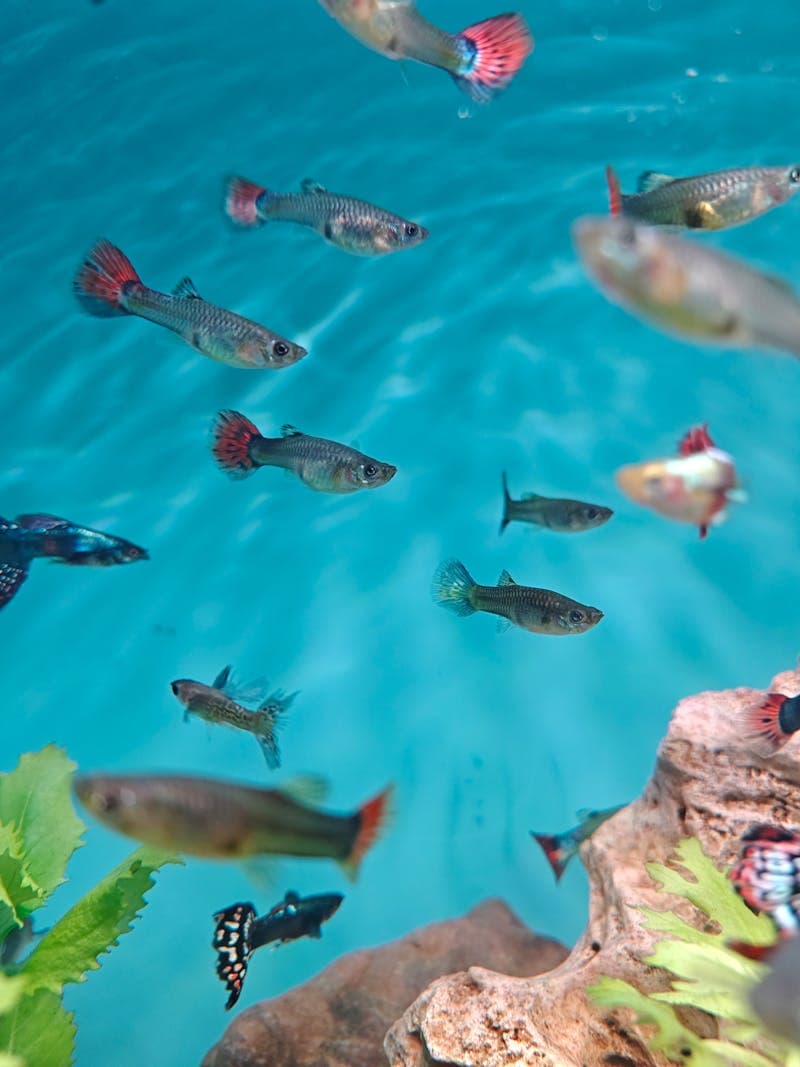
Beginner Fish
The best tropical fish for beginners UK — hand-picked easy-care species that thrive with minimal fuss. Perfect starter community tank candidates.
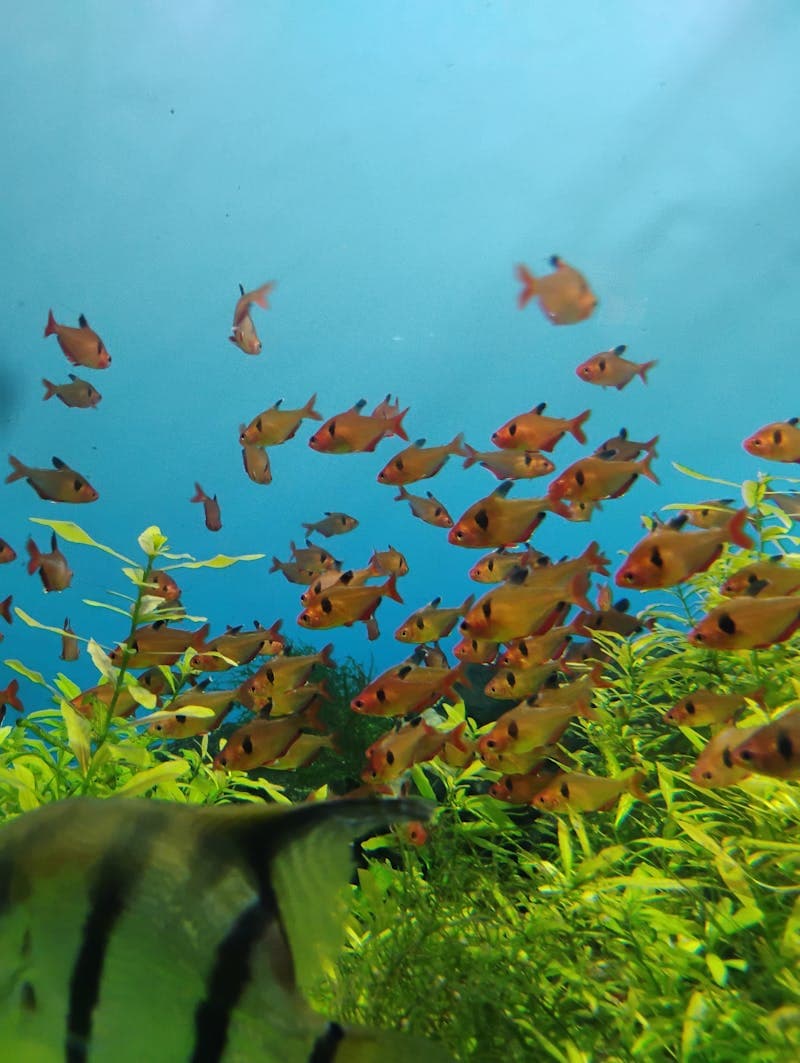
Community Tank Fish
Peaceful tetras, rasboras, corydoras, platies and gouramis chosen to live together — temperament, adult size and water range per listing so the mix works.
Tetras
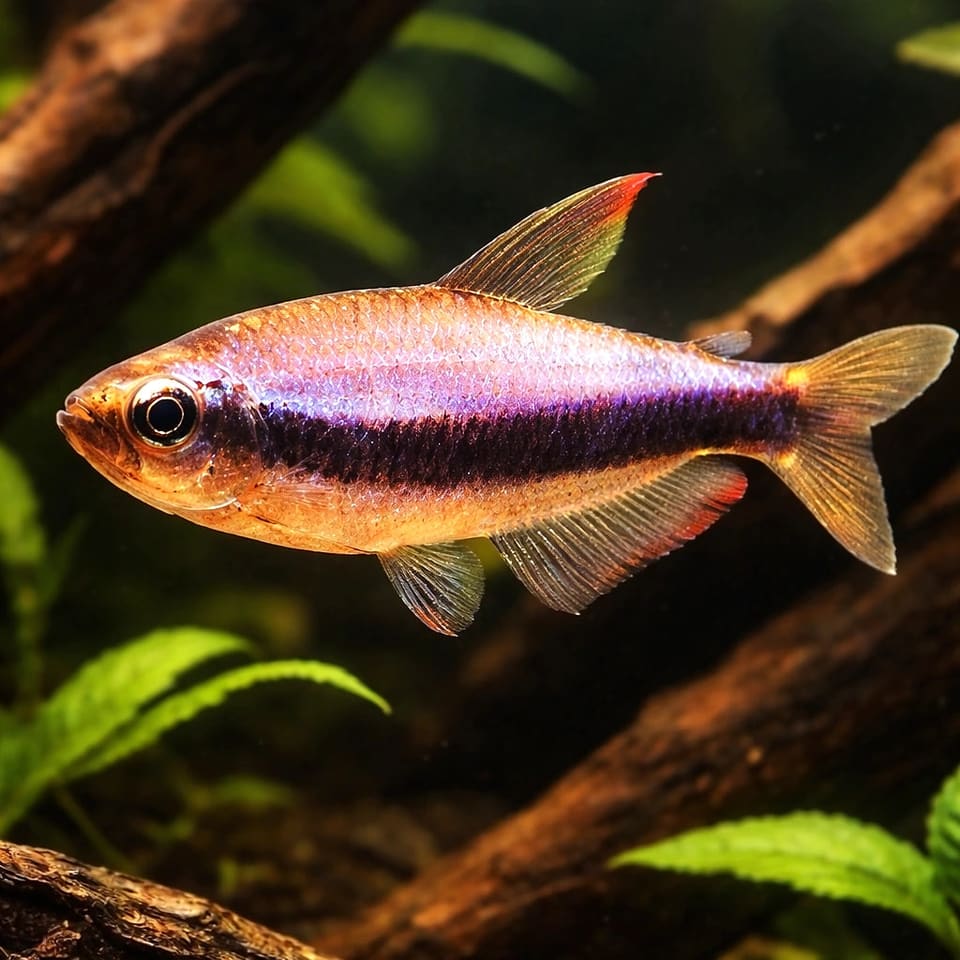
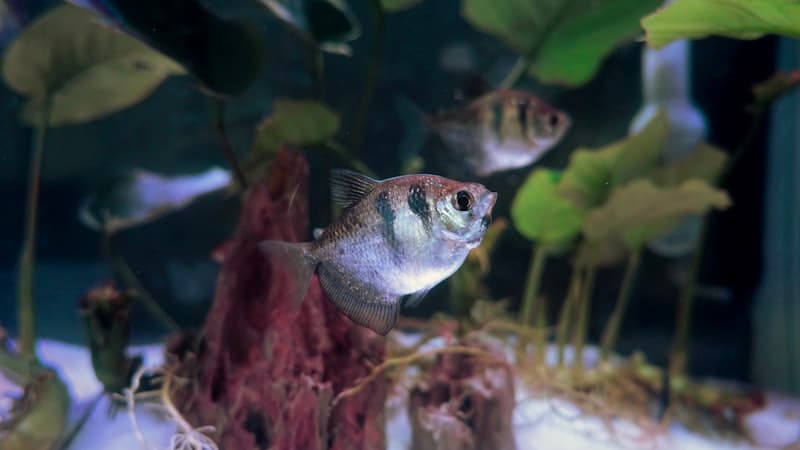
Premium Tetras for sale UK — Cardinal, Ember, Black Neon, Rummy Nose, Serpae, Diamond, Glowlight and more. Peaceful community schoolers.
Betta Fish
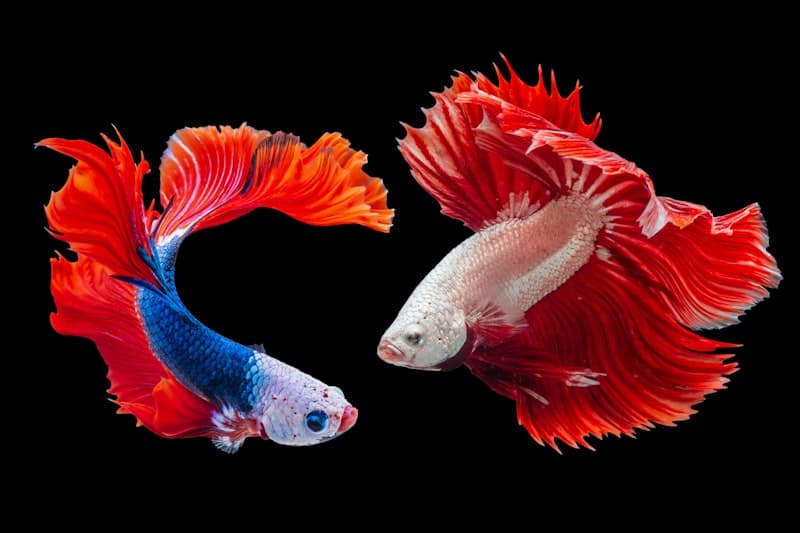
Halfmoon, plakat, koi, giant and wild-type Betta splendens, males and females, tail type and size stated per listing. Bagged singly, live arrival covered.
Guppy
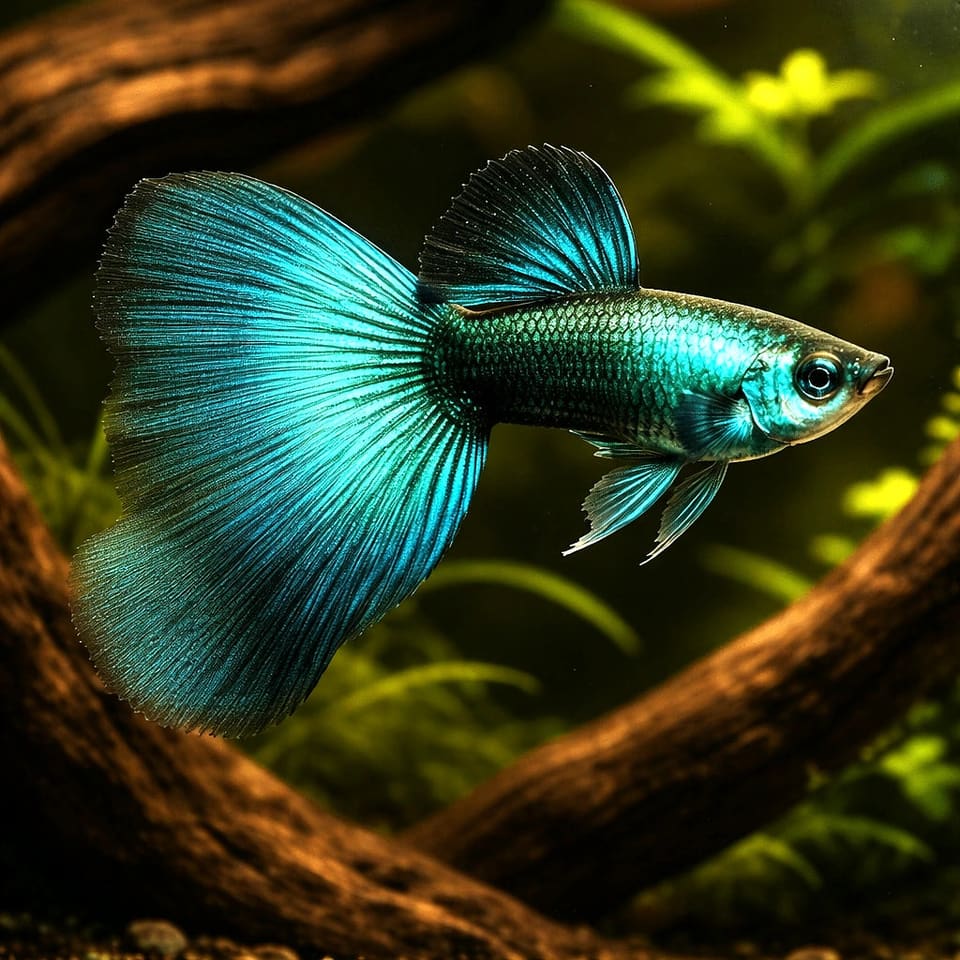
Fancy guppies bred for colour — Moscow, Cobra, Dumbo ear and Endler lines as males, females or pairs. Hardy in UK tap water; live arrival guarantee.
Cherry Shrimp
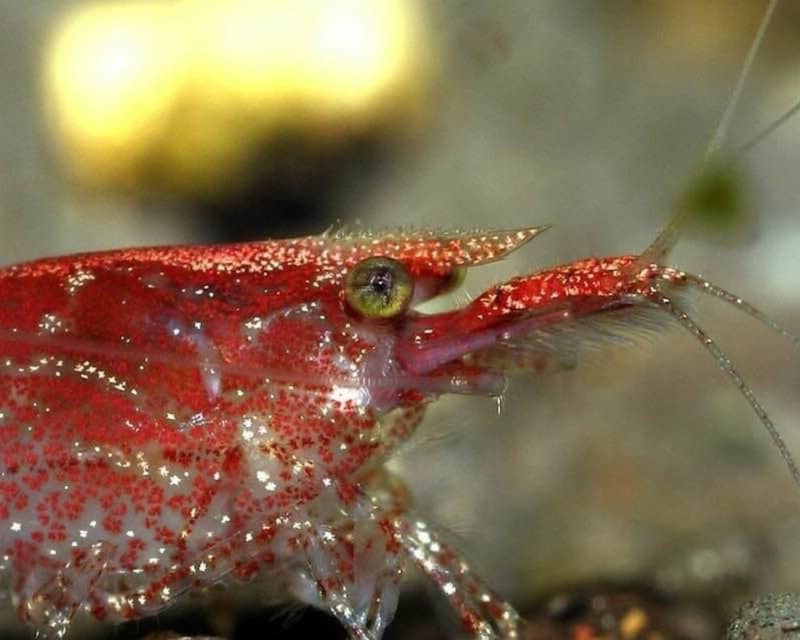
Red, blue, yellow, black and Rili cherry shrimp (Neocaridina) graded per listing, with mature-tank and water guidance so a new colony settles and breeds.
Corydoras
Shop current Corydoras catfish listings in the UK. Compare scientific identity, size and sale unit, with price and availability shown per product.
Freshwater Snails
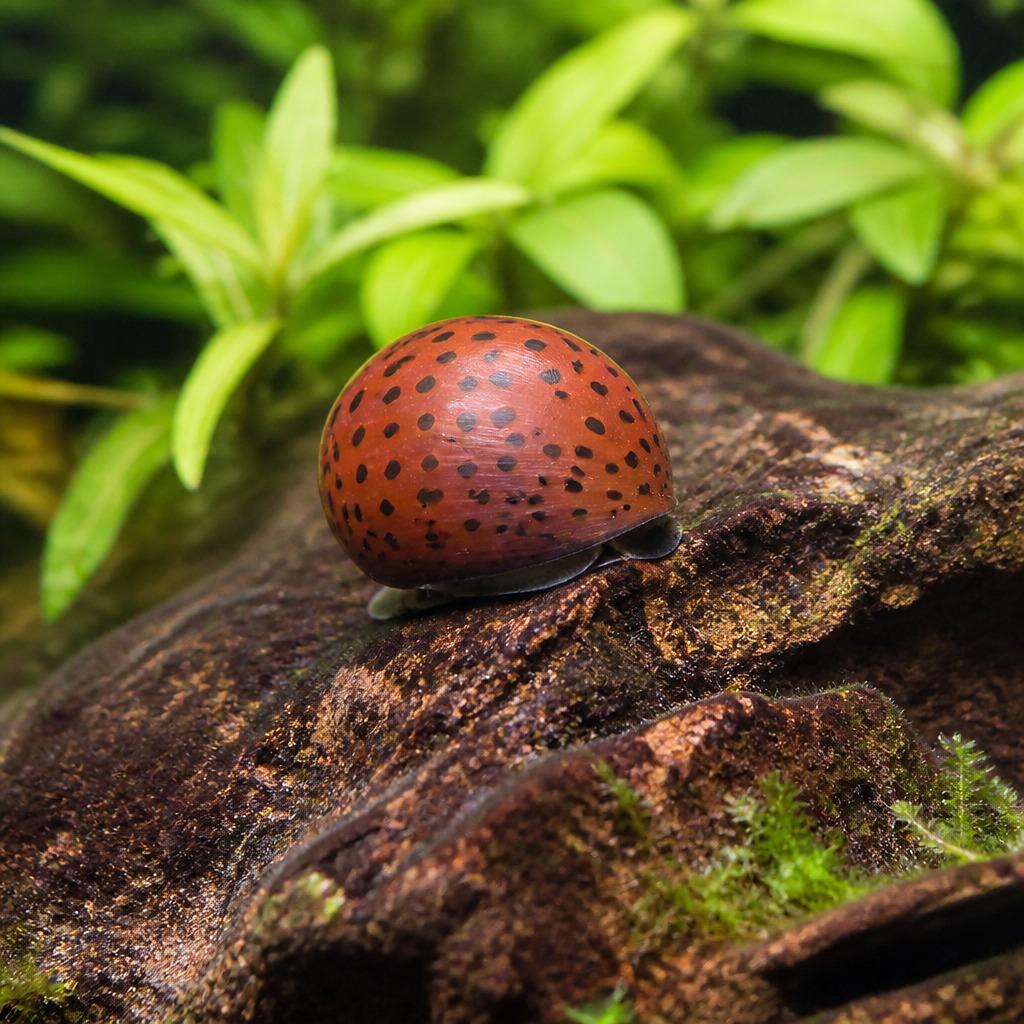
Shop freshwater aquarium snails in the UK. Compare current species, adult size, water needs, diet, breeding risk, compatibility, prices and availability.
Sources & further reading
Material factual claims cite the sources below; store policy and cautious inference are labelled in the article. Sources are grouped by type so you can judge their weight at a glance.
Peer-reviewed study (1)
- [3]Wabbel et al. (2017). Osmoregulation in freshwater fish: physiological mechanisms and stress responses. Reviews in Aquaculture, 9(2). View source
Background on osmotic shock physiology — why sudden chemistry changes damage gill epithelium and trigger cortisol stress response.
Scientific database (1)
- [2]Froese, R. and D. Pauly (Eds.) (2024). FishBase — water parameter tolerances by species. FishBase. View source
Source for which species are osmotically sensitive (discus, wild bettas, neon tetra) and which are tolerant (livebearers, danios).
Hobbyist reference (1)
- [1](2023). Acclimating new fish — drip method protocol. Seriously Fish. View source
Cross-checked on drip rates, duration ranges, and species-specific sensitivities.
Spotted something that needs a fix?
Fishkeeping moves fast and we want every guide spot-on. If you think something here is wrong, out of date, or could be clearer, tell us — our team reads every message and updates the page.
Suggest an edit
Kevin
Editor & Site Owner · 15+ years in the hobby
Kevin is the editor and owner of Tropical Fish Co. He has kept freshwater tropical tanks for more than 15 years — starting with a single 60-litre planted tank and now running a rack of species tanks across his home and the shop. Every care guide on this site is written or reviewed by Kevin from first-hand experience, cross-checked against peer-reviewed sources, FishBase, and the hobby's most trusted references.
Related care guides
How to Set Up a Tropical Fish Tank: 10 Safe Steps
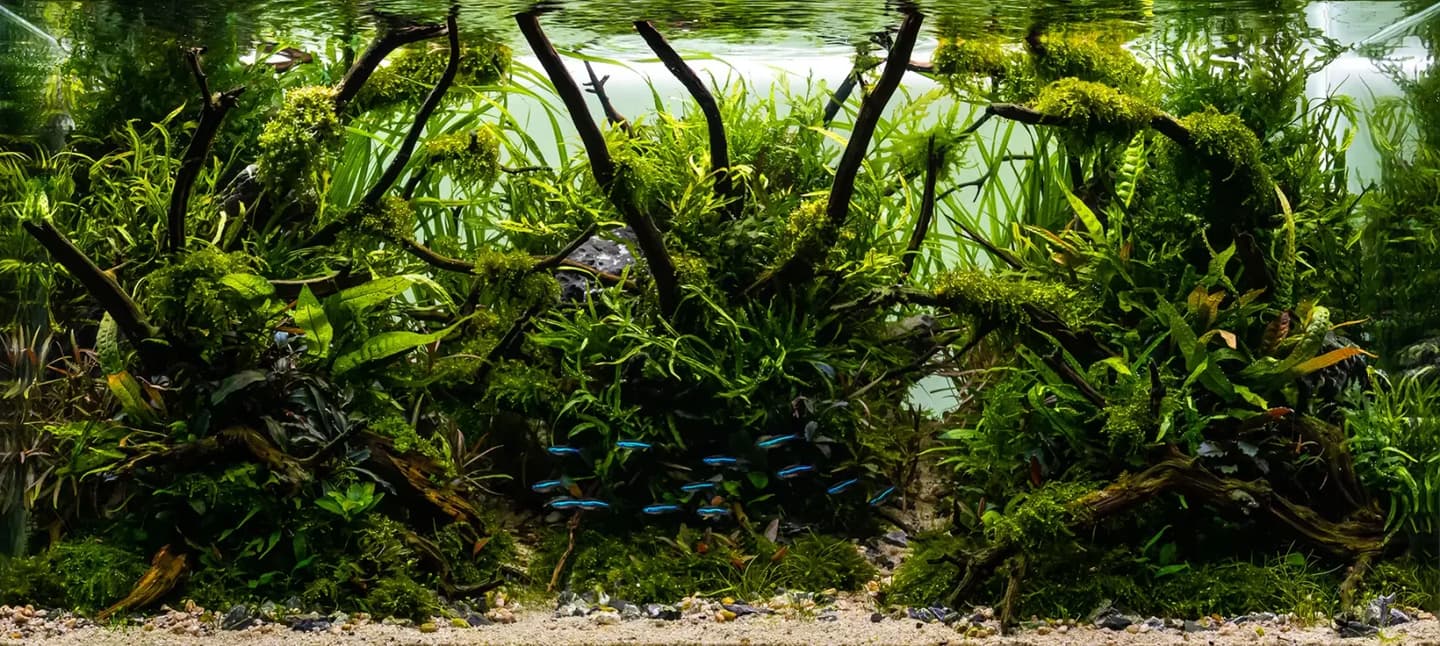
Choose the intended fish before the aquarium, place the tank on a suitable level support, install a filter and thermostatic heater, condition and test the water, then complete a fishless cycle. Add fish only after the chosen maturation process reaches its defined endpoint and repeated tests show zero ammonia and zero nitrite; elapsed days alone do not prove readiness.
Aquarium Water Parameters: What to Test and Why
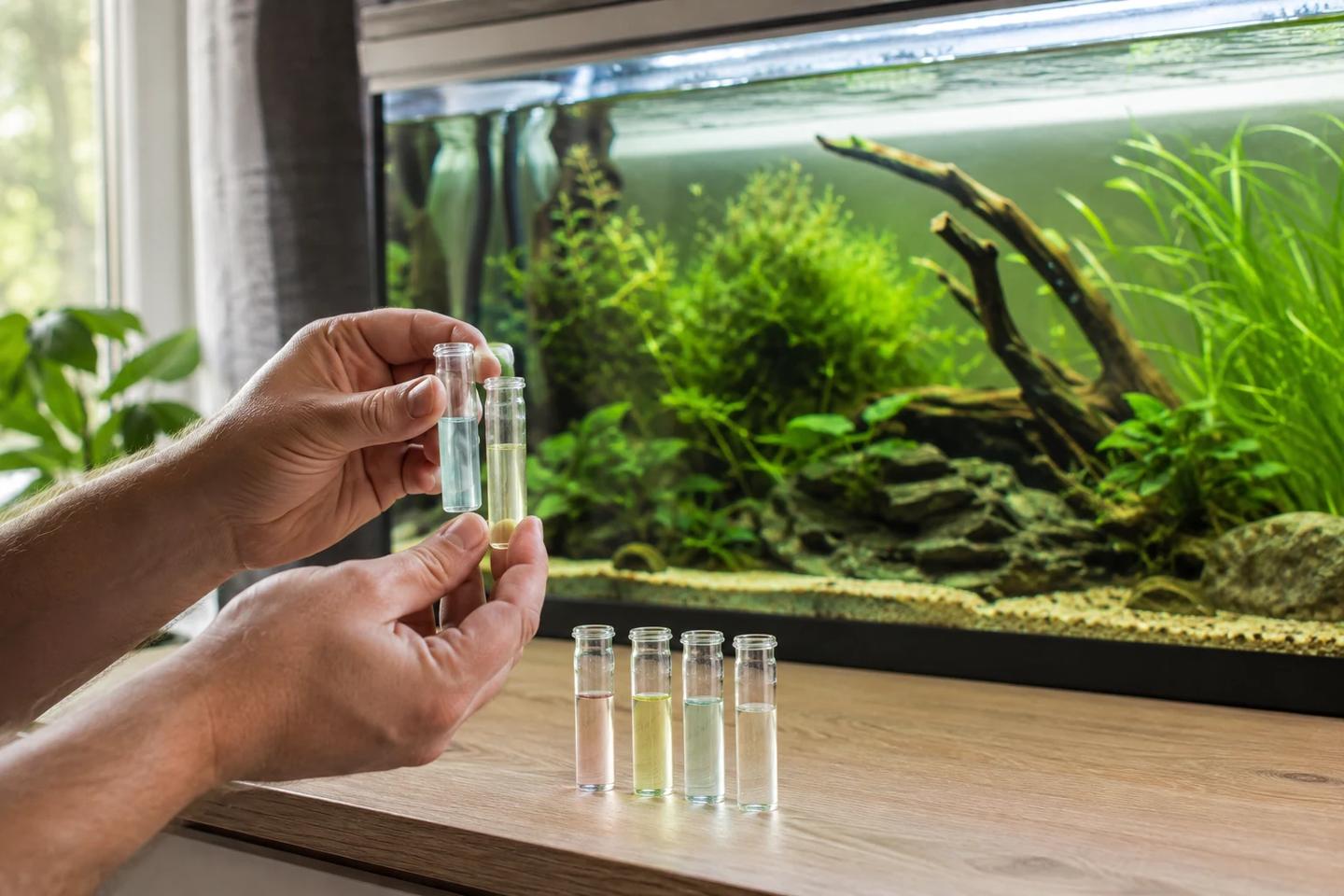
There is no universal set of perfect freshwater aquarium parameters. Identify the animals, learn what the test and unit actually report, establish your local source-water baseline, and compare repeat measurements. In an established aquarium, a confirmed ammonia or nitrite detection needs investigation; pH, GH, KH, temperature and nitrate decisions depend on the species, life stage and whole system.
Live Aquarium Plants for Beginners: 7 Easy Picks
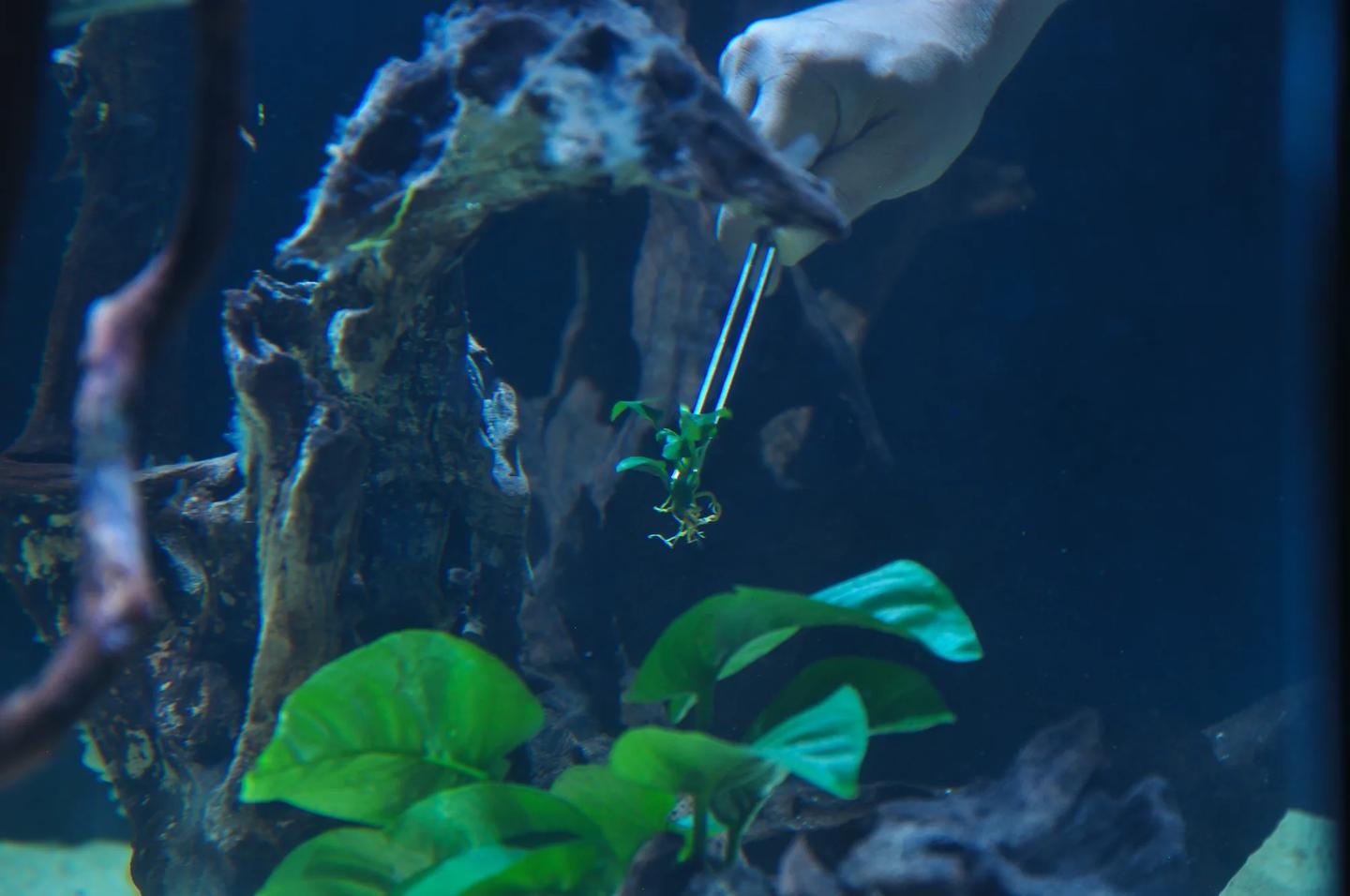
For a first low-tech planted aquarium, start with one or two correctly labelled lower-demand species, match their mature size to the tank, keep the rhizomes of Java fern and Anubias above the substrate, and change only one lighting or feeding variable at a time.