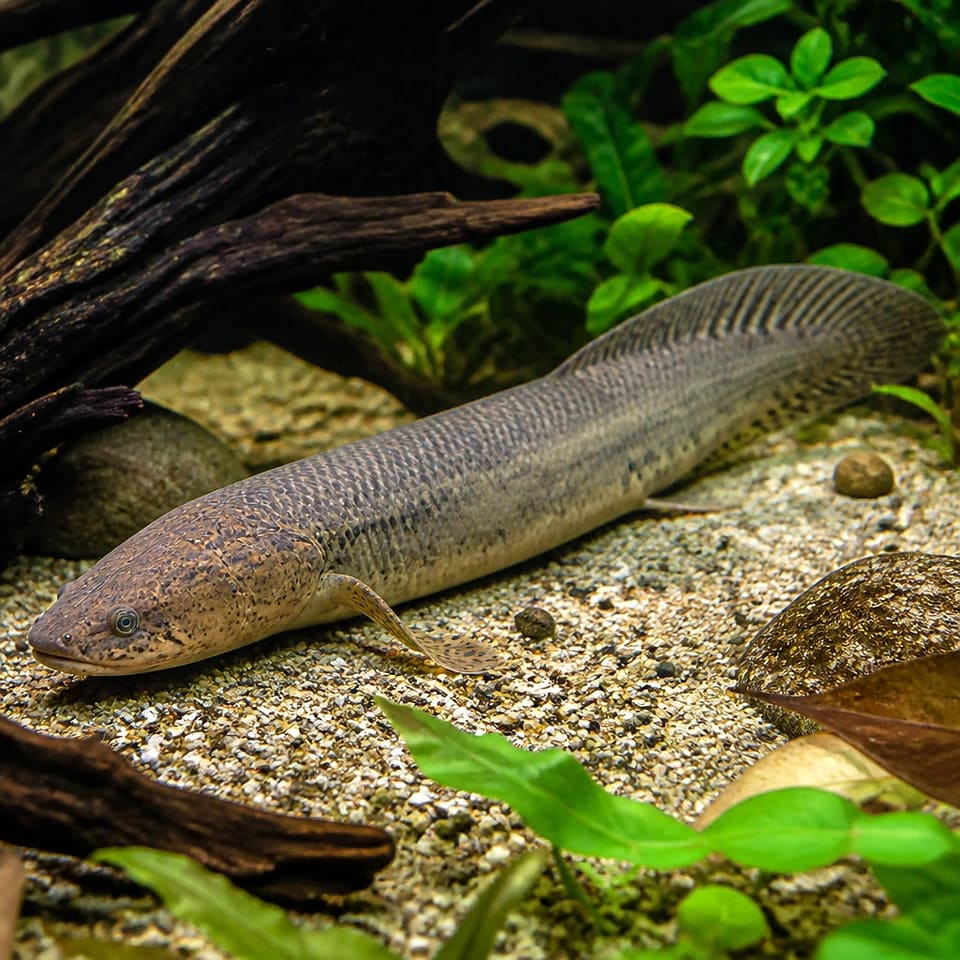
Bottom Dweller Fish for Sale UK

Bottom dweller fish for sale UK — Corydoras, Loaches, Plecos, Synodontis. Cleanup crew for the aquarium substrate.

Shop current stock344 live listings
3 things to check before ordering
  • Check the listing for the exact sale unit and current price
  • Match adult size, water needs and social behaviour
  • Prepare a fully cycled aquarium before arrival

Current Bottom Dwellers listings

344 products

Black Corydoras
Moderate

Black Venezuela Corydoras (Corydoras sp. Black Venezuela)

22–26°C · pH 6–7.8 · 75L

From £6.79Some sizes on sale
Kuhli Loach with bold dark bands swimming between wood and green plants

Kuhli Loach (Acanthophthalmus kuhli)

24–27°C · pH 6.5–6.5

£2.39
Albino Bronze Cory resting on pale sand in front of dark wood and green plants, with a cream body and red eye

Albino Bronze Cory (Osteogaster aenea)

22–27°C · pH 6–8 · 72L

£2.99
Spotted Bristlenose Pleco with long snout bristles swimming above gravel and wood
Moderate

Bristlenose Pleco (Ancistrus sp.)

22–27°C · pH 6–8

From £3.51Some sizes on sale
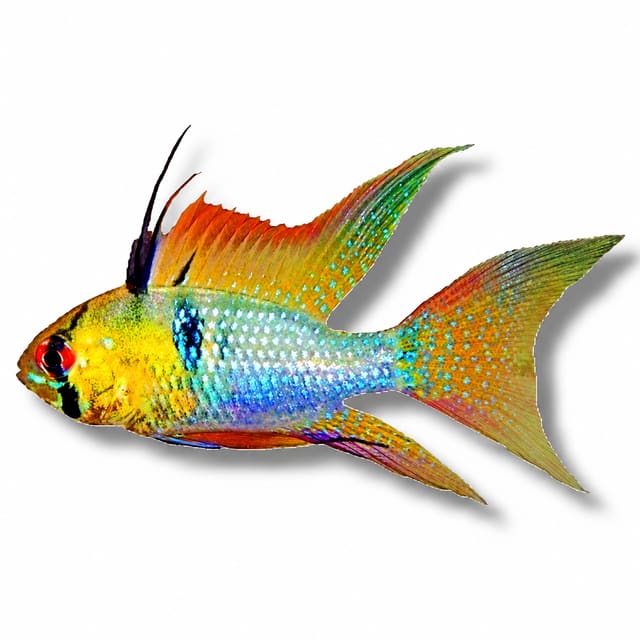
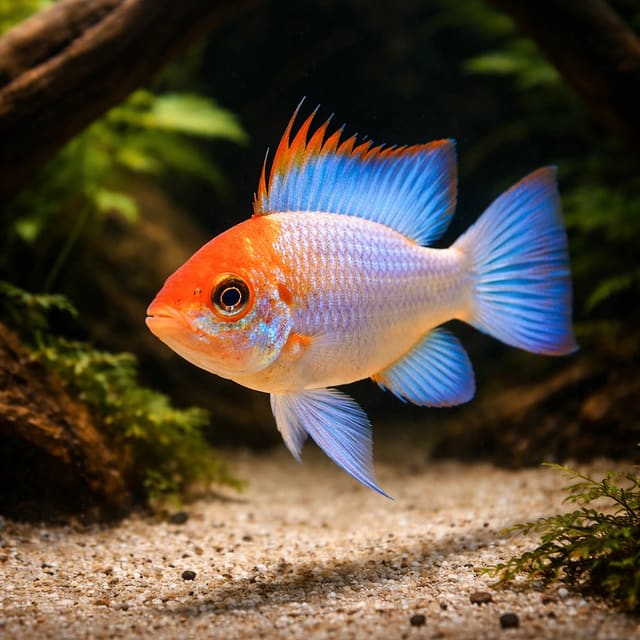
Longfin Ram Cichlid (Mikrogeophagus ramirezi)

Longfin Ram Cichlid (Mikrogeophagus ramirezi)

27–30°C · pH 4–7 · 54L

From £6.99Some sizes on sale
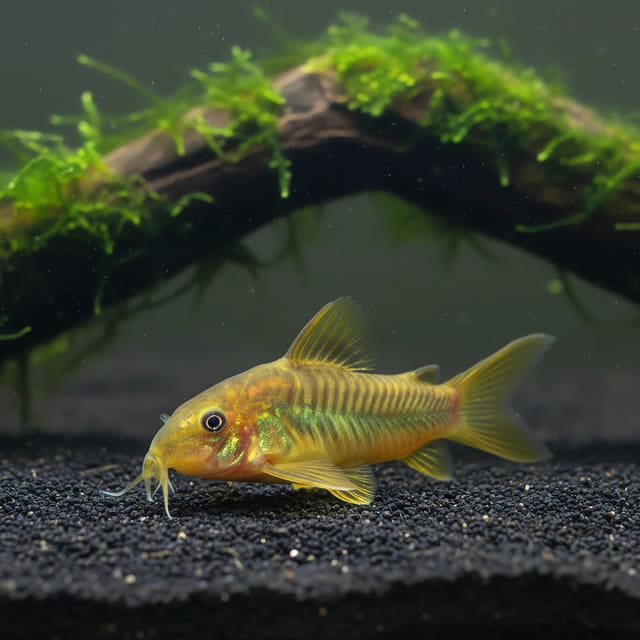
Albino Bronze Cory (Corydoras aeneus)
−10%
Easy

Bronze Corydoras, Bronze Cory Catfish (Corydoras aeneus)

22–26°C · pH 6–7.5 · 60L

£3.59£3.99
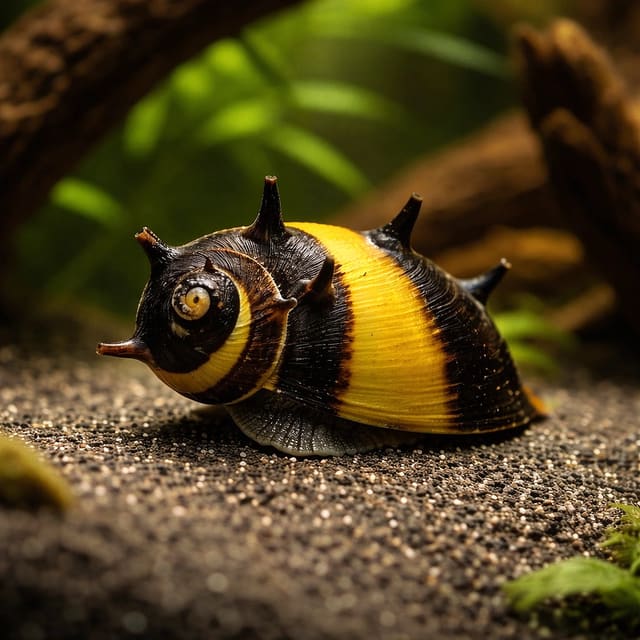
Zebra Horned Nerite Snail with a yellow-and-dark striped horned shell on aquarium substrate
Moderate

Zebra Horned Nerite Snail (Clithon sp.)

19–26°C

£3.99
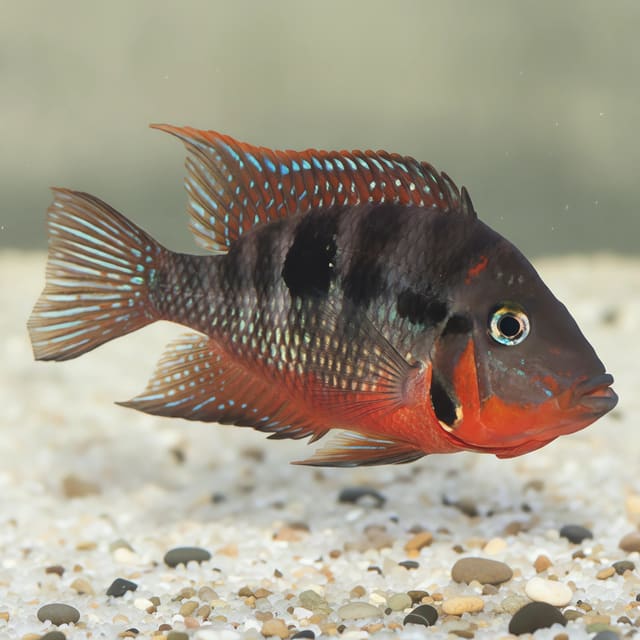
Firemouth Cichlid (Thorichthys meeki) with a red throat over light gravel
Moderate

Firemouth Cichlid (Thorichthys meeki)

20–32°C · pH 6.5–8.5 · 108L

£5.39
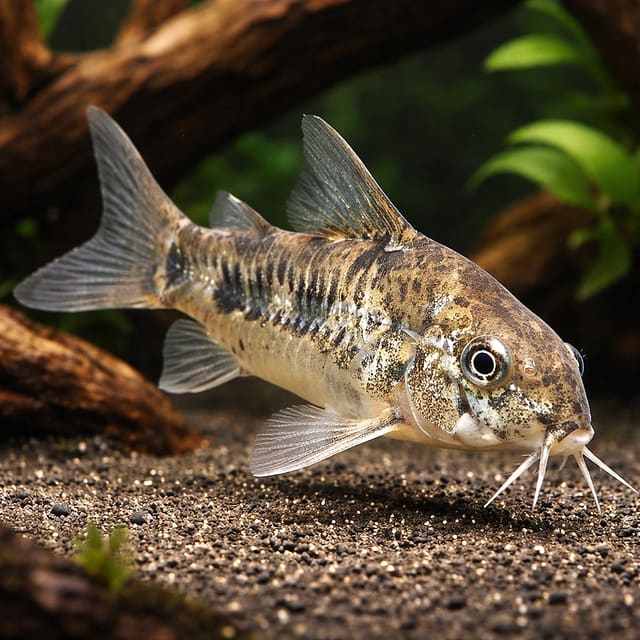
Peppered Corydoras with spread fins above dark gravel, wood and green plants behind
Moderate

Peppered Corydoras (Corydoras paleatus)

22–23°C · pH 6–7 · 70L

£3.79
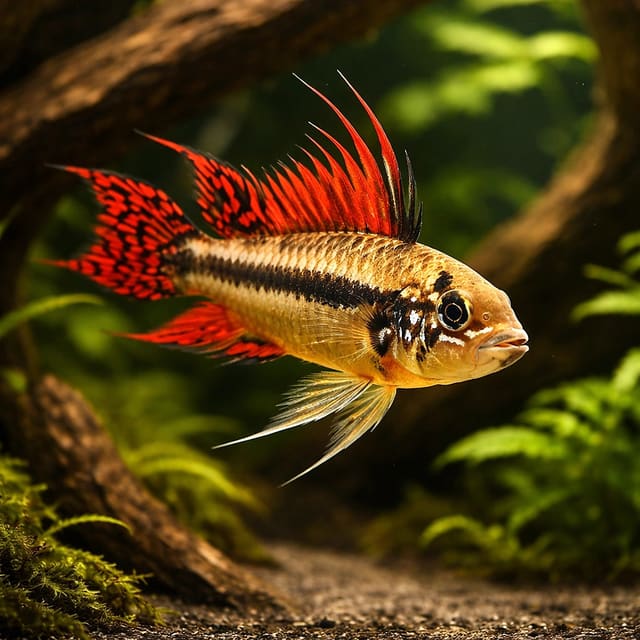
Cockatoo Dwarf Cichlid Double Red with red-and-black fins beside driftwood
Moderate

Cockatoo Dwarf Cichlid Double Red (Apistogramma cacatuoides)

22–29°C · pH 5–6 · 54L

£11.99
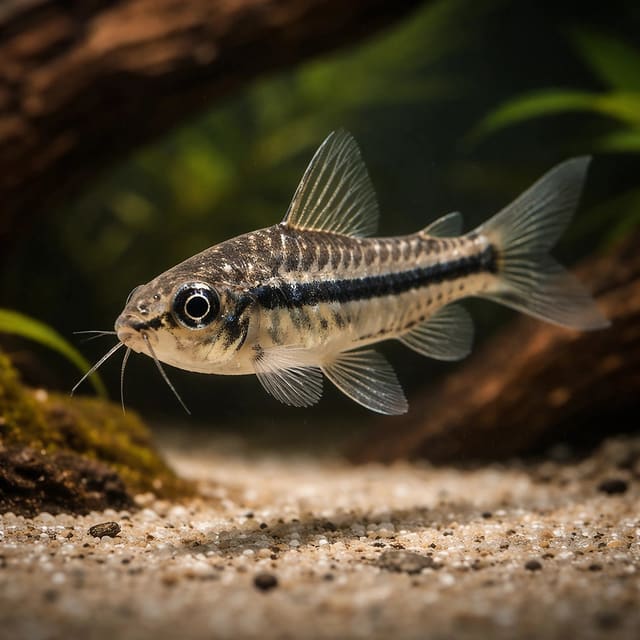
Pigmy Corydoras with a dark side stripe swimming above sand and wood

Pigmy Corydoras (Corydoras pygmaeus)

22–26°C · pH 6.4–7.4 · 41L

£3.49
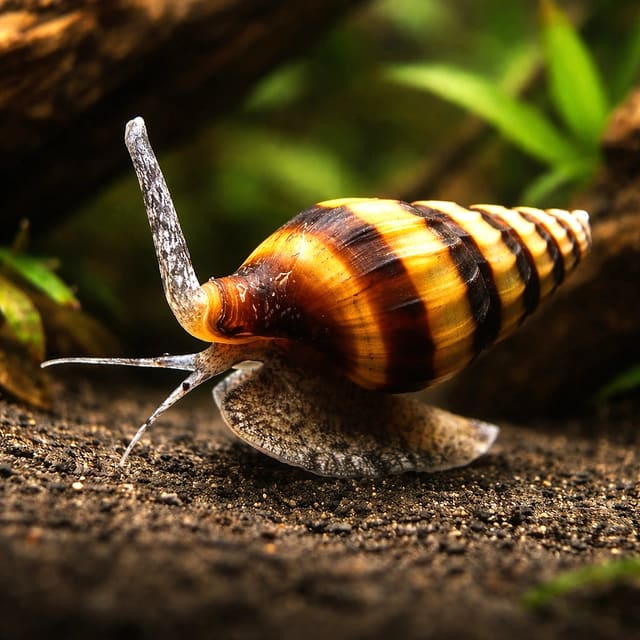
Assassin snail (Anentome helena) with a yellow and dark brown banded shell crawling over dark aquarium gravel
Easy

Assassin Snail (Anentome helena)

22–27°C · pH 6.5–7.5 · 20L

£6.49
Single translucent Thai Micro Spider Crab facing forward between plants and dark driftwood

Thai Micro Spider Crab (Limnopilos naiyanetri)

£6.99
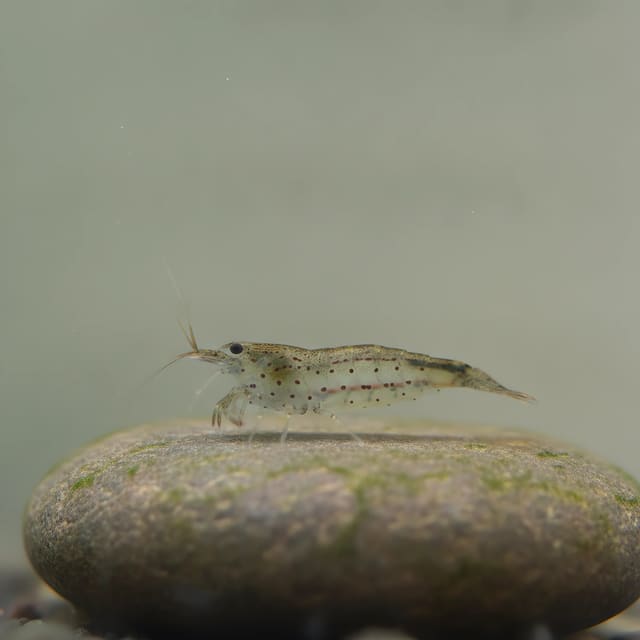
Side profile of a translucent Amano Shrimp with dotted lateral markings on a smooth rock against a neutral aquarium
Moderate

Amano Shrimp (Caridina multidentata)

£3.49
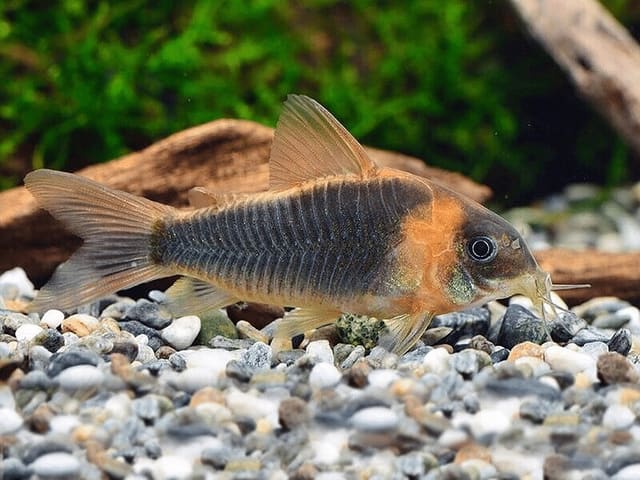
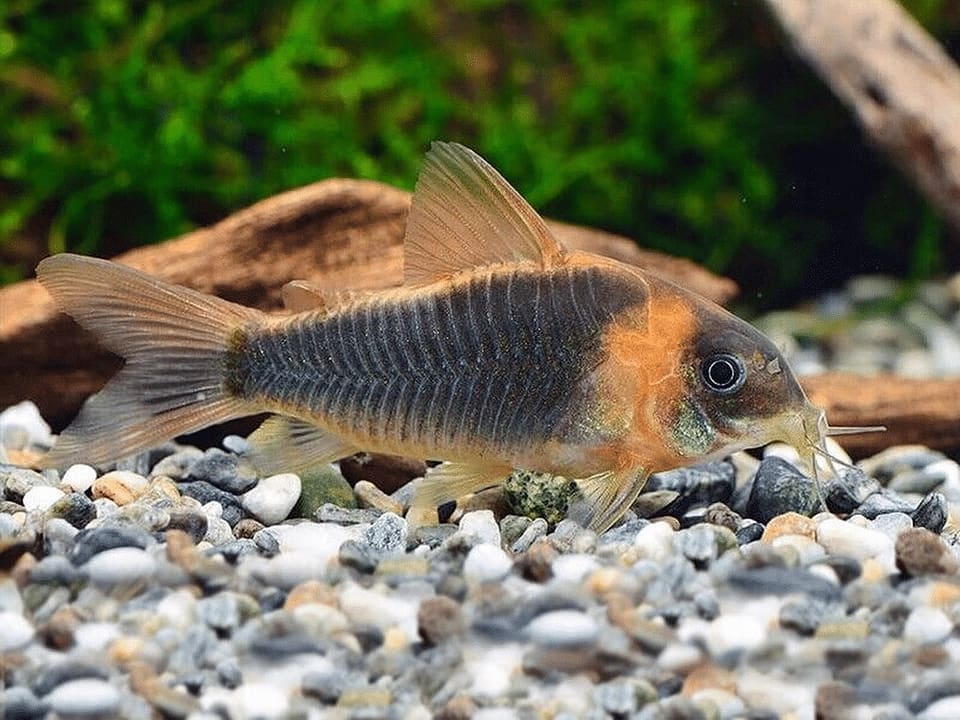
Horseman Cory with a dark body and orange shoulder patch resting over mixed gravel

Horseman Cory (Corydoras eques)

24–26°C · pH 6–8 · 81L

£6.59
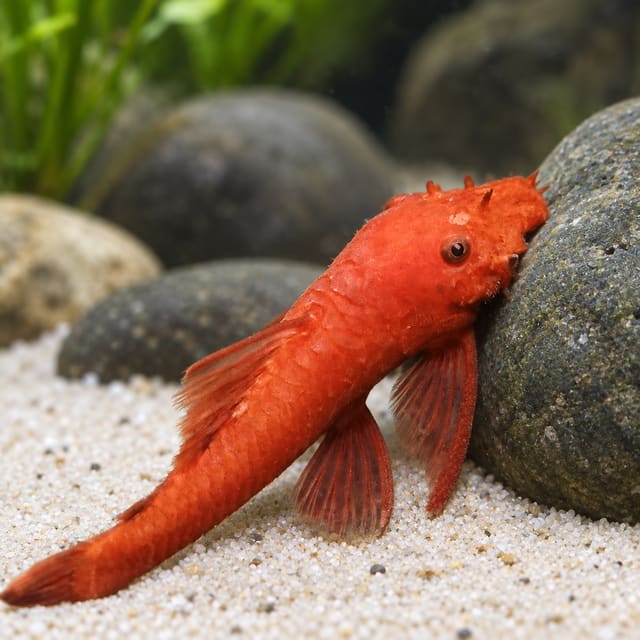
Super Red Bristlenose Pleco (Ancistrus sp.), a bright orange-red bristlenose resting against a smooth stone on pale sand
Moderate

Super Red Bristlenose Pleco (Ancistrus sp.)

24–27°C · pH 6–7.5 · 90L

From £12.99Some sizes on sale
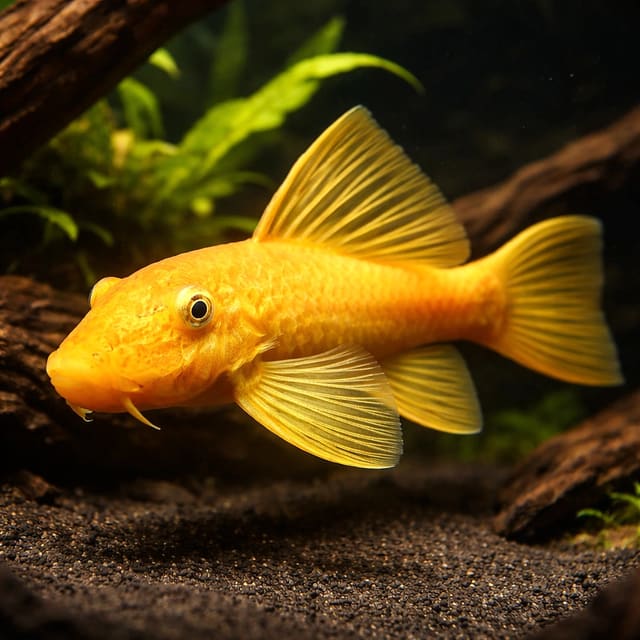
Representative Marigold Bristlenose Pleco (Ancistrus sp. gold), a golden bristlenose trade form

Marigold Bristlenose Pleco (Ancistrus sp.)

22–27°C · pH 6–8

From £5.49Some sizes on sale
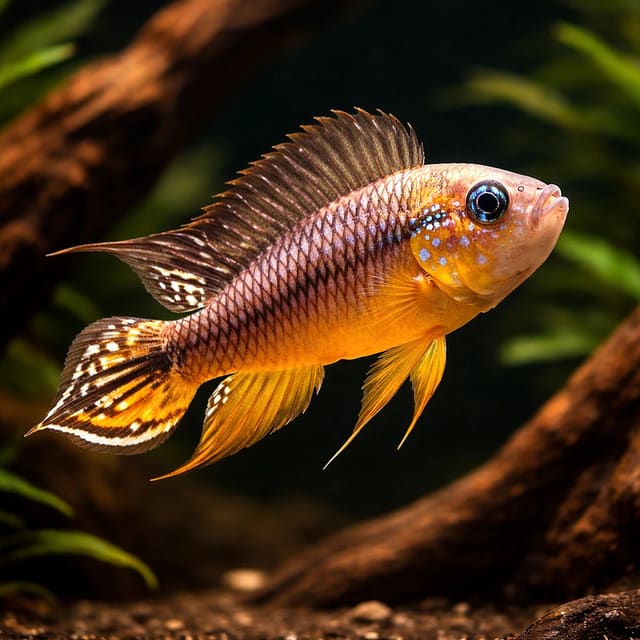
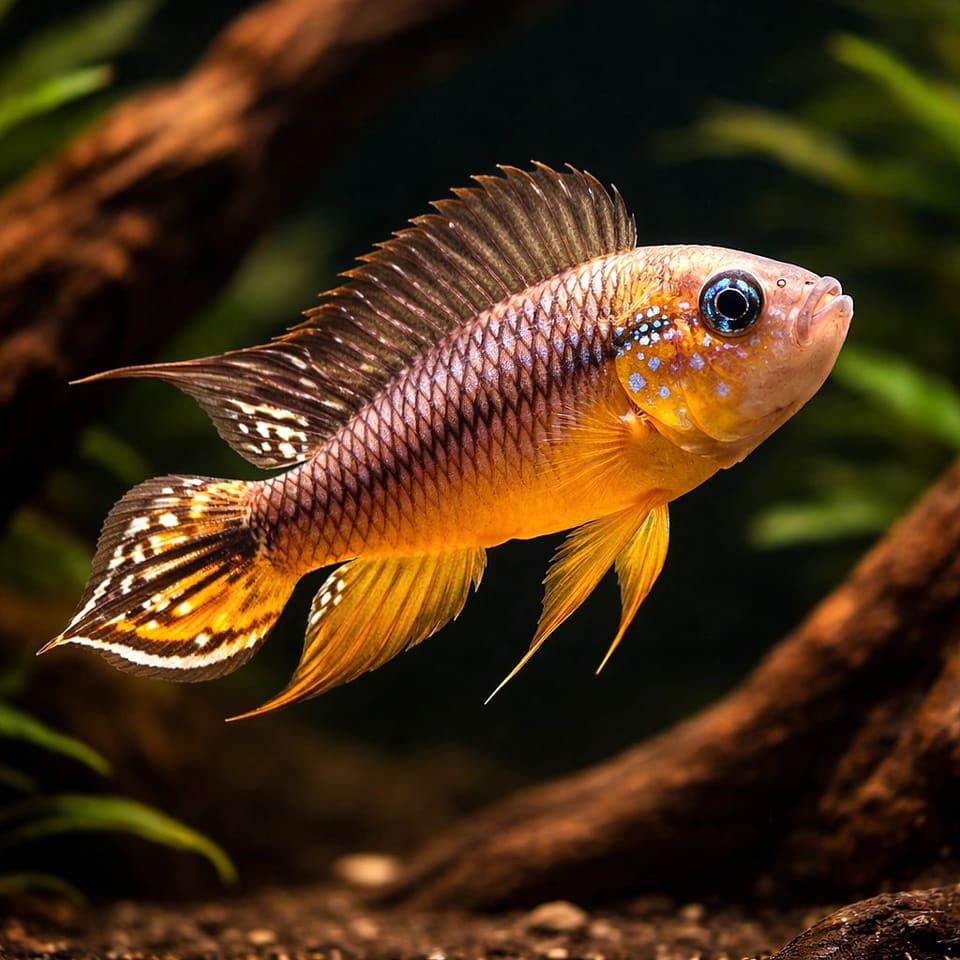
Bronze dwarf cichlid with blue facial spots and a yellow, black and white patterned tail

Apistogramma agassizii Alenquer Red Tail

26–27°C · 54L

£31.99
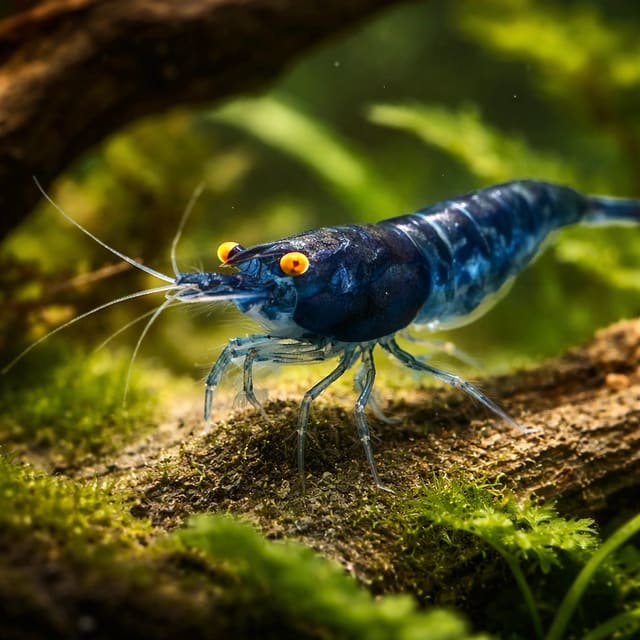
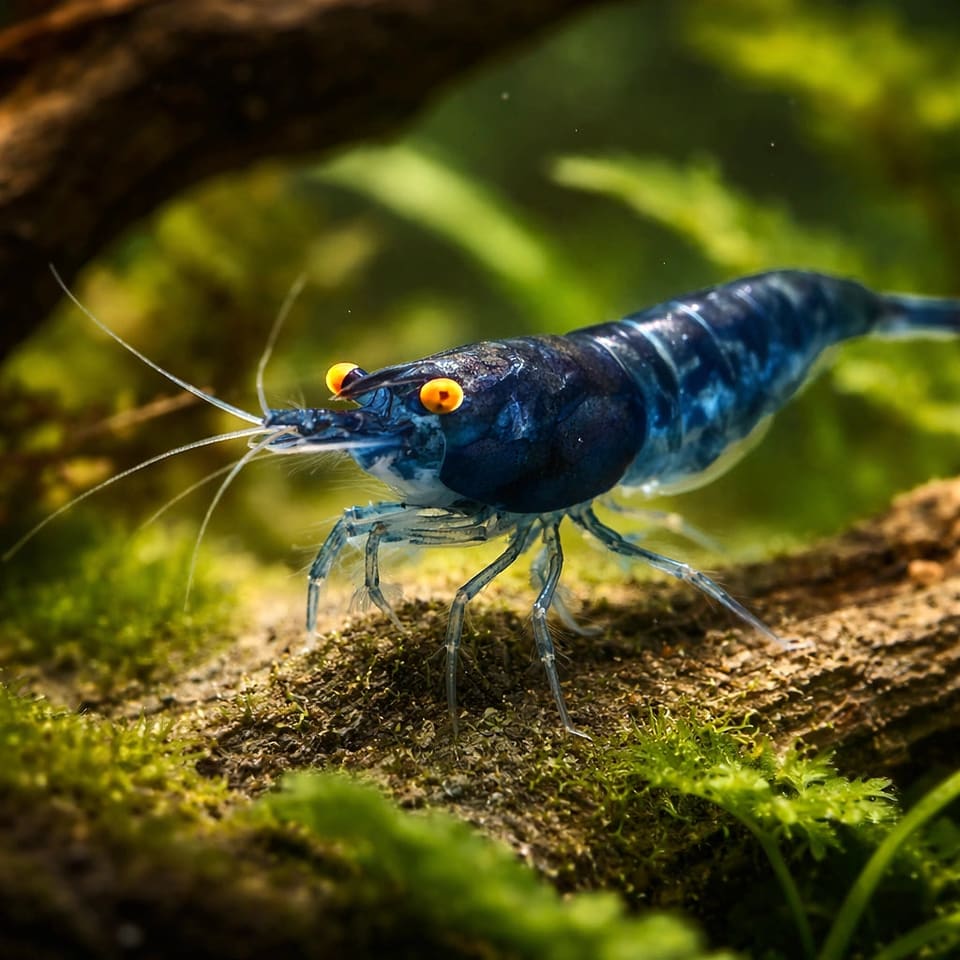
Topaz Blue Shrimp with orange eyes standing on moss-covered wood, with green plants behind
Moderate

Topaz Blue Shrimp (Neocaridina davidi)

17–27°C · pH 6.5–8

£15.59
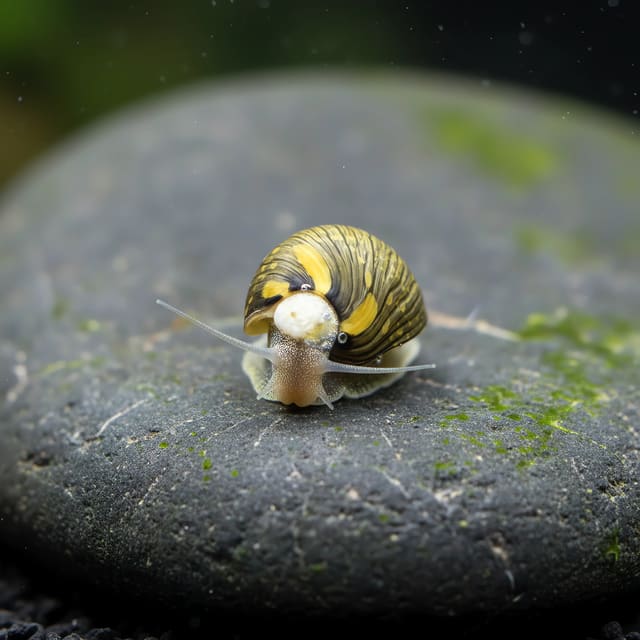
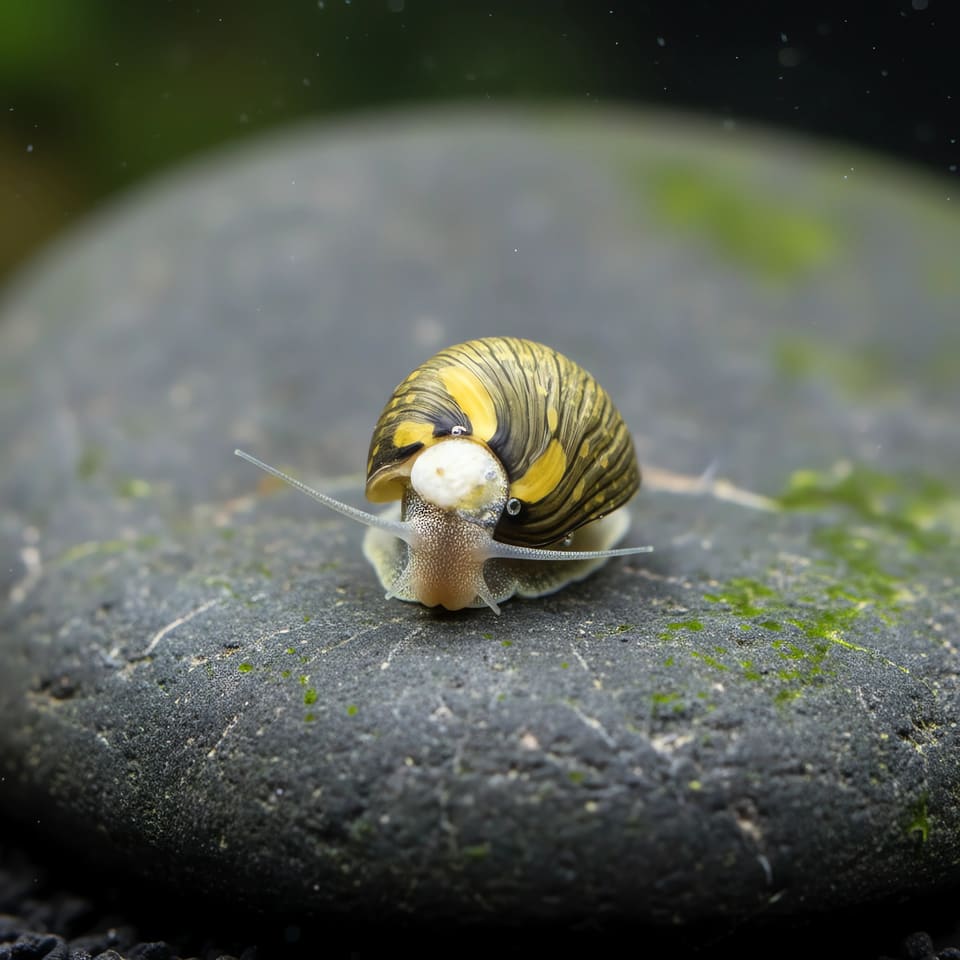
Sun Nerite Snail with a yellow-and-black striped shell on an algae-dotted rock, pale body and long tentacles

Sun Nerite Snail (Neritina sp.)

17–27°C · pH 6.5–8

£3.99
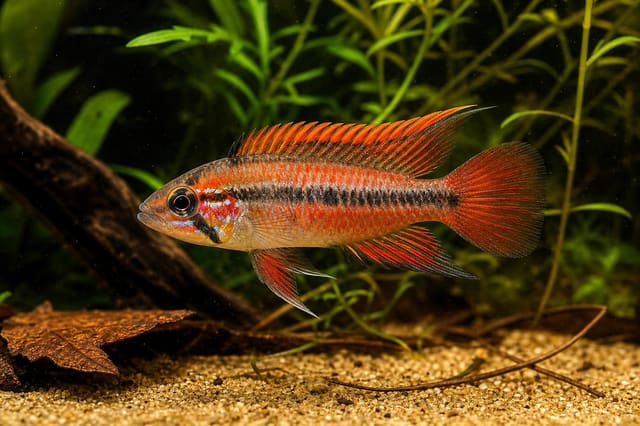
Super Red Agassiz’s Dwarf Cichlid with vivid red fins and a black stripe in a planted aquarium

Super Red Agassiz’s Dwarf Cichlid (Apistogramma agassizii)

26–27°C · pH 6–7 · 54L

£18.99
Red-headed blue cichlid swimming above pale gravel and dark wood
−13%

Electric Blue Ram (Mikrogeophagus ramirezi)

27–30°C · pH 4–7 · 54L

£10.43£11.99
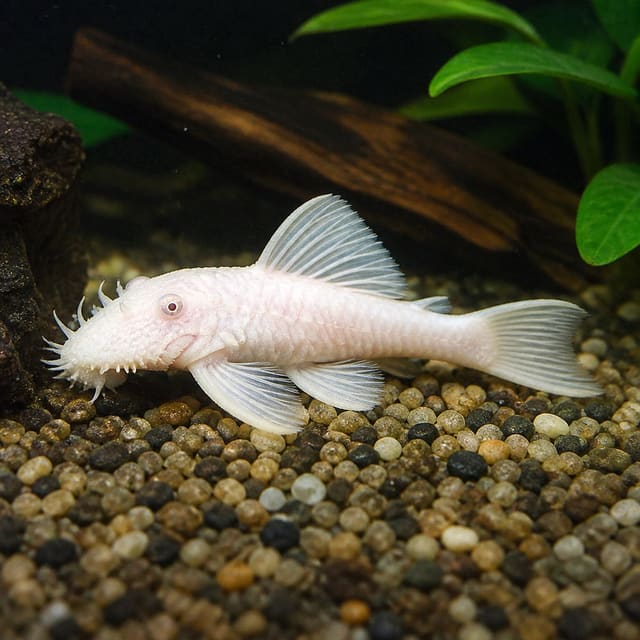
Snow White Bristlenose Pleco resting on rounded gravel beneath green leaves, with dark wood behind

Snow White Bristlenose Pleco (Ancistrus sp.)

22–27°C · pH 6–8

£35.99
L066 King Tiger Pleco with bold cream and dark stripes resting on dark substrate, with green plants and wood behind

L066 King Tiger Pleco (Hypancistrus sp.)

22–27°C · pH 6–8

£84.99

Before you choose from this collection

This page collects the fish and invertebrates that live and feed along the substrate — the busy, characterful bottom level of the aquarium. Everything listed is live stock held in our own system, dispatched with a licensed live-animal courier under our live arrival guarantee.

Bottom-dwellers include corydoras, loaches, bristlenose and other plecos, catfish, and foraging shrimp. They occupy the tank floor that mid-water fish ignore, sifting the substrate, grazing algae and hoovering up leftover food.

Read the species care guides linked below before ordering. Most bottom-dwellers are shoaling and social, need a soft or smooth substrate to protect delicate barbels, and require their own sinking food — they are not just a clean-up service for the fish above them.

Explore related collections

Visual route into our wider UK live-fish range.
Frequently asked questions

Corydoras are the classic choice — peaceful, active, shoaling and perfect for a community. Kuhli loaches add movement, bristlenose plecos graze algae, and larger loaches suit bigger tanks. For nano tanks, pygmy corydoras and dwarf shrimp work the bottom. Match the species' adult size and group needs to your setup.
They help, but they are not a cleaning crew you can neglect. Corydoras and loaches eat leftover food that would otherwise rot, and plecos graze algae — but they produce waste too and need their own sinking food. They reduce mess; they don't replace filtration and water changes.
Common corydoras and kuhli loaches are among the least expensive, bristlenose plecos and mid-range loaches usually cost a little more, and rarer plecos and specialist catfish much more. As shoaling species, corys and small loaches are bought in groups. Prices on this page are live: what you see is what's in stock today.
Soft sand or smooth, rounded gravel — never sharp-edged gravel. Corydoras and many loaches sift the substrate with delicate barbels that sharp material wears down, letting infection in. Sand is ideal and lets you watch their natural foraging. It matters more for bottom-dwellers than for any other group.
Most social species do — corydoras and kuhli loaches are shoaling fish that need at least six to feel secure, and hide away miserably if kept singly. A few catfish are solitary, so check the species. As a rule, buy corys and small loaches in groups, not ones and twos.
Yes. Corydoras, loaches and plecos all travel well in oxygen-charged bags inside a polystyrene-insulated box, dispatched midweek by a licensed live-animal courier so they never sit over a weekend. Every delivery is covered by our live arrival guarantee. To claim, email your order number and clear photos on the day your order arrives. An unboxing video is optional.