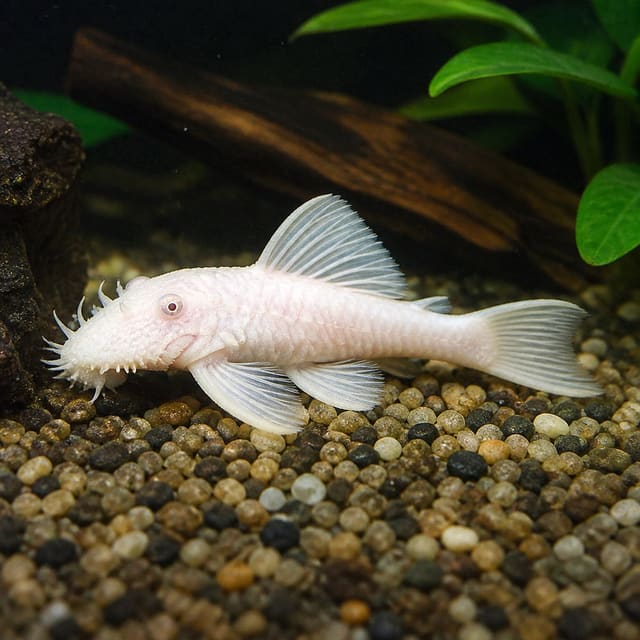
Snow White Bristlenose Pleco (Ancistrus sp.)
22–27°C · pH 6–8
£35.99
Read or listen to our beginner tropical fish guide — 10 hardy UK-friendly species, stocking order, tank size and simple first-community picks.
Live prices · Live Arrival Guarantee
22–27°C · pH 6–8
17–27°C · pH 6.5–8
24–26°C · pH 6–8 · 81L
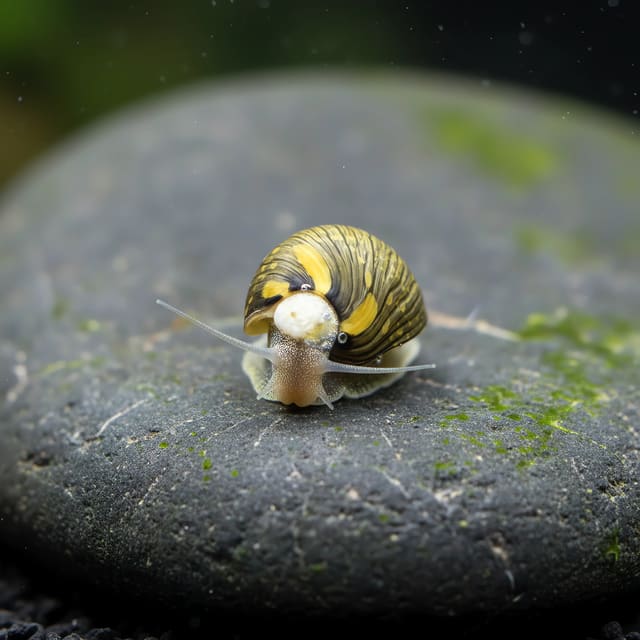
17–27°C · pH 6.5–8
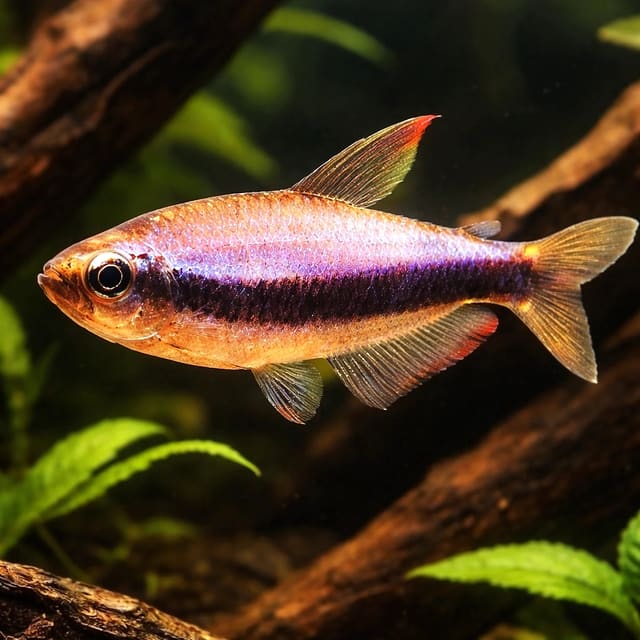
24–27°C · pH 5.5–7 · 80L
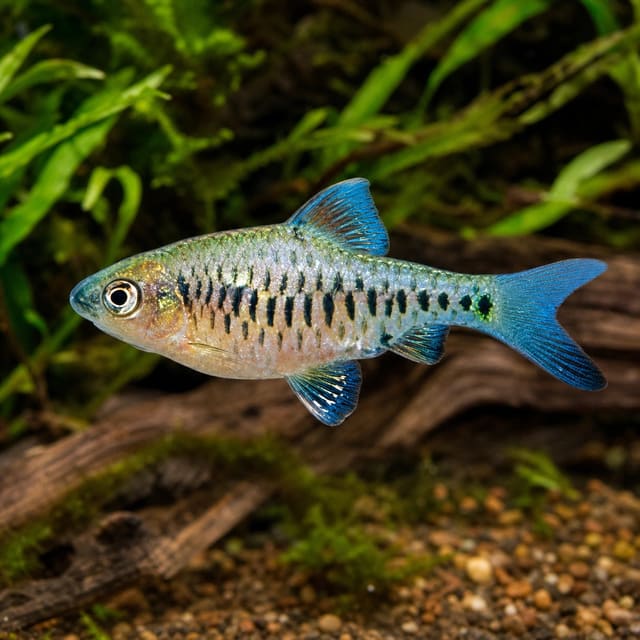
18–25°C · pH 5.5–7.5 · 68L

23–27°C · pH 6.5–7.5 · 68L
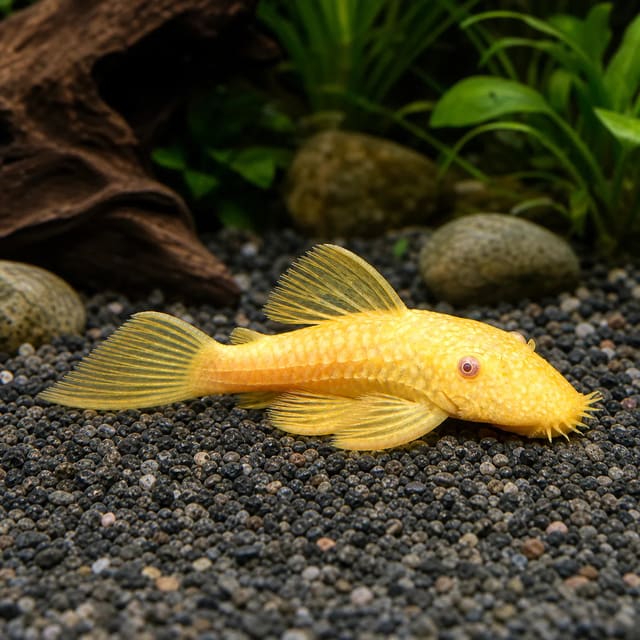
22–27°C · pH 6–8
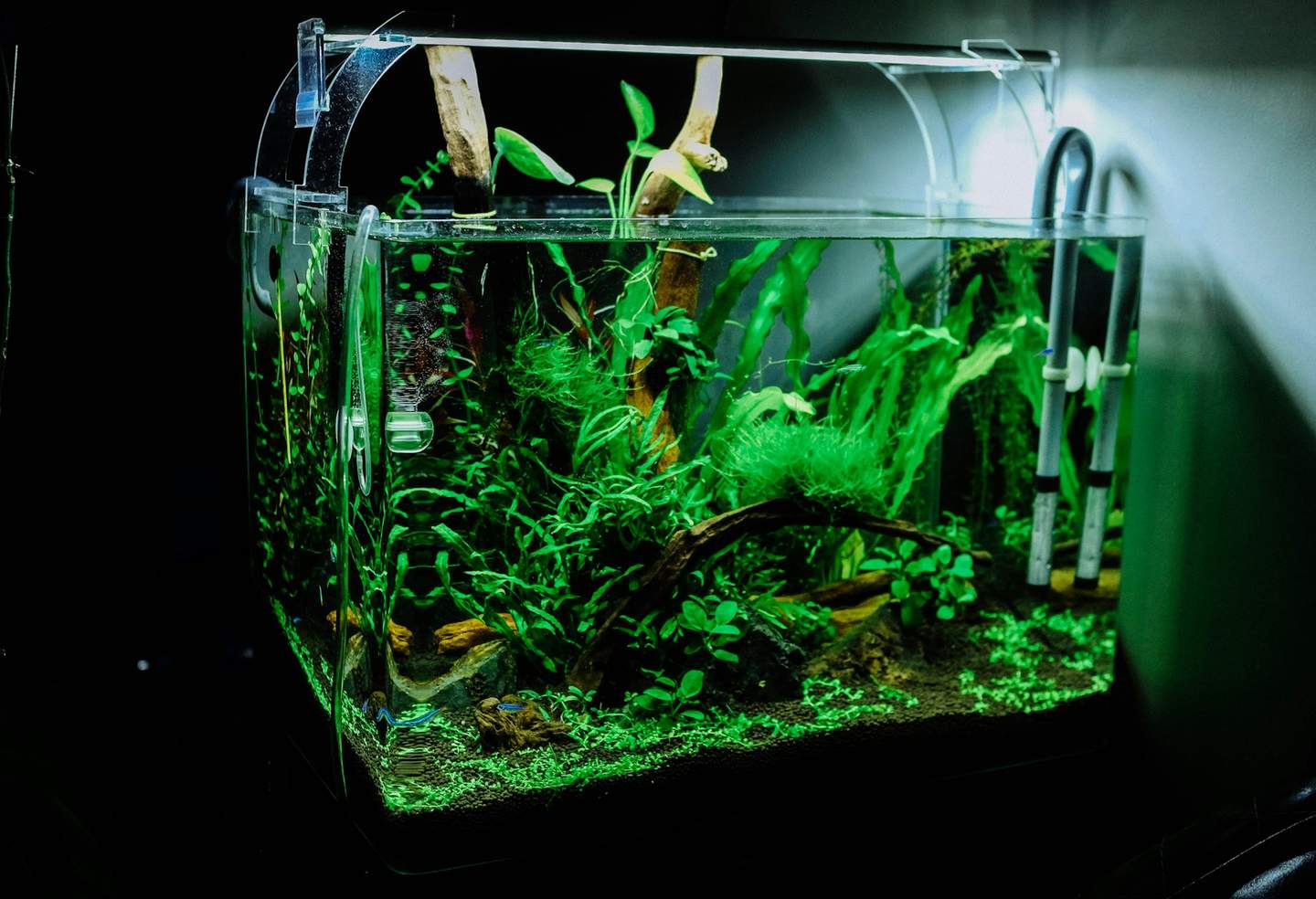
Each tile is a curated category — filter by species, tank size and more inside.
Hand-picked easy-care species
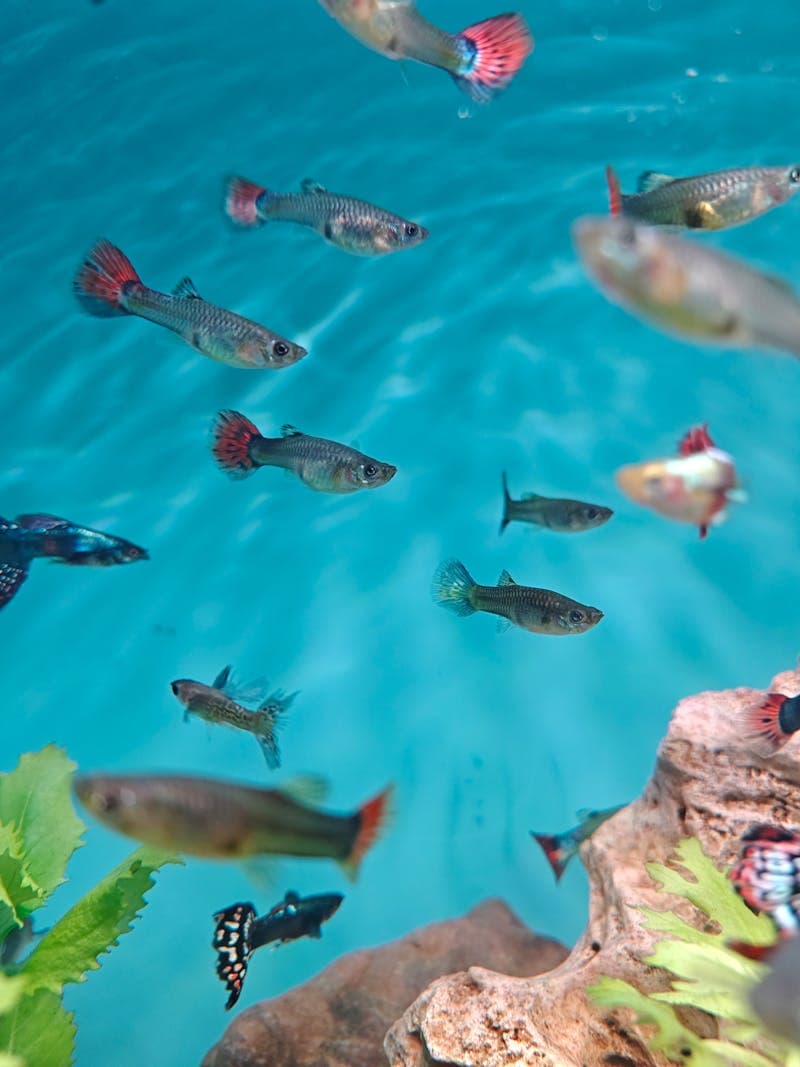
Peaceful, mixable, beginner-approved

Guppies, Mollies, Platys — bulletproof
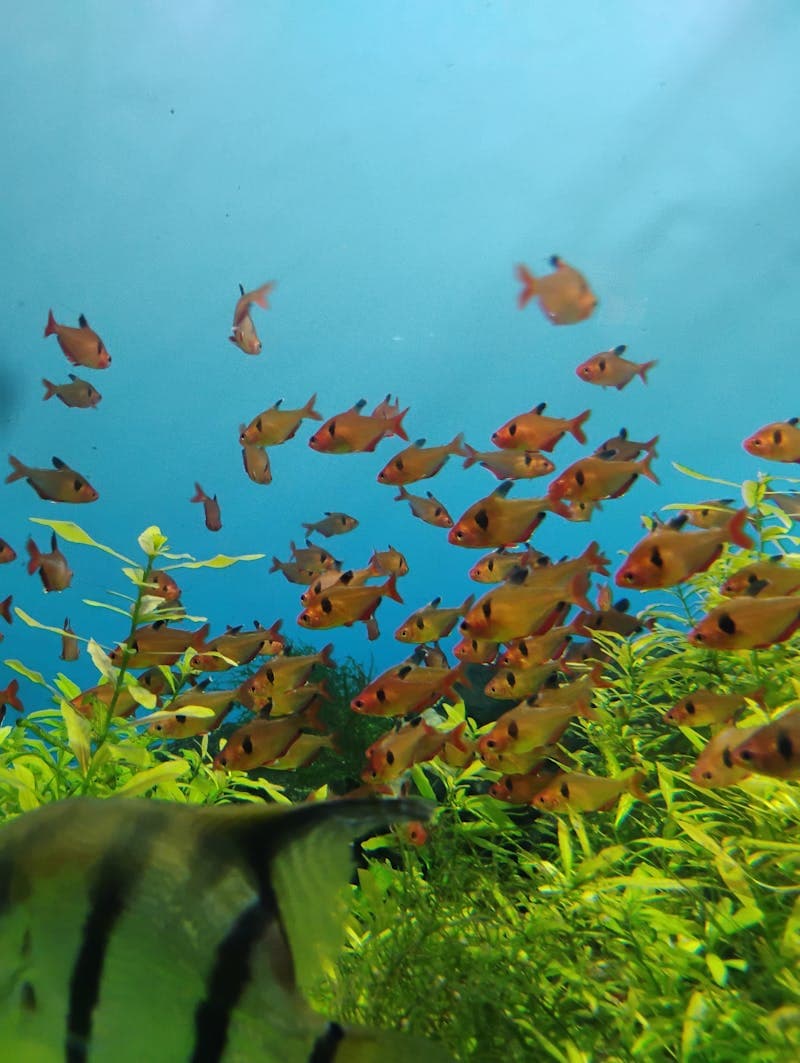
Schooling staples for first tanks
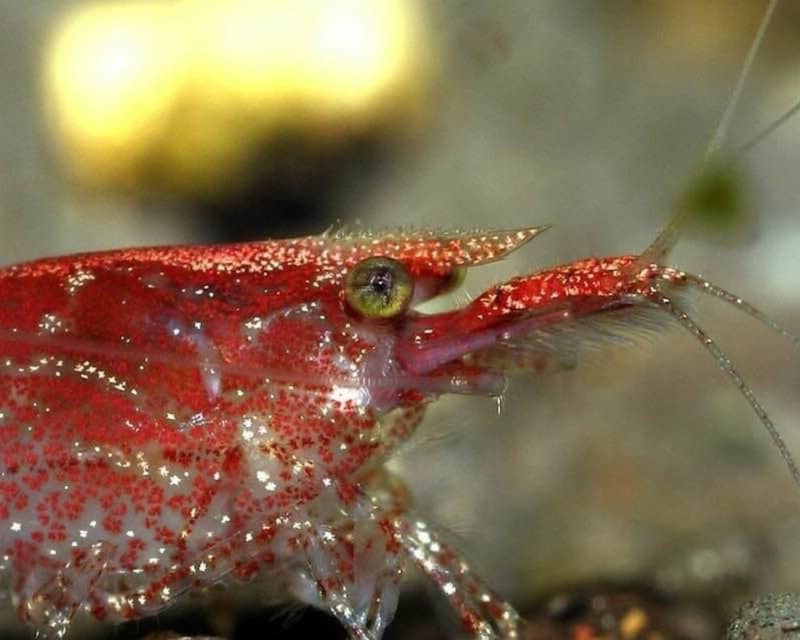
Easiest invertebrate to keep
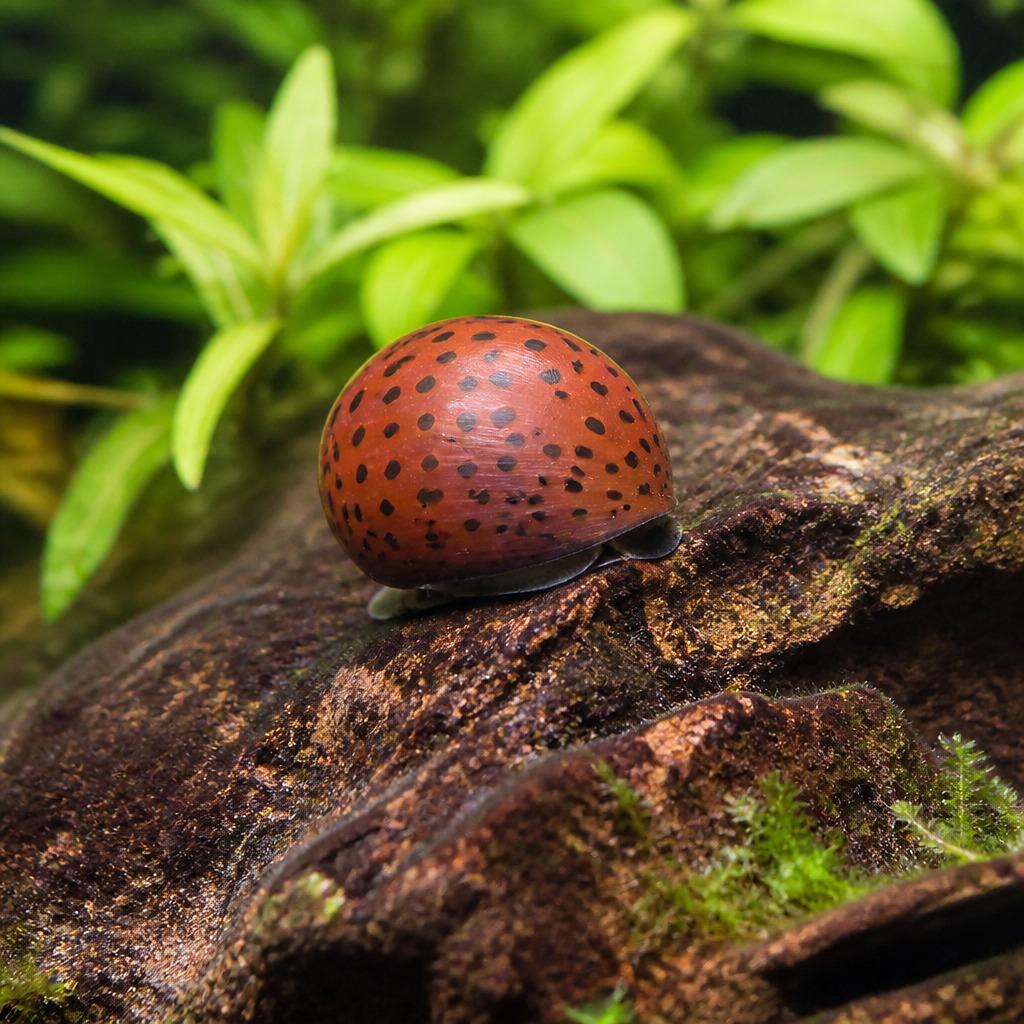
Nerite, Mystery, clean-up crew
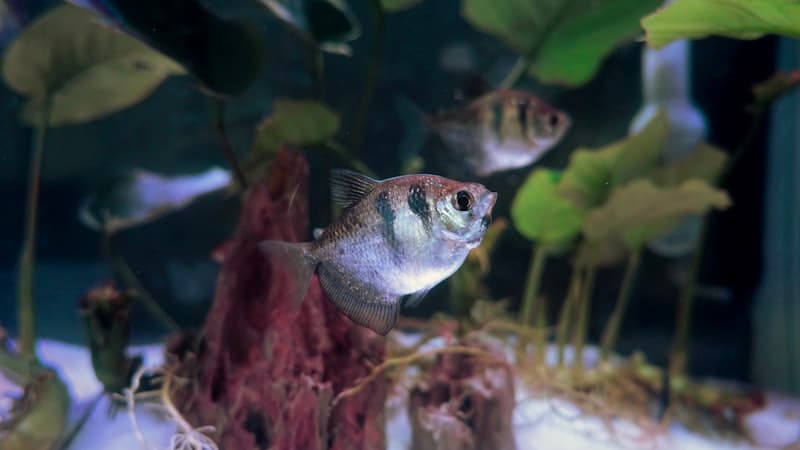
Dwarf algae eaters for 90 L+
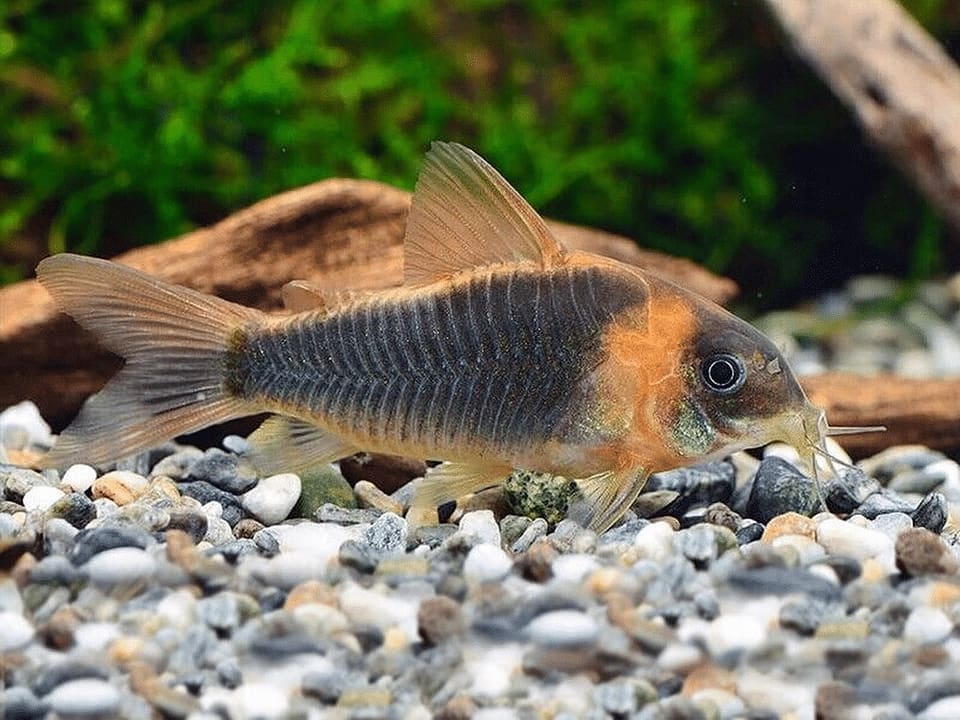
Peaceful bottom-feeder schools
390 live products. Filter by species, tank size, care level and more.
390 products

22–28°C · pH 7–8 · 45L

21–25°C · pH 5–7

24–27°C · pH 6.5–6.5

22–27°C · pH 6–8 · 72L

22–27°C · pH 6–8
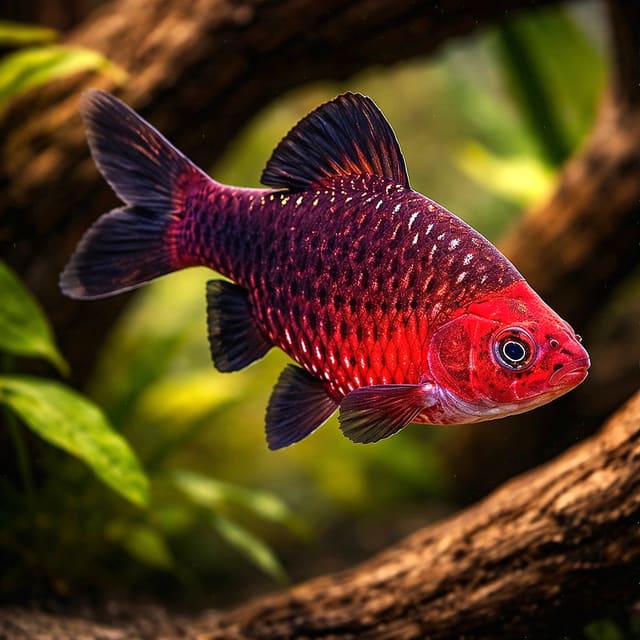
22–26°C · pH 6–6.5 · 72L
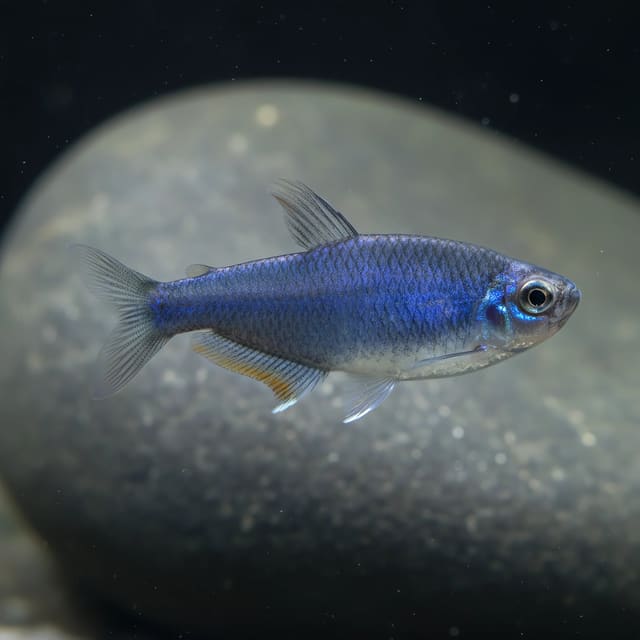
24–27°C · pH 5.5–7 · 68L
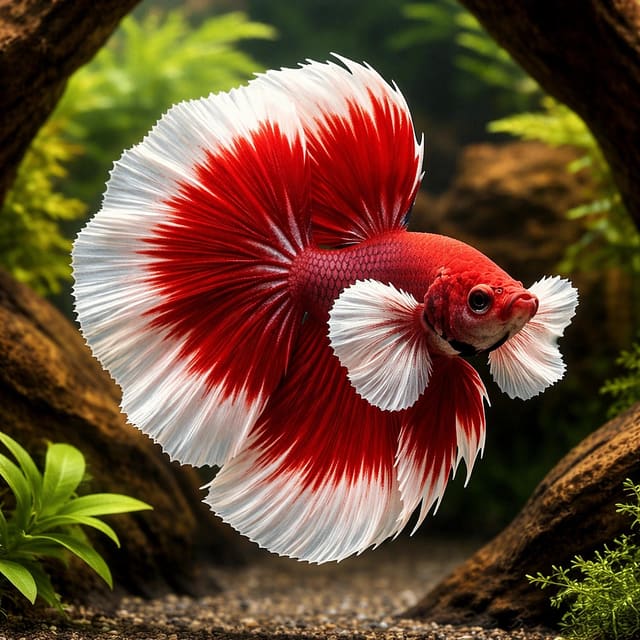
26–28°C · pH 6–8
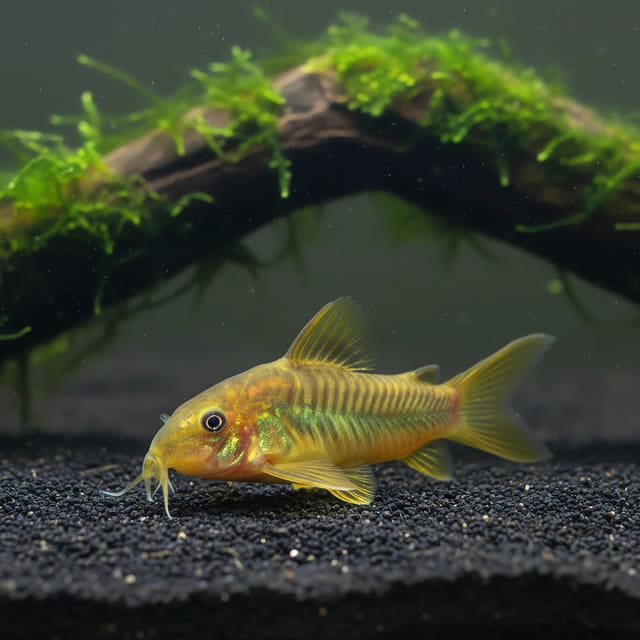
22–26°C · pH 6–7.5 · 60L
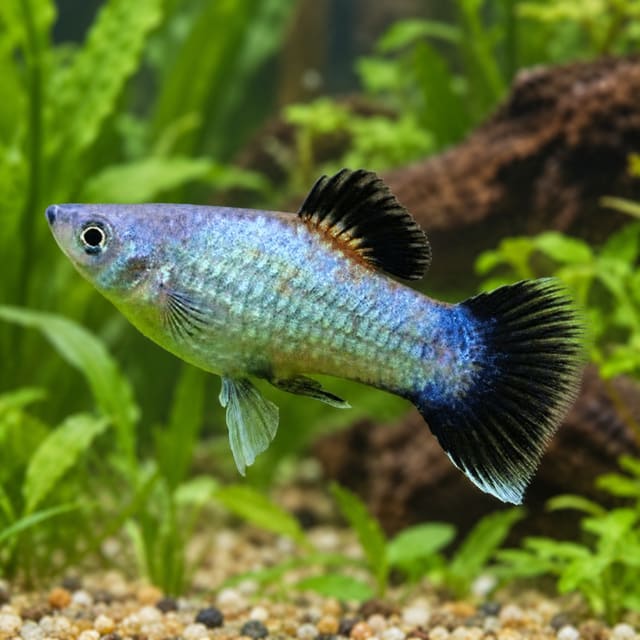
20–26°C · pH 7–8.2 · 54L
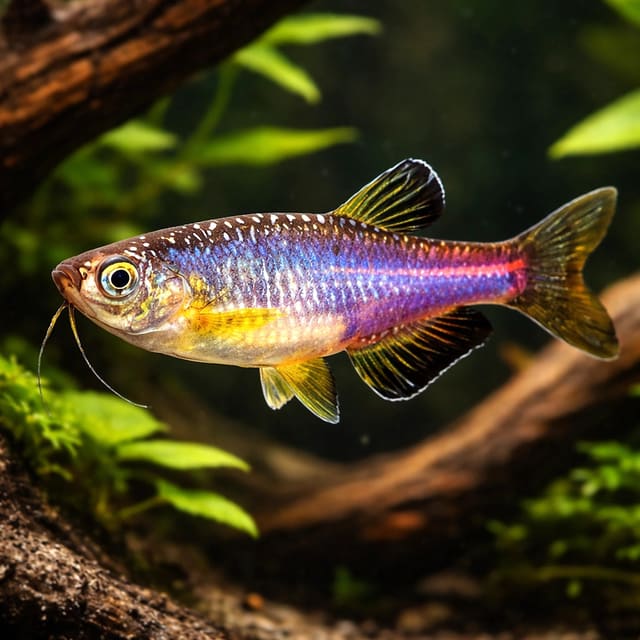
16–25°C · pH 6–8
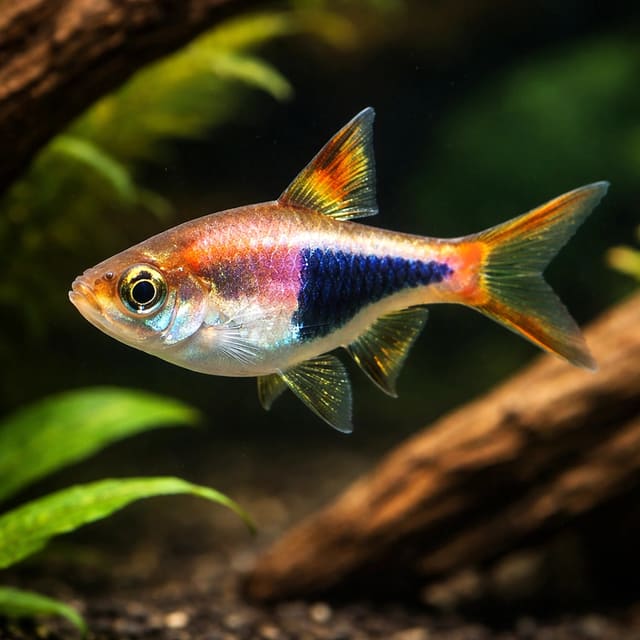
21–28°C · pH 5–7.5 · 54L

22–23°C · pH 6.5–8
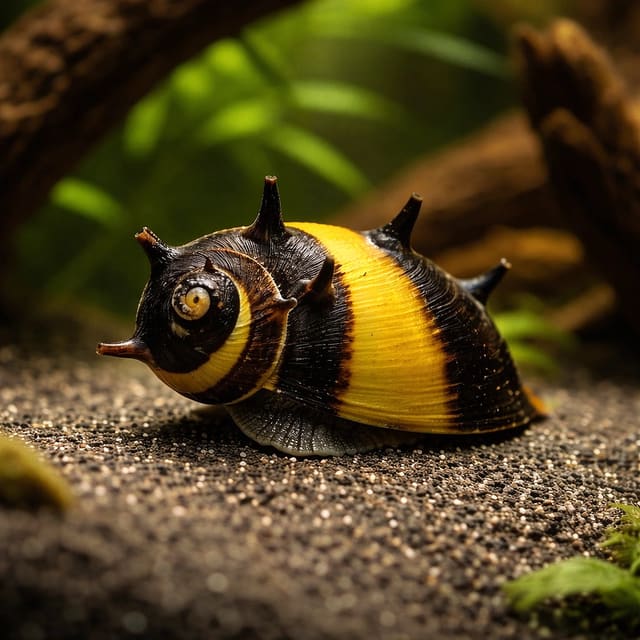
19–26°C
20–28°C · pH 6–8
24–28°C · pH 6–8 · 81L
20–32°C · pH 6.5–8.5 · 108L
22–26°C · pH 6.4–7.4 · 41L
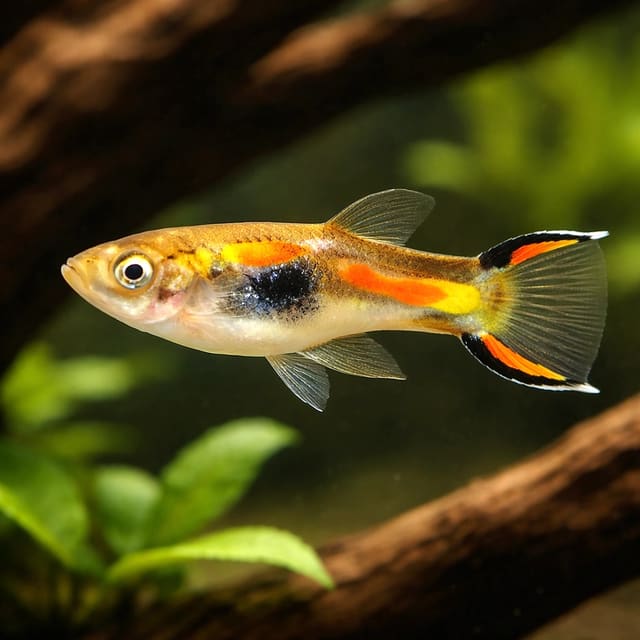
24–30°C · pH 7–8.5 · 41L
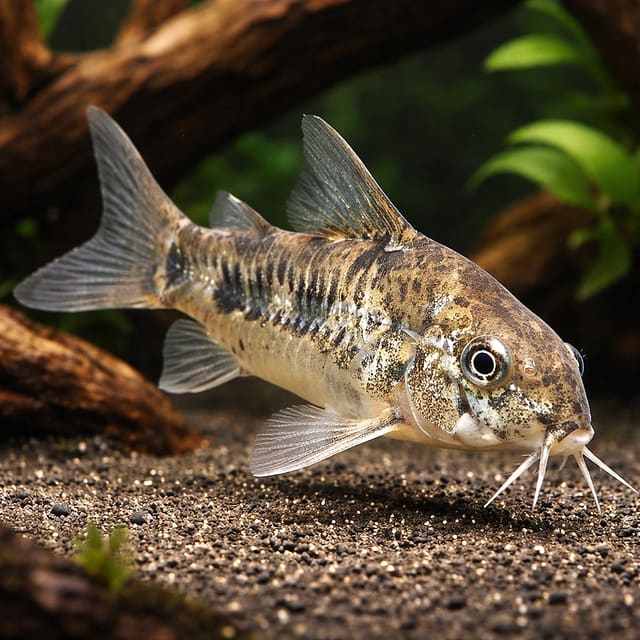
22–23°C · pH 6–7 · 70L
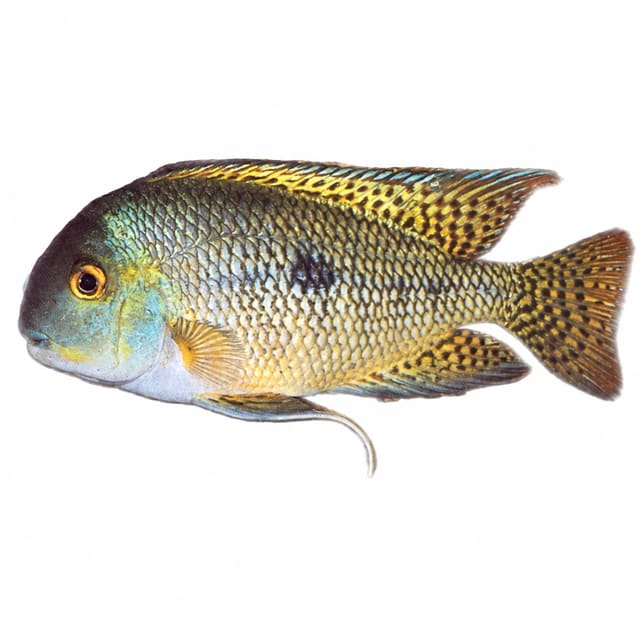
23–28°C · pH 7–8 · 250L
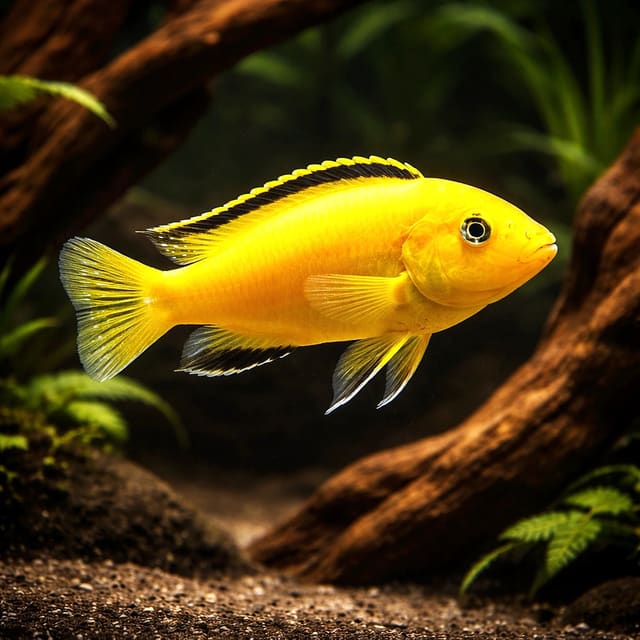
24–28°C · pH 7.7–8.6 · 154L
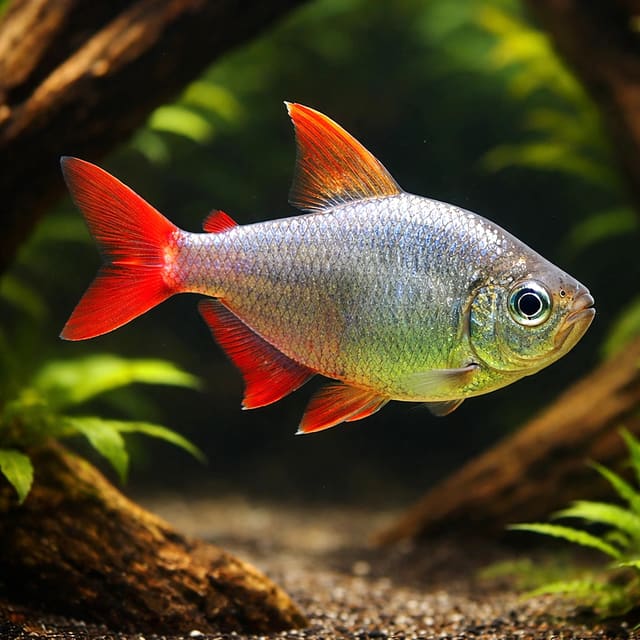
20–28°C · pH 5–7.5 · 81L
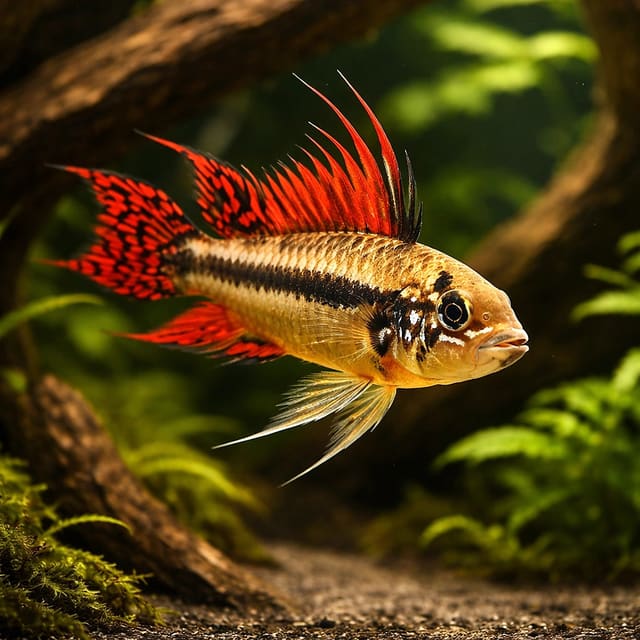
22–29°C · pH 5–6 · 54L
Every week we get emails that start the same way: "I'm new to this and I don't know what fish to buy first." This page is the answer we'd send — I'm Tom, the nano-tank and beginner writer on the site, and the ten species below come straight from three years of "what do I do now?" questions on my YouTube channel.
The ten species below are the ones we'd happily put in a cycled 90 L tank and send home with a first-time keeper, confident they'll still be thriving six months later. They're picked against four criteria: hardy in UK conditions, peaceful in a community tank, widely in stock year-round, and tolerant of the minor parameter swings that every new aquarist's tank will have.
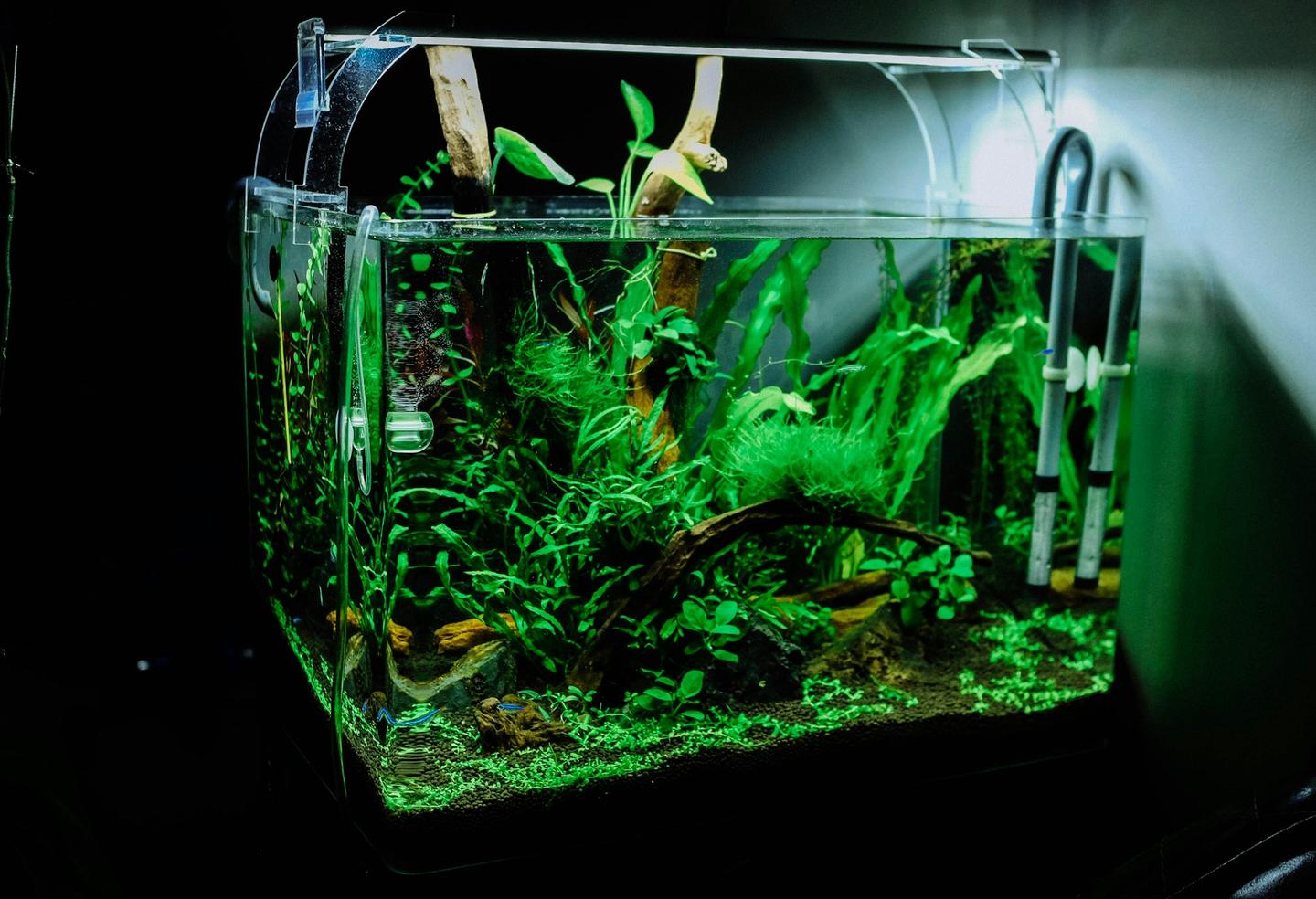
UK tap water is typically medium-to-hard (10-25 dGH) with pH 7.2-7.8 [5]. That's ideal for livebearers and most South American tetras but uncomfortable for soft-water specialists (Chocolate Gouramis, wild Discus, some Apistogramma). Every species below thrives in standard UK tap water without remineralisation.
Before spending any money — watch what you're aiming at. The clip below is our in-house 90 L first-stocking showcase.
The livebearer that made tropical fishkeeping a hobby rather than a rich person's pastime. Guppies tolerate the entire range of UK tap water, eat anything, and come in dozens of colour strains from £2.50 specimens to £30 show-quality fancies.
Quick stats: Size 3-6cm | Temp 22-28°C | pH 7.0-8.5 | Hardness 10-25 dGH | Tank mates: everything peaceful | Price: £2.50-£8 each
Why it's great for beginners:
Group size: 5-6 minimum for mixed-sex; males can be kept in smaller groups or solo
Full care guide: Guppy care.
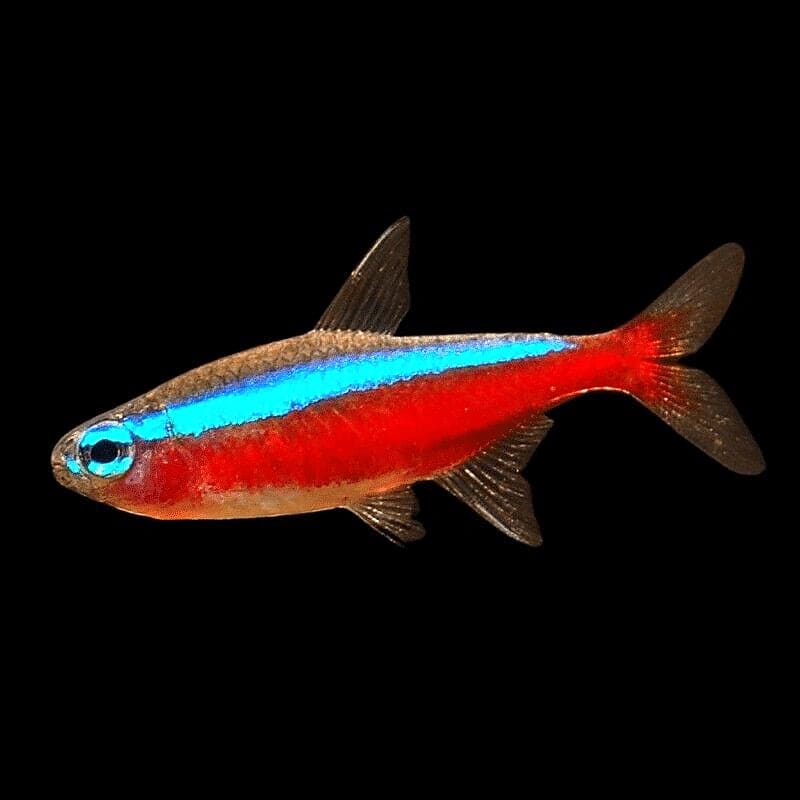
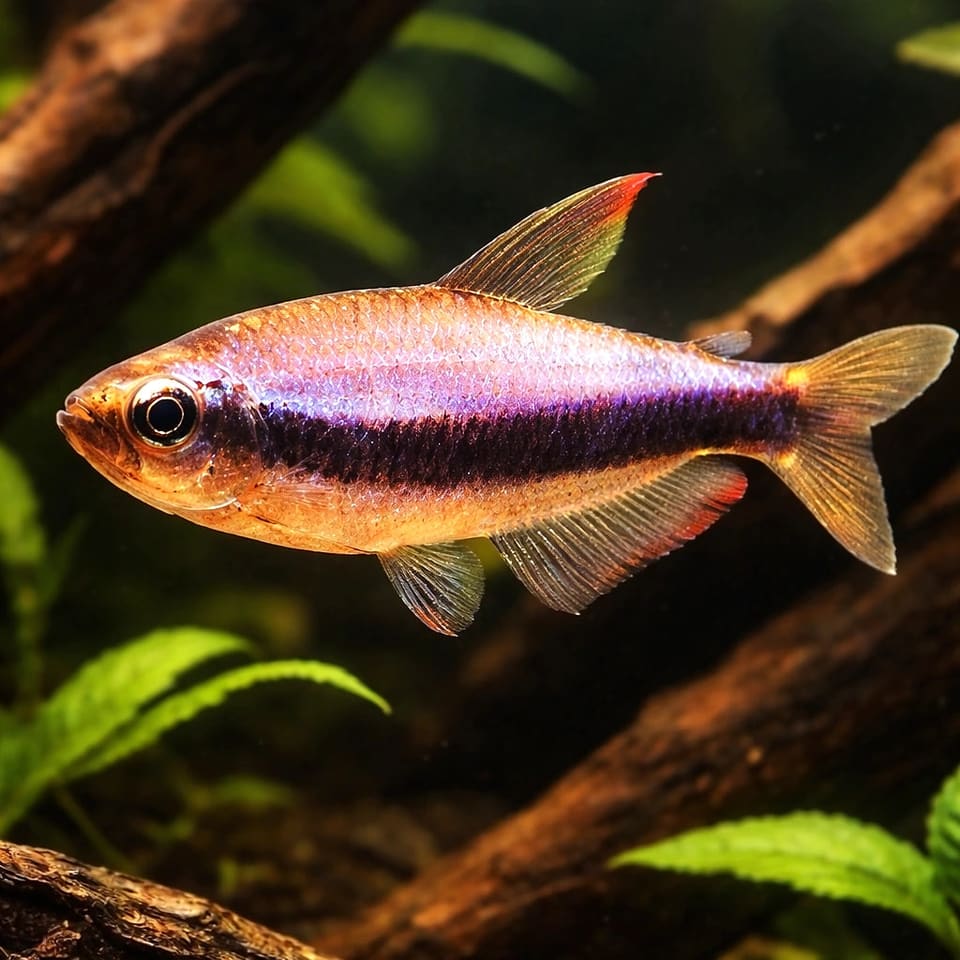
The small schooling tetra that every beginner has heard of, and still one of the most rewarding in a mature planted tank. A dense school of twenty Neons moving as one through aquascaped foreground plants is one of the classic sights of the hobby.
Quick stats: Size 3cm | Temp 22-26°C | pH 6.0-7.5 | Hardness 2-10 dGH | Tank mates: small peaceful community | Price: £1.80-£2.50 each
Why it's great for beginners:
Neons are the single most common casualty of beginners stocking a newly-cycled tank. They're sensitive to the small parameter swings that happen in the first 6-8 weeks after cycling completes. Add Neons last, ideally 6+ weeks after the first fish went in.
Group size: 10 minimum; 15-20 looks much better and they school tighter
Groups of 6 to 20. Cardinal Tetras (2227) are a hardier upgrade.
Full care guide: Neon Tetra care.
The hardiest livebearer in the hobby. Platies come in red, blue, orange, variegated, and sunset colour strains, stay compact at 5-6cm, and breed with zero encouragement. If Guppies are the entry-level livebearer, Platies are the upgrade for anyone who wants slightly chunkier fish with more visual impact.
Quick stats: Size 5-6cm | Temp 22-26°C | pH 7.0-8.3 | Hardness 10-25 dGH | Tank mates: every peaceful community species | Price: £3-£5 each
Why it's great for beginners:
Group size: 3-5 (livebearers don't need strict shoals); mixed-sex works but expect fry
Full care guide: Platy care.
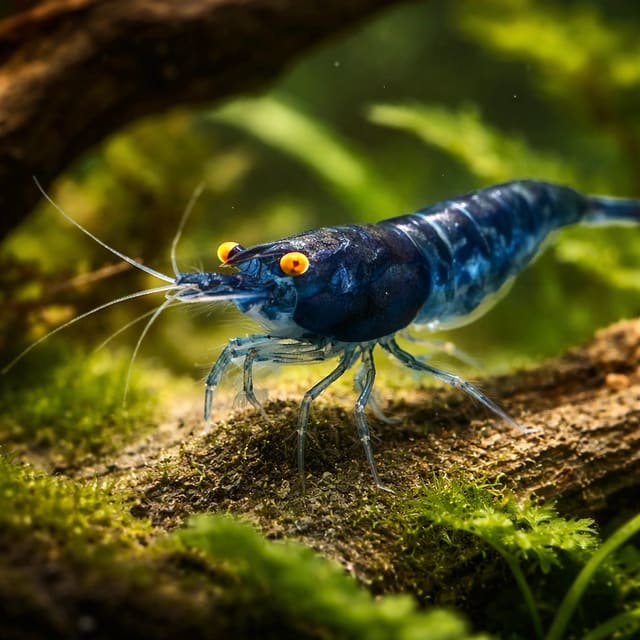
The best value in the hobby. A starter colony of 10 Cherry Shrimp is around £30 and, given a planted tank and no predators, turns into 100+ shrimp within a year. They eat algae, biofilm, and leftover food. They're peaceful with every community fish species that won't fit them in its mouth.
Quick stats: Size 2-3cm | Temp 18-26°C | pH 6.5-8.0 | Hardness 6-20 dGH | Tank mates: small peaceful fish, other shrimp | Price: £2-£4 each (groups of 10-20)
Why it's great for beginners:
Cherry Shrimp come in red, blue, yellow, chocolate, snowball white, and other colours — but they're all the same species (Neocaridina davidi) and crossbreed readily. If you want to maintain colour purity in a breeding colony, stock ONE colour per tank. Mixed colonies muddy to brown/grey within a generation.
Group size: 10 minimum to establish a colony; 20+ gives faster colonisation
Chocolate, Topaz Blue, and other colour strains. All care the same — pick the colour you love.
Full care guide: Cherry Shrimp care.
The bigger cousin of the Guppy and Platy. Mollies hit 8-12cm depending on strain, producing real visual presence in a 90L+ tank, and they come in black, dalmatian, gold, silver, sailfin, and balloon varieties. They tolerate a wider salinity range than any other common tropical fish — some keepers run low-salt brackish Molly tanks.
Quick stats: Size 8-12cm | Temp 24-28°C | pH 7.5-8.5 | Hardness 15-30 dGH | Tank mates: peaceful community | Price: £4-£8 each
Why it's great for beginners:
Mollies get too big for a 60L. Minimum 90L for Short-fin varieties, 120L for Sailfin. Undersize them and they get aggressive with tank mates.
Group size: 3-5, ideally more females than males
Full care guide: Molly care.
Our single most-recommended schooling fish for first-time aquarists. The Harlequin is hardier than any tetra, tolerates the entire UK pH range, schools tightly, and moves beautifully across the middle of the water column. If you want one peaceful schooling species, this is what we'd pick.
Quick stats: Size 4cm | Temp 22-28°C | pH 6.0-8.0 | Hardness 2-15 dGH | Tank mates: small peaceful community | Price: £2.50-£4 each
Why it's great for beginners:
Group size: 8 minimum; 10-12 is ideal
Full care guide: Harlequin Rasbora care.
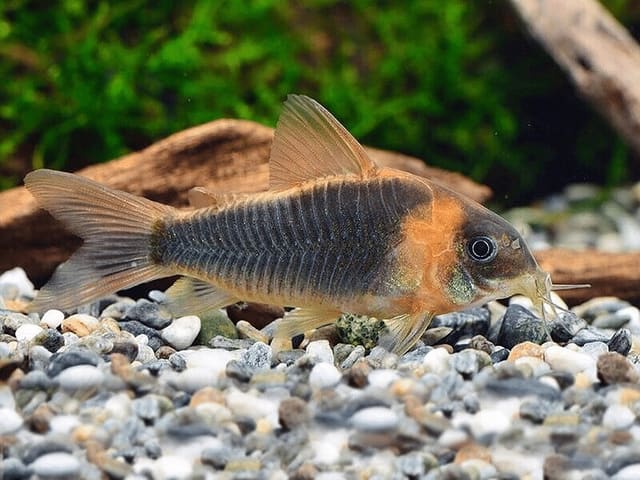
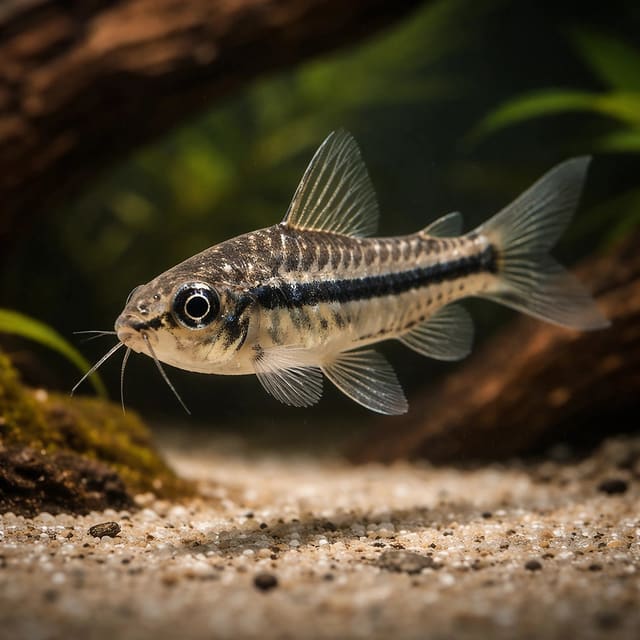
The community tank's essential bottom-dweller. Bronze and Peppered Corydoras are the hardiest and most widely stocked; Panda, Sterbai, and Julii Corys are the slightly fancier (and more expensive) strains. Whichever you pick, they patrol the substrate, eat leftover food, and behave like a small friendly gang.
Quick stats: Size 5-7cm | Temp 22-26°C | pH 6.5-7.8 | Hardness 5-15 dGH | Tank mates: every peaceful community species | Price: £4-£8 each
Why it's great for beginners:
Corydoras sift substrate with their barbels (the whisker-like sensors under their mouth). Sharp gravel wears barbels down and causes infections. Use smooth rounded gravel or fine sand.
Group size: 6 minimum — they're genuinely schooling catfish and stress when kept in smaller numbers
Full care guide: Corydoras care.
Zebra Danios are the classic first schooling fish for UK beginners — they tolerate cooler water (18-24°C) than any other species on this list, which makes them the best pick for a room without reliable heating. Celestial Pearl Danios are the modern upgrade: smaller, more colourful, and stunning in nano planted tanks.
Quick stats (Zebra): Size 5cm | Temp 18-24°C | pH 6.5-7.5 | Tank mates: active community | Price: £2.50-£4 each
Quick stats (Celestial Pearl): Size 2cm | Temp 20-25°C | pH 6.5-7.5 | Tank mates: small peaceful community | Price: £4-£7 each
Why they're great for beginners:
Group size: 6-8 minimum for both
Full care guide: Celestial Pearl Danio care.
The algae eater worth buying. Unlike the misnamed "Common Pleco" that grows to 45cm, the Bristlenose stays at 10-12cm, actively eats algae throughout its life, and fits a 90L+ community tank perfectly. One Bristlenose handles a medium-sized tank's algae without touching your plants.
Quick stats: Size 10-12cm | Temp 22-28°C | pH 6.5-8.0 | Hardness 4-20 dGH | Tank mates: every peaceful community species | Price: £12-£25 each
Why it's great for beginners:
Bristlenose Plecos rasp driftwood for fibre. Without driftwood in the tank, they can develop digestive issues. A single piece of Mopani or Malaysian driftwood is enough.
Group size: Solitary (one per tank) or a breeding pair
Full care guide: Bristlenose Pleco care.
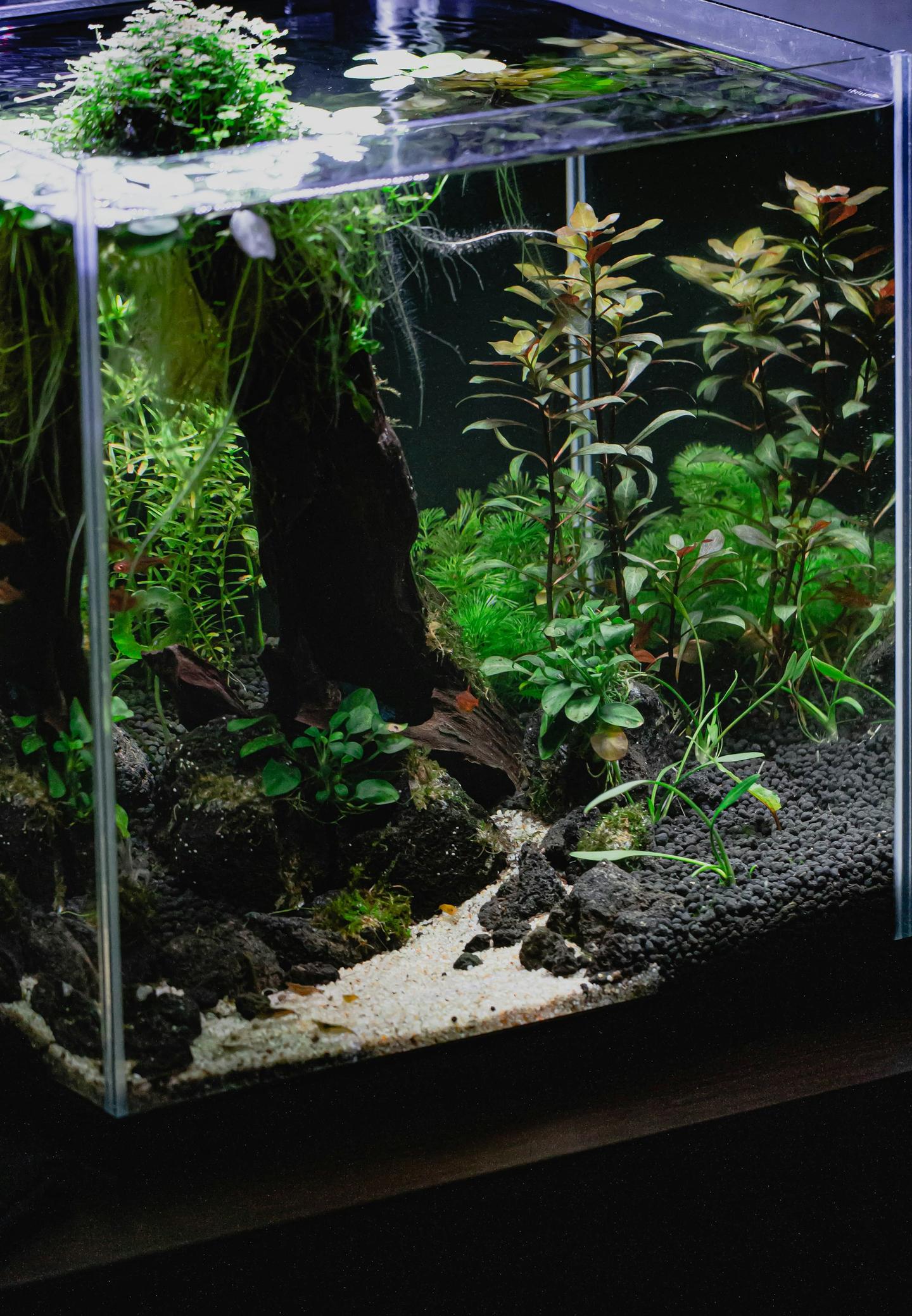
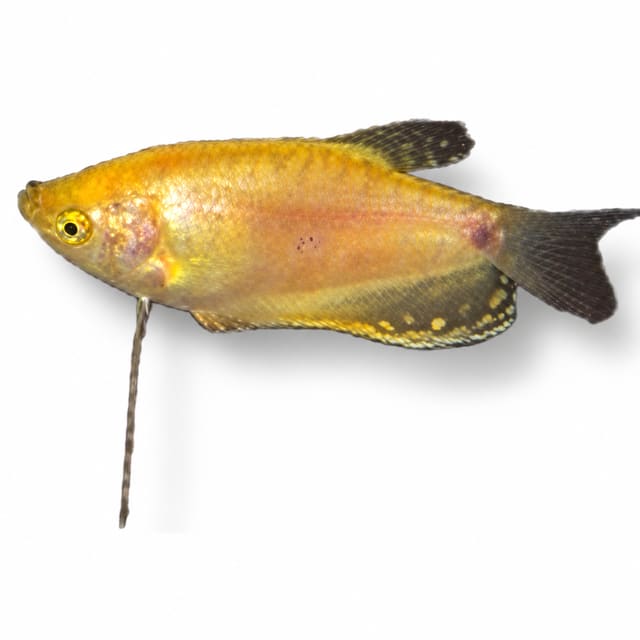
The gentlest, prettiest gourami for beginners. A pair of Honey Gouramis adds a golden centrepiece to a planted community tank without the aggression that Three-Spot or Pearl Gouramis show. They breathe atmospheric air (labyrinth organ), so they'll survive low-oxygen incidents that would kill other species.
Quick stats: Size 5-7cm | Temp 24-28°C | pH 6.0-7.5 | Hardness 4-15 dGH | Tank mates: peaceful community | Price: £6-£10 each
Why it's great for beginners:
Group size: Pair (male and female) or solo. Two males in the same tank will fight.
Full care guide: Honey Gourami care.
Despite how often they're marketed to beginners, these species cause the most first-tank disasters:
Angelfish juveniles. Sensitive to water quality, territorial as they mature, and they eventually eat small tetras. Reserve for a second, larger tank once you have cycling and water changes dialled in.
Common Plecos. Grow to 40-45cm, produce huge waste loads, and only the Bristlenose variety stays small. Any shop selling a 5cm Pleco to a beginner for a 60L tank is setting them up for failure.
Discus. The king of the hobby, but demand pristine soft warm water, daily attention, and experience reading fish behaviour. Not a first fish.
Cichlids (most). Territorial, aggressive to tank mates, and specific water requirements. Rams and Apistogramma look approachable but are genuinely intermediate-level fish.
Chinese Algae Eater. Peaceful when small, becomes aggressive and territorial with age, eventually attaching to other fish to rasp their slime coat. Stick with Bristlenose Plecos or Otocinclus instead.
Wild-caught species. Shipping stress and parasite load are higher. Look for "tank-bred" or "aquaculture" on the label.
Goldfish. Not tropical — they want cooler water (18-22°C) and produce 3-4x the waste of similar-sized tropical fish. Need 100L+ per fish. A beginner tropical setup is not a goldfish home.
The Zebra Danio used to be my number one beginner recommendation. Hardy, peaceful in groups, tolerates cooler water. But I've seen too many beginners stock 6 Zebra Danios in a 60L and end up with aggression issues — they're nippier and more active than most small community fish, and they can stress shyer tank mates. Harlequin Rasboras fill the same niche with better temperament.
Don't buy fish at random — plan the whole tank up front. Three proven stocking plans:
Total fish load: moderate. Add over 6 weeks in the order above.
Total fish load: full but not overstocked. Add over 8 weeks.
Total fish load: high — requires weekly 30% water changes and a proper external filter.
For keepers ready to commit to a centrepiece tank with a 150L+ external filter.
Every species on this page assumes a cycled tank — one that's been running for 4-6 weeks with ammonia-only dosing until ammonia and nitrite both read 0 within 24 hours of feeding. If your tank isn't cycled, the fish will die within days, regardless of how hardy they are.
Full cycling walk-through: Beginner Aquarium Setup.
Fish-in cycling (adding fish to an uncycled tank and letting the nitrogen cycle establish around them) works but causes measurable harm to the fish — burnt gills, shortened lifespan, and high casualty rates. Every fish in this guide deserves a cycled tank. Spend 4-6 weeks on fishless cycling before your first order.
Browse the full beginner-friendly range: fresh water fish and shrimp and invertebrates.
If you'd like us to check your stocking plan before ordering — tank size, species mix, water parameters — email us with the details. We'd rather spend 10 minutes on email now than ship fish into a tank that won't suit them.
Short clips from our own channel — the things keepers most often get wrong, answered in a minute.
The best tropical fish for beginners UK — hand-picked easy-care species that thrive with minimal fuss. Perfect starter community tank candidates.
Compare fish for a community aquarium. Check adult size, water conditions, group needs and temperament before choosing compatible tank mates.
Livebearer fish for sale UK — Guppies, Mollies, Platies, Swordtails, Endlers, Limias. Easy-breeding community favourites.
Premium Tetras for sale UK — Cardinal, Ember, Black Neon, Rummy Nose, Serpae, Diamond, Glowlight and more. Peaceful community schoolers.
Red, blue, yellow, black and Rili cherry shrimp (Neocaridina) graded per listing, with mature-tank and water guidance so a new colony settles and breeds.
Shop current Corydoras catfish listings in the UK. Compare scientific identity, size and sale unit, with price and availability shown per product.
Shop Bristlenose plecos in the UK, including common, albino, Super Red, Snow White, longfin and selected L-number Ancistrus. Live Arrival Guarantee.
Shop freshwater aquarium snails in the UK. Compare current species, adult size, water needs, diet, breeding risk, compatibility, prices and availability.
Set up a tropical fish tank in 10 evidence-led steps: choose the tank, install filter and heater, cycle safely, test the water and add fish carefully.
Evidence-checked guppy care for UK aquariums: tank size, social and sex planning, water, feeding, tank mates, health, breeding and buying.
Neon tetra care for UK aquariums: check 60 cm tank length, group size, heater, water, tank mates, feeding and mature-tank needs before buying.
Cherry shrimp care for UK aquariums: plan a mature 20L-plus tank, test your water, protect shrimplets and understand feeding, moulting and breeding.
Molly fish care for UK keepers: compare common and sailfin types, tank sizes, temperature, hard-water needs, groups, feeding and tank mates.
Learn which freshwater aquarium water parameters to test, how to read ammonia, nitrite, nitrate, pH, GH and KH, and when a result needs action.
Keep cardinal tetras thriving in UK water: check tank size, group size, tank mates, temperature and cardinal vs neon differences before you buy.
Tropical fish for sale UK — tetras, cichlids, bettas, guppies and corydoras. Specialist delivery backed by our Live Arrival Guarantee.
Buy tropical fish online in the UK — licensed live-animal courier checks, retailer standards, acclimation steps and live arrival guarantees.
Compare red, blue, yellow and rili Cherry Shrimp types in the UK. Learn what colour names mean, what photos cannot prove and what to check before buying.
Material factual claims cite the sources below; store policy and cautious inference are labelled in the article. Sources are grouped by type so you can judge their weight at a glance.
Standard reference database for species-level care data — cross-checked on every species in this list.
Conservation status reference for wild-collected ornamental species.
Hobbyist care profiles with sources. Used for temperament + tankmate claims.
Independent UK hobbyist perspective — cross-referenced for shortlist agreement.
Video cycle-setup reference — cited in the 'cycle the tank first' note.
UK tap-water hardness reference — used in the 'livebearers vs soft-water' section.
Nano-Tank & Beginner Specialist · 6+ years in the hobby
Tom runs a YouTube channel on nano-aquariums (12.3k subscribers) from his one-bedroom Edinburgh flat, where he keeps eight tanks between 10 L and 60 L. He writes every beginner guide on Tropical Fish Co — on the theory that someone six years into the hobby remembers what's confusing, where a twenty-year veteran has long since forgotten.