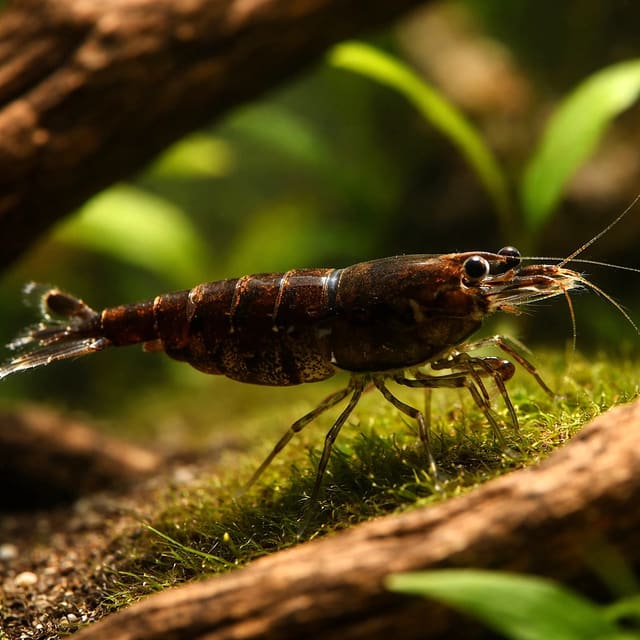
Moderate
Chocolate Cherry Shrimp (Neocaridina davidi)
17–27°C · pH 6.5–8
£13.99In stock

Buy tropical fish online in the UK — live stock from a specialist aquatics team, insulated tracked delivery, live arrival guarantee and 5.0-rated service.
Live prices · Live Arrival Guarantee
17–27°C · pH 6.5–8
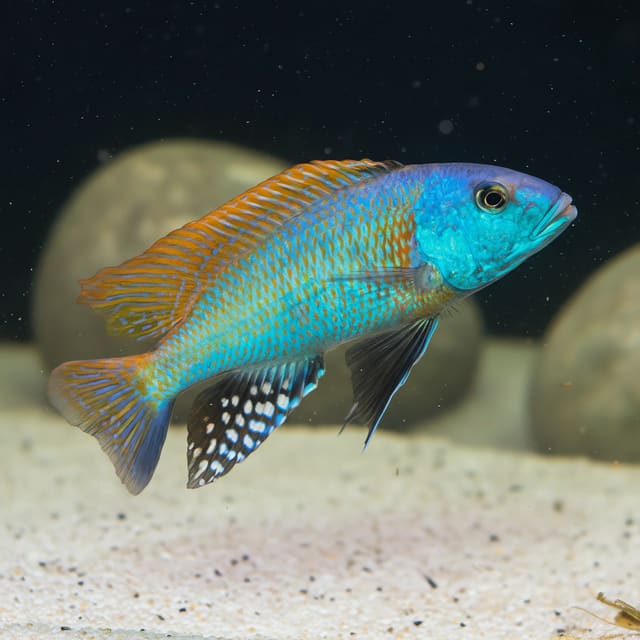
23–27°C · pH 8–8.4
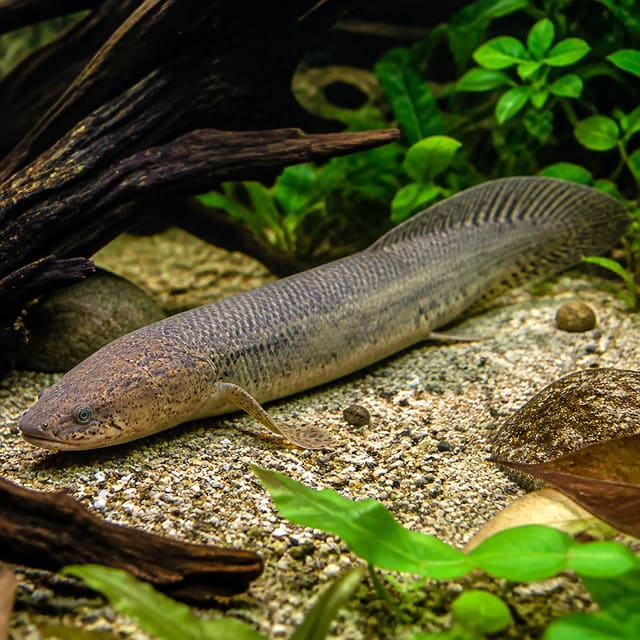
25–30°C
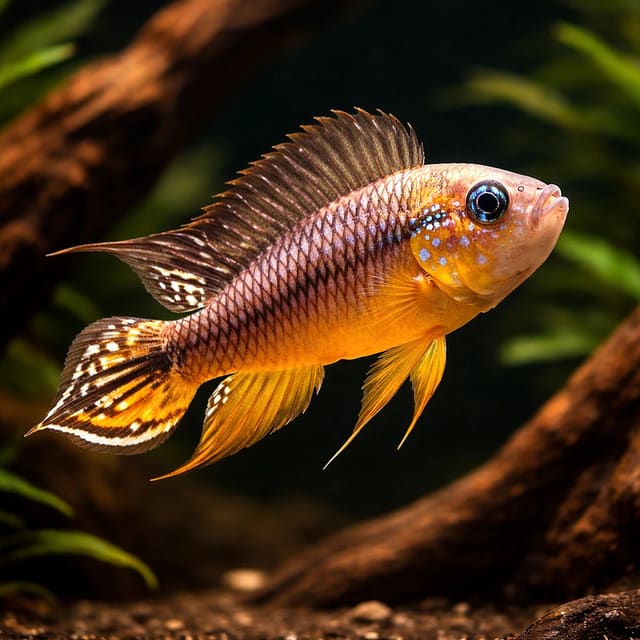
26–27°C · 54L
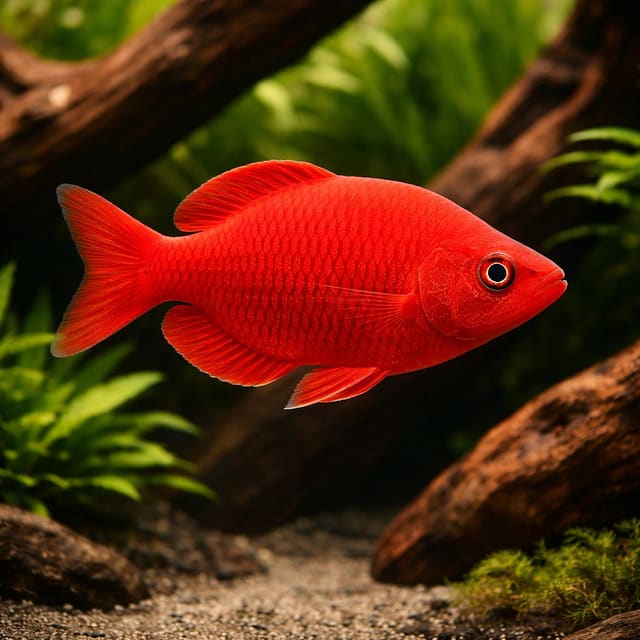
22–27°C · pH 6.5–8
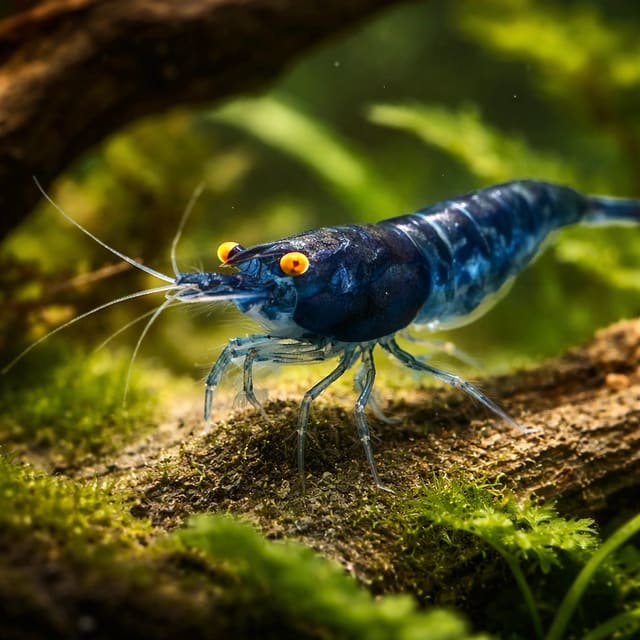
17–27°C · pH 6.5–8
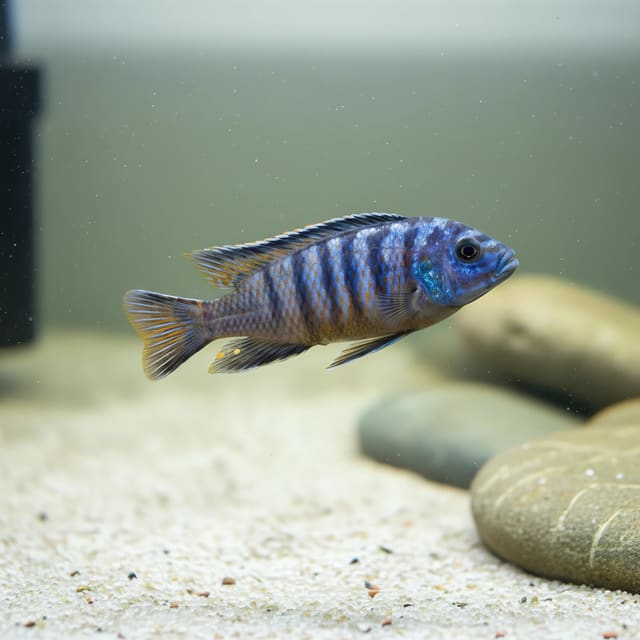
24–27°C · pH 7.5–8.8 · 150L
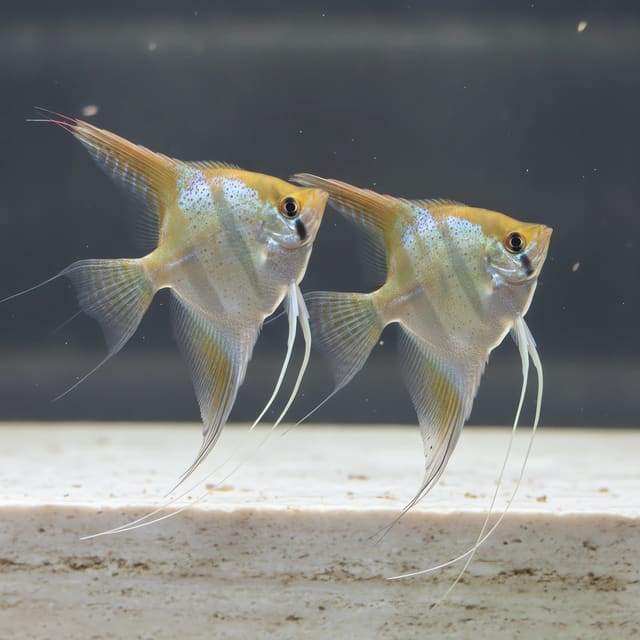
24–27°C · pH 6.5–8 · 200L
Each tile is a curated category — filter by species, tank size and more inside.
Specials your local store can't get
Clown, Lampeye, Lyretail and more
Premium UK-grade Discus strains
Mbuna, Peacock, Tanganyika tribes
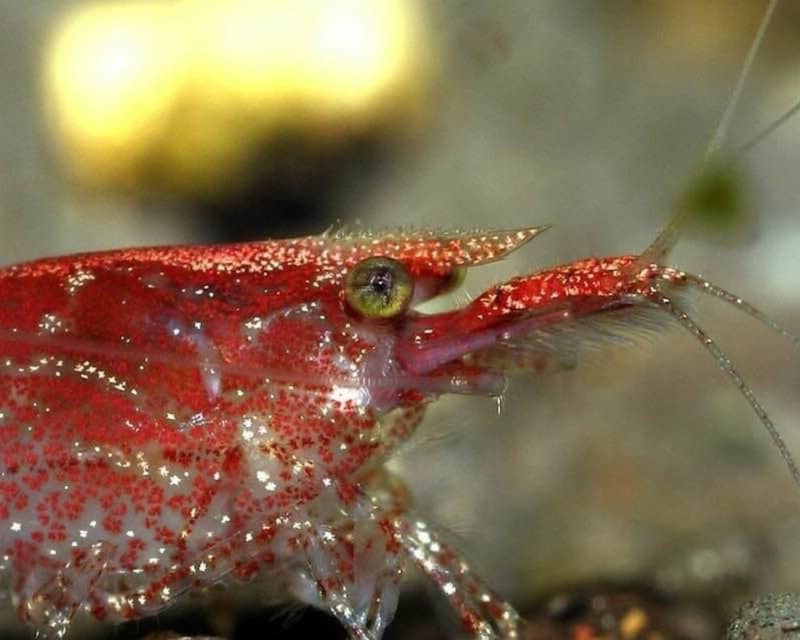
Hand-picked saltwater livestock
Cleaner shrimp, hermit crabs, snails
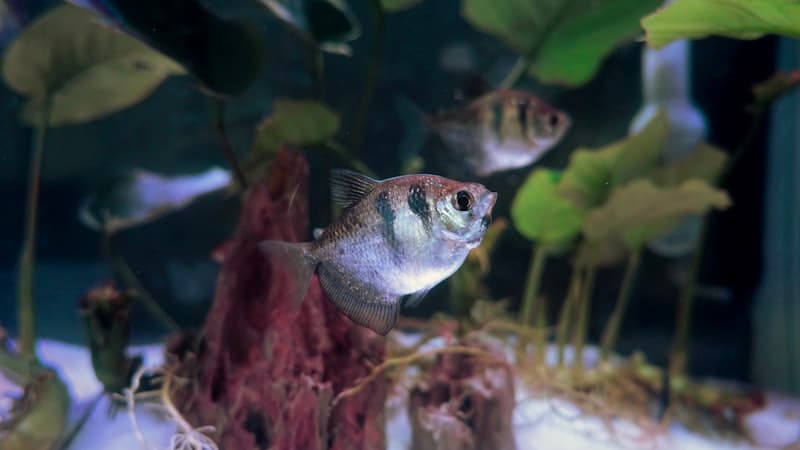
Albino, Snow White, Common, Long-fin
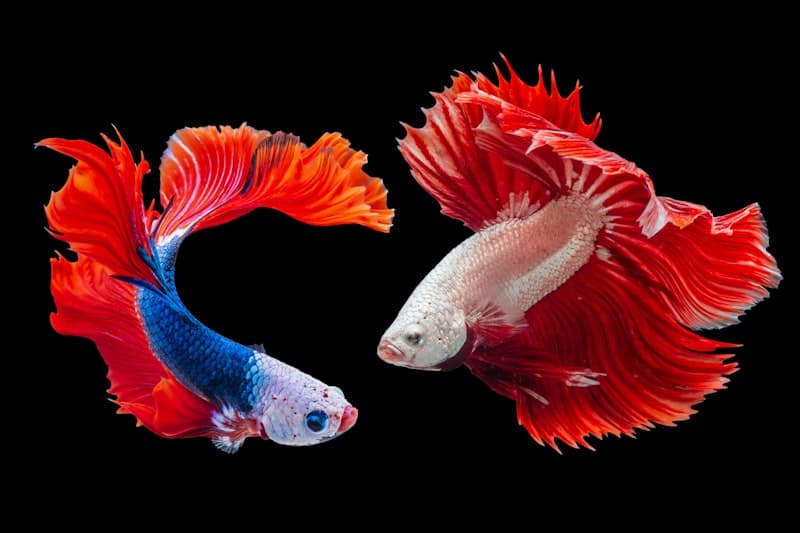
Show-quality Halfmoon & Plakat
1,029 live products. Filter by species, tank size, care level and more.
1029 products
17–27°C · pH 6.5–8
23–27°C · pH 8–8.4
25–30°C
26–27°C · 54L
22–27°C · pH 6.5–8
17–27°C · pH 6.5–8
24–27°C · pH 7.5–8.8 · 150L
24–27°C · pH 6.5–8 · 200L
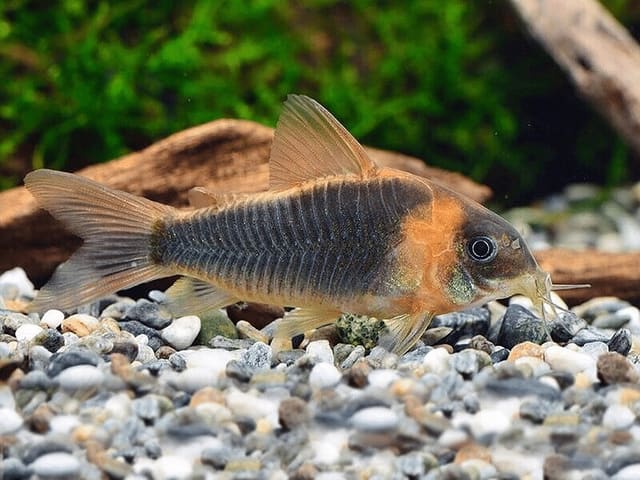
24–26°C · pH 6–8 · 81L
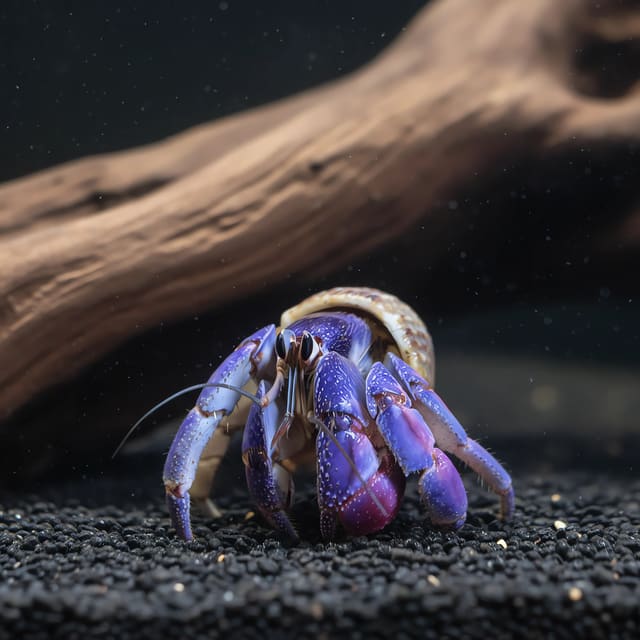
24–28°C
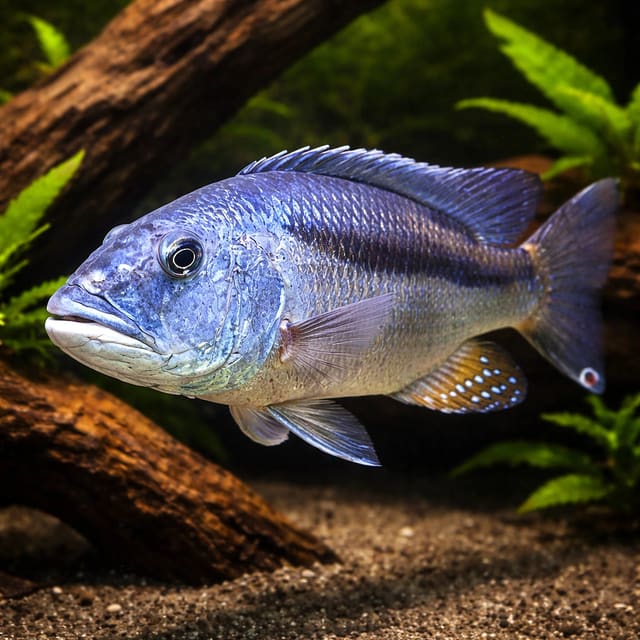
24–26°C · pH 7.5–8.4 · 648L
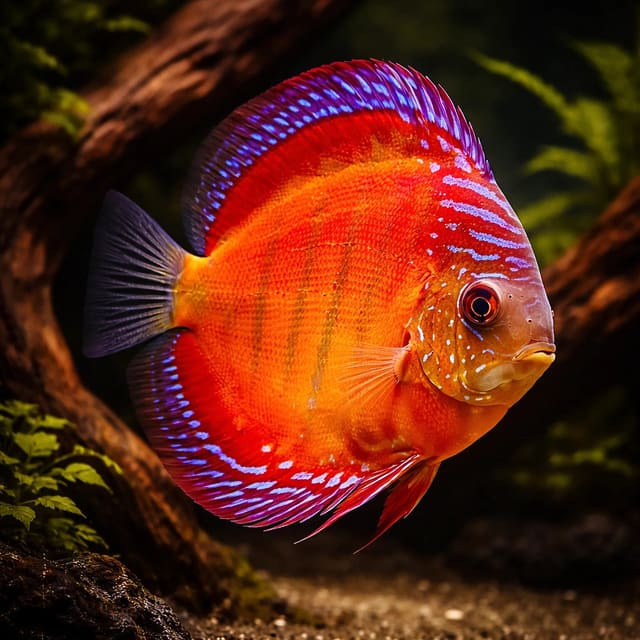
26–30°C · pH 6–7.5
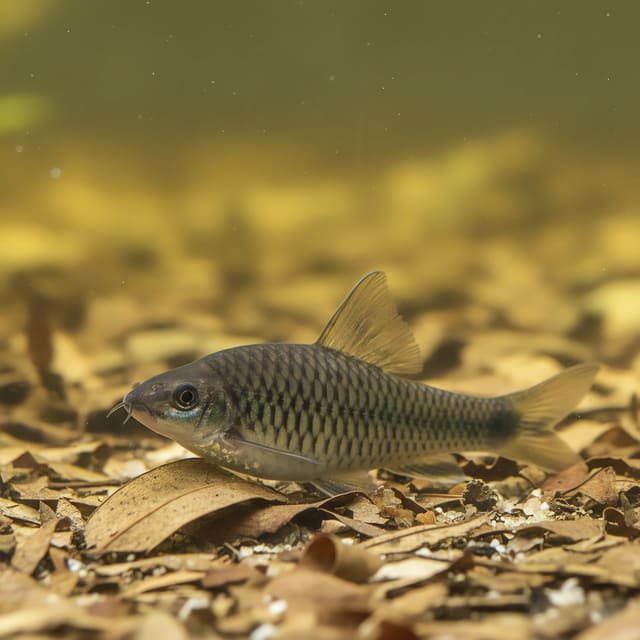
22–26°C · pH 6–7.5 · 150L
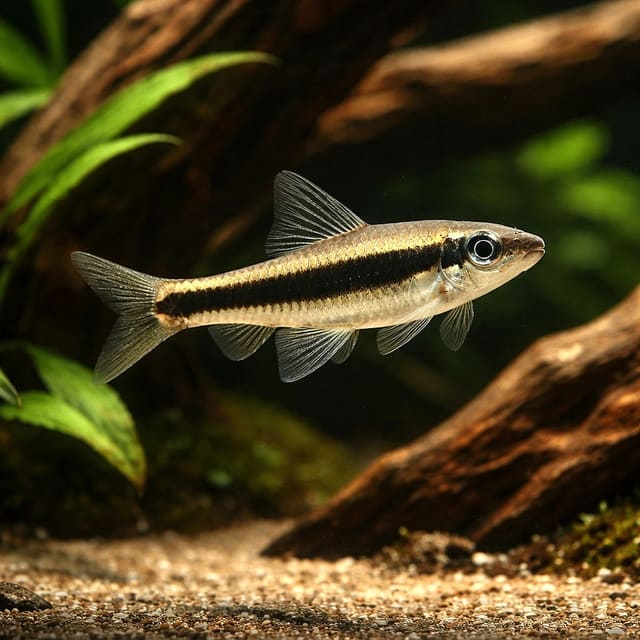
22–27°C · pH 6–8
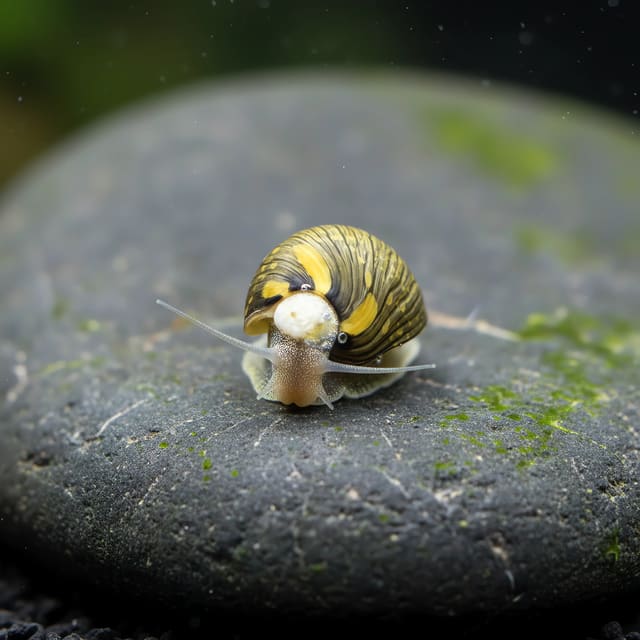
17–27°C · pH 6.5–8
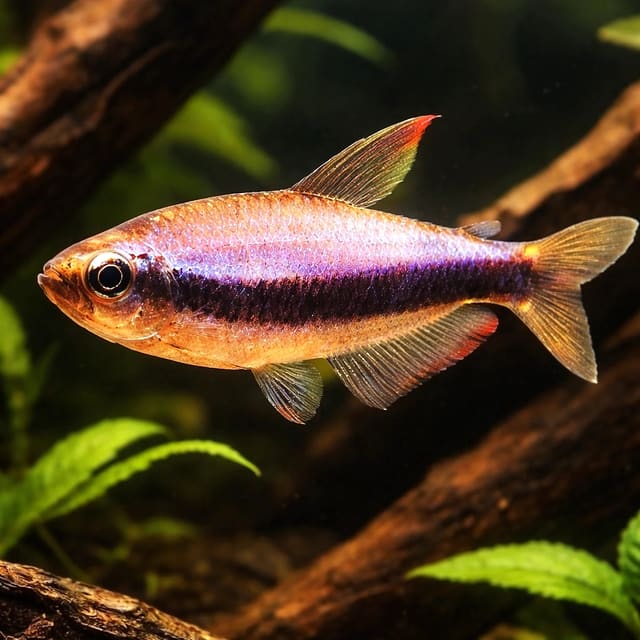
23–27°C · pH 5.5–7.5 · 80L
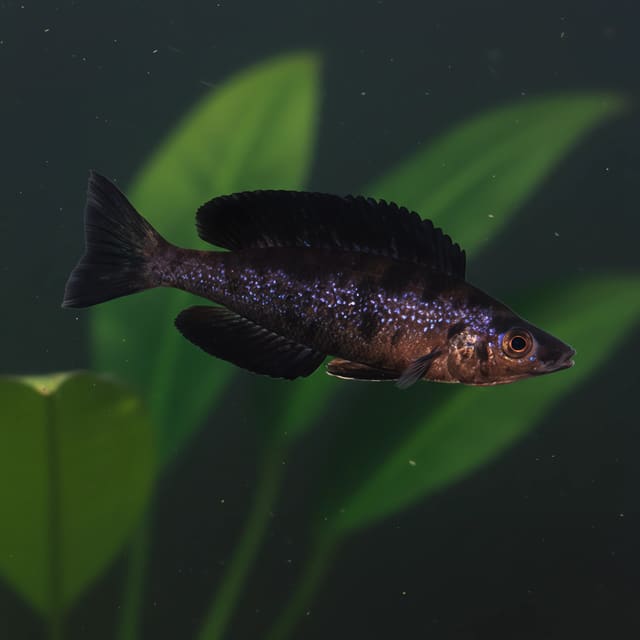
24–27°C · pH 7.8–9 · 243L
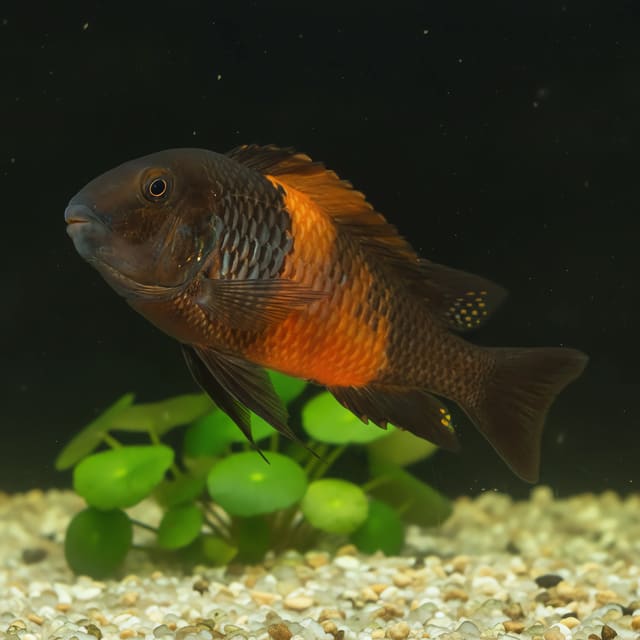
24–26°C · pH 8–8.6
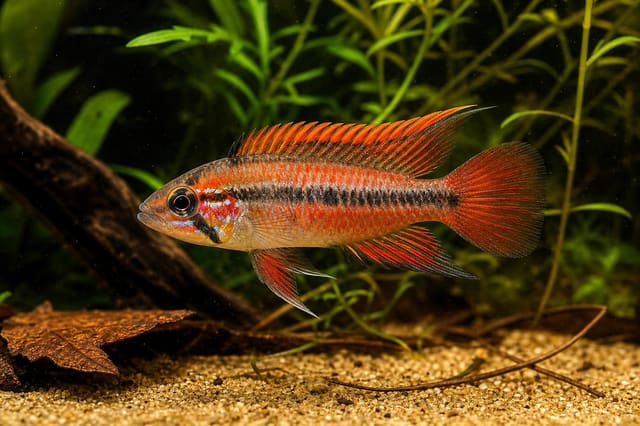
26–27°C · pH 6–7 · 54L
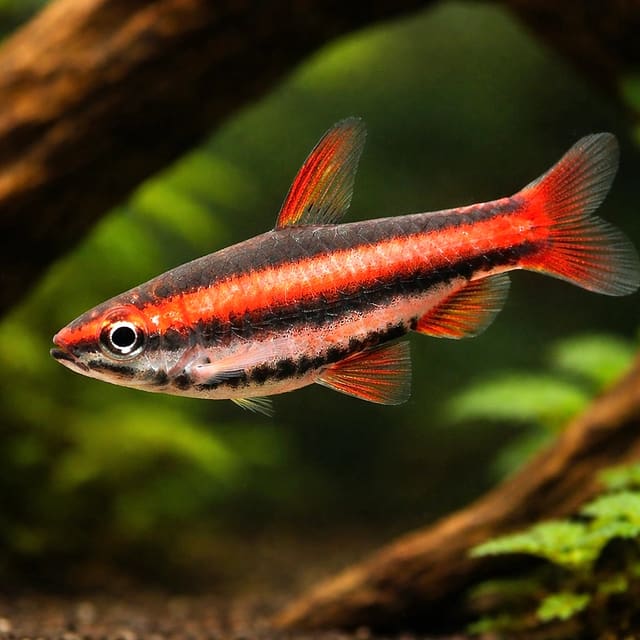
24–28°C · pH 4–7 · 81L
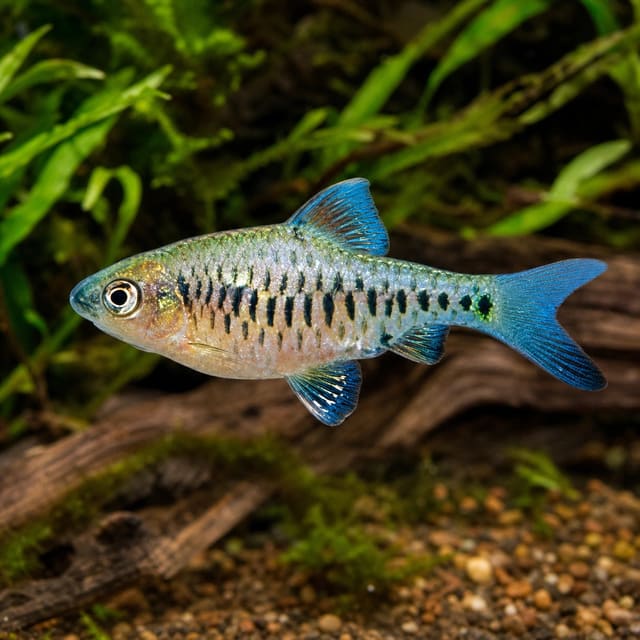
18–25°C · pH 5.5–7.5 · 68L
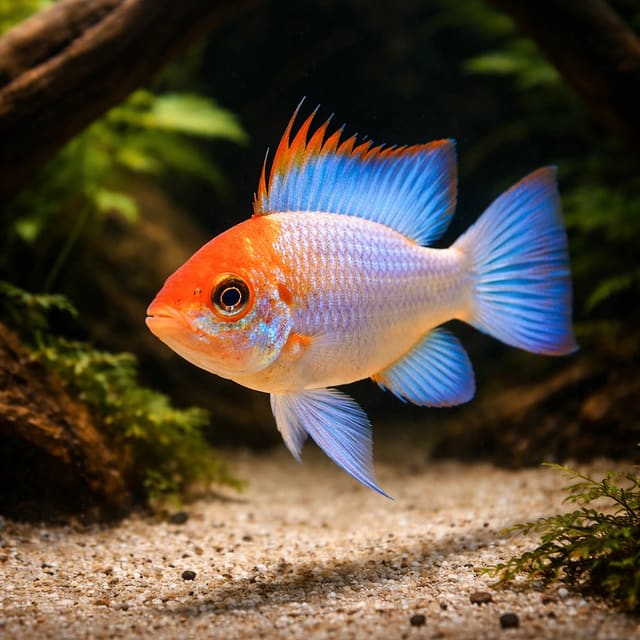
27–30°C · pH 4–7 · 54L

23–27°C · pH 6.5–7.5 · 68L
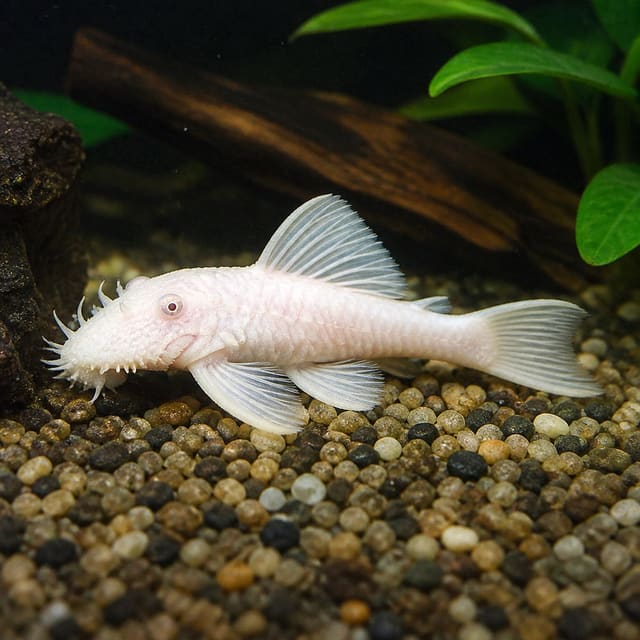
22–27°C · pH 6–8
Buying tropical fish online used to carry a stigma. Fifteen years ago, online meant eBay sellers bagging fish in sandwich bags and shoving them into Royal Mail. Today, the specialist end of the industry has professionalised into something closer to how commercial breeders ship to retailers — insulated polystyrene boxes, oxygen-charged bags [3], specialist overnight delivery on a dedicated live-animal courier network [5], and genuine live arrival guarantees that retailers honour.
For most UK hobbyists, buying online is now safer and offers a wider species range than the local fish shop. The chains carry 40-60 species at any time; we carry 3,600+. The chains buy from central wholesalers feeding into shared tank systems where a single disease outbreak cross-contaminates everything; we quarantine by species in isolated systems [4].
I'm Connor — I came to this through four years of shipping marine fish between rented flats before switching to coldwater natives and goldfish. The stuff in this guide is what I wish I'd been told before my first online live-fish order in 2019.
This guide walks through everything we'd want you to know before placing your first online fish order in the UK — what to look for in a retailer, how our own process works end to end, what to do when the box lands on your doorstep, and honest commentary on where live arrival guarantees do and don't apply.
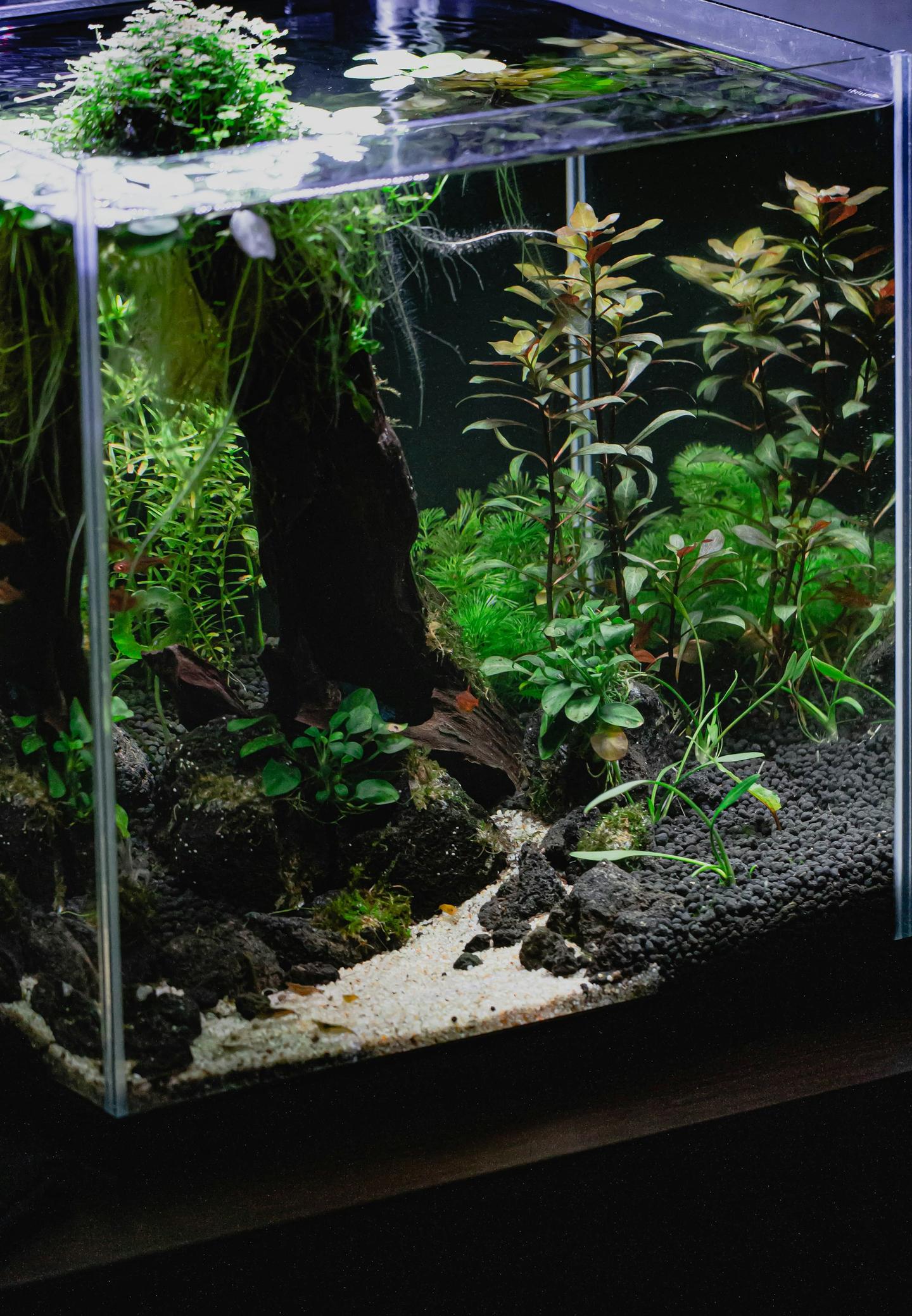
Before you place a first online order, it helps to see what's actually inside the box when it arrives. The clip below is our warehouse filming a routine Thursday pack + courier collection.
Not every online retailer operates to the same standard. Before ordering from anyone — us or a competitor — check these six things:
A reputable retailer holds fish in species-appropriate tanks (not central-system display tanks that mix dozens of species). Ask, or check the website for, the following:
If a retailer offers fish for sale the same day they arrive from a wholesaler, they're passing on potentially infected stock without time to observe it. We hold every fish for a minimum 7 days before it's listed as available.
The box your fish arrive in tells you everything about the retailer. Look for:
The gold standard is a licensed live-animal courier. A service slower than a specialist live-animal courier is gambling with fish health — 48-hour transit is possible but should be reserved for remote destinations (Scottish Highlands, NI) with upgraded packing.
Avoid retailers using Royal Mail, Evri, or standard parcel carriers for live animals. Those networks aren't set up for live-cargo priority routing.
Every reputable retailer offers one, but the terms vary enormously. Look for:
Some retailers require "proof of tank cycling" (a fresh API test reading) before paying a DOA claim, or require you to return dead fish in sealed bags via post. Both are unreasonable — you didn't kill the fish in transit, and posting dead fish back is an active biosecurity risk. If a retailer insists, order elsewhere.
The retailer's website should read like it was written by fishkeepers, not copywriters. Check a few species pages for:
If every species reads the same and the pH range is suspiciously wide, the content is AI-generated and you can't trust the care advice.
Email response time is the easiest single test. Send a species question before ordering. If the response comes back within 24 hours and actually answers the question from someone who keeps that fish, the retailer is worth ordering from.
Here's exactly what happens from the moment you click "place order":
Day 0 — Order placed. Your order lands in our system. Stock is reserved immediately. If anything in the order has gone out of stock in the few minutes between your checkout and our confirmation, we email you within 4 working hours with alternatives or a partial refund.
Day 1 — Pre-dispatch check. The morning of dispatch, every fish in your order gets a final health check by name in its holding tank. If any specimen shows signs of stress, disease, or recent handling damage, we substitute from the same species pool or hold the order and email you. We never ship a fish we wouldn't want to receive ourselves.
Day 1 afternoon — Bagging. Between 3pm and 5pm, fish are netted into oxygen-charged bags sized to the species and shoal. Schooling fish travel together (6-20 per bag depending on size), territorial fish travel solo. Bags are triple-bagged and sealed with rubber bands. Water volume in each bag is roughly 1/3 water, 2/3 oxygen.
Day 1 — Boxing. Bags go into a polystyrene-lined cardboard box, wedged with newspaper so they can't tip. Heat packs (October–March) or cool packs (heatwave weeks in June–August) are placed between the box wall and the bags, never touching a bag directly. Box is sealed and labelled FRAGILE LIVE FISH.
Day 1 — our licensed live-animal courier collection. At 5pm, the courier collects from our warehouse. The parcel enters their dedicated live-animal routing which prioritises faster depot handling and avoids the overnight parcel hubs where packages sit for hours.
Day 2 — Delivery before noon. Your courier tracking shows the parcel out for delivery from around 7am. Delivery typically lands between 9am and 11:30am.
Day 2 — Arrival. You open the box, photograph every bag (just in case), assess the fish through the bag water, and begin acclimation.
Every reputable UK online fish retailer offers a live arrival guarantee. Ours covers:
Covered:
Not covered:
Without it, DOA claims become impossible to audit — a fish that dies from poor acclimation 6 hours later looks exactly like one that died in transit. The rule isn't there to trip you up; it's there so we can refund genuine claims quickly without back-and-forth.
A fully cycled tank is a non-negotiable precondition for any live fish delivery. Before you place your order:
Tank parameters drift. A tank that tested clean three weeks ago when you placed the order can show elevated nitrates or dropped pH on delivery day. Run a full API Master Test the morning your fish arrive — it takes 10 minutes and can save the whole shipment.
If your tank isn't cycled, do NOT order. Email us and hold the order, or plan ahead — cycling takes 3-6 weeks. Adding live fish to an uncycled tank kills them within days and voids the live arrival guarantee.
Full setup walk-through: Beginner Aquarium Setup Guide.
Turn off the aquarium light before you open the box. Bright light on stressed, dark-adapted fish is one of the most avoidable shock factors.
Open the box carefully (they're often packed tighter than you'd expect). Photograph every bag on the floor next to a well-lit surface. These photos are your evidence if anything is DOA. Keep them even if everything looks fine — claims can only be made within 2 hours.
Float the sealed bags in your tank for 15-20 minutes. This brings the bag water to the tank temperature without any water exchange. Do not open the bags during this step.
Empty each bag (water and fish) into a clean bucket placed beside or below the tank. Run a length of airline tubing from the tank to the bucket. Tie a loose knot in the tubing to act as a flow restrictor, or use a cheap drip valve. Adjust until water drips from tank to bucket at 2-3 drops per second.
Drip for 30-45 minutes, or until the bucket water is roughly three times the original bag volume. This slowly brings the fish's water chemistry to match the tank.
A fish acclimating to changed water chemistry adjusts its blood plasma ion concentrations via gill ionocytes. That process takes minutes to hours. Dumping a fish into different-chemistry water causes acute osmotic stress — the fish either swells or shrinks internally, which can rupture blood vessels. Drip acclimation gives the ionocytes time to keep up.
Do not pour the bag water into your tank. The bag water carries metabolic waste, ammonia, and potentially pathogens from transit. Net each fish from the bucket and release them directly into the tank.
Pour the bucket water down the drain.
Leave the aquarium light off until the next day. Don't feed the fish for the first 24 hours after arrival — their gut is shut down from transit stress and food in the tank will foul the water without being eaten. Normal feeding resumes on day 2.
Watch for signs of shipping stress: pale colour, clamped fins, rapid gill movement, or hiding. Most fish look subdued for 24-48 hours, then brighten up. If any fish is clearly dying (gasping at the surface, floating sideways, complete colour loss), email us within the 48-hour window with a photo.
For your first online fish order, pick species that ship well — hardy, peaceful, and tolerant of brief water chemistry changes. Based on the thousands of shipments we've tracked, these are our top six:
Deep dives on each:
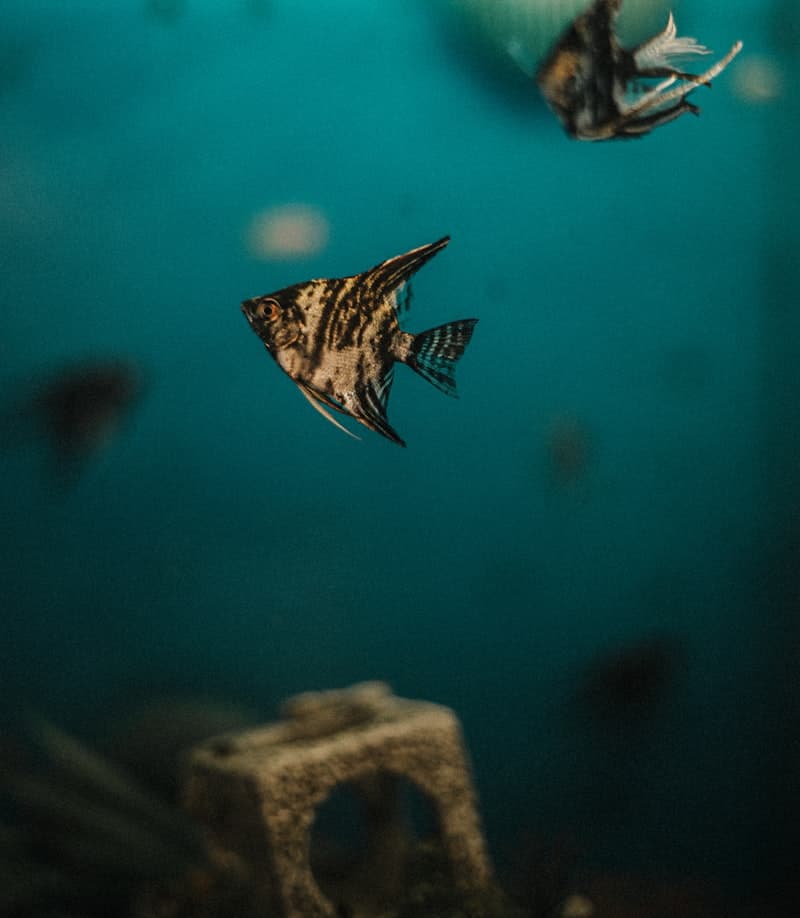
Neon Tetras, Angelfish juveniles, Discus, Chocolate Gouramis, and wild-caught species are all more sensitive to shipping stress and parameter changes. Leave these for your second or third order, once you've proven your acclimation routine works and your tank is stable.
Ship routinely: freshwater tropical fish, freshwater shrimp (Neocaridina, Caridina, Amano), freshwater snails, live plants (tissue culture or rinsed).
Ship with care: large fish over 20cm adult size (boxed individually, upgraded oxygen), blackwater specialists (Discus, Apistogramma, wild Bettas — bagged in tannin-conditioned water).
Do not ship: saltwater fish (not our specialism), coldwater pond fish during summer, any fish during courier weather embargoes (typically 2-4 winter days per year when temperatures drop below -5°C).
The full in-stock range: fresh water fish and shrimp and invertebrates.
If you'd like species advice before ordering — whether a combination works, whether your tank size suits a species, whether your water chemistry fits — email us with your tank details and we'll come back within 24 hours. It's the part of the job we enjoy most.
Buy exotic fish online UK — L-number plecos, wild-caught Apistogramma, altum angelfish, rare cichlids and collector livebearers. Live arrival guarantee.
Killifish for sale UK — Nothobranchius, Aphyosemion, Aplocheilus, Simpsonichthys. Rare colour-bomb annual and non-annual species.
Red Melon, Blue Diamond, Pigeon Blood and Checkerboard discus and young browns for growing on. Sizes per listing; kept at 28–30 °C, live-animal courier.
Malawi mbuna, peacocks and haps plus Tanganyika Tropheus and Frontosa — mostly juveniles, supplied size on every listing. Hard-water advice included.
Marine and saltwater fish for sale UK — Clownfish, Damsels, Wrasses, Gobies, Blennies, Tangs, Angels, Cardinals, Anthias.
Marine invertebrates for sale UK — saltwater shrimps, hermit crabs, sea urchins, starfish, anemones, feather dusters. Reef cleanup crews.
Shop Bristlenose plecos in the UK, including common, albino, Super Red, Snow White, longfin and selected L-number Ancistrus. Live Arrival Guarantee.
Halfmoon, plakat, koi, giant and wild-type Betta splendens, males and females, tail type and size stated per listing. Bagged singly, live arrival covered.
Set up a tropical fish tank in 10 evidence-led steps: choose the tank, install filter and heater, cycle safely, test the water and add fish carefully.
Learn which freshwater aquarium water parameters to test, how to read ammonia, nitrite, nitrate, pH, GH and KH, and when a result needs action.
Cherry shrimp care for UK aquariums: plan a mature 20L-plus tank, test your water, protect shrimplets and understand feeding, moulting and breeding.
Keep cardinal tetras thriving in UK water: check tank size, group size, tank mates, temperature and cardinal vs neon differences before you buy.
Evidence-checked guppy care for UK aquariums: tank size, social and sex planning, water, feeding, tank mates, health, breeding and buying.
Tropical fish for sale UK — tetras, cichlids, bettas, guppies and corydoras. Specialist delivery backed by our Live Arrival Guarantee.
Read or listen to our beginner tropical fish guide — 10 hardy UK-friendly species, stocking order, tank size and simple first-community picks.
Material factual claims cite the sources below; store policy and cautious inference are labelled in the article. Sources are grouped by type so you can judge their weight at a glance.
Standard reference database — cited on species transport-tolerance claims.
Industry body setting best-practice standards for live ornamental fish transport. Cited in the oxygen-bag protocol.
Carrier spec for the our licensed live-animal courier service used for every shipment.
Acclimation protocol — the single biggest first-week survival lever.
Regulatory framework for live ornamental fish imports into the UK.
UK regulatory body overseeing aquatic animal health and certification.