
Neon Tetra Care Guide

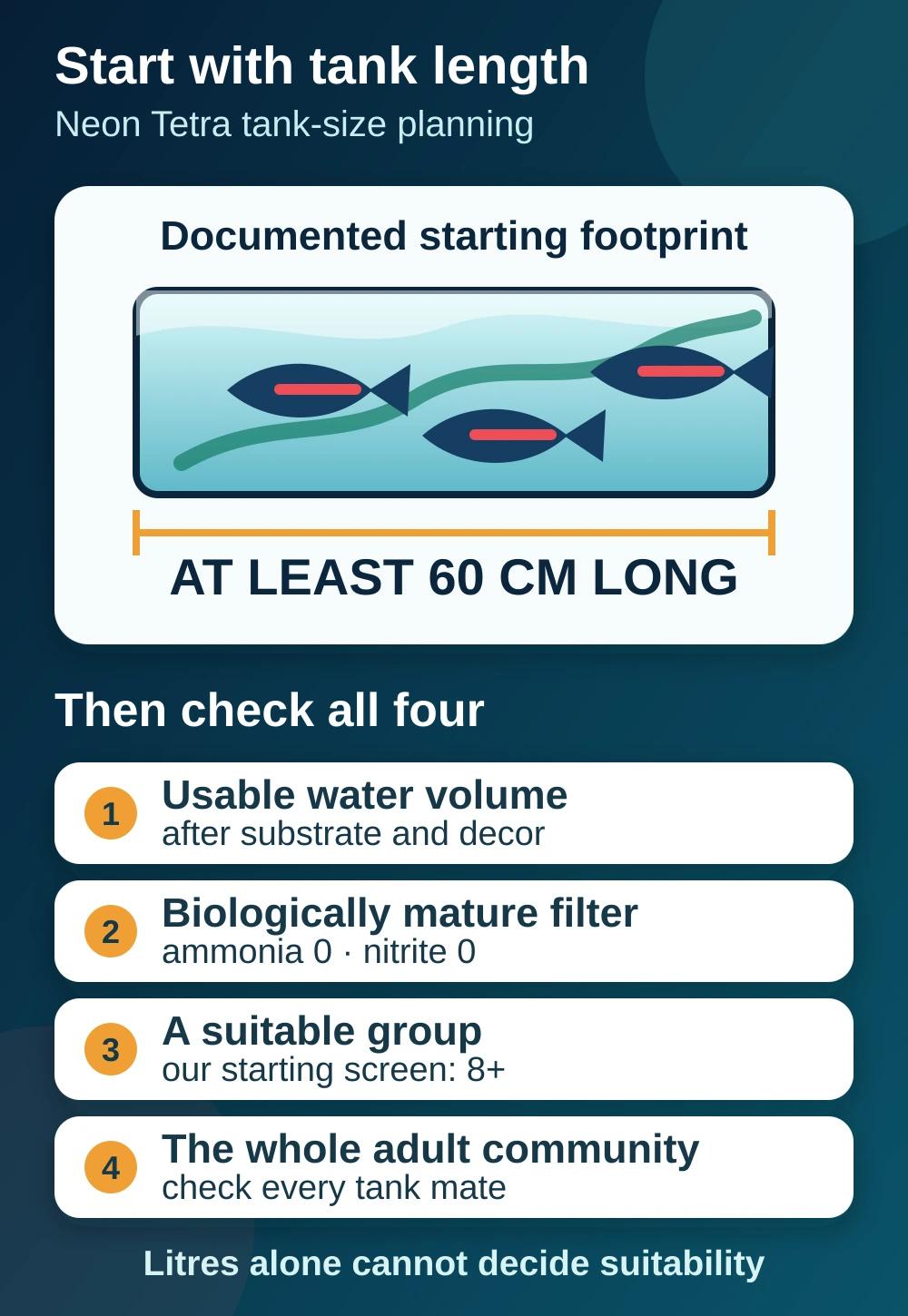
Start here: use a mature, filtered aquarium at least 60 cm long. FishBase and OATA compile groups of five or more; our conservative planning screen starts at eight, then checks usable volume, water, filtration and every adult tank mate.
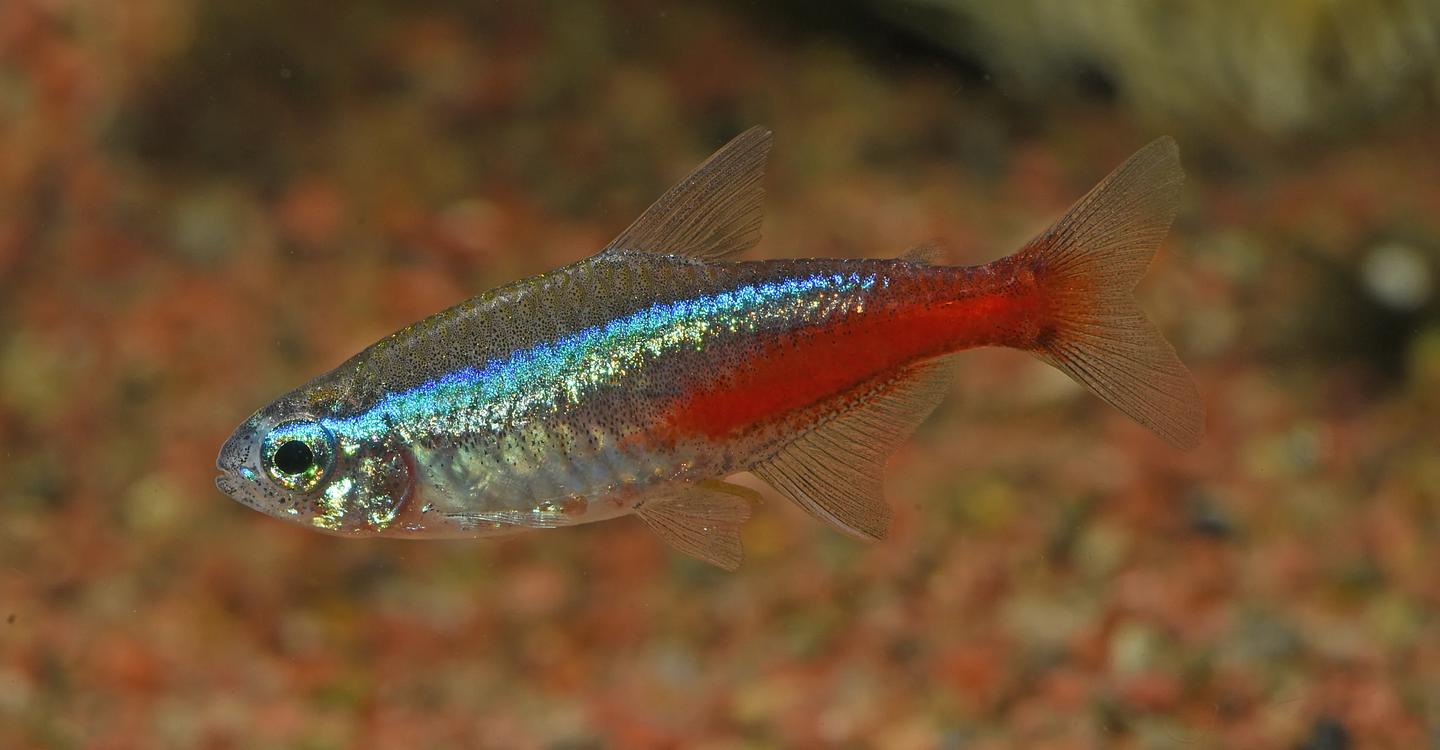
A Neon Tetra's blue-green stripe is not a fixed pigment patch: laboratory work found light-driven changes in reflective iridophore layers that shift the wavelengths they return.
Read the peer-reviewed iridophore studyFishBase compiles 20-26°C, pH 5-7, 1-2 dGH, five or more fish and 60 cm aquarium length. OATA's broader UK guidance for captive-bred tetras is not species-specific. Our conservative starting screen is a mature 60 cm aquarium and eight or more fish; confirm the seller's holding water and avoid rapid chemistry changes.
Live stock
Neon Tetra for sale — see live stock & today’s prices
The practical starting answer is simple: plan a mature, filtered aquarium at least 60 cm long, then size the group and the rest of the community to its real usable volume. FishBase and OATA both compile groups of five or more; OATA says more is better, and Tropical Fish Co uses eight or more as a conservative house screen rather than presenting five as an ideal target[3][6].
The Neon Tetra is Paracheirodon innesi. The current Catalog of Fishes places it in Acestrorhamphidae, subfamily Megalamphodinae, and records the Solimões River drainage in Brazil, Colombia and Peru[2]. Older aquarium books and websites may still place it in Characidae; that older family name should not be used to identify a retail fish on its own.
If you are ready to shop rather than research, use the separate Neon Tetra shop hub. This care page does not imply that a photographed fish, colour morph or pack size is currently available.
- Tank: at least 60 cm long; litres alone do not decide suitability
- Group: sources compile five or more; our planning screen starts at eight
- Water: stable, tested and matched gradually to the source fish
- Filter: biologically mature before the group arrives
- Tank mates: peaceful, too small to swallow them and compatible at adult size
Why does a Neon Tetra appear to glow?
The blue-green line is produced by reflective cells called iridophores. In a laboratory study, their alternating guanine and cytoplasm layers changed optical spacing in response to light, shifting the reflected wavelengths[1]. That makes the stripe an unusually useful opening into fish optics—but it is not a home health test.
Apparent brightness can change with viewing angle, lighting, camera exposure and the fish's surroundings. A vivid photograph cannot prove health, and a dull-looking moment does not diagnose disease. Judge welfare from the whole animal and aquarium: breathing, posture, feeding, interactions, water tests and change over time.
Is a 40-litre tank big enough for Neon Tetras?
Not from the litre label alone. FishBase compiles a minimum aquarium size of 60 cm for P. innesi; that is a tank length, not a litre conversion[3]. Two aquariums sold as 40 litres can have different lengths, footprints and usable water after substrate and decor.
Use this order:
- Measure the aquarium's internal length; start at 60 cm or more.
- Calculate actual usable water, not the box's rounded nominal volume.
- Confirm a mature filter and zero ammonia and nitrite before stocking.
- Allocate space for at least eight Neon Tetras under our house screen.
- Add every adult tank mate, not only the fish being bought today.
The RSPCA notes that larger volumes are generally more stable and that space, surface area, filtration and maintenance all affect water quality[7]. A simple “fish per litre” rule cannot account for those variables.
Common planning mistake: converting a 60 cm length into one universal litre minimum. The documented value is a footprint clue. A long, lightly stocked mature aquarium and a short, crowded aquarium with the same nominal litres are not equivalent.
Stocking Calculator
Check if your tank can support this species at a healthy bioload.
Open tool →Group size and behaviour
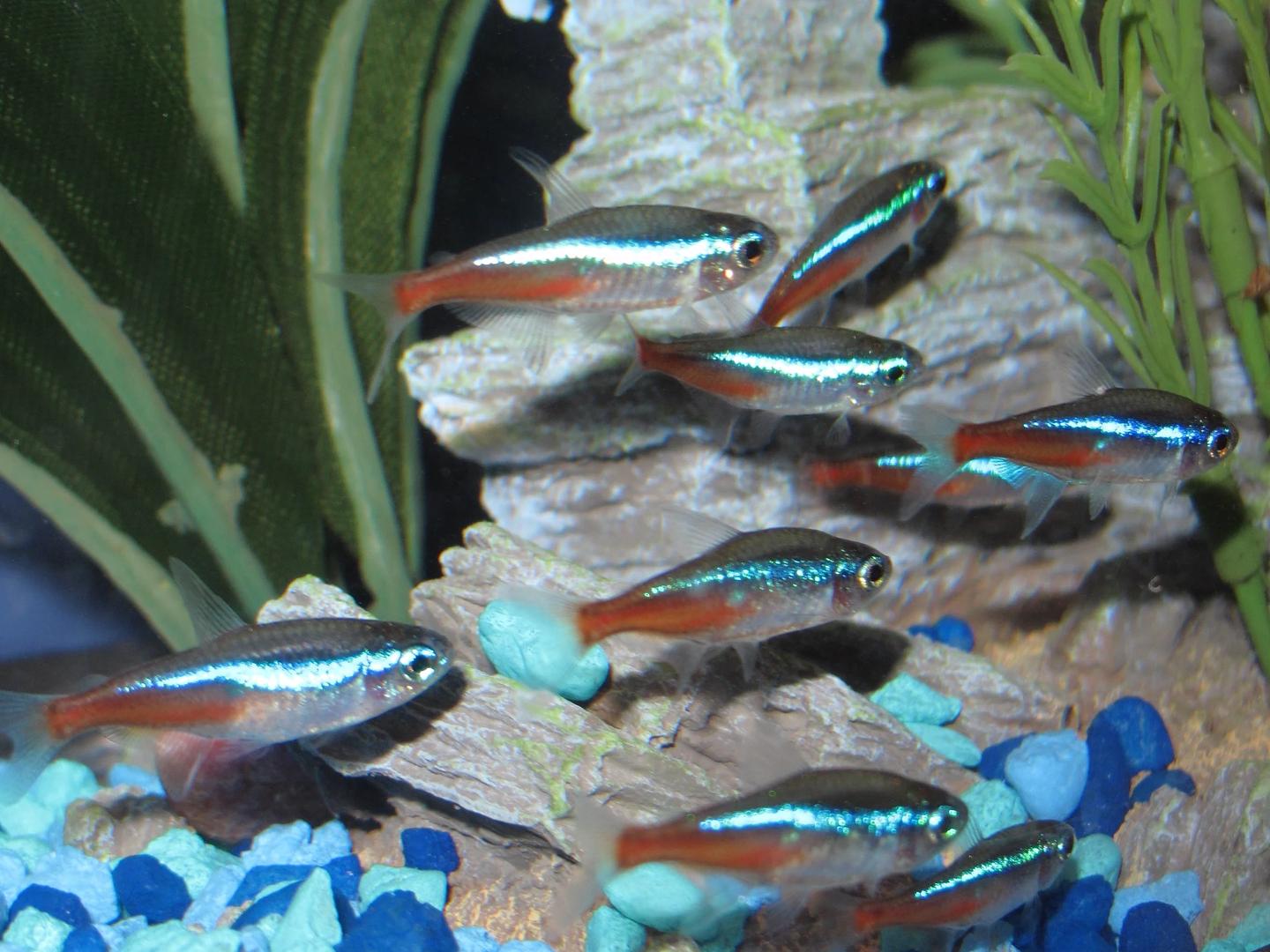
FishBase compiles aquarium keeping in groups of five or more. OATA also recommends at least five for tetras and pencilfish and explicitly says that more is better because singly kept or undersized groups can be stressed[3][6].
Our starting screen is eight or more when the tank can support them. This is a conservative retail and planning policy, not a controlled scientific threshold. Do not increase the group to meet a number if filtration, water quality or adult community space is already marginal.
Shoaling is flexible rather than a promise that the fish will form one tight line all day. A group may spread out when settled and draw closer after disturbance. Persistent hiding or unusual swimming still deserves a full environment check; behaviour alone does not identify the cause.
Water, temperature and a UK heater
FishBase compiles 20-26°C, pH 5-7 and 1-2 dGH for P. innesi[3]. OATA's broader guidance for captive-bred tetras and pencilfish gives 22-27°C, pH 6.5-8 and 4-12 dGH, while warning that it is general group guidance and species-specific requirements should be checked[6].
| Evidence | Temperature | pH | General hardness | How to use it |
|---|---|---|---|---|
| FishBase species profile | 20-26°C | 5-7 | 1-2 dGH | Species reference, not a controlled tolerance trial |
| OATA captive-bred tetra guidance | 22-27°C | 6.5-8 | 4-12 dGH | UK group guidance, not specific to every Neon Tetra line |
| Your aquarium | measured | measured | measured | Compare with the seller's holding water before any gradual change |
These are not instructions to force a fish rapidly from one band into another. Ask what water the current fish are held in, test your source and aquarium water, and avoid sudden temperature, pH or mineral changes.
UK hardness varies with geology and supply; the Drinking Water Inspectorate points consumers to their supplier for local figures[9]. A supplier report is still not the result in your aquarium, and a domestic ion-exchange softener does not automatically create suitable soft aquarium water[10][11].
Do they need a heater?
They need stable water in an appropriate shared range. In many UK homes, a thermostatic aquarium heater is the dependable way to prevent seasonal and overnight drops. Use a separate thermometer, measure the water rather than room air, and size the heater from the maker's instructions for tank volume and room conditions[7].
Water Parameter Matcher
Enter your tap water readings to see if this species will thrive.
Open tool →Setting up the aquarium
Give the group uninterrupted horizontal swimming room with cover around, not across, the entire footprint. Live or inert plants, wood and other aquarium-safe structure can provide shelter, while an open lane makes feeding and observation easier. OATA recommends shelter, swimming space and a gentle current for smaller tetras[6].
Subdued areas can make the fish feel less exposed, but lighting needs to work for the plants and the daily light-dark cycle too. Avoid treating dark substrate, tannins or one aquascape style as mandatory welfare thresholds; these are design choices unless a specific source supports more.
The filter matters more than a fixed “cycle for four weeks” claim. The aquarium is ready only when its biological filtration is established for the planned load and ammonia and nitrite test at zero. OATA warns that stocking too quickly can overwhelm the bacterial population, while the RSPCA recommends fishless cycling for new setups[6][7].
Feeding without fouling the water
FishBase records wild adults eating worms, small insects, crustaceans and plant matter[3]. That does not turn one frozen or live food into a complete captive diet.
Use a suitably small complete flake, granule or micro-pellet as the nutritional base. Offer an amount the group consumes promptly, watch whether shy fish actually reach it, and remove a recurring excess rather than relying on snails or bottom fish to clean it. OATA recommends good-quality flake or granules, allows small live or frozen variety and warns that uneaten food degrades water quality[6].
Particle size should fit the fish, but there is no evidence-backed universal one-millimetre rule in the selected sources. Check feeding response and the food maker's directions instead of repeating a precise number without support.
Tank mates: screen the whole community
OATA advises keeping small tetras such as Neons away from fish large enough to eat them and pairing tetras with species of similar size and temperament[6]. Similarity is only the first screen—not a compatibility guarantee.
FishBase records small crustaceans in the wild adult diet, so treat very small shrimp, shrimplets, fry and other bite-sized invertebrates as potential prey rather than advertising the combination as “shrimp-safe”[3]. This is a precautionary risk screen, not a prediction that every individual will hunt every invertebrate.
Compare:
- adult body and mouth size;
- temperature, pH and hardness overlap;
- activity and feeding speed;
- swimming zones and each species' group requirement;
- territorial or fin-nipping behaviour;
- the tank's actual footprint and usable volume.
Peaceful Corydoradinae, Harlequin Rasboras or Ember Tetras may be candidates only after those checks. A Betta is not a guaranteed match: individual behaviour, space and escape routes matter, and a backup plan is required if chasing occurs.
Neon Tetra vs Cardinal Tetra
Both are Paracheirodon, but they are different species. The University of Michigan-edited Animal Diversity Web account describes Cardinal Tetras as having a longer red band than Neon Tetras; use that as one comparison cue, not as a conclusive identification from colour alone[5]. FishBase also compiles a warmer 23-29°C range and a larger 3 cm maximum standard length for P. axelrodi than the 20-26°C and 2.5 cm standard length compiled for P. innesi[4][3].
| Check | Neon Tetra | Cardinal Tetra |
|---|---|---|
| Scientific name | Paracheirodon innesi | Paracheirodon axelrodi |
| Red-band comparison cue | Shorter | Longer |
| FishBase temperature | 20-26°C | 23-29°C |
| Maximum recorded size | 2.5 cm SL | 3 cm SL |
Colour and one photograph can mislead, so confirm the scientific name and compare several visible characters. “Cardinal neon tetra” is not a precise identity.
Health, colour loss and unusual swimming
Fading, rapid breathing, clamped fins, appetite loss, isolation or unusual swimming can accompany many different problems. They do not diagnose “Neon Tetra disease”, cold, poisoning or any other condition by themselves.
Start with evidence:
- Confirm temperature with a separate thermometer.
- Test ammonia and nitrite, then review nitrate, pH and hardness in context.
- Check flow, oxygenation, recent additions, cleaning and equipment changes.
- Compare the affected fish with the rest of the group.
- Separate incoming or unwell fish safely when appropriate and seek qualified help.
The RSPCA recommends checking water quality and obtaining veterinary advice for concerning signs; the MSD Veterinary Manual treats water quality and biosecurity as core parts of aquarium-fish management[8][12]. Do not use blanket salt, heat or medicine recipes from a symptom list. UK keepers can use OATA's fish-vet directory when veterinary help is needed[13].
Arrival and acclimation
Prepare the mature aquarium before the fish arrive. OATA's general receiving method dims the lights, temperature-equalises the closed bag, introduces aquarium water gradually and avoids adding unnecessary transport water to the display[6]. Follow the actual seller's current instructions because journey duration, bag chemistry and source water vary.
There is no universal drip time that this page can safely prescribe. Observe the group after release, keep disturbance low and test the aquarium rather than assuming clear water is safe.
Breeding and lifespan boundaries
FishBase describes P. innesi as an egg-scattering species and records eggs hatching in about 24 hours in the cited aquarium reference; OATA notes that successful tetra breeding generally needs a dedicated setup and specialist fry food[3][6]. Those summaries do not justify a universal pH recipe, one conditioning schedule or a guarantee that a community-tank spawn will survive.
The selected taxonomic and species records do not provide a defensible fixed captive lifespan. Rather than promise a number, plan for a long-term commitment and focus on stable water, a suitable group, complete nutrition and low-stress husbandry.
Before you buy
- Confirm the listing says Paracheirodon innesi, not only “neon” or a lookalike trade name.
- Measure at least 60 cm of tank length and calculate the real adult community.
- Confirm the filter is mature and ammonia and nitrite are zero.
- Ask for the current holding temperature and water chemistry.
- Plan at least eight under our conservative group screen.
- Check the seller's current delivery, arrival and acclimation terms rather than relying on old page copy.
For current availability, prices and pack sizes, use the Neon Tetra shop hub. Product cards and shop pages—not this care article—are the source of live commercial truth.
If you are still planning the aquarium, continue with the first tropical tank guide, water chemistry guide and 60-litre stocking guide.
Neon Tetra group care and tank-size planning
Frequently asked questions
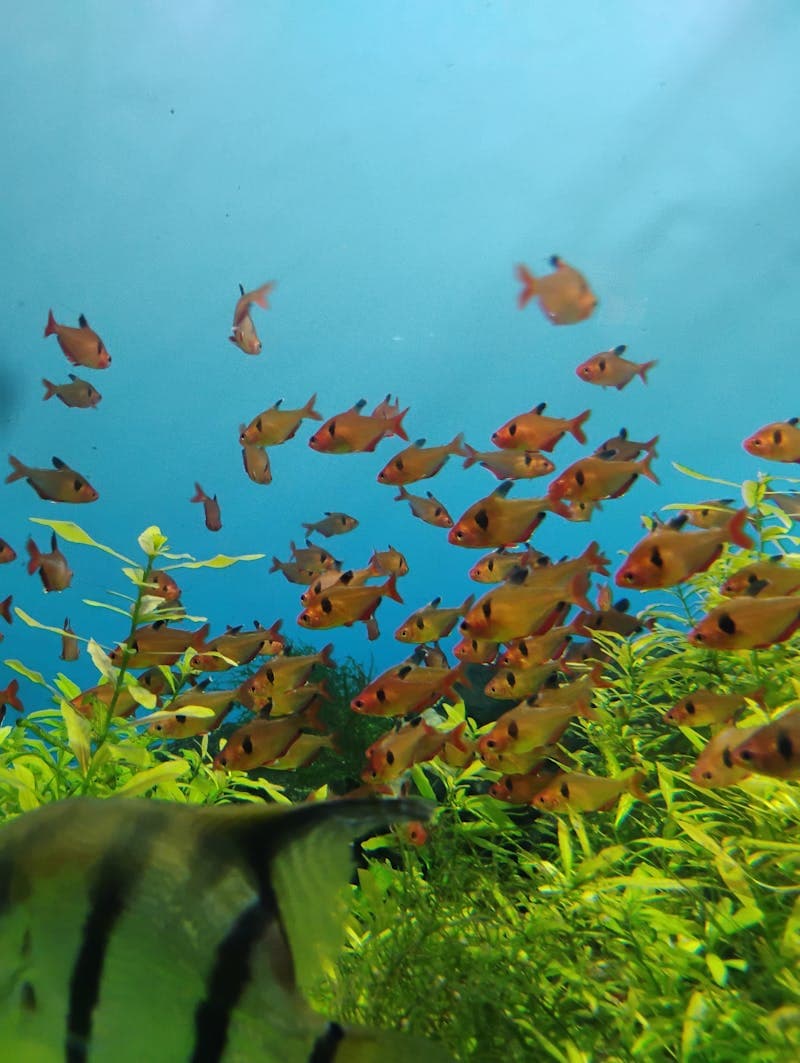
Shop Neon Tetra & related
From this care guide straight into our UK live-fish catalogue.
Sources & further reading
Material factual claims cite the sources below; store policy and cautious inference are labelled in the article. Sources are grouped by type so you can judge their weight at a glance.
Peer-reviewed study (1)
- [1]Clothier, J. & Lythgoe, J. N. (1987). Light-induced colour changes by the iridophores of the neon tetra, Paracheirodon innesi. Journal of Cell Science. DOI: 10.1242/jcs.88.5.663. View source
Laboratory study of the light response in Neon Tetra iridophores; not a husbandry trial or a health test.
Scientific database (3)
- [2]Fricke, R., Eschmeyer, W. N. & Van der Laan, R. (eds.). Eschmeyer's Catalog of Fishes: Paracheirodon innesi. California Academy of Sciences. View source
Current accepted name, family, subfamily, type-locality context, distribution and IUCN status; not aquarium-care evidence.
- [3]Froese, R. & Pauly, D. (eds.). FishBase: Paracheirodon innesi. FishBase. View source
Species profile and secondary aquarium compilation; values are reference ranges, not controlled tolerance limits.
- [4]Froese, R. & Pauly, D. (eds.). FishBase: Paracheirodon axelrodi. FishBase. View source
Comparison source for Cardinal Tetra identity, size and compiled water range.
Veterinary reference (1)
- [12]MSD Veterinary Manual. Management of aquarium fish. MSD Veterinary Manual. View source
Veterinary reference for water-quality-led investigation and biosecure separation of incoming fish.
Animal-welfare charity (2)
- [7]Royal Society for the Prevention of Cruelty to Animals. Choosing an aquarium for pet fish. RSPCA. View source
UK welfare guidance on space, biological filtration, fishless cycling, testing and stable conditions.
- [8]Royal Society for the Prevention of Cruelty to Animals. Pet fish health. RSPCA. View source
General warning signs and escalation guidance; not a species diagnosis or medicine recipe.
Trade-body guidance (2)
- [6]Ornamental Aquatic Trade Association (2025). How to look after tetras and pencilfish. OATA. View source
UK general guidance for tetras and pencilfish; species-specific needs still take priority.
- [13]Ornamental Aquatic Trade Association. Find a fish vet. OATA. View source
UK route for seeking appropriate veterinary help; it is not a diagnosis service.
Government / regulatory (3)
- [9]Drinking Water Inspectorate. Water hardness and hard water. UK Drinking Water Inspectorate. View source
UK supply hardness varies with geology and source; supplier figures do not replace aquarium testing.
- [10]Drinking Water Inspectorate. Water testing. UK Drinking Water Inspectorate. View source
Explains regulated supply monitoring and why a local supplier report is not an aquarium result.
- [11]Drinking Water Inspectorate. Domestic water filters and softeners. UK Drinking Water Inspectorate. View source
Domestic treatment can alter water composition; ion-exchange-softened water is not automatically suitable aquarium water.
Reference source (1)
- [5]Fintushel, S.; Dewey, T. & Fink, W. (eds.) (2004). Animal Diversity Web: Paracheirodon axelrodi. University of Michigan Museum of Zoology. View source
University-edited secondary account used only for the longer-red-band comparison cue; colour alone is not treated as a conclusive identification.
Spotted something that needs a fix?
Fishkeeping moves fast and we want every guide spot-on. If you think something here is wrong, out of date, or could be clearer, tell us — our team reads every message and updates the page.
Suggest an edit
Tropical Fish Co Editorial Team
Evidence-led aquarium editorial team
The Tropical Fish Co editorial team compiles care guidance from the sources cited on each page, separates published evidence from practical husbandry policy, and checks retail links against the current catalogue. First-hand experience is included only when a named contributor and the observation have been verified.
Keep exploring
Care guides
- Cardinal Tetra Care Guide
Keep cardinal tetras thriving in UK water: check tank size, group size, tank mates, temperature and cardinal vs neon differences before you buy.
- Ember Tetra Care Guide: Hyphessobrycon amandae
Evidence-checked Ember tetra care for UK tanks: adult size, group needs, tank footprint, temperature, feeding, tank mates and current availability.
- Otocinclus Catfish Care: Tank Size, Food & Groups
Otocinclus catfish care for UK tanks: compare tank size, 22–25°C water, group planning, grazing foods, algae limits, tank mates and buying checks.
Related care guides
Cardinal Tetra Care Guide
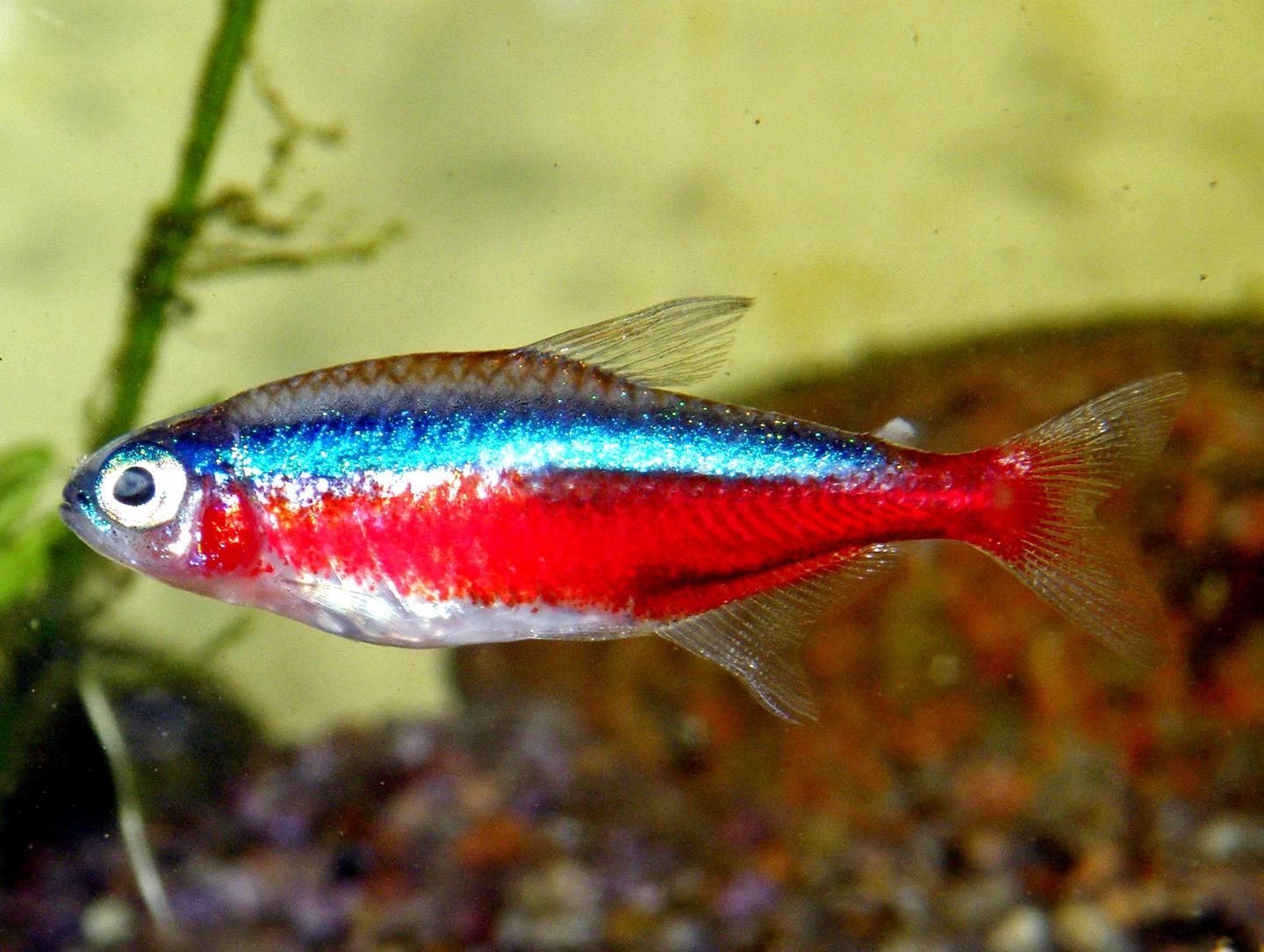
Cardinal tetras are small, social blackwater fish, but they need more than a small volume of water. Our conservative starting policy is a mature, filtered aquarium at least 60 cm long and about 60 litres, a group of 10 or more, a routine target of 24-27 °C, and water chosen from measured supplier and home values rather than a fixed UK tap-water recipe.
Ember Tetra Care Guide: Hyphessobrycon amandae
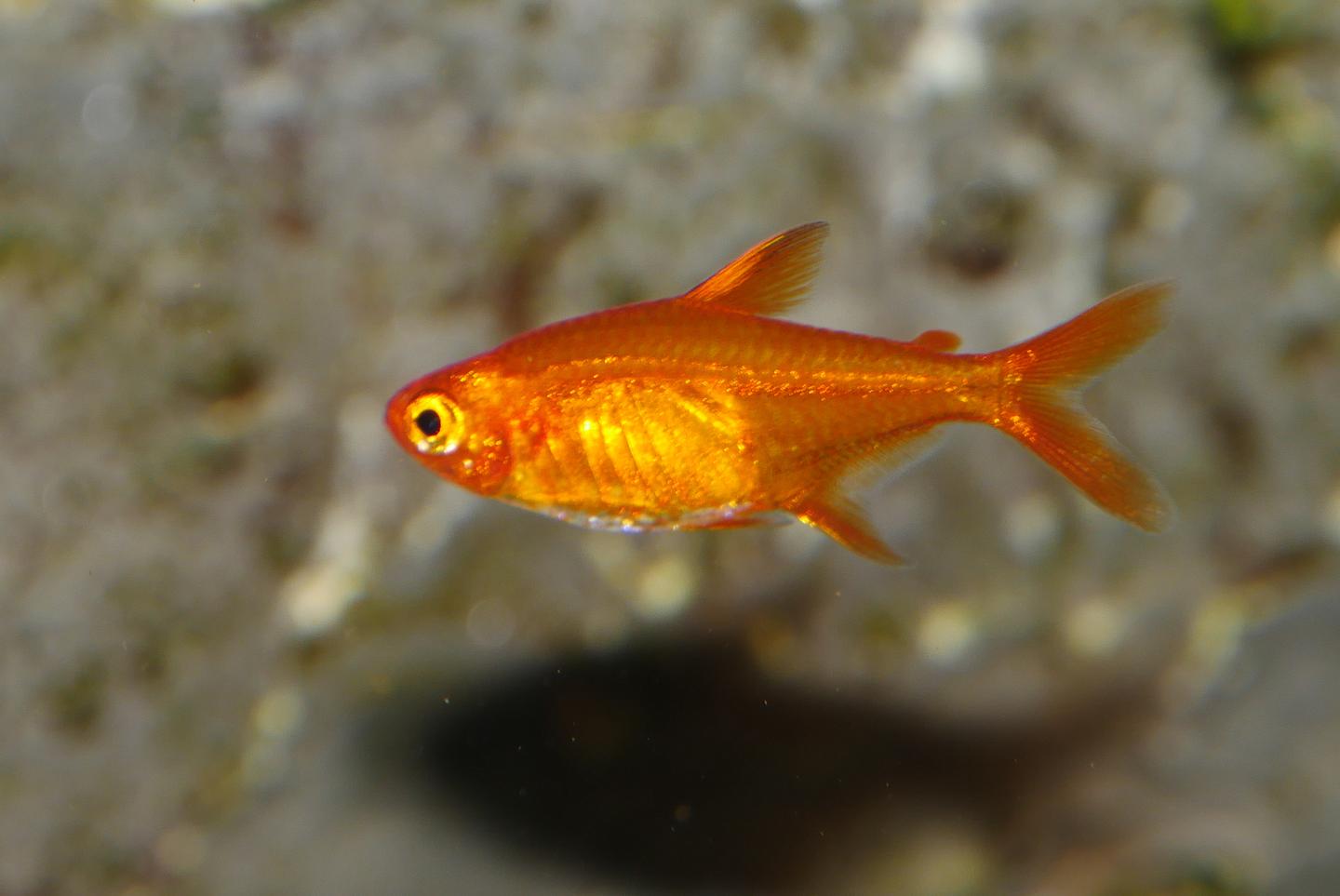
Ember tetras are very small Brazilian social fish, with a maximum recorded length of 2.0 cm excluding the tail. Keep them only in a fully cycled, stable aquarium. We recommend a group of at least 10 and about 45 litres with a 45 × 30 cm footprint rather than using a litres-per-fish formula.
Otocinclus Catfish Care: Tank Size, Food & Groups
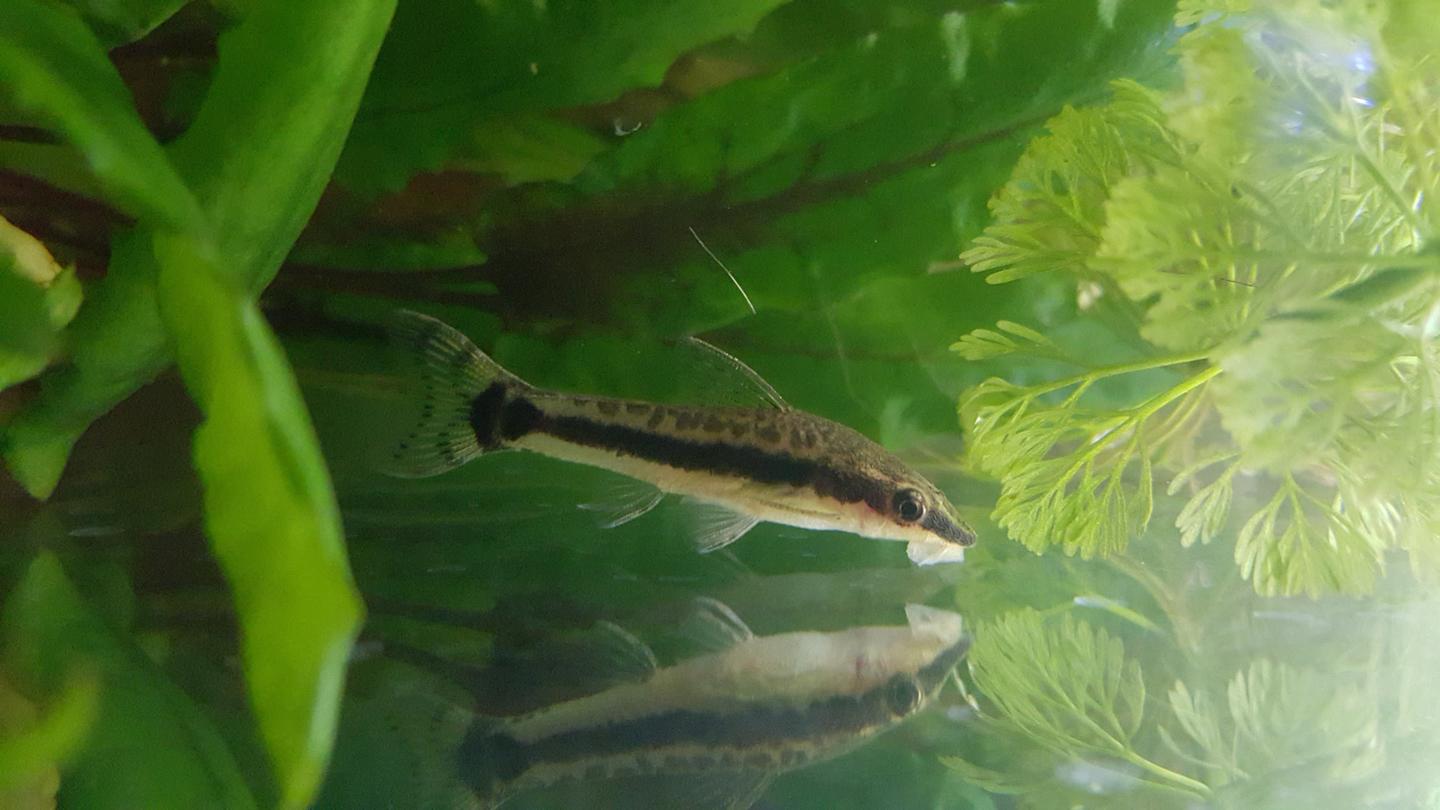
Otocinclus are small South American loricariid catfish, not disposable algae cleaners. Confirm the supplied species where possible; start with a mature, stable aquarium with ample grazing surfaces; plan a compatible social group; and provide suitable food even when algae is visible.