
Otocinclus Catfish Care: Tank Size, Food & Groups

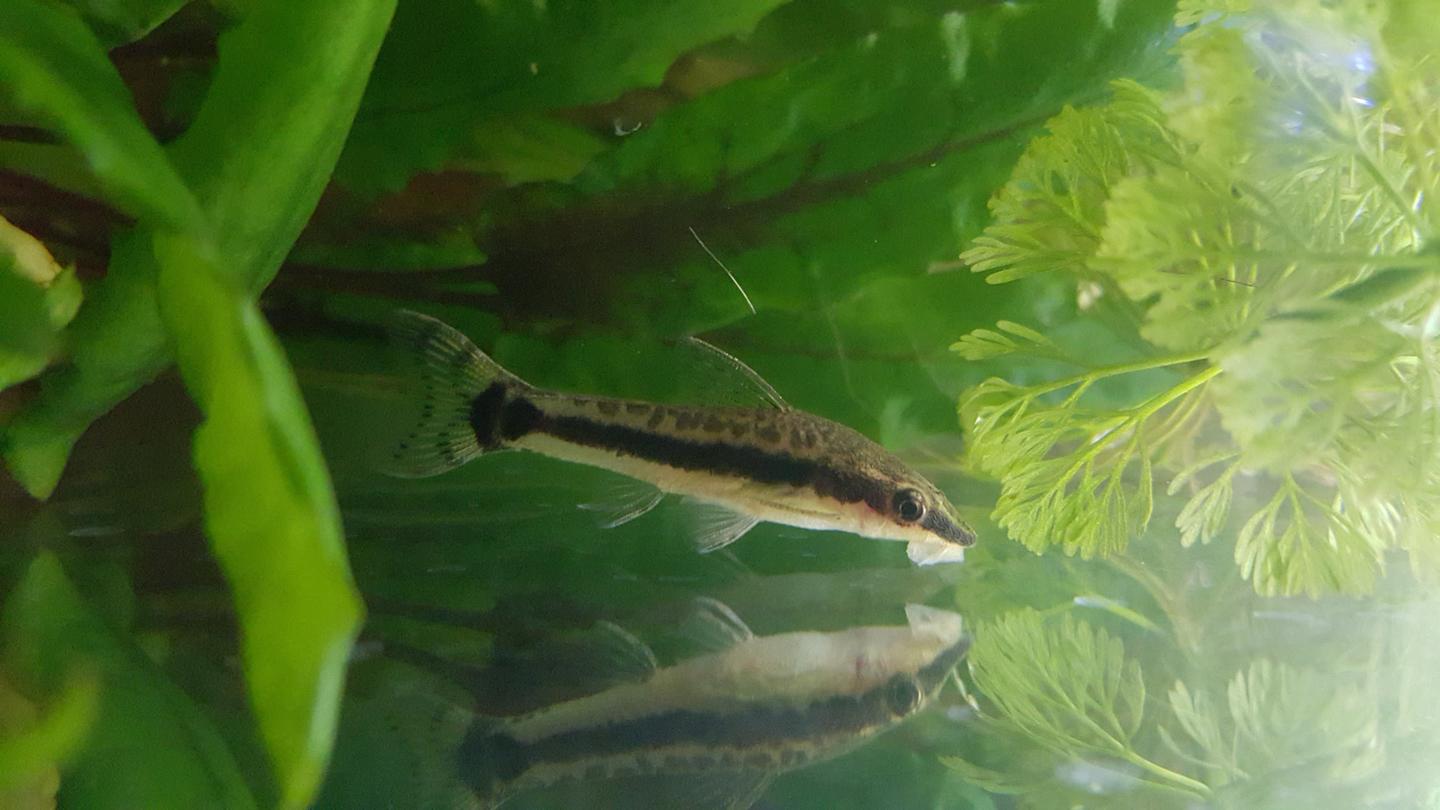
The important question is not ‘will an oto clean my glass?’ but ‘can every fish keep feeding after the easy film has gone?’
Peer-reviewed wild diet evidenceThe displayed water range is the overlap between FishBase's O. vittatus record and OATA's broad catfish guidance. The 80 L and six-fish values are Tropical Fish Co's conservative planning policy for a compatible group, not controlled species minima or a capacity formula.
Live stock
Algae Eaters for sale — see live stock & today’s prices
Otocinclus are small South American loricariid catfish, not disposable cleaning tools. A suitable plan starts with the identity supplied for the fish, a mature and stable aquarium, a compatible social group, abundant established surfaces and food that every individual is seen eating. Visible algae does not prove that the aquarium can feed them.
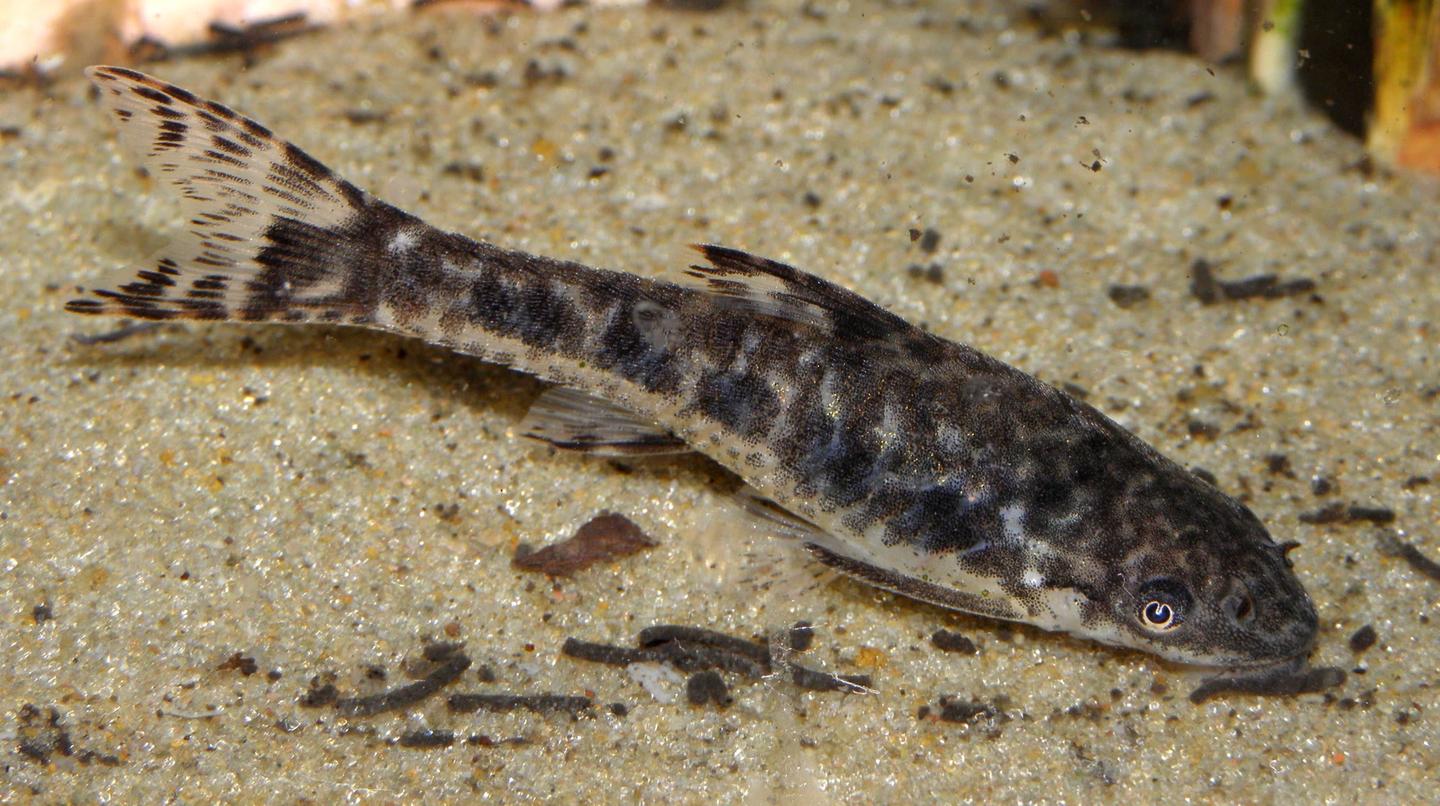
The trade name covers multiple Otocinclus species. Current taxonomic records recognise O. arnoldi, O. cocama, O. hasemani, O. macrospilus, O. vestitus and O. vittatus, among others[1]. Advice published for one species cannot quietly become a universal genus rule.
- Identity: ask for the scientific identification; use Otocinclus sp. when the batch is uncertain.
- Aquarium: use 80 litres as our conservative starting screen, then assess usable footprint and grazing area.
- Group: plan at least six compatible fish as a cautious husbandry convention, not a capacity formula.
- Water: for an unknown trade batch, verify seller conditions; 22–25°C is only a cautious overlap, not a genus-wide law.
- Food: provide natural grazing opportunities and suitable supplementary food from the first day.
- Algae: expect grazing, not guaranteed removal of a named algae problem.
- Health: test ammonia, nitrite and temperature first when behaviour, breathing, feeding or body condition changes.
For current price, sale size and availability, use the Golden Otocinclus product page. That listing deliberately says Otocinclus sp. when exact batch identity is not established. This article owns care information; the product page owns the live offer.
What does the name Otocinclus identify?
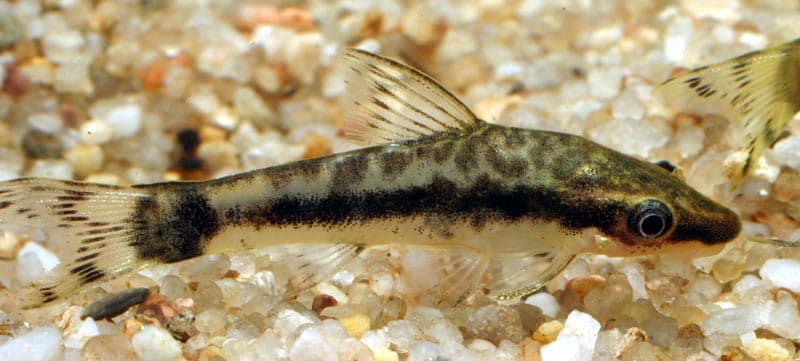
Otocinclus is a genus in Loricariidae, the suckermouth armoured-catfish family. It is not one aquarium strain. The Catalog of Fishes is used here for current names and distribution records[1]. A stripe, tail spot or zebra pattern can help comparison, but a retail photograph is not a formal identification.
The name O. affinis is particularly easy to mishandle because taxonomic treatments and older aquarium material do not all agree. Do not use an old “affinis” label to assign exact size or water values to an unknown batch. Ask the supplier for its source identification; if that evidence is missing, keep the label at genus level.
This distinction improves care and search accuracy. Someone searching “otocinclus” often needs genus-level planning, while a keeper with confirmed O. vittatus can use species-level data. The page marks which is which instead of averaging different sources into false precision.
Otocinclus size, lifespan and long-term planning
OATA describes Otocinclus at about 4 cm in its broad freshwater-catfish sheet[3]. FishBase reports a maximum published total length of 3.3 cm for confirmed O. vittatus[2]. These figures differ in scope, not necessarily in accuracy. Use the identified species and the measurement convention rather than promising that every oto reaches exactly 4 or 5 cm.
The sources reviewed for this revision do not establish one dependable aquarium lifespan for the genus. “Three years”, “five years” and similar precise promises were therefore removed. Treat the purchase as a multi-year commitment and plan for adult needs from the start.
Otocinclus tank size and group planning
OATA recommends at least 80 litres for a shoal of smaller catfish, while making clear that aquarium requirements vary by species[3]. Tropical Fish Co uses 80 litres as a cautious starting screen for one compatible group of small Otocinclus. It is not an experimental minimum and it is not evidence that any six fish fit any nominal 80-litre aquarium.
Check the whole plan:
| Decision | What to verify | What the litre number cannot prove |
|---|---|---|
| Identity | Supplied species or honest genus-level label | Adult size and water needs |
| Footprint | Usable length and width after decor | Grazing surface area |
| Group | At least six compatible fish under our policy | That food reaches every individual |
| Filter | Mature capacity for the full community | Oxygen at every grazing surface |
| Companions | Adult behaviour, mouth size and food competition | Safety from a “peaceful” label |
The six-fish starting point is a cautious aquarium-husbandry convention reflected in specialist guidance[7]. It is not a controlled social-welfare threshold. Do not add more animals to satisfy a number when the aquarium cannot feed or support them.
Measure the aquarium's internal dimensions and remember that substrate, wood, rocks and the air gap reduce actual water volume. A longer footprint can provide more plant, wood and glass area than a tall aquarium of the same nominal litres.
Tank Volume Calculator
Enter length, width, and height to get your real water volume in litres.
Open tool →A mature tank means more than waiting a number of weeks
OATA defines a mature biological filter by its ability to bring ammonia and nitrite to zero and keep them there, with stocking increased slowly[4]. That is essential, but an oto plan also needs established surfaces and a reliable supplementary-food routine. The former “four to six weeks” rule was removed because elapsed time alone proves neither condition.
Before adding the group:
- Complete a defined fishless-cycle process and verify its endpoint with repeated tests.
- Confirm ammonia and nitrite remain at zero under the planned load.
- Measure temperature, pH and hardness rather than describing water as simply “tropical”.
- Check that wood, plants, rocks or other safe surfaces are established and accessible.
- Test at least one suitable supplementary food and prepare a way to observe feeding.
- Check filter intakes, gaps and decor for entrapment risks.
Brown film or biofilm can be useful grazing material, but deliberately growing nuisance algae is not a substitute for cycling, food or water management.
Temperature and water: use the right scope
For confirmed O. vittatus, FishBase compiles 20–25°C, pH 6.0–7.5 and 2–18 dH[2]. OATA's broad catfish guidance gives 22–27°C, pH 6.0–8.0 and 4–18 dGH, while explicitly telling readers to check species-specific requirements[3].
| Evidence scope | Temperature | pH | Hardness | Correct use |
|---|---|---|---|---|
| FishBase: confirmed O. vittatus | 20–25°C | 6.0–7.5 | 2–18 dH | Species-level planning after identification |
| OATA: freshwater catfish generally | 22–27°C | 6.0–8.0 | 4–18 dGH | Broad UK husbandry screen |
| This page's displayed overlap | 22–25°C | 6.0–7.5 | 4–18 dGH | Cautious starting screen, not a genus tolerance test |
Ask the seller for the batch's maintained values and compare them with your measured aquarium. Stable, appropriate conditions are the goal; repeatedly dosing an aquarium to chase one internet number can create the very fluctuation you are trying to avoid.
UK tap-water hardness varies by supply. The Drinking Water Inspectorate directs consumers to their water company for local information[9]. Test the source water and aquarium rather than copying another postcode's RO/tap ratio.
Use a controlled heater where the room cannot keep the selected temperature stable, and verify it with a separate thermometer. Warm water holds less dissolved oxygen, so “warmer” is not automatically safer.
Water Parameter Matcher
Enter your tap water readings to see if this species will thrive.
Open tool →Filtration, oxygen, plants and grazing surfaces
Use a mature filter sized for the complete community. Protect any intake that could trap a small fish without reducing flow so far that filtration suffers. Position circulation so water reaches the planted and grazing areas, then watch the fish rather than assuming the equipment label guarantees oxygen.
Wood, established live plants, smooth rocks and aquarium glass can all provide surface area. Keep some broad leaves and accessible hardscape where body condition can be checked. Avoid sharp edges, unstable piles and openings in which a fish can become trapped.
Lighting should support the plants and a manageable maintenance routine. Increasing light to manufacture food can cause an algae problem without supplying a complete oto diet. Fix excess nutrients, light or maintenance issues directly.
What do otocinclus eat?
A peer-reviewed Uruguay River diet study found periphyton and detritus in the gut contents of the fish it identified as O. arnoldi[5]. That is valuable evidence for that wild population and sampling design; it does not prove that every Otocinclus eats every algae, or that an aquarium film is nutritionally complete.
Offer an appropriately formulated sinking grazing food and confirm that each fish reaches it. Depending on the identified species and supplier advice, suitable options may include algae-based wafers, softened vegetables or other prepared foods. Acceptance varies. Introduce one change at a time, place food where the group can be observed, and remove leftovers before they deteriorate.
Judge the routine by outcomes:
- every fish is seen grazing or eating prepared food;
- the abdomen is not becoming progressively concave;
- faster companions do not take every portion;
- uneaten food does not remain hidden and decay;
- ammonia and nitrite stay at zero;
- the amount changes when group size, product or competition changes.
“They clean the tank” is not a feeding plan. Otocinclus produce waste and need direct care like every other fish.
Which algae will otocinclus eat?
The safe answer is narrower than many search snippets suggest: they graze attached material, but no selected source supports a guaranteed result for black beard algae, hair algae, green spot algae or a whole aquarium. Individual fish, species, surface hardness and available food all matter.
If algae is the problem, identify the growth and address light, nutrients, circulation, planting and maintenance. Our Siamese algae eater guide explains a different fish with different adult-size and care constraints. Neither animal should be purchased as a chemical-free appliance.
Tank mates, shrimp and feeding competition
OATA describes Otocinclus as suitable for community aquariums in broad terms[3]. “Community fish” is not a compatibility guarantee. Check adult size, mouth size, territory, water, activity and feeding behaviour for every inhabitant.
Calm mid-water species such as neon tetras or ember tetras may be candidates only after those checks. Other bottom or surface-grazing fish can compete for food even when there is no fighting. A bristlenose pleco has a much larger adult plan and is not automatic company for a small oto aquarium.
Shrimp and snails are also risk decisions. Adult Amano shrimp, cherry shrimp or nerite snails may share some setups, but exact water overlap, food competition and the vulnerability of shrimp young still need review. The former absolute safety claim was removed because no mixed-species aquarium can promise zero predation or harm.
For a betta, judge the individual fish and keep a separation plan. For angelfish or other fish large enough to swallow an oto, treat predation as a material risk rather than relying on a peaceful reputation.
Choosing a healthy group
Do not use one seller photograph as proof of the fish you will receive. Ask for the supplied scientific name, current water values, time in care, feeding response, source type and any recent losses or treatment. “Wild caught” or “captive bred” should be supported by the consignment record, not inferred from the species name.
Before purchase, look for steady breathing, intact skin and fins, normal attachment and swimming, and an abdomen that is not sharply hollow. Avoid selecting from a tank containing unexplained sick or dead fish. OATA recommends checking behaviour, breathing, appearance, condition and feeding[3].
No defensible universal mortality percentage was found. The old page claimed a precise post-import rate and a guaranteed shop-conditioning period; neither was supported by verifiable evidence for this page, so both claims were removed. Ask the current seller directly about the exact batch instead.
Arrival and acclimation
There is no universal safe recipe of 45 minutes or a fixed number of drops per second. Transport duration, bag chemistry, aquarium chemistry, species and seller process change the decision. Follow the seller's current written instructions for that consignment, keep exposure to bright light and temperature extremes low, and minimise transfer of transport water where practical.
After release, observe breathing, attachment, swimming and feeding. Test ammonia, nitrite and temperature after the group is added. Do not assume hiding, failure to feed or rapid breathing is automatically “settling in”.
Health: test first, then seek the right help
The RSPCA lists changes in swimming, breathing, appetite, appearance and body condition among warning signs and advises checking water quality when fish are unwell[8]. Test ammonia, nitrite and temperature promptly, record recent additions and changes, and preserve aeration.
Avoid universal salt, heat, copper or half-dose rules. Treatment depends on a defensible diagnosis, the exact product and concentration, the fish and the other animals present. Contact an aquatic-experienced veterinary professional for diagnosis or when losses, severe breathing difficulty, wounds or unexplained decline continue.
Can otocinclus breed in an aquarium?
Pereira and Súarez studied wild O. vittatus reproductive ecology across a Pantanal floodplain cycle[6]. That research describes a natural population; it is not evidence for a home-aquarium temperature drop, daily water-change schedule or guaranteed trigger.
Aquarium spawning is possible, but exact-species identification and a separate evidence-led plan are needed. An enlarged abdomen does not prove eggs and can signal a health problem. Protect water quality and seek specialist advice before changing conditions.
Care information, current stock and editorial method
This page was rebuilt after owned UK-mobile Search Console data showed visibility without corresponding clicks, especially for “otocinclus”, temperature, tank size, diet and tank-mate questions. A narrow UK-mobile search check also showed prominent People Also Ask questions about group size, difficulty and glass cleaning. Those signals shaped the title and answer order; they did not override biological accuracy.
Current price, sale size and availability remain on the Golden Otocinclus product page. The product is labelled Otocinclus sp. rather than borrowing a precise identity from this general guide. The link is commercial; the care answer remains readable without purchasing.
The editorial team checked current taxonomic, database, peer-reviewed, UK trade-body, government and animal-welfare sources. Species-level values stay species-level; broad guidance is labelled broad; house policy is labelled policy. All six images have distinct bytes and scenes, fixed source revisions, visible attribution, reusable licences and literal descriptions. None proves current Tropical Fish Co stock.
If a claim, source or photograph appears wrong, use the visible Suggest an edit route. Editorial feedback, forms, email and newsletters are not leads or ecommerce conversions. Add-to-cart, begin-checkout, purchase and revenue remain the only ecommerce outcomes for this programme.
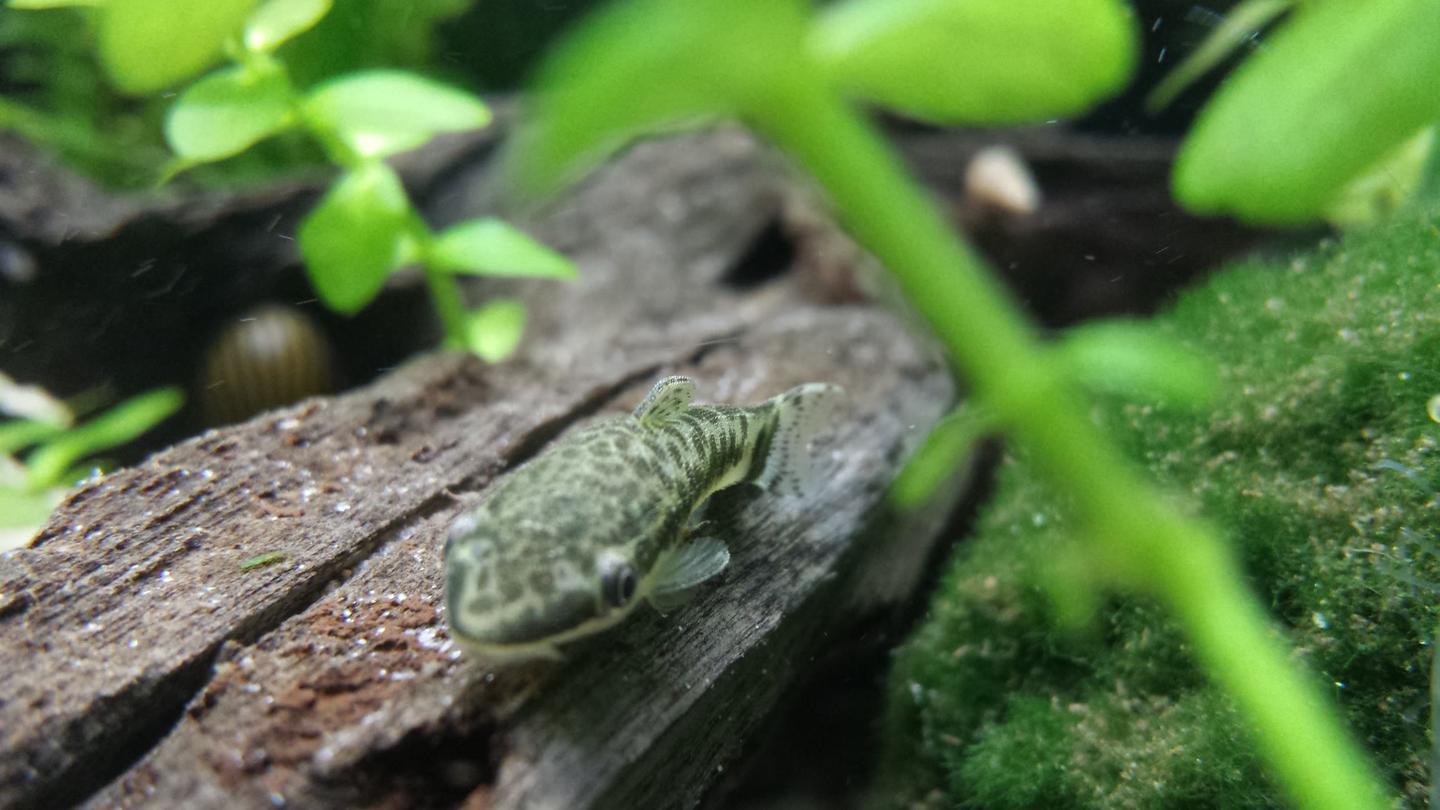
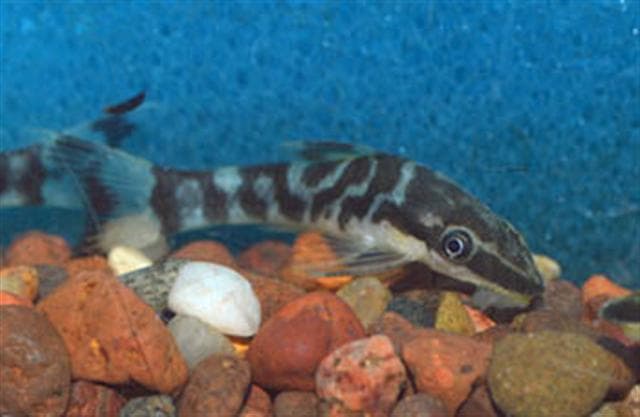
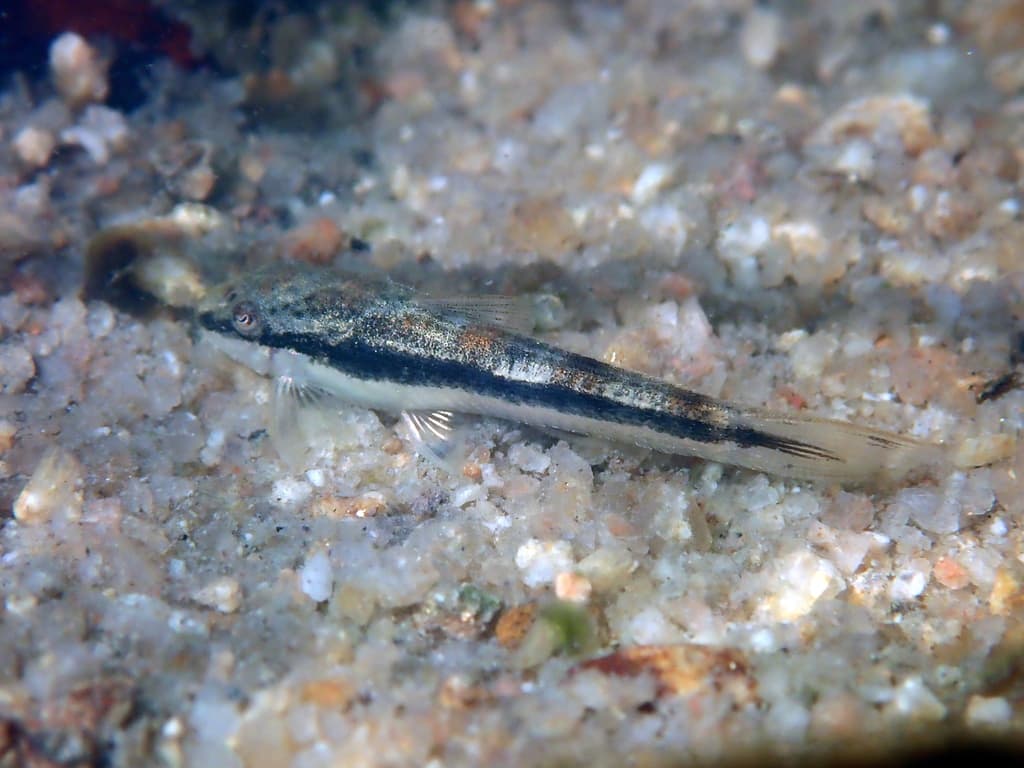
Different Otocinclus labels, species and grazing views
Frequently asked questions
Shop everything in this guide
Shop all Algae Eaters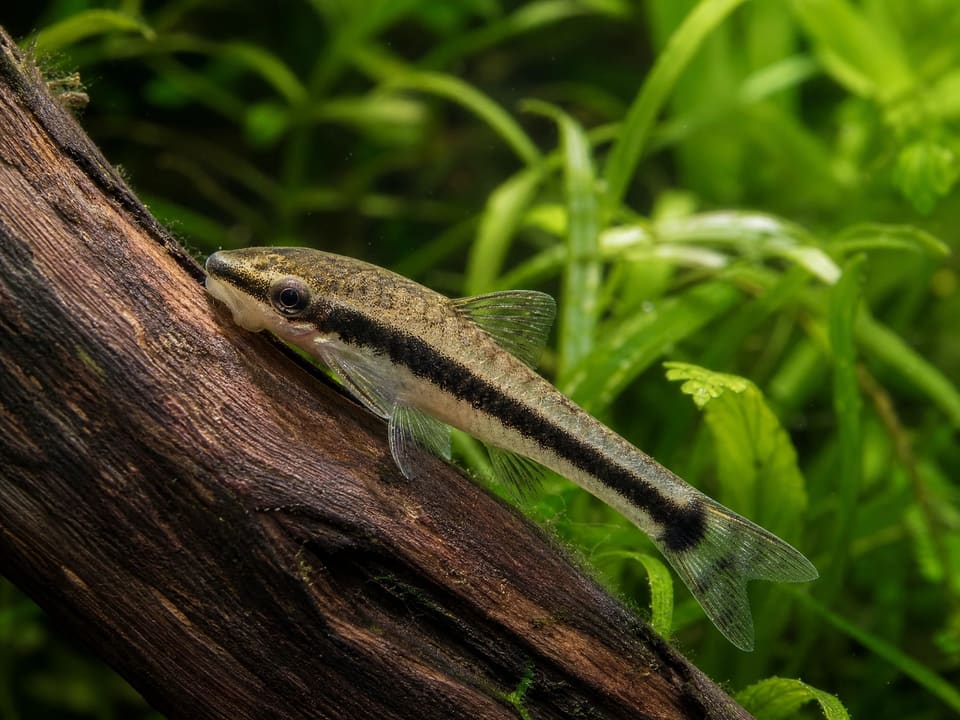
Shop Algae Eaters & related
From this care guide straight into our UK live-fish catalogue.
Beginner Fish
The best tropical fish for beginners UK — hand-picked easy-care species that thrive with minimal fuss. Perfect starter community tank candidates.
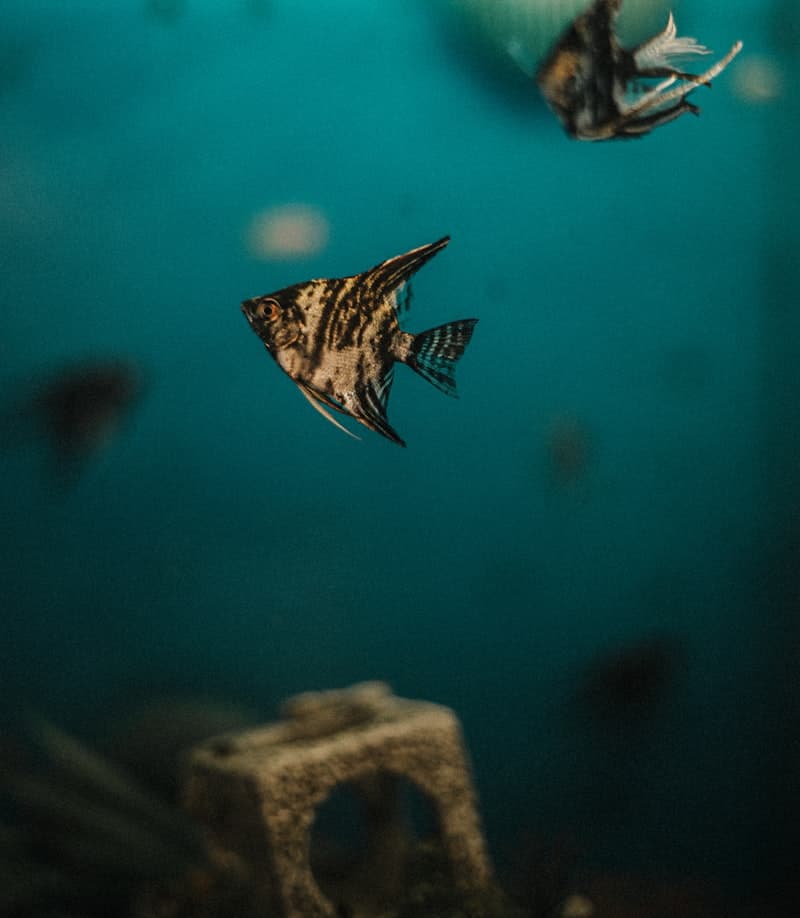
Nano Tank Fish
Best nano tank fish for UK aquariums — species that thrive in tanks under 40 litres. Micro schoolers, dwarf species, shrimps.
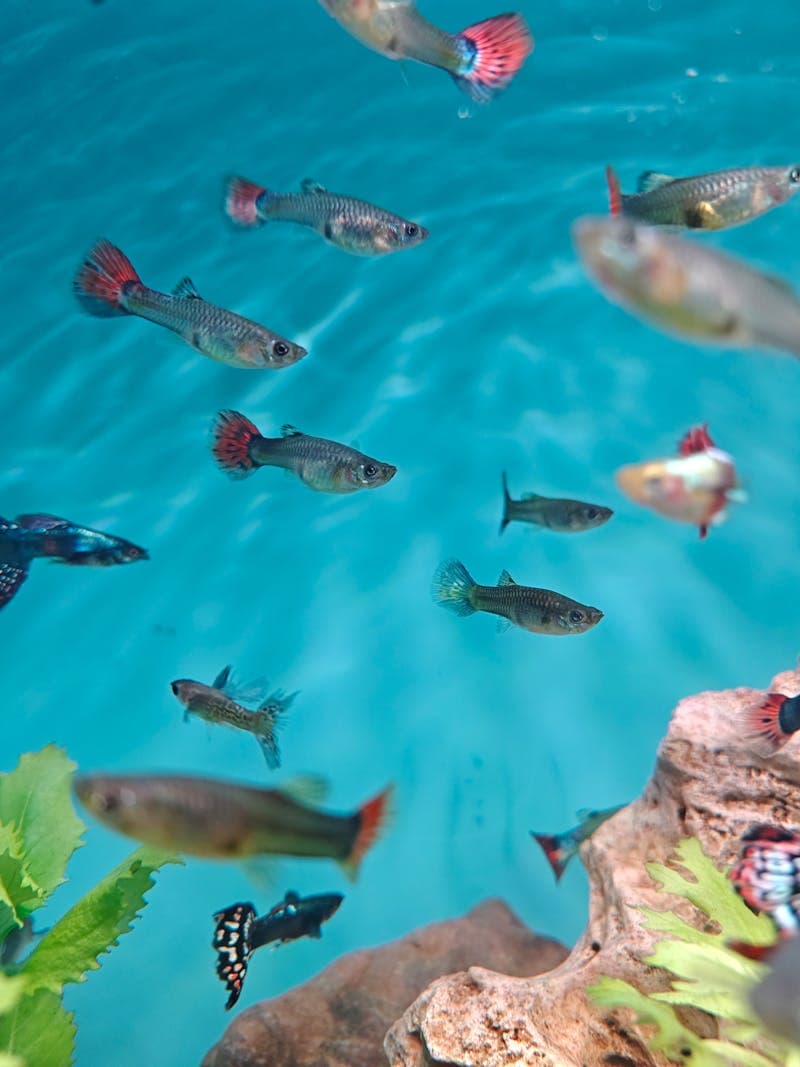
Community Tank Fish
Peaceful tetras, rasboras, corydoras, platies and gouramis chosen to live together — temperament, adult size and water range per listing so the mix works.
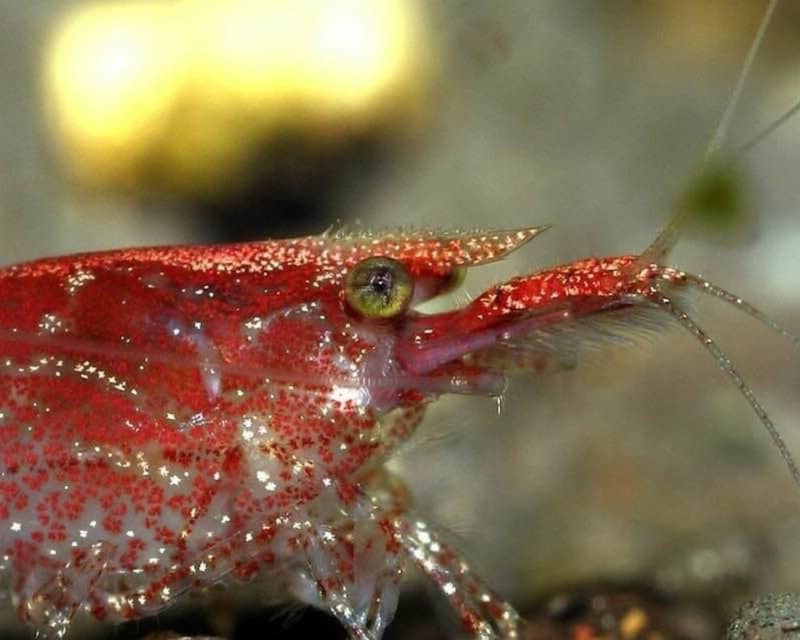
Planted Tank Fish
Planted-tank fish for sale UK — peaceful, plant-safe species that showcase aquascaped layouts. Tetras, rasboras, dwarf cichlids, shrimps.
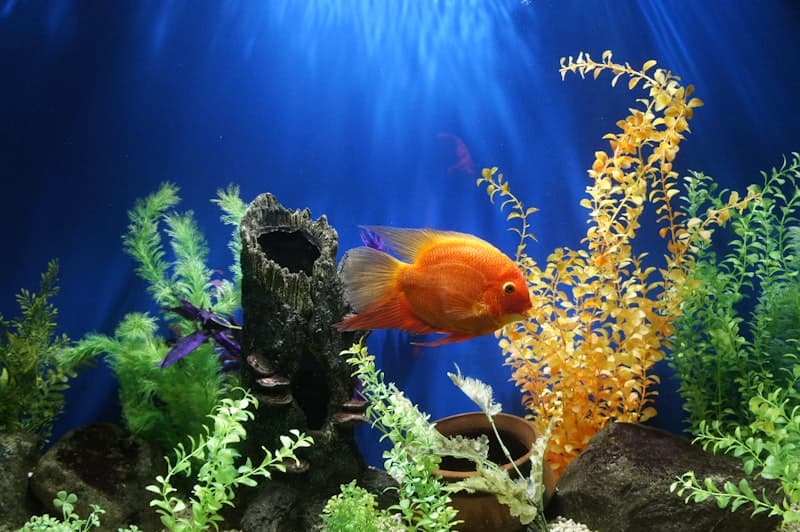
Bottom Dwellers
Bottom dweller fish for sale UK — Corydoras, Loaches, Plecos, Synodontis. Cleanup crew for the aquarium substrate.
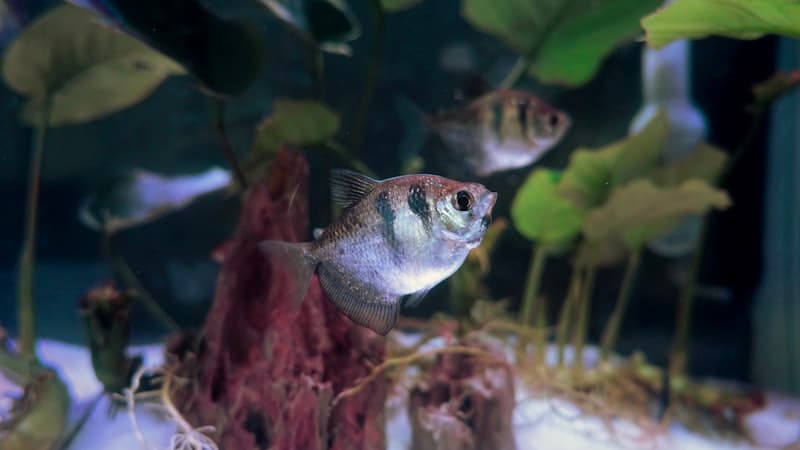
Schooling Fish
Tetras, rasboras, barbs, danios and rainbowfish in shoal-friendly quantities — these species only settle in groups of six or more. Group prices per listing.
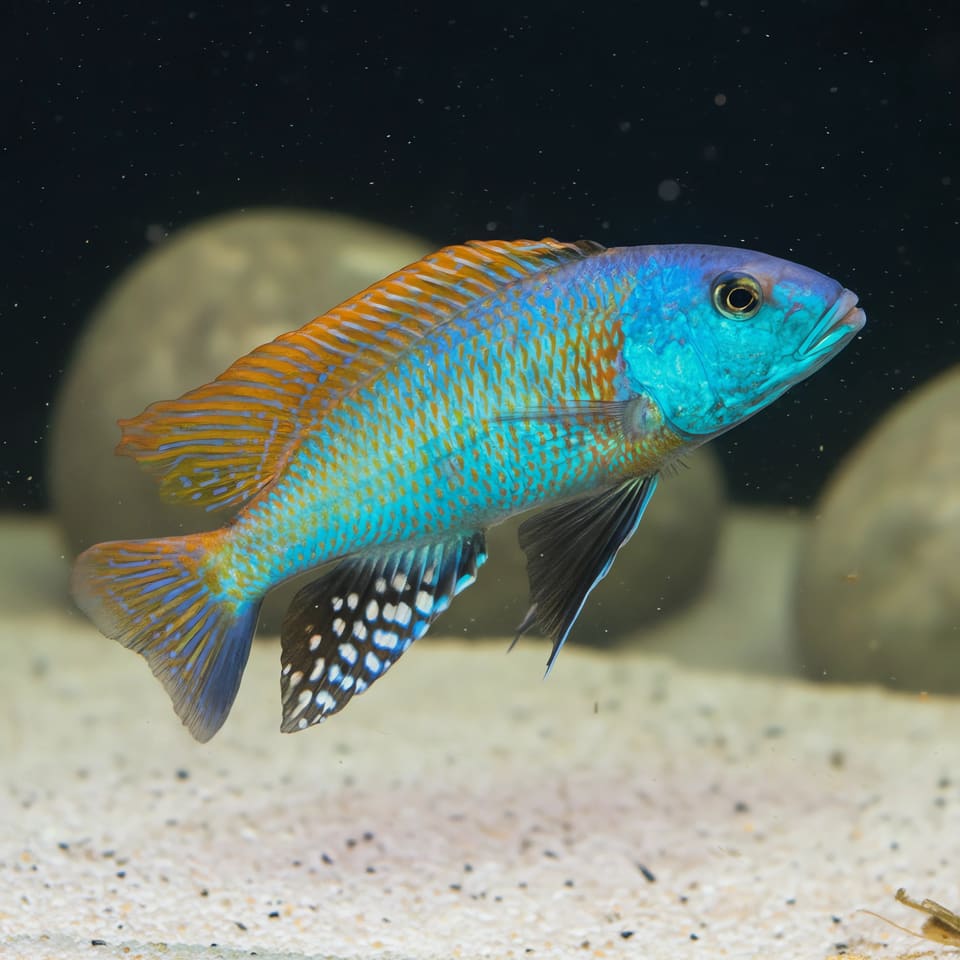
Centerpiece Fish
Centerpiece fish for sale UK — large, attention-grabbing species that anchor a display tank. Oscars, Discus, Angelfish, Arowanas, Severums.
Sources & further reading
Material factual claims cite the sources below; store policy and cautious inference are labelled in the article. Sources are grouped by type so you can judge their weight at a glance.
Peer-reviewed study (2)
- [5]López-Rodríguez, A. et al. (2019). Diets and Trophic Structure of Fish Assemblages in a Large and Unexplored Subtropical River: The Uruguay River. Water. DOI: 10.3390/w11071374. View source
- [6]Pereira, M. J. & Súarez, Y. R. (2019). Reproductive ecology of Otocinclus vittatus in the Pantanal floodplain, upper Paraguay River basin. Brazilian Journal of Biology. DOI: 10.1590/1519-6984.191560. View source
Scientific database (2)
- [1]Fricke, R., Eschmeyer, W. N. & Van der Laan, R. (eds.) (2026). Eschmeyer's Catalog of Fishes: Otocinclus species records. California Academy of Sciences. View source
- [2]
Animal-welfare charity (1)
- [8]
Trade-body guidance (2)
- [3]Ornamental Aquatic Trade Association (2026). How to look after freshwater catfish. OATA. View source
- [4]Ornamental Aquatic Trade Association (2026). How to set up and look after a freshwater aquarium. OATA. View source
Hobbyist reference (1)
- [7]
Government / regulatory (1)
- [9]
Spotted something that needs a fix?
Fishkeeping moves fast and we want every guide spot-on. If you think something here is wrong, out of date, or could be clearer, tell us — our team reads every message and updates the page.
Suggest an edit
Tropical Fish Co Editorial Team
Evidence-led aquarium editorial team
The Tropical Fish Co editorial team compiles care guidance from the sources cited on each page, separates published evidence from practical husbandry policy, and checks retail links against the current catalogue. First-hand experience is included only when a named contributor and the observation have been verified.
Keep exploring
Shop related
- Beginner Fish
The best tropical fish for beginners UK — hand-picked easy-care species that thrive with minimal fuss. Perfect starter community tank candidates.
- Nano Tank Fish
Best nano tank fish for UK aquariums — species that thrive in tanks under 40 litres. Micro schoolers, dwarf species, shrimps.
- Community Tank Fish
Peaceful tetras, rasboras, corydoras, platies and gouramis chosen to live together — temperament, adult size and water range per listing so the mix works.
- Planted Tank Fish
Planted-tank fish for sale UK — peaceful, plant-safe species that showcase aquascaped layouts. Tetras, rasboras, dwarf cichlids, shrimps.
Care guides
- Pleco Fish Guide: Types, Adult Size, Food & Tank Planning
Pleco fish guide for UK keepers: compare types, adult sizes, diets, tank planning, water and buying checks before choosing a suckermouth catfish.
- Bristlenose Pleco Care Guide: Size, Tank and Lifespan
Bristlenose pleco care for UK tanks: adult size, 90-litre starting point, 22-27°C water, food, wood, sexing and the truth about lifespan.
- Celestial Pearl Danio Care Guide: Tank, Group and Water
Celestial pearl danio care for UK aquariums: 45 × 30 cm footprint, 20–26°C water, group behaviour, food, shrimp risk, sexing and breeding.
Related care guides
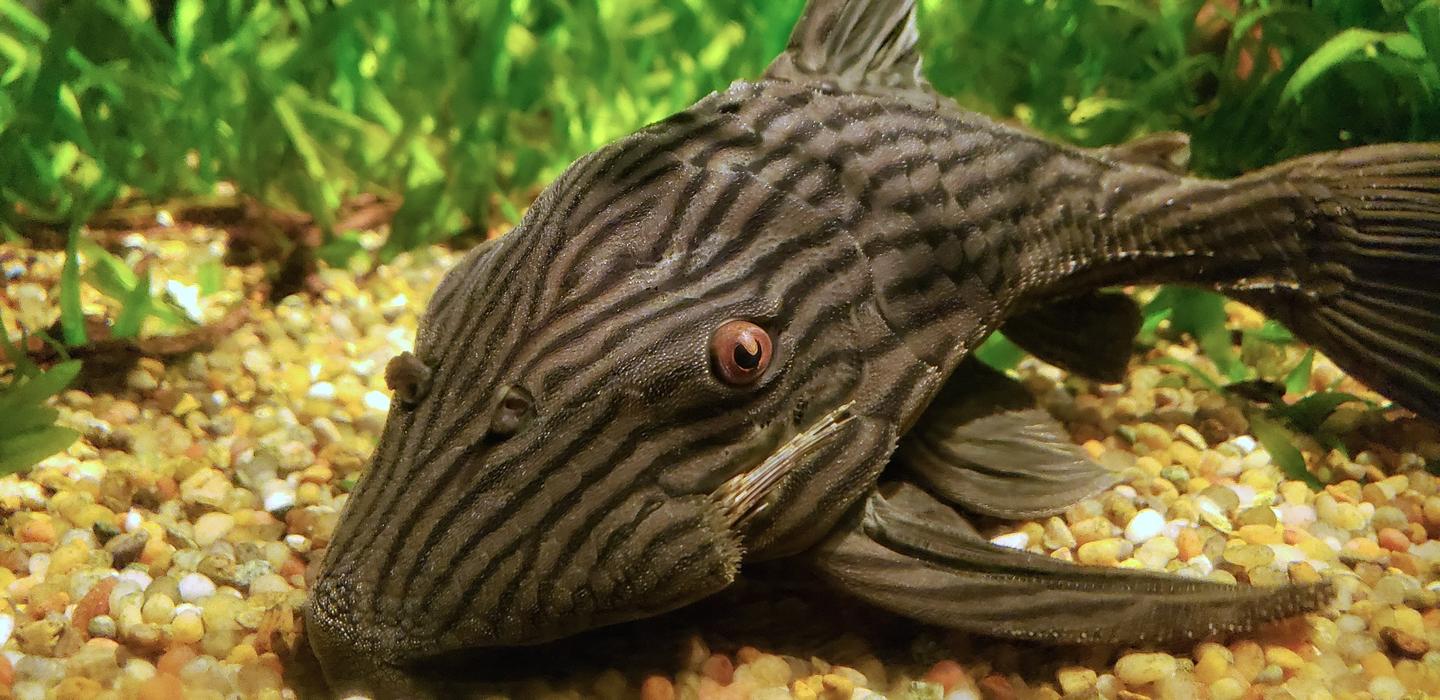
Pleco Fish Guide: Types, Adult Size, Food & Tank Planning
‘Pleco’ is a loose aquarium-trade label, not one species or one care sheet. Before buying, confirm the scientific name or defensible L-number, adult size and measurement method, required footprint, temperature and water, diet, social plan and source. No universal pleco tank size, menu or algae result is honest.
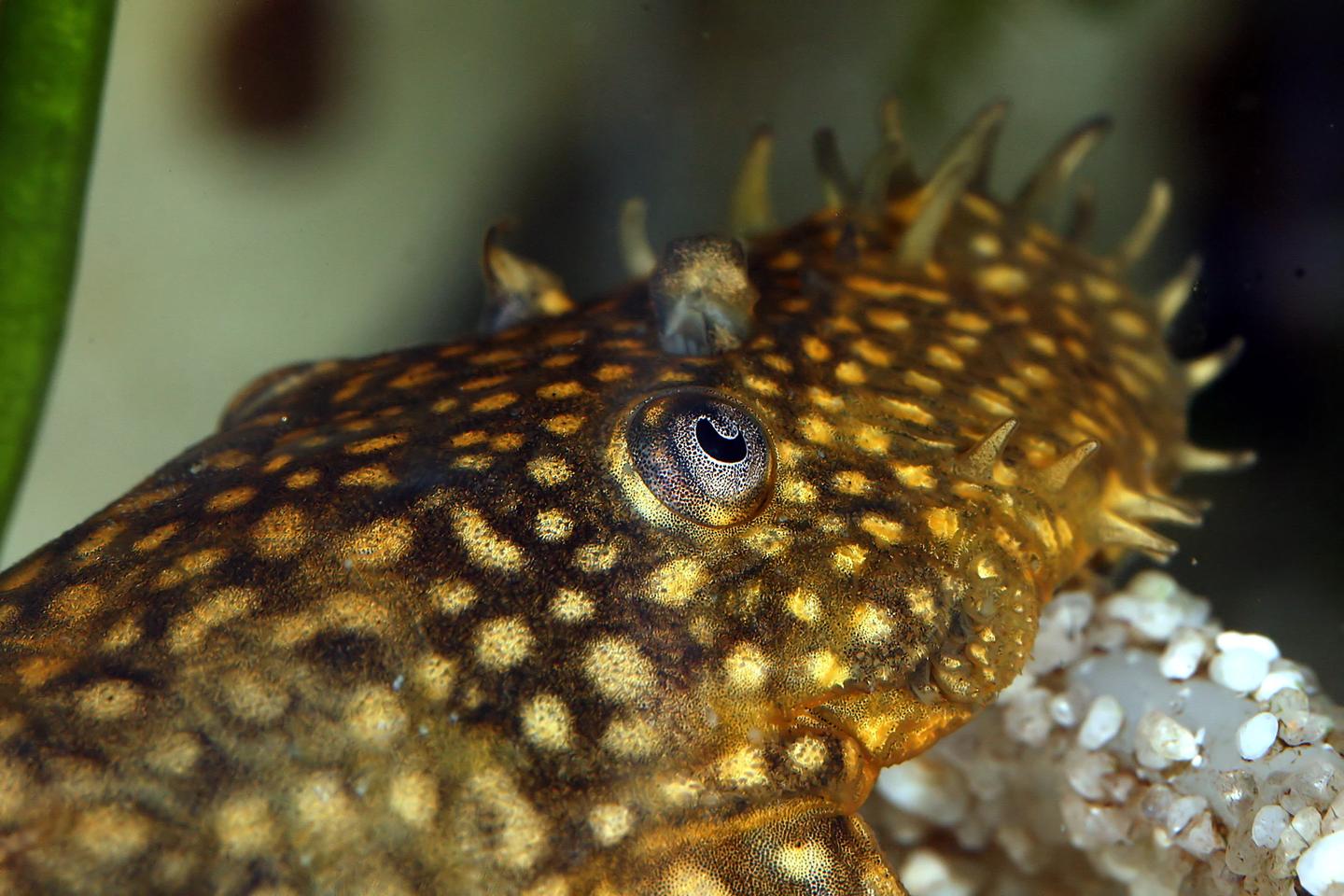
Bristlenose Pleco Care Guide: Size, Tank and Lifespan
For one typical common bristlenose, start with a mature, filtered aquarium of at least 90 litres, useful floor area, wood and cover. OATA reports about 15 cm adult length, 22-27°C, pH 6-8 and 4-12 dGH. Confirm the exact trade identity before applying species-level claims.
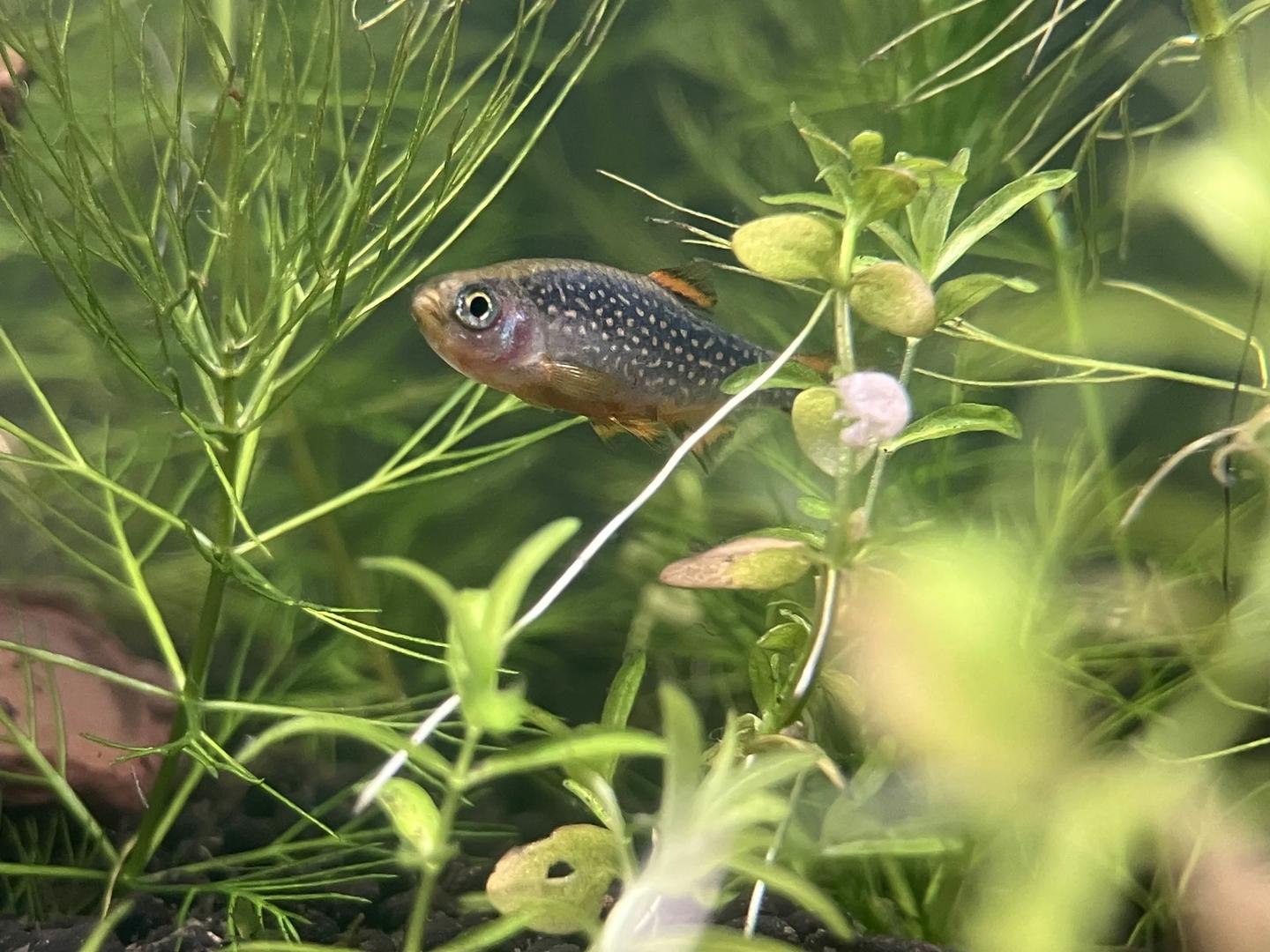
Celestial Pearl Danio Care Guide: Tank, Group and Water
Plan a mature, densely planted aquarium with at least a 45 × 30 cm base for a social group. Use 20–26°C, pH 6.5–7.5 and 5–15 dGH as published screening ranges, then hold a stable value inside the overlap for every animal in the tank.