TropicalFish Co

African Cichlids for Sale UK

Malawi mbuna, peacocks and haps plus Tanganyika Tropheus and Frontosa — mostly juveniles, supplied size on every listing. Hard-water advice included.

Shop current stock237 live listings
  • Check the listing for the exact sale unit and current price
  • Match adult size, water needs and social behaviour
  • Prepare a fully cycled aquarium before arrival
Current delivery and offer information

Follow each link for the latest terms before ordering.

Current African Cichlids listings

237 products

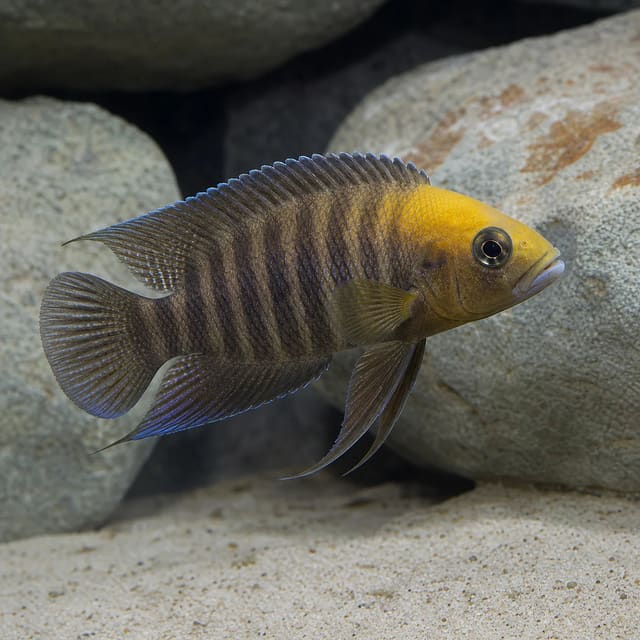
Adult male Yellow Lepturus Cichlid (Buccochromis rhoadesii) swimming over pale aquarium sand
Advanced

Yellow Lepturus Cichlid (Buccochromis rhoadesii)

23–27°C · pH 7.4–8.4 · 1000L

£43.99
Johannii Cichlid (Melanochromis johannii)
−12%
Moderate

Johanni Mbuna (Pseudotropheus johannii)

24–27°C · pH 7.5–8.8 · 150L

£6.15£6.99
Aristochromis christyi Malawi Hawk Cichlid in a rocky aquarium
−10%
Advanced

Malawi Hawk Cichlid (Aristochromis christyi)

24–28°C · pH 7.5–8.5 · 500L

£43.19£47.99
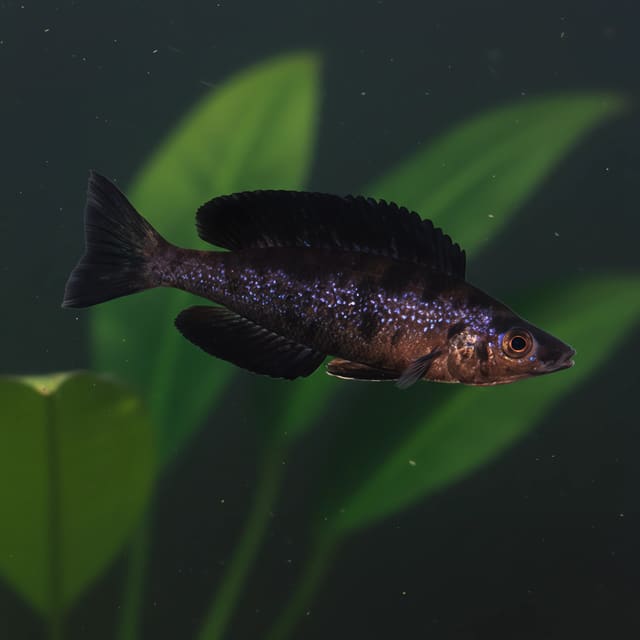
Herring Cichlid (Cyprichromis microlepidotus)
Moderate

Karilani Herring Cichlid (Cyprichromis microlepidotus)

24–27°C · pH 7.5–9 · 250L

£41.99
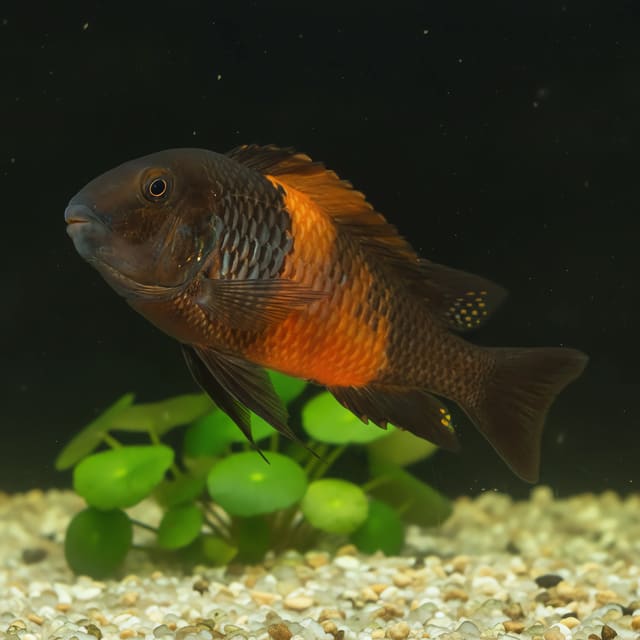
Blunthead Cichlid (Tropheus moorii)
−10%
Advanced

Bemba Tropheus (Tropheus moorii “Bemba”)

24–28°C · pH 8–9 · 300L

£36.89£40.99
Gold Head Compressiceps Altolamprologus compressiceps Kantalamba in a rocky Lake Tanganyika aquarium
Moderate

Gold Head Compressiceps (Altolamprologus compressiceps)

23–27°C · 200L

£20.99
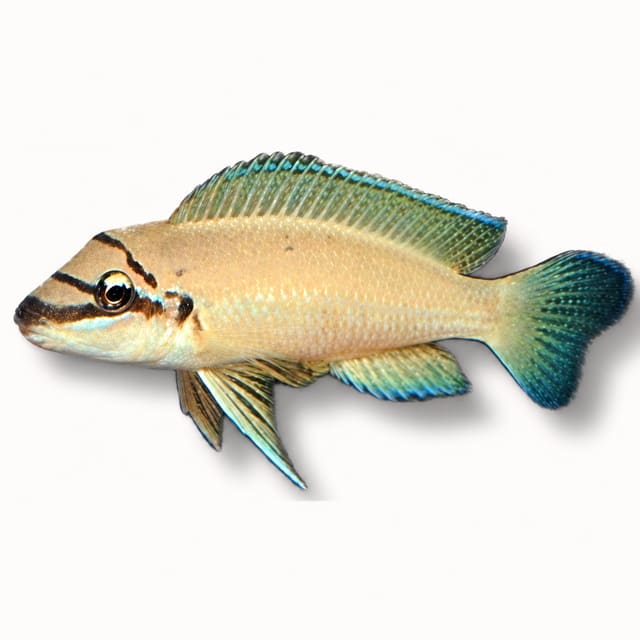
Brichard's Chalinochromis (Chalinochromis brichardi)
Moderate

Brichard’s Chalinochromis (Chalinochromis brichardi)

24–27°C · pH 7.5–9 · 150L

£18.99
Lwanda Peacock Cichlid (Aulonocara sp. Lwanda) - brilliantly coloured Peacock from Lake Malawi
Moderate

Lwanda Peacock Cichlid (Aulonocara sp. 'Lwanda')

24–28°C · pH 7.5–8.5 · 200L

£18.99
Trewavas' Cichlid (Labeotropheus trewavasae)
Easy

Chilumba Scrapemouth Mbuna (Labeotropheus trewavasae)

24–28°C · pH 7.5–8.5 · 200L

£14.99
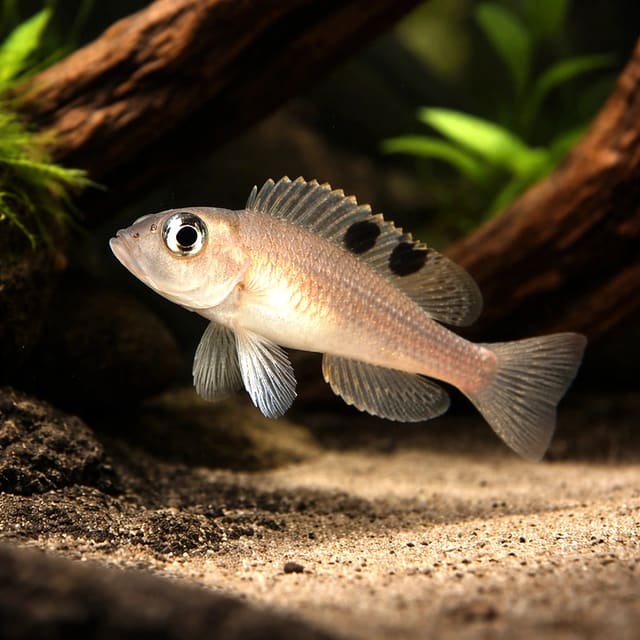
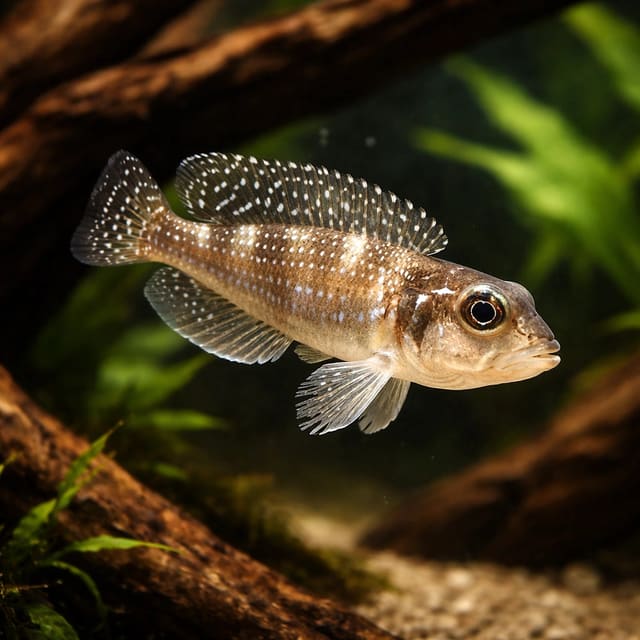
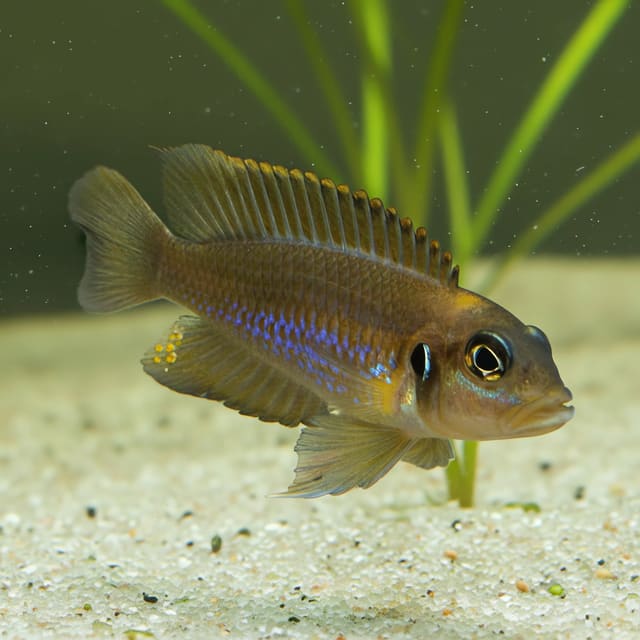
Pearl-spotted Meleagris Shell-Dweller (Neolamprologus stappersi) over fine aquarium sand
−12%
Moderate

Meleagris Shell-Dweller (Neolamprologus stappersi)

24–28°C · pH 7.8–9 · 60L

£16.71£18.99
Petrochromis Kazumbe Cape Kabogo - rare Tanganyika algae-grazing cichlid
Advanced

Petrochromis sp. "Kazumbe" Cape Kabogo

24–27°C · pH 7.8–9 · 400L

£62.99
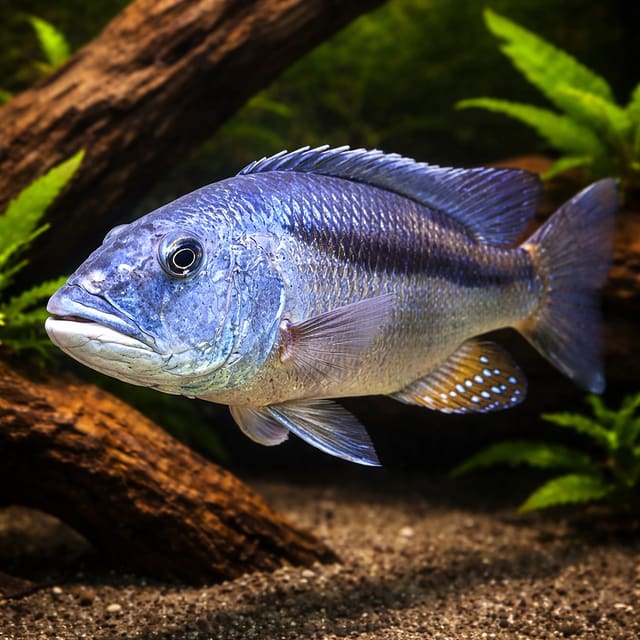
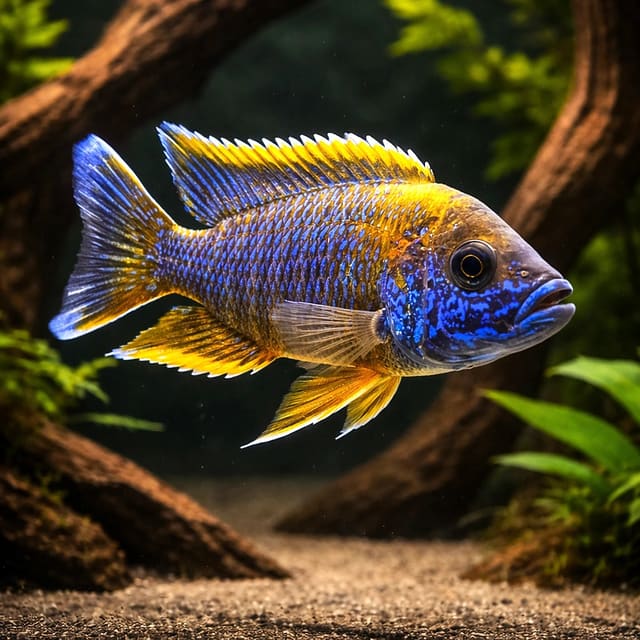
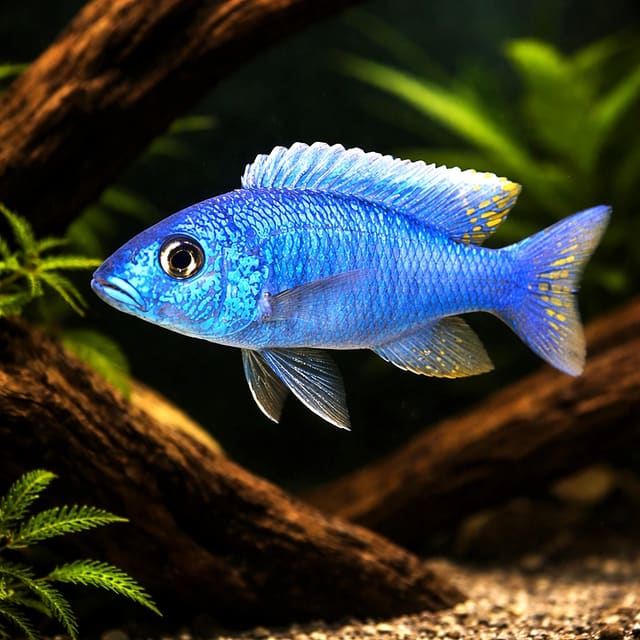
Representative adult male Electric Blue Hap (Sciaenochromis fryeri); juvenile and female colour differs
Moderate

Electric Blue Hap (Sciaenochromis fryeri)

24–26°C · pH 7.5–8.5 · 300L

£42.99
Illustrative yellow-finned Acei Cichlid; supplier tail colour, locality and sex are not guaranteed
Moderate

Acei Cichlid (Pseudotropheus sp. “acei”)

24–26°C · pH 7.5–8.5 · 300L

£7.99
Mpangha Rocks Red Top Zebra (Maylandia sp. Emmiltos)
Moderate

Mpangha Rocks Red Top Zebra (Maylandia emmiltos)

24–28°C · pH 7.5–8.5 · 150L

£35.99
Non-diagnostic illustrative blue cichlid image; actual Lamprologus ocellatus colour and body shape differ
−14%
Moderate

Blue Ocellated Shell-Dweller (Lamprologus ocellatus)

23–25°C · pH 8–9 · 75L

£16.33£18.99
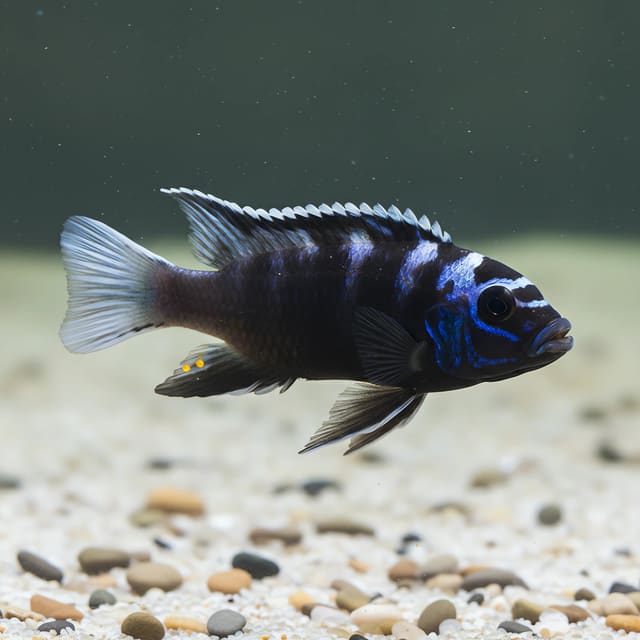
Illustrative OB Red Zebra Mbuna; supplied Maylandia zebra blotching, base colour and sex vary
Moderate

OB Red Zebra Mbuna (Maylandia zebra)

24–26°C · pH 7.8–8.6 · 300L

£11.99
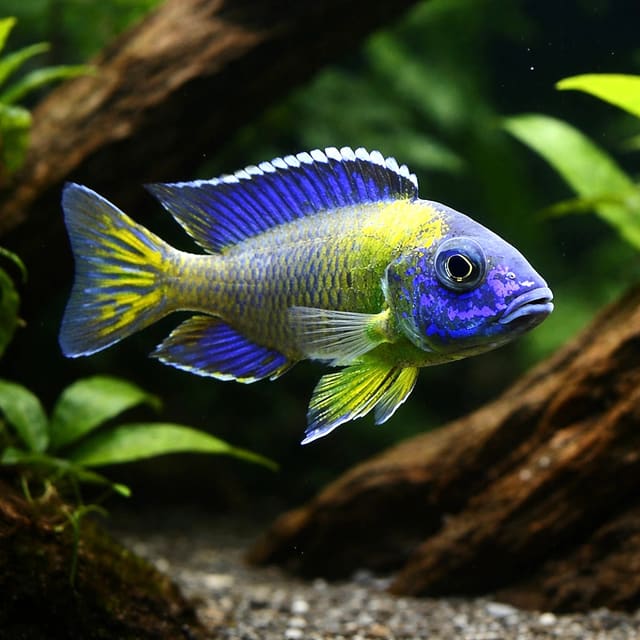
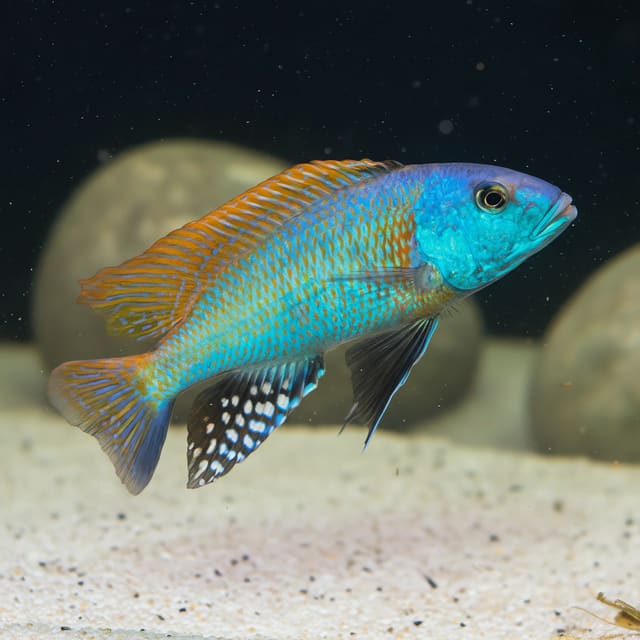
Illustrative adult male Steveni Blue Neon Peacock Cichlid; colour, sex and locality can vary
Moderate

Steveni Blue Neon Peacock Cichlid (Aulonocara stuartgranti)

24–26°C · pH 7.5–8.5 · 300L

£12.99
Kande Island Peacock Cichlid Aulonocara kandeense in a Lake Malawi style aquarium
Moderate

Kande Island Peacock Cichlid (Aulonocara kandeense)

24–26°C · pH 7.5–8.4 · 250L

£27.99
Illustrative Gold Mundola Point Zebra Mbuna; colour, sex and markings vary
Advanced

Gold Mundola Point Zebra Mbuna (Maylandia sp. 'zebra gold')

24–26°C · pH 7.6–8.6 · 400L

£26.99
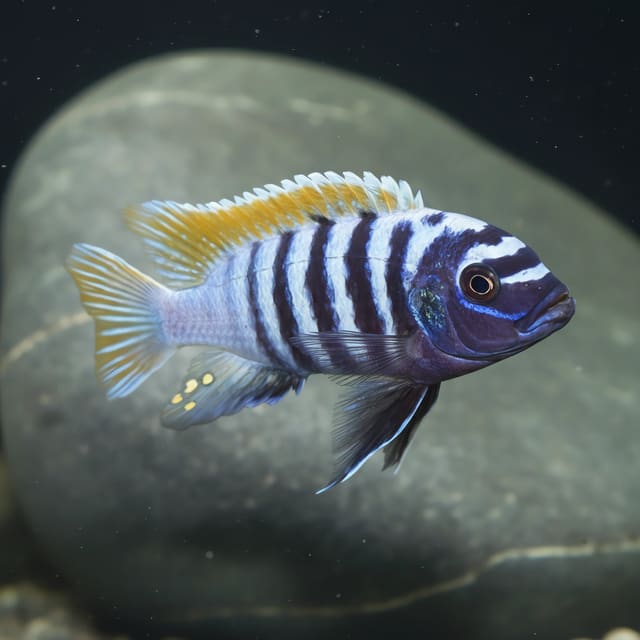
Representative digital illustration of a banded male Zonatus Cichlid (Cyprichromis zonatus) in an aquarium
Moderate

Zonatus Cichlid (Cyprichromis zonatus)

24–27°C · pH 7.5–8.5 · 300L

£40.99
Reference-led illustration of Humphead Cichlid, Steatocranus gibbiceps, in a river-style aquarium
Moderate

Humphead Cichlid (Steatocranus gibbiceps)

24–27°C · pH 6.5–8

£19.99
representative illustration of a Black Pearl Calvus (Altolamprologus calvus) in a rocky aquarium
Moderate

Black Pearl Calvus (Altolamprologus calvus)

23–25°C · pH 8–9 · 200L

£21.99
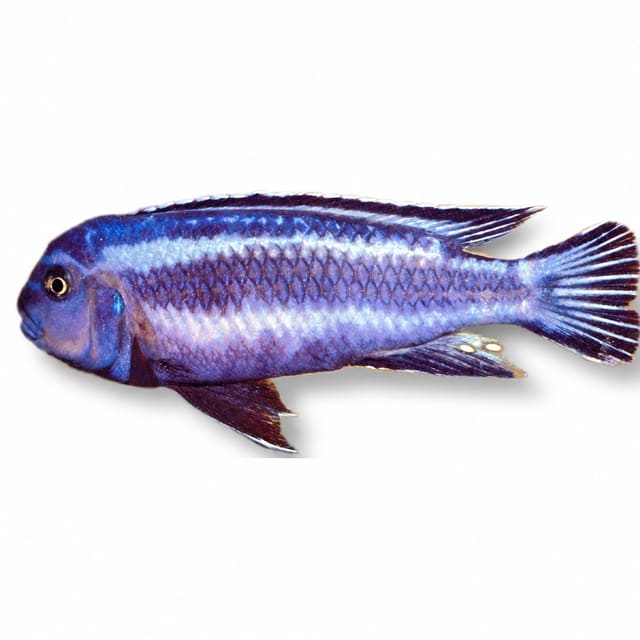
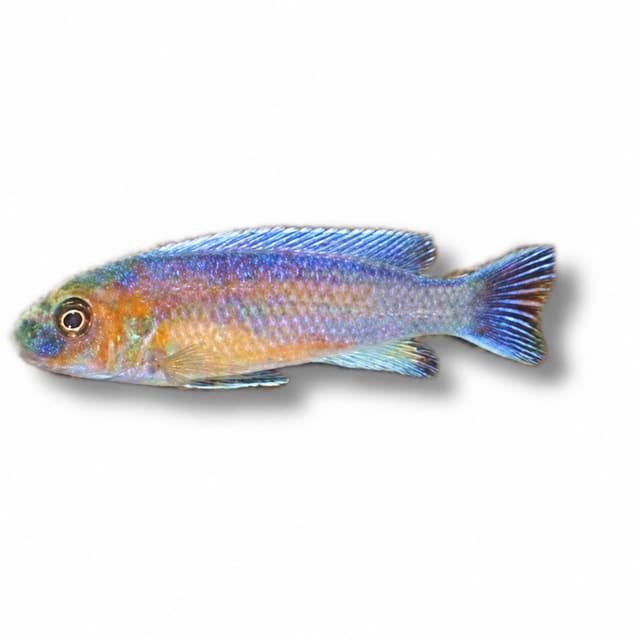
Saulosi Mbuna yellow female or juvenile source photograph
−12%
Moderate

Saulosi Mbuna (Chindongo saulosi)

24–26°C

£11.43£12.99
Gallireya Reef Dogtooth Cichlid (Cynotilapia sp. Hara) - Live Malawi Mbuna
Moderate

Gallireya Reef Dogtooth Cichlid (Cynotilapia sp. 'Hara')

24–28°C · pH 7.5–8.5 · 150L

£18.99

Before you choose from this collection

African rift-lake cichlids need hard, alkaline water (pH 7.8-8.5), rockwork and a deliberately stocked species tank rather than a community; most Malawi mbuna and peacocks reach 10-15 cm. Common mbuna and juvenile peacocks start at about £4 and most fish sit at £10-£20, listed below by lake — Malawi, Tanganyika and Victoria — as live stock with our Live Arrival Guarantee.

Every African cichlid on this page is a live fish held in our own system before dispatch — not a stock photo. We carry one of the UK's widest ranges: Malawi mbuna and peacocks (Aulonocara), Tanganyikan Tropheus and Cyprichromis, haplochromines and more, with new imports landing most weeks. Listings are grouped by lake — Malawi mbuna, peacocks and haps; Tanganyika Tropheus, frontosa and shell dwellers; Lake Victoria haplochromines — because each lake's water and aggression pattern needs its own plan.

African cichlids ship in oxygen-charged bags inside an insulated box, dispatched Wednesday for Thursday delivery with a licensed live-animal courier so your fish never sits over a weekend. Every order carries our live arrival guarantee: film a short, continuous unboxing video and tell us the same day, and we refund or replace.

African cichlids are the most colourful freshwater fish you can keep, but they are hard-water, territorial specialists — not community fish. Read the cichlid care guide linked below before ordering: rift-lake species need alkaline water, rockwork and careful stocking to spread aggression.

Explore related collections

Visual route into our wider UK live-fish range.

Frequently asked questions

Hard, alkaline water — pH around 7.8-8.5 — which mirrors the rift lakes they come from. This is the single biggest difference from South American cichlids and most community fish. Fortunately much of the UK has naturally hard tap water that suits them; soft-water areas may need mineral buffering.
Common mbuna and juvenile peacocks start at about £4, with most fish £10-£20. Rare wild-caught Tanganyikans and premium peacock strains run much higher, into the hundreds for show specimens. Prices on this page are live: what you see is what's in stock today.
Not with typical community fish — they are too territorial and need hard water that soft-water species dislike. The usual approach is a species-appropriate cichlid community: a group of Malawi mbuna together, or Tanganyikans together, stocked slightly heavily over rockwork so no single fish is bullied. Don't mix Malawi and Tanganyika casually.
It sounds counterintuitive, but deliberately crowding mbuna spreads aggression so no one fish gets singled out and killed. Combined with heavy filtration, plenty of rock caves and frequent water changes, controlled overstocking is a standard, well-established technique for keeping the peace in a Malawi tank.
They are a step up from community fish — the hard-water requirement, territorial behaviour and stocking strategy all need planning. That said, a Malawi mbuna tank is one of the most rewarding intermediate setups, and the fish themselves are hardy. Read the care guide and plan the aquascape before you buy.
Yes. African cichlids are robust fish that ship well: bagged in oxygen-charged water inside a polystyrene-insulated box with a winter heat pack, sent by a licensed live-animal courier on a Wednesday for Thursday arrival. Our photo-proof live arrival guarantee covers every order.
Most African rift-lake cichlids — Malawi mbuna and Aulonocara peacocks, and many Tanganyikans — are maternal mouthbrooders. After spawning over a rock or in a pit, the female scoops the fertilised eggs into her mouth and holds the developing fry there for around three weeks, not eating, until they are released as free-swimming juveniles. This is why a stocked Malawi tank so often produces fry with no effort, and why hard, alkaline water that mirrors the rift lakes keeps the fish in breeding condition.
Yes, but not Rift Lake fish. Jewel cichlids (Hemichromis and Rubricatochromis species) are West African riverine cichlids that reach around 12 cm, tolerate a wider range of water than Malawi or Tanganyika species, and become strongly territorial when breeding. Plan them for a robust West African or species tank rather than a Malawi mbuna community.

Watch: African Cichlids in 60 seconds

Short clips from our own channel — the things keepers most often get wrong, answered in a minute.
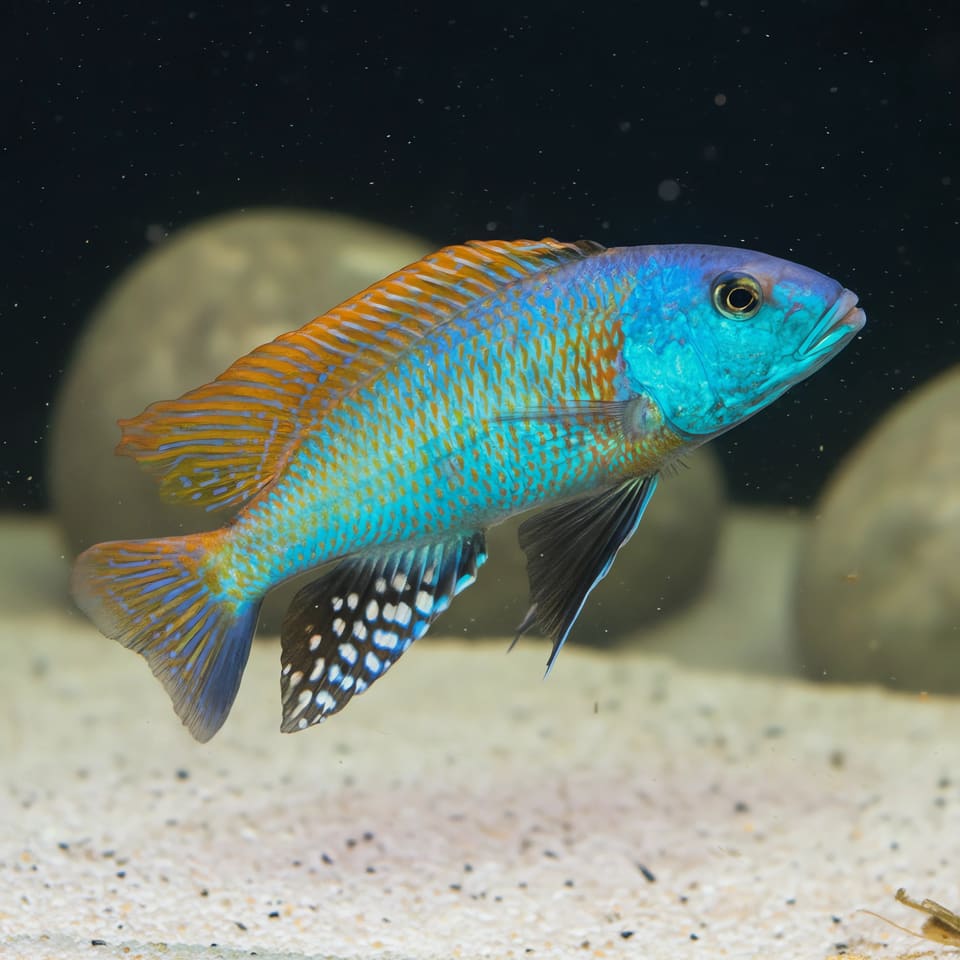
The fish that plays dead to hunt — and is terrible at itLivingston's hap (Nimbochromis livingstonii) lies blotchy on the sand of Lake Malawi and eats the curious cichlids that come to inspect it.