Advanced
Trewavas' Petrochromis (Petrochromis trewavasae)
23–25°C · pH 7.5–8.5
£97.99

Petrochromis sp. "Kazumbe" Cape Kabogo (Petrochromis sp. Kazumbe) is a cichlid genus form from Lake Tanganyika in East Africa. It suits advanced keepers planning a screened Tanganyikan community; OATA’s African lake cichlid guidance gives 23–27°C, pH 8.0–8.6 and 12–18°dH. Sold individually in dispatch sizes from 4 - 5 cm to 10-15 cm.
Petrochromis sp. Kazumbe
Save when buying multiple fish. Each quantity is one fish; sex and pair formation are not guaranteed unless the selected variant explicitly states them.
Petrochromis sp. "Kazumbe" Cape Kabogo (Petrochromis sp. Kazumbe) is a cichlid genus form from Lake Tanganyika in East Africa. It suits advanced keepers planning a screened Tanganyikan community; OATA’s African lake cichlid guidance gives 23–27°C, pH 8.0–8.6 and 12–18°dH. Sold individually in dispatch sizes from 4 - 5 cm to 10-15 cm.
Cichlids are a family of roughly 1,800 accepted species, not one care type. Before buying, identify the exact species and source, then compare adult measurement, usable tank dimensions, social system, territory, tested water, diet and an exit plan. No family-wide minimum tank, water range or tank-mate list is safe.
Maintain these water conditions for optimal health and vibrant colors
Petrochromis sp. "Kazumbe" Cape Kabogo is a Lake Tanganyika cichlid identified to the genus Petrochromis. The World Register of Marine Species places Petrochromis in the family Cichlidae, while the genus summary for Petrochromis describes these cichlids as endemic to Lake Tanganyika in East Africa. “Kazumbe” and Cape Kabogo form part of this animal’s trade identity; they should not be treated as a formally identified species name.
The exact species has not been identified, so the care advice here follows the genus Petrochromis and its care group. That identity limit matters when deciding adult space, group numbers, diet and companions. Do not transfer the adult measurements, social structure or feeding specialisation of a named Petrochromis species to this fish without a direct assessment of this form.
We classify this cichlid as advanced because its aquarium must combine hard, alkaline water, mature biological filtration, vigorous aeration and a carefully screened social plan. The unidentified species also prevents a simple tank-volume or group-size formula. A suitable keeper should be comfortable testing water, maintaining mineral conditions, controlling the rate of new additions and responding promptly to changes in behaviour.
This is a focused Lake Tanganyika choice rather than a general tropical community fish. Start by comparing it with the fish in our African cichlid collection, but assess every proposed combination individually. Shared regional labels do not automatically make two cichlids compatible.
Use the live size selector to choose between the labels “4 - 5 cm”, “6 - 8 cm”, “5-6 cm” and “10-15 cm”. One purchase supplies one animal of the selected option. The size you select is the size supplied, not the adult size.
These measurements help you judge the fish arriving at dispatch, but they are not aquarium-size recommendations. Even the “10-15 cm” choice must not be treated as proof that growth has finished. Base the permanent aquarium and social plan on an adult assessment for this form, not on the dimensions of the selected fish.
Sex is guaranteed only when the selected option explicitly states male or female. This Petrochromis sp. "Kazumbe" Cape Kabogo listing has no sex-guaranteed option.
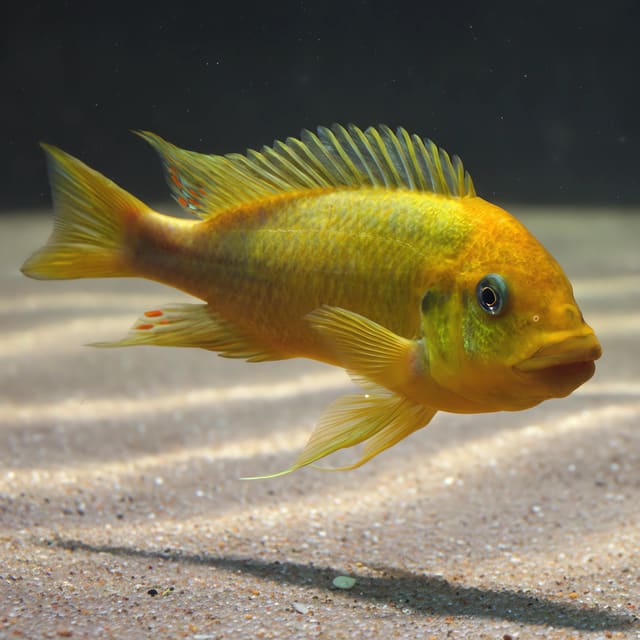
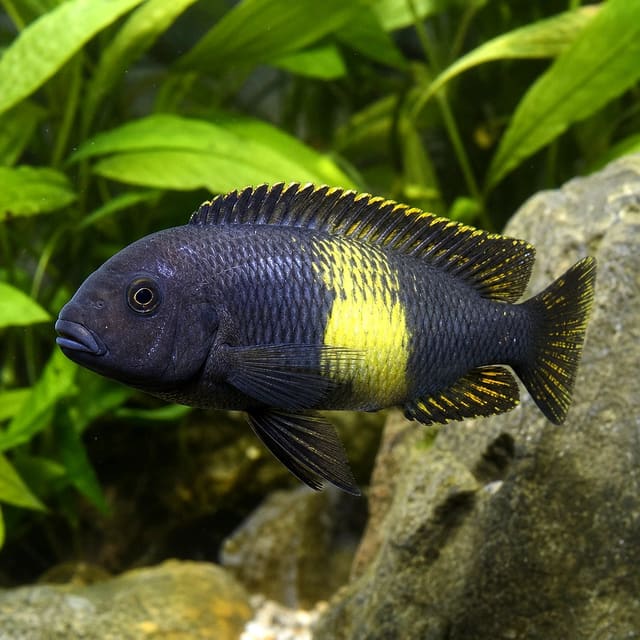
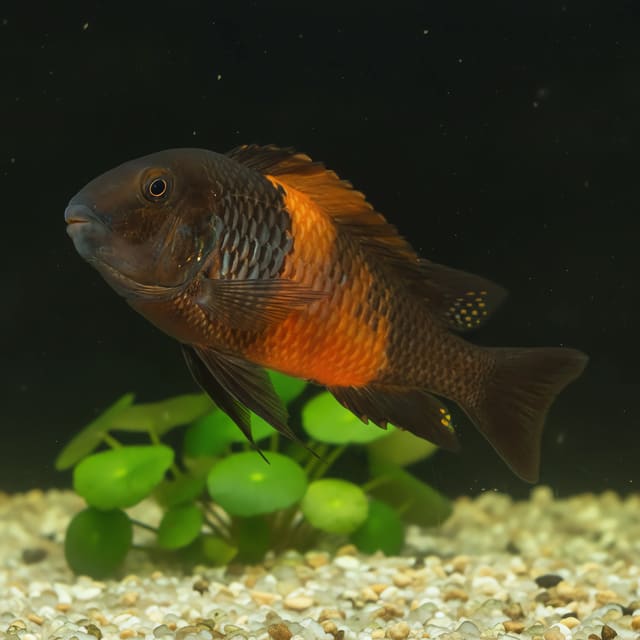
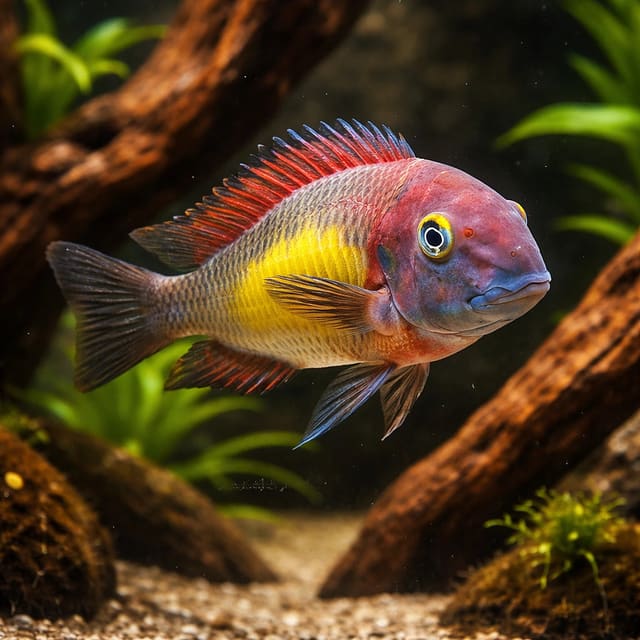
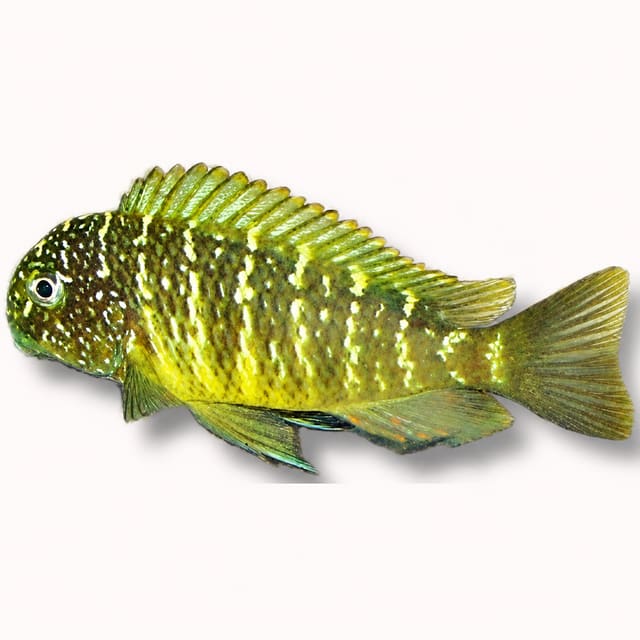
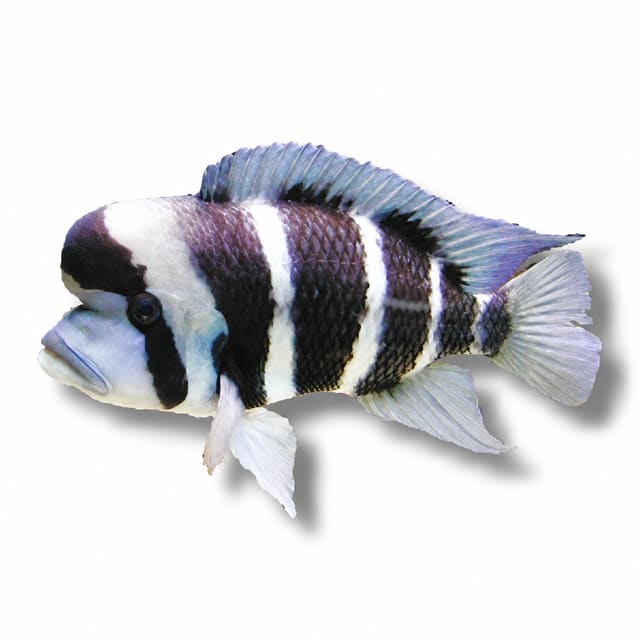
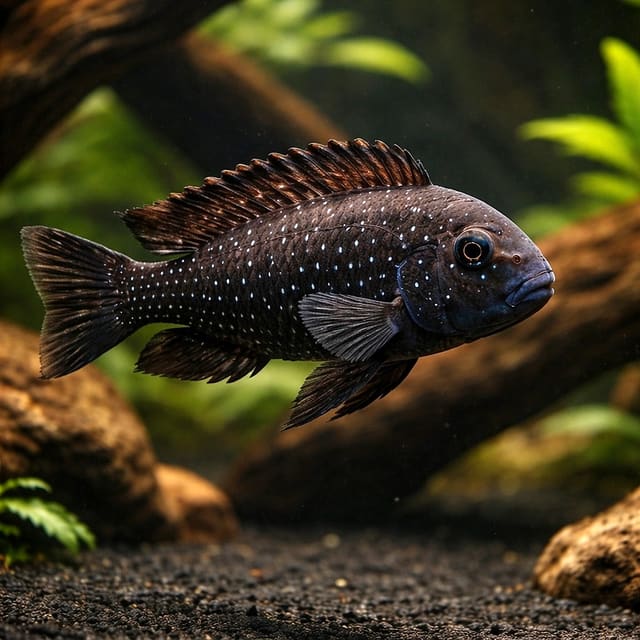
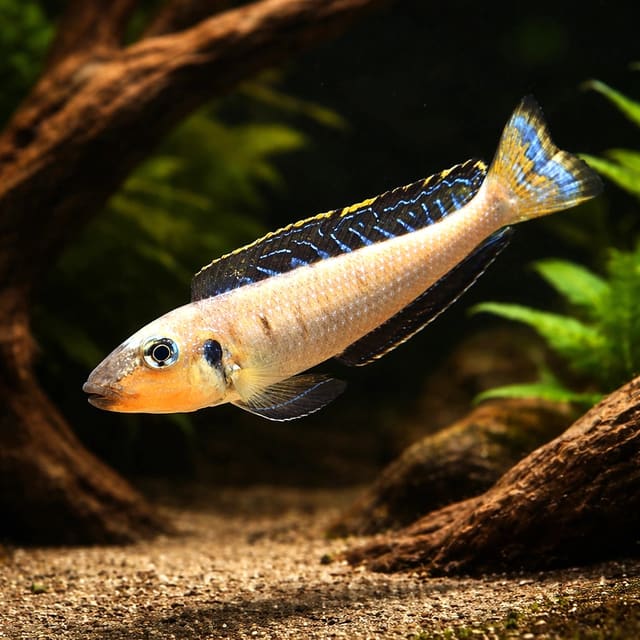
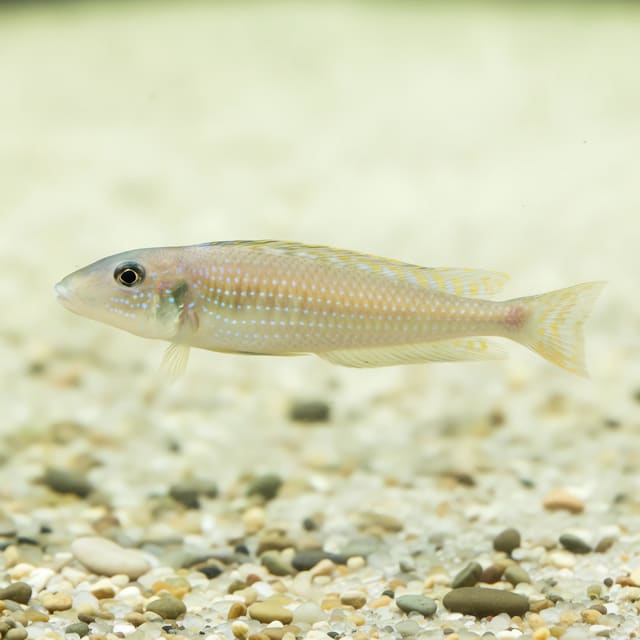
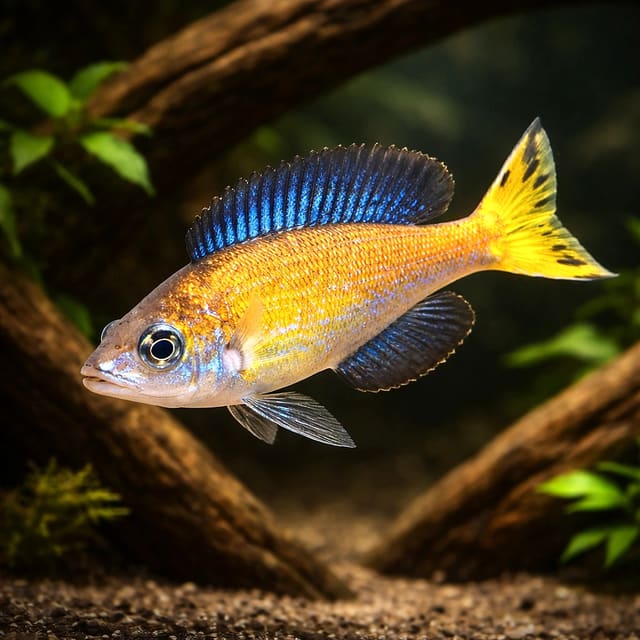
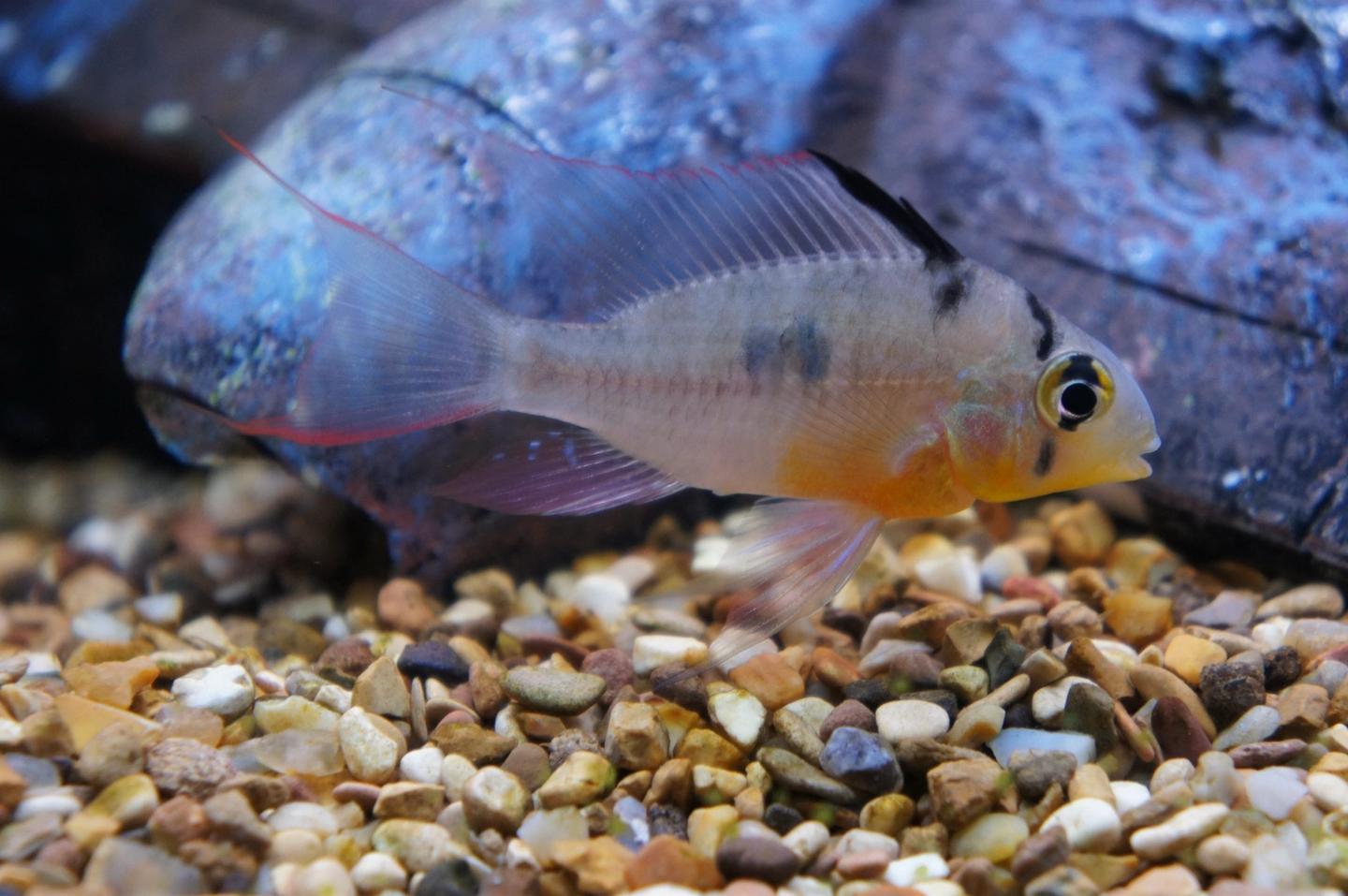
The gallery images are representative of this type of animal rather than photographs of the exact animal supplied, so colours can look slightly different from the live animal.
Neither the selected size nor the gallery should be used to infer sex, life stage or final dimensions. Treat the label as a dispatch measurement and the image as an identification aid for the general appearance of this form.
OATA’s African lake cichlid guidance gives 23–27°C, pH 8.0–8.6, general hardness of 12–18°dH and carbonate hardness of 10–15°dKH for the group. Use these as broad targets rather than a species-specific optimum. Ammonia and nitrite should remain at zero mg per litre, while nitrate should not exceed 20 mg per litre above the normal level in the tap water used for the aquarium.
Water numbers are only one part of the decision. The permanent aquarium must also provide enough space for the fish’s eventual dimensions, the planned number of cichlids and the territories created by the finished community. Choose as large an aquarium as reasonably possible; larger water volume makes temperature and water quality more stable.
| Suits | Not suited to |
|---|---|
| Advanced keepers comfortable testing and maintaining hard, alkaline water | A general tropical community chosen without a Lake Tanganyika compatibility screen |
| A mature aquarium with oversized filtration and vigorous aeration | An unmatured or unfiltered aquarium |
| A carefully assessed Lake Tanganyika community | Mixing Lake Malawi and Lake Tanganyika cichlids |
| A group plan based on the fish and finished aquarium | Assuming solitary keeping without assessing the correct number |
| Decision | What to establish |
|---|---|
| Water | Stable 23–27°C, pH 8.0–8.6 and hard water |
| Waste control | Mature oversized filtration, zero ammonia and zero nitrite |
| Oxygen | Vigorous aeration throughout the aquarium |
| Adult space | Dimensions based on eventual size, territories and group plan |
| Community | Lake Tanganyika origin plus compatible temperament and behaviour |
Contact us with the aquarium length, width, volume, water readings and complete livestock list for a stocking and compatibility assessment. Include the intended group number and selected dispatch size. This creates one joined-up decision instead of treating water, dimensions and tank mates as separate questions.
A working biological filter is essential before this fish enters the aquarium. The RSPCA’s aquarium filtration guidance explains that fish release toxic ammonia, which beneficial bacteria convert first into toxic nitrite and then into safer nitrate. A newly installed filter is therefore not ready merely because water is flowing through it.
Prepare and mature the aquarium before choosing a delivery window. Our first tropical aquarium guide explains the preparation sequence, but the decisive livestock check is measured water quality: ammonia must be zero mg per litre and nitrite must be zero mg per litre.
Do not use clear-looking water as a substitute for tests. Ammonia and nitrite are dissolved wastes, and their absence cannot be judged by appearance. Record the readings before adding the fish so that later changes have a reliable baseline.
Increase livestock slowly after maturation. Every extra fish and every increase in feeding adds waste, while the beneficial bacterial population needs time to respond. Adding too many fish too quickly can produce new tank syndrome, with ammonia or nitrite rising to harmful levels.
Set the aquarium within 23–27°C, pH 8.0–8.6, general hardness 12–18°dH and carbonate hardness 10–15°dKH. Stability within these targets is more useful than repeatedly moving a reading towards the middle. Before making an adjustment, test the aquarium and the replacement water so you know whether the change will narrow or widen the difference.
Use our water chemistry guide to understand how pH, general hardness and carbonate hardness describe different parts of the water. Then enter measured values into the water matcher to compare them with the intended range. Record numbers rather than relying on terms such as “hard” or “alkaline” alone.
The nitrate ceiling is 20 mg per litre above the normal tap-water level, not an automatic absolute reading of 20 mg per litre. If the tap water measures 10 mg per litre, the aquarium should not exceed 30 mg per litre. If the tap reading is 25 mg per litre, the corresponding ceiling is 45 mg per litre. Use a fresh tap-water baseline whenever the supply changes noticeably.
| Reading | Decision |
|---|---|
| Ammonia above zero | Pause livestock additions and address waste processing |
| Nitrite above zero | Pause additions and check biological filtration |
| pH outside 8.0–8.6 | Compare tank and replacement water before adjusting |
| GH outside 12–18°dH | Correct the water plan gradually, avoiding abrupt change |
| Nitrate over its calculated ceiling | Bring maintenance and stocking load back under control |
Test at least weekly and whenever behaviour, breathing, feeding or colour changes. This links what the fish is doing to measured conditions instead of changing several parts of the aquarium at once.
Install an oversized filter for an African lake cichlid aquarium and provide vigorous aeration. OATA recommends this combination because some cichlid communities place a substantial load on filtration and require enough dissolved oxygen throughout the system. The filter must serve the planned adult community rather than only the smaller fish present on the first day.
Filter flow alone does not complete the plan. Check that water circulation reaches the aquarium as a whole and that vigorous aeration continues after décor is in place. Recheck performance whenever the livestock load or feeding level increases, because both changes increase the work required from the biological filter.
A larger aquarium helps by making temperature and water quality more stable, but water volume does not replace filtration or maintenance. Likewise, an oversized filter does not turn an unsuitable stocking combination into a suitable one. Equipment, space and social planning must all point to the same finished community.
When comparing two aquariums, prefer the one that gives the adult plan more usable dimensions and stable water rather than choosing solely by the volume printed on the tank. Provide the aquarium measurements during the stocking assessment so filter capacity and social space can be considered together.
Select as large an aquarium as reasonably possible and plan its dimensions around the fish’s eventual size, the agreed group number and the territories needed by all inhabitants. Do not copy a tank length quoted for a different African lake cichlid. The group contains fish of very different sizes and temperaments, so an example designed for another species is not a shortcut for this form.
Use fine coral sand or a similar buffering substrate suited to a hard, alkaline African lake aquarium. Confirm the finished pH, general hardness and carbonate hardness by testing; substrate choice does not remove the need to measure the water.
Décor is also a management tool. OATA notes that rearranging it can reduce aggression because fish must establish territories again. Use that response when a newly changed community begins disputing established areas, but do not treat rearrangement as a substitute for adequate dimensions or a compatible stocking plan.
Before introduction, complete the layout and then observe circulation, aeration and access for maintenance. Test water after the substrate and décor are in place. This catches changes to pH or hardness before the fish is exposed to them and confirms that the finished aquarium—not an empty test setup—meets the intended conditions.
African lake cichlids do not all share one diet. OATA distinguishes algae-focused cichlids, which appreciate specialised cichlid foods with a high algae content and fresh vegetables, from more predatory species that require pellets with a higher animal content and frozen foods such as brine shrimp, prawns or cockles. Establish which path applies during the pre-purchase assessment rather than assigning a diet from colour, dispatch size or an image.
Once the diet path is agreed, feed only what the fish can consume within a few minutes, twice a day. This schedule gives a clear portion limit: food remaining after the feeding window indicates that the portion was too large, even if the fish initially showed strong interest.
Overfeeding creates two linked problems. Uneaten food breaks down and releases waste, while unnecessarily large portions increase the waste produced by the fish. Both raise the demand placed on the biological filter and can contribute to unhealthy ammonia or nitrite.
Do not transfer the old assumption that every fish under this trade label must receive only vegetable food, and do not introduce rich animal-based food without the diet assessment. The correct choice is conditional on the feeding needs assigned to this unidentified form; the twice-daily quantity rule applies whichever approved path is used.
During the first week, compare appetite at each meal with the fish’s other signs. Reduced food intake matters most when it appears alongside altered swimming, breathing, colour or condition. Test the water before changing foods repeatedly, because deteriorating water can also affect feeding behaviour.
Carry out a 25% partial water change at least once every week. Use a siphon to remove solid waste from the substrate, and treat replacement tap water with conditioner before it enters the aquarium so chlorine or chloramine does not reach the fish or filter bacteria.
Test ammonia, nitrite and nitrate at least weekly. Include temperature, pH and hardness often enough to show that the hard, alkaline conditions remain steady. Record the results beside the date and water-change amount; a sequence of readings reveals gradual movement that a single test may hide.
| Step | Action |
|---|---|
| Before changing water | Test and record the aquarium readings |
| Water removal | Change 25% at least once a week and siphon solid waste |
| Replacement water | Treat for chlorine or chloramine before adding |
| Filter check | Inspect flow and look for blockages |
| Media cleaning | Rinse lightly in removed aquarium water when needed |
| After maintenance | Confirm equipment is running and observe the fish |
Never rinse biological filter media under the tap. Chlorine or chloramine may kill beneficial bacteria. If cleaning is needed, rinse the media lightly in aquarium water removed during the partial change. Avoid over-cleaning, because preserving the established bacterial population is the reason for using removed tank water.
Respond to a non-zero ammonia or nitrite result as a water-quality problem, even when the aquarium looks clean. Pause further livestock additions, inspect filter operation and review recent increases in feeding or population. New fish should be added slowly because every addition requires the bacterial population to process more waste.
A weekly schedule is the minimum rhythm. Test again after an unexpected equipment interruption, a substantial stocking change or a visible change in the fish. The extra reading should answer a specific question rather than trigger several unmeasured adjustments at once.
Arrange for someone to receive the parcel so live fish are not left unattended. Follow our delivery and Live Arrival Guarantee policy. Start filming before opening the sealed parcel and continue in one take while opening it and showing the fish still inside the sealed bag. Then float the bag in the prepared aquarium for 20–30 minutes before releasing the fish. Do not pour transport water from the bag into the aquarium.
Acclimatisation begins only after the permanent aquarium has passed its readiness checks. Temperature should already be stable within 23–27°C, ammonia and nitrite should both be zero mg per litre, and the filter and vigorous aeration should be running normally. Do not use the floating period to make major changes to aquarium chemistry.
Once the fish has settled enough to observe, note its swimming position, breathing rate, colour, interest in food, body condition, eyes, fins and scales. Individual fish vary, so this first calm observation creates a more useful comparison than expecting one universal posture or shade.
If one of these changes appears, test water quality first and record the result alongside the symptom. Contact us promptly about health changes, particularly when abnormal breathing, swimming or feeding accompanies ammonia or nitrite above zero. Avoid applying a treatment simply from a general symptom list; several problems can produce similar visible signs.
Start with Lake Tanganyika origin when screening companions. OATA’s general rule is to stock African lake cichlids with species from the same location, such as a Lake Tanganyikan community. Avoid mixing Lake Malawi and Lake Tanganyika cichlids because their temperaments and behaviours differ.
Shared lake origin is the first filter, not a guarantee. For every proposed companion, compare adult size, temperament, behaviour, group needs, water requirements and the space needed for territories. The same assessment must include existing fish rather than considering only the newcomer.
| Stage | Decision |
|---|---|
| Regional screen | Retain Lake Tanganyika candidates; reject Malawi–Tanganyika mixing |
| Behaviour screen | Compare temperament, group structure and settling order |
| Space screen | Plan for adult dimensions and all territories |
| Water screen | Confirm every fish suits the same hard, alkaline range |
| Filter screen | Check that the mature filter can support the added load |
When combining African lake cichlids, add more peaceful species before more aggressive species where their behaviour has been established. Increase the population slowly so the biological filter can respond to additional waste. Some cichlids may settle better when added in a group, but the number depends on the fish; agree that number before introduction.
Do not use a universal list of “safe” companions for this form. The unidentified species, individual behaviour and finished aquarium dimensions all affect the result. A conditional Lake Tanganyika plan is more reliable than treating another Petrochromis, Tropheus, catfish or open-water cichlid as automatically suitable.
Do not assume solitary keeping. OATA notes that very few African lake cichlids do well alone and that solitary fish are likely to become stressed, but the correct number depends on the fish. Establish the group plan for this form before selecting purchase quantity or reserving aquarium space.
Do not copy a one-male-to-several-females formula. This offer does not guarantee sex, and the trade identity does not establish a sex ratio. Build the plan around the assessed number, adult space and behaviour rather than trying to create a sexed group from unsexed options.
Some African lake cichlid communities use increased stocking to spread aggression, but this is not a default instruction for an unidentified Petrochromis. Extra fish also create extra waste, increase oxygen demand and reduce the margin for filtration problems. Use that method only when it forms part of the agreed species and aquarium plan.
If aggression rises after an introduction, stop adding fish and check water quality first. Observe which fish are involved, whether one individual is hiding or losing access to food, and whether the change began after a new addition. Rearranging décor may reduce aggression by requiring fish to establish territories again.
Continue watching for darker or paler colour, erratic swimming, unusual hiding, altered breathing, fin or scale damage and reduced feeding. These signs can accompany social stress or water-quality trouble, so pair behavioural observations with ammonia, nitrite and nitrate tests before deciding the next action.
Plan its permanent aquarium around a direct adult assessment for this genus-level form rather than treating any dispatch measurement as its final size. The labels 4 - 5 cm, 6 - 8 cm, 5-6 cm and 10-15 cm describe the fish supplied.
OATA’s African lake cichlid guidance says to choose as large an aquarium as reasonably possible and base its dimensions on eventual size, group number and territories. Use mature oversized filtration and vigorous aeration.
OATA notes that very few African lake cichlids do well alone, but the correct number depends on the fish. Set the group number from the adult space, behaviour and complete Lake Tanganyika community plan before choosing quantity.
We classify it as advanced because the keeper must maintain hard, alkaline water, mature biological filtration, vigorous aeration and a carefully screened social plan while responding promptly to behavioural or water-quality changes.
OATA’s African lake cichlid guidance gives 23–27°C, pH 8.0–8.6, general hardness of 12–18°dH and carbonate hardness of 10–15°dKH. Keep ammonia and nitrite at zero mg per litre.
OATA’s African lake cichlid guidance uses the assessed diet path: algae-focused fish receive high-algae cichlid food and vegetables, while predatory fish receive higher-animal-content pellets and suitable frozen foods. Feed only what it consumes within a few minutes, twice daily.
OATA says African lake cichlids vary in temperament, so assess this fish and every companion rather than assuming one fixed aggression or fin-nipping level. Watch for hiding, changed aggression, fin damage, reduced feeding or loss of access to food after each introduction.
OATA’s rule supports a carefully assessed Lake Tanganyika community and says to avoid mixing Lake Malawi and Lake Tanganyika cichlids. Screen every candidate for adult size, temperament, behaviour, group needs, water requirements and available territory.
Someone must be present to receive it. Under the Tropical Fish Co delivery policy, film every delivery continuously from the sealed parcel as it is opened, showing the fish still inside the sealed bag; then float the bag for 20–30 minutes, release the fish and never pour the bag water into the aquarium.
No reviews for this item yet. Bought one? Honest reviews only, good or bad.
What customers say about ordering from us
I have a small group of long finned mountain minnows. So was delighted to be able to order ten of this variety to increase the genetics in my tank . The ones I recieved are healthy but it’s to early to give a verdict on wether they are of a long finned type since they are small currently.
Gordon Walker · 23 Sept 2026
100% success travel and "installation". Pleased with quality of purchase. The Siamese fighter a bit "shy" so have not yet seen him at his best yet but looking good. Happy customer. GG
George E Garratt · 21 Sept 2026
Reviews of our shop, collected by Judge.me, an independent third-party review collector. Newest first.