−14%
Moderate
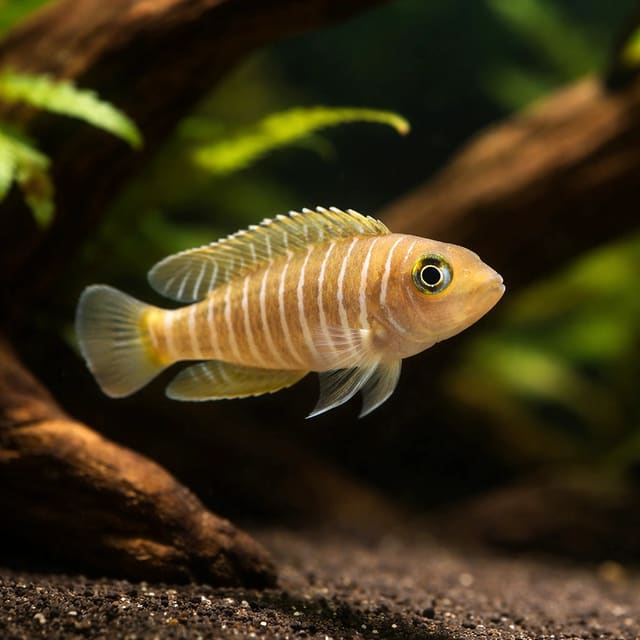
Multifasciatus Cichlid (Neolamprologus multifasciatus)
24–27°C · pH 7.5–9 · 40L
£12.03£13.99

Kavala Black Leleupi is a semi-aggressive Lake Tanganyika cichlid for mature rocky aquariums with hard alkaline water and carefully chosen companions.
Neolamprologus leleupi
Save when buying multiple fish. Each quantity is one fish; sex and pair formation are not guaranteed unless the selected variant explicitly states them.
Kavala Black Leleupi is a semi-aggressive Lake Tanganyika cichlid for mature rocky aquariums with hard alkaline water and carefully chosen companions.
Maintain these water conditions for optimal health and vibrant colors
Kavala Black Leleupi is a locality form of Neolamprologus leleupi, a Lake Tanganyika cichlid for keepers who enjoy structured rockwork, hard alkaline water and visible territorial behaviour. It is not a general community fish. Plan it as a specialist cichlid for a mature aquarium where caves, broken sight lines and stable water chemistry are built in from the start.
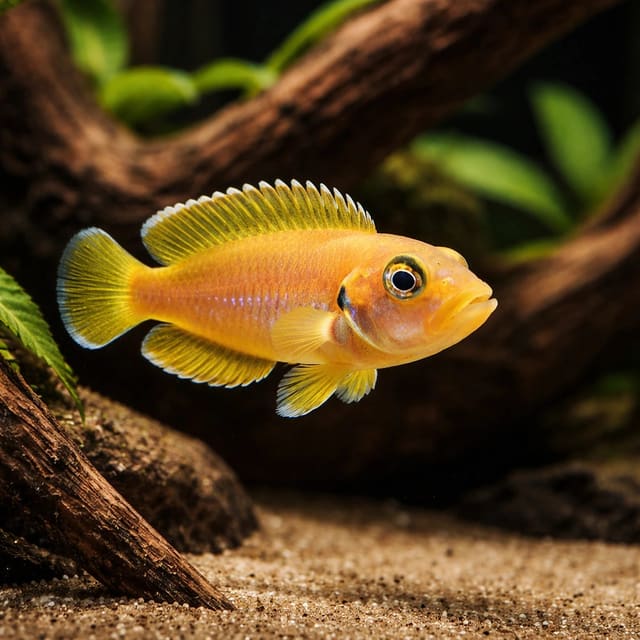
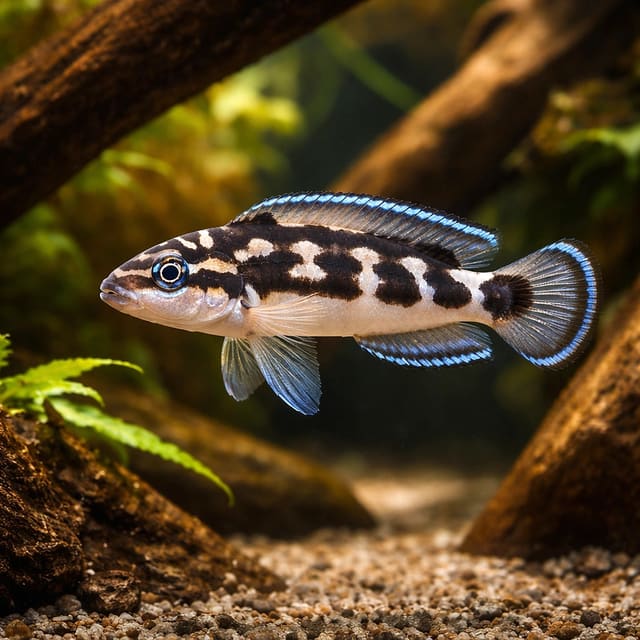
The Kavala Black form is valued for its contrast: pale body tones, darker vertical markings and yellow edging that can show well under calm lighting. Young fish may look more barred and subtle than fully coloured adults, so judge condition by clear eyes, intact fins, confident posture and feeding response rather than expecting instant display colour on arrival.
Use a sand base with stable rock piles, caves and gaps that allow the fish to choose a territory. Rockwork should sit securely on the base of the aquarium before sand is added, because Tanganyikan cichlids can dig around shelter. A long footprint is more useful than extra height, especially if you plan to keep more than one cichlid species.
Keep the water hard, alkaline and very stable. Strong biological filtration, good oxygen exchange and regular maintenance matter more than chasing a perfect single number. Avoid mixing this fish into soft-water community aquariums built for tetras, dwarf cichlids or shrimp; the water chemistry and behaviour do not match.
Kavala Black Leleupi is a carnivorous cichlid. Offer a good quality cichlid pellet as the staple and rotate frozen foods such as brine shrimp, mysis, krill and bloodworm. Feed small portions that are eaten quickly. Heavy feeding leaves waste between rocks and can spoil water quality in exactly the places this fish wants to defend.
Treat this as a semi-aggressive Tanganyikan cichlid. It can be kept with carefully selected companions in a spacious hard-water aquarium, but it should not be trusted with tiny fish, delicate long-finned species or ornamental shrimp. Suitable planning is about territory as much as water: give each fish a route away from pressure and several visual barriers.
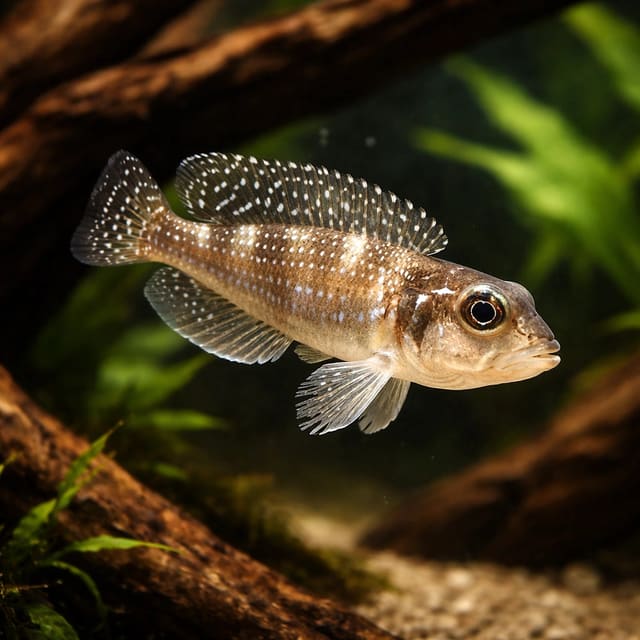
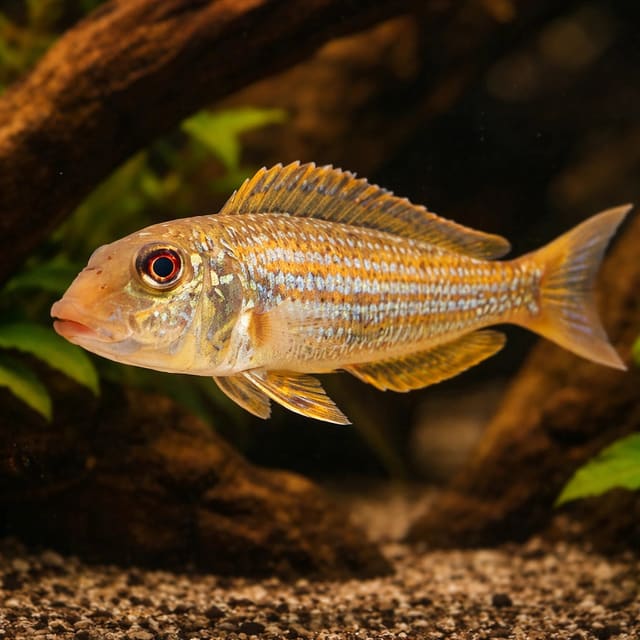
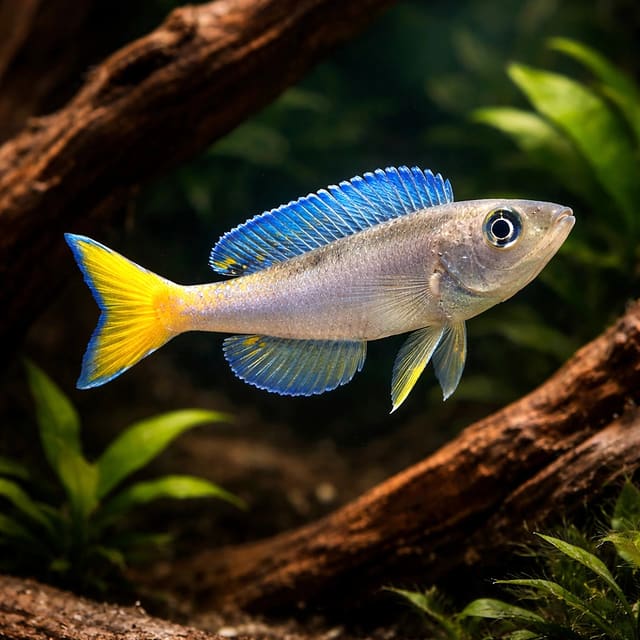
If you are comparing related Tanganyika choices, look at Gold Compressiceps, Multi Shell-Dweller, Masked Julie, Uvira Super Orange Leleupi and Lemon Cichlid Leleupi. Keep different lake or temperament groups separate unless you have planned the aquarium around their needs.
We pack live fish for safe UK transit with insulated packaging, seasonal heat management and a licensed live-animal courier. Your order is covered by our Live Arrival Guarantee when the acclimation and delivery guidance is followed.
No reviews for this item yet. Bought one? Honest reviews only, good or bad.
What customers say about ordering from us
I have a small group of long finned mountain minnows. So was delighted to be able to order ten of this variety to increase the genetics in my tank . The ones I recieved are healthy but it’s to early to give a verdict on wether they are of a long finned type since they are small currently.
Gordon Walker · 23 Sept 2026
100% success travel and "installation". Pleased with quality of purchase. The Siamese fighter a bit "shy" so have not yet seen him at his best yet but looking good. Happy customer. GG
George E Garratt · 21 Sept 2026
Reviews of our shop, collected by Judge.me, an independent third-party review collector. Newest first.
24–27°C · pH 7.5–9 · 40L
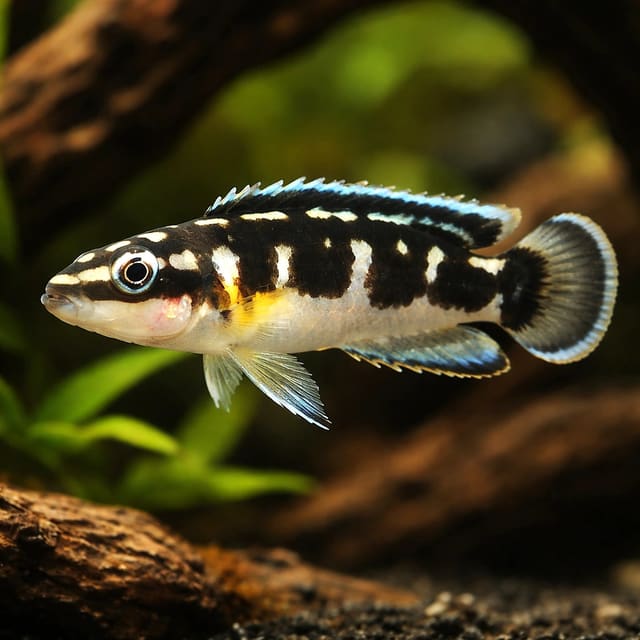

24–26°C · pH 8–8 · 70L
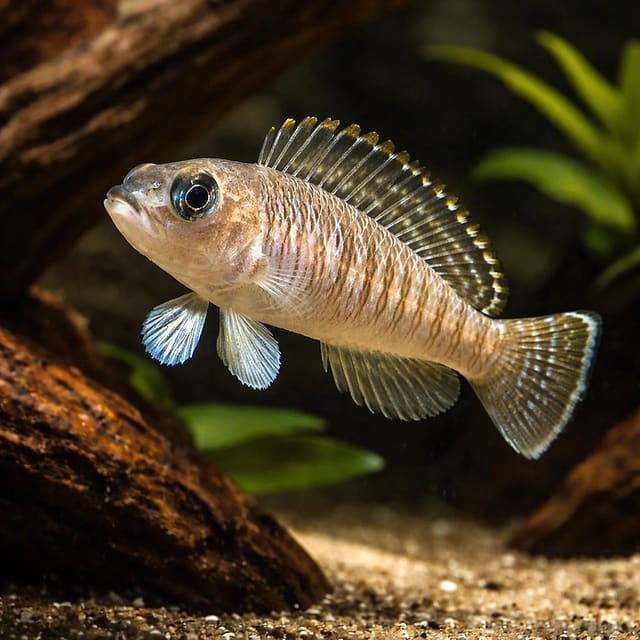
24–27°C · pH 7.8–9 · 54L

23–25°C · pH 7.5–8.5

24–26°C · pH 8–8.5
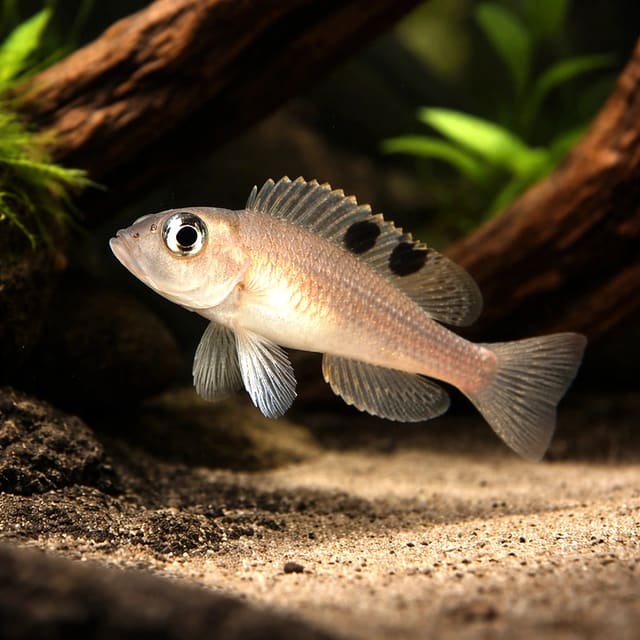
24–26°C · pH 7.5–8.5 · 60L

23–27°C · pH 8–8.6
23–25°C · pH 8–9
24–27°C · pH 8–8.6

23–27°C · pH 8–8.6
24–26°C · pH 8–8.6
24–27°C · pH 7.8–9 · 243L
24–27°C · pH 7.8–9 · 60L
23–25°C · pH 8–8.6 · 110L
23–25°C · pH 8–9 · 150L

22–28°C · pH 7–8 · 41L

21–25°C · pH 5–7
24–29°C

24–27°C · pH 6.5–6.5

22–27°C · pH 6–8 · 72L

23–27°C · pH 5.5–7 · 60L

22–27°C · pH 6–8

22–26°C · pH 6–7.8 · 75L