
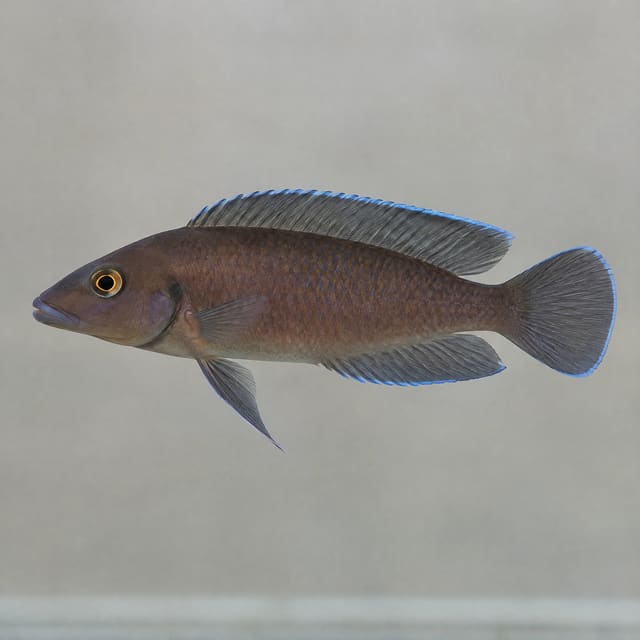
Moderate
Kavala Black Leleupi (Neolamprologus leleupi)
24–27°C · pH 7.8–9 · 150L
£17.99
20 products
Shell dwellers, Lemon cichlids and other rocky-habitat fish need different territory plans. Compare the named Neolamprologus and its adult requirements.
20 products
24–27°C · pH 7.8–9 · 150L
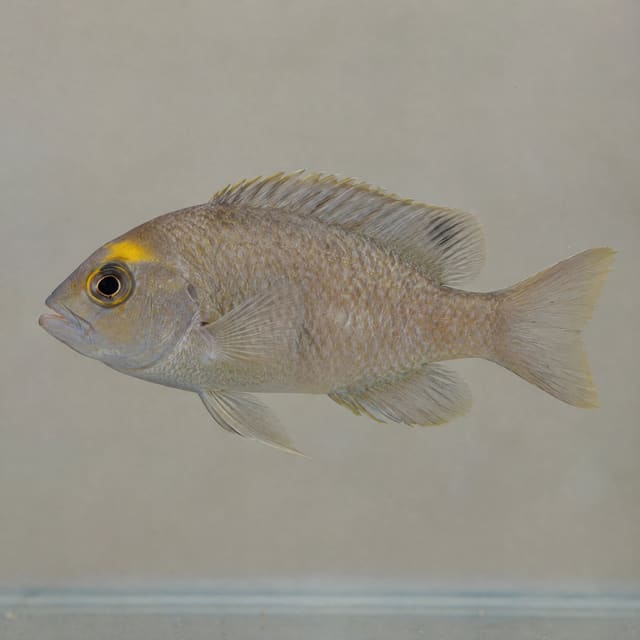
24–26°C · pH 7.5–8.5 · 60L
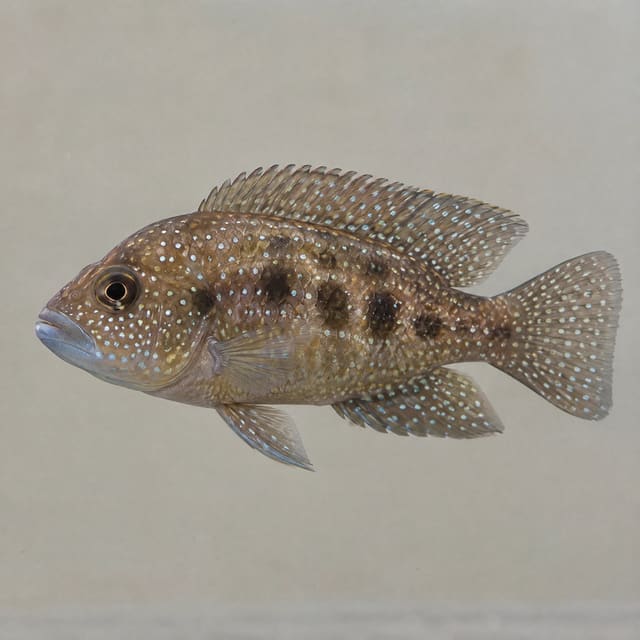
24–27°C · pH 8–8.6
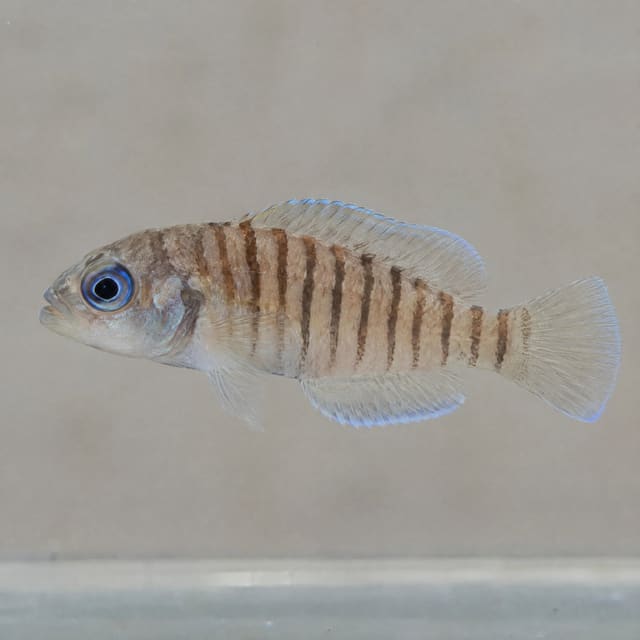
24–27°C · pH 7.5–9 · 40L
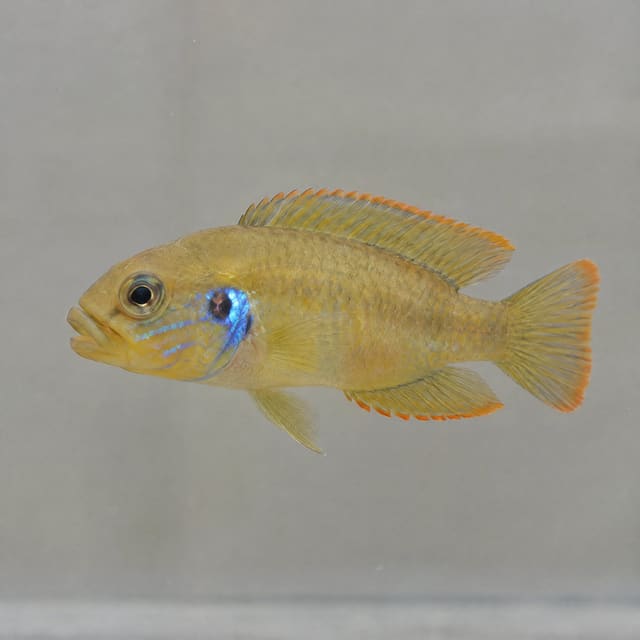
23–25°C · pH 8–9
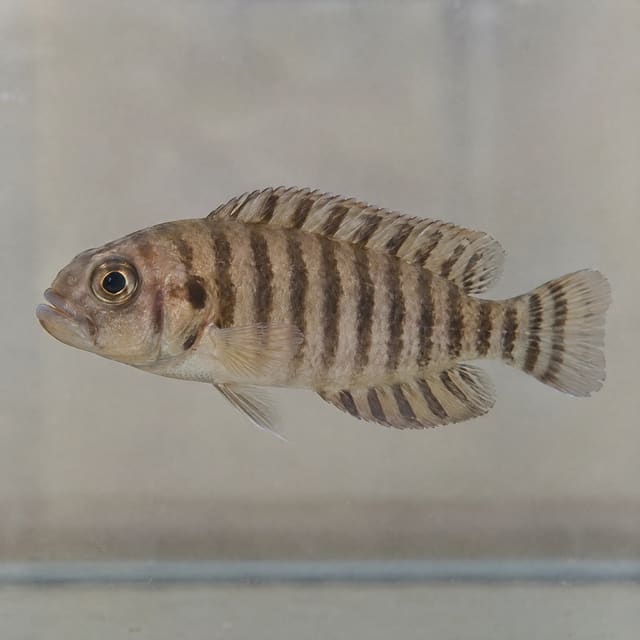
23–27°C · pH 7.5–9 · 40L
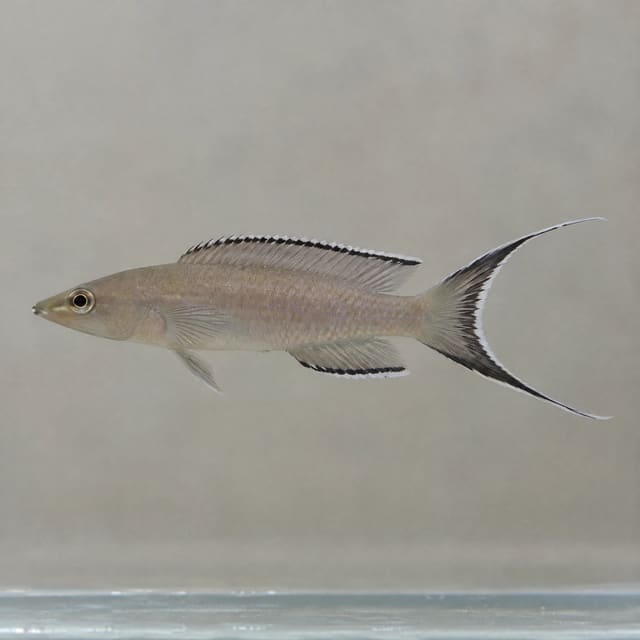
23–27°C · pH 8–8.6
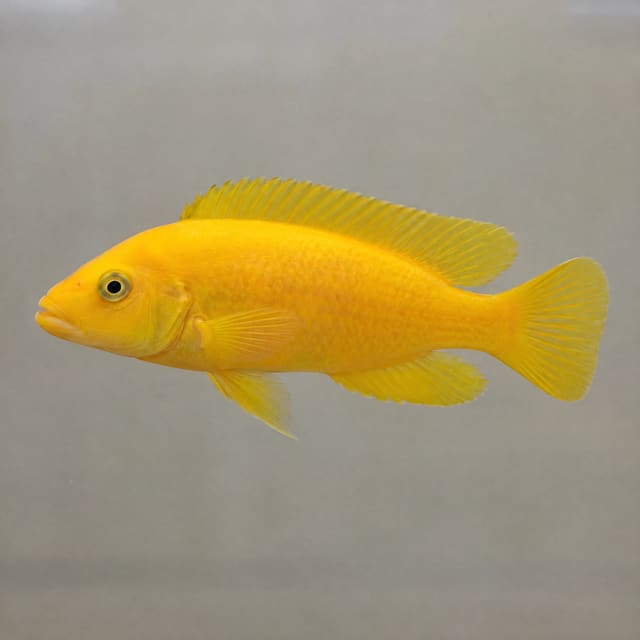
24–26°C · pH 8 · 70L
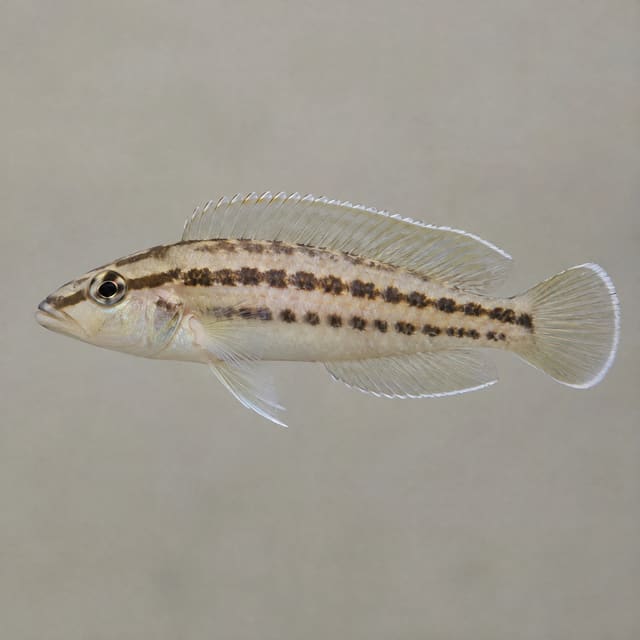
24–28°C · pH 7.5–9 · 103L
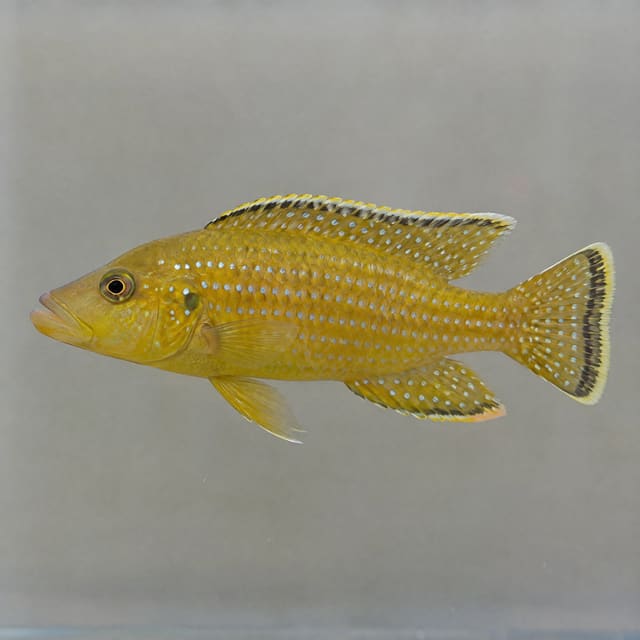
23–25°C · pH 7.5–8
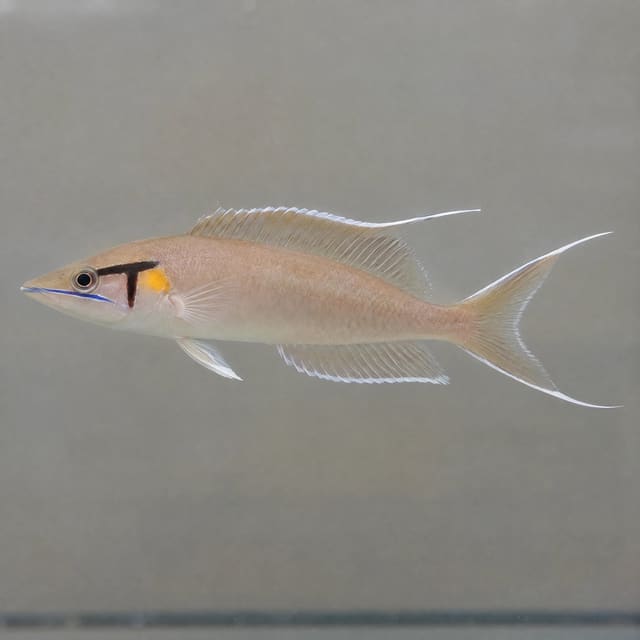
23–27°C · pH 8–9 · 108L
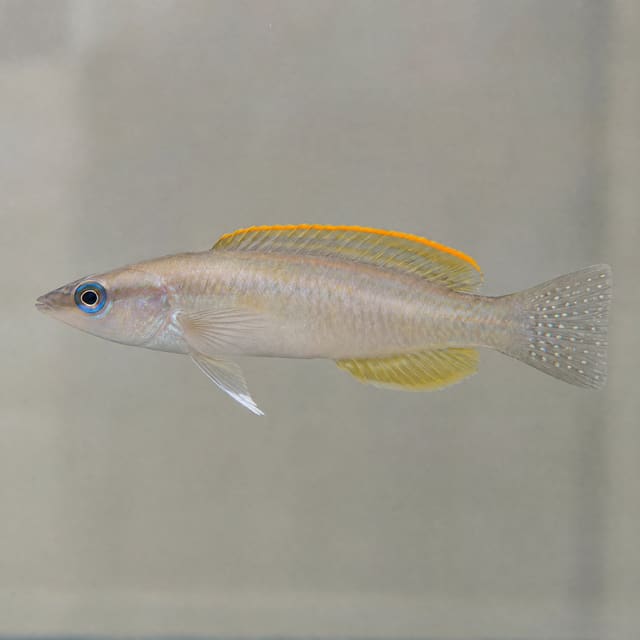
23–25°C · pH 7.5–8.5
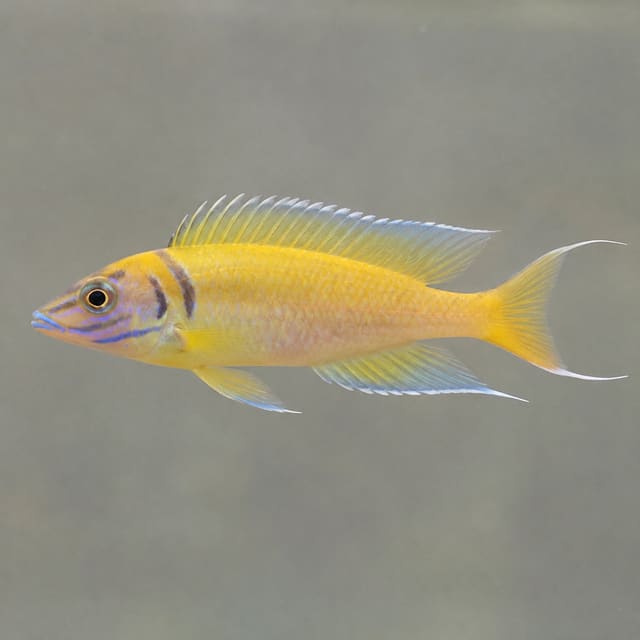
24–26°C · pH 8–8.5
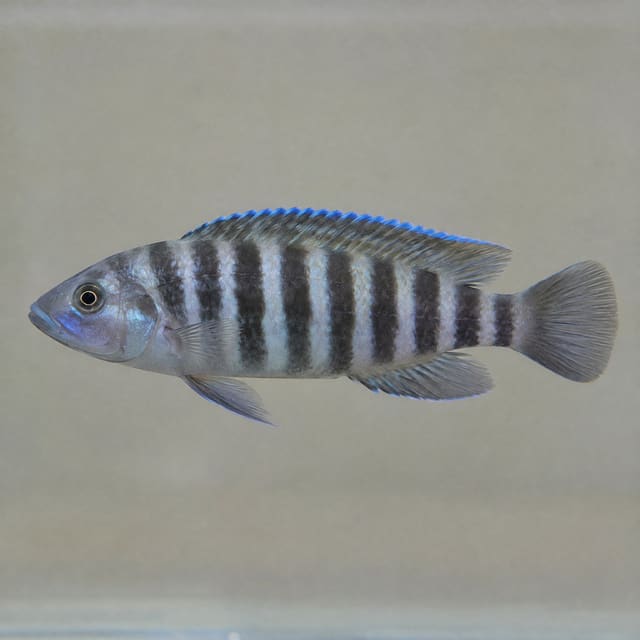
23–27°C · pH 8–8.6
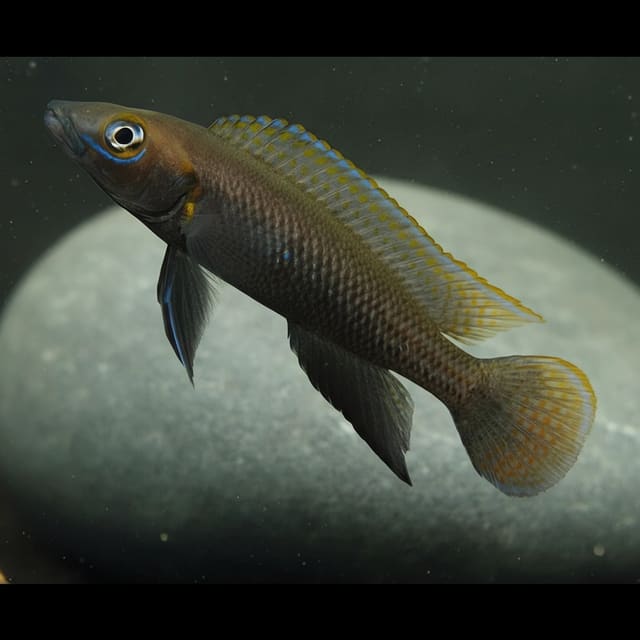
24–27°C · pH 7.8–9 · 100L
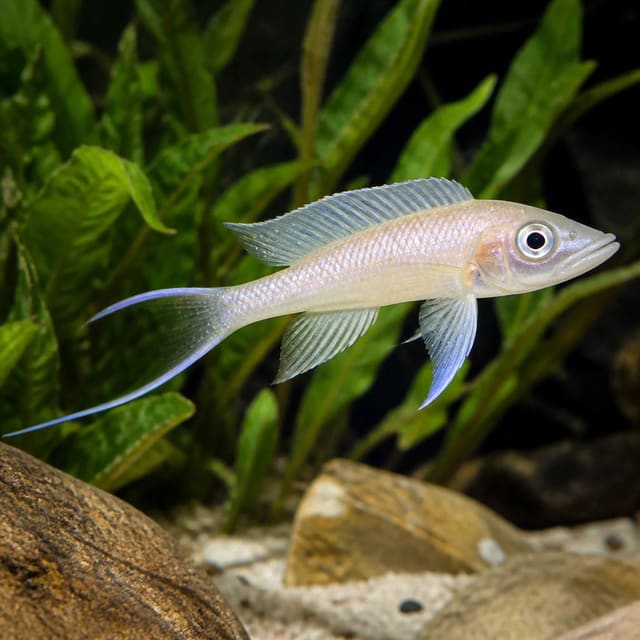
24–27°C · pH 8–9

24–28°C · pH 7.5–9

24–26°C · pH 8–8.5

24–28°C · pH 8.5–9
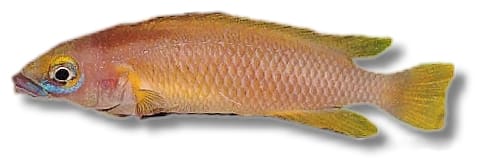
23–27°C · pH 7.5–9 · 100L
Multifasciatus, Signatus and Ocellatus choices sit alongside Leleupi, Cylindricus and larger species in this range. Follow the selected fish’s shelter, feeding and social requirements. Small adult size does not make territorial behaviour disappear, and sharing Tanganyika water conditions does not guarantee compatible neighbours.
Compare the wider Lamprologus rangeA settled aquarium can change when fish mature or begin breeding. Provide cover and escape routes, observe chasing and feeding, and have a practical separation plan. Keep named forms and locality labels clear when selecting fish; colour and size alone do not establish sex, lineage or a bonded pair.
Discuss species and companions