
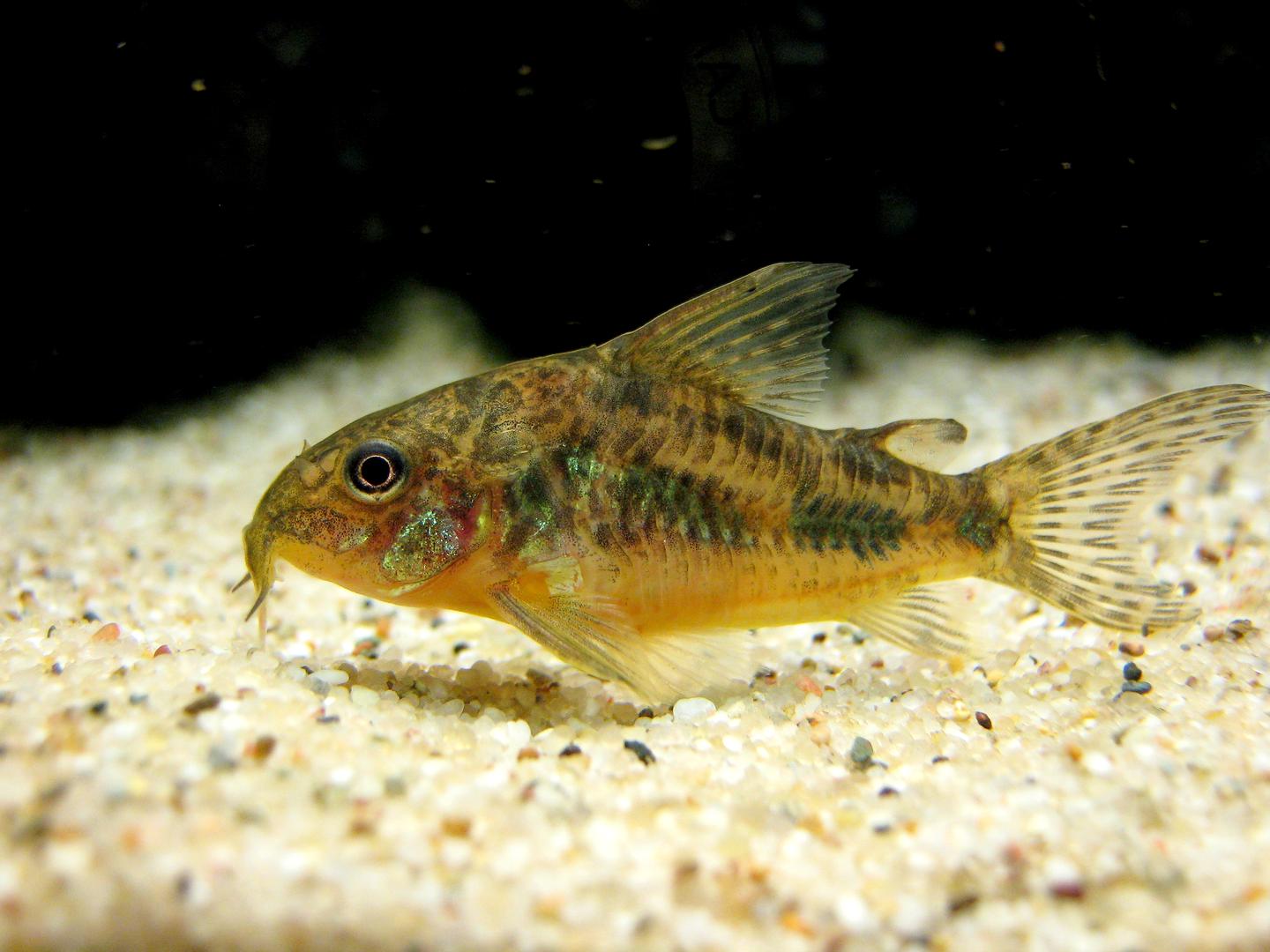
Corydoras Care Guide: Choose the Right Cory Catfish

A 2024 phylogenomic revision moved familiar aquarium corys across seven genera, so the name on an old care sheet may no longer identify one set of needs.
Peer-reviewed Corydoradinae revisionSix fish and about 60 L with a 60 x 30 cm footprint are our starting policy for many common medium species, not universal biological minima. Identify the fish first, then use the species comparison below for adult size and water decisions.
Live stock
Corydoras for sale — see live stock & today’s prices
Corydoras care starts with an identification decision: which cory catfish is it? The familiar shop name now spans multiple genera and more than 200 described species, so one universal temperature, adult size or tank minimum would be misleading[1].
Tropical Fish Co sells live fish, so our commercial interest is explicit. Use the live corydoras shop page for current scientific name, sale unit, price and availability. The shop owns changing stock information; this evidence page has no hardcoded product card, SKU, price or availability promise.
- Confirm the accepted scientific name before choosing water or tank mates.
- For many common medium species, our starting policy is six compatible conspecifics in a mature aquarium around 60 x 30 cm and about 60 litres.
- Use smooth fine sand as the conservative default, leave open foraging space and provide mature filtration with oxygenation.
- Match measured water to the exact species and retailer's current holding water; there is no single UK tap-water type or universal cory temperature.
Which cory catfish fits your aquarium?
Begin with a current scientific name, not colour alone. Old labels remain useful search language, but a familiar “Corydoras” name may now belong to Osteogaster, Hoplisoma, Gastrodermus, Brochis or another genus. Adult size is also reported as standard length (SL) in the table: from the snout to the base of the tail fin, not the tail tip.
| Familiar UK name | Accepted name used here | Published maximum SL | Compiled temperature | What the number means |
|---|---|---|---|---|
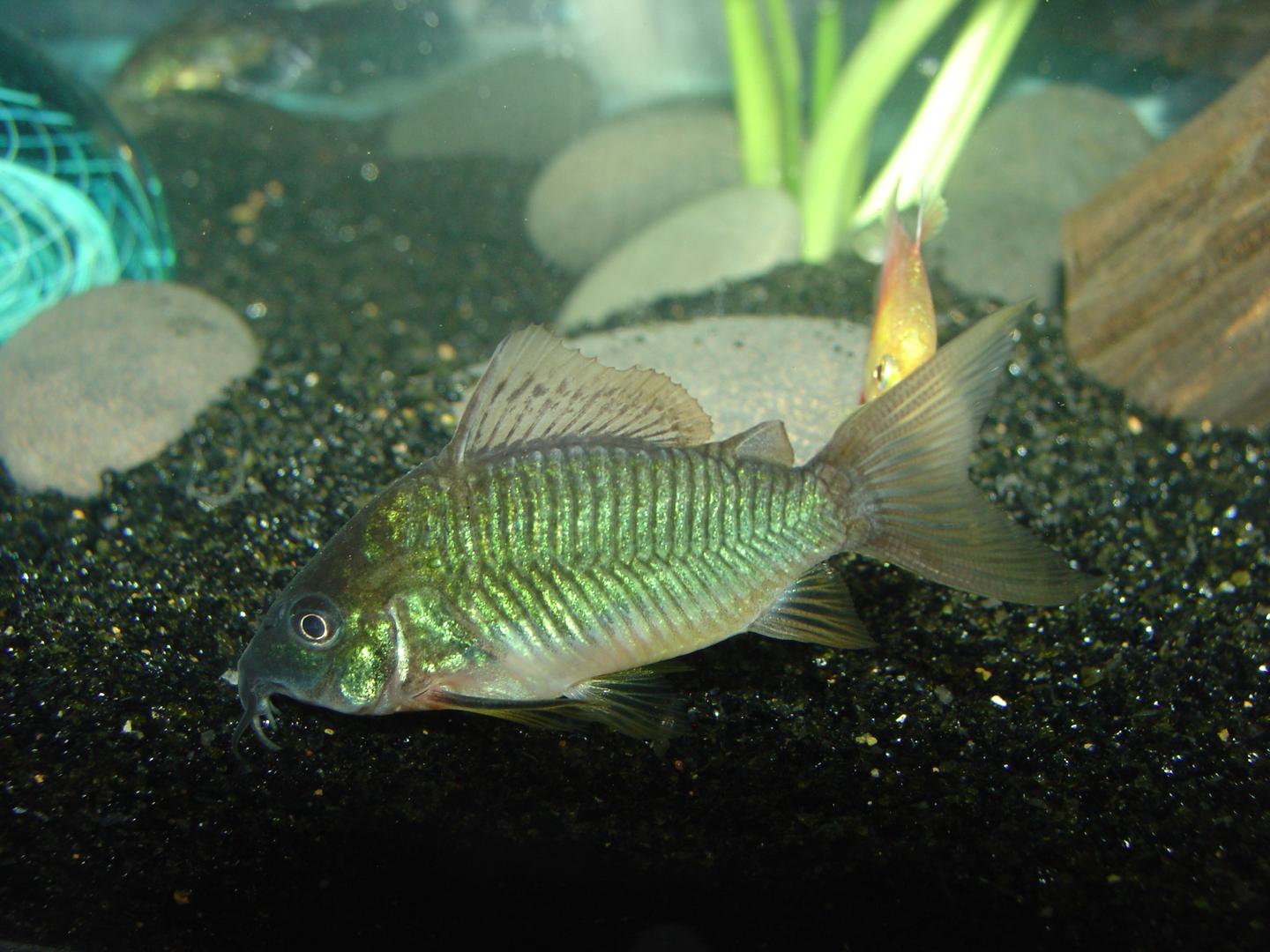
| Bronze cory | Osteogaster aenea | 7.5 cm | 25-28 °C | FishBase reference values; not tested tolerance limits[5] |
| Peppered cory | Hoplisoma paleatum | 6.6 cm; female record 7.1 cm | 18-23 °C | A materially cooler example; do not reuse bronze-cory settings[6] |
| Panda cory | Hoplisoma panda | 3.8 cm | 20-25 °C | Small body does not remove social, footprint or mature-water needs[7] |
| Sterbai cory | Hoplisoma sterbai | 6.8 cm | 21-25 °C | The reviewed record does not support a universal 28 °C promise[8] |
| Pygmy cory | Gastrodermus pygmaeus | 2.1 cm | Confirm exact source | The reviewed FishBase entry supports size, not a temperature promise[9] |
| Three-line cory | Hoplisoma trilineatum | 6.1 cm | 22-26 °C | Use the accepted species name rather than relying on a sales label[10] |
| Bearded cory | Scleromystax barbatus | 9.8 cm | Exact assessment required | This record alone disproves a universal 7 cm maximum[11] |
These are compiled reference records, not experimentally established optimum ranges. They do not cover every Corydoradinae species, population or commercial line. Before buying, ask for the scientific name, current size, expected adult size, sale unit, source and measured holding temperature, pH, GH and KH. If the seller cannot establish identity, do not fill the uncertainty with a generic care sheet.
Why “Corydoras” now covers seven genera
Cory catfish belong to the armoured-catfish subfamily Corydoradinae within Callichthyidae. A 2024 phylogenomic revision recognised seven genera: Corydoras, Aspidoras, Scleromystax, Gastrodermus, Osteogaster, Brochis and Hoplisoma[1]. A 2025 correction addressed nomenclatural endings, including Hoplisoma paleatum rather than “paleatus”[2].
Taxonomy remains active research. A later proposal introduced Urkumayu, while a subsequent reassessment treated that name as a junior synonym of Hoplisoma pending stronger evidence[4]. Eschmeyer's current genus catalogue continues to list Hoplisoma[3]. We therefore use current accepted combinations while retaining familiar former names only where they help shoppers recognise a fish.
This matters beyond labels. The umbrella includes tiny, medium and comparatively large fish from different South American drainages. “South American bottom dweller” cannot establish a temperature, chemistry, adult size, lifespan or breeding method. Exact identification is the first husbandry control.
How many corydoras should live together?
Sociality is not just hobby folklore. Research in bronze cory catfish records coordinated social foraging and shoaling, and later work supports strong social motivation[13][14]. Those studies do not discover a universal biological threshold of exactly six for every species.
For the commonly sold social species covered here, Tropical Fish Co uses at least six compatible conspecifics as a conservative starting policy. “Conspecific” means the same species. Six is not permission to overcrowd an aquarium, and a larger group is beneficial only where footprint, mature filtration, oxygenation and feeding access support it.
Use this sequence:
- Confirm the exact species and adult size.
- Reserve the footprint and biological capacity for its full group before companions.
- Add compatible group members together after quarantine where practical, rather than maintaining one or two fish through repeated additions.
- Watch whether every fish can forage, rest and feed without persistent displacement.
- Increase group size only when water quality and usable floor area remain appropriate.
Do not build a “mixed cory school” from one specimen of several species to reach six. Interspecific associations can occur, but they do not prove that a token mixture meets each species' social needs. No stocking calculator can observe social behaviour, usable floor area or filter maturity, so the decision must remain keeper- and species-specific.
Tank footprint, substrate and layout
Our starting policy for many common medium corys is a mature aquarium around 60 x 30 cm and about 60 litres for six fish, before assessing companions. This is a house screen, not a universal biological minimum. Dwarf species still need social space and stable water; large-bodied or unusually active taxa require an individual footprint assessment.
Prioritise usable floor area over height. Provide open substrate for group foraging, shaded or planted cover, smooth shelters without trapping points, and enough access to inspect every fish. Keep filter intakes safe and arrange decor so waste can be removed. Laboratory husbandry guidance supports horizontal space, mature filtration, social housing, sinking food and fine sand for natural foraging while also stressing variation among species[12].
Smooth fine sand is our conservative default. It lets fish take substrate into the mouth and expel it during normal foraging. Smooth fine gravel can be considered where particle shape, cleanliness and food access are suitable. We did not find a direct controlled study proving that sand by itself prevents barbel damage, so do not diagnose every shortened barbel as a substrate injury. Also test water, review hygiene and seek qualified help for redness, erosion or infection.
| Build decision | Safer starting point | Reconsider |
|---|---|---|
| Footprint | Around 60 x 30 cm for many medium species under our policy | Tall narrow tank selected from litres alone |
| Substrate | Smooth fine sand, kept clean | Sharp, coarse or contaminated material |
| Layout | Open forage area plus cover and inspection access | Floor completely blocked by hardscape |
| Filtration | Mature biological filter with protected intake and surface movement | New or recently sterilised media |
| Flow | Oxygenated water without one concentrated jet dominating the floor | Stagnant zones or fish forced to brace constantly |
Water, cycling and temperature decisions
There is no universal “corydoras water.” The comparison above alone spans 18-28 °C. A stable but unsuitable temperature or chemistry remains unsuitable. Match the confirmed species to measured retailer and aquarium water, then make any necessary change gradually.
There is also no single UK tap-water profile. The Drinking Water Inspectorate explains that hardness varies with geology and supply, and local suppliers publish regulated results[21][22]. Test the water actually used in the aquarium: temperature, ammonia, nitrite, nitrate, pH, GH and KH. A report or postcode estimate is context, not a substitute for the tank reading.
Cycle by demonstrated biological function, not “four weeks.” RSPCA guidance calls for mature filtration and routine testing, while UK statutory fish guidance requires water parameters appropriate to the species and control of ammonia and nitrite[18][20]. Before stocking, the system should repeatedly show no detectable ammonia or nitrite under an appropriate test, with nitrate and maintenance managed for the aquarium.
Use a reliable thermostatic heater when room conditions cannot hold the exact species' range. Verify with an independent thermometer and plan for summer heat as well as winter cold. Temperature affects oxygen demand; surface movement and stocking load matter more as water warms.
Feeding cory catfish: why they are not cleaners
Cory catfish are foragers, not tank-cleaning equipment. They do not remove fish waste, control ammonia or replace substrate maintenance. Other fishes' leftovers are not a feeding plan.
Use a reputable, suitably sized complete sinking aquarium food as the staple and place it where the whole group can feed. Flakes are not automatically useless if they sink and the food is complete, but surface food eaten by faster fish does not feed corys. Safe frozen or cultured foods can add compatible variety; avoid wild-collected foods from unknown water.
A useful feeding observation is to:
- distribute food across more than one point where dominant fish cannot guard it all;
- confirm the smallest and least assertive fish swallow food;
- remove recurring leftovers before they degrade water quality;
- review body condition rather than enforcing one universal weekly menu; and
- reassess after adding faster midwater or bottom-feeding companions.
Reduced feeding, weight loss, redness, damaged barbels, unusual posture or persistent isolation requires a water and health review. Do not respond by simply adding more food. Mature filtration does not make chronic overfeeding harmless.
Tank mates, bettas and shrimp
“Peaceful” describes a tendency, not a compatibility guarantee. Screen every combination for exact temperature and chemistry, adult body and mouth size, territory, social-group requirements, usable floor area, food competition and individual behaviour.
Potentially compatible communities can include calm small fish using other parts of the aquarium, but every species needs its own check. Kuhli loaches and otocinclus are not interchangeable “bottom cleaners”; they add their own group, diet, habitat and capacity requirements. A mixed-origin community can be responsible when real needs overlap, but it should not be described as a South American biotope when it includes Asian fish.
A betta pairing can work in some larger, carefully structured aquariums, but individual bettas vary. Compare the exact cory's temperature and group footprint with the betta's surface territory, provide visual breaks and separate feeding access, and keep a mature backup aquarium. Separate fish if stalking, repeated chasing, fin damage, persistent hiding or missed feeding occurs.
No fish is completely shrimp-safe. Adult shrimp may coexist while small shrimp or shrimplets may be eaten opportunistically. Compare temperature and mineral needs, and do not treat dense planting as a survival guarantee.
Surface breathing, warning signs and treatment boundaries
Studied cory catfish can take atmospheric air and use the posterior intestine as an accessory respiratory organ[16]. Bronze corys have been observed surfacing in normoxic water, with frequency increasing under severe hypoxia[15]. An occasional trip can therefore be part of normal biology; a clear change in frequency is still a reason to check oxygenation, temperature, water quality, gill condition and stress.
Do not use an eye movement, “playing dead” story or tap on the glass as a health test. Persistent loss of balance, lateral recumbency, gasping, clamped fins, redness, wounds, barbel erosion, spots, swelling, weight loss or appetite change are warning signs—not diagnoses[19].
Test ammonia, nitrite, nitrate, pH and temperature first. Check filter flow, surface movement, recent maintenance, new animals, feeding and aggression. This guide deliberately gives no generic salt, copper, heat, methylene-blue or half-dose instruction. Medicine suitability depends on exact species, diagnosis, product, concentration and water; check the current authorised label in the VMD database and seek a fish-experienced veterinary professional[23][24].
“A few drops” is not a dose. Never mix products or reduce a label dose merely because a fish is called a cory. Isolate where appropriate, preserve water quality and use qualified, product-specific advice.
Breeding without a universal recipe
Corydoradinae breeding is biologically interesting but too diverse for one guaranteed recipe. Courtship, egg placement, clutch size, water conditions and developmental timing vary by species and setup. Generic claims such as “change exactly 50-70% with colder water,” “use two males per female,” or “all fry hatch after one fixed number of days” should not be applied to the whole group.
At guide level, the defensible description is simple: many familiar species are egg layers; adults may attach adhesive eggs to glass, plants or other surfaces; eggs and fry may need protection; and a breeding attempt requires a separate mature plan for water, oxygen, first foods, hygiene and permanent homes. Exact protocols belong on an independently sourced species page.
Do not use abrupt temperature or chemistry changes simply to trigger spawning. Do not add an unspecified amount of methylene blue. If eggs fail, identify the exact species, measure the system and consult a species-specific primary or veterinary source before changing multiple variables.
The reviewed authoritative sources also do not establish one reliable normal captive lifespan across Corydoradinae. Plan for a long commitment, but do not turn repeated five-, ten- or fifteen-year anecdotes into a guarantee.
Quarantine, arrival and responsible buying
Quarantine new fish in a separate, mature system with dedicated nets, siphons and other wet equipment. Merck's aquarium-fish management guidance recommends at least 30 days, with longer observation where circumstances require[17]. Our policy restarts that period after the most recent addition or clinical sign. This is general veterinary biosecurity guidance, not an exact-species experiment.
Check the live corydoras shop page for current availability. Before ordering, confirm:
- the accepted scientific identity and any familiar former name;
- whether the sale unit is one fish or a group;
- current size and documented expected adult size;
- current holding temperature, pH, GH and KH;
- whether the planned aquarium can hold the complete social group; and
- the current delivery, guarantee and reporting instructions.
Prepare and test the aquarium before dispatch. Follow the instructions supplied with the order rather than substituting a generic internet acclimation timer. Document the unopened package and fish condition on arrival, observe balance and breathing, keep initial lighting subdued, and report serious concerns through the stated order channel.
Never release aquarium animals or plants into the wild, or allow aquarium water to reach ponds or natural watercourses. GOV.UK guidance for England and Wales explains legal controls on releasing non-native animals and certain plants[25]. If circumstances change, arrange permanent care or responsible rehoming through a reputable retailer, aquarium society or experienced keeper.
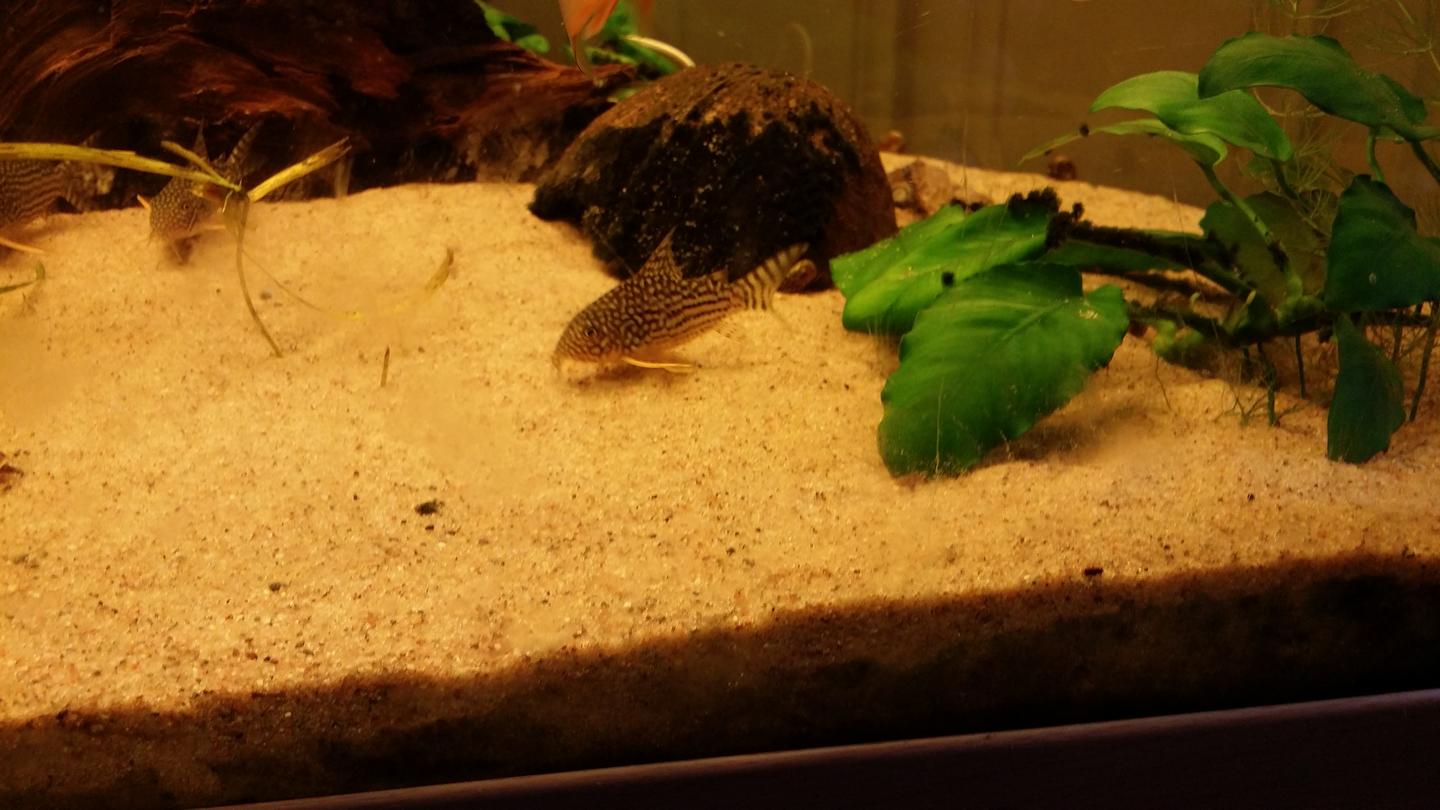
Two different members of the cory catfish group
Frequently asked questions
Shop Corydoras & related
From this care guide straight into our UK live-fish catalogue.
Catfish & Plecos
Corydoras, Bristlenose, L-number plecos, Synodontis and Otocinclus for clean-up and character — supplied and adult size on each listing so the tank fits.
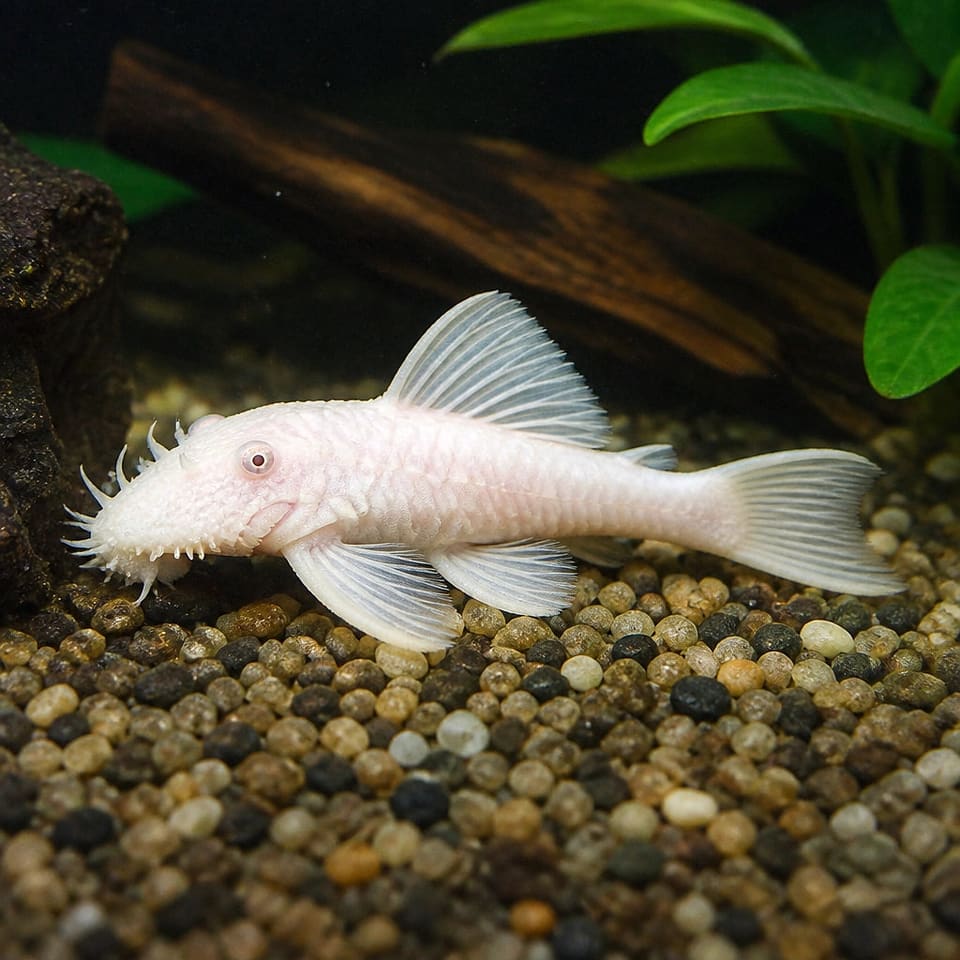
Bristlenose Pleco
Shop Bristlenose plecos in the UK, including common, albino, Super Red, Snow White, longfin and selected L-number Ancistrus. Live Arrival Guarantee.
Sources & further reading
Material factual claims cite the sources below; store policy and cautious inference are labelled in the article. Sources are grouped by type so you can judge their weight at a glance.
Peer-reviewed study (8)
- [1]Dias, A. C. et al. (2024). Phylogenomic analyses in the complex Neotropical subfamily Corydoradinae (Siluriformes: Callichthyidae) with a new classification based on morphological and molecular data. Zoological Journal of the Linnean Society. DOI: 10.1093/zoolinnean/zlae053. View source
- [2](2025). Correction to: Phylogenomic analyses in the complex Neotropical subfamily Corydoradinae (Siluriformes: Callichthyidae) with a new classification based on morphological and molecular data. Zoological Journal of the Linnean Society. DOI: 10.1093/zoolinnean/zlaf035. View source
- [4]Tencatt, L. F. C. et al. (2025). Another piece to the Hoplisoma paleatum puzzle, with a discussion on the monophyly of Hoplisoma. Neotropical Ichthyology. DOI: 10.1590/1982-0224-2025-0048. View source
- [12]Chiang, A. et al. (2024). Comprehensive Husbandry Protocol for Corydoras Catfish and Many Other Amazonian Species. Journal of the American Association for Laboratory Animal Science. DOI: 10.30802/AALAS-JAALAS-24-039. View source
- [15]Pineda, M. et al. (2020). Social dynamics obscure the effect of temperature on air breathing in Corydoras catfish. Journal of Experimental Biology. DOI: 10.1242/jeb.222133. View source
- [16]Satora, L. et al. (2018). The presence and expression of the HIF-1α in the respiratory intestine of the bronze Corydoras Corydoras aeneus (Callichthyidae Teleostei). Fish Physiology and Biochemistry. DOI: 10.1007/s10695-018-0520-2. View source
Scientific database (8)
- [3]Fricke, R., Eschmeyer, W. N. & Van der Laan, R. (eds.) (2026). Eschmeyer's Catalog of Fishes: genera in Callichthyidae. California Academy of Sciences. View source
- [5]
- [6]
- [7]
- [8]
- [9]
- [10]
- [11]
Veterinary reference (2)
- [17]
- [24]Royal College of Veterinary Surgeons. Find a veterinary practice. Royal College of Veterinary Surgeons. View source
Animal-welfare charity (2)
- [18]Royal Society for the Prevention of Cruelty to Animals. Choosing an aquarium for pet fish. RSPCA. View source
- [19]
Government / regulatory (5)
- [20]Department for Environment, Food & Rural Affairs. Selling animals as pets: statutory guidance for fish. GOV.UK. View source
- [21]Drinking Water Inspectorate. Water hardness and hard water. Drinking Water Inspectorate. View source
- [22]
- [23]Veterinary Medicines Directorate. Veterinary Medicines Product Information Database. Veterinary Medicines Directorate. View source
- [25]Department for Environment, Food & Rural Affairs. Guidance on section 14 of the Wildlife and Countryside Act. GOV.UK. View source
Spotted something that needs a fix?
Fishkeeping moves fast and we want every guide spot-on. If you think something here is wrong, out of date, or could be clearer, tell us — our team reads every message and updates the page.
Suggest an edit
Tropical Fish Co Editorial Team
Evidence-led aquarium editorial team
The Tropical Fish Co editorial team compiles care guidance from the sources cited on each page, separates published evidence from practical husbandry policy, and checks retail links against the current catalogue. First-hand experience is included only when a named contributor and the observation have been verified.
Keep exploring
Shop related
- Catfish & Plecos
Corydoras, Bristlenose, L-number plecos, Synodontis and Otocinclus for clean-up and character — supplied and adult size on each listing so the tank fits.
- Bristlenose Pleco
Shop Bristlenose plecos in the UK, including common, albino, Super Red, Snow White, longfin and selected L-number Ancistrus. Live Arrival Guarantee.
Care guides
- How to Set Up a Tropical Fish Tank: 10 Safe Steps
Set up a tropical fish tank in 10 evidence-led steps: choose the tank, install filter and heater, cycle safely, test the water and add fish carefully.
- Aquarium Water Parameters: What to Test and Why
Learn which freshwater aquarium water parameters to test, how to read ammonia, nitrite, nitrate, pH, GH and KH, and when a result needs action.
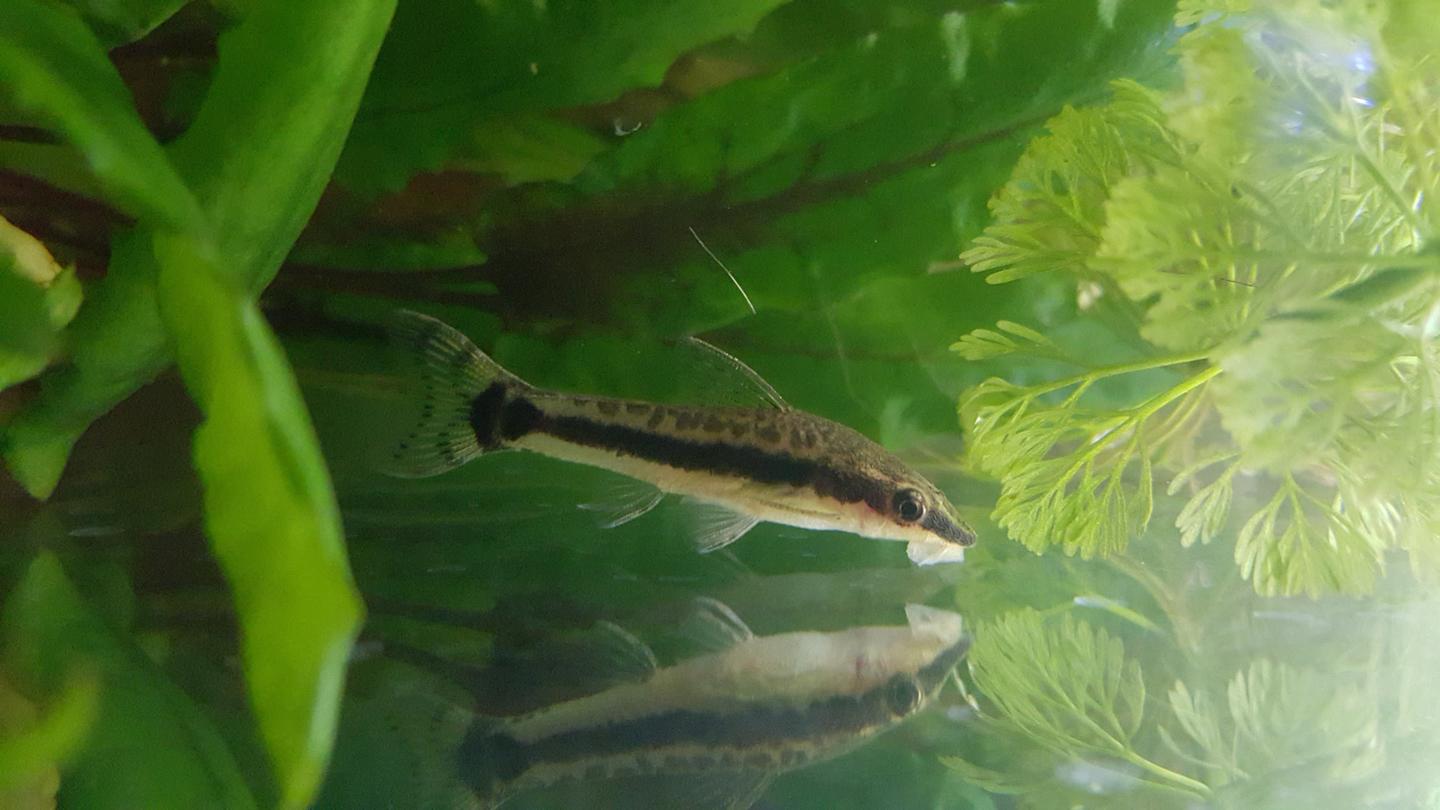
- Otocinclus Catfish Care: Tank Size, Food & Groups
Otocinclus catfish care for UK tanks: compare tank size, 22–25°C water, group planning, grazing foods, algae limits, tank mates and buying checks.
Related care guides
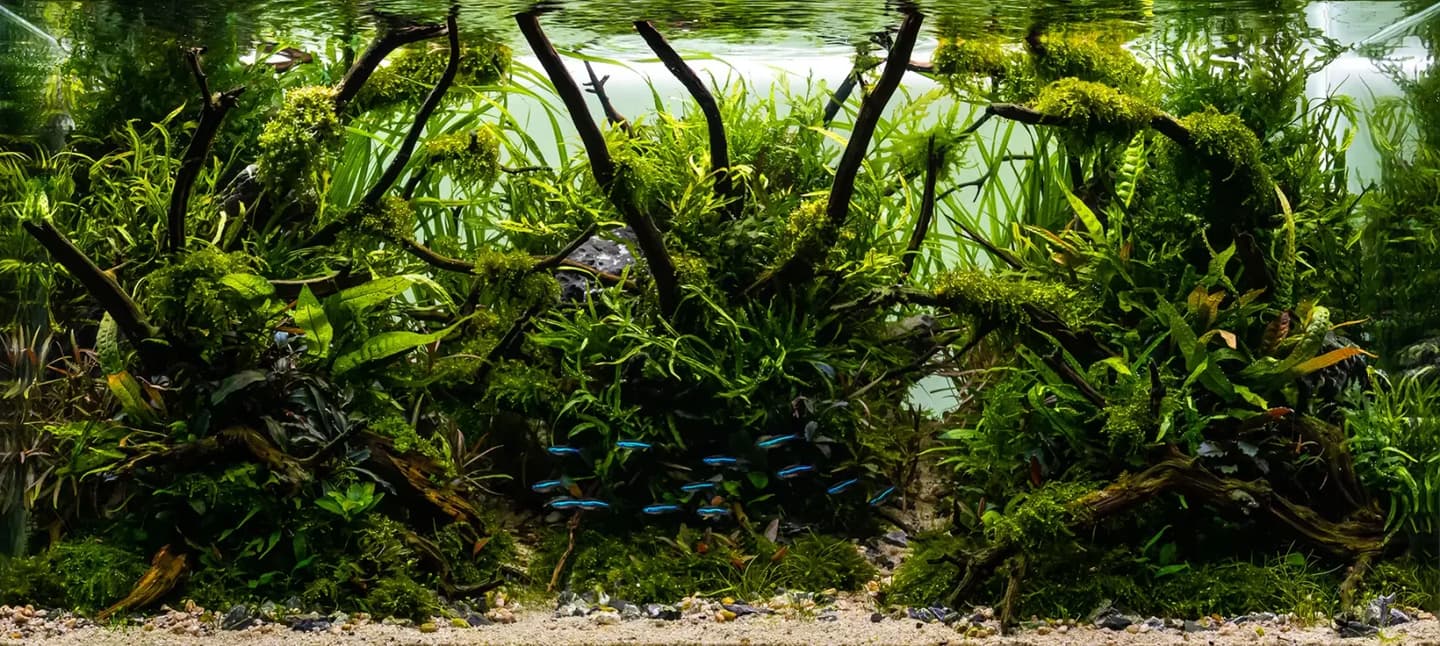
How to Set Up a Tropical Fish Tank: 10 Safe Steps
Choose the intended fish before the aquarium, place the tank on a suitable level support, install a filter and thermostatic heater, condition and test the water, then complete a fishless cycle. Add fish only after the chosen maturation process reaches its defined endpoint and repeated tests show zero ammonia and zero nitrite; elapsed days alone do not prove readiness.
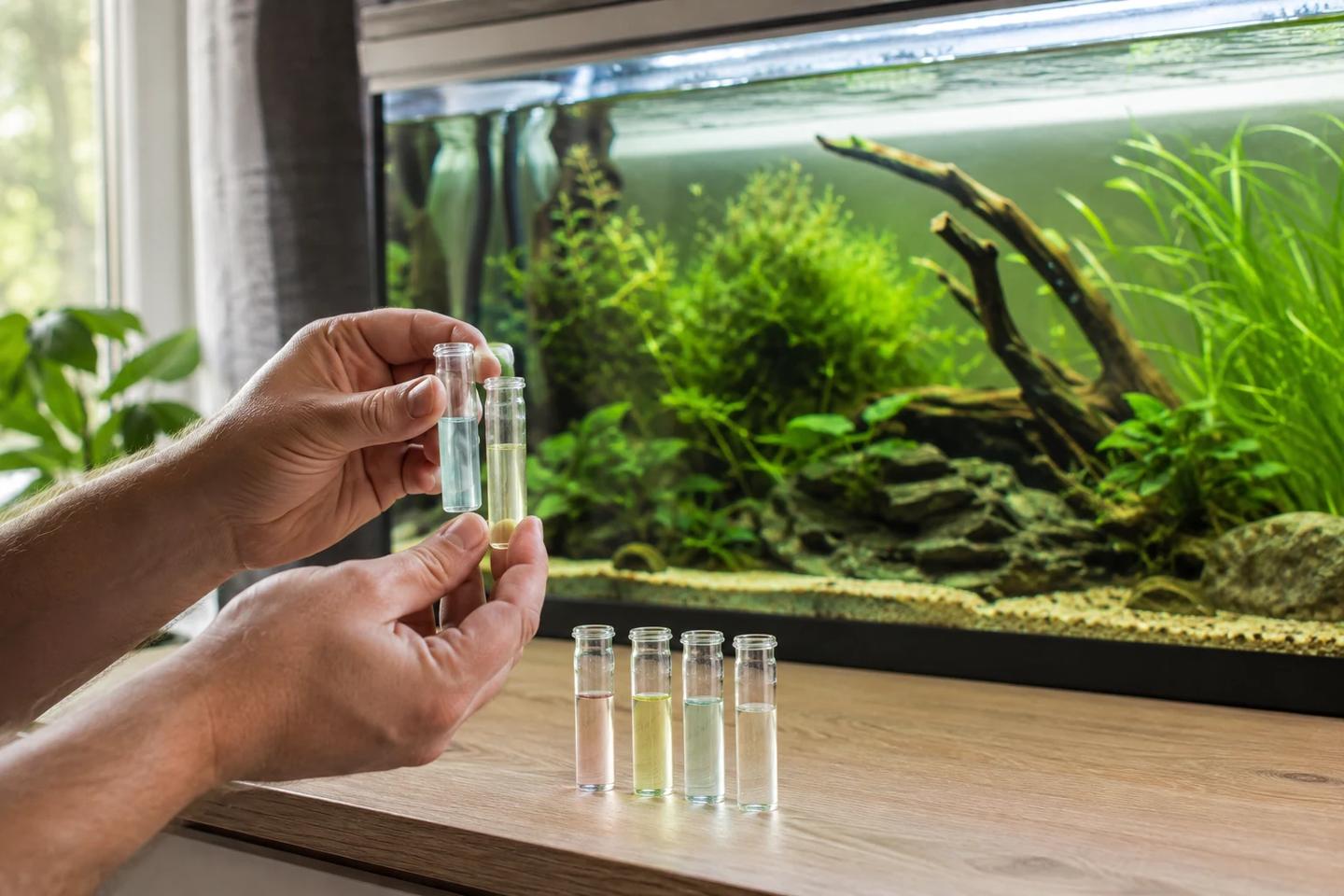
Aquarium Water Parameters: What to Test and Why
There is no universal set of perfect freshwater aquarium parameters. Identify the animals, learn what the test and unit actually report, establish your local source-water baseline, and compare repeat measurements. In an established aquarium, a confirmed ammonia or nitrite detection needs investigation; pH, GH, KH, temperature and nitrate decisions depend on the species, life stage and whole system.
Otocinclus Catfish Care: Tank Size, Food & Groups
Otocinclus are small South American loricariid catfish, not disposable algae cleaners. Confirm the supplied species where possible; start with a mature, stable aquarium with ample grazing surfaces; plan a compatible social group; and provide suitable food even when algae is visible.