
Kuhli Loach Care: Tank Size, Group & Safe Treatment

Kuhli loaches are peaceful, slender Pangio loaches that need an established, escape-resistant aquarium with cover and a social group. As a conservative UK planning floor, use at least five compatible individuals and an aquarium of at least 80 litres for the smallest loaches; adult identity, dimensions, water, companions and filtration can require more.
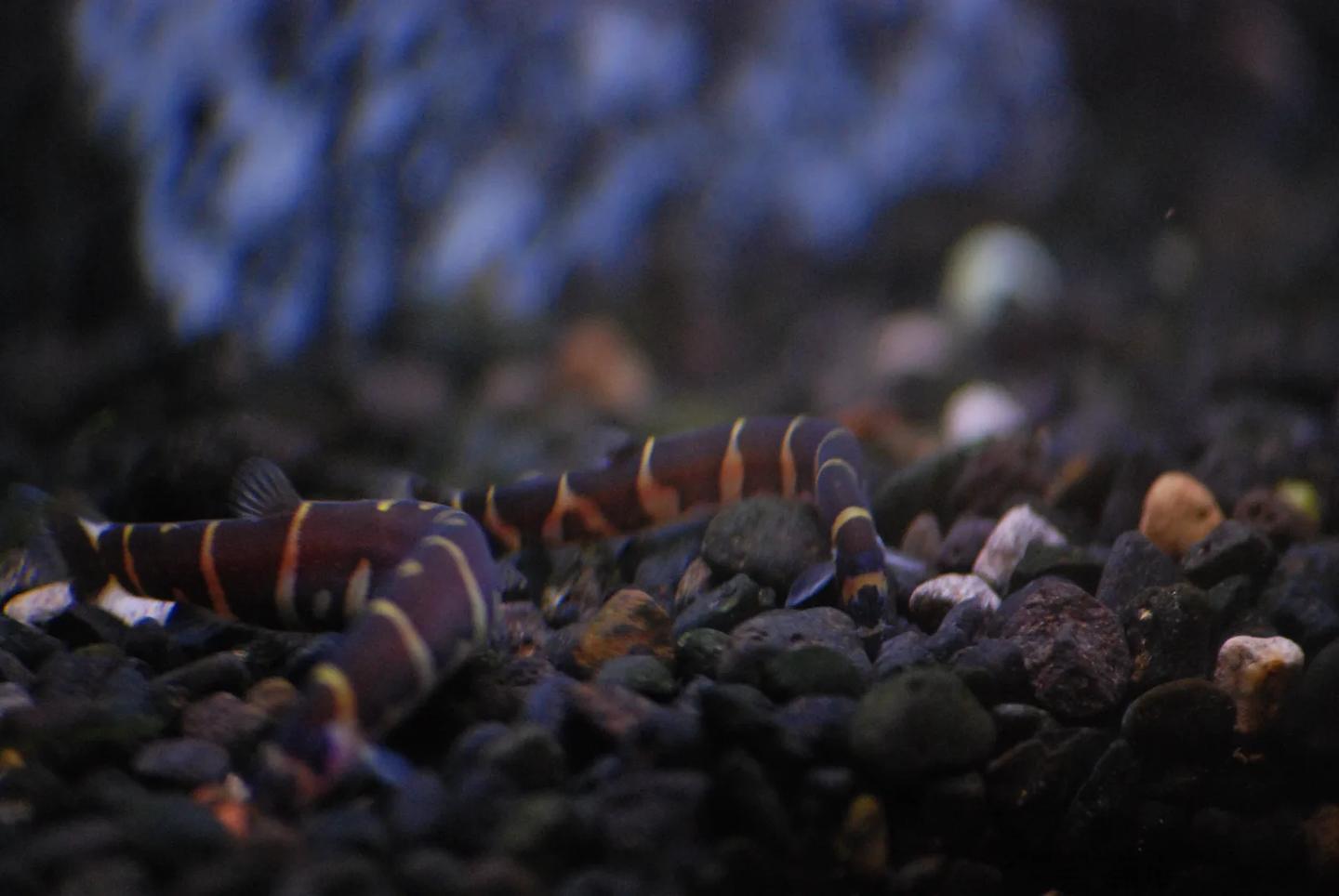
Species-level size and water values are for confirmed Pangio kuhlii. The 80-litre and five-fish values are conservative broad-loach planning floors; verify exact identity before purchase.
Quick facts
Species-level size and water values are for confirmed Pangio kuhlii. The 80-litre and five-fish values are conservative broad-loach planning floors; verify exact identity before purchase.
- Scientific name
- Pangio spp.; verify exact species
- Family
- Cobitidae
- Origin
- Southeast Asia; exact range depends on confirmed species
- Max size
- 12 cm
- Diet
- Varied sinking foods sized for the fish; verify every individual feeds
- Temperament
- Peaceful
- Group policy
- 5+
- Routine target
- 24–30 °C
- Husbandry pH
- 5.5–6.5
- Husbandry hardness
- 0–5 dGH
- Tank policy
- 80 litres
- Care level
- Intermediate
Live stock
Loaches & Oddballs for sale — see live stock & today’s prices
Plan for a group, not one hidden fish. For the smallest loaches, OATA's broad UK guidance gives a useful conservative floor: at least five compatible individuals and at least an 80-litre aquarium[4]. That is a starting point, not a stocking guarantee. Confirm what species is being sold, its adult size, the aquarium's usable floor area, water, filtration and every companion before buying.
The name is the first complication. “Kuhli loach” is used in the aquarium trade for several slender, banded or dark fish in the genus Pangio. This page therefore separates facts reported for confirmed Pangio kuhlii from broader husbandry guidance for loaches. A sales label or photograph alone cannot prove exact species.
- Group: start with at least five compatible, correctly identified fish.
- Aquarium: at least 80 litres for the smallest loach group; adult dimensions and community may require more.
- Water: match the confirmed species and the seller's maintained water; keep ammonia and nitrite at zero.
- Floor: smooth, clean substrate with shaded retreats and no sharp traps.
- Food: varied sinking foods that every individual can reach.
- Security: cover openings and make filter intakes safe for slender fish.
- Treatment: diagnose first; never invent a reduced dose or use heat, salt or copper as a universal rule.
What does “kuhli loach” identify?
Pangio kuhlii is an accepted member of the loach family Cobitidae. Kottelat's taxonomic inventory records its type locality at Krawang in Java, but it also lists many other Pangio species[2]. Eschmeyer's Catalog of Fishes provides a current nomenclatural cross-check[3].
That matters in a shop. Similar-looking Pangio can arrive under one common name, and an individual pattern may not be enough for a confident identification. Ask for the supplier's scientific identification and source record. When that evidence is missing, label the fish as Pangio sp. rather than turning uncertainty into a precise range, adult size or care promise.
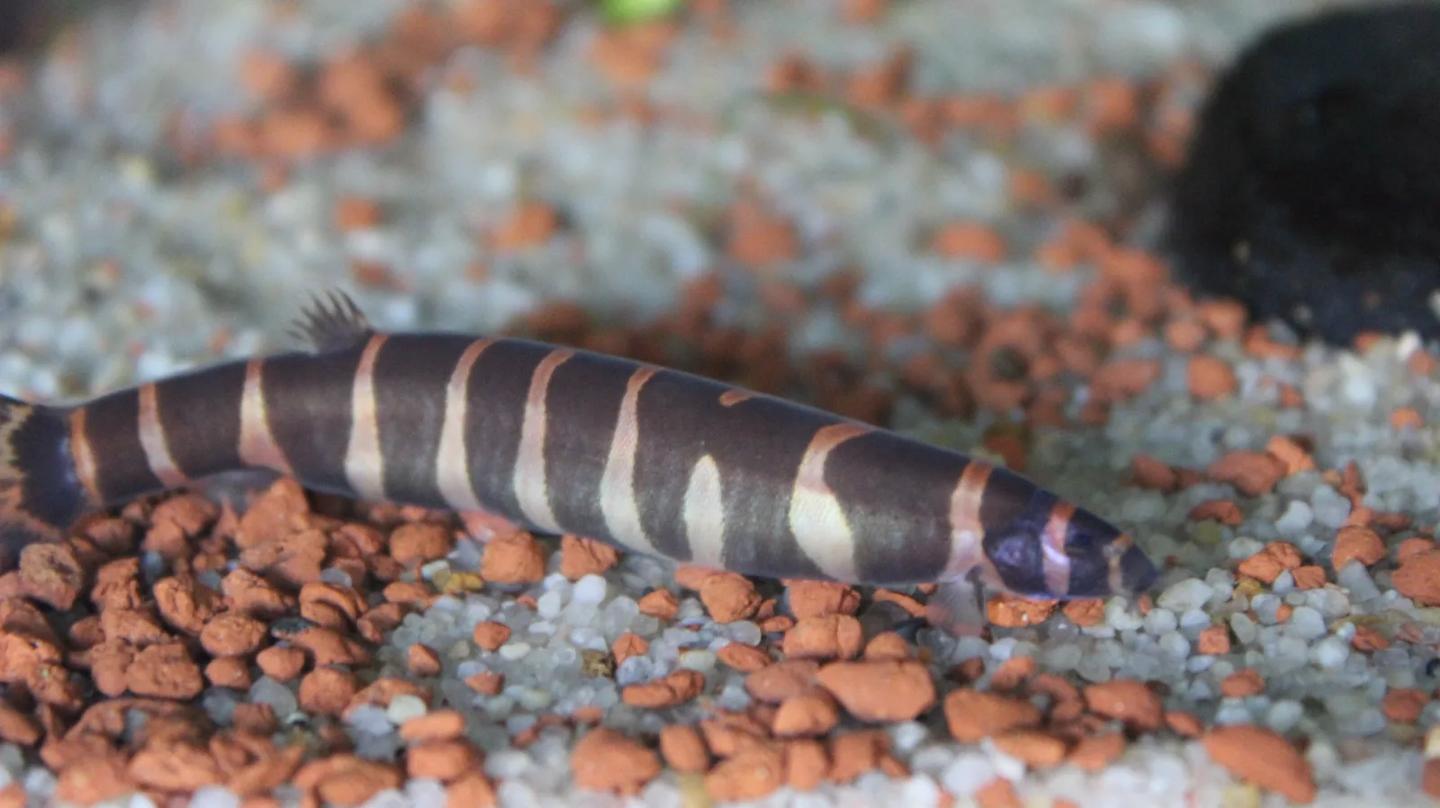
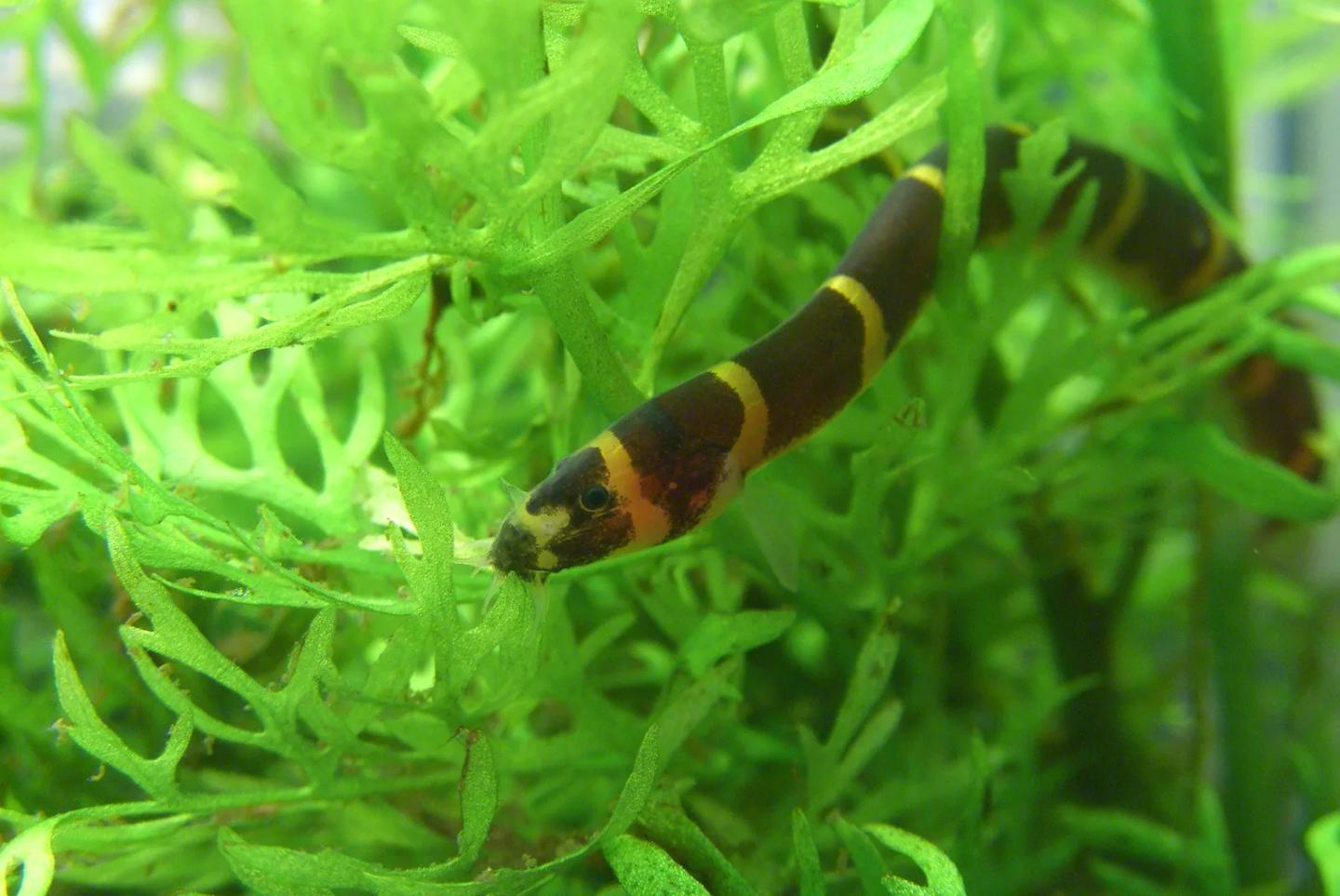
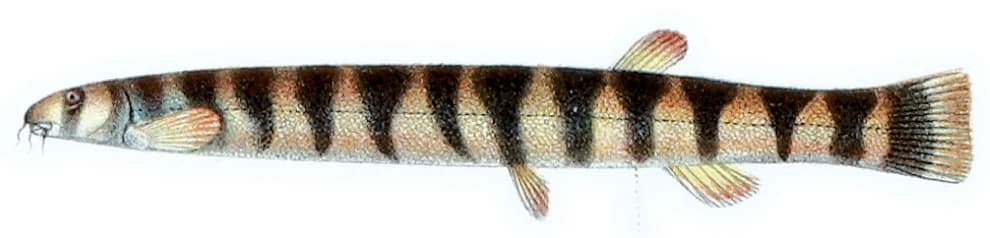
The scientific illustration in the gallery is labelled Pangio kuhlii. The three aquarium photographs are source-labelled as kuhli loaches, but none is treated as proof that the photographed fish is exactly that species.
Kuhli loach size and lifespan
FishBase reports a maximum total length of 12 cm for P. kuhlii[1]. Use total length as a planning value for a confirmed fish; do not size an aquarium around a slim juvenile in a sales photograph. Another Pangio species may have a different defensible maximum.
You will often see a precise 10-, 12- or 14-year lifespan online. The sources reviewed for this page do not establish one dependable aquarium lifespan, so we do not repeat those numbers as fact. Lifespan depends on identity, origin, age at sale, previous care and long-term husbandry. The useful buying decision is simpler: treat the group as a long-term commitment and ask what evidence supports any exact claim.
Tank size and group size
For a conservative UK starting point, OATA advises keeping loaches in groups of at least five, with more generally better, and gives at least 80 litres for a shoal of the smallest loaches[4]. This is general loach guidance, not a species trial and not permission to fit any five fish into any nominal 80-litre tank.
Check these together:
| Decision | What good planning asks | What not to assume |
|---|---|---|
| Identity | Are all fish compatible Pangio, and what adult size is documented? | Every “kuhli” label means P. kuhlii |
| Group | Can at least five feed and shelter without crowding? | One fish is acceptable because it cannot be seen |
| Footprint | Is there enough usable bottom area after decor and equipment? | The litre number describes floor space |
| Water | Do temperature, pH and hardness overlap for every inhabitant? | “Tropical” means compatible |
| Waste and oxygen | Can the established filter and maintenance routine support the complete community? | A fish-per-litre shortcut proves welfare |
An aquarium sold as 80 litres usually holds less water after substrate, wood, rocks and an air gap. Measure the internal dimensions and calculate the gross volume, then allow for displacement and preserve usable bottom area.
Tank Volume Calculator
Enter length, width, and height to get your real water volume in litres.
Open tool →If the planned fish is not one of the smallest loaches, if the group is larger, or if companions use the same floor, choose more space. Current GOV.UK licensed-seller guidance correctly treats the number of fish as dependent on water quality rather than a universal stocking equation[9].
Substrate, cover, lid and filter safety
OATA recommends fine gravel or, ideally, sand for loaches and asks for caves, plants and shaded areas[4]. Smooth sand is a conservative choice because it supports bottom foraging and is easy to inspect. It is not honest to claim that sand is the only possible substrate or that every rounded gravel bed inevitably causes irreversible barbel damage.
Whatever you choose:
- reject sharp or jagged pieces;
- keep waste from accumulating between particles;
- support rocks and wood so burrowing cannot destabilise them;
- provide several accessible retreats rather than one defended cave;
- inspect decor openings for places a slender fish could enter but not turn around;
- keep an open feeding area where you can confirm body condition.
Fit a secure lid and close gaps around cables and pipework. Use an intake guard or suitably fitted pre-filter where a slender fish could enter equipment. Check that the guard does not starve the filter of flow, and clean it as needed. These are risk controls, not proof that every kuhli loach will escape or enter a filter.
Water requirements: identify before copying numbers
For confirmed P. kuhlii, FishBase reports 24–30°C, pH 5.5–6.5 and hardness up to 5 dH[1]. OATA's general loach sheet gives a broader 22–27°C, pH 6.5–8.0 and 4–12 dGH range[4]. Those ranges come from different scopes and should not be blended into one invented universal target.
| Evidence | Temperature | pH | Hardness | How to use it |
|---|---|---|---|---|
| FishBase: confirmed P. kuhlii | 24–30°C | 5.5–6.5 | up to 5 dH | Species-level planning after identity is confirmed |
| OATA: loaches generally | 22–27°C | 6.5–8.0 | 4–12 dGH | Broad husbandry context, not a replacement for species data |
Measure the aquarium and source water with suitable tests. UK tap-water hardness varies, and the Drinking Water Inspectorate points consumers to their water company for local information[7]. If your source water sits far outside the confirmed fish's needs, choose livestock suited to that water or develop a measured, stable water-preparation plan before purchase. Do not chase pH with repeated unmeasured additives.
Keep temperature stable within the chosen species' range and verify it with a separate thermometer. Compatibility requires overlapping temperature, pH, hardness, behaviour and flow—not merely a shared “tropical” label.
Water Parameter Matcher
Enter your tap water readings to see if this species will thrive.
Open tool →Cycling and routine maintenance
A new aquarium needs an established biological filter before fish are added. The Royal Veterinary College explains how fish waste becomes toxic ammonia, then nitrite and nitrate through the nitrogen cycle[6]. The RSPCA advises fishless cycling and regular water tests[5].
Before the group arrives:
- Complete a fishless cycle using a defined method and its instructions.
- Confirm the method's endpoint with repeated ammonia and nitrite tests.
- Stabilise temperature and verify the actual pH and hardness.
- Test the lid, filter guard and every retreat.
- Prepare quarantine or isolation equipment and a plan for illness.
After stocking, observe daily and record test results. Ammonia and nitrite should remain zero. Choose partial water-change frequency and volume from the measured aquarium, its nitrate trend, feeding, stocking and source water—not a page's rigid calendar. Condition replacement water for the disinfectant in the actual supply and avoid sudden temperature or chemistry shifts.
Feeding kuhli loaches
OATA describes loaches as bottom feeders and recommends sinking foods with suitable live or frozen foods for variety[4]. Offer food small enough for the fish and distribute it so dominant or faster companions do not take everything.
A practical feeding check is more valuable than a fixed scoop:
- each individual emerges or is otherwise confirmed eating;
- bodies maintain an appropriate, consistent condition;
- food reaches the floor without sitting unseen and decaying;
- ammonia and nitrite remain zero;
- the amount changes when food type, fish size or community competition changes.
Lower-light feeding can make observation easier, but do not use darkness as a reason to throw in food that cannot be monitored. A kuhli loach is not a cleaning tool and should not be expected to live on scraps.
Is hiding normal?
These loaches use cover, and activity may increase in subdued light. A newly moved group can be difficult to see while it settles. Good cover does not mean abandoning observation: use a regular feeding place, count fish when possible and look for each animal's body condition.
Treat a change from that individual's normal pattern as information. Persistent hiding becomes more concerning when it appears with rapid breathing, clamped posture, wounds, swelling, weight loss, failure to feed, unusual colour, flashing or abnormal swimming. Test ammonia, nitrite and temperature immediately, then review oxygenation, recent additions and compatibility.
The answer to “How do I know my kuhli loach is happy?” is not one performance such as glass-surfing or daytime visibility. Look for stable water, undamaged fish, normal breathing and movement, successful feeding, maintained condition and use of cover without signs of distress.
Tank mates and shrimp
Choose calm companions that share the verified water range and do not monopolise the bottom or food. Avoid large predators, persistent fin nippers and aggressive or territorial floor-dwellers. A large peaceful-looking fish can still eat a slender loach, and a small boisterous fish can still prevent it feeding.
Check the complete adult community rather than copying a list:
- Do temperature, pH and hardness genuinely overlap?
- Is there enough floor area and separate cover?
- Can the kuhli group obtain sinking food?
- Could any fish swallow, harass or trap another?
- Can filtration and maintenance support the combined waste load?
Shrimp compatibility is a risk decision, not a guarantee. Small crustaceans or young may be eaten. If producing the largest possible shrimp colony is the goal, a shrimp-only aquarium removes that uncertainty.
Health and medication: avoid dosing shortcuts
Prevention starts with suitable water, low stress, quarantine and daily observation. Merck's veterinary guidance emphasises routine health care and early assessment rather than speculative treatment[8].
OATA notes that loaches have reduced or absent scales and may be intolerant of some medicines[4]. This warning is sometimes turned into unsafe internet rules: “always use half dose”, “never use any copper”, “treat with salt” or “raise the tank to 30°C”. None is a safe universal prescription. Concentration, active ingredient, diagnosis, species, oxygen, temperature and product formulation all matter.
If a fish is unwell:
- test ammonia, nitrite and temperature immediately;
- record symptoms, timing, recent livestock and water changes;
- isolate only when it can be done without causing greater harm;
- obtain advice from an aquatic-experienced veterinary professional;
- follow the exact product label and professional instruction;
- never combine medicines or change a dose by guesswork;
- preserve aeration and monitor the treated fish closely.
Heat is not a universal cure and can reduce dissolved oxygen. Salt is a treatment with physiological effects, not a harmless tonic. Copper can be essential in some diagnosed protocols and dangerous when used incorrectly; the product, concentration and animal must be considered together.
Breeding: be honest about uncertainty
FishBase records P. kuhlii as oviparous and describes pairing during reproduction[1]. OATA says breeding loaches in the home aquarium is highly unlikely, although there are reports of success[4].
We therefore do not publish a guaranteed trigger, fixed breeding temperature or step-by-step hormone-free recipe. A swollen abdomen does not prove pregnancy and can signal illness. If breeding occurs unexpectedly, protect water quality and seek species-specific evidence before changing conditions.
Choosing fish and planning arrival
Buy the social group together where possible so you are not relying on future availability of matching fish. Ask the seller for:
- the scientific identification and supplier record;
- current temperature, pH and hardness;
- time in the seller's care and feeding response;
- any recent treatment or losses;
- adult size and social guidance used;
- the written arrival and acclimatisation instructions for that consignment.
Choose fish with normal breathing and movement, intact skin and barbels, and an appropriate body condition. Do not buy an obviously unwell animal as a rescue unless qualified care and isolation are already arranged.
Acclimation is not one universal number of minutes or drops per second. Follow the seller's current written instructions, minimise time in opened transport water, avoid adding bag water to the aquarium where practical, and keep the lights subdued while the fish settles. Observe closely through the first days and test the aquarium after adding the group.
For current availability, sizes and dispatch terms, use the UK kuhli loach shop page. This guide owns informational care intent; individual product pages own exact live-stock identity and sale details.
Sources, images and how this guide was checked
This page combines current taxonomic records, a species database, UK animal-welfare and trade-body guidance, veterinary material and government sources. Species-level numbers are labelled as such; broad loach advice is not presented as a controlled P. kuhlii study. Search Console and GA4 informed query coverage and mobile intent, while a live UK mobile search check informed question wording. Search demand never overrides biological accuracy.
All four images are different, rights-complete source assets with a creator, licence, fixed source revision, literal alt text and complete-frame proportional derivative. The aquarium photographs are source-labelled kuhli loaches but do not prove exact species, husbandry, health or Tropical Fish Co stock. The scientific illustration is an identity reference, not proof of a customer's fish.
If a source, photograph or recommendation appears wrong, use the visible Suggest an edit route. Editorial feedback, forms and email are not leads or ecommerce conversions; add-to-cart, checkout, purchase and revenue remain separate outcomes.
Frequently asked questions
How many kuhli loaches should be kept together?
Use at least five compatible fish as a conservative starting point. That figure comes from OATA's broad loach guidance, not a species-specific group-size trial. More may be appropriate only when the aquarium's footprint, filtration, water quality and feeding plan support them.
Can I keep a single kuhli loach?
Do not plan for one. Start with an identified compatible group of at least five so the fish's social provision does not depend on uncertain future stock.
What tank size do kuhli loaches need?
Use at least 80 litres for a group of the smallest loaches, then check actual floor area, adult size, group, water, filtration and companions. The number is a planning floor, not a guarantee.
How big do kuhli loaches get?
FishBase reports a maximum total length of 12 cm for confirmed P. kuhlii. Trade fish may be another Pangio species, so confirm identity and plan from defensible adult data.
How long do kuhli loaches live?
The evidence reviewed here does not establish one reliable aquarium lifespan. Treat the purchase as a long-term commitment rather than relying on an uncited 10- or 14-year promise.
Do kuhli loaches need sand?
OATA recommends fine gravel or, ideally, sand. Smooth sand is a conservative choice, but the reviewed evidence does not support claiming it is the only possible safe substrate.
Why is my kuhli loach always hiding?
Use of cover and lower-light activity can be normal. Test the water and investigate when hiding is a marked change or occurs with poor feeding, rapid breathing, weight loss, injury, unusual colour or abnormal movement.
What do kuhli loaches eat?
Offer varied, appropriately sized sinking foods and suitable frozen or live variety. Watch every fish feed and remove excess before it affects water quality.
Are kuhli loaches safe with shrimp?
Complete safety cannot be promised; small shrimp or young may be eaten. Use a shrimp-only aquarium if maximum colony survival is the priority.
Are kuhli loaches sensitive to medicine?
They may be intolerant of some medicines, but that does not justify an invented half dose. Diagnose first and follow the exact label and aquatic-veterinary advice for the product and fish.
Identity, cover and substrate details
Frequently asked questions
Sources & further reading
Material factual claims cite the sources below; store policy and cautious inference are labelled in the article. Sources are grouped by type so you can judge their weight at a glance.
Scientific database (3)
- [1]Froese, R. & Pauly, D. (eds.). FishBase species summary: Pangio kuhlii. FishBase. View source
Species-level record used for the reported 12 cm maximum total length and 24–30°C, pH 5.5–6.5 and hardness up to 5 dH values. These figures are not applied silently to unidentified trade fish.
- [2]Kottelat, M. (2012). Conspectus cobitidum: an inventory of the loaches of the world. The Raffles Bulletin of Zoology, Supplement 26. View source
Taxonomic inventory used to verify Pangio kuhlii as an accepted cobitid and its type locality at Krawang, Java, while showing that Pangio contains many distinct species.
- [3]Fricke, R., Eschmeyer, W. N. & Van der Laan, R. (eds.). Eschmeyer's Catalog of Fishes: Species by family/subfamily. California Academy of Sciences. View source
Current nomenclatural cross-check for Cobitidae and Pangio.
Veterinary reference (2)
- [6]Royal Veterinary College (2024). Aquarium health: nitrogen cycle. Royal Veterinary College. View source
Veterinary explanation of biological filtration and toxic ammonia and nitrite.
- [8]Merck Veterinary Manual (2026). Routine Health Care of Fish. Merck Veterinary Manual. View source
Veterinary guidance for prevention, quarantine, observation, water quality and seeking diagnosis before treatment.
Animal-welfare charity (1)
- [5]Royal Society for the Prevention of Cruelty to Animals. Choosing an aquarium for pet fish. RSPCA. View source
UK welfare guidance for aquarium planning, fishless cycling, filtration, water testing and maintenance.
Trade-body guidance (1)
- [4]Ornamental Aquatic Trade Association. How to look after loaches. OATA. View source
Broad UK loach guidance used transparently for the conservative five-fish, 80-litre planning floor, substrate, cover, feeding and medicine cautions; it is not presented as species-specific science.
Government / regulatory (2)
- [7]Drinking Water Inspectorate. Water Hardness / Hard Water. Drinking Water Inspectorate. View source
Official UK explanation of hardness variation and local water-supplier information.
- [9]Department for Environment, Food & Rural Affairs (2026). Selling animals as pets licensing: statutory guidance for local authorities. GOV.UK. View source
Current licensed-seller context: stocking numbers depend on water quality, and fish require species-appropriate water, acclimatisation information and biosecurity.
Spotted something that needs a fix?
Fishkeeping moves fast and we want every guide spot-on. If you think something here is wrong, out of date, or could be clearer, tell us — our team reads every message and updates the page.
Suggest an edit
Tropical Fish Co Editorial Team
Evidence-led aquarium editorial team
The Tropical Fish Co editorial team compiles care guidance from the sources cited on each page, separates published evidence from practical husbandry policy, and checks retail links against the current catalogue. First-hand experience is included only when a named contributor and the observation have been verified.
Keep exploring
Care guides
- How to Set Up a Tropical Fish Tank: 10 Safe Steps
Set up a tropical fish tank in 10 evidence-led steps: choose the tank, install filter and heater, cycle safely, test the water and add fish carefully.
- Aquarium Water Parameters: What to Test and Why
Learn which freshwater aquarium water parameters to test, how to read ammonia, nitrite, nitrate, pH, GH and KH, and when a result needs action.
- Otocinclus Catfish Care: Tank Size, Food & Groups
Otocinclus catfish care for UK tanks: compare tank size, 22–25°C water, group planning, grazing foods, algae limits, tank mates and buying checks.
Related care guides
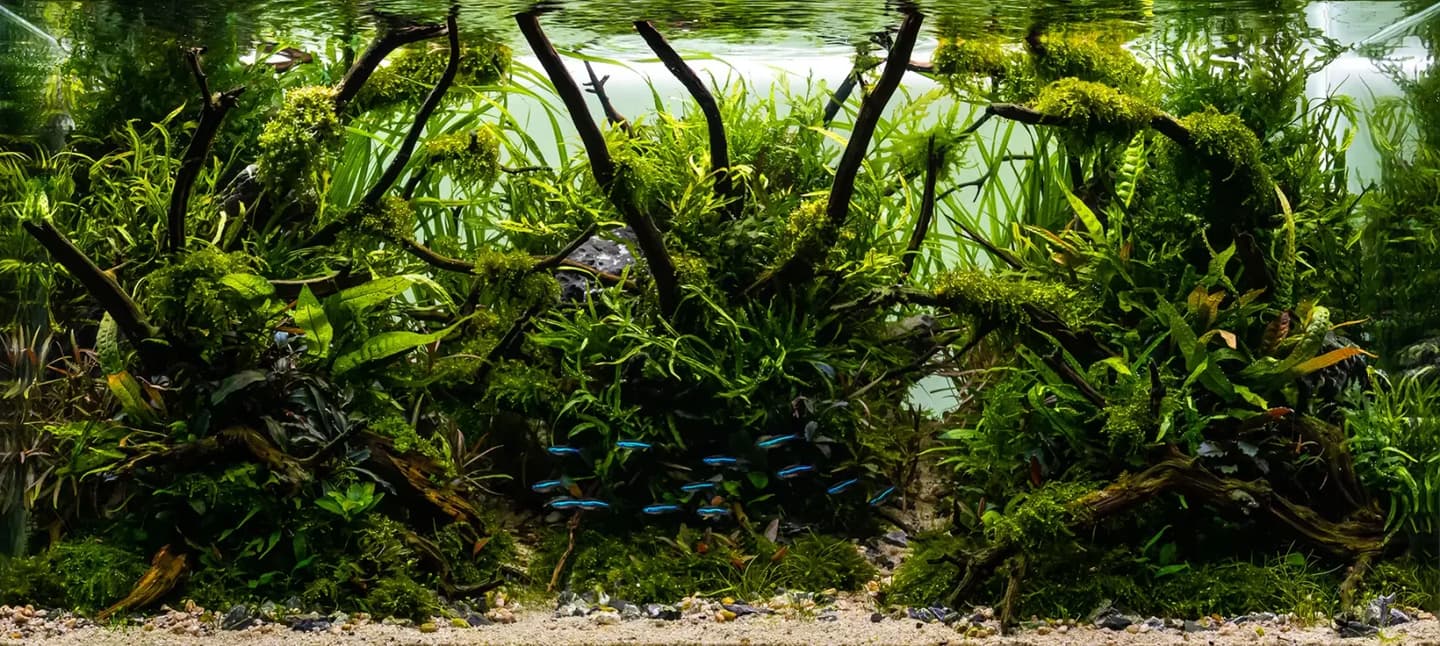
How to Set Up a Tropical Fish Tank: 10 Safe Steps
Choose the intended fish before the aquarium, place the tank on a suitable level support, install a filter and thermostatic heater, condition and test the water, then complete a fishless cycle. Add fish only after the chosen maturation process reaches its defined endpoint and repeated tests show zero ammonia and zero nitrite; elapsed days alone do not prove readiness.
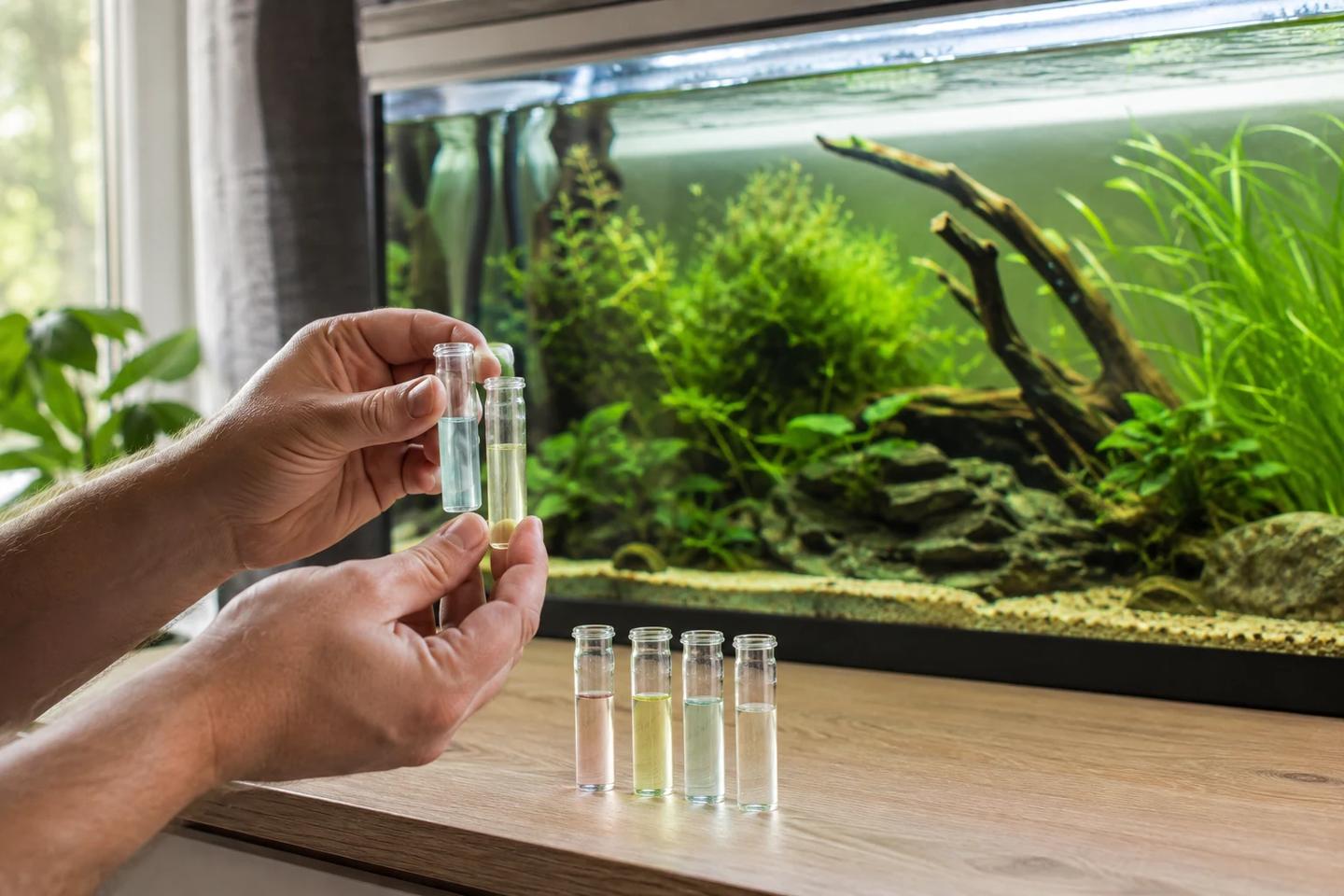
Aquarium Water Parameters: What to Test and Why
There is no universal set of perfect freshwater aquarium parameters. Identify the animals, learn what the test and unit actually report, establish your local source-water baseline, and compare repeat measurements. In an established aquarium, a confirmed ammonia or nitrite detection needs investigation; pH, GH, KH, temperature and nitrate decisions depend on the species, life stage and whole system.
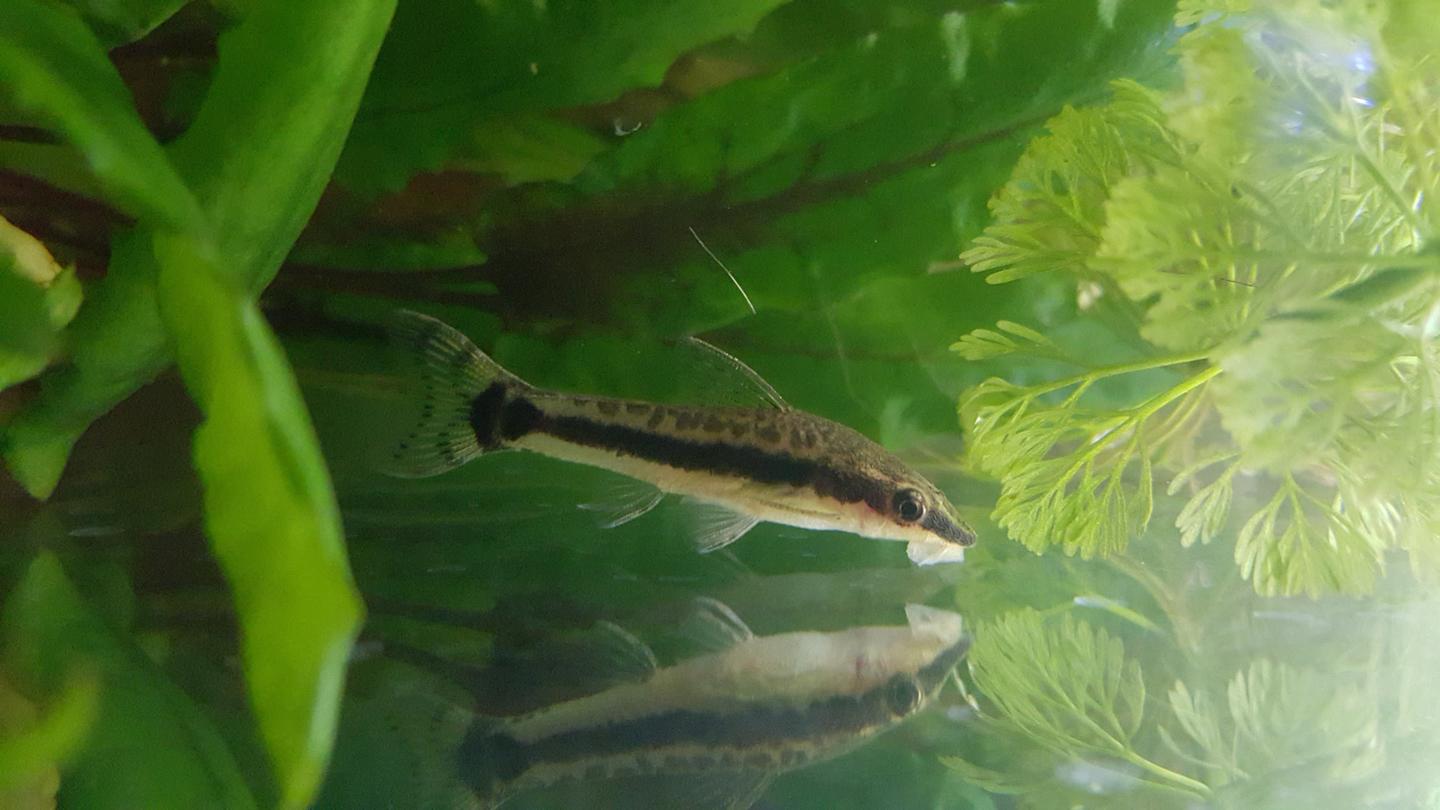
Otocinclus Catfish Care: Tank Size, Food & Groups
Otocinclus are small South American loricariid catfish, not disposable algae cleaners. Confirm the supplied species where possible; start with a mature, stable aquarium with ample grazing surfaces; plan a compatible social group; and provide suitable food even when algae is visible.