Salt Water Fish

120 products available

Marine and saltwater fish bring the colours of the coral reef into your home. Clownfish, Tangs, Wrasses, and stunning invertebrates.

Products in Salt Water Fish

120 products

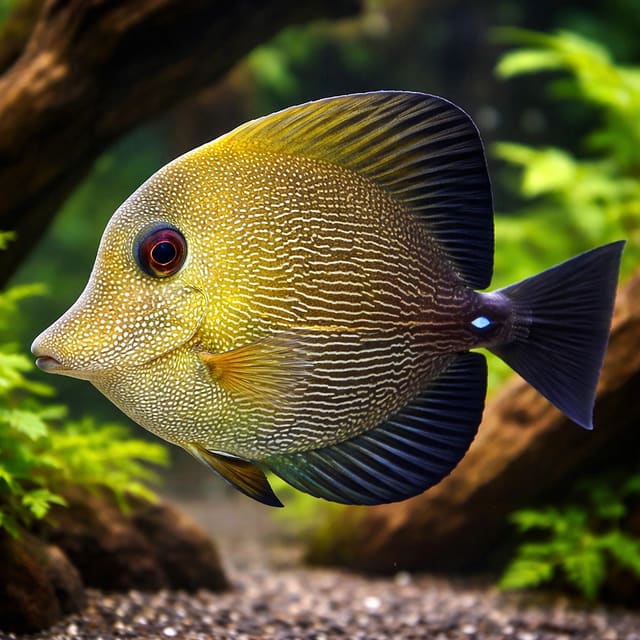
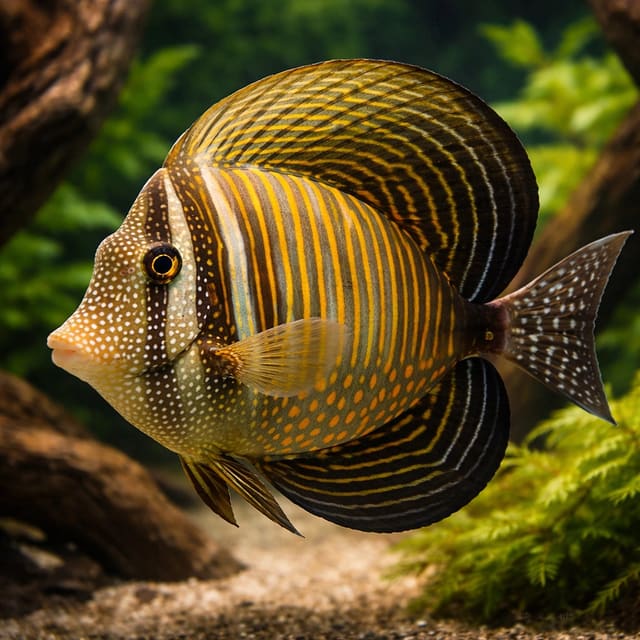
Indian sail-fin surgeonfish with orange stripes and spotted face among green plants

Indian sail-fin surgeonfish (Zebrasoma desjardini) - Marine Aquarium Livestock UK

24–26°C · pH 7.9–8.3

£75.99
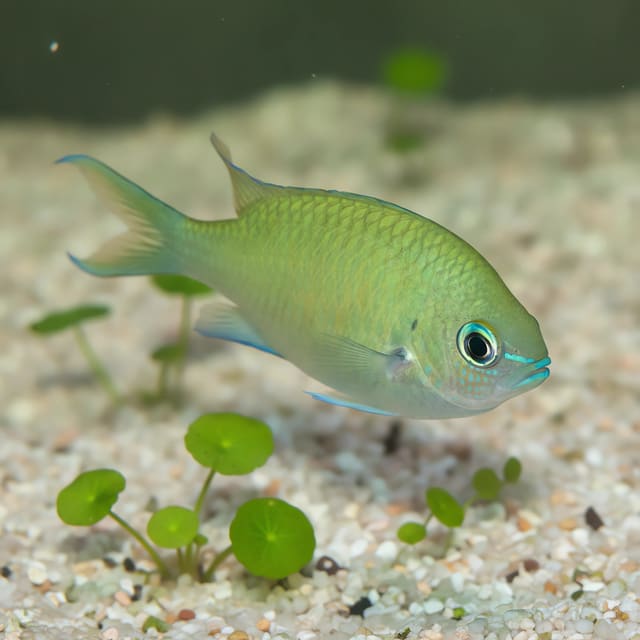
Blue Green Damsel (Chromis viridis) - Marine Aquarium Livestock UK in a planted aquarium — representative image

Blue Green Damsel (Chromis viridis) - Marine Aquarium Livestock UK

24–26°C · pH 7.9–8.3

£28.99
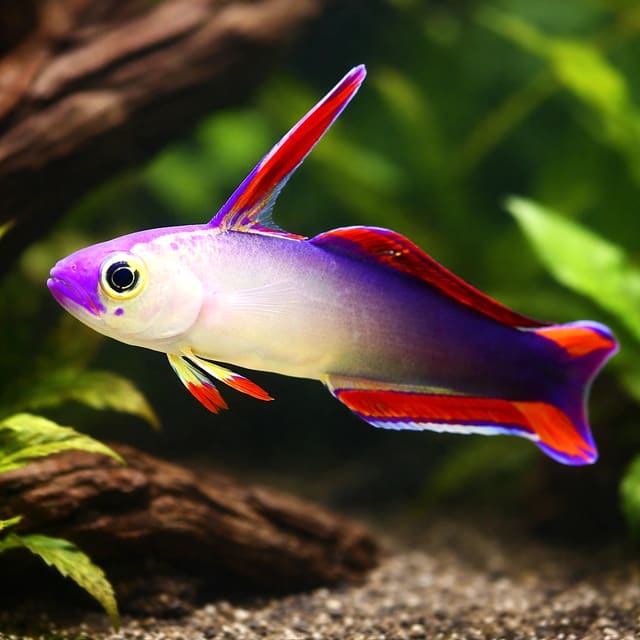
Elegant firefish with purple head, pale body and red-edged fins swimming past driftwood and green plants

Elegant Firefish (Nemateleotris decora)

24–26°C · pH 7.9–8.3

£64.99
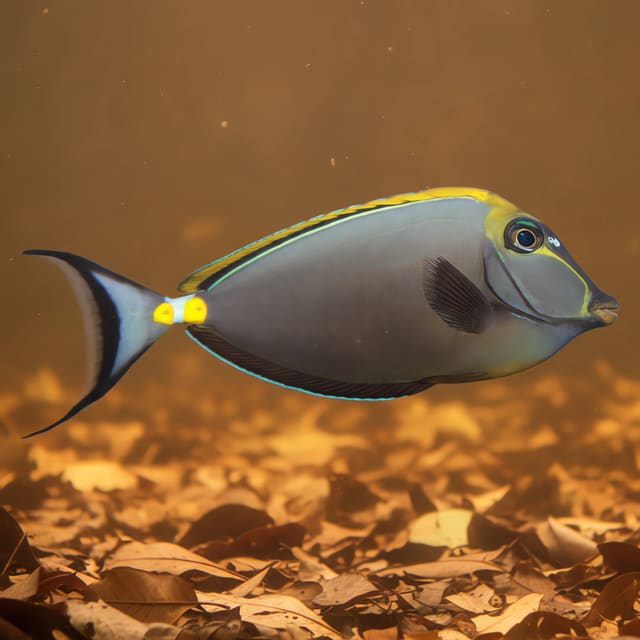
Grey unicornfish with a yellow-edged dorsal fin, yellow face stripe and yellow tail-base plates swimming over leaf litter
Advanced

Orangespine Unicornfish (Naso lituratus)

24–26°C · pH 7.9–8.3

£56.99
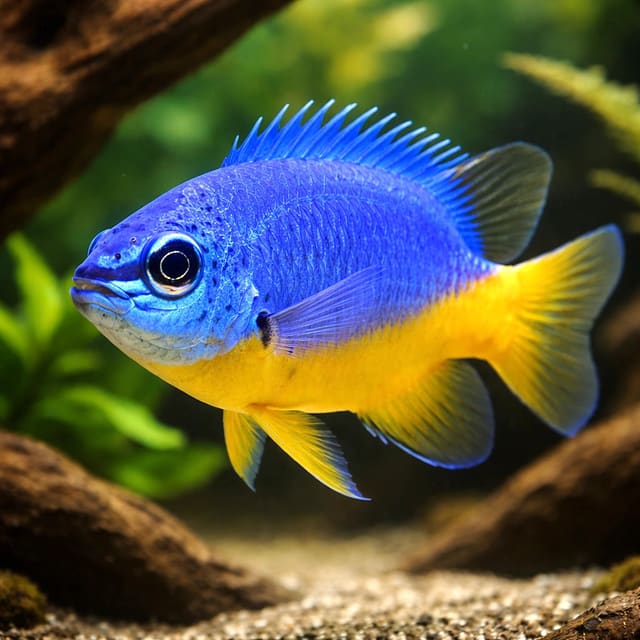
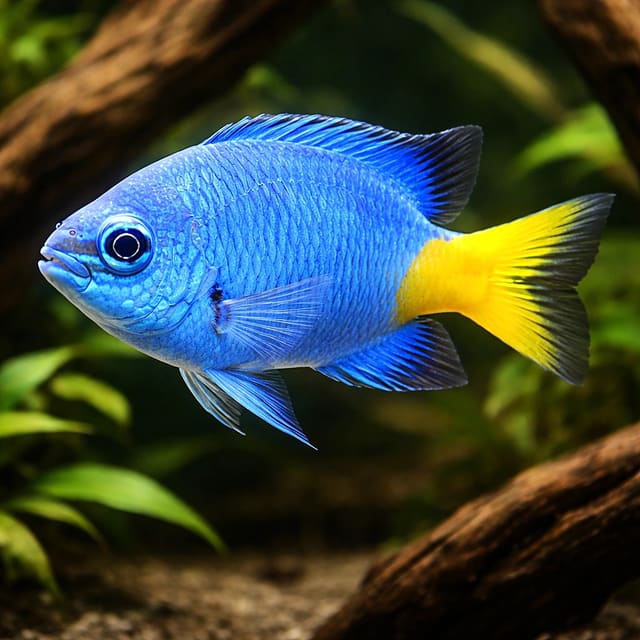
Azure demoiselle swimming side-on among green plants and curved wood

Azure demoiselle (Chrysiptera hemicyanea) - Marine Aquarium Livestock UK

24–26°C · pH 7.9–8.3

£29.99
Goldtail demoiselle swimming among green plants and dark wood

Goldtail demoiselle (Chrysiptera parasema)

24–26°C · pH 7.9–8.3

£28.99
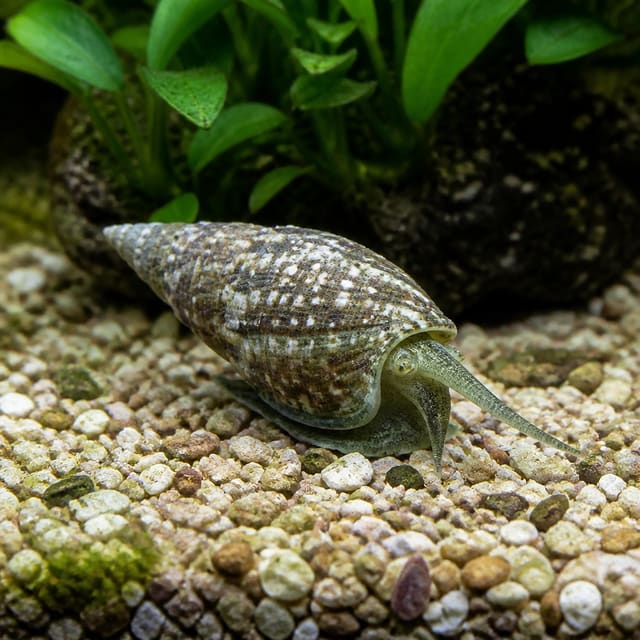
Nassarius sp. with a mottled conical shell and extended siphon on gravel, with broad green leaves behind
−15%

Nassarius sp. - Marine Aquarium Livestock UK

24–26°C · pH 7.9–8.3

£8.49£9.99
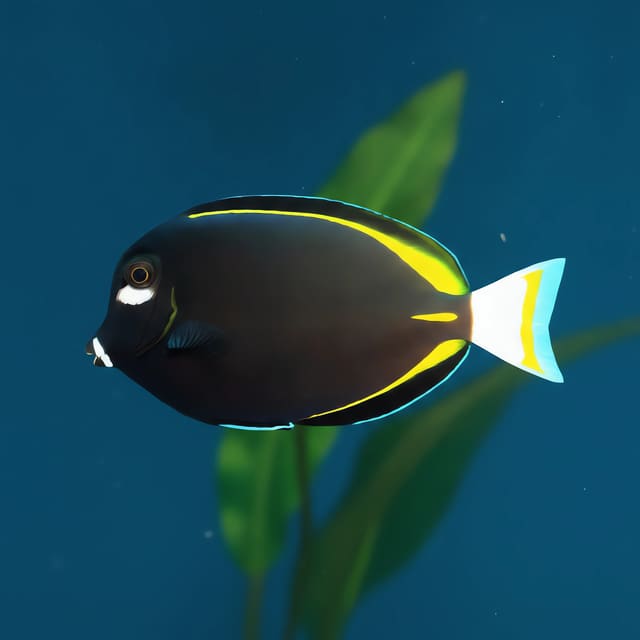
Whitecheek surgeonfish (Acanthurus nigricans) showing its white cheek patch, gold fin-base lines and white tail
Expert

Whitecheek Surgeonfish (Acanthurus nigricans)

24–27°C · pH 8–8.3 · 500L

£96.99
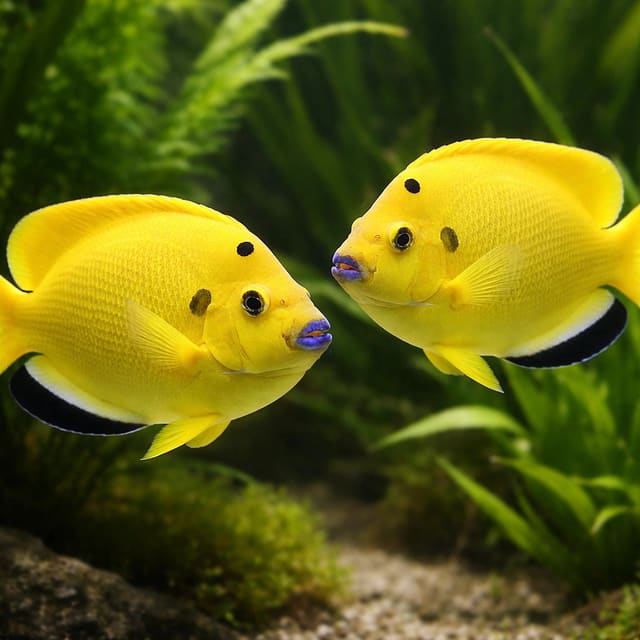
Treespot Angelfish (Apolemichthys trimaculatus) M — pair in a planted aquarium — representative image
Advanced

Treespot Angelfish (Apolemichthys trimaculatus)

24–26°C · pH 7.9–8.3

£118.99
Twotone tang with pale wavy lines swimming left among green plants and wood

Twotone tang (Zebrasoma scopas) - Marine Aquarium Livestock UK

25–26°C · pH 7.9–8.3

£66.99
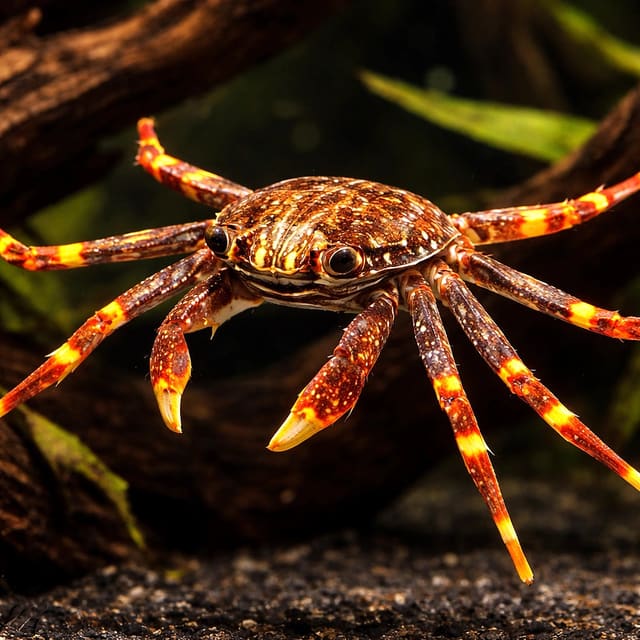
Sally Lightfoot Crab (Percnon gibbesi) with a flat mottled shell and long yellow-banded legs, driftwood behind

Sally Lightfoot Crab (Percnon gibbesi)

24–26°C · pH 7.9–8.3

£40.99
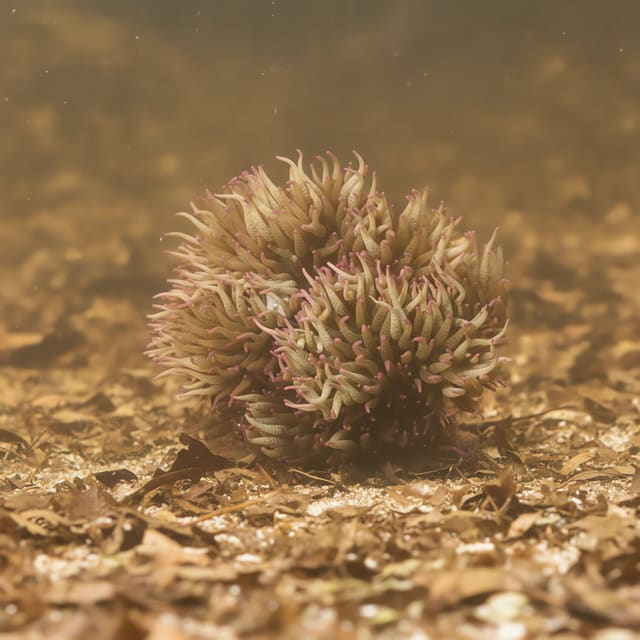
Yellow Heteractis malu with dense pink-tipped tentacles on a shell-strewn sandy bed
Advanced

Heteractis malu yellow - Marine Aquarium Livestock UK

24–26°C · pH 8.1–8.3

£47.99
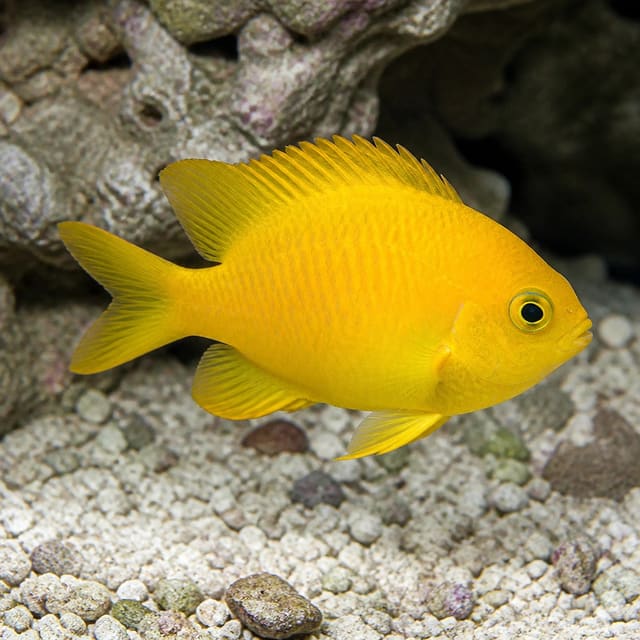
Golden damselfish (Amblyglyphidodon aureus), yellow from snout to forked tail, swimming over coral rubble by rockwork

Golden Damselfish (Amblyglyphidodon aureus)

24–26°C · pH 7.9–8.3

£24.99
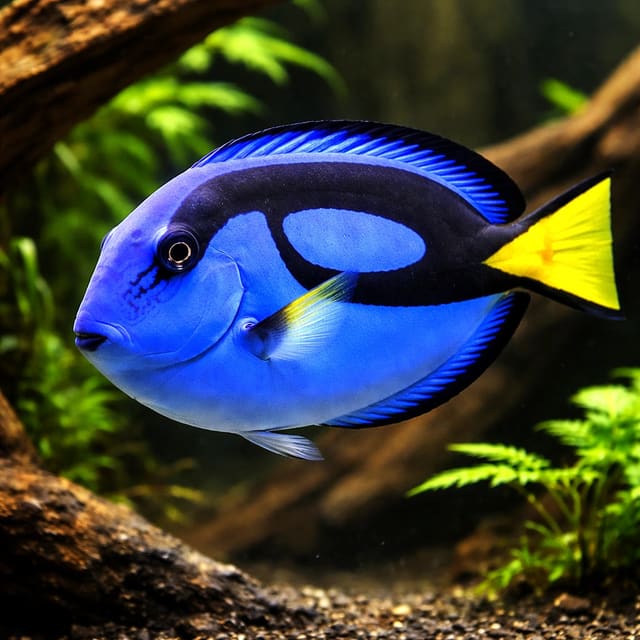
Palette surgeonfish swimming left among green plants and dark wood, with gravel below

Palette surgeonfish (Paracanthurus hepatus)

24–26°C · pH 7.9–8.3

£92.99
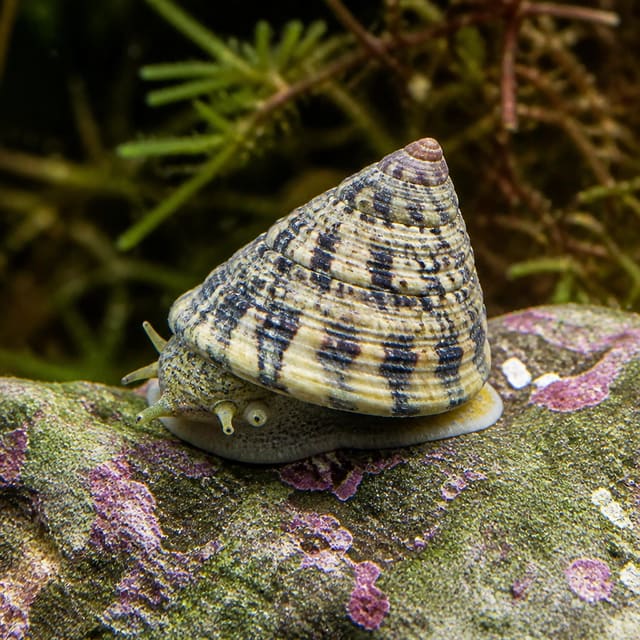
Astraea Snail (Astraea spp.) reef clean-up crew grazer
−10%
Easy

Astraea (Astrea) Snail

22–26°C · pH 8.1–8.4 · 60L

£10.79£11.99
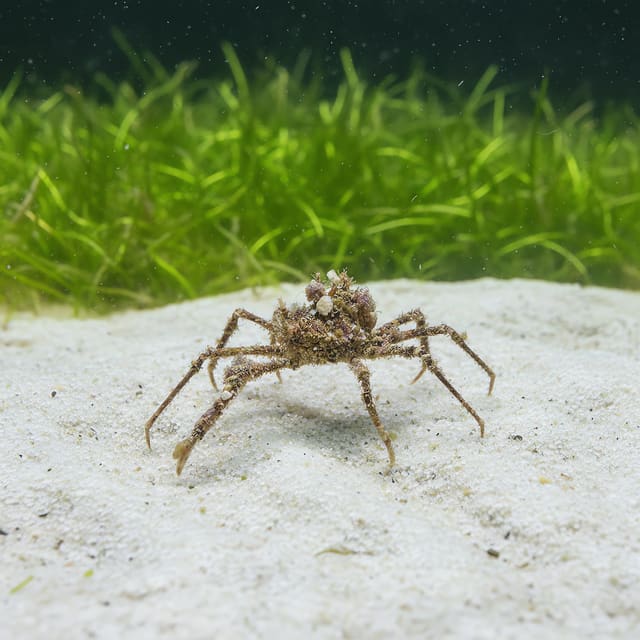
Camouflaged spider crab with long slender legs standing on pale sand before green plants

Spider crab (Camposcia retusa) - Marine Aquarium Livestock UK

24–26°C · pH 7.9–8.3

£56.99
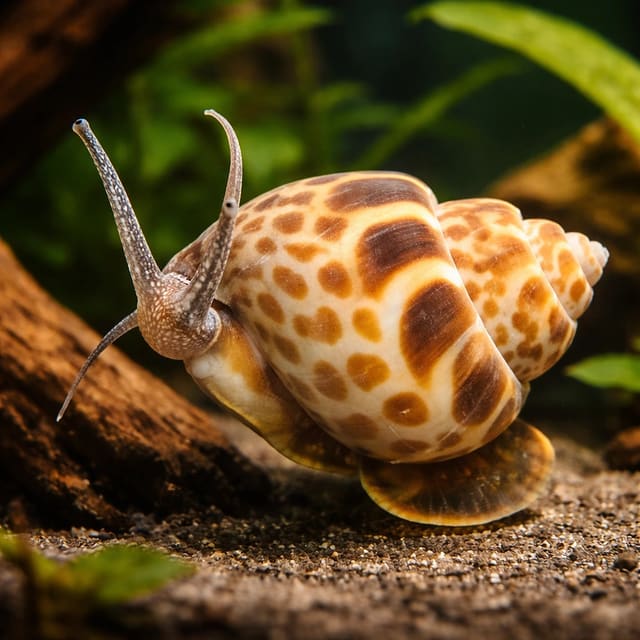
Bybylon Shell Light M (Babylonia spirata) — representative image
−12%
Moderate

Light Babylon Snail (Babylonia spirata)

26–30°C · pH 8.1–8.4 · 60L

£17.59£19.99
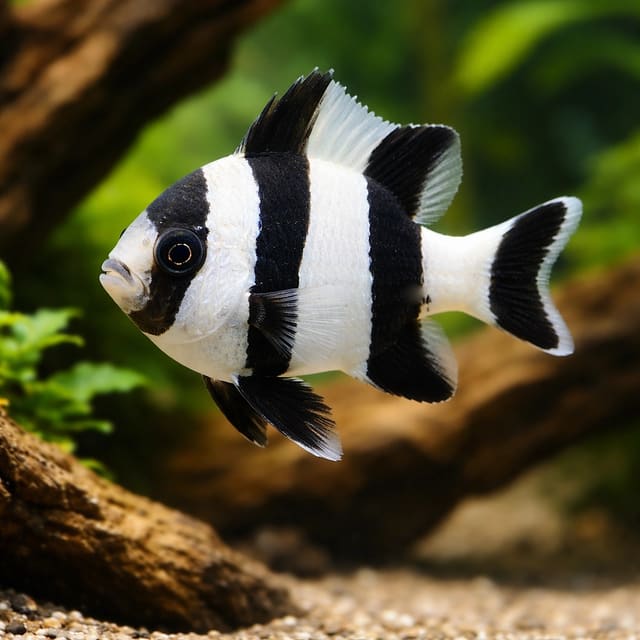
Blacktail humbug - Marine Aquarium Livestock (Dascyllus melanurus) — Blacktail Humbug Damselfish M — representative image

Blacktail Humbug (Dascyllus melanurus)

24–26°C · pH 7.9–8.3

£20.99
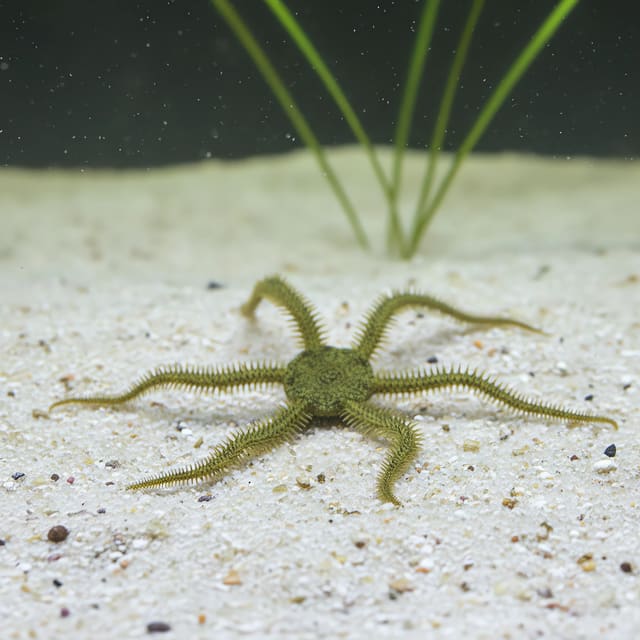
Large green brittle star Ophiarachna incrassata with long vivid green arms on live rock in a marine aquarium
Moderate

Green brittle star (Ophiarachna incrassata) - Marine Aquarium Livestock UK

22–26°C · pH 8.1–8.4 · 200L

£46.99
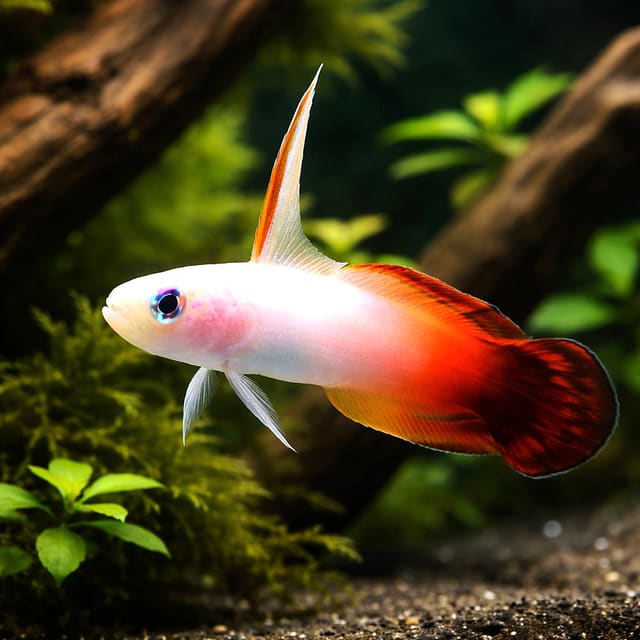
Fire goby with a pale head, red-orange tail and tall dorsal fin among green plants

Fire goby (Nemateleotris magnifica) - Marine Aquarium Livestock UK

24–26°C · pH 7.9–8.3

£46.99
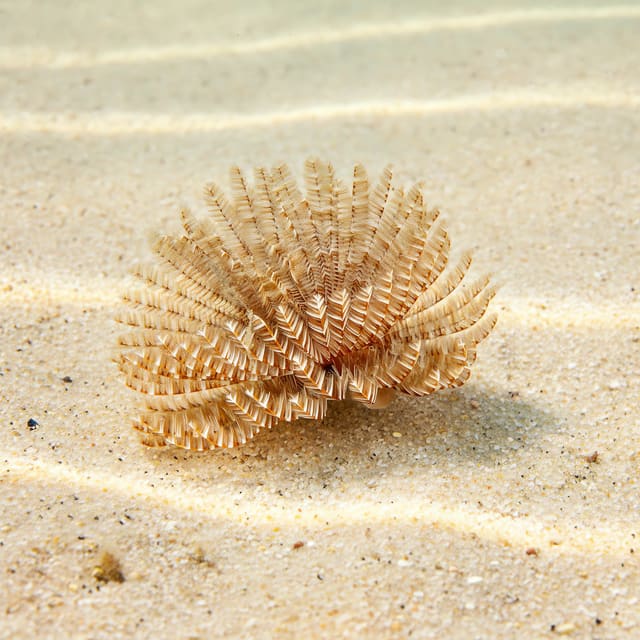
Feather duster worm crown of tan and cream banded tentacles fanned out on pale sand under rippled light

Red Tube Worm (Sabellastarte spectabilis)

24–26°C · pH 8–8.2

£40.99
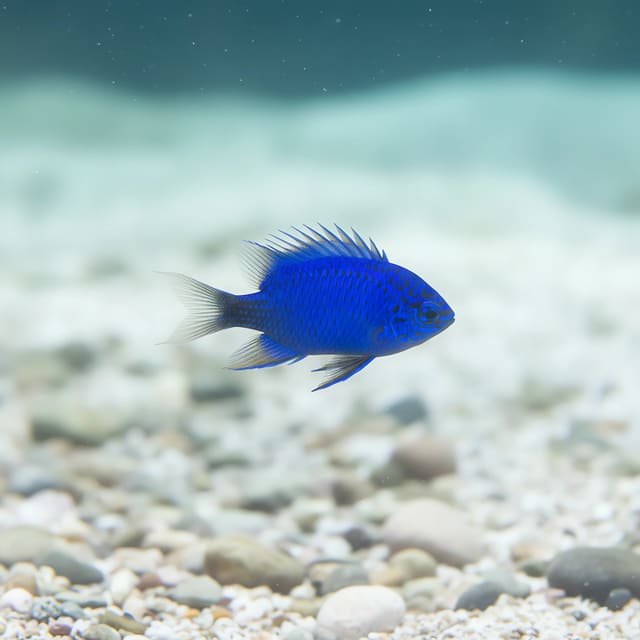
Springer's Damselfish (Chrysiptera springeri), vivid blue with dark head markings and a pale tail, swimming over pale gravel
Moderate

Springer's Damselfish (Chrysiptera springeri)

24–26°C · pH 7.9–8.3

£24.99
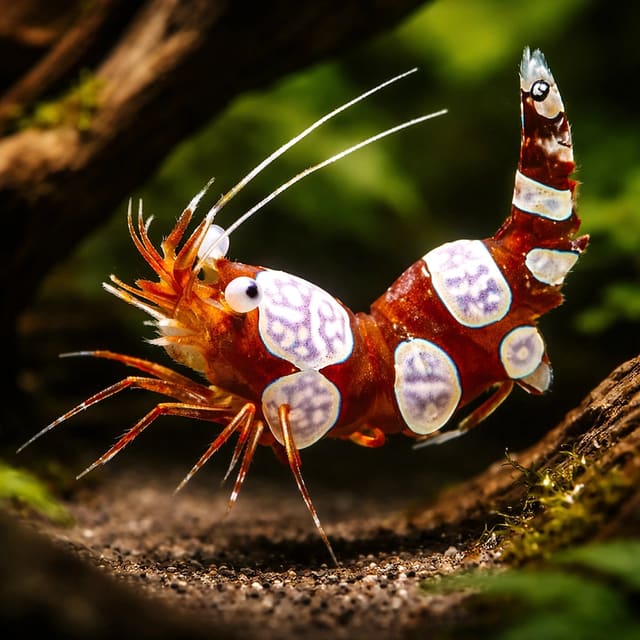
Sexy Shrimp with pale blue-edged patches and raised abdomen over fine substrate

Sexy Shrimp (Thor amboinensis) - Marine Aquarium Livestock UK

24–26°C · pH 7.9–8.3

£37.99
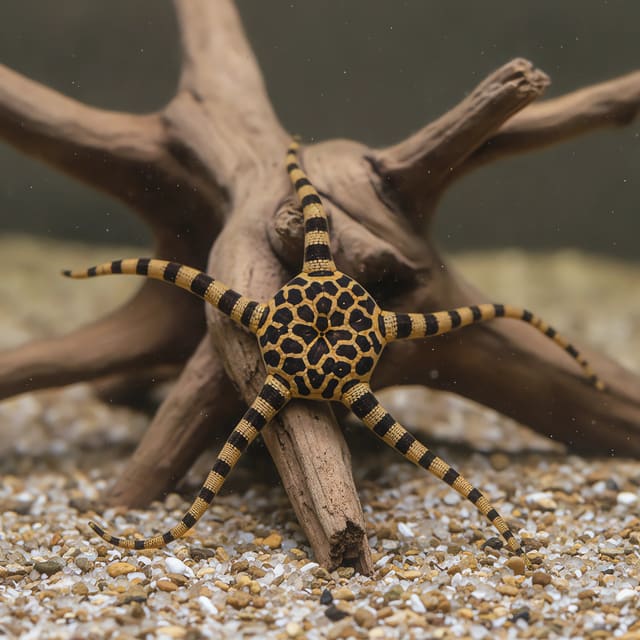
Ophiolepis superba with five banded arms spread across driftwood above gravel, showing a golden disc with dark mosaic marks
Moderate

Ophiolepis superba - Marine Aquarium Livestock UK

24–26°C · pH 7.9–8.3

£58.99

Frequently Asked Questions about Salt Water Fish

Is a reef tank harder than a freshwater tank?

It is more demanding on equipment and water chemistry. You need a protein skimmer, refractometer, RO/DI water and stable salinity around 1.025 SG. The biological processes are the same, but the margin for error is tighter — calcium, alkalinity and magnesium all matter once corals are involved.

What size tank do I need for clownfish?

A pair of captive-bred Ocellaris or Percula clownfish can thrive in a 60–75L nano reef. Larger clownfish like Maroons need 200L+. Always cycle with live rock for 4–8 weeks before adding fish and keep salinity at 1.024–1.026 SG.

Do I need RO water for a marine tank?

Yes, in almost every UK region. Tap water carries nitrates, phosphates and copper that fuel algae and stress invertebrates. A reverse-osmosis unit or buying RO water from a dedicated aquatics retailer is essential for mixing saltwater and for top-ups that replace evaporation.

How long should a marine tank cycle before adding fish?

Budget 4–8 weeks, longer if you are using dry rock rather than live rock. Test ammonia, nitrite and nitrate weekly and wait until ammonia and nitrite read zero while nitrate is present. Adding fish before the cycle completes is the main reason new marine tanks fail.

Can I keep corals and fish together?

Yes, in a reef tank, but compatibility matters. Reef-safe fish like clownfish, gobies, wrasses and small tangs leave corals alone. Angelfish, butterflyfish and triggers often nip at coral polyps. Always research each fish's reef-safety before adding to a coral-focused tank.