Advanced
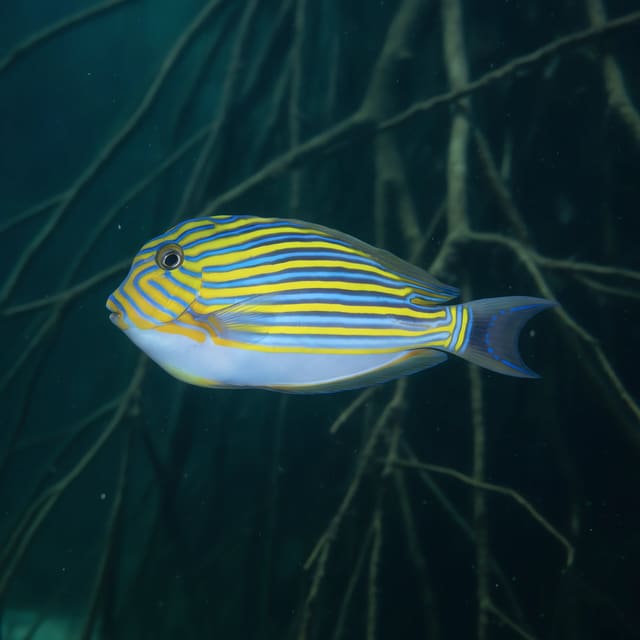
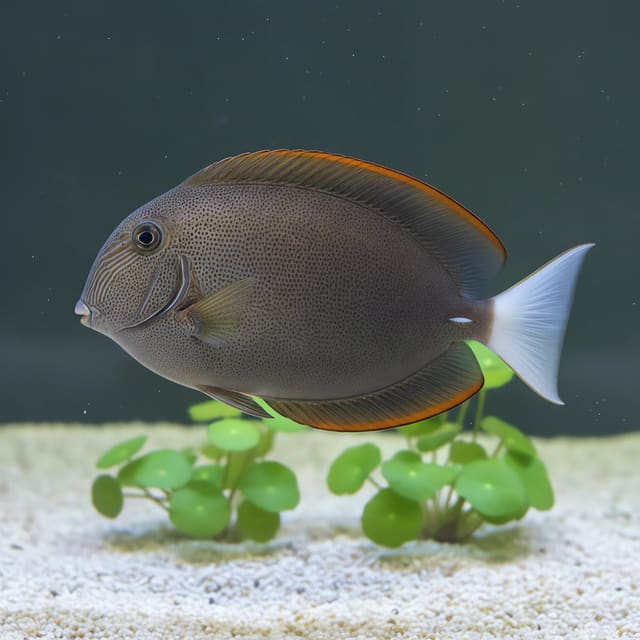
Tomini Surgeonfish (Ctenochaetus tominiensis)
24–26°C · pH 7.9–8.3
£74.99
The Palette surgeonfish (Paracanthurus hepatus) is an Indo-Pacific marine surgeonfish in Acanthuridae that reaches 31 cm. Plan for a mature, filtered marine aquarium and careful screening around shy species or tangs and rabbitfish that look too similar. Sold individually in sizes from 4–5.9 cm to >9 cm.
Adult size is the maximum length this species reaches at full maturity (scientific sources). The livestock you receive will be younger and smaller — pick a size above for the actual shipping size. Product-photo provenance and any image-specific limitations are stated on the listing.
Paracanthurus hepatus
The Palette surgeonfish (Paracanthurus hepatus) is an Indo-Pacific marine surgeonfish in Acanthuridae that reaches 31 cm. Plan for a mature, filtered marine aquarium and careful screening around shy species or tangs and rabbitfish that look too similar. Sold individually in sizes from 4–5.9 cm to >9 cm.
Adult size is the maximum length this species reaches at full maturity (scientific sources). The livestock you receive will be younger and smaller — pick a size above for the actual shipping size. Product-photo provenance and any image-specific limitations are stated on the listing.
Maintain these water conditions for optimal health and vibrant colors
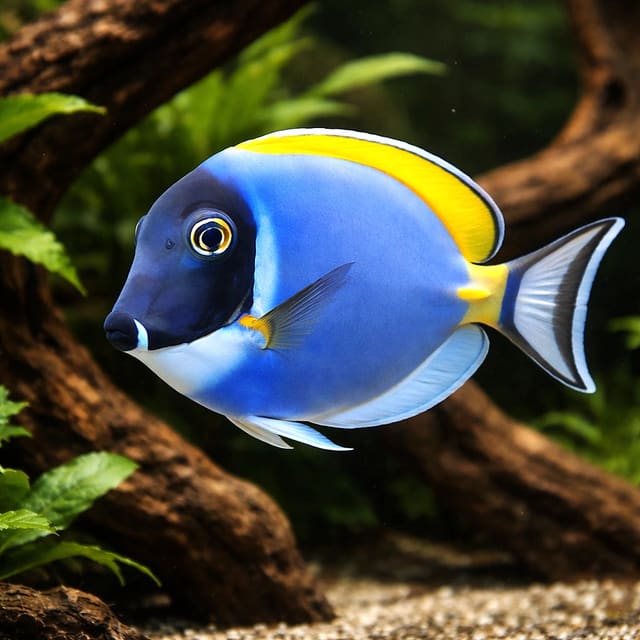
The Palette surgeonfish, Paracanthurus hepatus, is a marine member of the surgeonfish family Acanthuridae. It is also called the regal tang in OATA guidance. Its blue body, broad black marking and yellow tail give it a distinctive appearance, while the sharp modified scale near the tail demands careful handling.
| Suits | Not suited to |
|---|---|
| A mature, filtered marine aquarium planned around a fish reaching 31 cm | An aquarium planned only around the dispatch size |
| A keeper able to maintain stable marine water and complete weekly care | A community containing shy species or tangs and rabbitfish that look too similar |
FishBase records this species from clear, current-swept terraces on seaward reefs across the Indo-Pacific. Fish may swim in loose aggregations one or two metres above the bottom. Juveniles and subadults have been observed gathering near isolated coral heads and hiding tightly among the branches when alarmed. These observations explain the need for both open swimming room and accessible cover in an aquarium.
Wild fish feed on zooplankton and occasionally on algae. Aquarium feeding should preserve that variety while following the algae-focused tang routine set out below. This is not a fish to choose on colour alone: the decisive questions are whether the aquarium can support an active fish approaching the recorded maximum length, whether the filter is mature, and whether existing fish can live with an active tang.
The natural-history summary for Paracanthurus describes P. hepatus as an Indo-Pacific surgeonfish and the only member of its genus. Plan for this exact species rather than applying the requirements of a smaller tang.
One purchase supplies one animal of the selected option. The selector uses the labels “4 - 5,9 cm”, “6 - 9 cm” and “>9 cm”; use the live size selector to see the choices shown when you order. The size you select is the size supplied, not the adult size.
A smaller dispatch measurement does not reduce the long-term space requirement. Compare the chosen size with the 20 cm threshold used in OATA’s aquarium-volume guidance, then plan for FishBase’s recorded maximum of 31 cm total length. If the aquarium only suits a fish while it remains below 20 cm, it is not the finished long-term plan.
Sex is guaranteed only when the selected option explicitly states male or female. This Palette surgeonfish listing has no sex-guaranteed option.
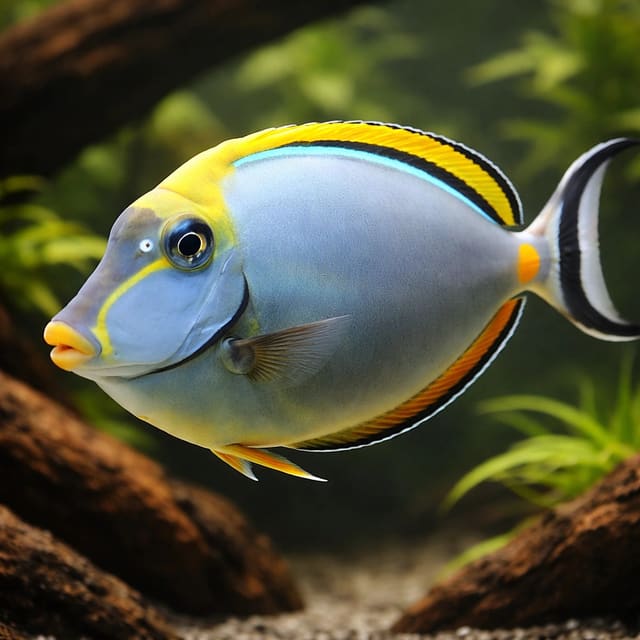
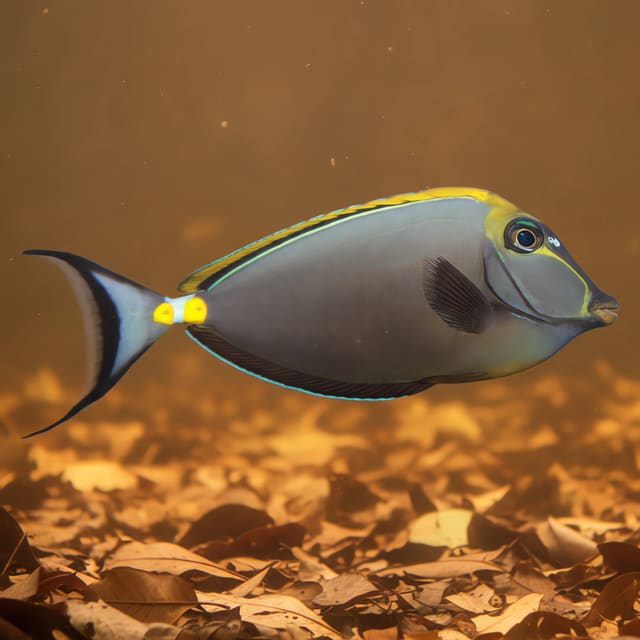
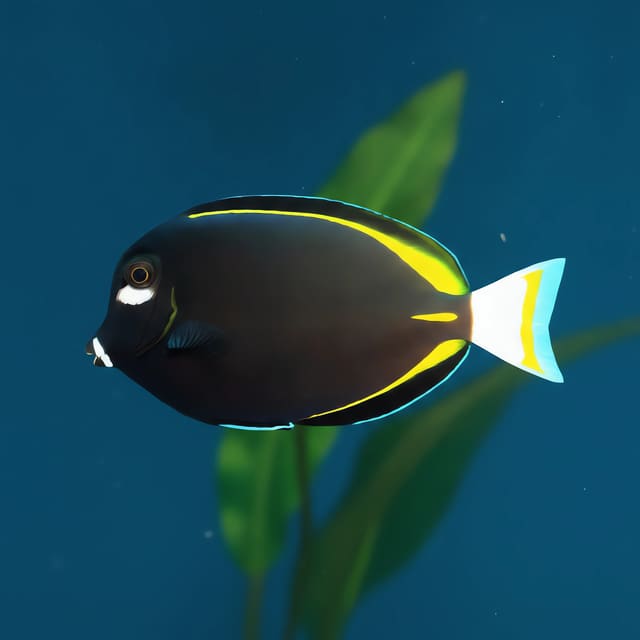
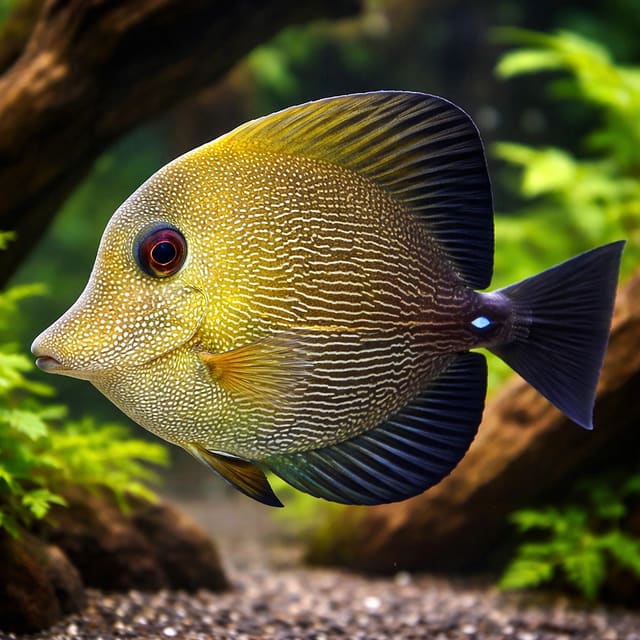
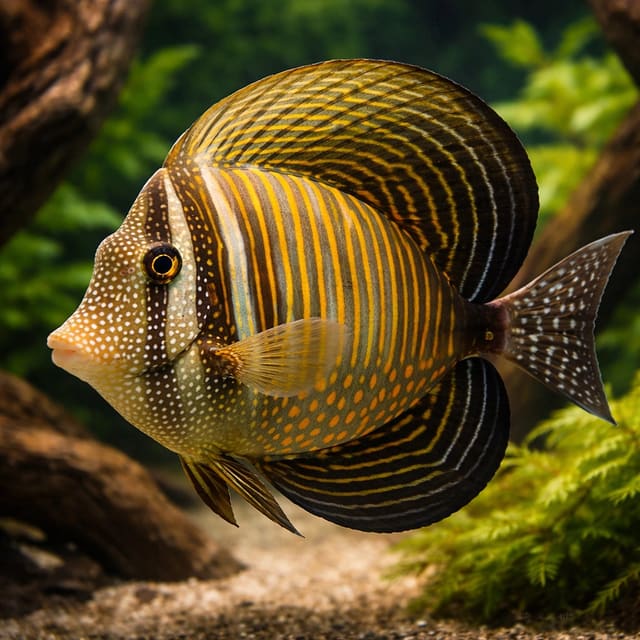
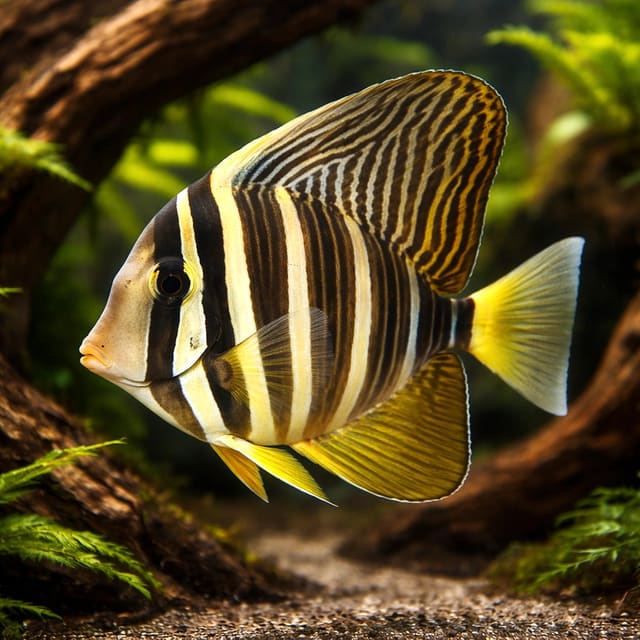
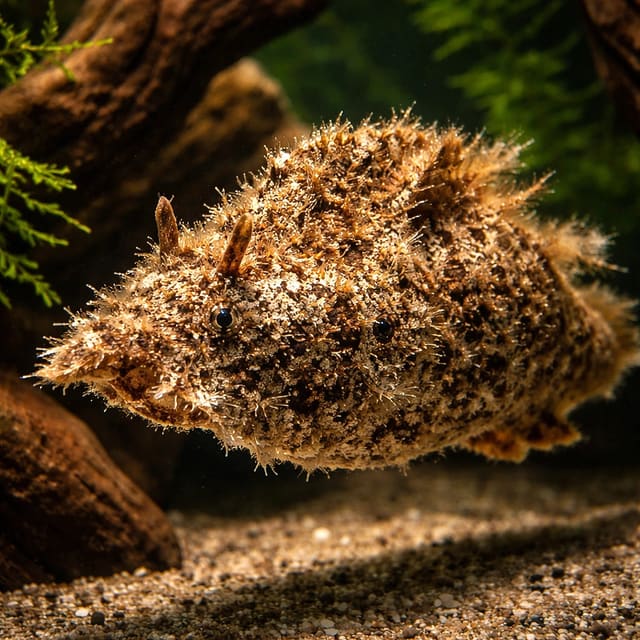
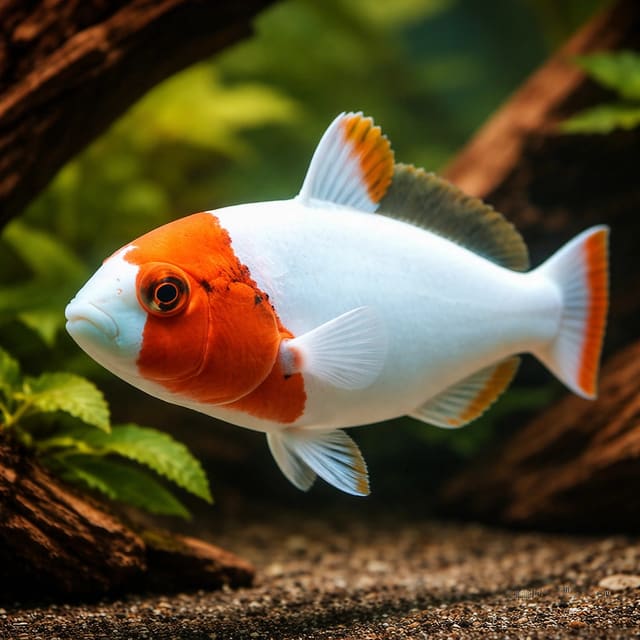
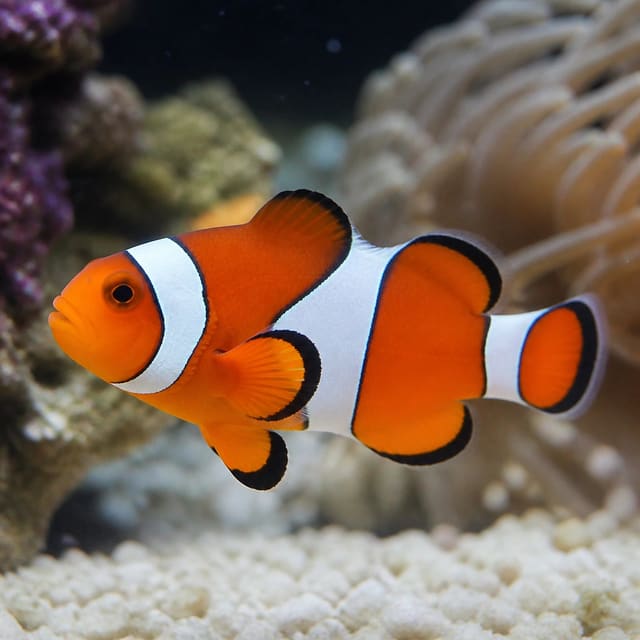
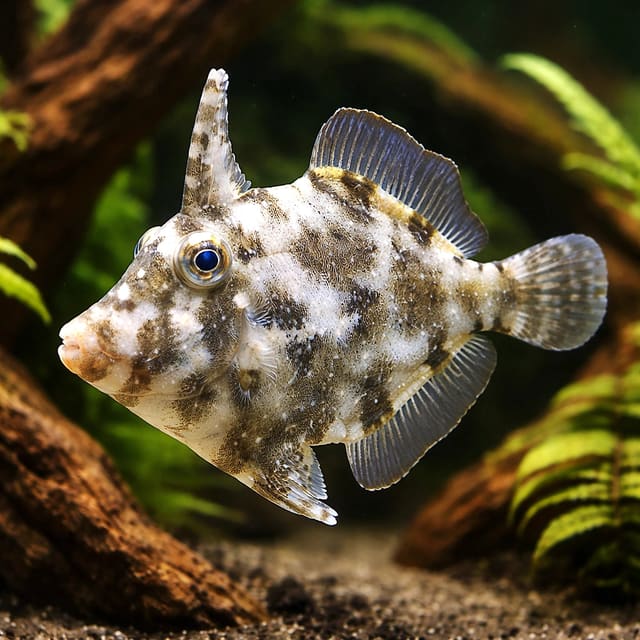
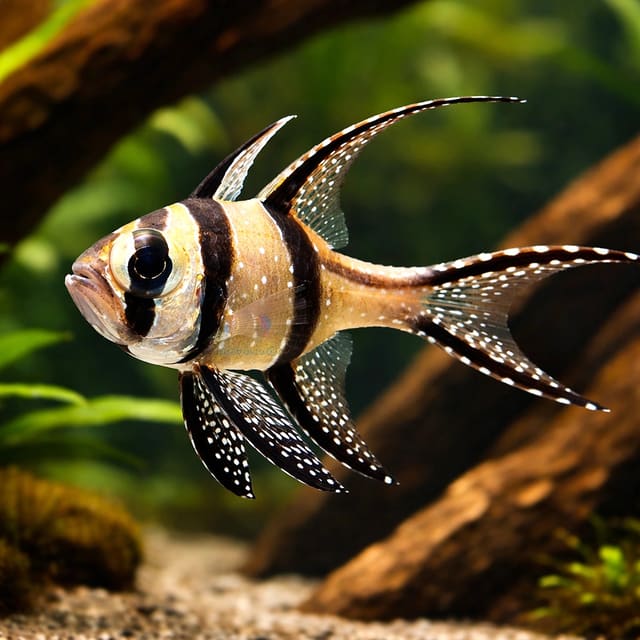
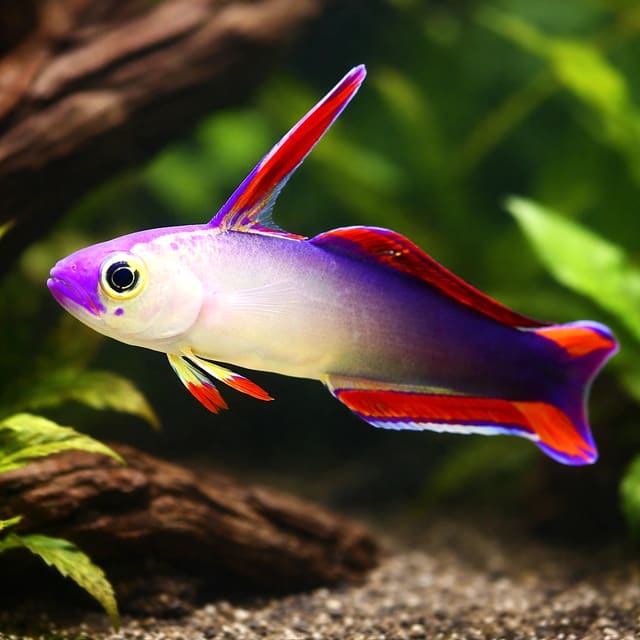
Some gallery images are representative, based on reference photographs of this species, and none shows the exact animal supplied, so colours can look slightly different from the live animal.
Choose the size by checking three things together: the aquarium’s present capacity, its ability to accommodate future growth, and the behaviour of its established residents. Dispatch size helps you plan introduction and immediate space; adult length controls the lasting decision.
OATA’s tang and rabbitfish guidance gives group-level aquarium targets rather than a species-specific optimum: at least 300 litres for one individual under 20 cm, with a larger aquarium for larger or more active fish. Its routine water range is 24–26°C, salinity 1.020–1.025 and pH 7.9–8.3.
| Decision | Planning figure |
|---|---|
| Recorded maximum length | 31 cm total length |
| Volume while under 20 cm | At least 300 litres |
| Temperature | 24–26°C |
| Salinity | 1.020–1.025 |
| pH | 7.9–8.3 |
| Ammonia and nitrite | Zero mg per litre |
| Nitrate | Not to exceed 50 mg per litre |
Treat 31 cm as a recorded maximum for planning, not a promise that every individual will reach exactly that measurement. The volume figure has a clear limit: it applies to one fish under 20 cm. A Palette surgeonfish approaching or exceeding that threshold needs a larger aquarium selected around its adult length, activity and the space occupied by rockwork and other fish.
A suitable keeper can maintain all these water values together, complete weekly maintenance and make a cautious compatibility assessment before introduction. The aquarium should already be mature and filtered rather than relying on a future upgrade to correct an immediate shortfall.
Start with the adult plan. FishBase gives 31 cm total length as the recorded maximum, while OATA recommends at least 300 litres only for a single individual under 20 cm. Use the larger-fish requirement to judge the permanent aquarium rather than treating 300 litres as a lifetime figure.
Provide live or artificial rockwork for cover, but retain clear water around it for an active fish. In nature this species swims above current-swept reef terraces and retreats among coral branches when alarmed. An aquarium layout should therefore offer a direct choice between open movement and shelter instead of filling the entire interior with dense décor.
When comparing two layouts of the same volume, favour the one that leaves useful swimming space after rockwork, filters and other equipment are installed. Nominal litres alone do not show how much usable room remains. A larger aquarium also gives greater stability in temperature and water quality, which matters for a tang that can be stressed by even small amounts of ammonia or nitrite.
Do not use a small dispatch option as a reason to postpone this decision. The aquarium must meet the fish’s needs on arrival and remain appropriate as it grows. If several large or active fish share the system, assess their combined use of swimming room before adding another.
Run the aquarium at 24–26°C, salinity 1.020–1.025 and pH 7.9–8.3. Check these values as a set: a temperature inside range does not compensate for detectable ammonia, unsuitable salinity or pH outside the recommended interval.
| Water measure | Routine target |
|---|---|
| Temperature | 24–26°C |
| Salinity | 1.020–1.025 |
| pH | 7.9–8.3 |
| Ammonia | Zero mg per litre |
| Nitrite | Zero mg per litre |
| Nitrate | Not to exceed 50 mg per litre |
| Carbonate hardness | 8–12°dKH |
| Calcium | 380–450 ppm |
| Magnesium | 1250–1350 ppm |
Ammonia and nitrite require particular attention because tangs may become stressed by even small amounts. If either is detectable, stop treating the aquarium as ready for another fish. Test the water, check filtration and correct the waste-processing problem before increasing stocking or feeding.
Nitrate has an upper limit rather than a preferred endpoint: it must not exceed 50 mg per litre. Weekly partial water changes, controlled feeding and maintenance of the filter and protein skimmer help prevent waste from accumulating. A reef aquarium may require different targets to meet the needs of more sensitive inhabitants, so establish a shared operating range before combining this fish with them.
Use consistent measurements to distinguish a water problem from a behavioural change. If the fish becomes unusually pale, dark, withdrawn, erratic or uninterested in food, test ammonia, nitrite, nitrate and the core marine values rather than judging water quality by appearance alone.
A working filter is essential. RSPCA aquarium welfare guidance explains that fish release toxic ammonia, which beneficial bacteria convert first to toxic nitrite and then to the safer nitrate. The aquarium must have an established biological filter capable of processing the waste created by its existing population and the new fish.
A marine system may use live rock with sufficient water flow, an internal or external filter, or sump-based filtration. A protein skimmer can be added to remove dissolved organic waste before it breaks down into more harmful substances. Whichever route you use, keep it accessible enough to inspect and maintain without allowing blockages to build up.
Increase the fish population slowly. Each addition and each rise in feeding requires the established bacterial population to process more waste. Adding too many fish too quickly can cause new tank syndrome because the available nitrifying bacteria cannot cope with the increased ammonia load.
A mature aquarium is one in which the biological filtration is already functioning; waiting for the fish to arrive before solving filtration problems puts the animal into the unstable stage. Good water quality, adequate volume and gradual stocking work together. None replaces the others.
Change 25% of the aquarium water at least once every week. Use a siphon to remove solid waste from the substrate where practical, and use the maintenance session to check filters and the protein skimmer for reduced performance or blockages.
If filter media needs cleaning, rinse it lightly in aquarium water removed during the partial water change. Do not run established biological media under the tap: chlorine or chloramine may kill the beneficial bacteria responsible for converting ammonia and nitrite. The aim is to remove obstructing debris without stripping away the working bacterial population.
Match maintenance to what you observe. Uneaten food increases the waste entering the system, while a blocked filter or poorly maintained skimmer reduces the system’s ability to deal with it. Correct the cause rather than relying only on a larger water change after a problem appears.
The weekly change is a minimum frequency, not permission to let nitrate rise to 50 mg per litre between sessions. Keep nitrate below that maximum through feeding control, filtration and water changes. Test promptly whenever swimming, colour, breathing, hiding or feeding changes, because water-quality problems may show first through the fish’s behaviour or appearance.
Feed twice a day, offering only what the fish can eat within a few minutes. Build the aquarium routine around algae-rich foods such as nori sheets, algae-based flake and grazing tabs, then include small meaty frozen foods such as mysis shrimp, enriched brine shrimp or krill.
This combination reflects two useful parts of the fish’s biology. FishBase describes wild Palette surgeonfish feeding on zooplankton and occasionally on algae, while OATA’s aquarium routine for tangs and rabbitfish emphasises enough algae-based food to maintain condition. Do not reduce the diet to only one of those elements.
| Feed | Decision |
|---|---|
| First daily feed | Offer an algae-rich food and watch how much is eaten. |
| Second daily feed | Offer algae-based food with a small meaty frozen option for variety. |
| Nori or grazing tabs | Allow longer grazing time than the few-minute rule used for loose food. |
| Food left uneaten | Reduce the next portion so waste does not accumulate. |
Judge quantity by direct observation. If loose food remains after a few minutes, the portion was too large. Nori sheets and grazing tabs are the exception to that short window because they are intended to remain accessible while the fish grazes.
Overfeeding creates a second care problem: uneaten food breaks down and releases waste into the water. A larger portion is not a substitute for dietary variety, and a powerful filter is not a reason to ignore leftovers. Keep both daily feeds controlled, maintain the algae component and monitor body condition and interest in food.
Prepare before the delivery window. Make sure someone can receive the parcel, confirm that the aquarium is mature, and test ammonia and nitrite at zero mg per litre. Check temperature, salinity and pH against the operating ranges before the bag is opened.
Follow the store’s delivery, acclimatisation and Live Arrival Guarantee policy. Float the closed bag for 20–30 minutes before releasing the fish, and never pour the bag water into the aquarium.
Acclimatisation cannot compensate for an immature filter or unsuitable water. Adding the fish also increases the waste and feeding load, so avoid adding several unrelated fish in quick succession. Similar-shaped tangs require separate compatibility planning because OATA advises introducing them simultaneously and towards the end of stocking, but that does not remove the need for adequate biological capacity.
Use the first observations as a baseline. Note how the fish swims, breathes, hides and responds to food so later changes are easier to recognise. Focus on the animal and water values rather than trying to diagnose a condition from colour alone.
A healthy fish should have clear, bright eyes, undamaged fins, intact scales, no ulcerations or bumps, appropriate swimming behaviour and a normal interest in food. Look for changes each day and during both feeds, when differences in appetite, breathing and movement are easiest to compare.
| What you see | What to do |
|---|---|
| Hanging at the surface, sitting on the bottom or erratic swimming | Test water quality and check filtration promptly. |
| Darker or paler colour | Compare breathing, swimming and hiding as well as water results. |
| Faster or slower gill movement | Check ammonia, nitrite and the core marine parameters. |
| More aggression or hiding | Review compatibility, cover and water quality. |
| White spots, fluffy growths, lost fins or scales | Record the change and seek health guidance. |
| Reduced food intake or declining condition | Check water and review the amount and variety offered. |
Wild juveniles and subadults hide among coral branches when alarmed, so hiding should be assessed alongside breathing, colour, feeding and the behaviour of tank mates. A sudden increase in hiding still deserves attention, particularly when an active or territorial fish has recently been introduced.
If you are concerned about any health change, test the water quality and contact us for further guidance. This step identifies whether ammonia, nitrite, nitrate, temperature, salinity or pH is contributing to the problem without guessing from one visible sign.
Keep treatment decisions outside routine observation. The immediate priorities are accurate water results, maintained filtration, a clear account of the change and prompt guidance appropriate to the condition.
Tangs have sharp modified scales near the tail that resemble a scalpel and can injure people. FishBase also identifies an anterolateral glandular groove with a venom gland in Paracanthurus hepatus. Minimise handling and keep hands away from the tail area whenever work brings you close to the fish.
Arrange routine maintenance so the fish can move into cover while you siphon waste or service equipment. Rockwork gives it a retreat, but leave enough open space for normal swimming. Watch the fish’s position before moving equipment or placing a hand into the aquarium.
OATA notes that tangs can live for many years in a well-matured aquarium with good water quality. Treat the purchase as a long-term space and maintenance commitment without assigning a fixed lifespan. The recorded 31 cm maximum, active behaviour and need for stable water are more useful planning tools than the dispatch measurement alone.
Reassess before the fish reaches a space limit, not after. An aquarium that was adequate for a fish under 20 cm may cease to be the right long-term environment as the animal grows or as other large fish are added.
Choose tank mates by activity, adult space and resemblance rather than by a general “community fish” label. OATA advises that active tangs and rabbitfish should not be mixed with shy species. It also says tangs and rabbitfish can be mixed when they do not look too similar.
| Candidate | Decision |
|---|---|
| Shy species | Avoid; an active tang may prevent them settling or behaving normally. |
| Similar-looking tang or rabbitfish | Avoid the lookalike combination unless the full stocking plan has been assessed. |
| Similar-shaped tang | Expect territorial risk; introduction timing requires special planning. |
| Angelfish, damsels or some butterflyfish | Treat as candidates for individual screening, not automatic matches. |
| Any established resident | Compare adult size, activity, appearance and present behaviour. |
When using the marine fish collection to compare a possible addition, identify the exact species first. Then check whether it is shy, resembles the tang in body shape, or would make the aquarium too crowded when all residents reach adult size.
Compatibility remains an individual assessment because fish can vary in behaviour and temperament. OATA lists angelfish, damsels and some butterflyfish as examples of tank mates, but those group examples do not override aquarium size, the behaviour of the individual fish or the requirements of the exact species being considered.
Ask us for one stocking and compatibility assessment before combining this tang with an established community. Include the aquarium volume, the Palette surgeonfish’s selected size, the names and sizes of current residents, and the order in which fish were introduced.
Plan this purchase as one fish. Although wild Palette surgeonfish have been observed in loose aggregations and juveniles may gather near isolated coral heads, that natural behaviour is not a direction to place several tangs into an aquarium without a complete adult-space and compatibility assessment.
Similar-shaped tangs may become territorial and bully new additions. OATA advises adding such tangs simultaneously and towards the end of stocking the aquarium. Make that decision before either fish enters the system; adding a lookalike later is the pattern most directly associated with the territorial warning.
Simultaneous introduction is not permission to overstock or rush an immature filter. OATA’s wider introduction advice still requires fish numbers to increase slowly so beneficial bacteria can adjust to the added waste. Resolve that tension by designing the whole stocking sequence in advance rather than adding fish opportunistically.
After introduction, watch for increased aggression, persistent hiding, changed colour, abnormal swimming or reduced feeding. These signs can indicate a compatibility or water-quality problem, so test the water and reassess the interaction rather than assuming territorial behaviour will settle by itself.
It is the Palette surgeonfish, the only species in its genus and an Indo-Pacific, reef-associated member of the surgeonfish family Acanthuridae.
One purchase supplies one animal of the selected size option. Check the live selector for the size choices shown when ordering.
The selector uses “4 - 5,9 cm”, “6 - 9 cm” and “>9 cm” as dispatch measurements. Choose for the aquarium on arrival, then plan independently around the recorded maximum of 31 cm total length.
Use at least 300 litres for one fish under 20 cm, then choose a larger aquarium for a larger or more active fish. Provide rockwork for cover, clear swimming room and mature filtration.
Plan this purchase as one fish. Wild fish form loose aggregations, but aquarium tangs that look alike may become territorial; only plan additional tangs after assessing adult space, appearance and introduction order.
Maintain 24–26°C, salinity 1.020–1.025 and pH 7.9–8.3, with ammonia and nitrite at zero mg per litre and nitrate not exceeding 50 mg per litre. These are OATA’s group-level aquarium values for tangs and rabbitfish, not a species-specific optimum.
Feed twice daily with enough algae-rich food, including nori, algae-based flake or grazing tabs, plus small meaty frozen foods such as mysis, enriched brine shrimp or krill. Loose food should be eaten within a few minutes.
Start filming before opening the sealed parcel and continue in one take through opening to the fish still inside the sealed bag. Then float the bag for 20–30 minutes before releasing the fish, and never pour the bag water into the aquarium.
Avoid shy species and tangs or rabbitfish that look too similar. Screen every candidate by adult space, activity, body shape and individual behaviour; similar-shaped tangs require simultaneous introduction towards the end of stocking.
No reviews for this item yet. Bought one? Honest reviews only, good or bad.
What customers say about ordering from us
Easy website plenty of info on fish your buying great to pick a time slot
TRACEY DURRANT · 7 Oct 2026
Got some lovely fish thank you
Kevin Mackie · 7 Oct 2026
Reviews of our shop, collected by Judge.me, an independent third-party review collector. Newest first.