Corydoras for Sale UK

Compare cory catfish species and sizes, then plan a suitable group for your aquarium.

Shop stockCare guide33 live listings
3 things to check before ordering
  • Check the exact species and supplied size
  • Plan the group and aquarium footprint together
  • Compare water needs, substrate and feeding access

Current Corydoras listings

33 products

Black Corydoras
Moderate

Black Venezuela Corydoras (Corydoras sp. Black Venezuela)

22–26°C · pH 6–7.8 · 75L

From £6.79Some sizes on sale
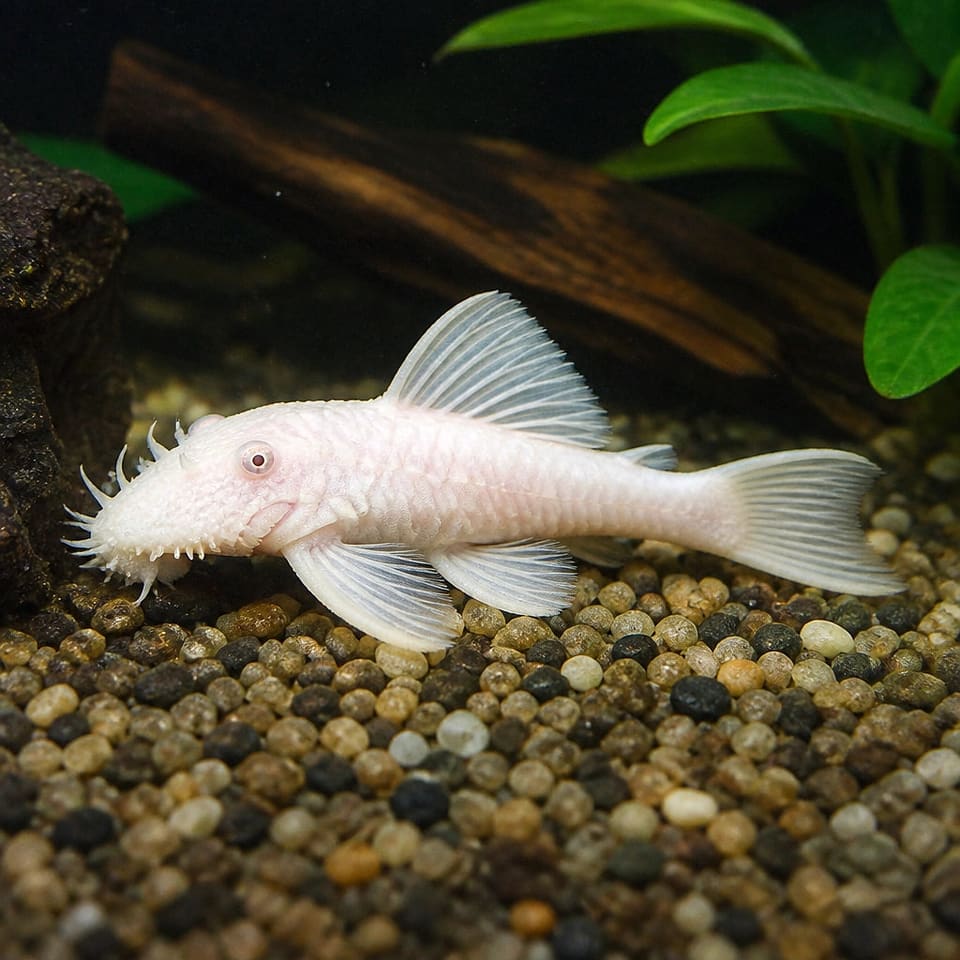
Albino Bronze Cory resting on pale sand in front of dark wood and green plants, with a cream body and red eye

Albino Bronze Cory (Osteogaster aenea)

22–27°C · pH 6–8 · 72L

£2.99
Albino Bronze Cory (Corydoras aeneus)
−10%
Easy

Bronze Corydoras, Bronze Cory Catfish (Corydoras aeneus)

22–26°C · pH 6–7.5 · 60L

£3.59£3.99
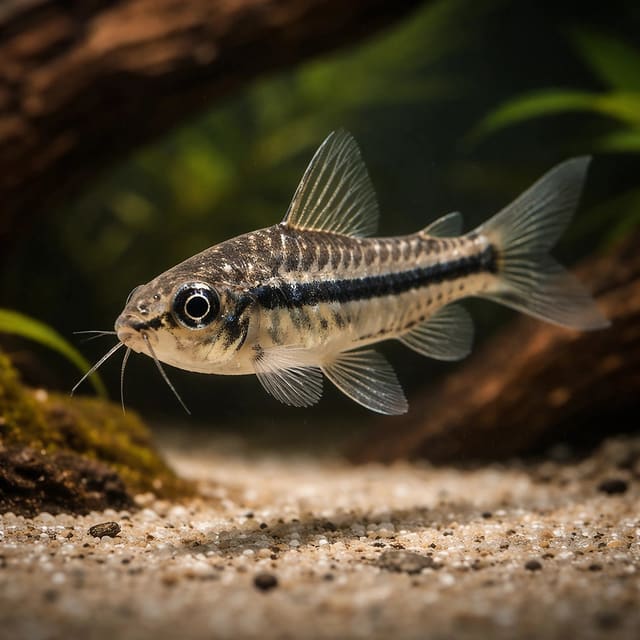
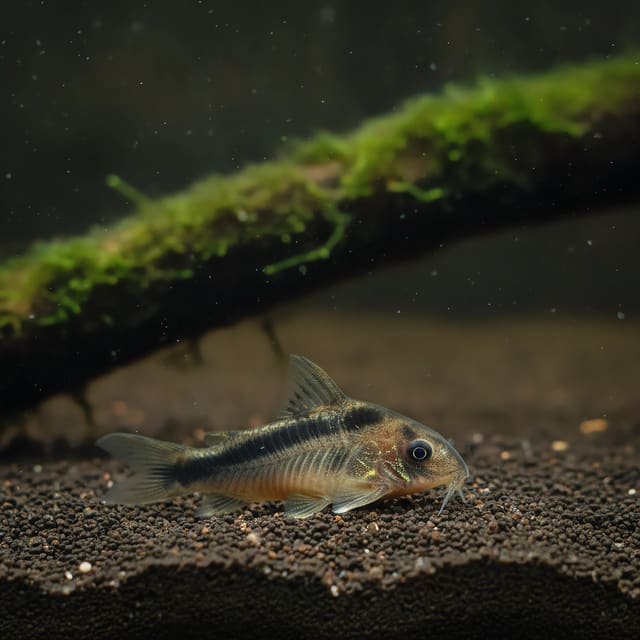
Pigmy Corydoras with a dark side stripe swimming above sand and wood

Pigmy Corydoras (Corydoras pygmaeus)

22–26°C · pH 6.4–7.4 · 41L

£3.49
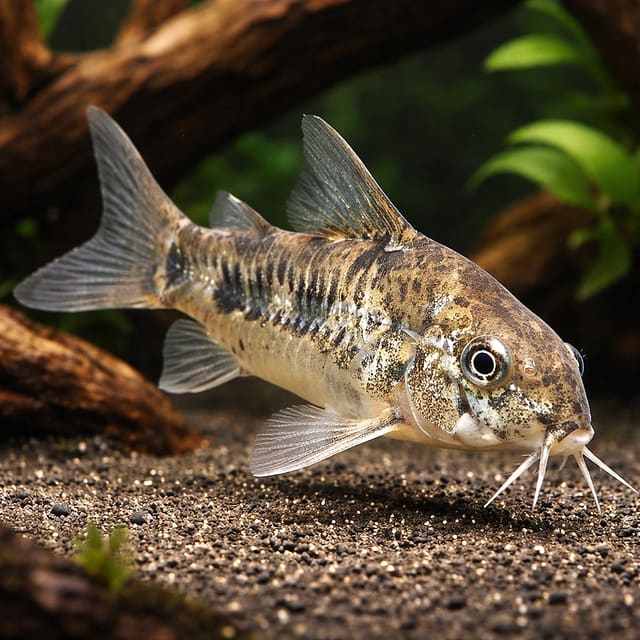
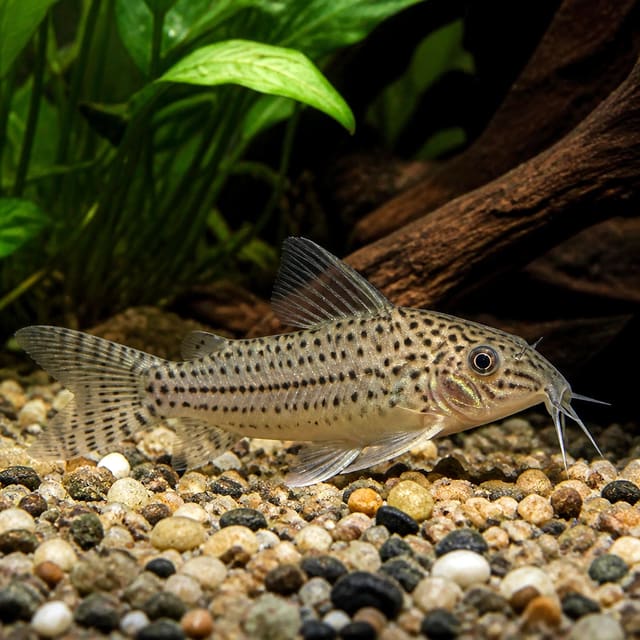
Peppered Corydoras with spread fins above dark gravel, wood and green plants behind
Moderate

Peppered Corydoras (Corydoras paleatus)

22–23°C · pH 6–7 · 70L

£3.79
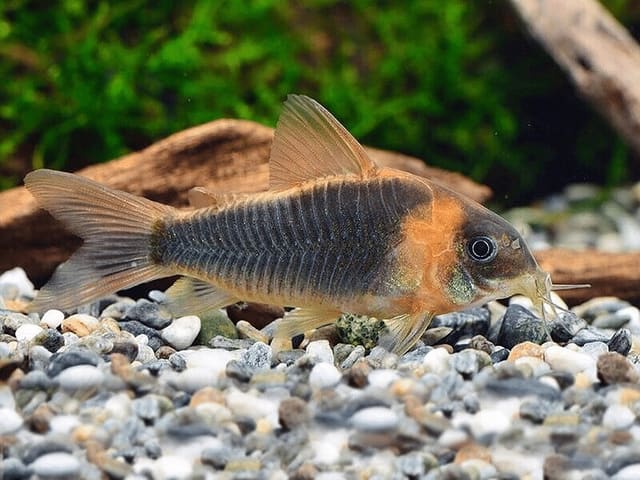
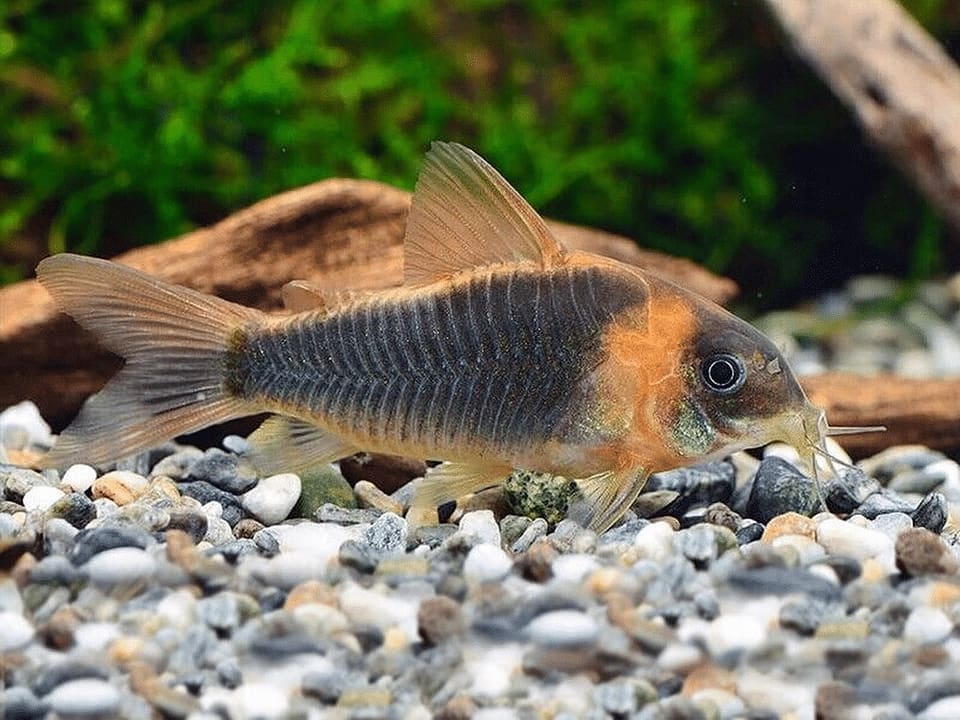
Horseman Cory with a dark body and orange shoulder patch resting over mixed gravel

Horseman Cory (Corydoras eques)

24–26°C · pH 6–8 · 81L

£6.59
Corydoras Catfish (Corydoras spp.)
Easy

Agassiz’s Cory (Corydoras agassizii)

22–26°C · pH 6–7.5 · 60L

£18.99
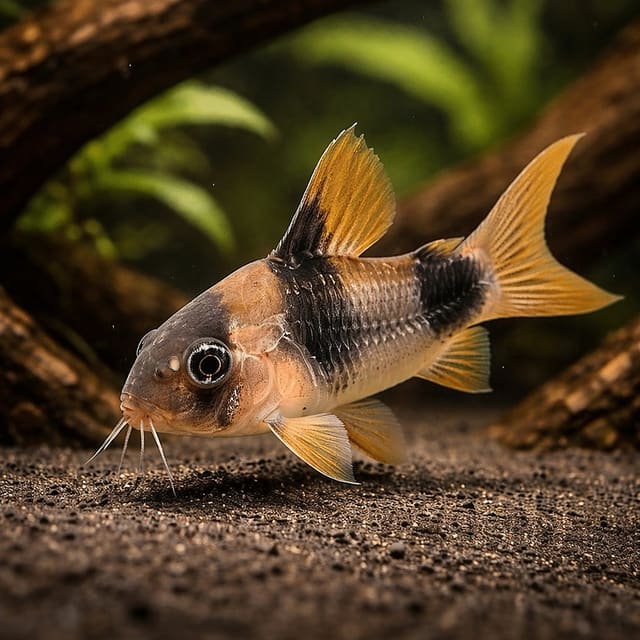
Twosaddle Corydoras facing left above dark sand, with amber fins and two black saddles

Twosaddle Corydoras (Corydoras weitzmani)

22–26°C · pH 6–8

£46.99
Rusty Cory (Corydoras rabauti) shoaling catfish for planted aquariums
−15%
Easy

Rusty Cory (Corydoras rabauti)

22–26°C · 60L

£7.64£8.99
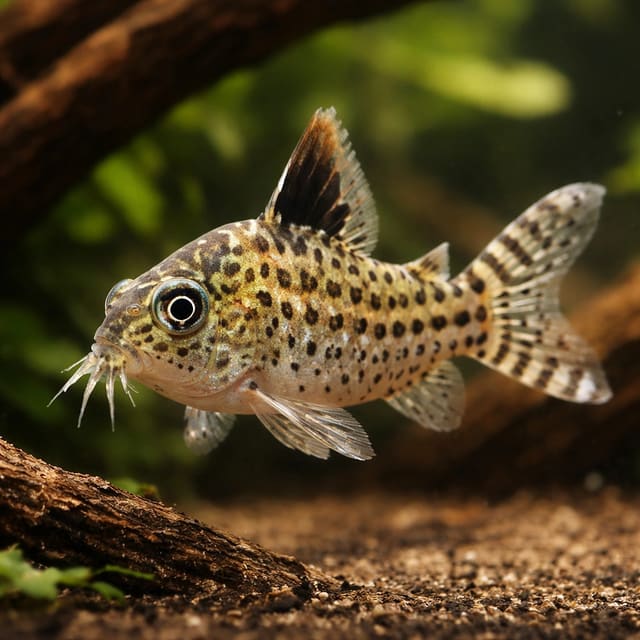
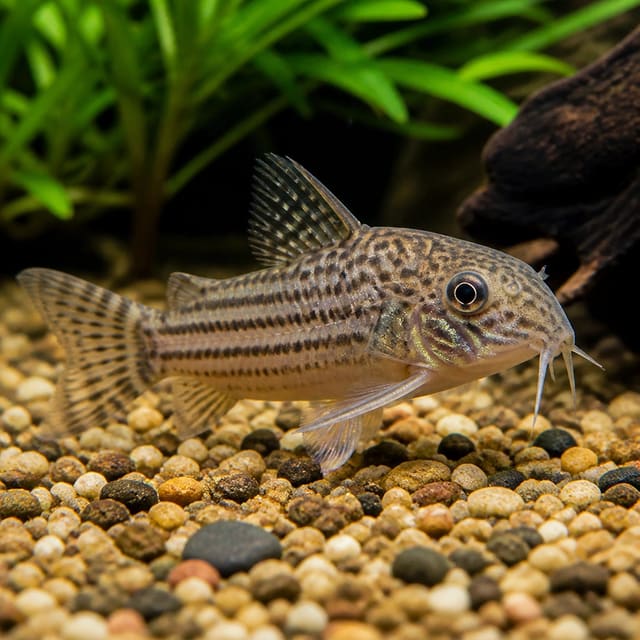
Assorted Corydoras Mix catfish with dark stripes and spotted fins above rounded gravel

Assorted Corydoras Mix

22–26°C · pH 6–7.5

£4.99
Corydoras napoensis — best algae eating fish — Catfish cory pleco — representative image
Easy

Napo Cory (Gastrodermus napoensis)

22–26°C · pH 6–7.4 · 41L

£15.99
Spotted Aspidoras spilotus catfish on gravel beside plants and driftwood
−10%
Moderate

Aspidoras spilotus

20–25°C · pH 6–7.5 · 54L

£14.39£15.99
Corydoras arcuatus with a dark upper stripe swimming over gravel beside wood

Corydoras arcuatus

22–26°C · pH 6–7.5

£22.99
Elegant Cory (Corydoras elegans)

Elegant Cory (Corydoras elegans)

22–26°C · pH 6–7.5

£6.19
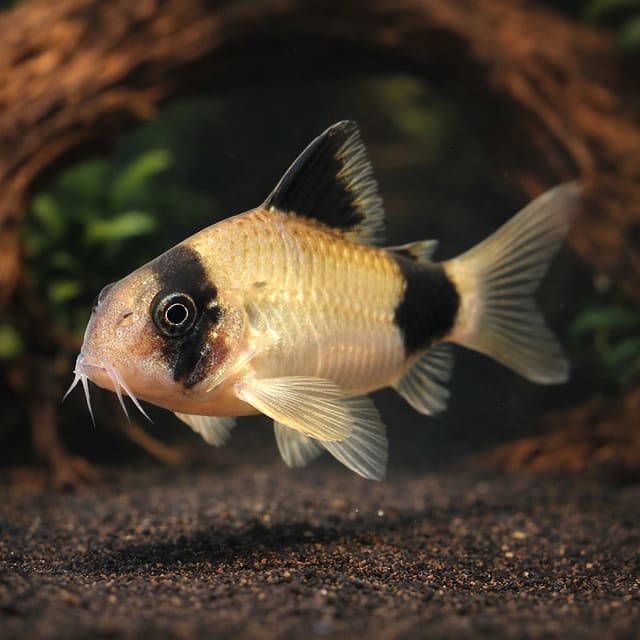
Panda Cory Catfish swimming above dark gravel with wood and plants behind

Panda Cory Catfish (Corydoras panda)

22–25°C · pH 6–7.4

£7.29
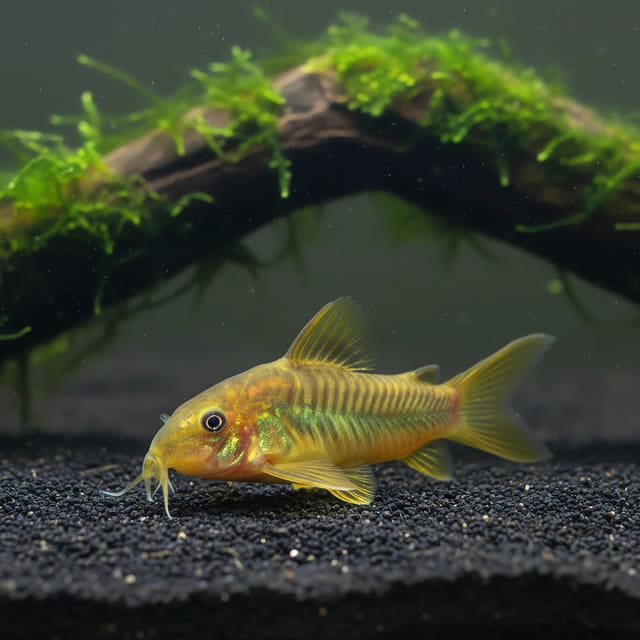
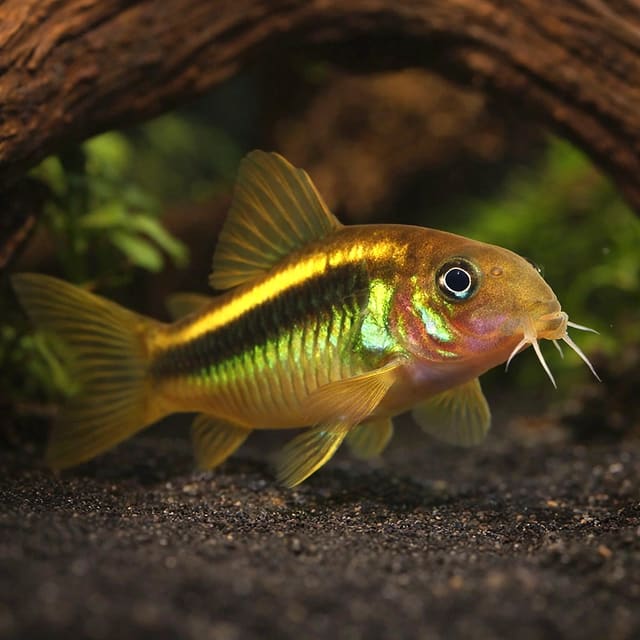
Gold Laser Cory with a gold stripe along its upper body, on dark gravel beneath driftwood

Gold Laser Cory (Osteogaster sp.) — CW010

22–27°C · pH 6–8

£24.99
One Adolfo’s Cory side-on above sand between pieces of driftwood, showing an orange nape and dark dorsal band
Moderate

Adolfo’s Cory (Corydoras adolfoi)

20–26°C · pH 4–7

£16.99
Sterbai Cory (Hoplisoma sterbai) representative illustration

Sterbai Cory (Hoplisoma sterbai)

24–28°C · pH 6–7.6 · 41L

£10.49
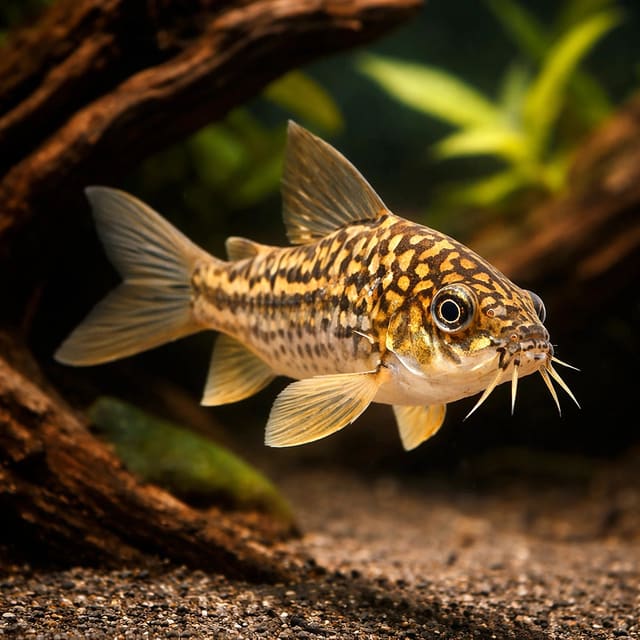
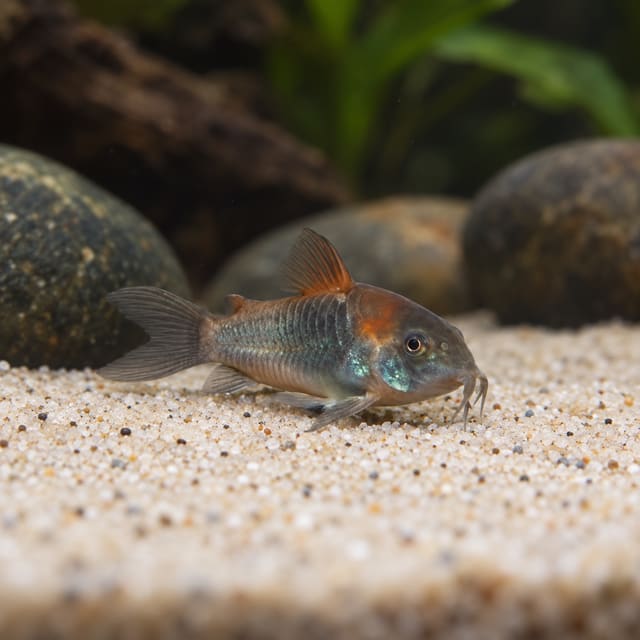
Venezuelan cory with a metallic grey-green body and orange shoulder patch on fine aquarium sand
Easy

Venezuelan Cory (Corydoras venezuelanus)

25–27°C · pH 6–8 · 72L

£13.99
Julii Cory (Corydoras julii)
Easy

Julii Cory (Corydoras julii)

22–26°C · pH 6–7.5 · 60L

£10.99
Mini Cory / Light-Spot Catfish (Gastrodermus nanus) exact source and aquarium views

Mini Cory / Light-Spot Catfish (Gastrodermus nanus)

22–27°C · pH 6–8

From £6.49Some sizes on sale
Pink Corydoras
Easy

Pink Corydoras (Corydoras axelrodi)

22–26°C · pH 6–7.5

£20.99
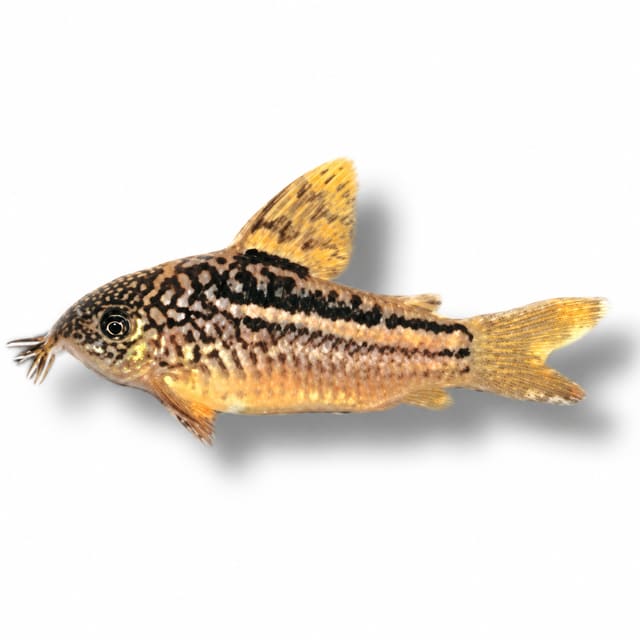
Three-Stripe Cory with dark maze-like markings and spotted fins swimming above gravel
Easy

Three-Stripe Cory (Hoplisoma trilineatum)

22–26°C · pH 6–7.2 · 41L

£14.99
Sands' Cory (Hoplisoma davidsandsi) beside driftwood on fine gravel, showing its orange head and black eye mask
Moderate

Sands' Cory (Hoplisoma davidsandsi)

20–28°C · pH 5–7 · 81L

£15.99

Before you choose from this collection

Compare current cory catfish species, sizes and stated sale units. Familiar common names can cover different scientific identities, so use the exact product and reviewed care guide to plan a suitable group, aquarium footprint and water conditions.

Familiar names across the wider cory catfish group include Bronze, Panda, Pygmy and Sterbai. The product grid below shows only fish that are currently shoppable; confirm the scientific identity, current size and sale unit on each product.

Different species need different adult-size, temperature, water and footprint decisions. Use the reviewed Corydoras care guide before ordering; current product cards own changing price and availability.

Explore related collections

Visual route into our wider UK live-fish range.
Frequently asked questions

Price depends on the exact species, size and sale unit. Use the current product cards rather than a static price range, and confirm whether each displayed price covers one fish or a group before ordering.
No. Cory catfish forage for edible material but do not remove waste, control ammonia or replace aquarium maintenance. Feed a suitably sized complete sinking food that every fish can reach; other fishes' leftovers are not a feeding plan.
Social behaviour is well supported, but research does not establish one number for every species. Our starting policy is at least six compatible conspecifics for the commonly sold social species covered by the guide, only where the aquarium has enough footprint and capacity.
Smooth fine sand is our conservative default because it permits natural substrate foraging. Smooth fine gravel may be considered when grain shape, cleanliness and feeding access are suitable; substrate alone cannot guarantee barbel health.
Use the current product grid for the species and variants offered now. Confirm the scientific identity, current size, sale unit, price and availability on the exact product rather than relying on a permanent stock promise.
No. The familiar cory label spans several genera and species with different adult sizes and compiled temperature records. Confirm the accepted identity first, then use the reviewed care guide to compare group, footprint, substrate, water, feeding and tank-mate decisions.

Watch: Corydoras in 60 seconds

Short clips from our own channel — the things keepers most often get wrong, answered in a minute.

Your Cory Isn't Gasping — It Breathes Through Its GutCorydoras dash to the surface and gulp air, then dive straight back. It looks like distress; it is intestinal breathing, and here is when it actually matters.