
Tropical Fish Co Editorial Team — Evidence-led aquarium editorial team
Tropical Fish Co Editorial Team
Evidence-led aquarium editorial team
The Tropical Fish Co editorial team compiles care guidance from the sources cited on each page, separates published evidence from practical husbandry policy, and checks retail links against the current catalogue. First-hand experience is included only when a named contributor and the observation have been verified.
How our guides are prepared
We begin with current taxonomic catalogues, scientific databases, original papers where available, and UK welfare guidance. Species-focused aquarium references can supply practical husbandry conventions, but we label them as such rather than presenting them as laboratory findings.
Every material revision records its sources, media rights, internal-link check, mobile QA and publication proof in the site's editorial-quality registry. We do not invent personal experience, credentials, reviewer names or certainty.
Tropical Fish Co sells some of the animals discussed in these guides. Retail links are clearly separated from the informational answer, and availability can change. If you spot an error, use the correction link on the guide so the claim and its source can be reviewed.
Care guides by Tropical Fish Co Editorial Team
Live Aquarium Plants for Beginners: 7 Easy Picks
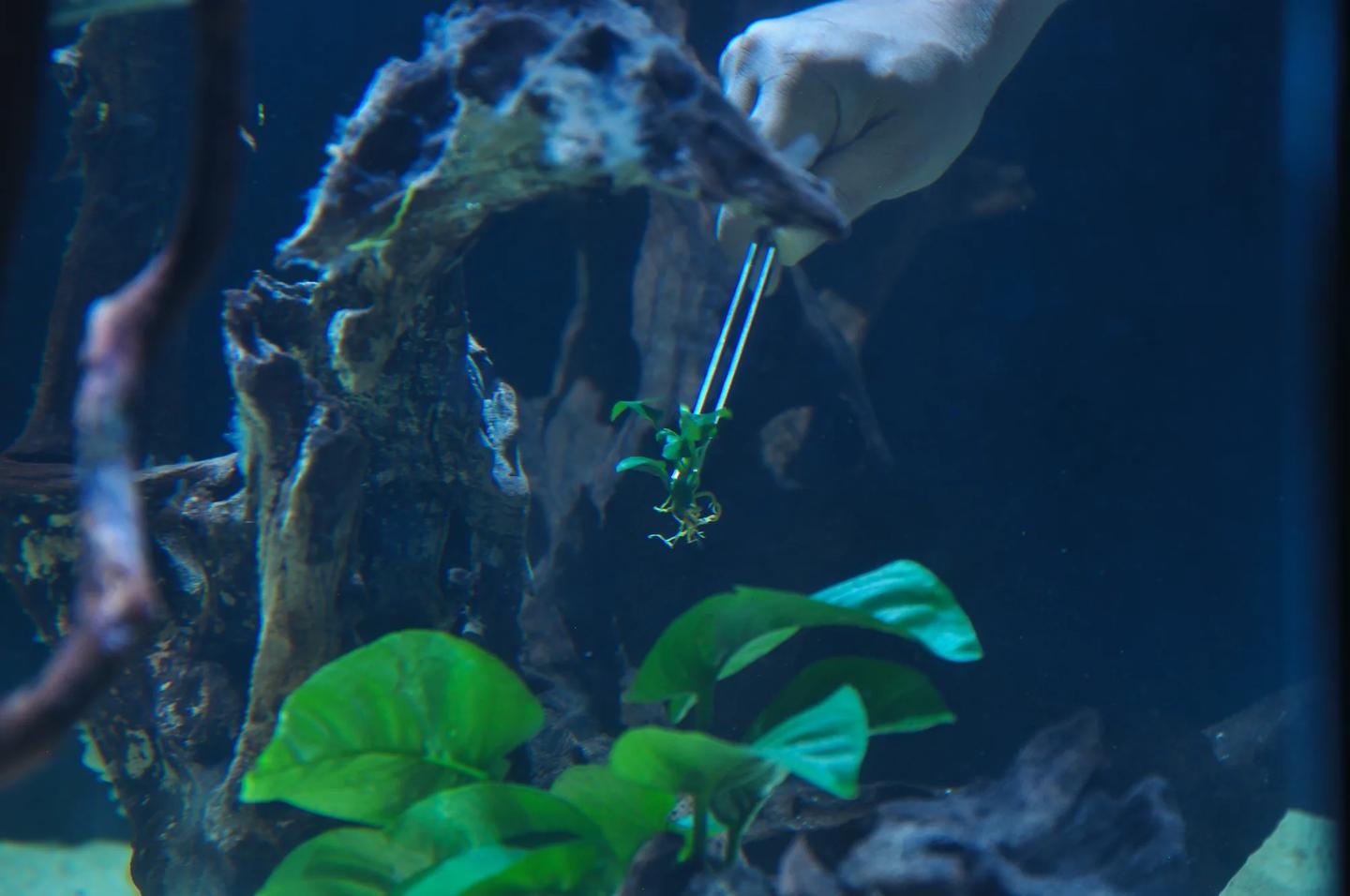
For a first low-tech planted aquarium, start with one or two correctly labelled lower-demand species, match their mature size to the tank, keep the rhizomes of Java fern and Anubias above the substrate, and change only one lighting or feeding variable at a time.
Aquarium Water Parameters: What to Test and Why
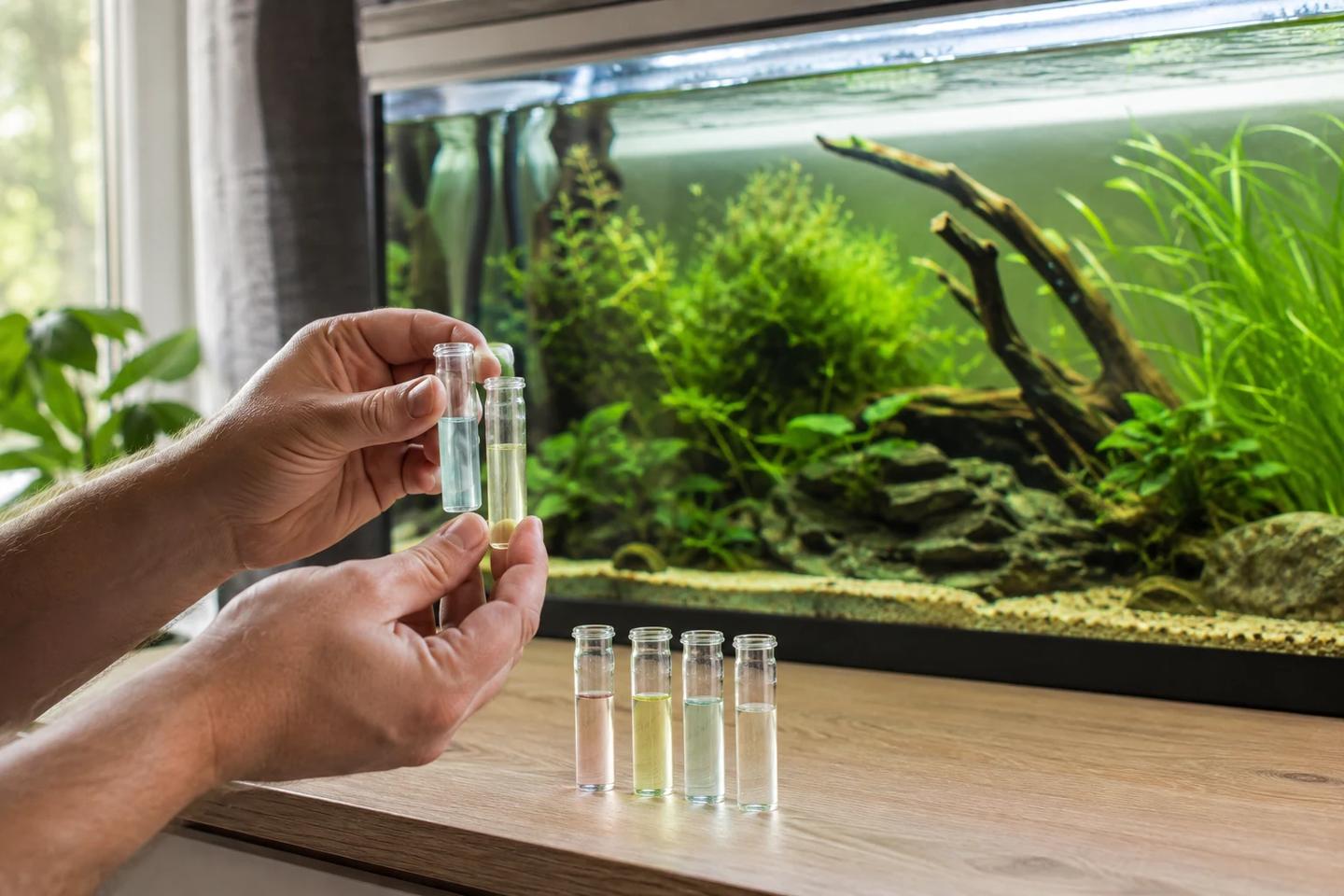
There is no universal set of perfect freshwater aquarium parameters. Identify the animals, learn what the test and unit actually report, establish your local source-water baseline, and compare repeat measurements. In an established aquarium, a confirmed ammonia or nitrite detection needs investigation; pH, GH, KH, temperature and nitrate decisions depend on the species, life stage and whole system.
Molly Fish Care: Tank Size, Temperature & Types
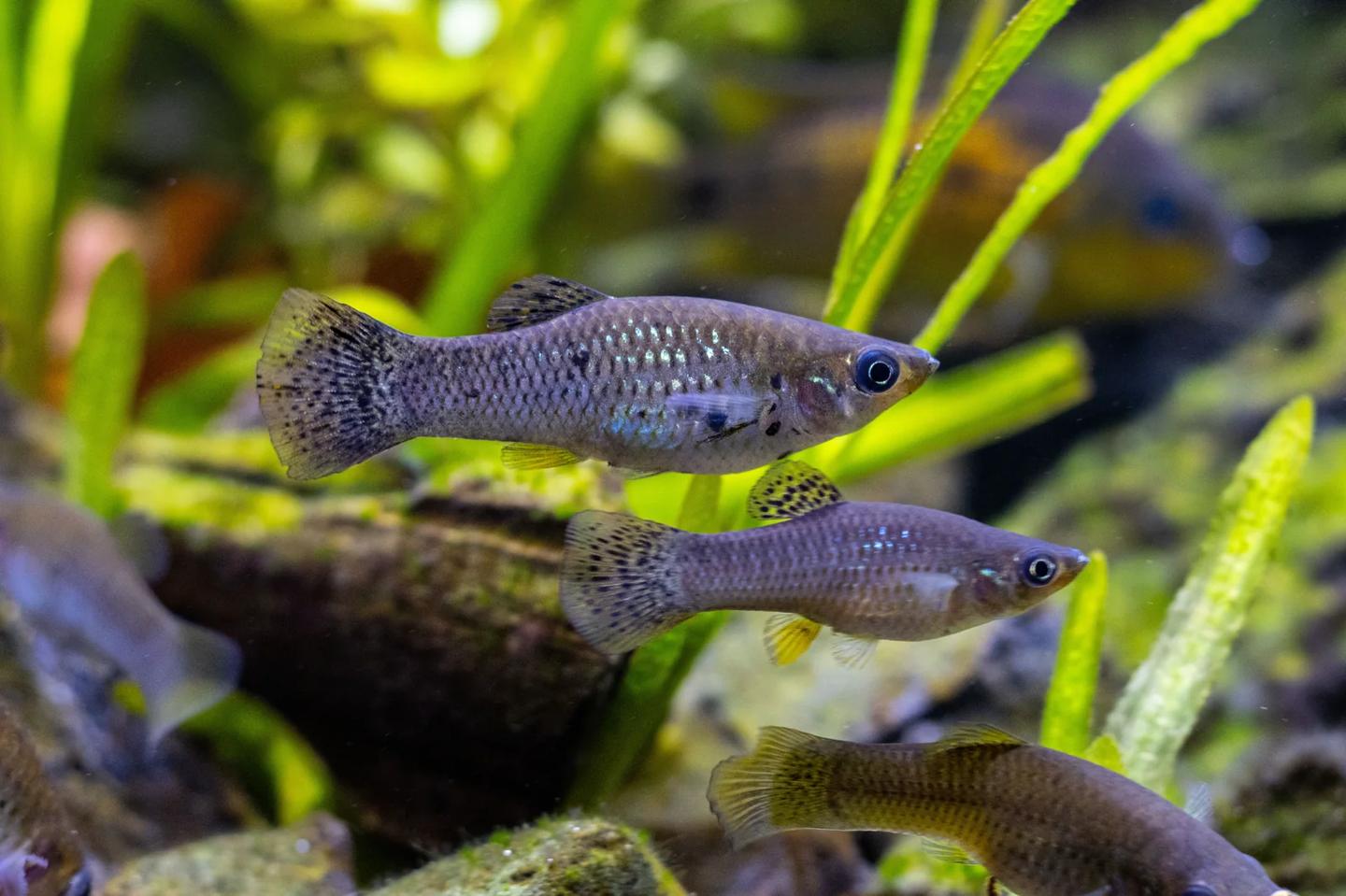
Mollies are social livebearers sold under a broad trade name. Identify the species or domestic form first; plan at least 45 litres for a small group of smaller mollies or 80 litres for sailfins, then verify adult size, water, sex ratio and the complete community.
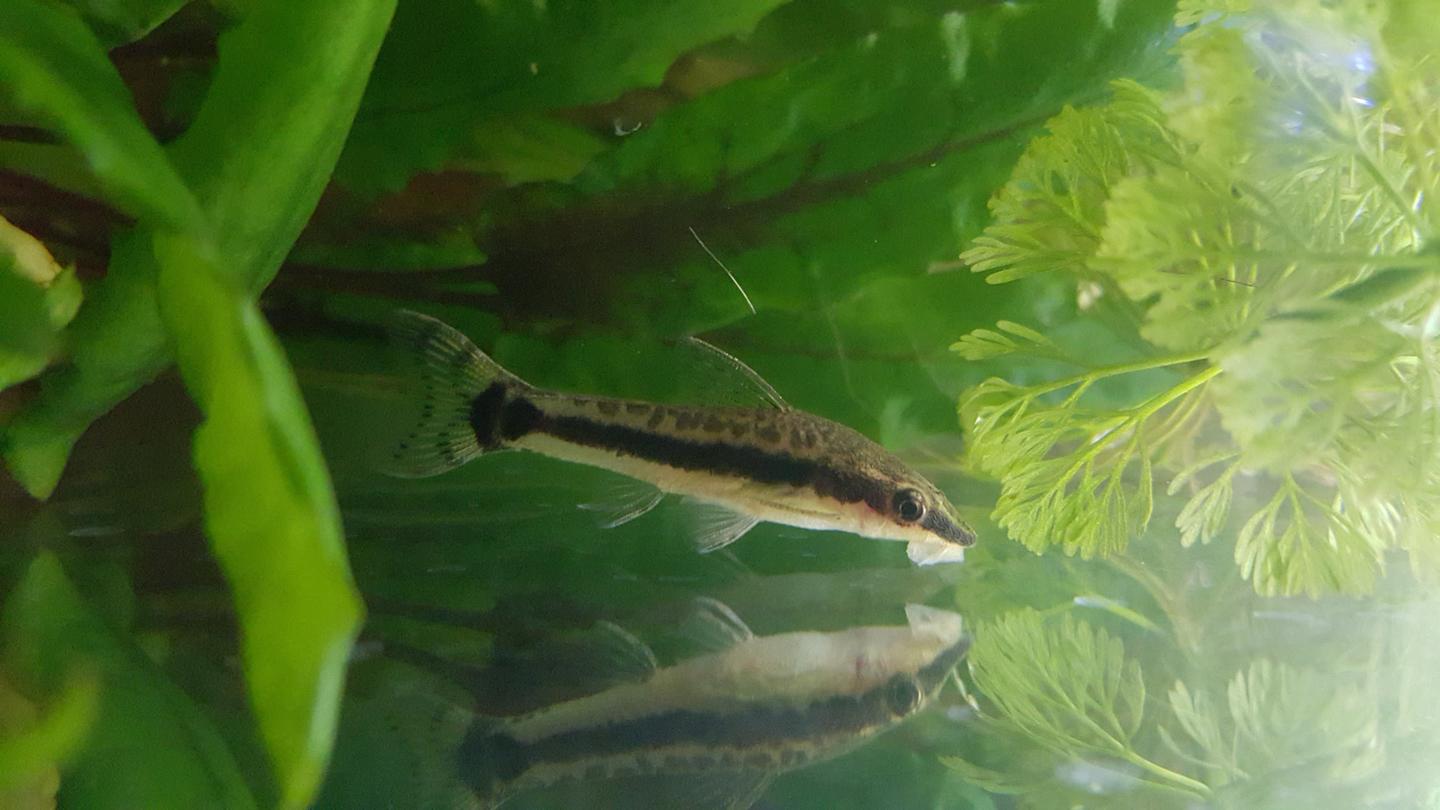
Otocinclus Catfish Care: Tank Size, Food & Groups
Otocinclus are small South American loricariid catfish, not disposable algae cleaners. Confirm the supplied species where possible; start with a mature, stable aquarium with ample grazing surfaces; plan a compatible social group; and provide suitable food even when algae is visible.
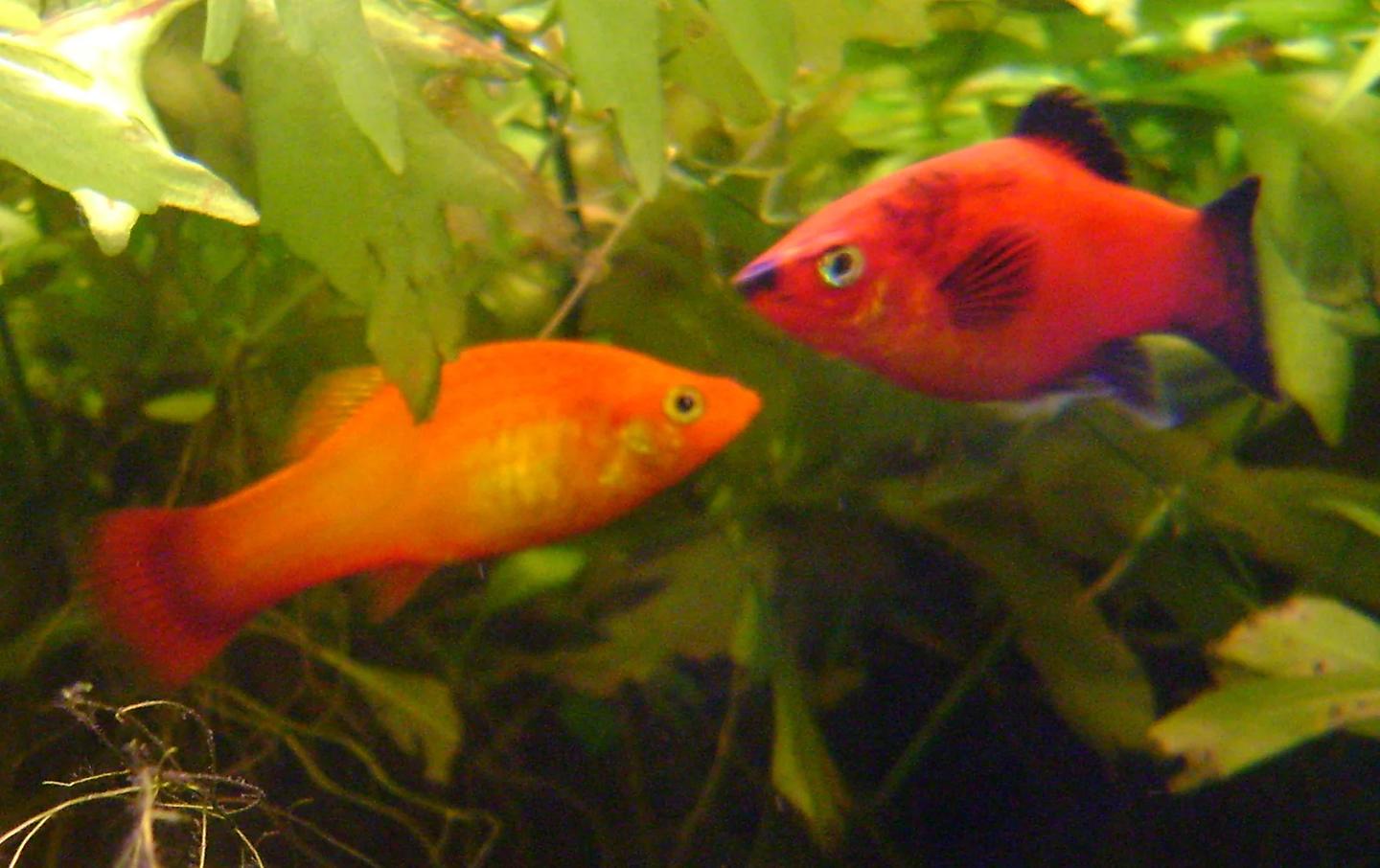
Platy Fish Care: Tank Size, Temperature & Types
Platy is a trade name used for Xiphophorus maculatus, X. variatus and domestic forms. Start with at least three in a mature aquarium of at least 45 litres, verify the exact fish and measured water, and plan extra capacity before mixing sexes.
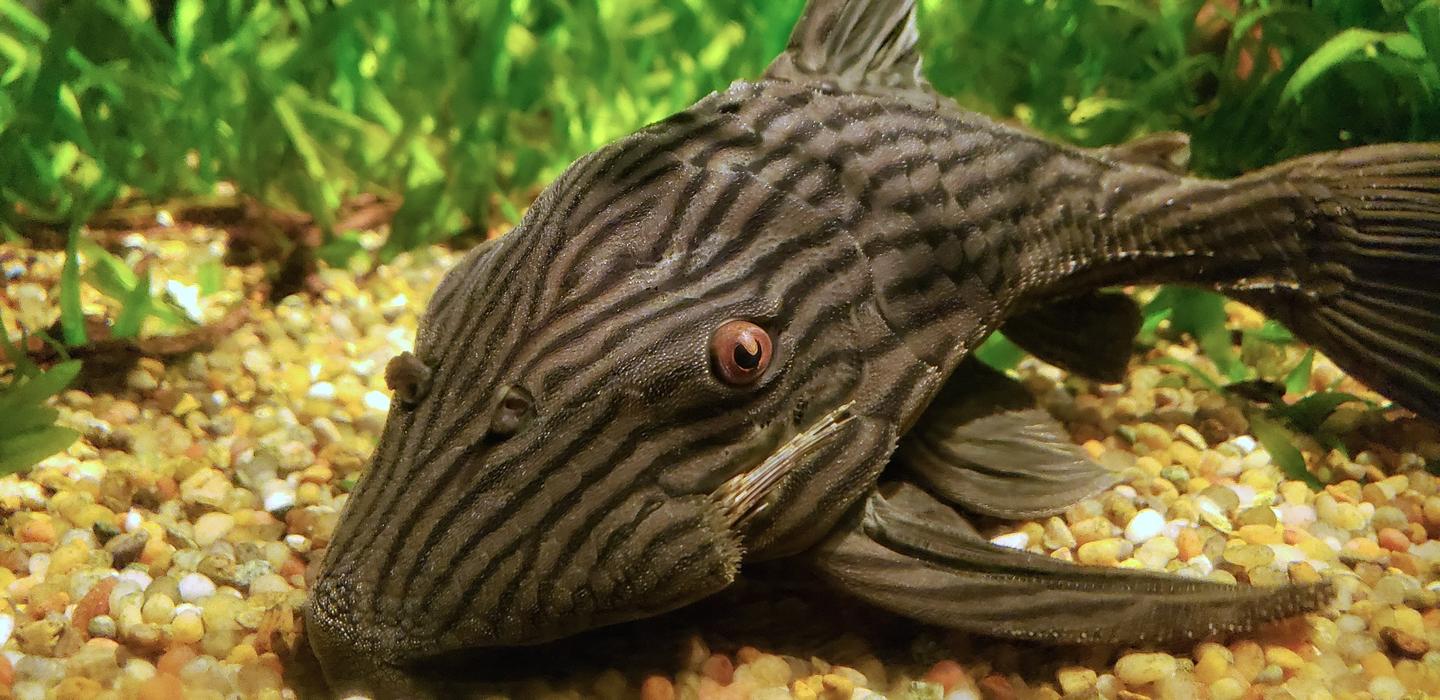
Pleco Fish Guide: Types, Adult Size, Food & Tank Planning
‘Pleco’ is a loose aquarium-trade label, not one species or one care sheet. Before buying, confirm the scientific name or defensible L-number, adult size and measurement method, required footprint, temperature and water, diet, social plan and source. No universal pleco tank size, menu or algae result is honest.
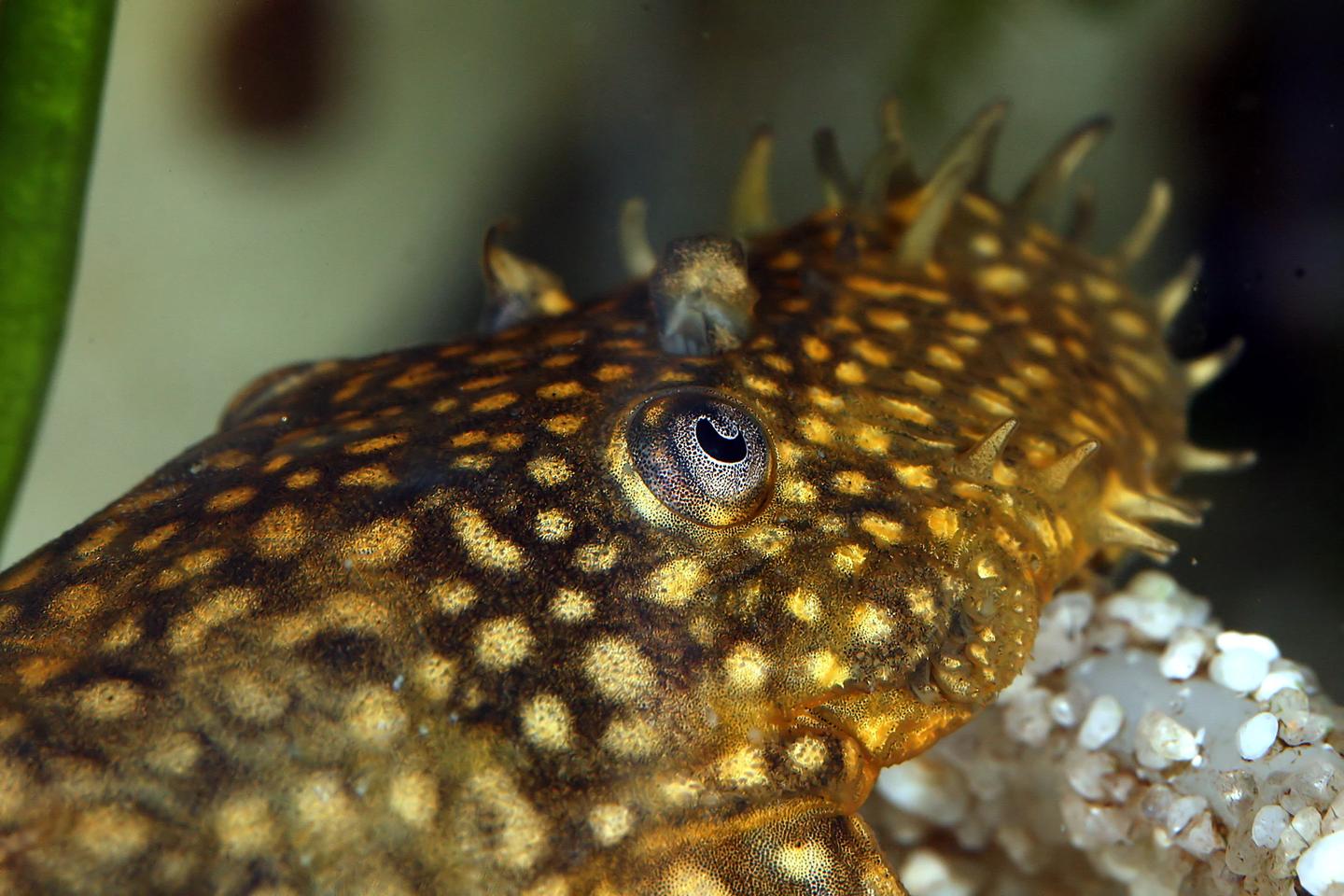
Bristlenose Pleco Care Guide: Size, Tank and Lifespan
For one typical common bristlenose, start with a mature, filtered aquarium of at least 90 litres, useful floor area, wood and cover. OATA reports about 15 cm adult length, 22-27°C, pH 6-8 and 4-12 dGH. Confirm the exact trade identity before applying species-level claims.
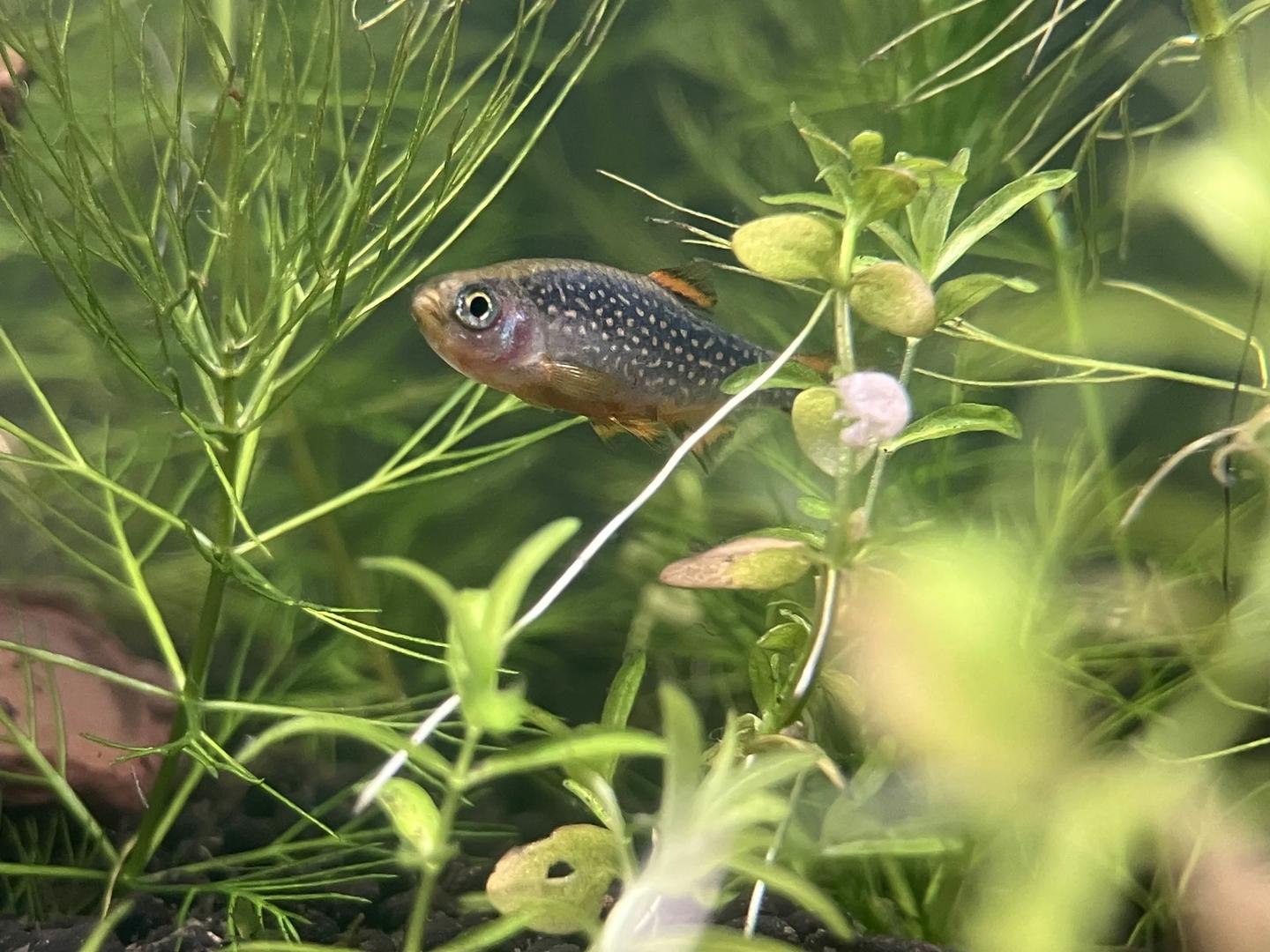
Celestial Pearl Danio Care Guide: Tank, Group and Water
Plan a mature, densely planted aquarium with at least a 45 × 30 cm base for a social group. Use 20–26°C, pH 6.5–7.5 and 5–15 dGH as published screening ranges, then hold a stable value inside the overlap for every animal in the tank.
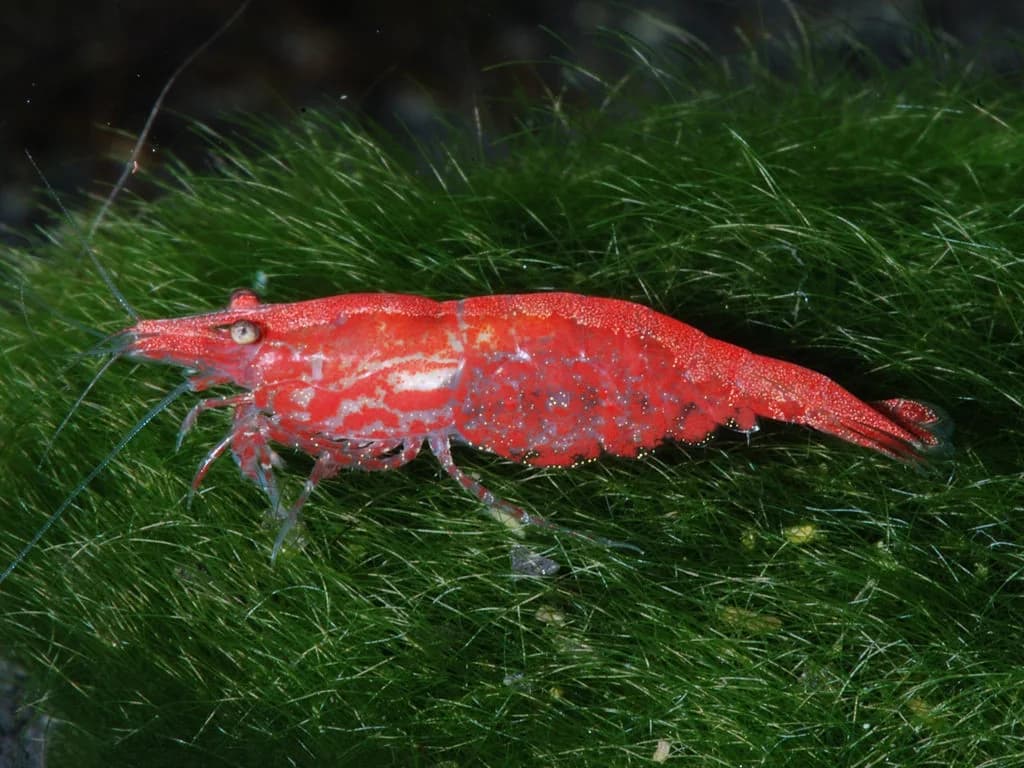
Cherry Shrimp Care Guide
Use a mature, filtered aquarium and measured water—not a shrimp-per-litre rule. Tropical Fish Co uses 20 litres as a cautious starting policy for a small Cherry Shrimp group, above OATA's general 10-litre screen for small shrimp. Provide established grazing surfaces, cover and a protected filter inlet. No fish is guaranteed shrimplet-safe, and breeding should never be promised.
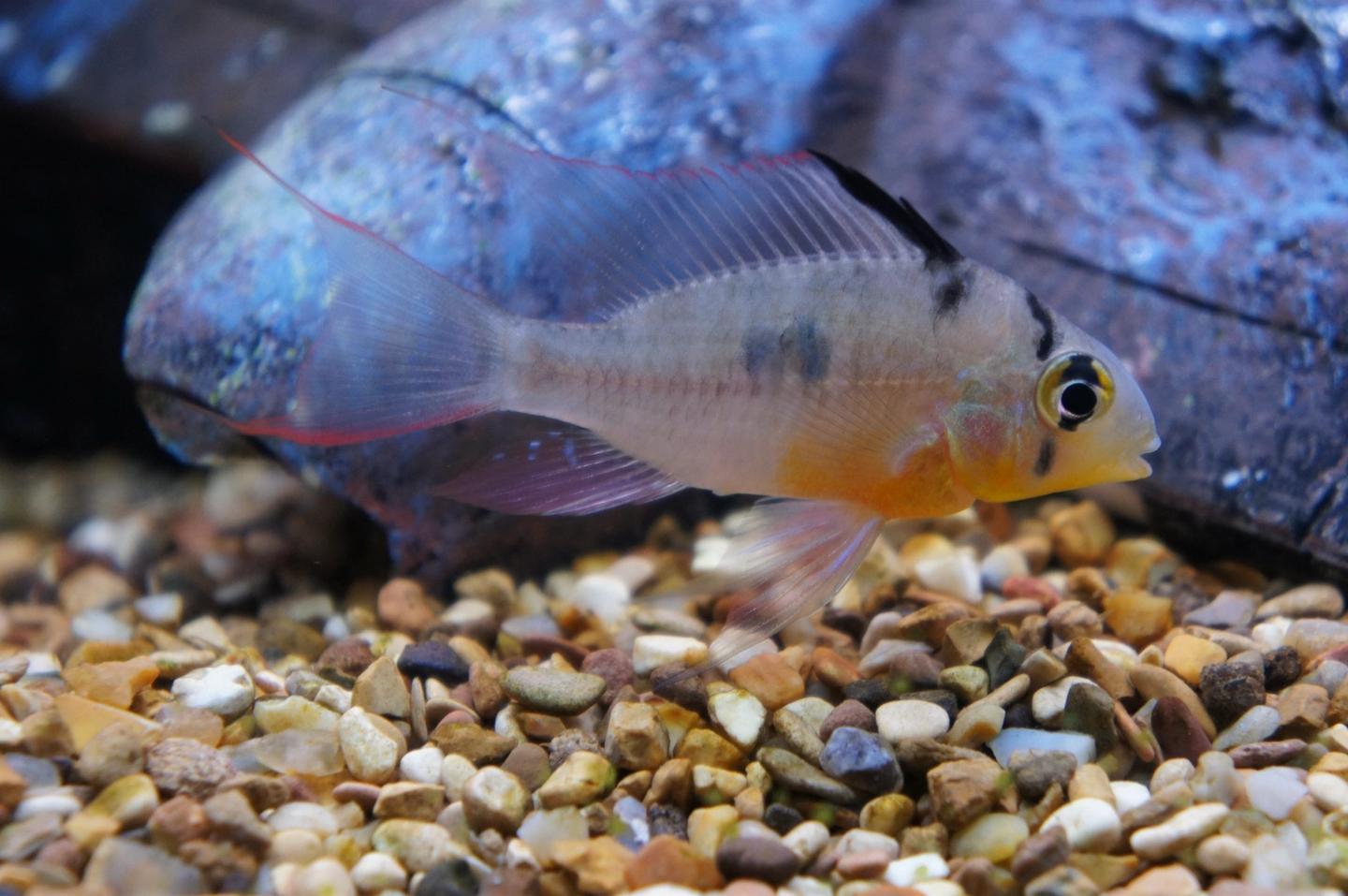
Cichlids: Types, Care & Tank Planning
Cichlids are a family of roughly 1,800 accepted species, not one care type. Before buying, identify the exact species and source, then compare adult measurement, usable tank dimensions, social system, territory, tested water, diet and an exit plan. No family-wide minimum tank, water range or tank-mate list is safe.
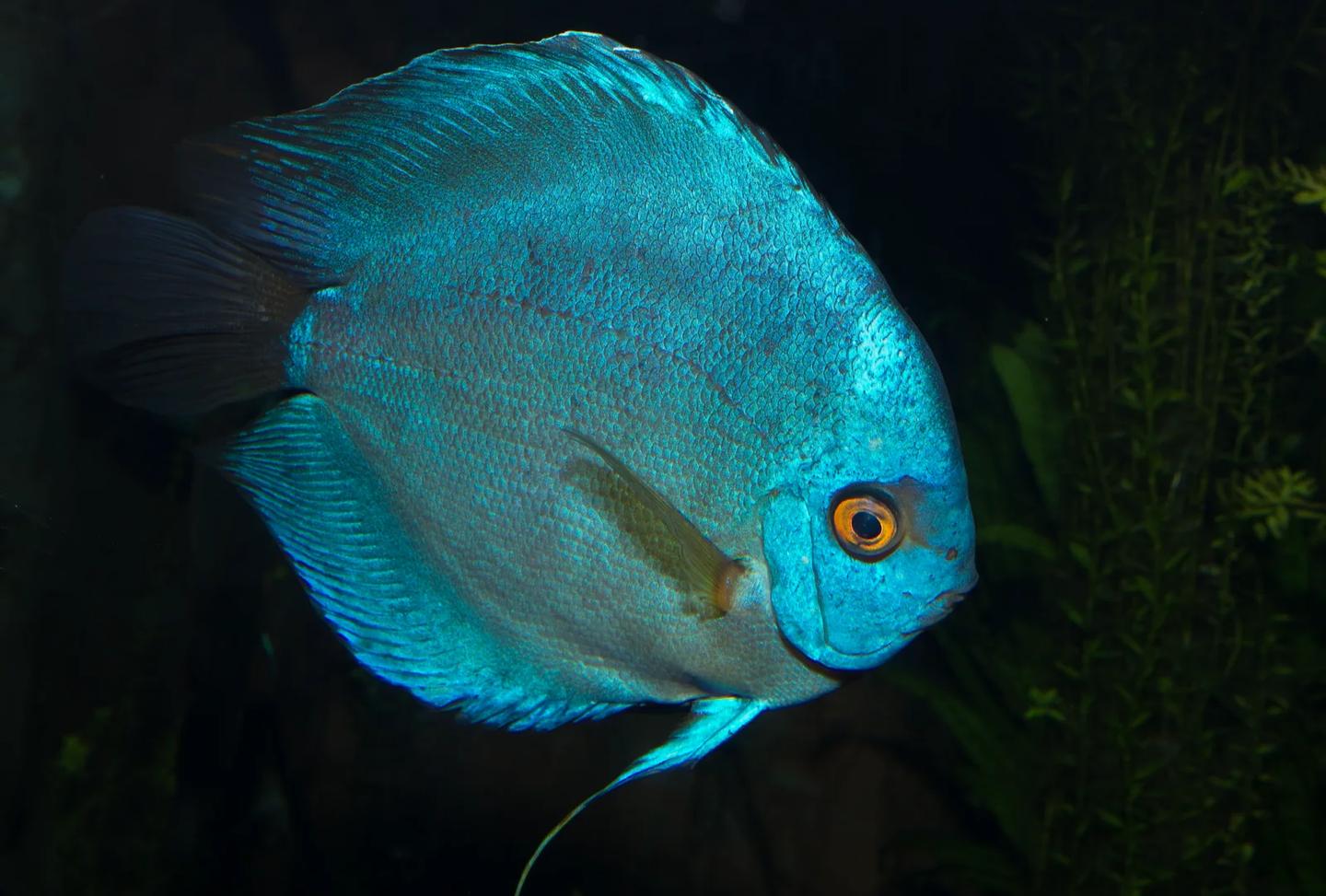
Discus Fish Care: Tank, Water & Group Guide
Discus are social Amazonian cichlids with specialised aquarium needs. OATA advises at least five fish, except an established breeding pair, and about 50 litres per adult—roughly 300 litres for six adults. Use that as a planning floor, then check usable dimensions, filtration, source water and the actual fish.
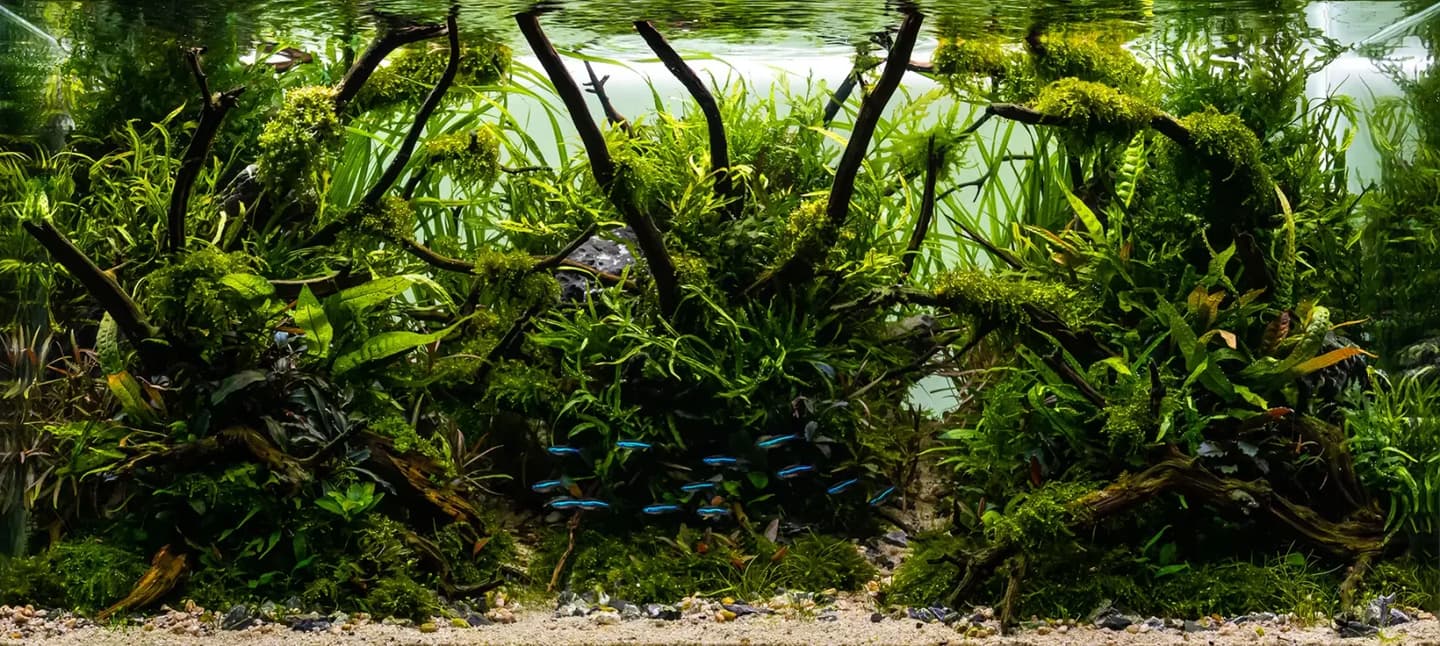
How to Set Up a Tropical Fish Tank: 10 Safe Steps
Choose the intended fish before the aquarium, place the tank on a suitable level support, install a filter and thermostatic heater, condition and test the water, then complete a fishless cycle. Add fish only after the chosen maturation process reaches its defined endpoint and repeated tests show zero ammonia and zero nitrite; elapsed days alone do not prove readiness.
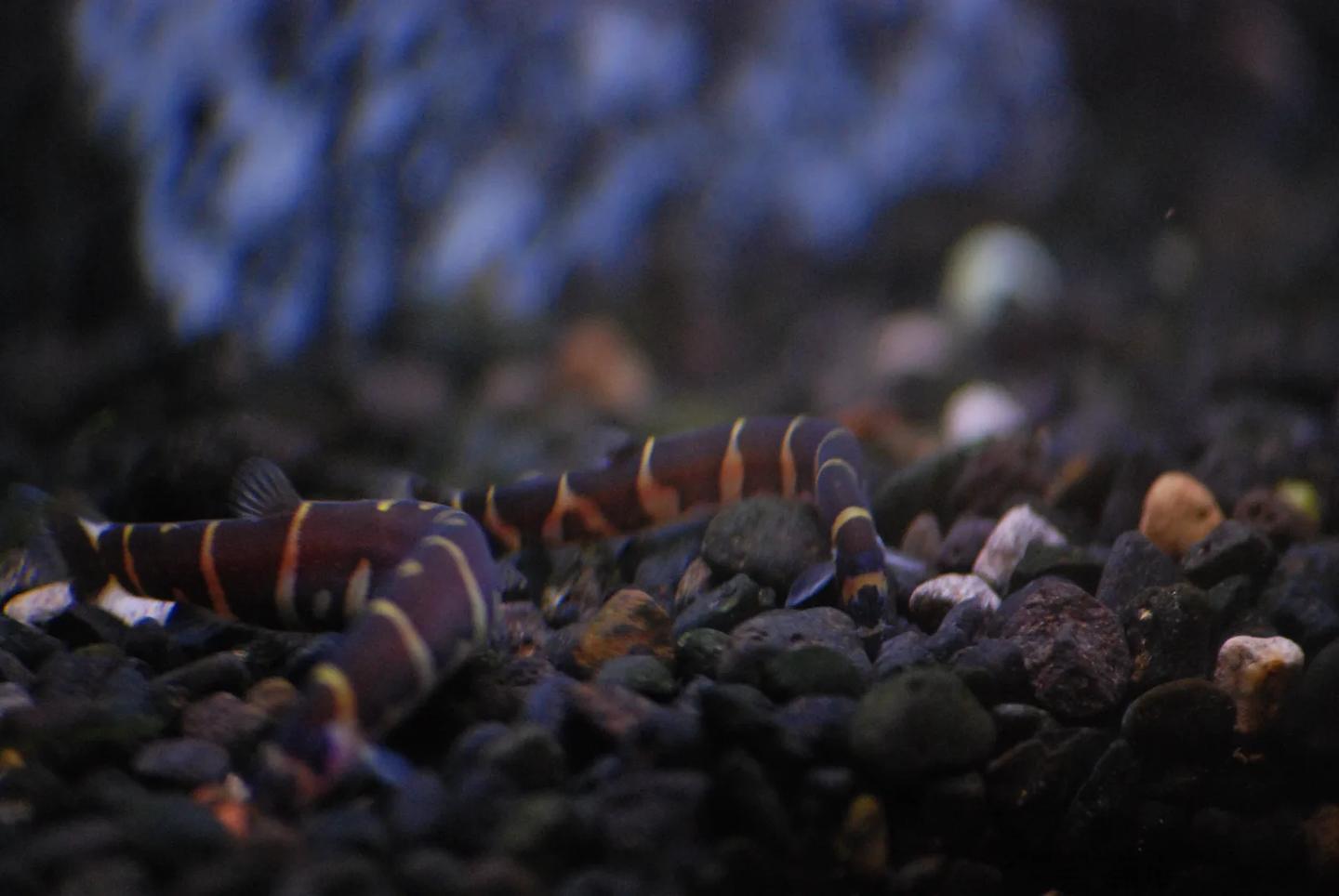
Kuhli Loach Care: Tank Size, Group & Safe Treatment
Kuhli loaches are peaceful, slender Pangio loaches that need an established, escape-resistant aquarium with cover and a social group. As a conservative UK planning floor, use at least five compatible individuals and an aquarium of at least 80 litres for the smallest loaches; adult identity, dimensions, water, companions and filtration can require more.
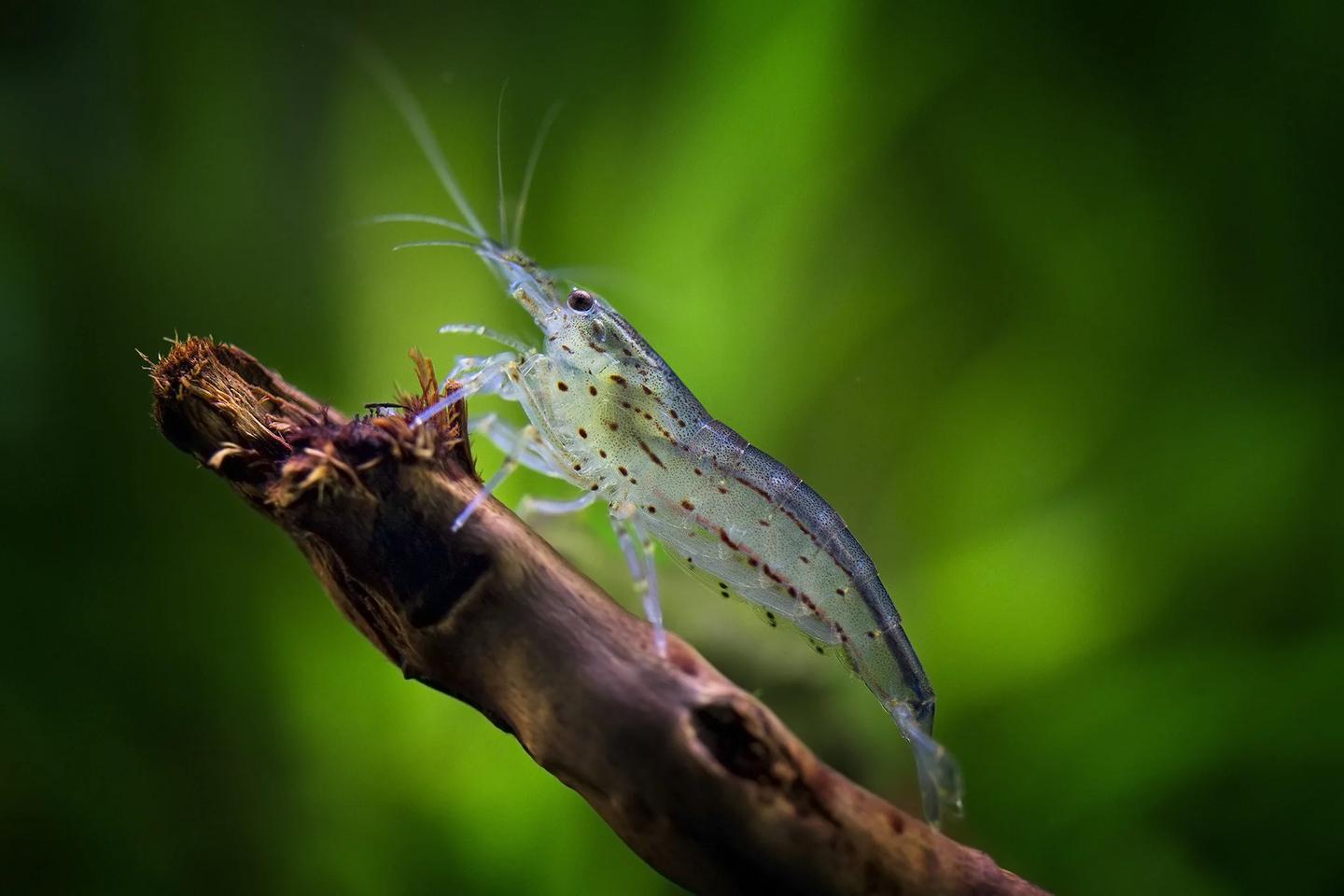
Amano Shrimp Care Guide
Start with a mature, filtered aquarium. OATA's broad UK guidance suggests approximately 20 litres for Amano Shrimp and at least five for social shrimp, with a larger aquarium when fish are present. Treat those as cautious planning screens—not biological minima or a per-litre formula. Match the complete adult community, test your water, protect the filter inlet and never buy them as a guaranteed algae cure.
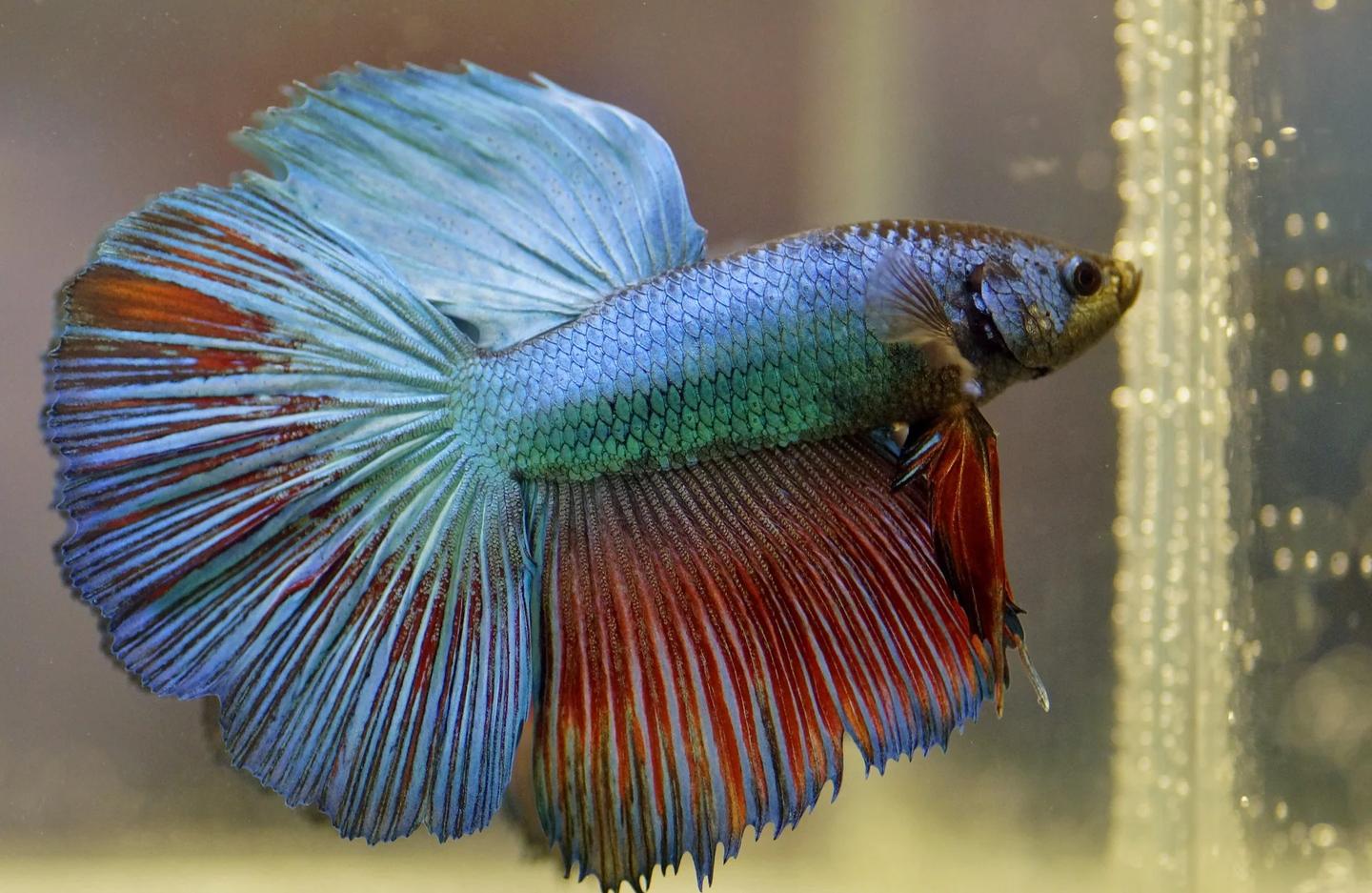
Betta Fish Care Guide: Siamese Fighting Fish
For one typical domestic Betta splendens, start with at least 20 litres, a mature filter, thermostatic heater, separate thermometer, gentle flow, a secure lid with surface access, and plants or refuges. Keep one male per aquarium.
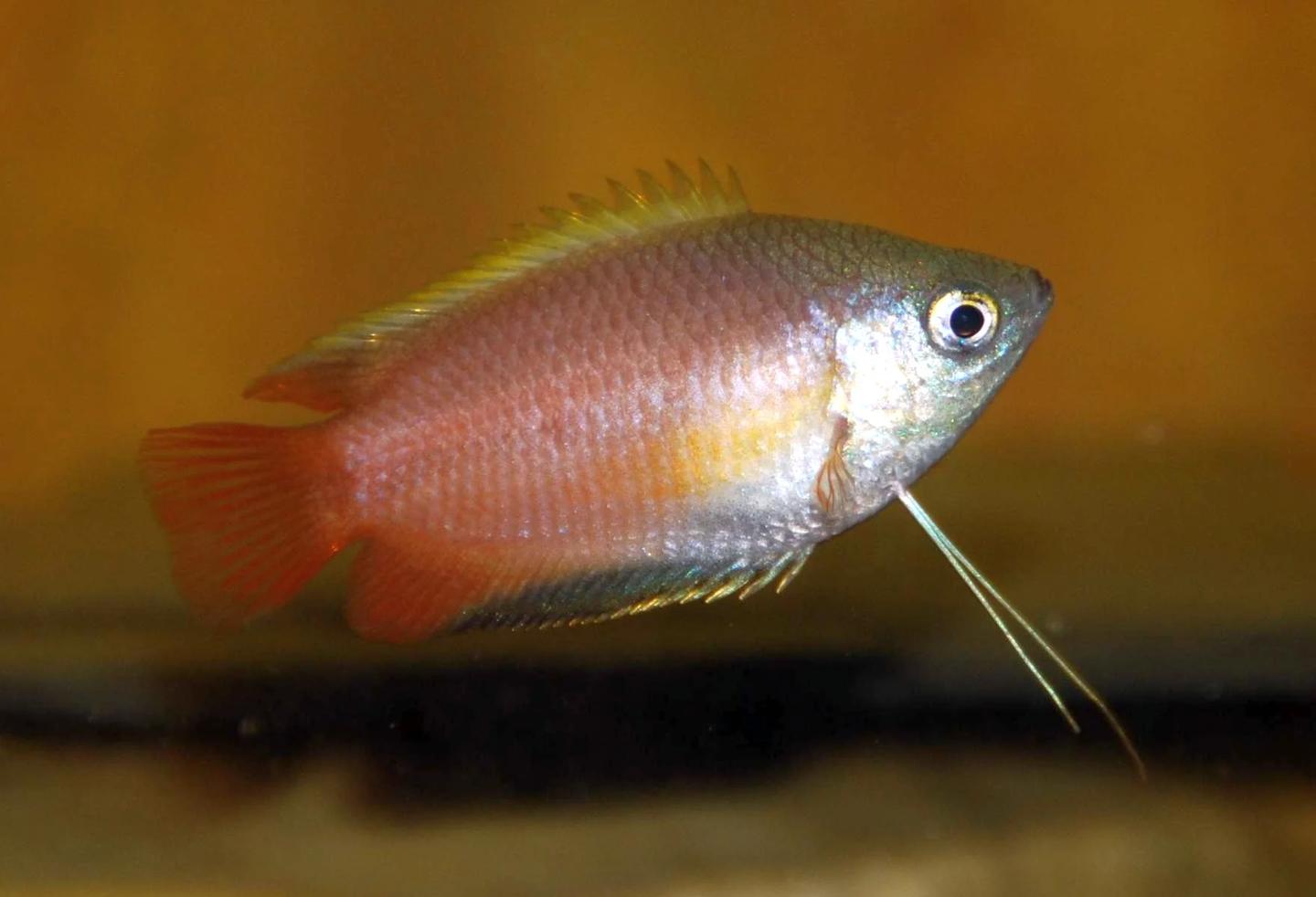
Honey Gourami Care Guide
Start with a mature, filtered aquarium at least 60 cm long. Published size records disagree, and broad group guidance is not Honey-Gourami-specific, so verify Trichogaster chuna, the seller's adult-size advice and any claimed sexes before choosing one fish or a group.
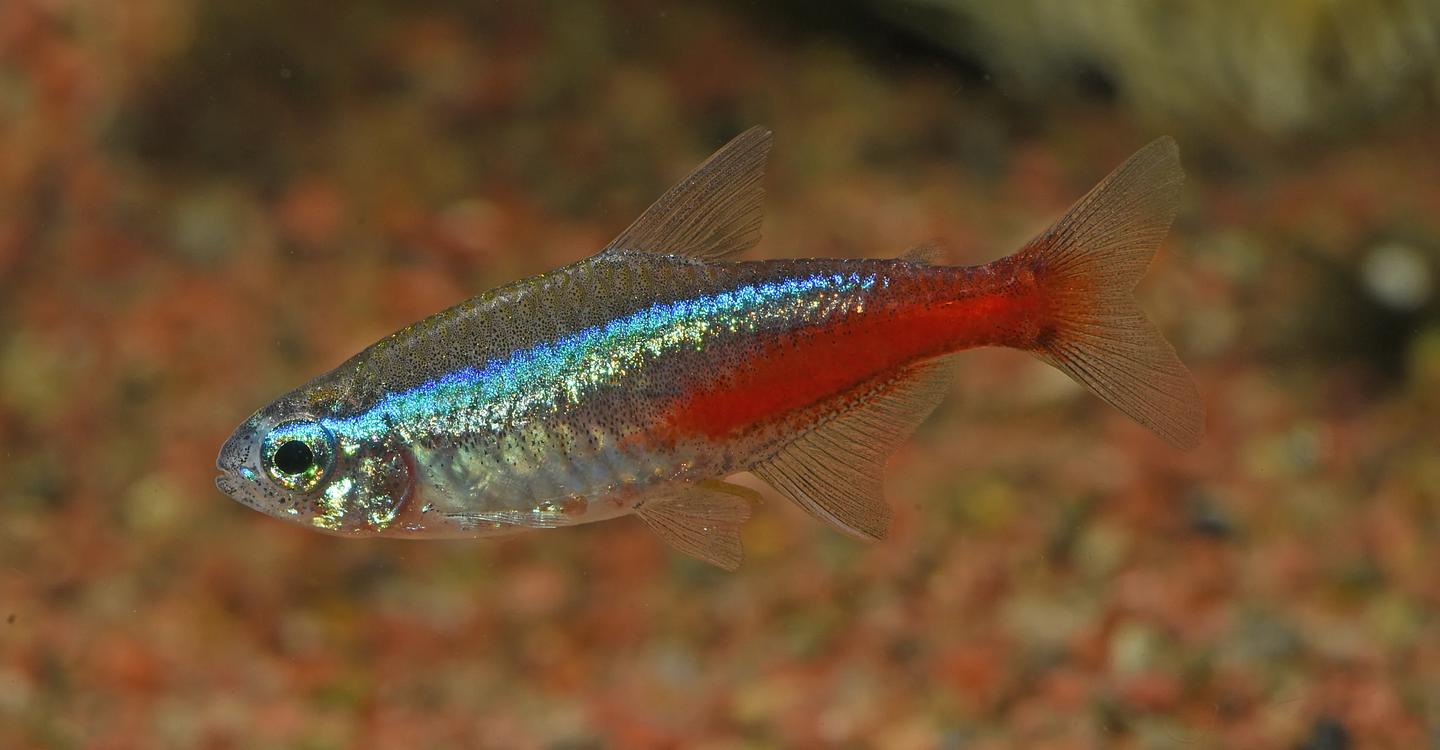
Neon Tetra Care Guide
Start here: use a mature, filtered aquarium at least 60 cm long. FishBase and OATA compile groups of five or more; our conservative planning screen starts at eight, then checks usable volume, water, filtration and every adult tank mate.
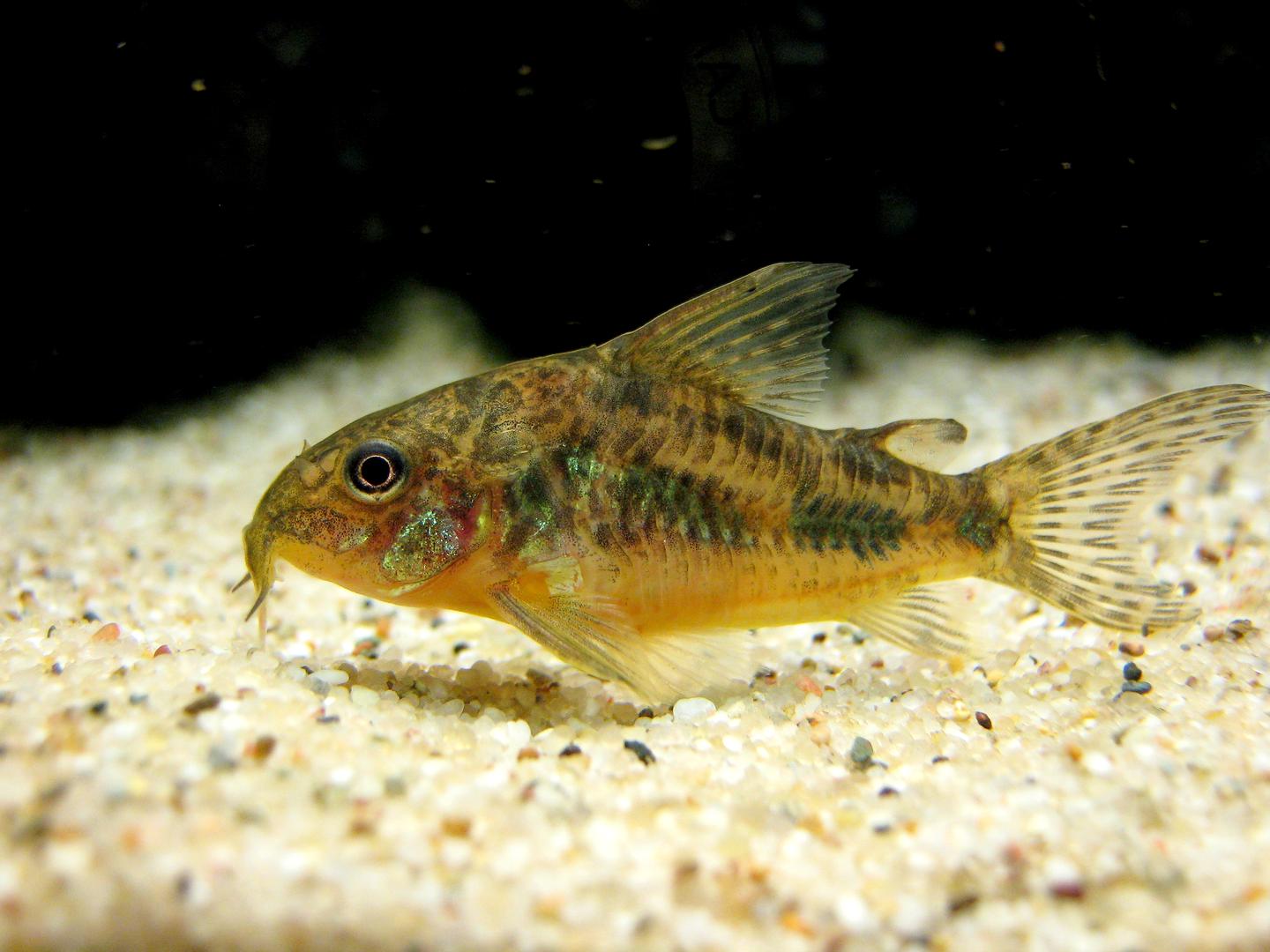
Corydoras Care Guide: Choose the Right Cory Catfish
Identify the exact cory catfish before choosing care. Our starting policy for many common medium species is six compatible conspecifics, a mature 60 x 30 cm aquarium of about 60 litres, smooth fine sand and measured species-appropriate water.
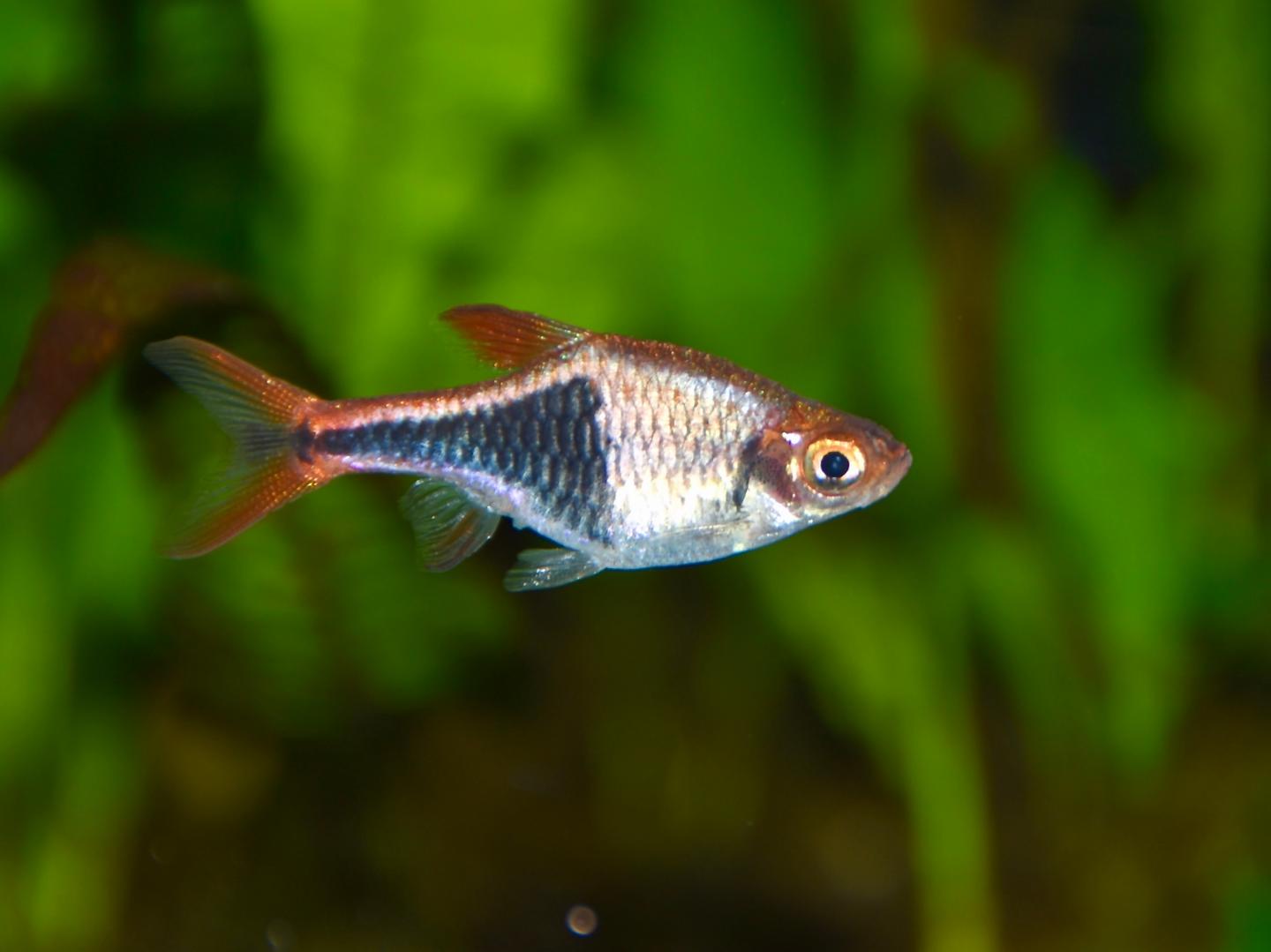
Harlequin Rasbora Care Guide
Our conservative starting policy is a mature, filtered aquarium at least 60 cm long and about 60 litres, eight or more fish, and measured water screened against 22-25 °C, pH 5-7 and 5-12 dGH.
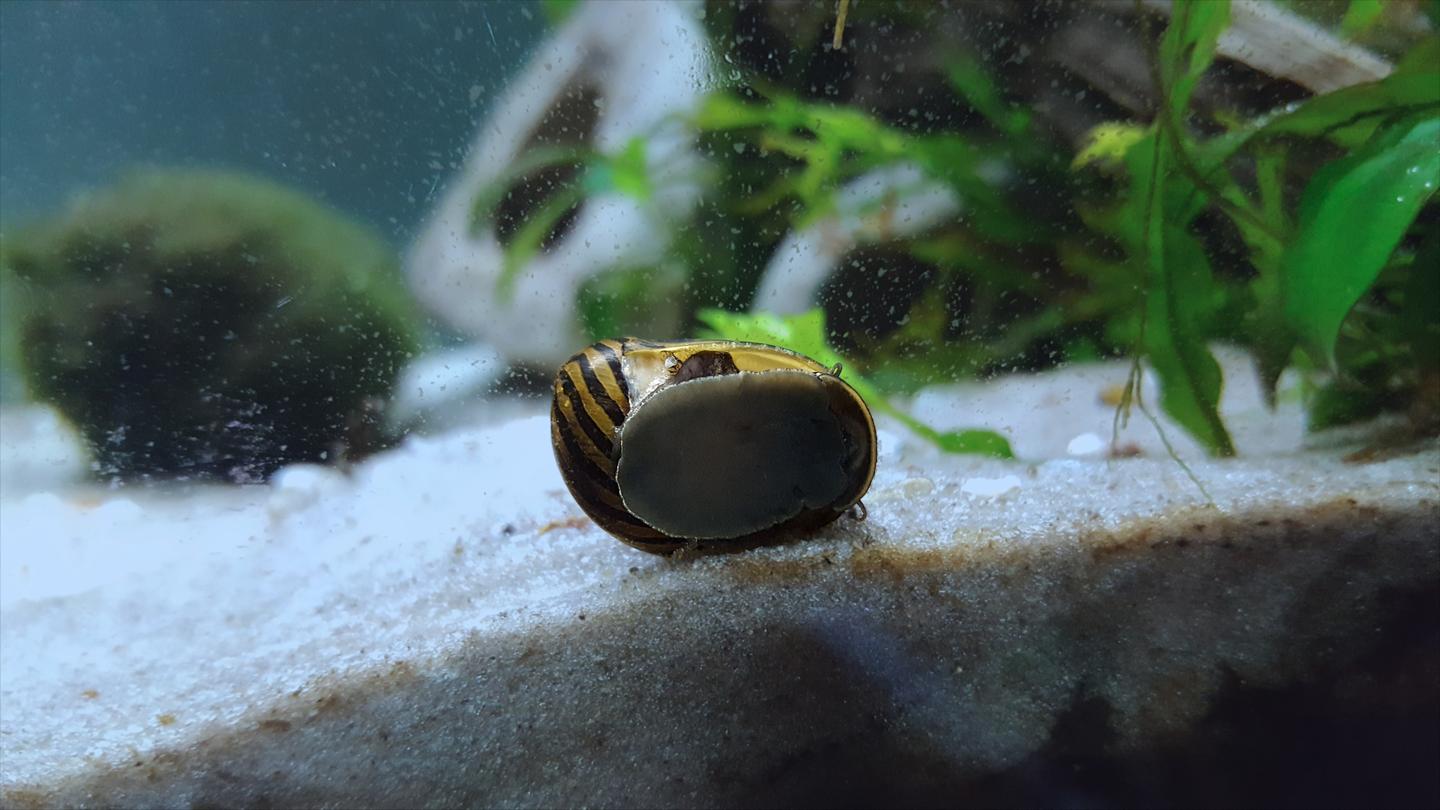
Nerite Snail Care Guide: Species, Eggs & Feeding
Nerite snail is a trade umbrella, not one species. Confirm the supplied taxon and holding water, use a mature covered aquarium with established grazing surfaces, stock from food availability rather than a litre formula, and treat egg capsules, medicines and tank mates as species-specific decisions.
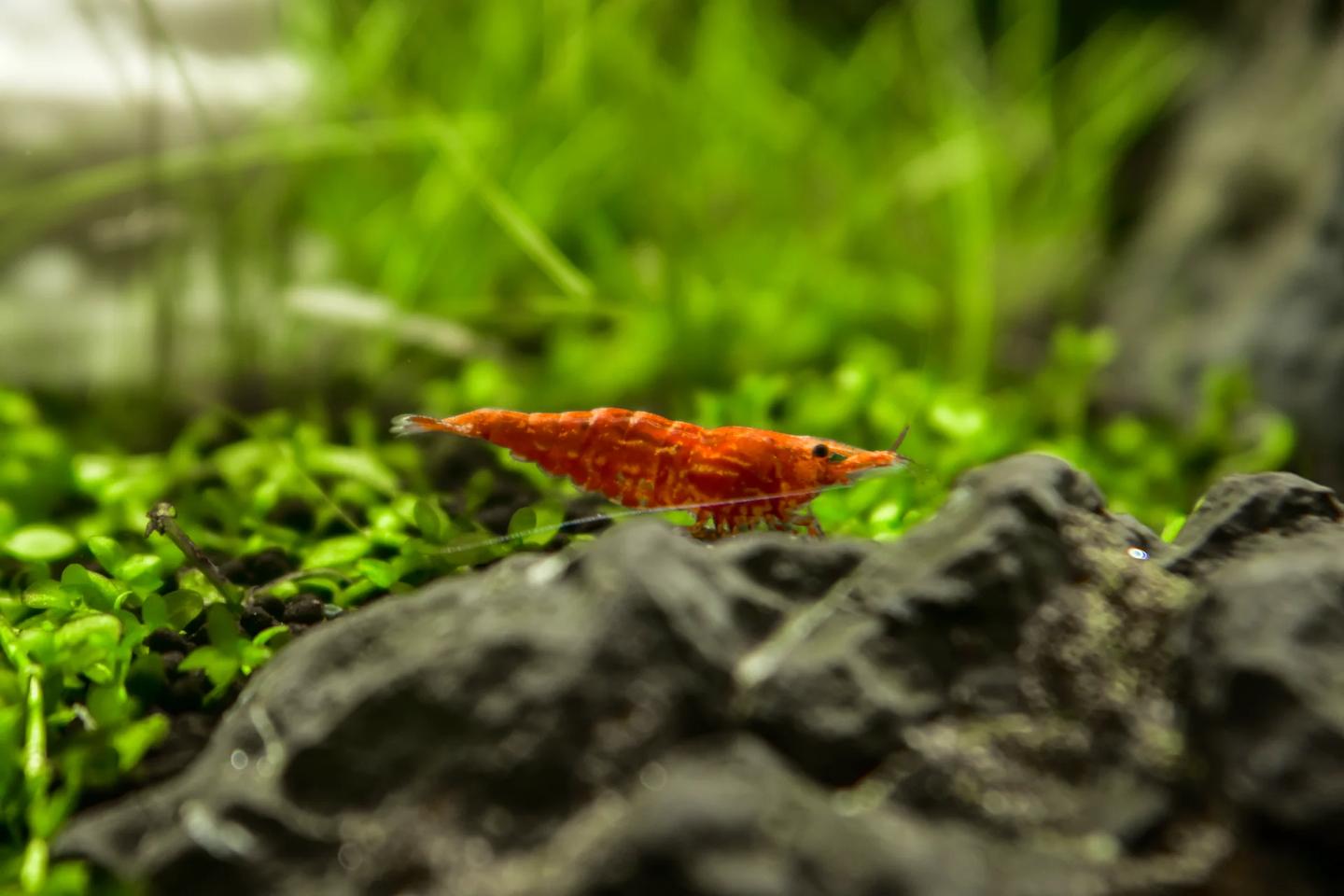
Freshwater Shrimp Care: Set Up Your First Tank
Choose an identified shrimp before copying care numbers. A mature, filtered 20-litre aquarium is our cautious starting policy for a small group from a source-documented Neocaridina davidi trade line—not a biological minimum or per-litre formula. Test your actual tap and tank water, protect the filter inlet, provide established grazing surfaces, and treat tank mates, medicines and breeding as species-specific decisions.
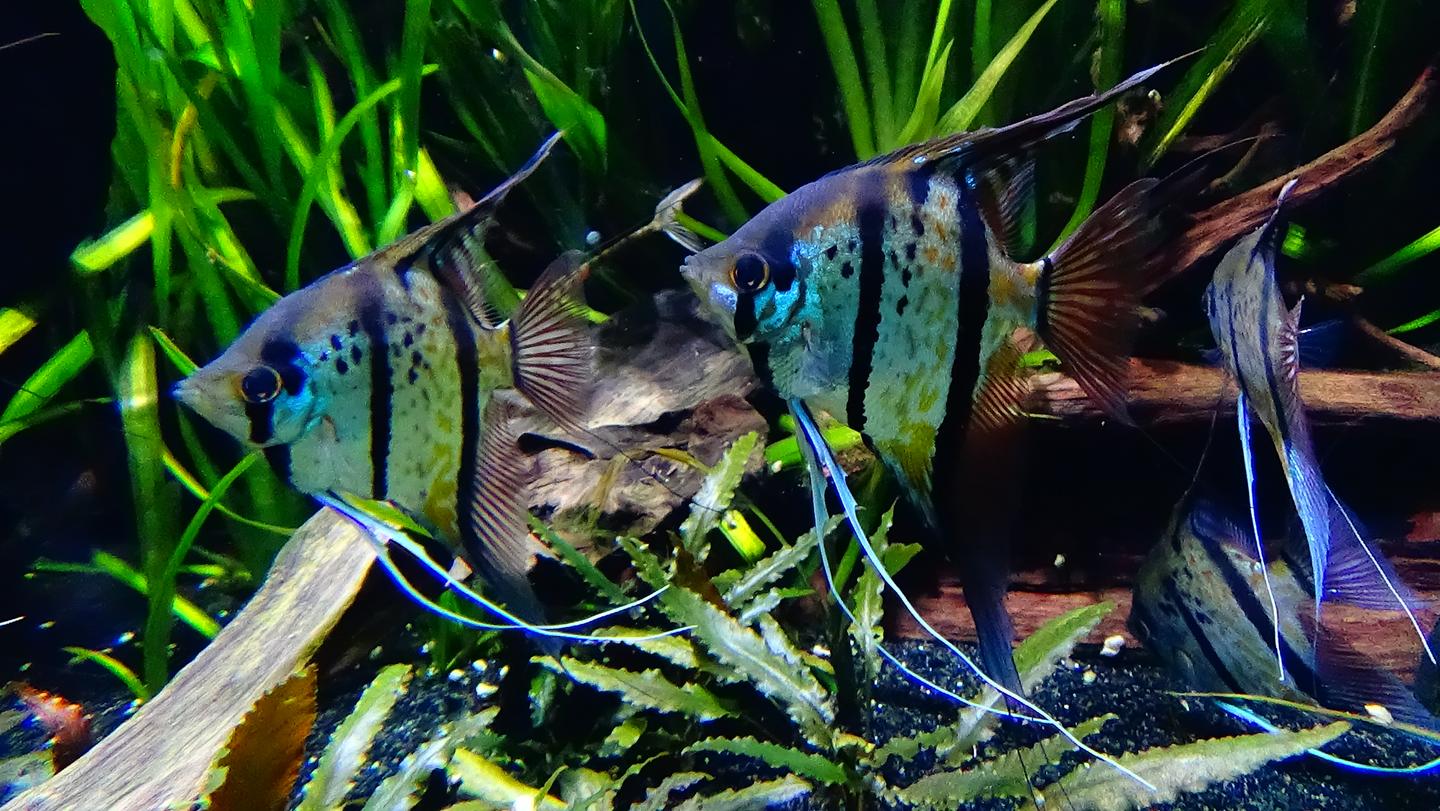
Freshwater Angelfish Care: Pterophyllum scalare
Freshwater angelfish are tall South American cichlids, not small community fish. OATA gives 120 litres as an industry floor for a compatible pair and says the aquarium must be sufficiently tall. We prefer planning around roughly 200 litres, a 100 × 40 cm footprint and about 50 cm height for an adult pair, with more space and an exit plan for a group.
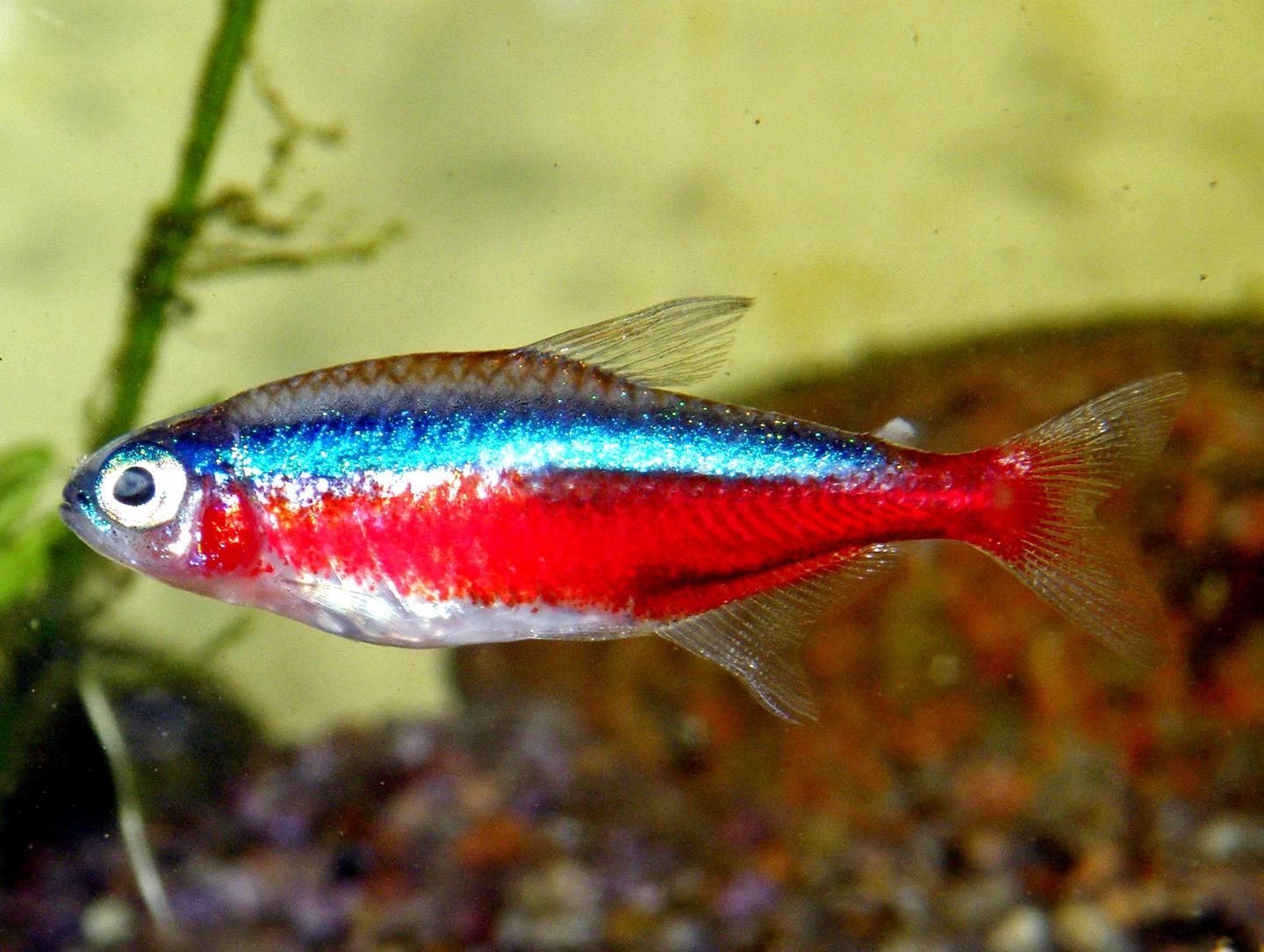
Cardinal Tetra Care Guide
Cardinal tetras are small, social blackwater fish, but they need more than a small volume of water. Our conservative starting policy is a mature, filtered aquarium at least 60 cm long and about 60 litres, a group of 10 or more, a routine target of 24-27 °C, and water chosen from measured supplier and home values rather than a fixed UK tap-water recipe.
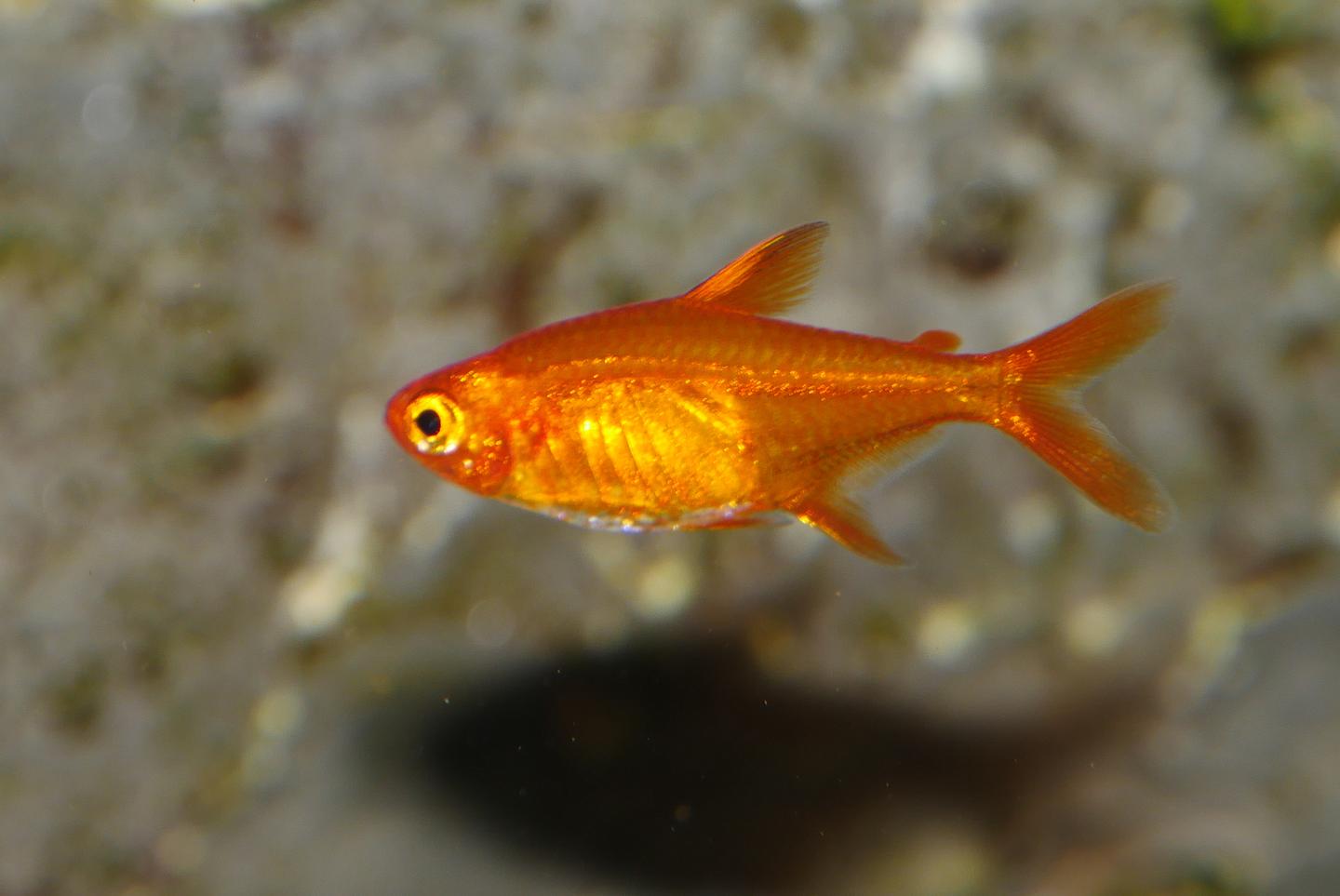
Ember Tetra Care Guide: Hyphessobrycon amandae
Ember tetras are very small Brazilian social fish, with a maximum recorded length of 2.0 cm excluding the tail. Keep them only in a fully cycled, stable aquarium. We recommend a group of at least 10 and about 45 litres with a 45 × 30 cm footprint rather than using a litres-per-fish formula.
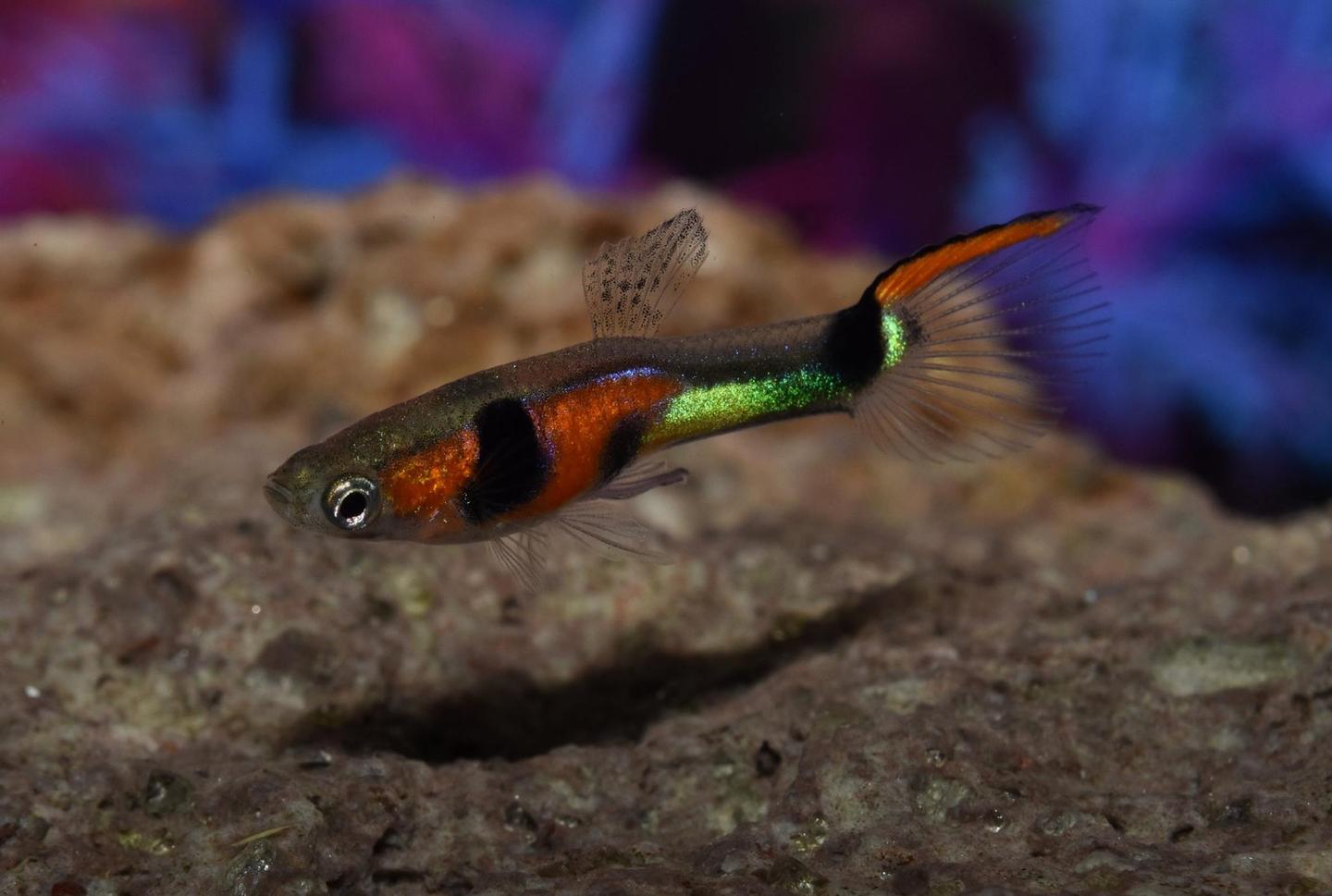
Endler Guppy Care Guide: Poecilia wingei
Endler's livebearer is a small, social, rapidly reproducing Venezuelan fish. Start with a mature filtered aquarium, a deliberate sex and population plan, stable tested medium-hard water, open swimming room and cover. Our conservative house screen is an aquarium at least 60 cm long and a group of five or more where capacity allows.
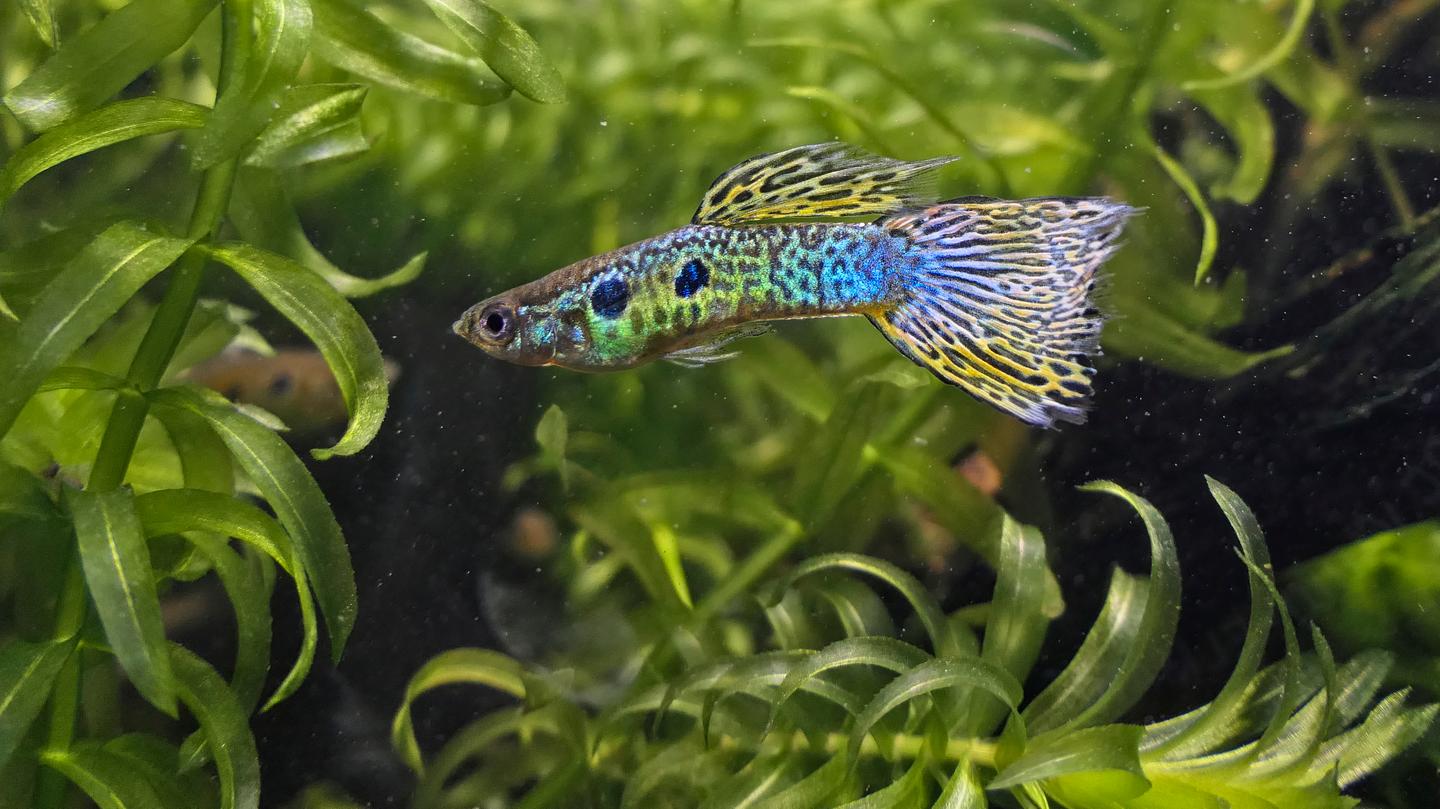
Guppy Care Guide: Poecilia reticulata
Guppies are social livebearers suited to a prepared beginner, not a fish-per-litre formula. Use a mature filtered aquarium, tested neutral-to-alkaline mineral-bearing water, deliberate sex and population planning, open swimming room, cover and a separation option.
Blog posts by Tropical Fish Co Editorial Team
- pH for Tropical Fish: How to Test and Interpret ItThere is no single best pH for all tropical fish. Confirm the exact species and life stage, test both source and aquarium water correctly, and interpret pH with KH or alkalinity, temperature, ammonia, carbon dioxide and recent changes. Do not force a rapid correction from one isolated reading.
- Best Fish for a 30 Litre Tank: Honest UK GuideThere is no responsible fish count for every 30 litre tank. OATA starts one male Betta at 20 litres, while the RSPCA recommends choosing an aquarium larger than about 40 litres. Treat 30 litres as a restricted boundary: measure the inner footprint and usable water, test the chemistry, mature the filter and choose one complete plan—not a miniature community.
- Why Is My Fish Swimming Sideways? Urgent ChecksA fish swimming sideways is showing an abnormal posture, not a diagnosis. Check ammonia, nitrite, temperature and oxygen or flow immediately; note whether one or several fish are affected and whether breathing, appetite, shape or skin has changed. Do not automatically add heat, salt, peas or antibiotics. Seek an aquatics-capable vet promptly if the fish cannot right itself, is struggling to breathe, is injured or swollen, or several fish change at once.
- Fish Tank Nitrogen Cycle: A Test-Led UK GuideThe fish tank nitrogen cycle is the processing of nitrogenous waste through a living biofilter. Do it without fish: run the complete system, use one documented aquarium-safe ammonia-source method, and test with that method's stated units and timing. A tank is not ready because a week has passed or the water looks clear; it is ready only when repeated results show that the biofilter handles the planned challenge without detectable ammonia or nitrite, followed by cautious stocking and continued checks.
- White Spot on Fish: Identify Ich & Treat It Safely in the UKSuspected freshwater white spot is urgent, but white dots alone do not prove Ich. Record the signs, test the aquarium, check every species and invertebrate, and use only a current UK-labelled treatment that fits the actual system and water volume. Do not automatically add heat or salt, guess a half dose, mix medicines or stop merely because the visible spots disappear.
- Tropical Fish Tank Temperature: A Species-First UK GuideMany mixed tropical aquariums are kept somewhere within 24–27°C, but that is a planning band—not a universal prescription. Identify every animal precisely, find a compatible overlap in their evidence-backed ranges, account for life stage and current supplier conditions, then verify the actual water with a separate thermometer. Stability, oxygenation, water quality and animal behaviour matter alongside the number.
- Aquarium Filter Guide: Types, Sizing & MaintenanceChoose an aquarium filter by the animals' needs, the aquarium's actual water volume and waste load, the media and oxygenated flow it can sustain, and how reliably you can maintain it. Sponge, internal, hang-on-back and external canister filters can all work in the right system. A printed tank-size rating or universal turnover rule cannot prove suitability: install the complete filter, establish its biofilter, monitor real flow and water tests, and adjust from evidence.
- Best Fish for a 100 Litre Tank: UK Stocking GuideA 100 litre label is not a fish-count answer. It is about 26.4 US gallons or 22.0 imperial gallons before substrate, wood and the air gap reduce usable water. Measure the inner footprint, test pH and hardness, choose one complete social group at adult size, then add any companion only after the mature aquarium remains stable.
- Best Fish for a 60 Litre Tank: UK Stocking GuideA 60 litre label is not a fish-count answer. It is about 15.9 US gallons or 13.2 imperial gallons before substrate, décor and the air gap reduce usable water. Measure the inner footprint, test the water, choose one complete adult social plan and treat any second species as a fresh capacity decision.
- Fin Rot in Fish: Signs, First Aid & UK TreatmentFin rot describes progressive loss of fin tissue; it is not a diagnosis that can be confirmed from one photograph. First record the change, test ammonia and nitrite, check species-appropriate temperature and oxygen, and stop trauma or aggression. Use only a treatment whose current UK label fits the fish, system and suspected problem. Do not automatically raise heat, add salt, combine medicines or invent a half dose.
- Small Tropical Fish: 14 Species ComparedSmall body does not mean tiny-tank fish. Compare adult length, measurement type, usable tank footprint, complete social group, tested water and feeding needs. Most fish here still need at least a 45 by 30 cm footprint; neon tetras and dwarf pencilfish are useful counterexamples because published guidance points to 60 cm of aquarium length.
- Best Tropical Fish for Beginners UK: 5 PicksNo universal easiest tropical fish exists. Start with aquarium dimensions and measured tap-water pH and hardness, then choose one complete social group: guppies or platies where GH fits their cited range, neon tetras for soft water, cherry barbs for a compatible middle range, or bronze corys where the bottom footprint and substrate fit. Cycle and test before buying.