Angelfish Tank Mates: What Works in a Community Tank (UK Guide)
Quick answer
Angelfish are large (15 cm body height) cichlids with attitude. The best tank mates are:
✅ Best matches (peaceful, similar parameters):
- Corydoras (any species — bottom dwellers, ignored by angelfish)
- Bristlenose pleco (algae cleaner, peaceful)
- Larger tetras: lemon tetra, rummy nose, congo tetra, black skirt
- Pearl gouramis (peaceful, similar size)
- Honey gouramis (peaceful, smaller)
- Kuhli loaches (substrate-focused, ignored)
- Bolivian rams (peaceful dwarf cichlids)
- Discus (in 250 L+ at 28-30 °C only)
🟡 Risky (test slowly):
- Smaller tetras like ember, neon, cardinal — eaten by adult angelfish
- German blue rams — territorial conflict
- Apistogramma — territorial conflict
❌ Avoid completely:
- Neon tetras with adult angelfish (angelfish eats them)
- Tiger barbs, serpae tetras, sometimes black skirt tetras (fin-nippers — destroy angelfish fins)
- Bettas (both attack each other)
- Goldfish (wrong temperature)
- Other angelfish in 100L or smaller tanks (too aggressive)
Why angelfish are tricky tank mates
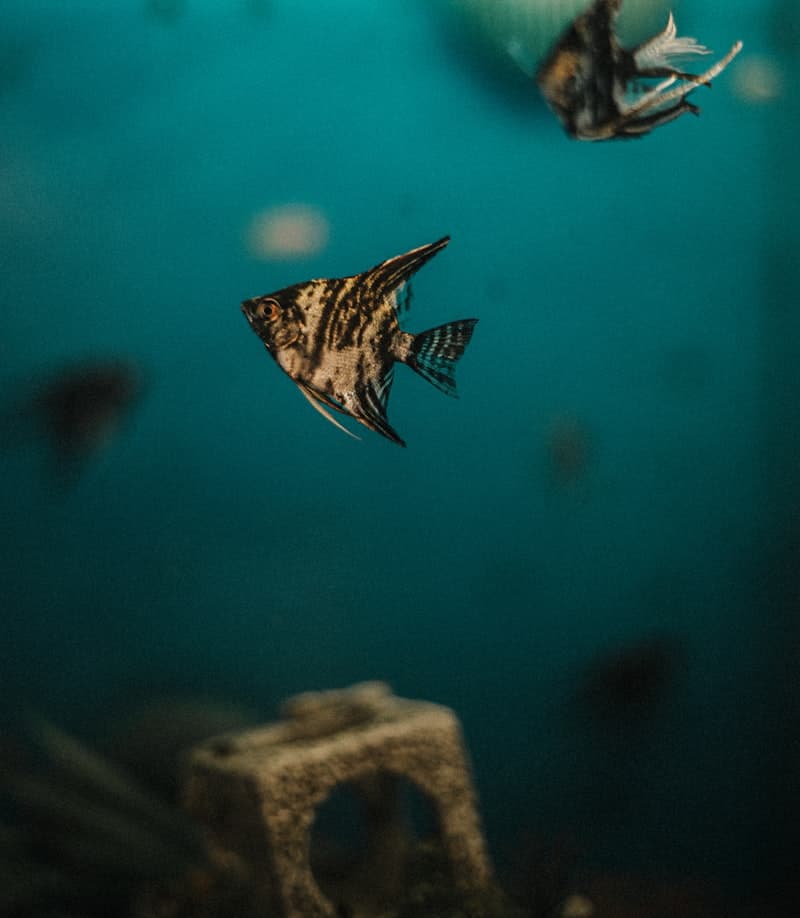
Angelfish (Pterophyllum scalare) are South American cichlids with three difficult traits:
- They grow LARGE — 15 cm body + 25 cm tall fins = serious fish
- They have territorial moods — calm 90% of the time, then suddenly chase others
- They are predators — small fish (under 4 cm) can be eaten as the angelfish matures
This is why "what can live with angelfish?" depends heavily on adult tank size, water parameters, and individual angelfish temperament.
A 4 cm baby angelfish in a 60 L tank with neon tetras is fine. The same angelfish at 12 months old in the same tank is now 12 cm and eating those neon tetras. Plan tank mates for the adult angelfish, not the baby.
Tank size requirements
Tank size dictates what angelfish keeping looks like:
| Tank | Angelfish setup |
|---|---|
| Under 100 L | Don't keep angelfish |
| 100-150 L | 1 solo angelfish, with peaceful tank mates only |
| 150-200 L | 1 solo angelfish + full community |
| 200-250 L | 1 bonded pair + community OR 1 solo + bigger community |
| 250-400 L | 1-2 pairs + community |
| 400 L+ | Group of 4-6 angelfish (proper school) + larger community |
Angelfish are vertically tall. Tanks under 40 cm height are unsuitable — they need 50 cm+ tank height to develop properly.
Detailed compatibility analysis
✅ Corydoras — the perfect tank mate
All corydoras species (sterbai, panda, bronze, julii, paleatus) work well with angelfish. They:
- Stay on the bottom — different zone from angelfish
- Are armoured against angelfish nips
- Need similar parameters (24-26 °C, slight acidic water)
Group of 6-8 in any 100 L+ tank with angelfish.
✅ Bristlenose pleco — peaceful algae cleaner
One bristlenose plec (gets to 12-15 cm) per 100 L tank. Eats algae, ignores angelfish. Angelfish ignore the plec.
✅ Larger tetras (5+ cm adult)
These tetras are too big for angelfish to easily eat:
- Rummy nose tetra (5 cm) — beautiful schoolers, classic angelfish companion
- Lemon tetra (5 cm) — bright yellow, peaceful
- Congo tetra (8 cm) — large iridescent species
- Black skirt tetra (6 cm) — peaceful most of the time
Group of 8-12 in 150 L+ tanks.
✅ Pearl gourami — same-size centrepiece
Pearl gouramis (10 cm) match angelfish in size and are peaceful surface dwellers. Beautiful with angelfish in a planted 200 L+ tank.
✅ Discus (warm tanks only)
Discus + angelfish work in 250 L+ tanks at 28-30 °C. Both need similar water (soft, slightly acidic, very warm). Don't mix in cooler community tanks.
🟡 German blue rams — territorial conflict
Rams are peaceful most of the time but become very territorial when breeding. In a 100 L tank, territorial overlaps cause stress. In 200 L+ they work better.
🟡 Kribensis — territorial cichlids
Same as rams — fine in big tanks, territorial in small ones.
❌ Neon tetras (with adult angelfish)
Neon tetras (2 cm) fit comfortably in an adult angelfish's mouth. Even if not eaten, the constant stress of being prey shortens their lives. Substitute: rummy nose or lemon tetras.
❌ Tiger barbs — fin-nippers
Tiger barbs nibble at flowing fins. Angelfish have flowing fins. Bad combination.
❌ Bettas
Both territorial, both finned. Mutual destruction.
❌ Goldfish
Different temperature requirements (goldfish need 18-22 °C; angelfish need 24-28 °C).
How to introduce tank mates safely
- Add tank mates BEFORE the angelfish — they establish territory first
- Add tank mates in groups — schoolers feel safer in 6-8, less likely to be picked on
- Add larger / armoured fish first — corydoras, plec, then tetras, then angelfish last
- Quarantine angelfish for 2 weeks in a separate tank before introduction
- Watch for 1 week after each introduction — if angelfish constantly chases or is stressed, separate
Common angelfish community mistakes
Mistake 1: Adding neon tetras to a tank with adult angelfish
Why it fails: Angelfish eat them. Or chase them constantly until they die from stress.
Fix: Use larger tetras (rummy nose, lemon, congo) instead.
Mistake 2: Two pairs of angelfish in a 100L tank
Why it fails: Pairs claim territory; second pair gets bullied. Constant fighting.
Fix: ONE pair maximum per 200 L. For multiple pairs, use 400 L+ with rockwork dividing territories.
Mistake 3: Not heating to 26 °C+
Why it fails: Angelfish are amazon-basin fish — they thrive at 26-28 °C. At 22-24 °C they're sluggish, refuse food, prone to disease.
Fix: Heater set to 26 °C minimum.
Mistake 4: Skipping plants/hiding spots
Why it fails: Angelfish + tank mates need places to escape each other. Bare tanks = constant low-level conflict.
Fix: Heavy planting, especially tall plants (Vallisneria, Amazon swords) that suit angelfish vertical body. Driftwood pieces for territory.
Mistake 5: Combining adult angelfish with smaller adult angelfish
Why it fails: Bigger angelfish bullies smaller. The smaller one stresses, refuses food, dies.
Fix: Buy juvenile angelfish in groups of 4-6 — they grow up together and establish a stable pecking order. Don't mix adults from different tanks.
Summary
Angelfish suit 200 L+ planted community tanks with peaceful tank mates that match their size and zone preferences. Stick to corydoras, plec, larger tetras, peaceful gouramis. Avoid small tetras (eaten), fin-nippers (damage fins), and territorial cichlids in small tanks.
Related guides
Frequently asked questions
Browse our UK live-fish range
From this article straight into the catalogue.
Beginner Fish
The best tropical fish for beginners UK — hand-picked easy-care species that thrive with minimal fuss. Perfect starter community tank candidates.
Community Tank Fish
Peaceful tetras, rasboras, corydoras, platies and gouramis chosen to live together — temperament, adult size and water range per listing so the mix works.
Tetras
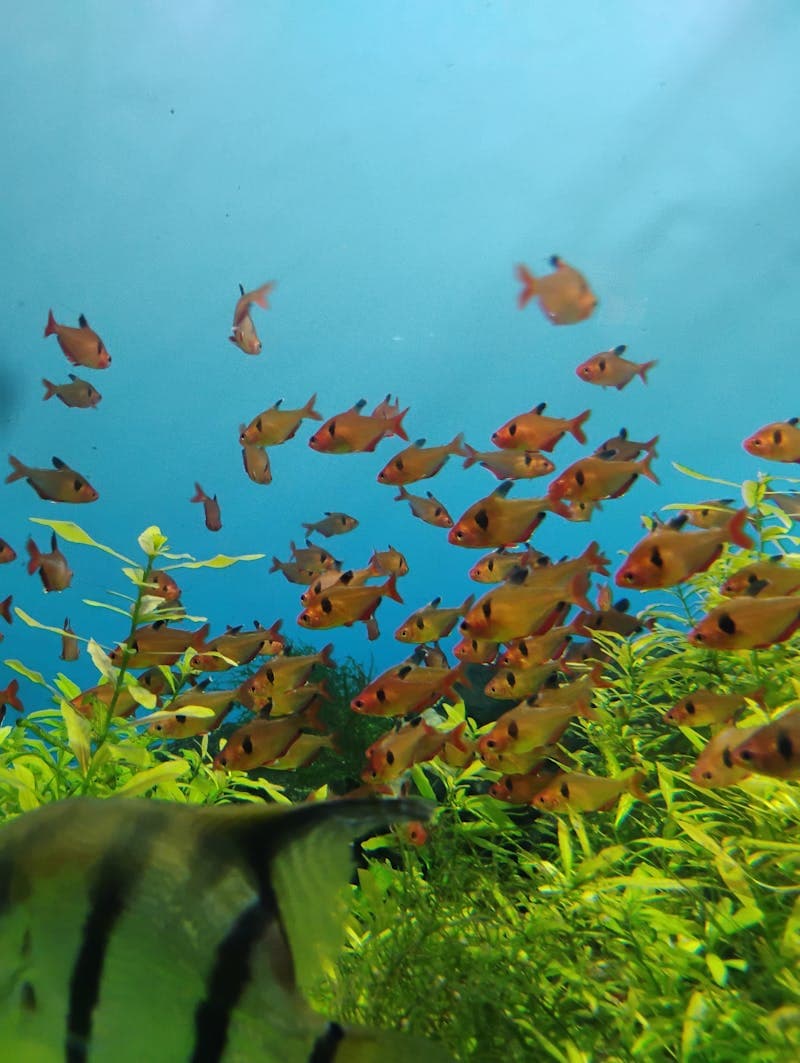
Premium Tetras for sale UK — Cardinal, Ember, Black Neon, Rummy Nose, Serpae, Diamond, Glowlight and more. Peaceful community schoolers.
Betta Fish
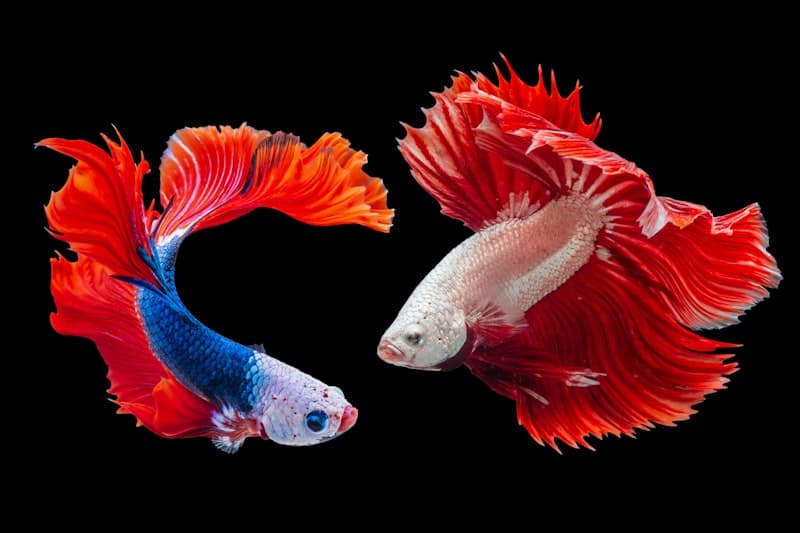
Halfmoon, plakat, koi, giant and wild-type Betta splendens, males and females, tail type and size stated per listing. Bagged singly, live arrival covered.
Guppy
Fancy guppies bred for colour — Moscow, Cobra, Dumbo ear and Endler lines as males, females or pairs. Hardy in UK tap water; arrive alive or replaced.
Cherry Shrimp
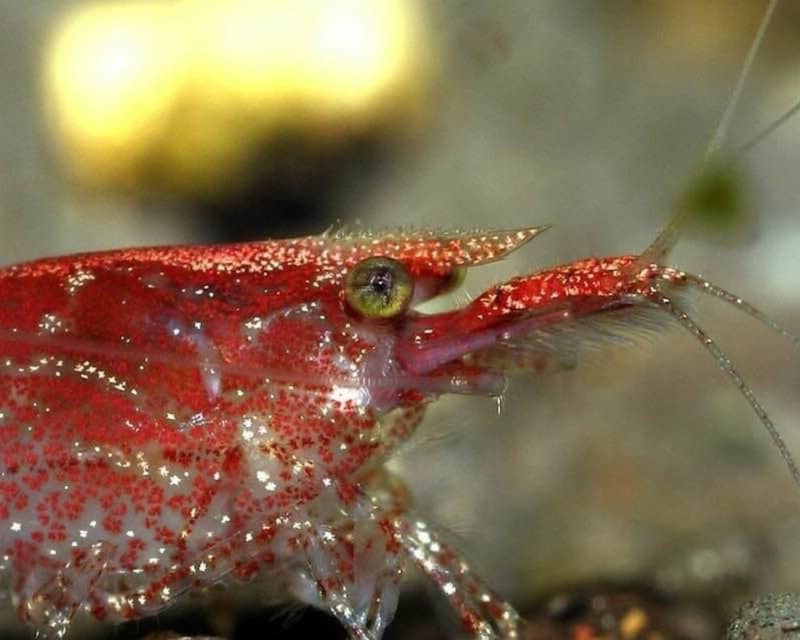
Red, blue, yellow, black and Rili cherry shrimp (Neocaridina) graded per listing, with mature-tank and water guidance so a new colony settles and breeds.
Corydoras
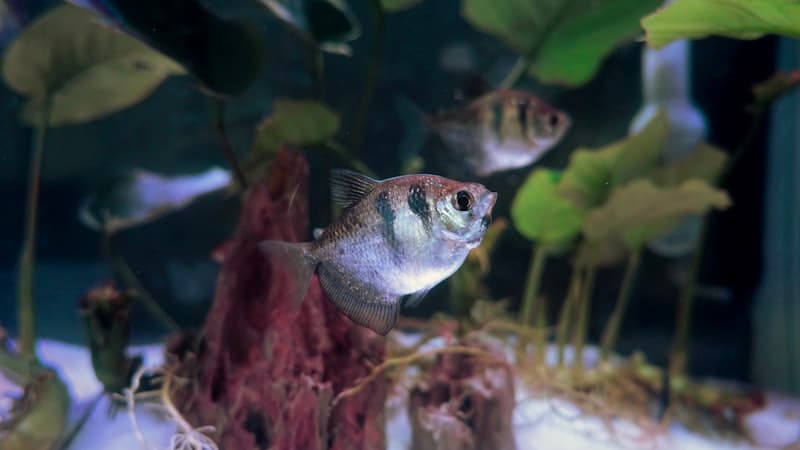
Shop current Corydoras catfish listings in the UK. Compare scientific identity, size and sale unit, with price and availability shown per product.
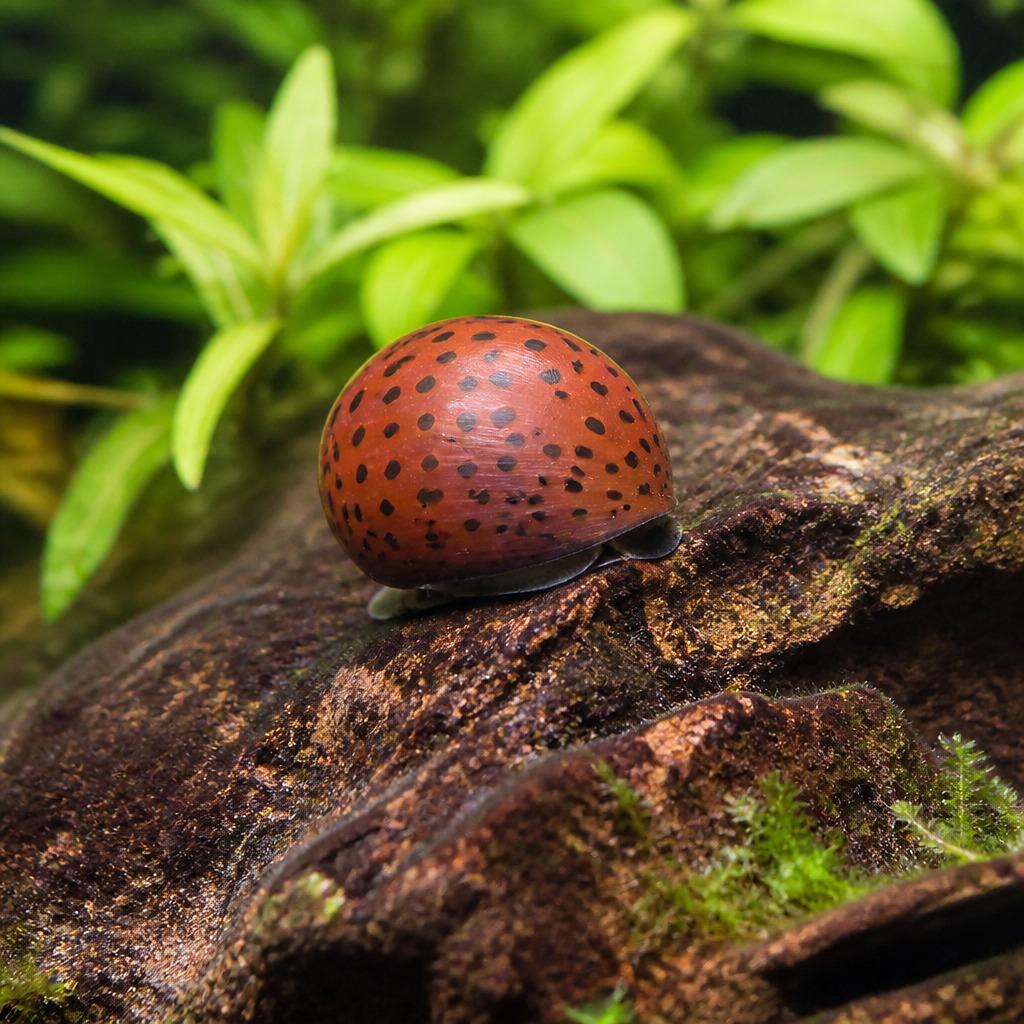
Freshwater Snails
Shop freshwater aquarium snails in the UK. Compare current species, adult size, water needs, diet, breeding risk, compatibility, prices and availability.
Spotted something that needs a fix?
Fishkeeping moves fast and we want every guide spot-on. If you think something here is wrong, out of date, or could be clearer, tell us — our team reads every message and updates the page.
Suggest an editRelated care guides
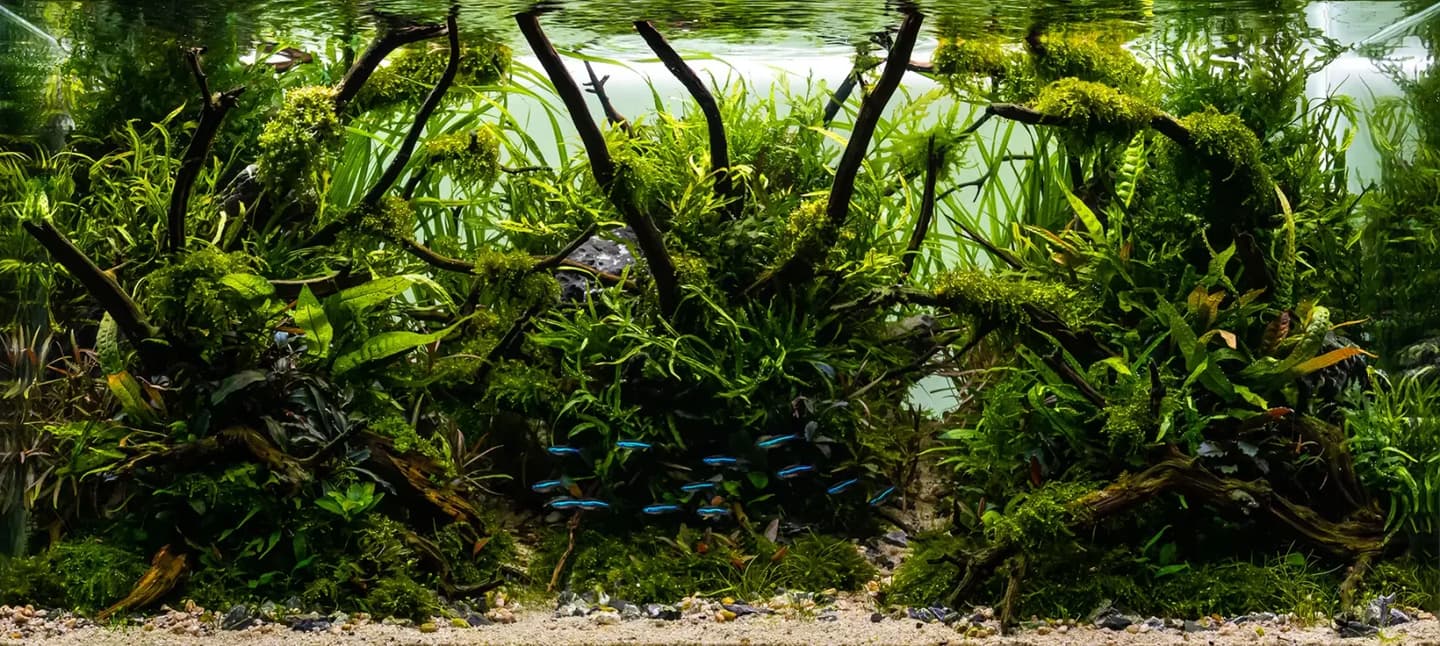
How to Set Up a Tropical Fish Tank: 10 Safe Steps
Choose the intended fish before the aquarium, place the tank on a suitable level support, install a filter and thermostatic heater, condition and test the water, then complete a fishless cycle. Add fish only after the chosen maturation process reaches its defined endpoint and repeated tests show zero ammonia and zero nitrite; elapsed days alone do not prove readiness.
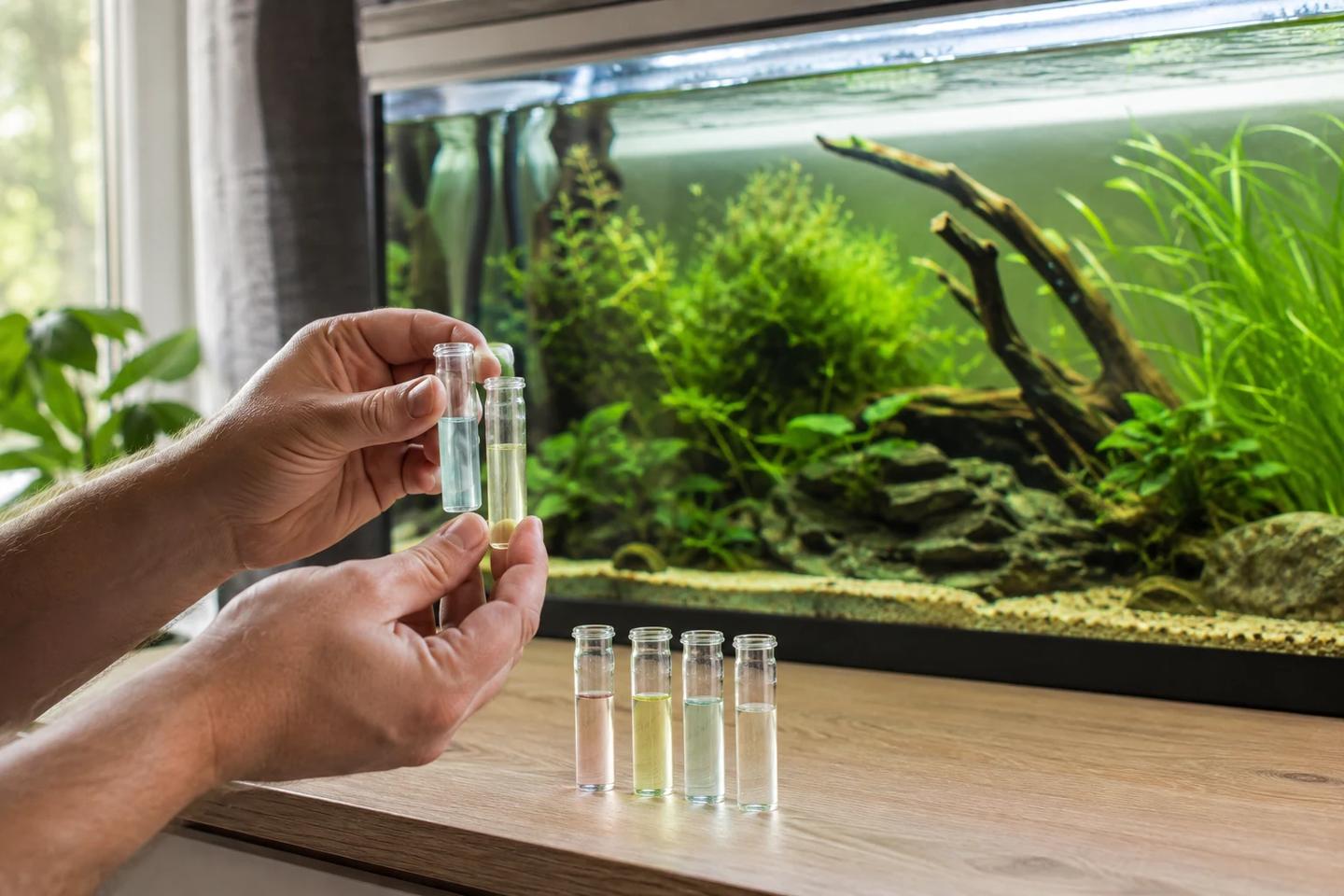
Aquarium Water Parameters: What to Test and Why
There is no universal set of perfect freshwater aquarium parameters. Identify the animals, learn what the test and unit actually report, establish your local source-water baseline, and compare repeat measurements. In an established aquarium, a confirmed ammonia or nitrite detection needs investigation; pH, GH, KH, temperature and nitrate decisions depend on the species, life stage and whole system.
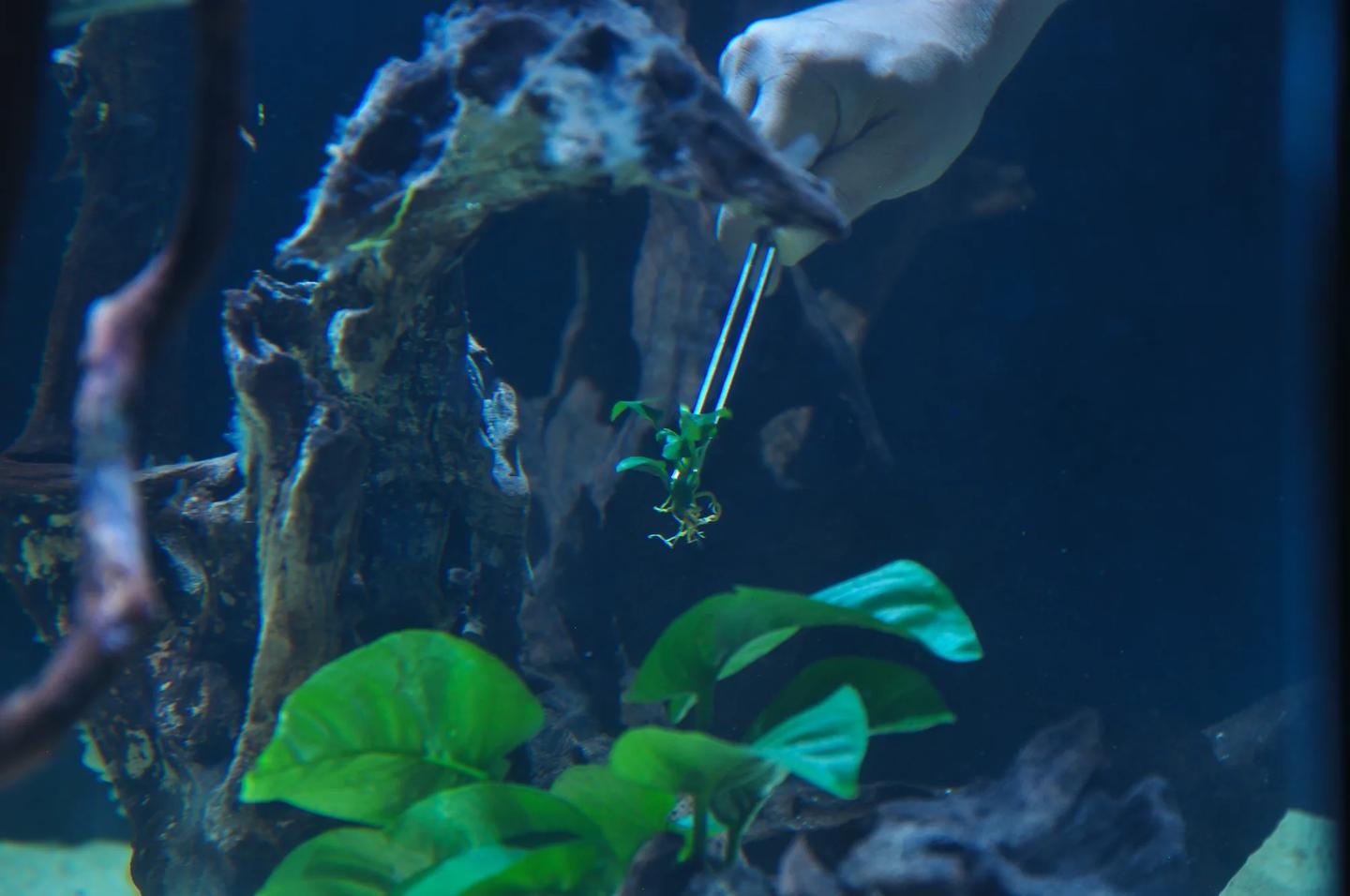
Live Aquarium Plants for Beginners: 7 Easy Picks
For a first low-tech planted aquarium, start with one or two correctly labelled lower-demand species, match their mature size to the tank, keep the rhizomes of Java fern and Anubias above the substrate, and change only one lighting or feeding variable at a time.