TropicalFish Co

Community Tank Fish for Sale UK

Peaceful tetras, rasboras, corydoras, platies and gouramis chosen to live together — temperament, adult size and water range per listing so the mix works.

Shop current stock539 live listings
  • Check the listing for the exact sale unit and current price
  • Match adult size, water needs and social behaviour
  • Prepare a fully cycled aquarium before arrival
Current delivery and offer information

Follow each link for the latest terms before ordering.

Current Community Tank Fish listings

539 products

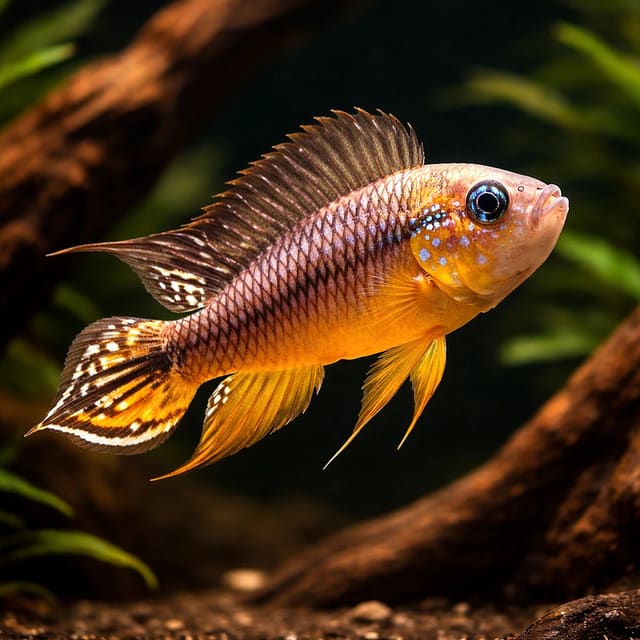
Bronze dwarf cichlid with blue facial spots and a yellow, black and white patterned tail

Apistogramma agassizii Alenquer Red Tail

26–27°C · 54L

£31.99
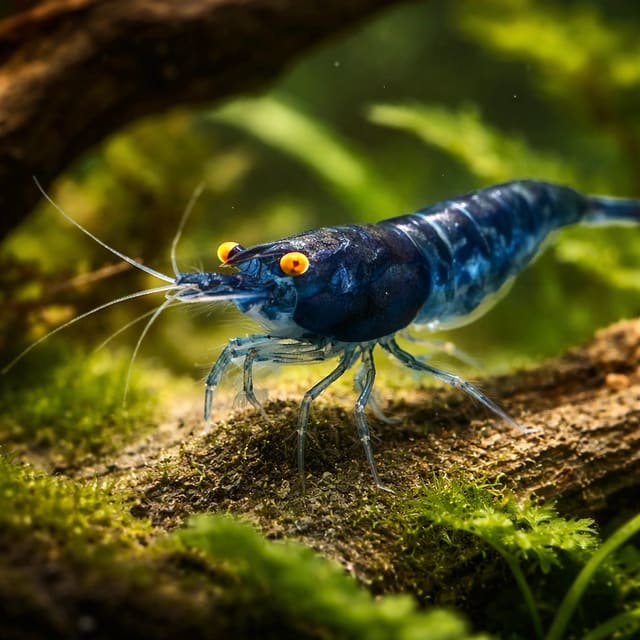
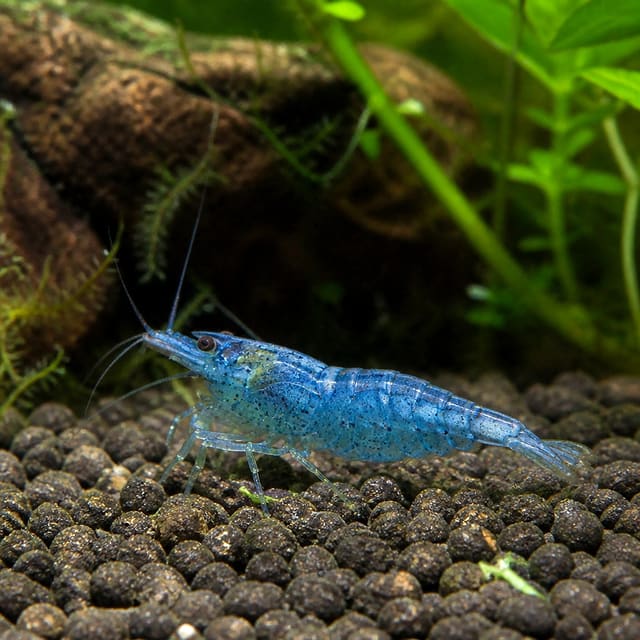
Neocaridina davidi topas blue
Easy

Topaz Blue Shrimp (Neocaridina davidi)

18–28°C · pH 6.5–8 · 20L

£17.99
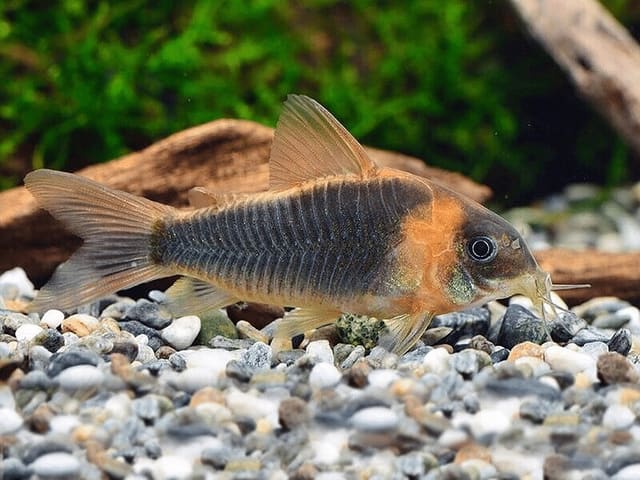
Horseman Cory with saddle marking on aquarium substrate
Easy

Horseman Cory (Corydoras eques)

22–26°C · pH 6–7.5 · 60L

£6.99
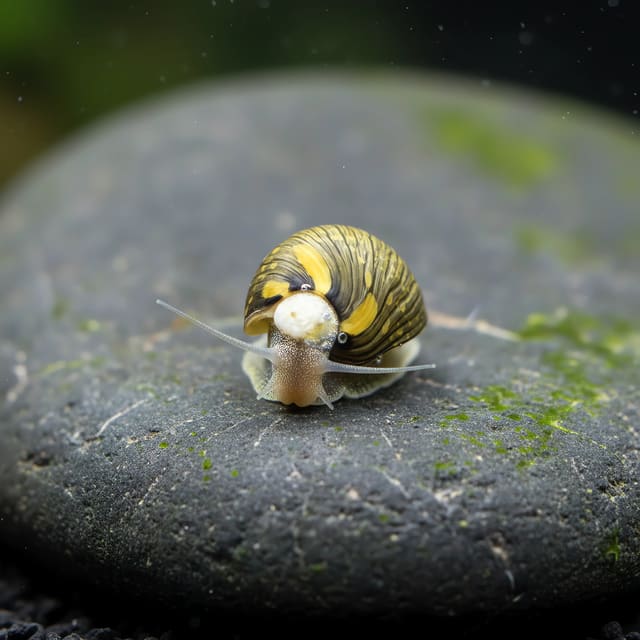
Sun Nerite Snail (Neritina sp.) - freshwater algae eating snail with sun-ray shell pattern
Easy

Sun Nerite Snail (Neritina sp.)

22–28°C · pH 7–8.5 · 10L

£3.99
Emperor Tetra (Nematobrycon palmeri)
−13%
Easy

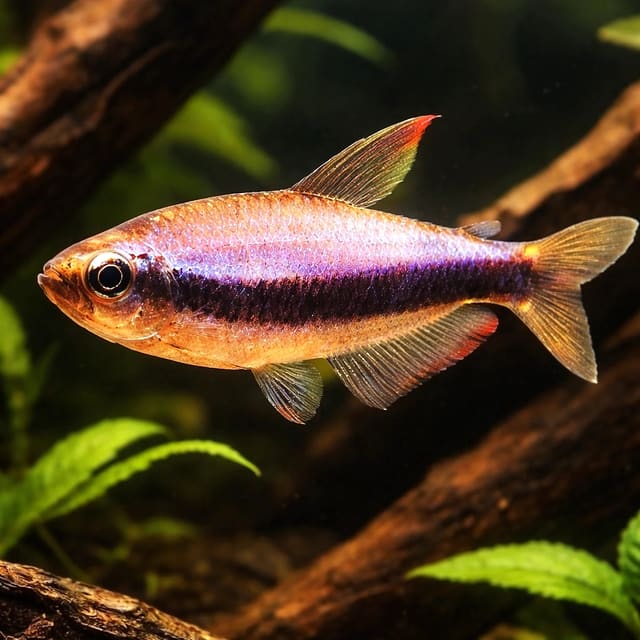
Royal Tetra (Inpaichthys kerri)

23–27°C · pH 5.5–7.5 · 80L

£2.99£4.99
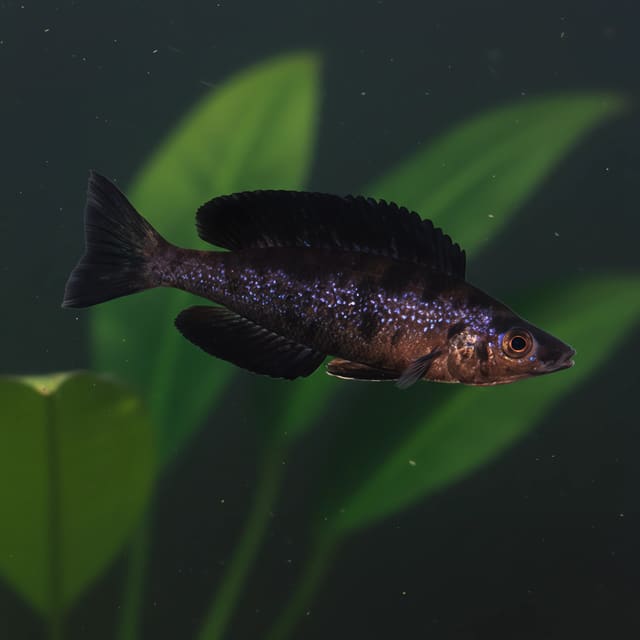
Herring Cichlid (Cyprichromis microlepidotus)
Moderate

Karilani Herring Cichlid (Cyprichromis microlepidotus)

24–27°C · pH 7.5–9 · 250L

£41.99
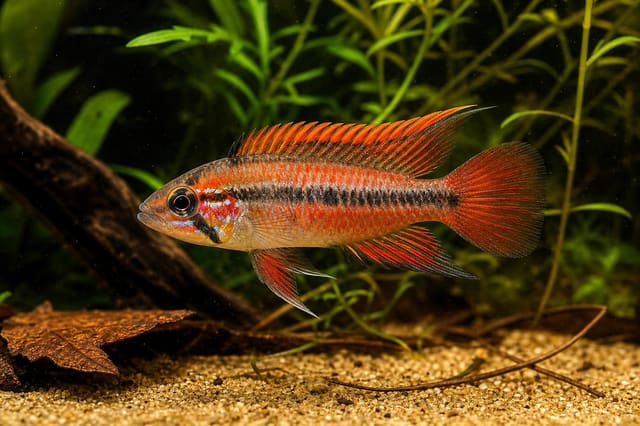
Agassiz's Dwarf Cichlid Super Red (Apistogramma agassizii super red)
Moderate

Super Red Agassiz’s Dwarf Cichlid (Apistogramma agassizii)

24–28°C · pH 5.5–7 · 60L

£18.99
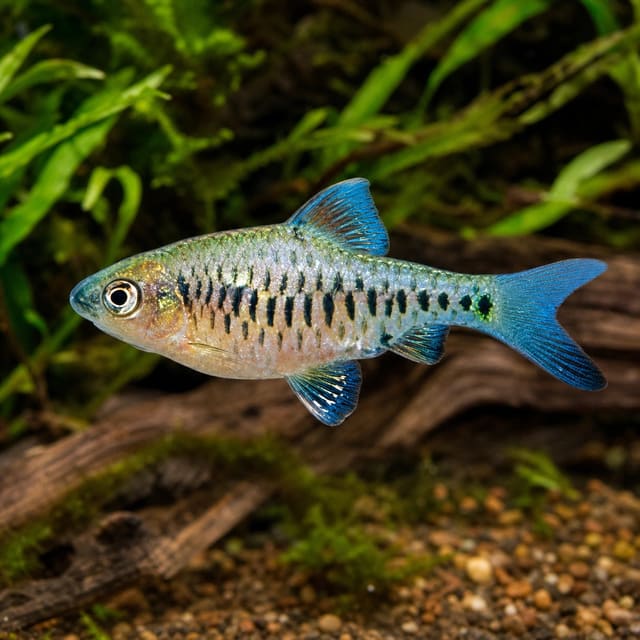
Checkered Barb (Oliotius oligolepis) showing its checkerboard scale pattern in a planted aquarium
Easy

Checkered Barb (Oliotius oligolepis)

20–25°C · pH 6–7 · 60L

£2.99
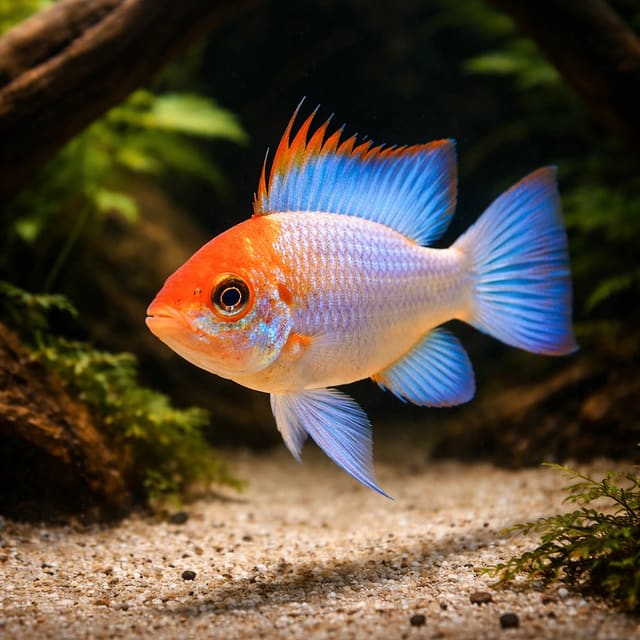
Blue Red Head Ram dwarf cichlid Mikrogeophagus ramirezi
−13%
Moderate

Electric Blue Ram (Mikrogeophagus ramirezi)

26–30°C · pH 5.5–7 · 60L

£10.43£11.99
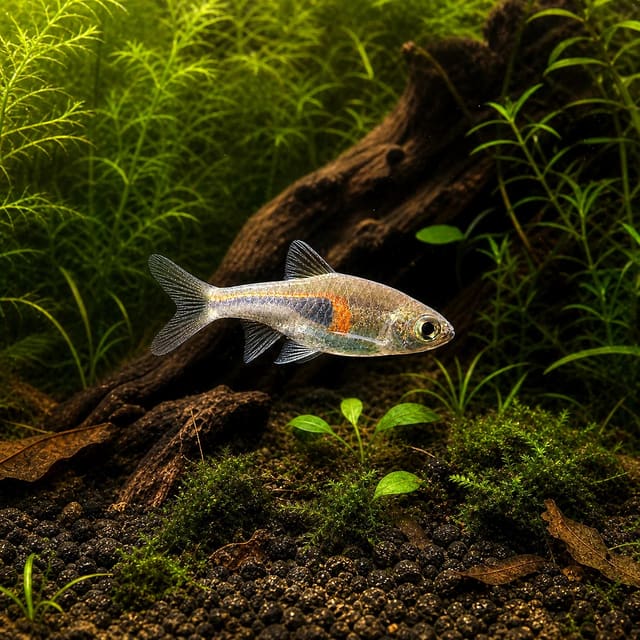
Glass Bloodfin Tetra with a translucent blue body and red-orange tail among wood and plants
Easy

Glass Bloodfin Tetra (Prionobrama filigera)

23–27°C · pH 6.5–7.5 · 68L

£3.99
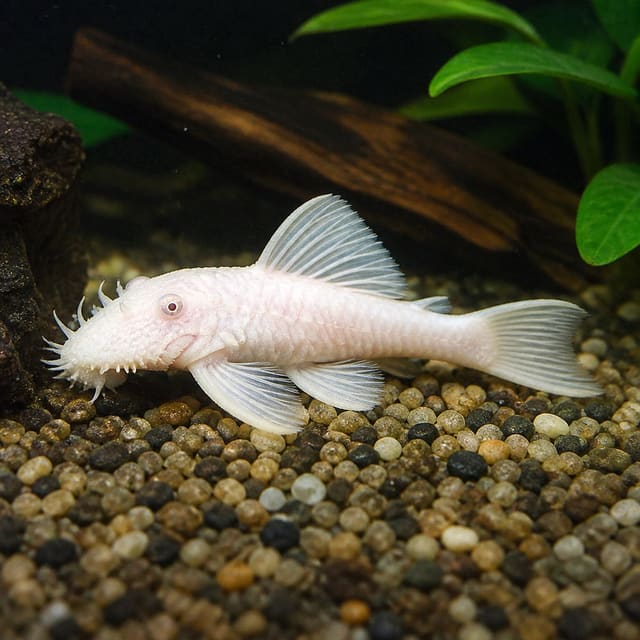
Snow White Bristlenose Pleco - pure white Ancistrus algae-eating catfish
Easy

Snow White Bristlenose Pleco (Ancistrus sp.)

23–29°C · pH 6–7.5 · 80L

£35.99
L066 King Tiger Pleco (Hypancistrus sp.) with bold striped patterning
Moderate

L066 King Tiger Pleco (Hypancistrus sp.)

26–30°C · pH 6–7.5 · 100L

£84.99
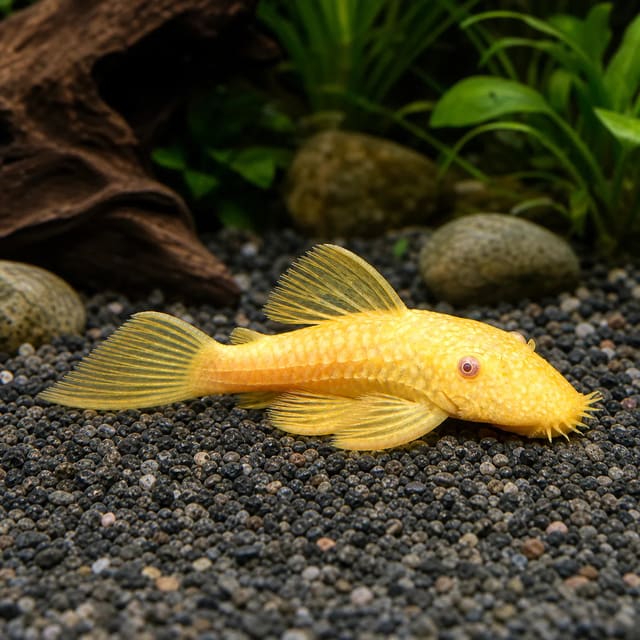
Albino Green Dragon Bristlenose Pleco (Ancistrus sp.) in a planted aquarium
Easy

Albino Green Dragon Bristlenose Pleco (Ancistrus sp.)

22–27°C · pH 6.5–7.8 · 100L

£42.99
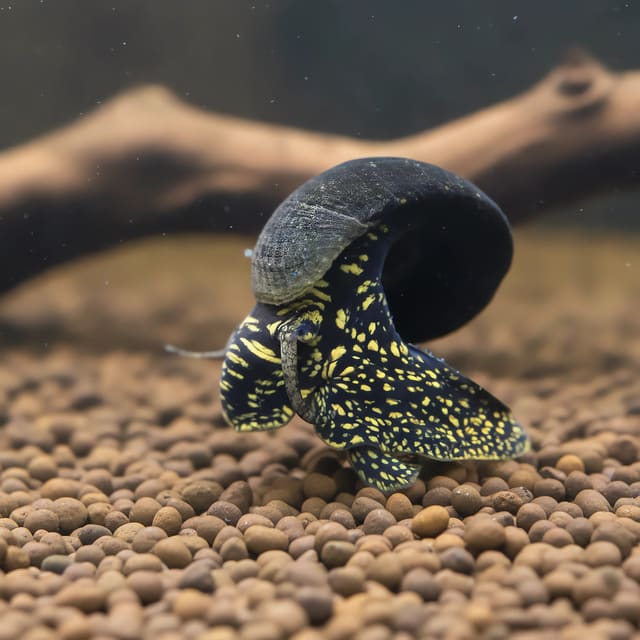
Yellow Spotted Rabbit Snail (Tylomelania sp.)
Moderate

Yellow Spotted Rabbit Snail (Tylomelania sp.)

26–30°C · pH 7.5–8.5 · 40L

£18.99
Glowlight Rasbora (Trigonostigma hengeli) in a planted aquarium
Easy

Glowlight Rasbora (Trigonostigma hengeli)

23–28°C · pH 6–7.5 · 60L

£3.99
Representative Green Moscow Male Guppy with a green body and flowing tail
Easy

Green Moscow Male Guppy (Poecilia reticulata)

22–28°C · pH 7–8 · 60L

£5.99
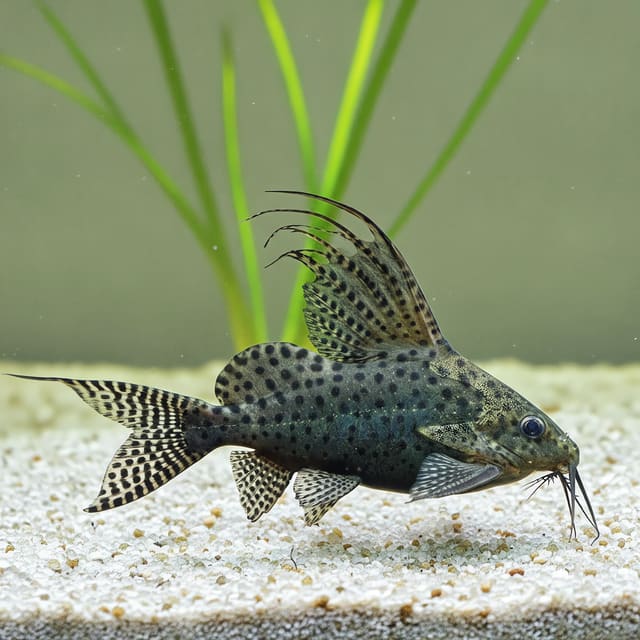
Juvenile Featherfin Synodontis (Synodontis eupterus) side profile showing its reticulated pattern
Moderate

Featherfin Synodontis (Synodontis eupterus)

22–26°C · pH 6.2–7.5 · 300L

£6.99
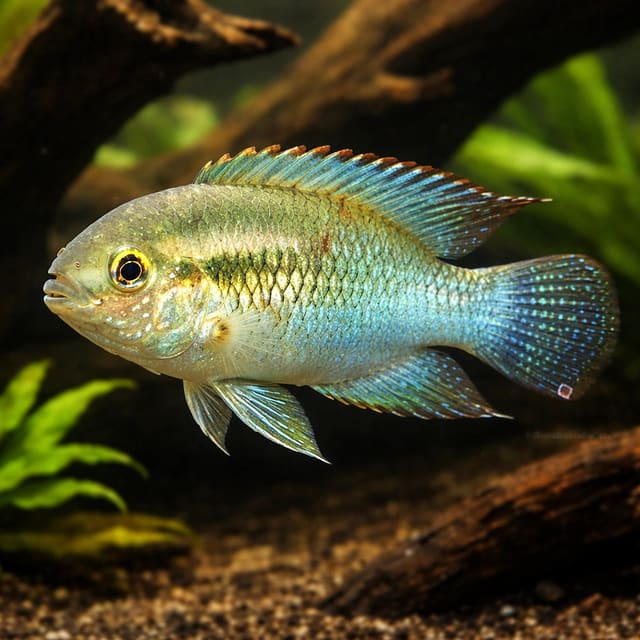
Representative digital illustration of Flag Acara (Laetacara curviceps) over driftwood in a planted aquarium
Moderate

Flag Acara (Laetacara curviceps)

22–26°C · pH 5.2–7.5 · 80L

£6.99
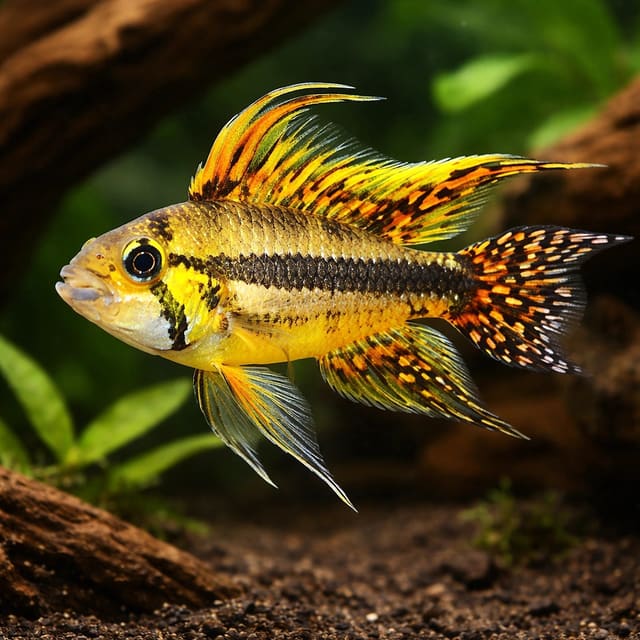
Cockatoo Dwarf Cichlid (Apistogramma cacatuoides)
Easy

Orange Cockatoo Dwarf Cichlid (Apistogramma cacatuoides)

24–28°C · pH 6–7.5 · 60L

£10.99
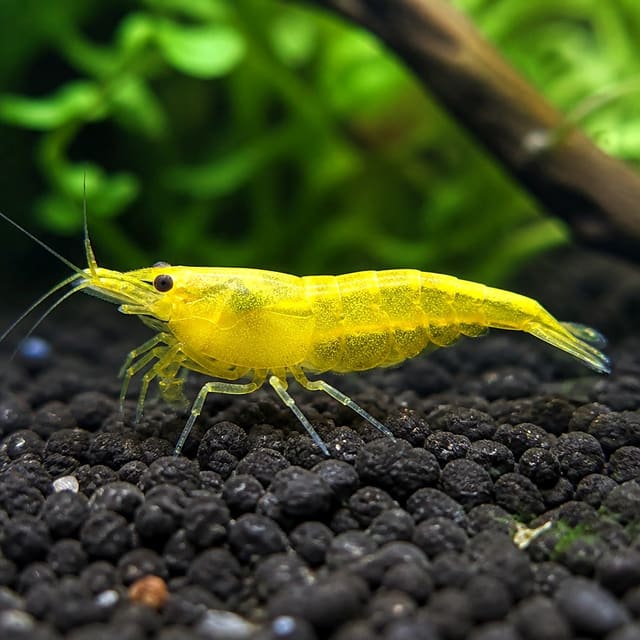
Yellow Neon Shrimp standing on black gravel among blurred green plants, with long antennae and a clear tail fan
Moderate

Yellow Neon Shrimp (Neocaridina davidi)

17–27°C · pH 6.5–8

£10.99
Malaysian Trumpet Snail in a mature planted freshwater aquarium
Easy

Malaysian Trumpet Snail (Melanoides tuberculata)

22–28°C · pH 6.8–8.2 · 20L

£2.99
Albino Golden Cory (Albino Corydoras) real fish side view
Easy

Albino Bronze Cory (Osteogaster aenea)

22–27°C · pH 6–8 · 80L

£2.99
Neocaridina heteropoda Blue Jelly
Easy

Blue Jelly Shrimp (Neocaridina davidi)

18–28°C · pH 6.5–8 · 20L

£19.99
representative illustration of a small blue-striped tetra; exact fish, colour and size may vary
−14%
Moderate

Green Neon Tetra (Paracheirodon simulans)

23–27°C · pH 5.5–6.5 · 60L

£6.01£6.99

Before you choose from this collection

This page brings together the peaceful, sociable species that live happily side by side in a mixed community aquarium. Everything listed is live stock held in our own system, dispatched with a licensed live-animal courier under our live arrival guarantee.

A good community tank layers fish across the levels: shoaling tetras, rasboras and danios in mid-water, corydoras and loaches along the bottom, a gourami or dwarf cichlid as a centrepiece, and livebearers throughout. The art is choosing species with compatible size, temperament and water needs.

Read the species care guides linked below before ordering. The commonest community mistakes are mixing fin-nippers with long-finned fish, adding a species that outgrows or eats the others, and understocking shoaling fish so they turn nervous or nippy.

Explore related collections

Visual route into our wider UK live-fish range.
Frequently asked questions

Peaceful temperament, a similar adult size to its tank mates, and compatible water requirements. The best community fish — most tetras, rasboras, danios, corydoras, platies, honey gouramis — are non-aggressive, stay modestly sized and enjoy the same warm, neutral-ish water. Match those three traits and fish coexist calmly.
Aggressive or predatory species (most large cichlids, larger catfish), notorious fin-nippers kept in small numbers (tiger barbs, serpae tetras), and anything that grows big enough to eat its tank mates. Also avoid mixing fish with clashing water needs, like hard-water African cichlids with soft-water tetras.
Think in three layers. Bottom: corydoras, loaches or a bristlenose pleco. Middle: shoals of tetras, rasboras or danios. Top: hatchetfish, gouramis or livebearers that favour the upper water. Spreading fish across levels uses the whole tank, reduces competition and looks far more natural.
Most community species start at about £2-£12 each depending on the fish, with centrepiece species more. A full community can be stocked affordably over a few weeks. Prices on this page are live: what you see is what's in stock today.
Quality over variety. A few species kept in proper numbers — say three shoals of eight plus a centrepiece and a bottom group — looks better and behaves more naturally than one or two of a dozen different fish. Shoaling fish especially need company of their own kind to thrive.
Yes. Community fish post reliably in oxygen-charged bags inside a polystyrene-insulated box with a winter heat pack, sent midweek by a licensed live-animal courier. Wednesday dispatch avoids the weekend, and our photo-proof live arrival guarantee covers every order.

Watch: Community Tank Fish in 60 seconds

Short clips from our own channel — the things keepers most often get wrong, answered in a minute.

Your fish hide because the tank is too emptyOpen water with no refuge makes fish hide; a well-planted, decorated tank is the one where you actually see them.
Why your fish is losing its colourFading over hours is a stress response; fading over weeks points to diet, water or illness — the speed of the change tells you the cause.