Moderate
Neon Tetra (Paracheirodon innesi)
21–25°C · pH 5–7
£2.99

One Cardinal Tetra per purchase in the chosen 1–4 cm dispatch grade; no sex selection is offered. Plan at least 10 in a mature, filtered aquarium about 60 litres and at least 60 cm long, with peaceful companions that cannot swallow them.
Adult size is the maximum length this species reaches at full maturity (scientific sources). The livestock you receive will be younger and smaller — pick a size above for the actual shipping size. Product-photo provenance and any image-specific limitations are stated on the listing.
Shoaling fish: kept in a group they feel safer, stay calmer and show their best colour.
Minimum of 2 per order.
One Cardinal Tetra per purchase in the chosen 1–4 cm dispatch grade; no sex selection is offered. Plan at least 10 in a mature, filtered aquarium about 60 litres and at least 60 cm long, with peaceful companions that cannot swallow them.
Adult size is the maximum length this species reaches at full maturity (scientific sources). The livestock you receive will be younger and smaller — pick a size above for the actual shipping size. Product-photo provenance and any image-specific limitations are stated on the listing.
Cardinal tetras are small, social blackwater fish, but they need more than a small volume of water. Our conservative starting policy is a mature, filtered aquarium at least 60 cm long and about 60 litres, a group of 10 or more, a routine target of 24-27 °C, and water chosen from measured supplier and home values rather than a fixed UK tap-water recipe.
Maintain these water conditions for optimal health and vibrant colors
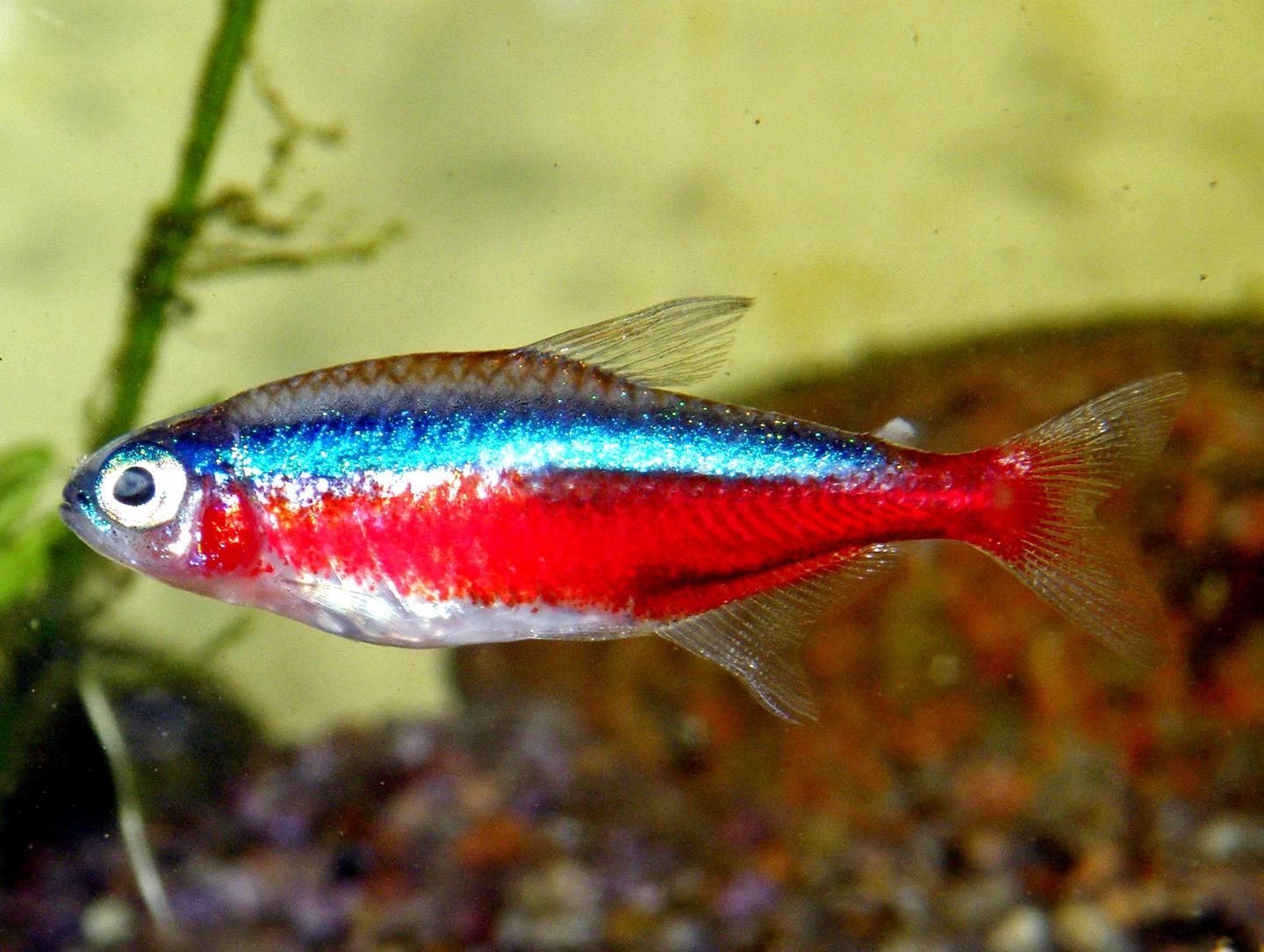
The Cardinal Tetra, Paracheirodon axelrodi, is a peaceful South American shoaling fish recognised by its iridescent blue stripe and red lower band. FishBase records its upper Orinoco and Negro basin range and a maximum 3.0 cm standard length. Seriously Fish recommends an aquarium base of at least 60 × 30 cm.
| Plan for | Starting point |
|---|---|
| Care level | Intermediate: suited to a prepared keeper with mature filtration and measured water; transport or rapid water changes can expose problems quickly |
| Social group | At least 10 where filtration, swimming room and feeding access can support them |
| First aquarium | About 60 litres and at least 60 cm long before companions are added |
| Temperament | Peaceful and social, with the best behaviour shown in a properly planned shoal among compatible companions |
| Swimming area | Open middle water with shaded cover around the sides and rear |
| Adult planning reference | Maximum 3.0 cm standard length, measured to the base of the tail; complete length is slightly greater |
Cardinals gain security from a coherent shoal and should not be bought singly simply to add colour. A larger group can make a stronger display only while oxygenation, filtration, food access and usable swimming room remain adequate. Count every occupant at adult size and include each species’ full social group before deciding how many fish the aquarium can hold. Their middle-water habit makes clear horizontal swimming room more useful than unused height in a crowded display.
Before ordering, check the live selector, read the complete Cardinal Tetra care guide, browse the current tetra collection and review the delivery and Live Arrival Guarantee policy. The care guide sets the conservative starting policy of at least 10 fish in a mature, filtered aquarium about 60 litres and at least 60 cm long. Plan for years of responsible care, as lifespan varies with age at purchase, origin, health and husbandry rather than following one promised figure.
One purchase quantity supplies one animal of the selected option. Seven recurring dispatch grades span approximately 1–4 cm: 1–1.3 cm, 1.3–1.7 cm, 1.7–2 cm, 2–2.5 cm, 2.5–3 cm, 3–3.5 cm and 3.5–4 cm. These are approximate supplied size grades, not life-stage labels or promises that every fish has one exact length.
Choose a grade by comparing it with the adult mouth size and feeding speed of established occupants. Smaller fish need particular protection from predators and fast feeders, while selecting a larger grade does not reduce the need for a proper shoal. Where quarantine and capacity permit, introduce the intended group together.
This offered line is captive-bred. Sex is guaranteed only when the selected option explicitly states male or female. This Cardinal Tetra listing has no sex-guaranteed option.
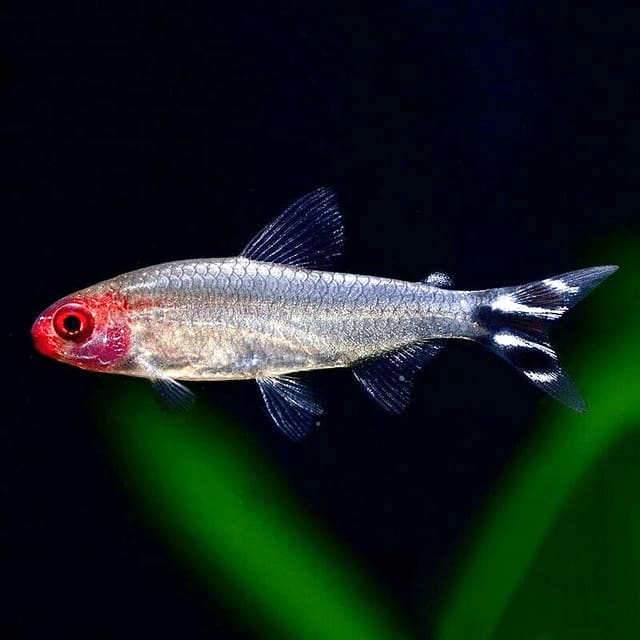
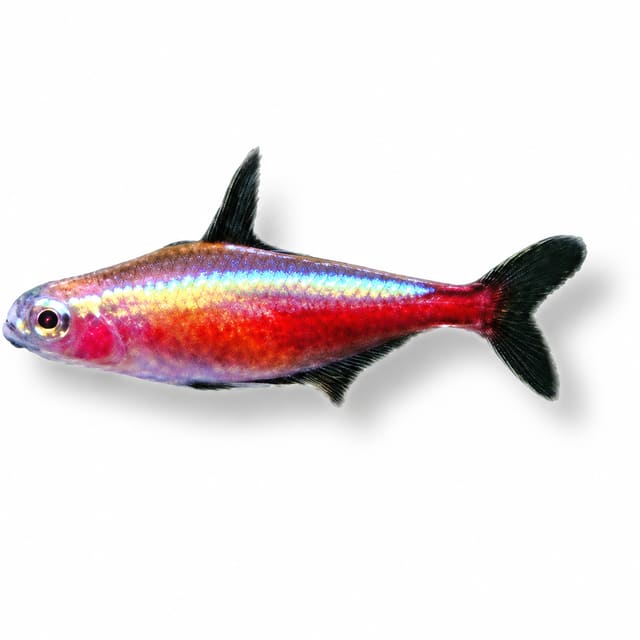
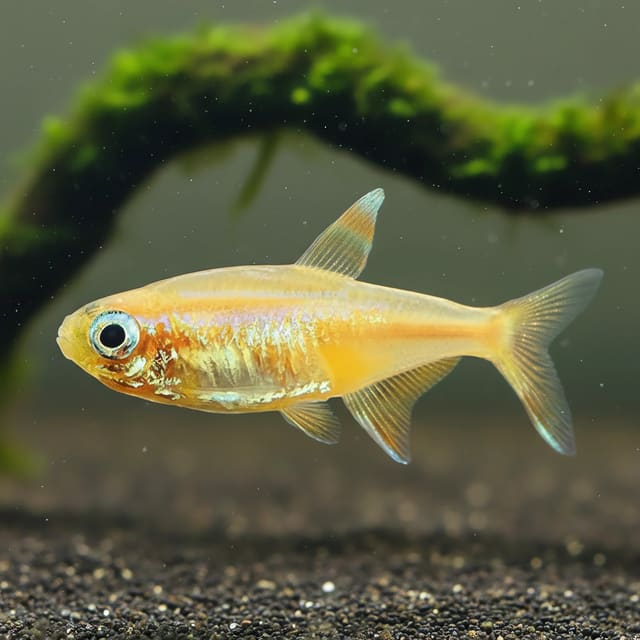
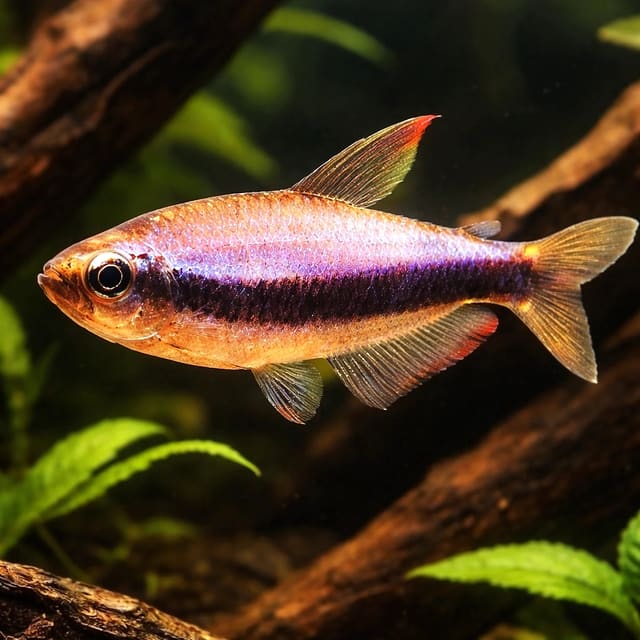
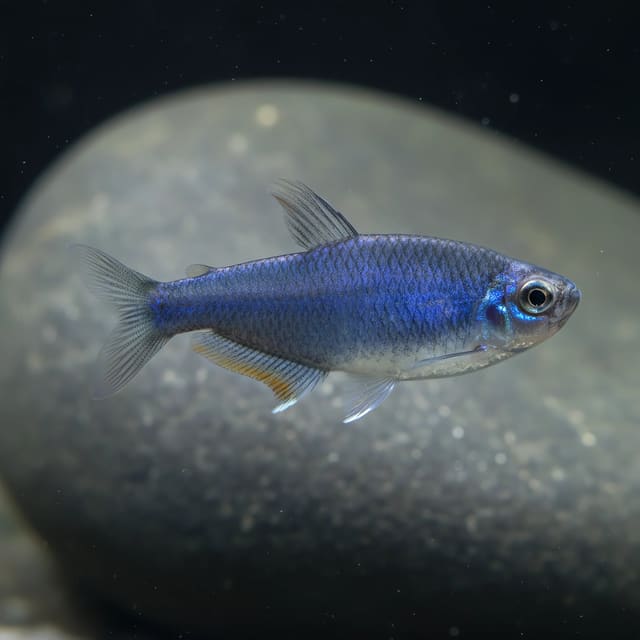
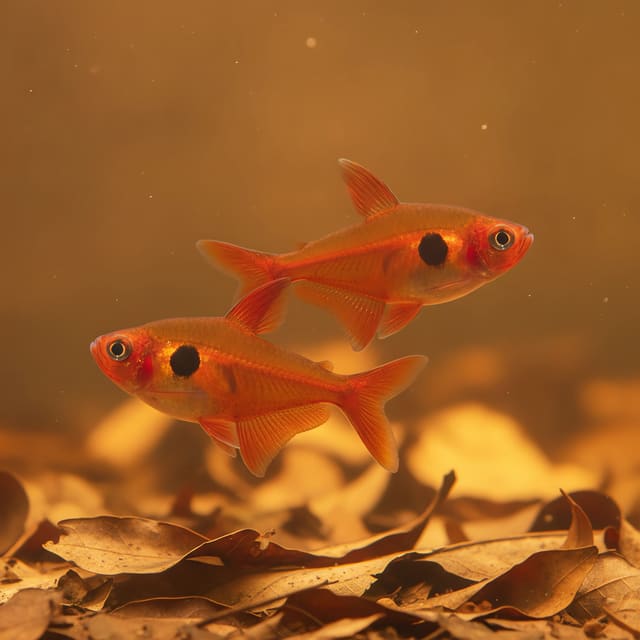
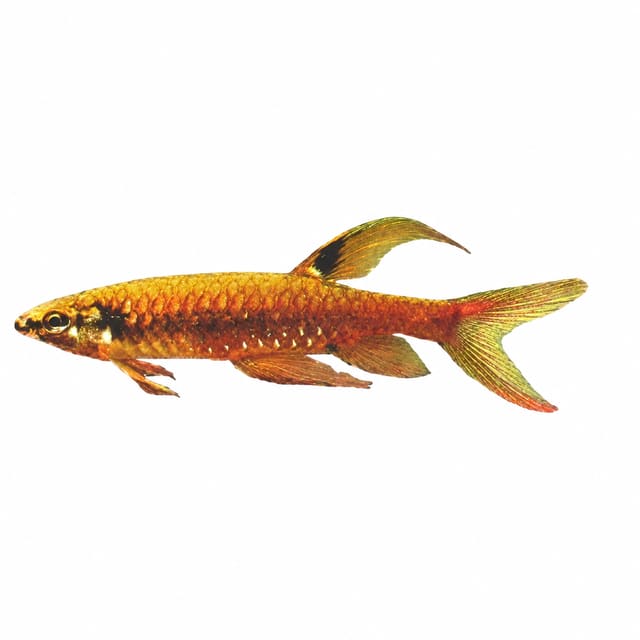
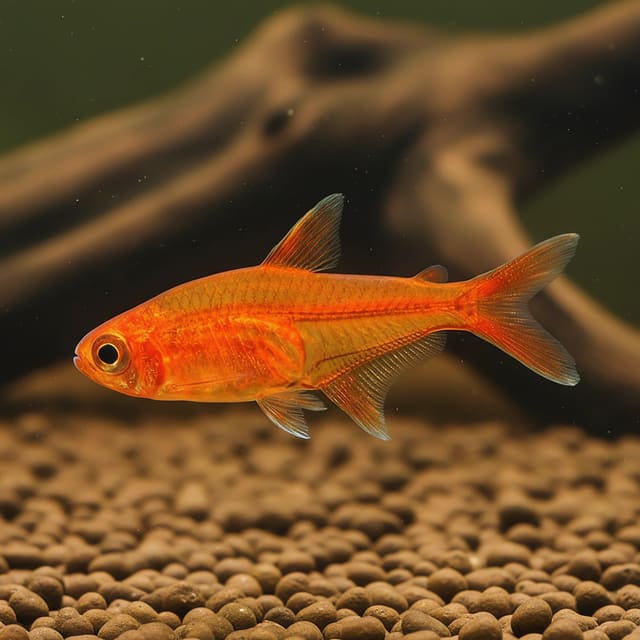
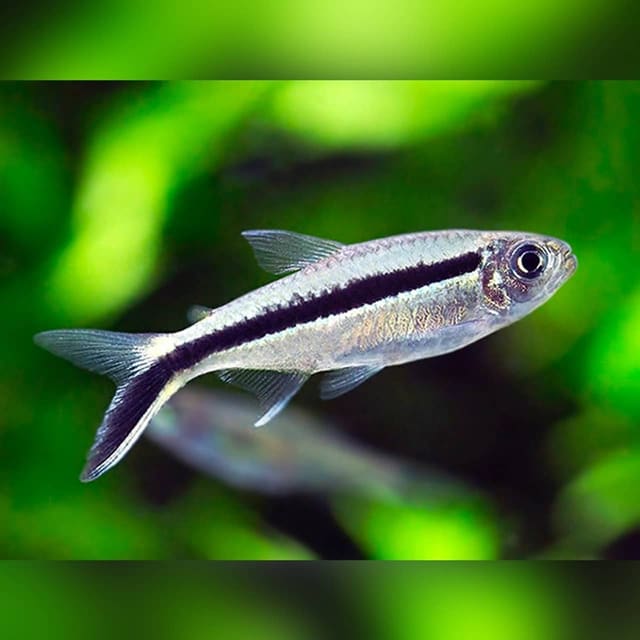
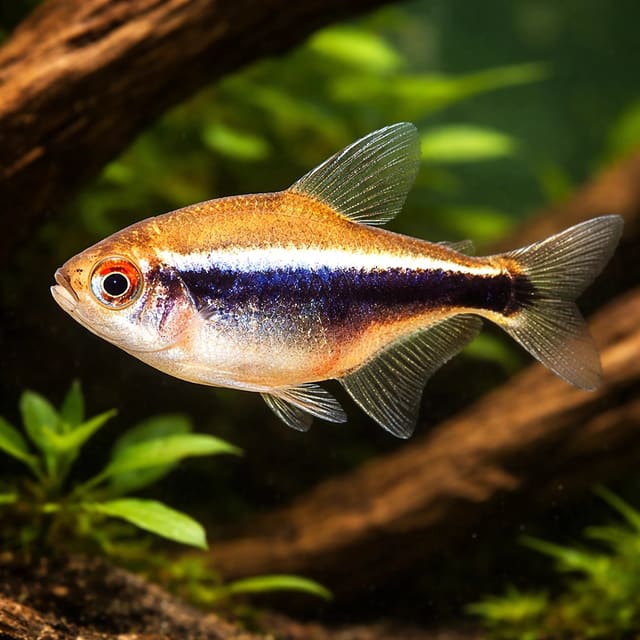
Some gallery images are representative, based on reference photographs of this species, and some photos were digitally enhanced for image quality, so colours can look slightly different from the live animal. The gallery represents the listed animal type rather than the exact fish supplied. Individual colour, body condition and size vary, and an image showing two fish does not change the retail unit.
Dispatch grade and adult-size evidence serve different purposes. The selector describes the approximate size supplied, while the FishBase figure is a maximum recorded standard length for the species. Do not infer age or maturity from a grade.
FishBase identifies Paracheirodon axelrodi as a freshwater, pelagic and non-migratory member of Acestrorhamphidae. Its documented native range covers the upper Orinoco and Negro River basins in Brazil, Colombia and Venezuela. The species is currently assessed globally as Least Concern, which describes the population rather than the origin or welfare of an individual shipment.
Eschmeyer’s Catalog of Fishes places the species in the subfamily Megalamphodinae and treats Hyphessobrycon cardinalis as a junior synonym, not a second Cardinal Tetra species. Older aquarium records may still carry the former family placement or synonym.
Wild Cardinals are strongly associated with shaded blackwater drainages and seasonally flooded forest habitats. Changing water levels alter the cover, feeding areas and channels available to them. In an aquarium, carry across the useful features—shade, clean stable water, sheltered edges and open middle-water space—rather than trying to reproduce one locality from appearance alone.
A Cardinal Tetra’s red band extends along almost the full lower body, while a Neon Tetra’s red begins around mid-body. Healthy water and low stress matter more than using dark decor purely to strengthen the colour contrast. Persistent paleness warrants checks of water, temperature, breathing, feeding and social behaviour.
Start with a mature, filtered aquarium about 60 litres and at least 60 cm long for a group of 10. This is a conservative starting screen rather than a litres-per-fish formula. Use a longer or larger system when companions, a bigger shoal, bulky decor or equipment reduce the space available to the fish.
A mature biological filter supports bacteria that process toxic ammonia into nitrite and then safer nitrate. RSPCA aquarium-environment guidance explains filtration, maturation, testing and stability for aquarium fish generally. Keep the filter working effectively and judge its performance through repeated water results under normal feeding conditions.
Complete the cycling process before stocking and confirm stability through repeated tests rather than elapsed time alone. A newly filled aquarium is unsuitable even when its temperature and appearance seem correct. The first tropical aquarium guide covers the preparation and maturation sequence before livestock arrives.
Two aquariums with the same labelled volume can offer very different usable capacity. A long, unobstructed middle-water route is more valuable to this shoal than height that does not increase horizontal movement. Recheck the plan after decor and equipment are installed, because the footprint available to fish can be smaller than the tank’s outside dimensions suggest.
Gradual stocking and a proper Cardinal group are separate requirements. Do not use slow stocking as a reason to leave these social fish as a token pair. If the filter cannot safely accept the intended group, continue preparing the system before buying rather than relying on repeated small additions.
Increase stocking gradually so the biological filter can adjust to additional waste and feeding. Adding too many fish too quickly can trigger new tank syndrome even when the aquarium previously supported a smaller population. The intended Cardinal group must still fit within the system’s demonstrated capacity.
Tropical Fish Co’s routine target is 24–27°C, pH 5.5–7.0 and 1–8 dGH. Compare measured supplier and aquarium water, then make any necessary change gradually. This warm, soft-to-moderately-soft house target is a conservative transition and maintenance policy rather than a claim that one abrupt boundary suits every fish.
FishBase records 23–27°C, pH 4.0–6.0 and 5–12 dH for the species’ wild environment. OATA’s tetra-and-pencilfish care sheet gives broader group guidance of 22–27°C, pH 6.5–8.0, 4–12°dH and 3–10°dKH. OATA also specifies zero ammonia and nitrite, nitrate no more than 20 mg per litre above tap-water levels, groups of five or more, 45 litres for a small shoal and 80 litres for species of 5 cm or larger. Those group figures are not a Cardinal-specific optimum.
Measure pH, GH and KH instead of treating a postcode or regional label as a water test. Supplies may differ or be blended, and the same reverse-osmosis mixing ratio can produce different chemistry from two starting waters. Never use a fixed RO-to-tap recipe without measuring the result and accounting for remineralisation.
Use the water chemistry guide to understand which values to measure and why. Once readings are available, the water matcher can compare the aquarium with the stated guidance. Consider the result alongside temperature stability, filter performance and the condition of the group.
Use a thermostatically controlled aquarium heater where needed to maintain the routine target in UK homes. Verify the water with an independent thermometer rather than trusting the heater dial alone. Avoid direct sun, draughts and rapid temperature changes.
OATA’s general tetra routine recommends changing about 25% of the water at least weekly and siphoning accumulated solid waste where needed. Test at least weekly and after unusual behaviour, filter trouble, new stocking or a maintenance change. Keep a simple record so trends are visible instead of relying on one isolated result.
Treat replacement tap water with a suitable conditioner before it enters the aquarium so chlorine or chloramine does not harm fish or filter bacteria. Bring the replacement water close enough in temperature to avoid a rapid shift. Adjust maintenance when test trends, stocking or feeding show that waste is building faster than the routine controls it.
Check the filter for blocked inlets, reduced output and trapped debris. If media needs cleaning, rinse it lightly in aquarium water removed during the water change rather than untreated tap water. This clears flow restrictions while preserving more of the established bacterial population.
When a result changes, confirm the reading and identify the likely maintenance, feeding or stocking cause before altering several values. Controlled responses make it easier to judge whether the aquarium is returning to its normal pattern.
Arrange plants, wood and aquarium-safe cover around the sides and rear while leaving a clear route through the middle water. A sandy substrate, driftwood and carefully managed dried leaf litter can create a natural-style display, provided decaying material is monitored and the swimming route remains open.
Seriously Fish advises that natural peat is unnecessary. Choose sustainable aquarium-safe materials and establish water chemistry through measured preparation rather than adding an unmeasured material for appearance.
Use gentle flow that circulates the aquarium without forcing the group to swim continuously in one place. Protect filter intakes where small fish could be trapped and maintain useful surface movement. Persistent avoidance of one area can indicate excessive current or insufficient sheltered space.
Use a consistent day-night cycle with shaded areas. An exact-species 72-hour experiment found colour fading under excessive illumination, so avoid continuous glare. Light is not the only possible cause of paleness; check water, temperature, breathing, feeding and social pressure at the same time.
Dark substrate or background may make the red and blue bands easier to see, but decorative contrast is secondary to water quality and normal behaviour. Avoid planting so densely that the shoal loses its usable horizontal route.
A study of 80 wild fish from 14 Rio Negro basin sites, available in Walker’s food-spectrum paper, found mainly tiny animal prey, particularly microcrustaceans and chironomid larvae. In an aquarium, use suitably small complete food as the staple rather than trying to recreate the wild diet with one frozen item.
Offer fine complete flake, granules or micro-pellets that every fish can swallow without repeated spitting. Add safe, suitably sized variety such as Daphnia, Moina or bloodworm where appropriate. Check the product description so a treat or single-ingredient food is not mistaken for a nutritionally complete staple.
Recurring leftovers break down into waste and increase demand on the biological filter. Do not collect live food from an unknown pond or rely on visible algae as a complete diet. Choose traceable aquarium-safe foods that suit the fish’s mouth size.
Sudden refusal to feed, especially with rapid breathing, isolation or a balance change, should prompt water testing and a health assessment rather than a larger portion. Review temperature, filter flow, recent maintenance and social competition before changing the staple.
A settled Cardinal should maintain balance, swim socially, breathe without obvious effort, hold its fins normally and respond to suitably sized food. Learn the group’s usual colour, spacing and feeding response so meaningful changes are easier to identify.
Persistent isolation, surface gasping, clamped fins, spots, wounds, swelling, weight loss, erratic swimming or abrupt colour change require investigation. Before accepting fish, look for clear eyes, intact scales, undamaged fins, steady swimming and no obvious ulcers, bumps or abnormal breathing.
When behaviour or appearance changes, test water and temperature first. Then inspect heater operation, filter flow, recent maintenance, food, new livestock and social pressure. RSPCA fish-health guidance covers warning signs, water-quality-first checks and professional escalation for pet fish generally.
Do not apply a generic heat, salt or medicine dose from appearance alone. Similar signs can have different causes, and UK medicine rules apply. If illness is suspected or warning signs persist after environmental checks, use OATA’s Find a Fish Vet directory and follow qualified diagnostic advice.
MSD Veterinary Manual guidance recommends quarantining new aquarium fish for at least 30 days, with longer periods where circumstances require. Use a separate mature system with dedicated nets, siphons and other equipment so tools do not transfer problems into the display aquarium.
Quarantine does not create a solitary-care exception. The separate system must provide room, filtration and feeding access for the planned social group, and any phased movement must preserve appropriate company. If that capacity is unavailable, prepare a suitable quarantine arrangement before ordering rather than isolating a single fish for convenience.
Prepare, mature and test the receiving aquarium before dispatch. Have heating, filtration, cover and water-testing equipment operating before the fish arrives. Choose the dispatch grade only after checking established mouths and feeding competition, and ensure both quarantine and final systems can accommodate the intended group.
Transport water may differ chemically from aquarium water and can accumulate carbon dioxide and ammonia. Avoid a universal 45-minute drip-acclimation rule because conditions may change after the bag is opened. Check the current order-specific method through the order channel, proceed without unnecessary delay and do not pour transport water into the display unless expressly directed.
New arrivals may look pale or hesitant after transport. Keep lighting subdued, minimise disturbance and observe breathing, balance and injuries. Do not diagnose a health problem from transport colour alone or increase food to force a response.
Photograph the unopened package and fish condition on arrival, then report serious concerns through the current order channel within its stated time. Delivery schedules, reporting routes and guarantee requirements should be checked before the dispatch date.
Seriously Fish reports that sexually mature females may be rounder-bodied and slightly larger than males. Age, feeding and health also affect body shape, so appearance cannot support a sex guarantee. Colour is not a reliable substitute for an explicitly sex-labelled offer.
Cardinal Tetras are egg layers. Exact-species research records adhesive eggs and batch development, and managed separation of adults and eggs is necessary if fry are to be raised. A rounded female is not proof of pregnancy or guaranteed spawning because these fish do not give birth to live young.
Raising fry requires a separate mature system, measured soft acidic water, safe spawning material, egg protection and specialist first foods. A community aquarium is intended for the display group rather than dependable fry production.
Never make a sharp pH or conductivity change in a stocked display to provoke spawning. Breeding attempts belong in a separate controlled aquarium where measured changes do not expose companions to a sudden shift.
Plan capacity and destinations for juveniles before attempting to breed. Egg production does not show that a system can feed larvae, maintain suitable water or house growing fish. For most households, prioritising a healthy social display is the clearer plan.
This offered line is captive-bred. Ask what traceability information exists for an actual shipment rather than assuming that every Cardinal sold in the UK has the same wild, farmed or sustainable origin.
An IUCN freshwater-fish information brief describes how Cardinal Tetra fisheries in the Rio Negro have supported local livelihoods and incentives to value healthy forest and water. That regional history does not certify an individual shipment, so sustainability statements should follow the available traceability information.
Never release Cardinals, aquarium plants, pathogens or aquarium water outdoors, into ponds, drains or natural watercourses. If circumstances change, arrange responsible permanent rehoming through a suitable retailer, aquarium society or experienced keeper before care becomes urgent.
Long-term responsibility combines accurate sourcing language, contained aquarium materials, sustained husbandry and prevention of release. The species’ Least Concern category does not remove those obligations.
Choose peaceful companions with matching measured water needs that cannot swallow a Cardinal Tetra. Compatibility depends on the adult animals, complete social groups and available aquarium space rather than a broad community-fish label.
Similarly sized characins, hatchetfish, pencilfish and selected smaller catfish are categories described by Seriously Fish, but each exact species still needs the complete screen above. A common group name does not guarantee compatible temperature, substrate or social requirements.
Before adding companions, account for every occupant’s adult footprint, social group and feeding access. Extra nominal volume cannot compensate for a short blocked swimming route, inadequate filtration or a fish that treats small tank mates as prey.
No fish is guaranteed shrimp-safe. Larger adult shrimp may coexist in a carefully planned aquarium, but shrimplets and other small vulnerable invertebrates can be eaten. Planting can reduce exposure without guaranteeing survival. The shrimp’s mineral requirements must also overlap with the measured water chosen for the Cardinals.
Treat adult angelfish, larger cichlids and other potential predators with particular caution. An animal can appear calm while remaining physically capable of swallowing a small tetra. Shared geographical origin does not remove that risk.
Fin-nippers, territorial fish and highly competitive feeders may also create an unsuitable combination without swallowing the Cardinals. Persistent chasing can deny the group access to cover or food, while a fast feeder may leave smaller fish with inadequate intake.
This is the Cardinal Tetra, Paracheirodon axelrodi, a peaceful South American shoaling fish with a blue lateral stripe and an almost full-length red lower band.
One purchase supplies one Cardinal Tetra in the selected dispatch grade. No sex selection is offered.
The selector has seven recurring approximate grades spanning 1–4 cm. Choose by checking established mouth sizes and feeding competition, not by inferring age or maturity.
Plan a mature, filtered aquarium about 60 litres and at least 60 cm long for the first group, with more usable space for companions.
No. These social fish need a coherent shoal; our conservative policy starts at 10 where filtration, swimming room and food access can support them.
Use the 24–27°C, pH 5.5–7.0 and 1–8 dGH house target, compare measured supplier and aquarium water, and make changes gradually.
Offer suitably small complete flake, granules or micro-pellets, with safe small frozen or live variety where appropriate, and make sure every fish eats.
Do not assume a universal 45-minute drip method. Check the current order-specific method before opening the bag, proceed promptly and keep transport water out of the display unless directed otherwise.
Choose peaceful fish with overlapping measured water needs that cannot swallow Cardinals; compare adult mouth size, social space, territory and feeding speed.
Independently collected by Judge.me from customers who bought this item. All reviews are shown.
All in . good condition