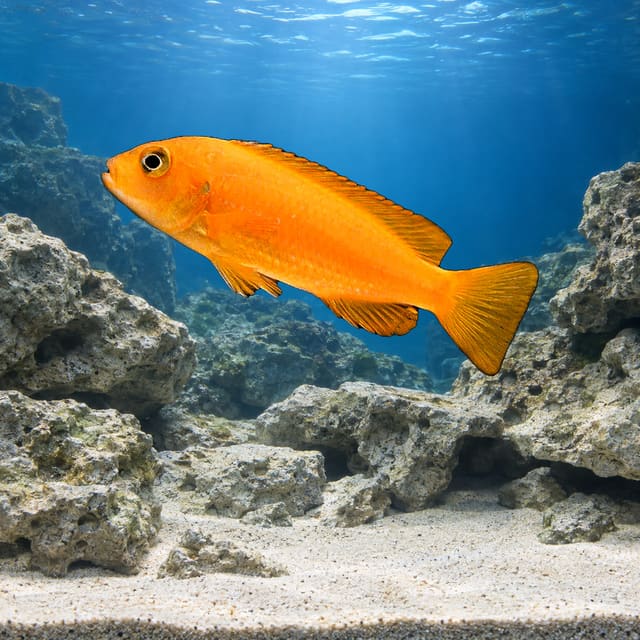
−16%
Moderate
Chindongo saulosi ‘Coral Red’ – Coral Red Dwarf Mbuna Cichlid | Lake Malawi
23–27°C · pH 7.4–8.4 · 150L
£9.68£11.49

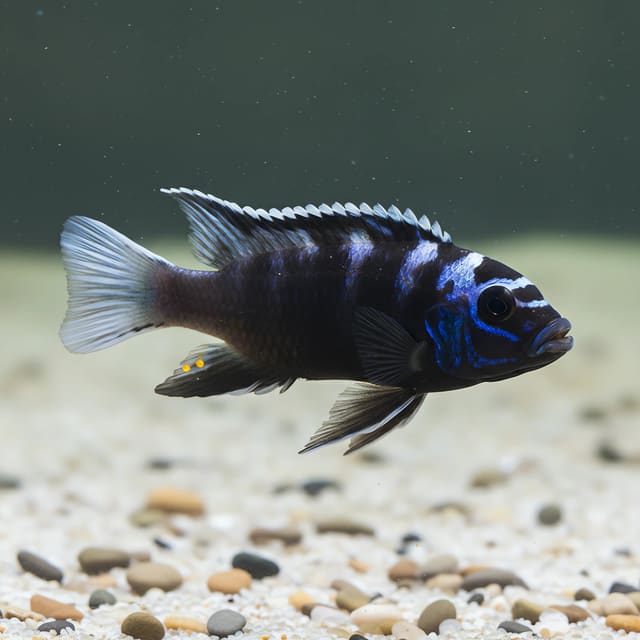
Blue OB Masinje Zebra Mbuna (Maylandia zebra) is an assertive Lake Malawi cichlid supplied as one fish in a 3–11 cm dispatch band. Plan at least 205 litres, extensive rockwork, hard alkaline water, vegetable-led feeding and robust Malawi companions.
Maylandia zebra
Blue OB Masinje Zebra Mbuna are a shoaling species — they need 6+ to feel safe and show their full colour.
Blue OB Masinje Zebra Mbuna (Maylandia zebra) is an assertive Lake Malawi cichlid supplied as one fish in a 3–11 cm dispatch band. Plan at least 205 litres, extensive rockwork, hard alkaline water, vegetable-led feeding and robust Malawi companions.
Maintain these water conditions for optimal health and vibrant colors
Blue OB Masinje Zebra Mbuna (Maylandia zebra) is an assertive rock-dwelling cichlid for a deliberately planned Lake Malawi aquarium. One purchase supplies one live fish in the chosen dispatch band. The recorded bands span 3–4 cm, 4–5 cm, 5–7 cm, 7–9 cm and 8–11 cm. The size you select is the size supplied, not the adult size. The trade wording describes the Blue OB Masinje form; it does not promise an identical blotch pattern, maturity or sex.
Seriously Fish describes M. zebra as one of the more aggressive mbuna. That makes this a purposeful choice for a keeper who wants active rock-grazing behaviour and is prepared to manage territory, feeding and group composition. It is a poor fit for a quiet mixed tropical aquarium, soft acidic water or a lightly furnished tank where a chased fish has nowhere to withdraw. Browse the African cichlid collection to compare other Lake Malawi listings, but assess every animal on its own adult size, diet and temperament.
| Suits | Think twice when |
|---|---|
| A mature, hard-water Malawi aquarium with a long base and extensive stable rockwork. | The aquarium is newly set up, soft or acidic, or intended for placid community fish. |
| A keeper comfortable observing territorial behaviour and changing a stocking plan when pressure becomes persistent. | There is no spare mature space, divider or safe route for separating an injured or excluded fish. |
| A vegetable-led mbuna feeding routine supported by strong filtration and measured maintenance. | Rich meaty foods are the household default or not every fish can reach food without being chased. |
Sex is guaranteed only when the selected option explicitly states male or female. This Blue OB Masinje Zebra Mbuna listing has no sex-guaranteed option.
Plan around an adult record of 15.2 cm standard length from the species aquarium profile, rather than treating the dispatch band as the final size. A base around 120 × 38 cm and roughly 205 litres is the species-profile starting point. More room becomes valuable when several territories, a female-heavy group or additional robust Malawi cichlids must share the aquarium. Floor area and the arrangement of rock faces decide whether fish can avoid constant visual contact.
For routine care, use 22–28 °C, pH 7.6–8.6 and 10–19 dGH. Temperature and hardness stay within both species records. The pH range comes from the Seriously Fish aquarium profile and contains FishBase's wild record of pH 8.0. These are planning values, not reasons to swing between endpoints. Measure the aquarium and replacement water, maintain a mature biological filter, and keep ammonia and nitrite at zero.
Choose the fish for its demanding Malawi character as well as its colour. The right home is already cycled, measured and structurally ready, with feeding and separation plans that remain workable when the animal reaches adult size.
Gallery images have been digitally enhanced to improve image quality. Natural colour, pattern, size and maturity can vary between live animals.
The accepted scientific anchor for this fish is Maylandia zebra. FishBase records Zebra mbuna in the family Cichlidae and places it in Lake Malawi, including Likoma and Chizumulu islands. The recorded trade wording “Pseudotropheus / zebra blue ob masinje” establishes the commercial form and the dispatch grades, but it is not used for aquarium care values. Keeping those roles separate prevents a trade label from being mistaken for a different species or a locality certificate.
Adult-length records differ. FishBase gives 11.3 cm standard length, while Seriously Fish reports 152 mm standard length. The structured planning figure therefore uses the larger 15.2 cm record. That is conservative and avoids building the aquarium around the smaller number. Standard length is also distinct from a dispatched fish measured for a retail band, so growth allowance remains necessary even for the largest listed grade.
| Label or figure | How to use it |
|---|---|
| 3–4 cm to 8–11 cm | Retail dispatch bands. They describe the size class ordered, not adult length, sex or social status. |
| 11.3 cm SL | FishBase maximum record. Retain it as a scientific record, while using the larger credible value for space planning. |
| 15.2 cm SL | Seriously Fish species-profile record and the conservative adult value used in the care specification. |
| Blue OB Masinje | Trade-form identity. Natural colour and pattern variation remains normal between living fish. |
Do not infer male or female from dispatch size, colour intensity, egg spots or the gallery. Adult sexual differences can be useful observations in an established group, but they do not turn an unsexed retail offer into a guaranteed choice. Stock the aquarium for the fish actually received and be prepared to adjust the social plan as it matures.
In Lake Malawi, adult Zebra mbuna occupy rocky areas and feed against the substrate by combing material from the biocover. The aquarium should translate that biology into stable rock faces, caves and crevices rather than a decorative pile with one dominant opening. Seriously Fish gives a base of 120 × 38 cm and about 205 litres. Treat that as a species-level starting point; more fish and more territories require more usable area.
Place major rocks securely before loose sand is added so digging cannot undermine them. Form several structures with more entrances than fish, and create routes around and between piles. A chased fish should be able to move out of view without entering another animal's only refuge. Leave some open water for movement and feeding, but do not strip away the complex surfaces the fish uses for grazing and territorial boundaries.
Sand is the preferred substrate in the specialist profile. It lets fish move material naturally and avoids the sharp pockets that coarse, unstable gravel can create around rock bases. Bright lighting can encourage algae and associated microorganisms on the rockwork, providing a surface the fish can browse. Lighting never replaces a balanced diet, and algae growth should not be pursued at the expense of temperature control or water quality.
The central welfare work is stable structure, adequate oxygen, clean water and enough territory. Inspect the rockwork after maintenance because repeated digging can expose support points that were covered when the aquarium was first arranged.
Use 22–28 °C, pH 7.6–8.6 and 10–19 dGH for routine planning. FishBase records the wild environment at 22–28 °C, pH 8.0 and 9–19 dH; Seriously Fish gives 22–28 °C, pH 7.6–8.6 and 10–25 dGH for aquarium care. Temperature and hardness use the shared range. The aquarium-profile pH range is retained because it is species-specific and includes the FishBase pH record.
Stability is more valuable than chasing a particular decimal. Test the tap or prepared source water before altering it, then use a repeatable method for every water change. GH describes dissolved calcium and magnesium, while KH helps resist sudden pH decline; neither reading can be replaced by a guess based on clear water. The water chemistry guide explains the measurements, and the water matcher can help compare measured values with the planning range.
| Check | Keeper response |
|---|---|
| Temperature drifts | Verify with a reliable thermometer, check heater performance and match replacement water gradually. |
| pH trends downward | Test KH, review stocking and maintenance, and correct the underlying buffering or organic-load problem without abrupt dosing. |
| Ammonia or nitrite is detectable | Treat it as a filtration or loading problem requiring prompt action; both should remain at zero in the established aquarium. |
| Flow falls | Inspect intakes and media for blockage while preserving the biological filter. |
| Fish breathe rapidly | Check temperature, oxygenation, ammonia, nitrite and aggression before assuming a disease. |
Strong biological filtration is essential because mbuna communities can create a substantial waste load. Seriously Fish uses four to five aquarium turnovers an hour as a practical filter-planning example for a tank of about 205 litres. Use that as context rather than a promise that flow rate alone makes a tank safe: filter-media volume, actual flow after head height, oxygen exchange, feeding and maintenance all affect performance.
Provide vigorous gas exchange without directing a harsh jet through every refuge. Surface movement supports oxygenation, while circulation should carry waste towards the filter rather than burying it behind rocks. RSPCA guidance explains why a working biological filter matters: toxic ammonia is converted to nitrite and then nitrate by beneficial bacteria. Preserve that bacterial population by rinsing media lightly in removed aquarium water rather than under the tap.
OATA strongly recommends a partial water change of 25% at least once every week for Malawi cichlids. Use regular tests alongside that schedule to notice a rising nitrate trend or a change in buffering. Treat new tap water with conditioner before it enters the aquarium, match temperature, and return it without exposing rock foundations or turning the sand bed into a cloud.
Record results at a similar time and under similar conditions so that changes are meaningful. A single pH reading taken soon after a water change may differ from one taken before lights come on, while a gradual fall across several weeks can reveal depleted buffering or accumulated organic material. The same principle applies to nitrate: its direction across the maintenance cycle is more useful than one number without context.
When prepared water differs markedly from the aquarium, correct the preparation method before the change rather than making a sudden adjustment around the fish. Add buffering or mineral products only after calculating their effect in a separate container and testing the result. Consistency protects both the animals and the bacterial filter, particularly in a densely stocked cichlid aquarium where biological demand can change quickly.
Wild Zebra mbuna comb loose material from the biocover on rocks and also take plankton in open water. Seriously Fish therefore advises that vegetable matter form the basis of the aquarium diet. Suitable staples include a quality algae-based or Malawi food, spirulina flakes, nori and blanched greens. This is more specific than calling the fish simply omnivorous, because the balance of the ration is a central husbandry decision.
Live or frozen bloodworm and Artemia can be used as occasional treats, not the foundation of every meal. Avoid beefheart and other animal meat, and do not use rich high-protein food as the default. The specialist profile warns against overfeeding and notes a tendency towards obesity. Measured portions help body condition and reduce the food that settles between rocks and adds to the filter's load.
OATA's Malawi guidance says to feed only what the fish can eat within a few minutes, twice a day. That schedule is group guidance, so match portions to the actual fish, temperature and body condition. A growing juvenile and a settled adult may need different amounts even though both should receive the same vegetable-led nutritional pattern.
A healthy mbuna should be alert, hold its place in the water, use the rockwork normally and show interest in food. Individual colour can shift with maturity, stress and social context, so condition should be judged from several signs together. Watch breathing, body weight, fins, scales, swimming, appetite and whether the fish can leave a retreat without being attacked.
| Observation | First checks |
|---|---|
| Hanging at the surface or unusually rapid gill movement | Test ammonia, nitrite and temperature; check aeration and actual filter flow. |
| A fish remains behind equipment or at the top | Watch for territorial exclusion and confirm that it has a safe route to food and cover. |
| Fins become repeatedly damaged | Identify the aggressor, inspect sharp rock edges and use the prepared separation plan. |
| Body condition declines | Confirm feeding access, diet balance and water quality, then seek informed help if the cause remains unclear. |
| Colour becomes markedly darker or paler | Look for stress, aggression and water changes rather than treating colour alone as a diagnosis. |
Keep a simple maintenance record with measured temperature, pH, hardness, ammonia, nitrite and nitrate trends. Note filter work and any changes to the social group. A written pattern makes it easier to connect a behaviour change with a missed water change, a reduced flow rate, an altered food or a new territorial dispute.
Do not add medication solely because a fish hides. Test the environment first and separate an animal that is actively being injured. If disease signs persist after water and aggression have been assessed, use a diagnosis-led treatment that is suitable for the fish and protect the established biofilter according to the product directions.
Complete the cycle, rockwork and water matching before delivery day. The filter must already be able to process waste, and ammonia and nitrite must read zero. Keep the planned quarantine or separation aquarium mature and chemically suitable; an empty container assembled after a chase begins is not an effective refuge.
Be at the delivery address for the parcel. Before opening it, start one continuous unboxing video showing the sealed parcel and outer box, then the opening and the fish still inside the sealed bag. Inspect the animal promptly. The store policy says to float the sealed bag for 20–30 minutes before release and to avoid pouring transport water into the aquarium.
After introduction, make sure the new fish can reach rock cover without being driven into a corner by established residents. Watch balance and breathing first, then feeding and social access as it settles. For a Live Arrival Guarantee claim, contact Tropical Fish Co the same day with the order number and continuous video. The full conditions remain on the delivery and Live Arrival Guarantee policy.
Seriously Fish advises three females for every male and no more than one male in an aquarium below 200 litres. That recommendation is intended to distribute male attention and reduce direct competition. It cannot be guaranteed through this listing because the fish are not sold as sexed. Treat young fish as individuals whose eventual group structure must be observed, rather than assuming that a chosen dispatch band predicts sex.
OATA discusses larger Malawi groups and slight overstocking as ways experienced keepers manage aggression, but these approaches increase biological load and are not a shortcut for limited space. They require a large aquarium, oversized filtration, vigorous aeration and close monitoring. Copying a head count without copying the footprint and maintenance capacity can intensify both water-quality and welfare problems.
Changing the rock layout can reset some boundaries, but it cannot create missing floor area. When pressure remains sustained, separate the affected fish into mature matching water. The safest plan is established before stocking: spare equipment, a suitable divider or another cycled aquarium, plus enough observation time to act early.
This fish belongs in a planned Malawi community, not a general tropical mixture. OATA advises keeping Malawi cichlids with other Malawi cichlids or suitable Synodontis from the lake, while Seriously Fish says Zebra mbuna can fit many Malawi communities but should not be housed with gentle mbuna such as Aulonocara. The common lake label is only the first screen; adult size, confidence, diet and use of territory still matter.
| Possible match | Decision rule |
|---|---|
| Robust Lake Malawi mbuna | Consider only when water, adult size, feeding style and territorial pressure fit the whole aquarium. |
| Aulonocara and other gentle Malawi cichlids | Avoid with this more aggressive Zebra mbuna, following the species profile. |
| Small peaceful community fish | Avoid; they do not match the aggression level and often need different water. |
| Soft-water fish | Avoid because the required mineral-rich alkaline environment conflicts with their needs. |
| Suitable Lake Malawi Synodontis | Assess the exact catfish's adult size, social needs, diet and space before considering it. |
Do not assume that another product shown as an alternative is a tank mate. Related listings are useful for comparing species and offers, while compatibility is decided from the animals sharing the actual aquarium. Recheck the plan whenever fish mature, territories move or a new animal is introduced.
Add fish only after the filter and territory plan can support them. OATA advises introducing more peaceful species before more aggressive ones and adding Malawi cichlids in groups rather than leaving one newcomer to receive all established attention. Rearranging some décor before introduction can disrupt fixed boundaries, but the replacement layout must remain structurally safe and retain enough retreats.
Observe the aquarium continuously through the first interactions and at every feeding. Short displays are different from a fish being denied food or refuge for hours. If the intended community fails, welfare takes priority over preserving the display: use the prepared mature separation space and reconsider the combination before trying another introduction.
Seriously Fish reports Maylandia zebra at 15.2 cm standard length, while FishBase records 11.3 cm standard length. Plan around the larger 15.2 cm record and keep adult length separate from the 3–11 cm dispatch bands.
Use the species profile's roughly 205-litre aquarium and 120 × 38 cm base as the starting point, then allow more room for additional territories and tankmates. Long floor space, stable rockwork and separated retreats matter as much as the litre figure.
The species profile advises three females per male and no more than one male below 200 litres. The retail fish are not sex guaranteed, so buy only when you can manage the actual group that develops and separate an individual if sustained aggression occurs.
It is an intermediate choice. A prepared keeper needs hard alkaline water, mature filtration, substantial rockwork, a vegetable-led diet and confidence managing an assertive mbuna community; it is not a calm general community fish.
Make vegetable matter the basis of the diet, using suitable spirulina flakes, nori, blanched greens and quality algae-based food. Small live or frozen treats can add variety, but rich animal protein should not dominate and portions should stay measured.
Use 22–28 °C, pH 7.6–8.6 and 10–19 dGH for routine care. Temperature and hardness stay within both species records; the pH range comes from the Seriously Fish aquarium profile and contains FishBase's wild record of pH 8.0. Keep ammonia and nitrite at zero.
It is one of the more aggressive mbuna and defends rock-based territory. Persistent chasing and fin damage are possible when space, sex balance or retreat routes are poor, so avoid gentle or slow community fish and keep a mature separation plan ready.
Plan a Lake Malawi community of robust mbuna with matching hard alkaline water and comparable confidence. Seriously Fish specifically advises against gentle mbuna such as Aulonocara; every proposed companion still needs adult-size, diet and territory checks.
Tropical Fish Co hand-packs live fish in pure oxygen and insulated packaging, adding a heat pack when weather calls for one, and uses a licensed live-animal courier. Be present, record continuous unboxing from the sealed parcel, inspect the fish in the bag and contact the store the same day with the video and order number if a claim is needed.
No reviews for this item yet. Bought one? Honest reviews only, good or bad.
What customers say about ordering from us
I have a small group of long finned mountain minnows. So was delighted to be able to order ten of this variety to increase the genetics in my tank . The ones I recieved are healthy but it’s to early to give a verdict on wether they are of a long finned type since they are small currently.
Gordon Walker · 23 Sept 2026
100% success travel and "installation". Pleased with quality of purchase. The Siamese fighter a bit "shy" so have not yet seen him at his best yet but looking good. Happy customer. GG
George E Garratt · 21 Sept 2026
Reviews of our shop, collected by Judge.me, an independent third-party review collector. Newest first.
23–27°C · pH 7.4–8.4 · 150L
24–26°C · pH 7.5–8.5 · 300L
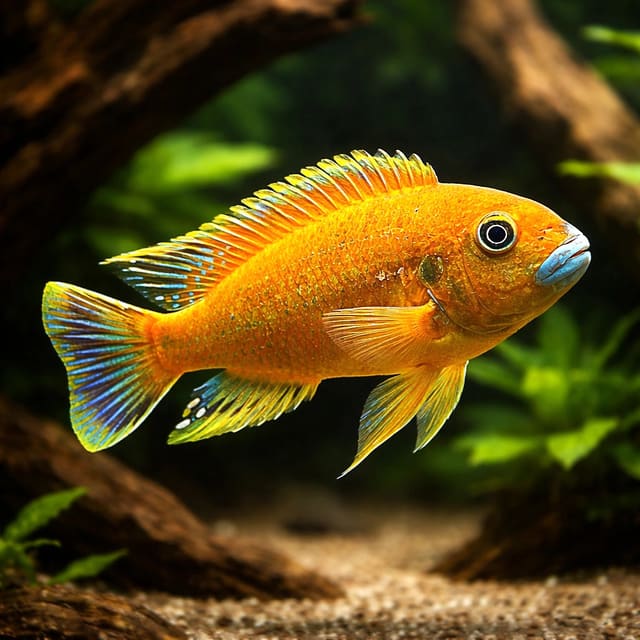
24–26°C · pH 7.5–8.5 · 250L
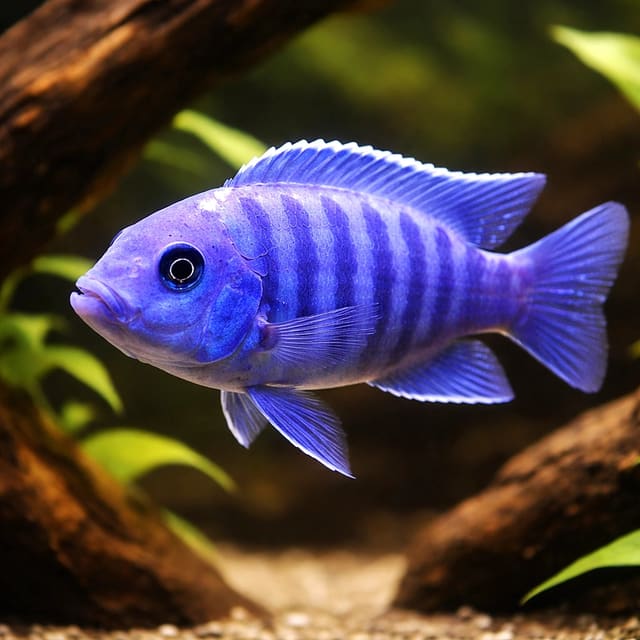
22–28°C · pH 7.5–8.5
23–27°C · pH 8–8 · 205L
24–26°C · pH 7.6–8.6 · 400L
24–28°C · pH 7.5–8.5 · 200L
23–27°C · pH 8–8.6
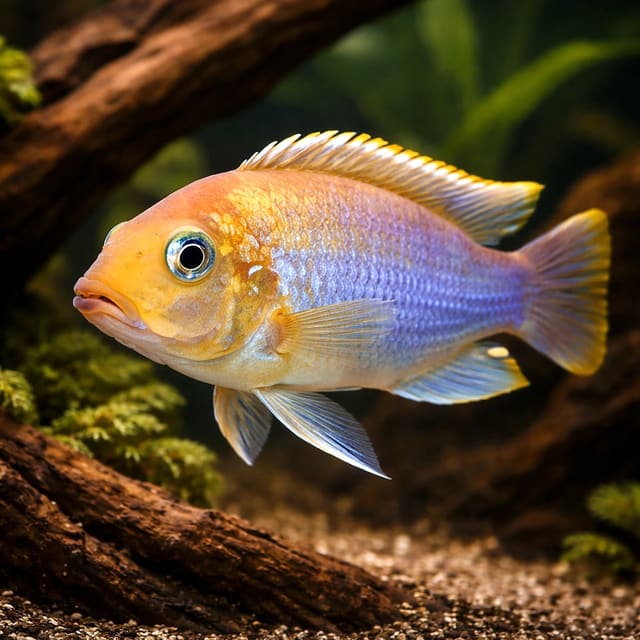
24–26°C · pH 7.5–8.5 · 100L
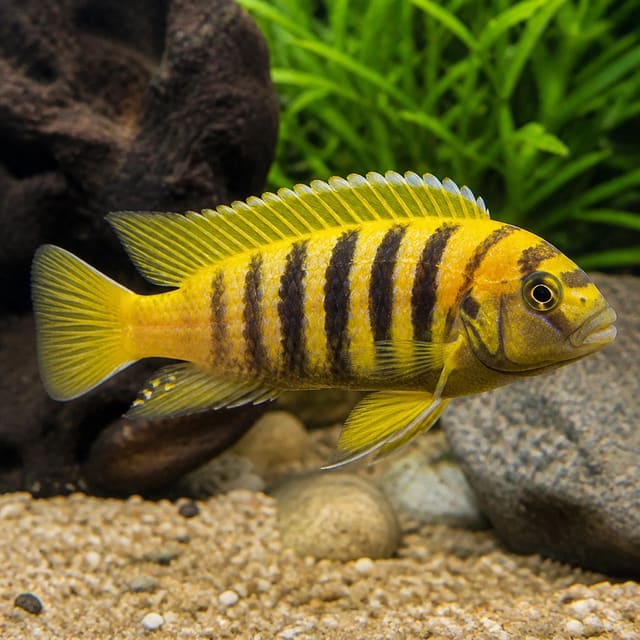
22–28°C · pH 7.6–8.6 · 205L
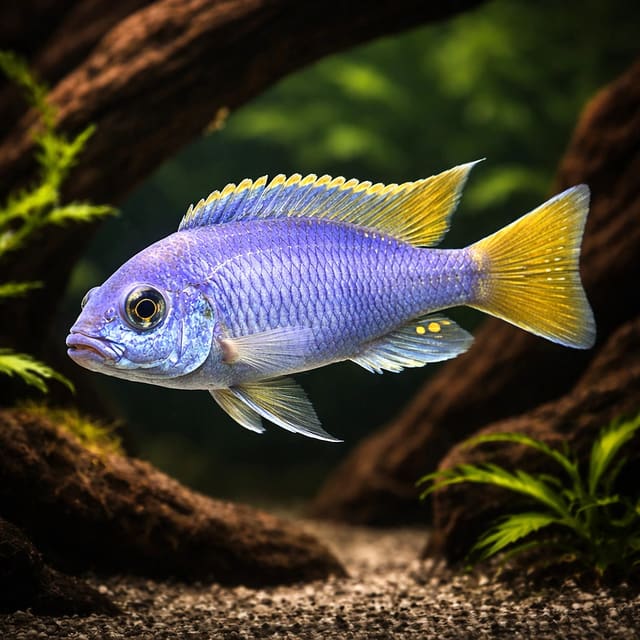
23–27°C · pH 8–8.6

24–26°C · pH 7.5–8.2
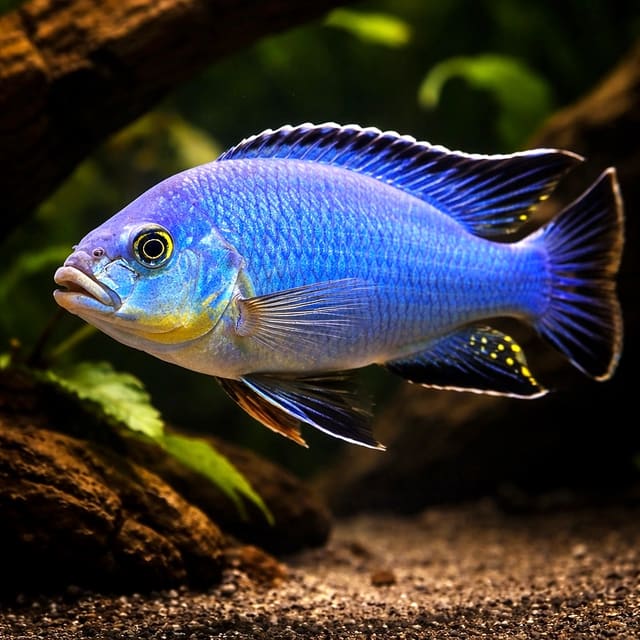
24–26°C · pH 8–8.3

24–27°C · pH 7.8–8.6 · 250L
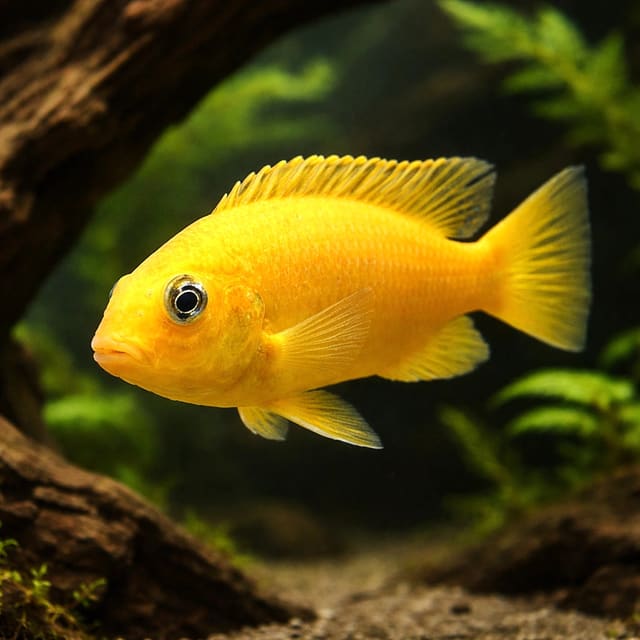
24–26°C · pH 7.5–8.5 · 400L
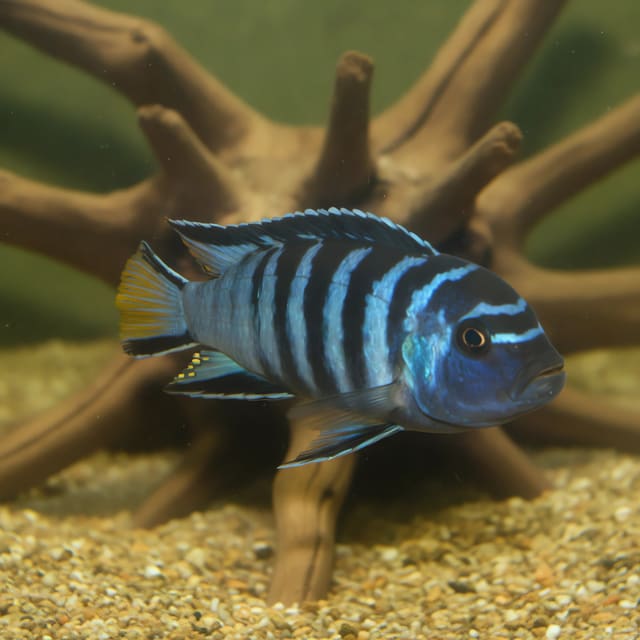
24–28°C · pH 7.6–8.8 · 137L

22–28°C · pH 7–8 · 41L

21–25°C · pH 5–7
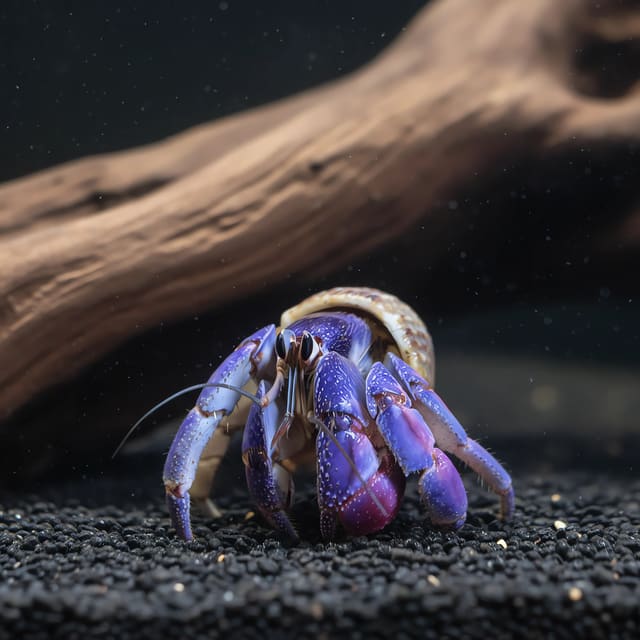
24–29°C

24–27°C · pH 6.5–6.5

22–27°C · pH 6–8 · 72L

23–27°C · pH 5.5–7 · 60L

22–27°C · pH 6–8

22–26°C · pH 6–7.8 · 75L