

Moderate
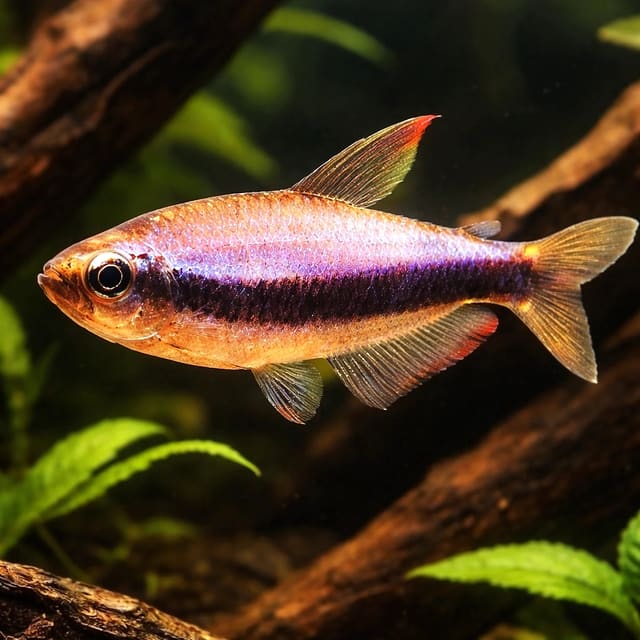
Neon Tetra (Paracheirodon innesi)
21–25°C · pH 5–7
£1.89
Tetras, rasboras, barbs, danios and rainbowfish in shoal-friendly quantities — these species only settle in groups of six or more. Group prices per listing.
198 products
21–25°C · pH 5–7

24–27°C · pH 6.5–6.5

22–27°C · pH 6–8 · 72L

23–27°C · pH 5.5–7 · 60L
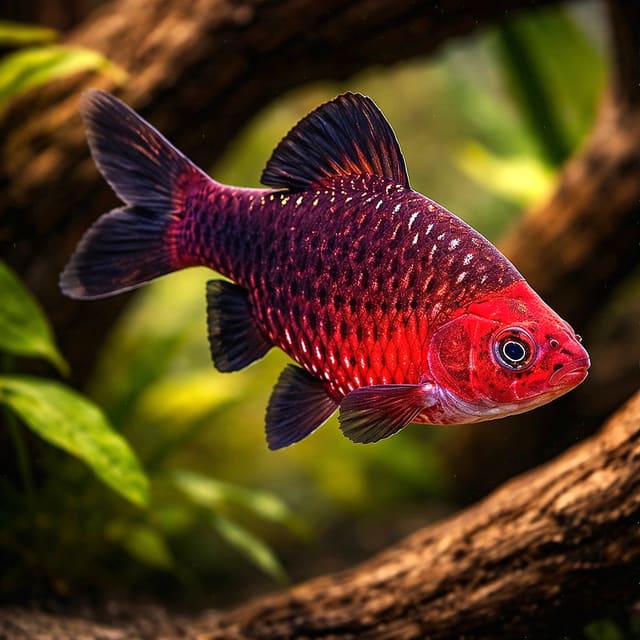
22–26°C · pH 6–6.5 · 72L
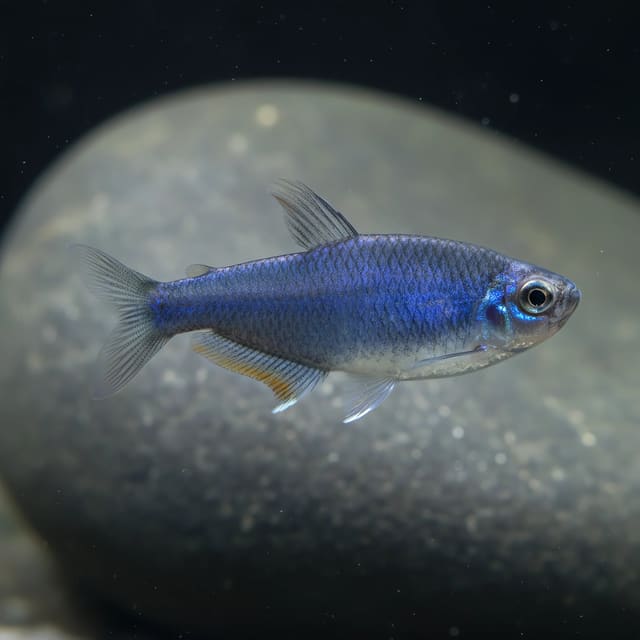
24–27°C · pH 5.5–7 · 68L
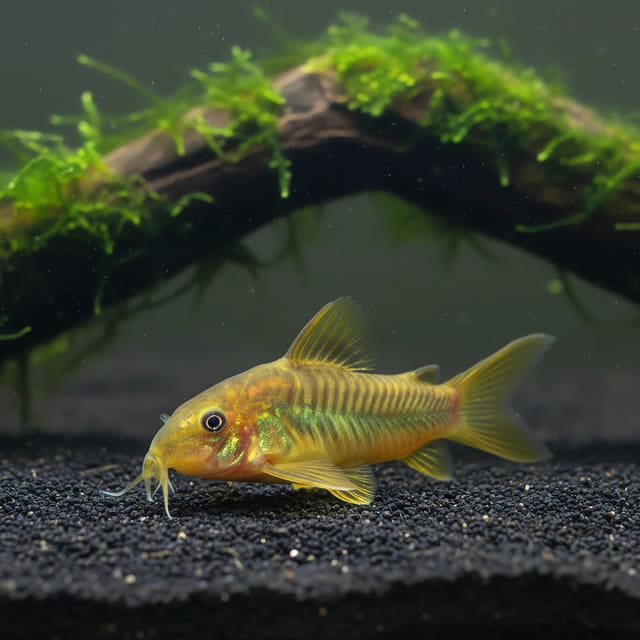
22–26°C · pH 6–7.5 · 60L
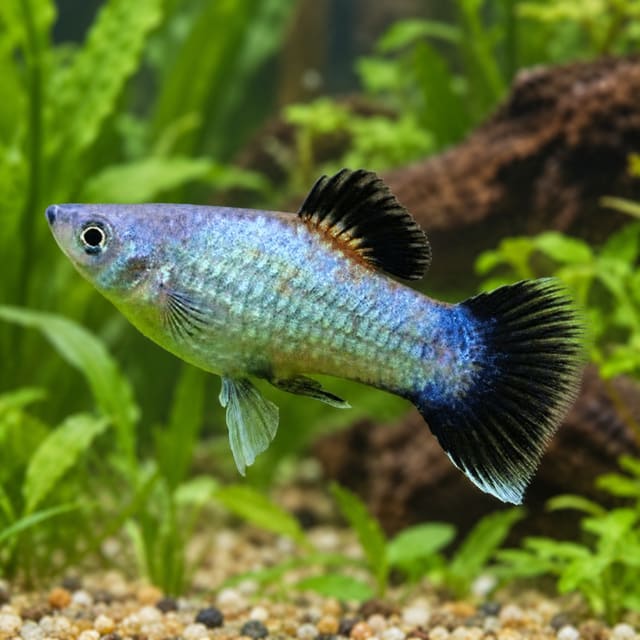
20–26°C · pH 7–8.2 · 54L
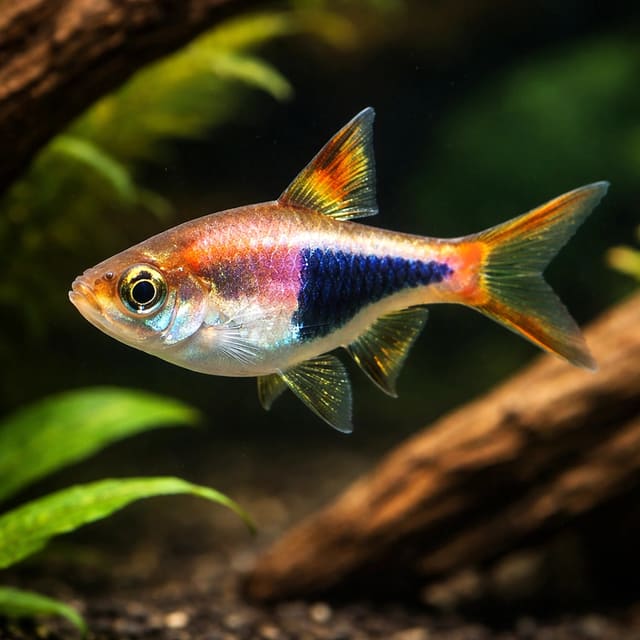
21–28°C · pH 5–7.5 · 54L
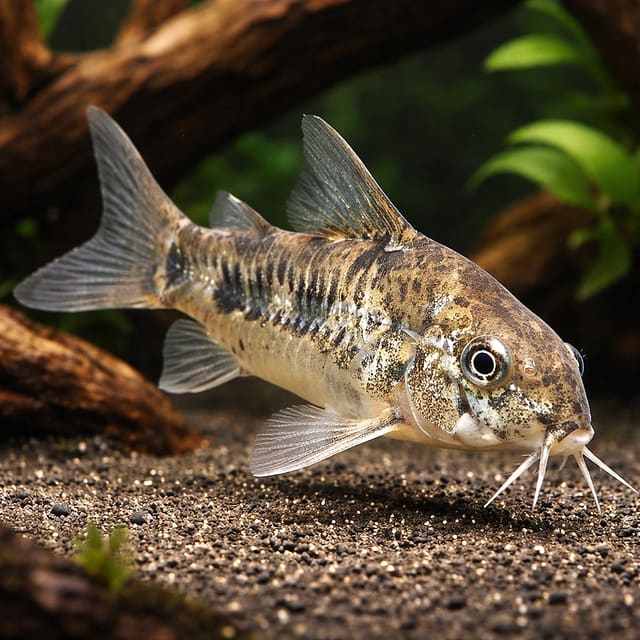
22–23°C · pH 6–7 · 70L
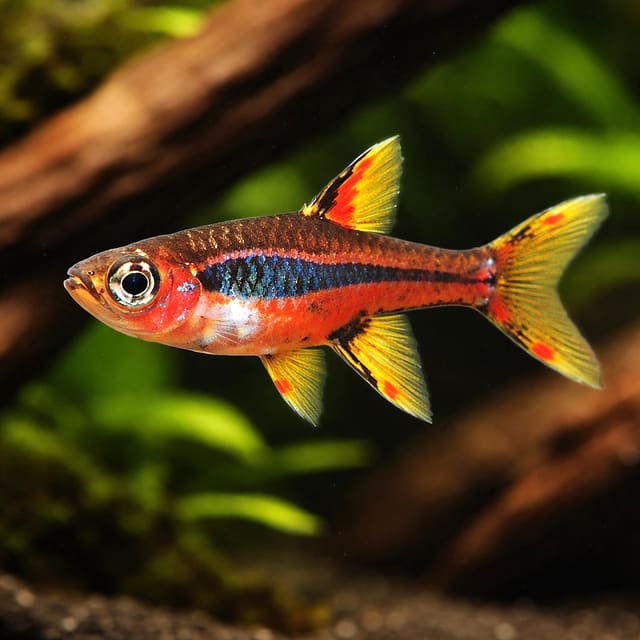
24–28°C · pH 4–7 · 20L
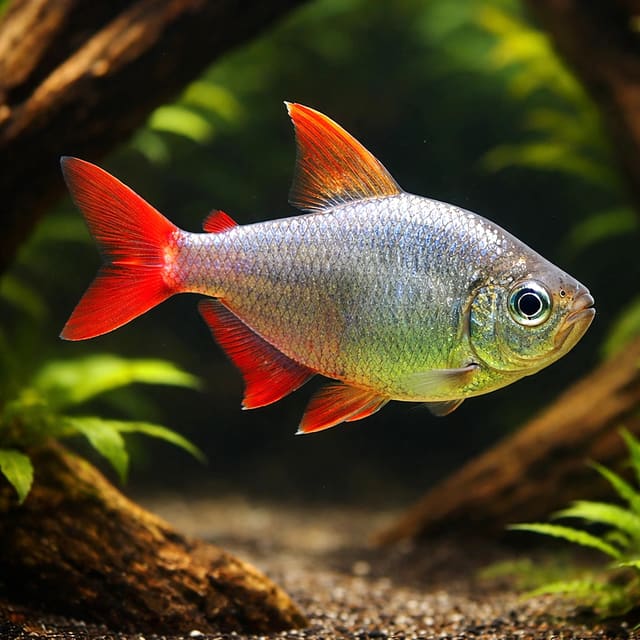
20–28°C · pH 5–7.5 · 81L
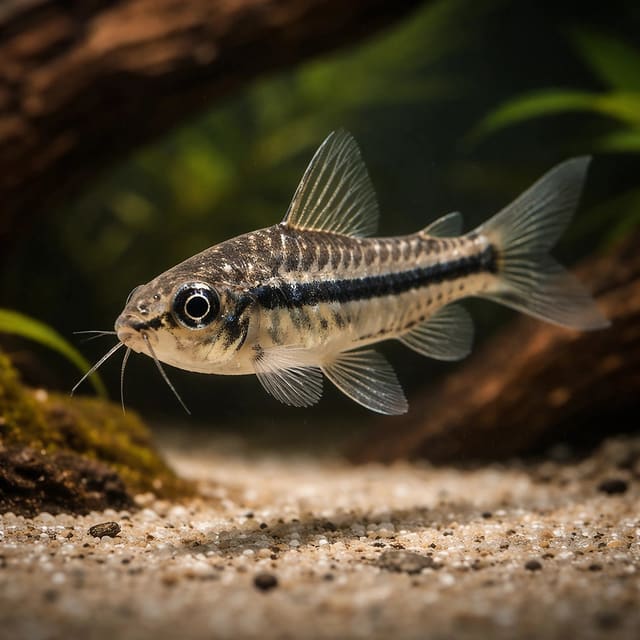
22–26°C · pH 6.4–7.4 · 41L

24–27°C · pH 6.5–8 · 200L
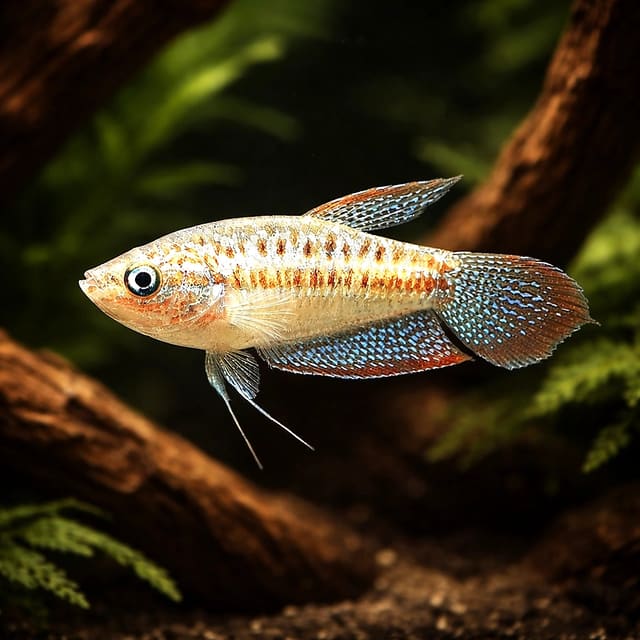
22–28°C · pH 6–7.5 · 30L
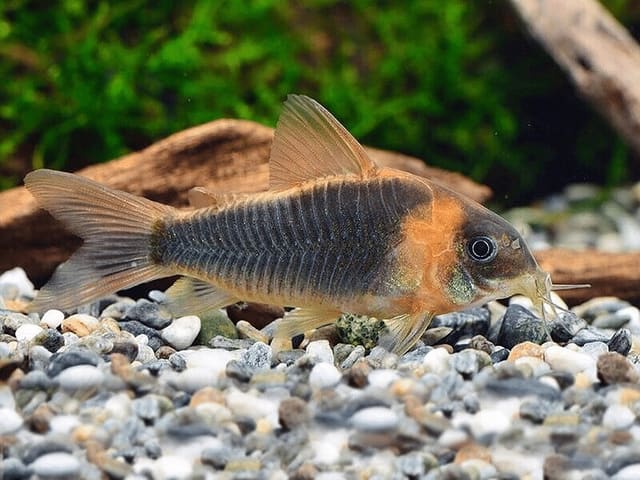
24–26°C · pH 6–8 · 81L
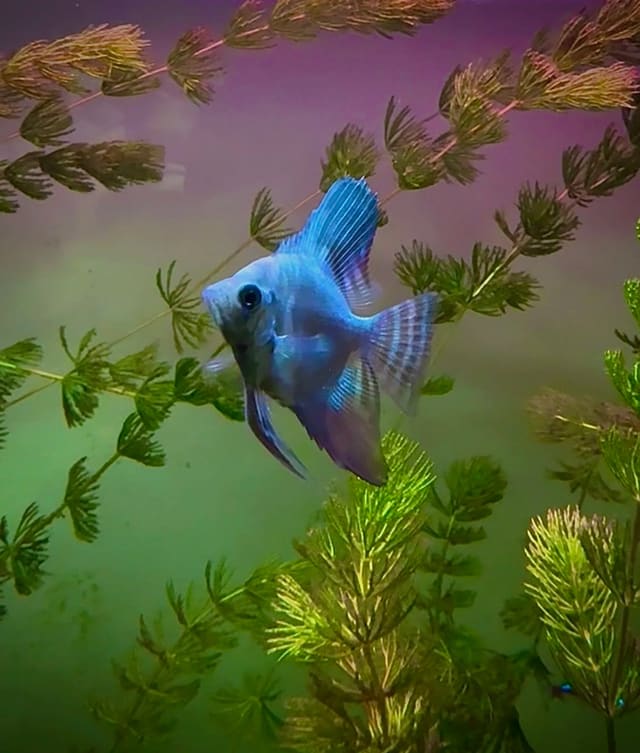
24–28°C · pH 6–7.5 · 150L
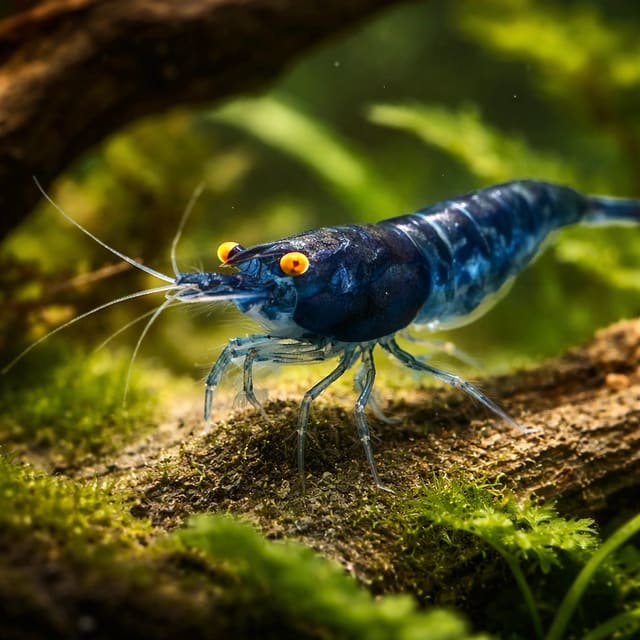
17–27°C · pH 6.5–8
24–27°C · pH 5.5–7 · 80L
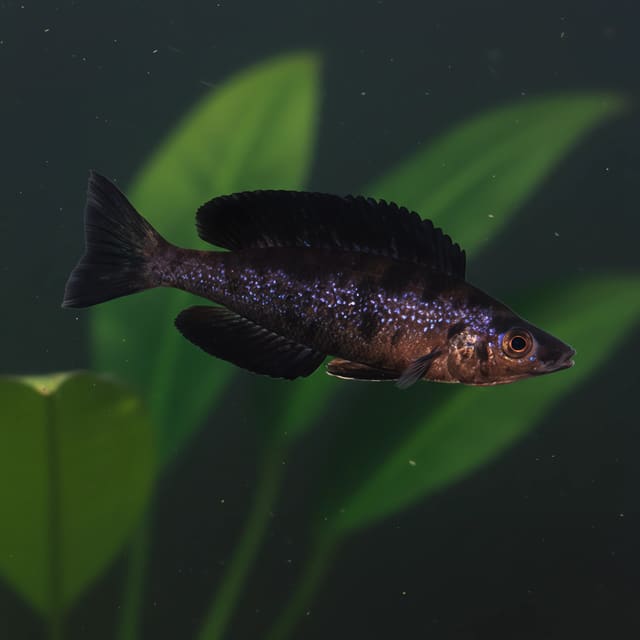
24–27°C · pH 7.8–9 · 243L
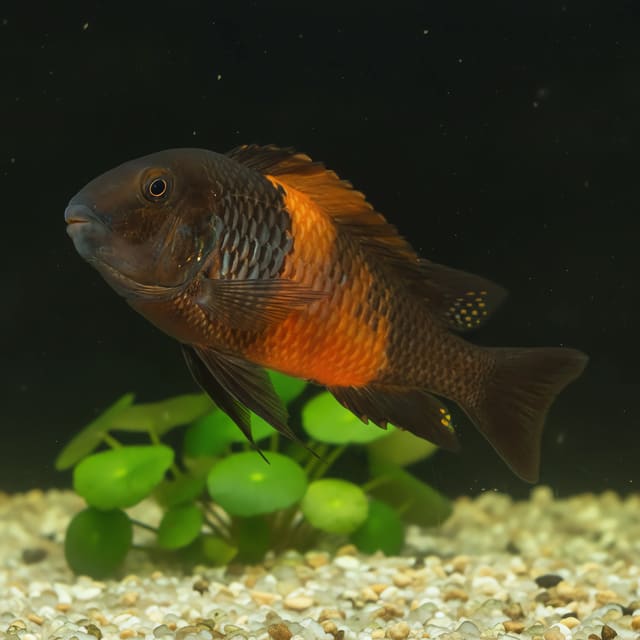
24–26°C · pH 8–8.6
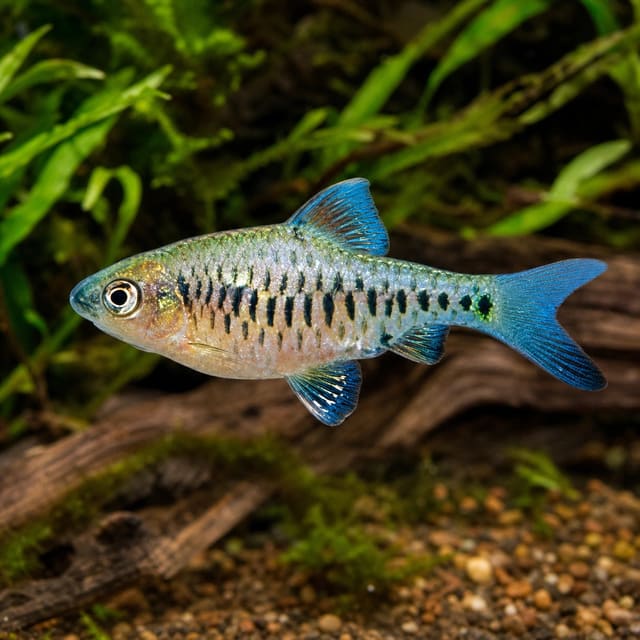
18–25°C · pH 5.5–7.5 · 68L

23–27°C · pH 6.5–7.5 · 68L
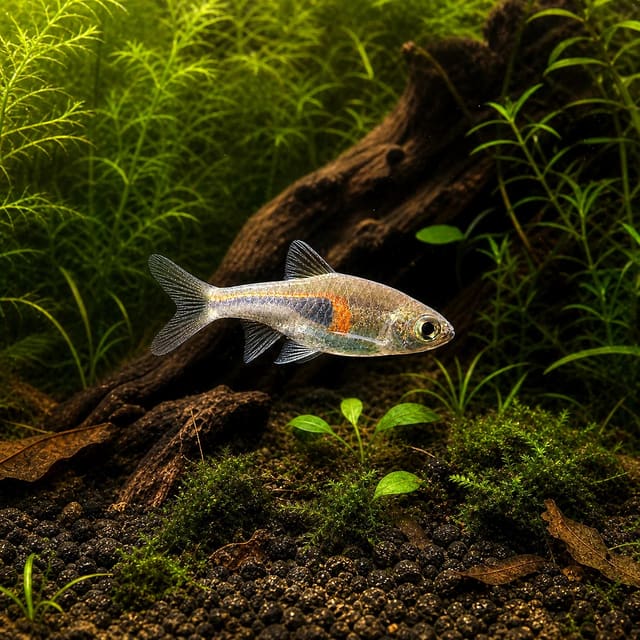
23–28°C · pH 5–7.5 · 54L
Schooling fish need numbers: at least eight of one species, ideally ten to fifteen, in a cycled tank of 60 litres or more. Classic choices are cardinal and neon tetras, harlequin rasboras, rummy-nose tetras and zebra danios for a heated community tank; chili rasboras, ember tetras and celestial pearl danios for a nano; white cloud minnows for an unheated tank. Each listing below shows its current price.
This page brings together the shoaling and schooling species that move as one — the fish that give a community tank its sense of life and motion. Everything listed is live stock held in our own system, dispatched with a licensed live-animal courier under our live arrival guarantee.
Tetras, rasboras, danios, barbs and small rainbowfish are all shoaling fish that need numbers to feel safe and show their colour. A tight school of a dozen fish is one of the most beautiful sights in the hobby — and impossible to achieve with just a handful. The best schooling fish for a UK community aquarium, with the group size each needs: cardinal and neon tetras (8+), ember tetras (10+), harlequin rasboras (8+), chili and phoenix rasboras (10+ in a nano), rummy-nose tetras (8+, the tightest schoolers of all), zebra and celestial pearl danios (8+), cherry barbs (6+), white cloud mountain minnows (8+, unheated tanks), corydoras catfish (6+ of one species on the bottom), and for larger tanks congo tetras, denison barbs and boesemani rainbowfish (6 to 8+).
Read the species care guides linked below before ordering. The one rule that unites this whole page: buy in groups. Shoaling fish kept in twos and threes hide, fade and can turn nippy; kept in proper numbers they relax and shine.
Visual route into our wider UK live-fish range.
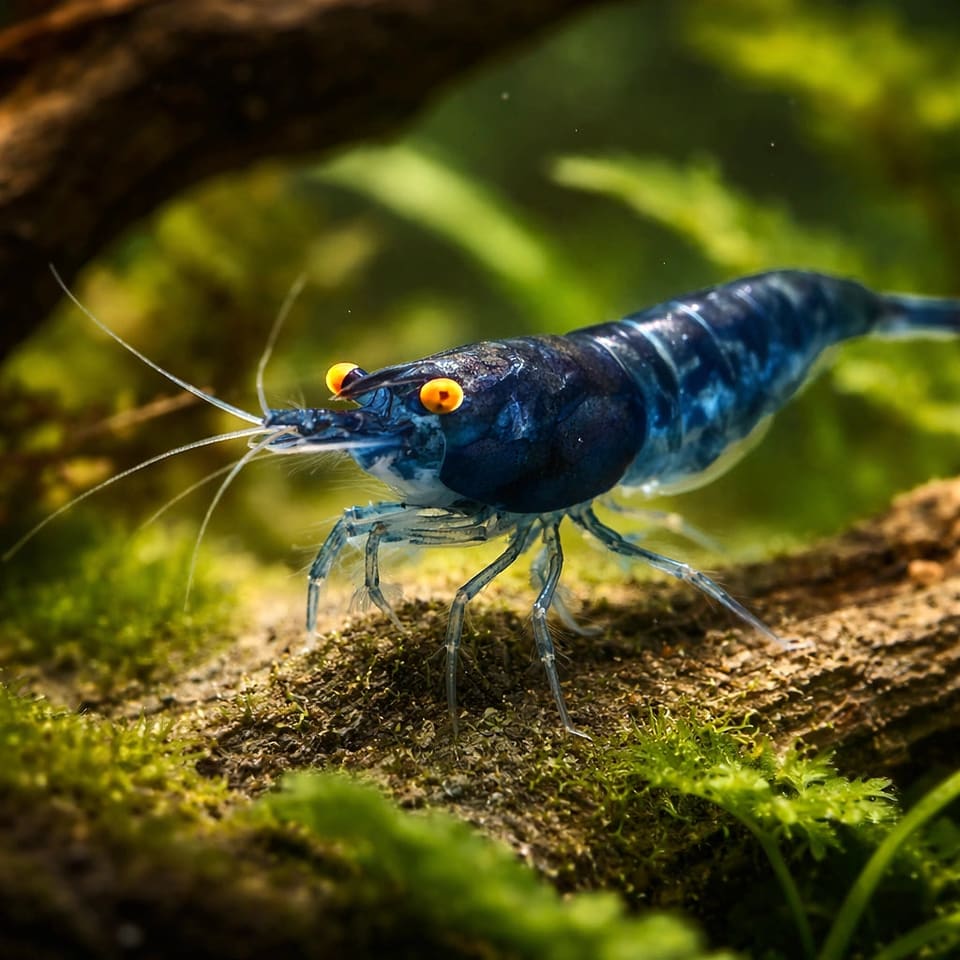
The best tropical fish for beginners UK — hand-picked easy-care species that thrive with minimal fuss. Perfect starter community tank candidates.
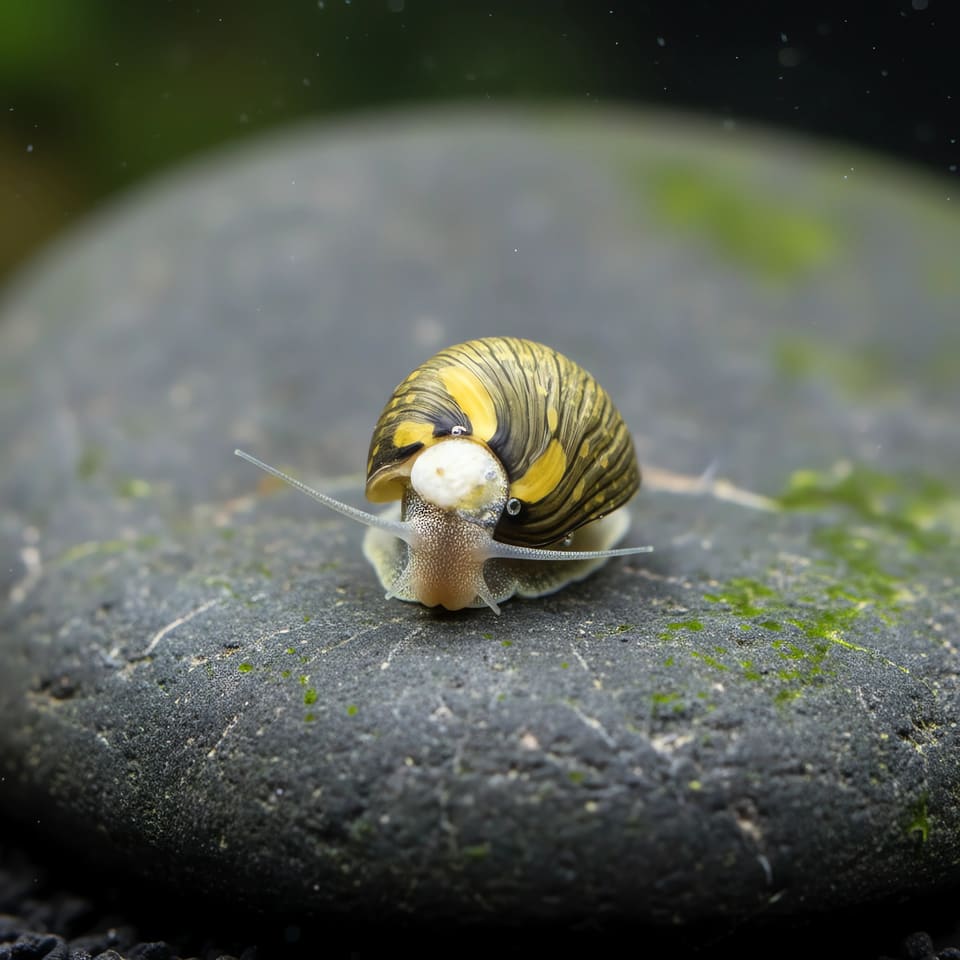
Explore fish and invertebrates for smaller aquarium plans. Compare adult size, group needs, tank dimensions and water conditions before choosing.
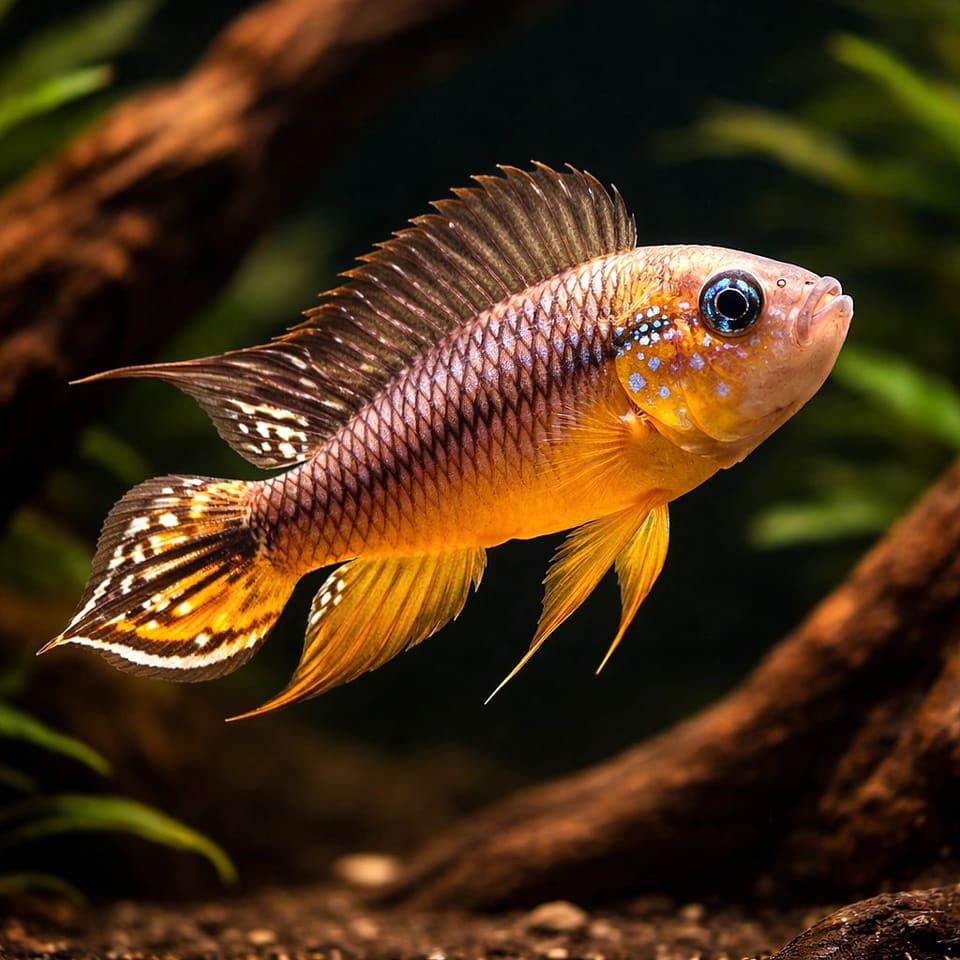
Compare fish for a community aquarium. Check adult size, water conditions, group needs and temperament before choosing compatible tank mates.
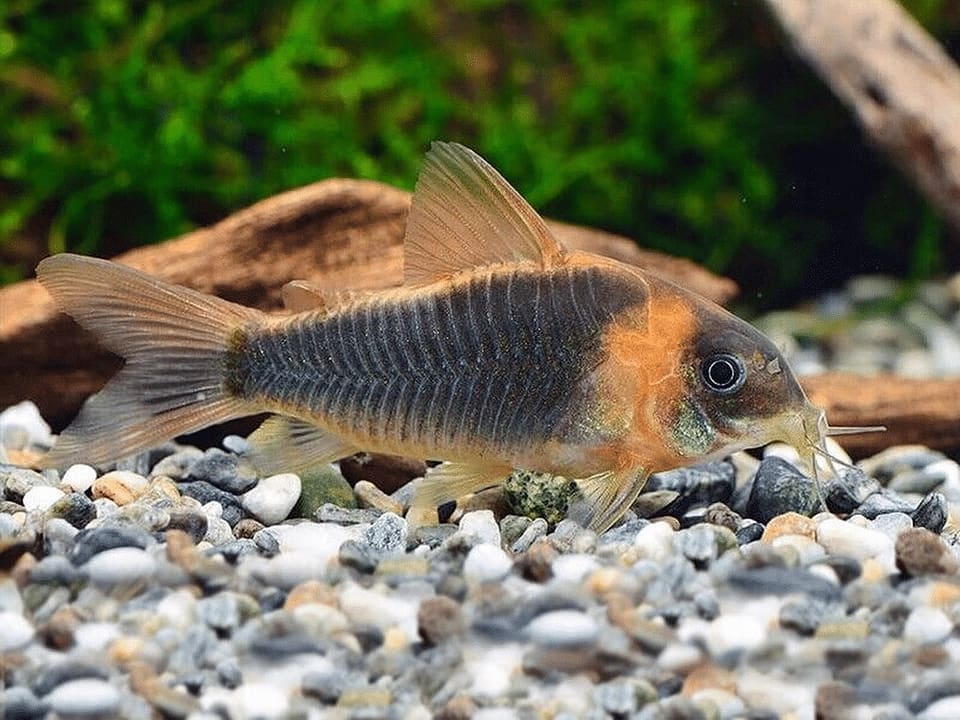
Planted-tank fish for sale UK — peaceful, plant-safe species that showcase aquascaped layouts. Tetras, rasboras, dwarf cichlids, shrimps.
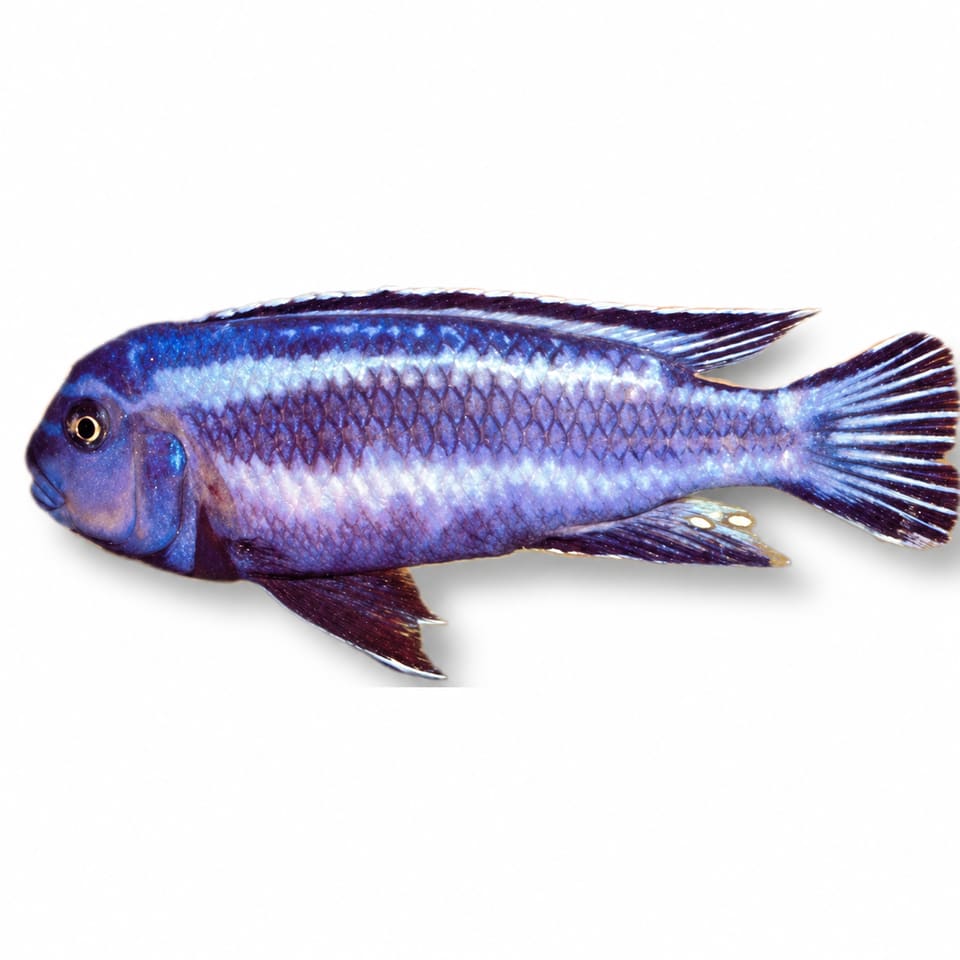
Browse a broad algae-related collection. Check each animal's identity, feeding and aquarium needs; a catalogue match is not proof of grazing suitability.
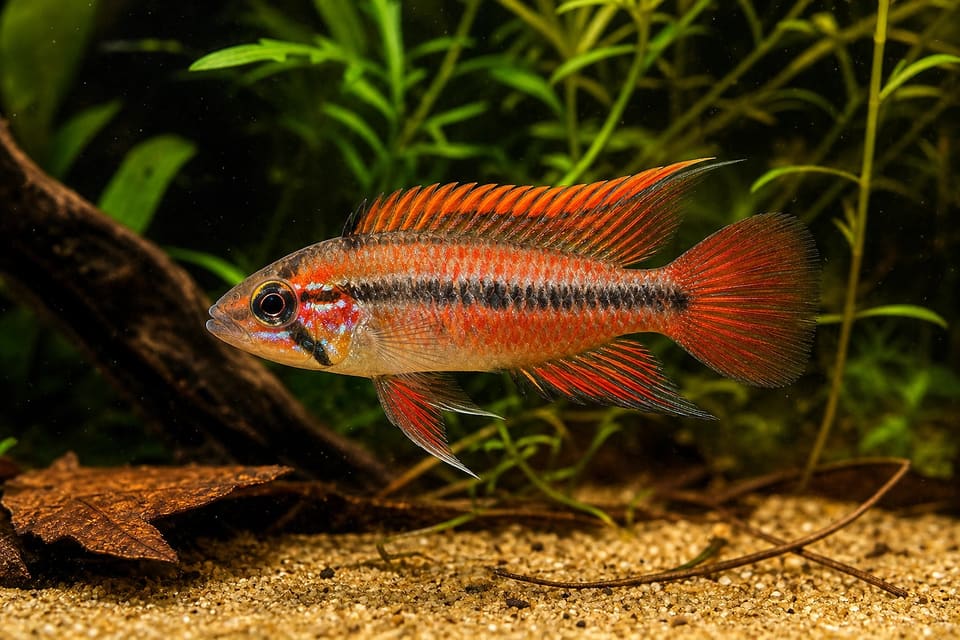
Bottom dweller fish for sale UK — Corydoras, Loaches, Plecos, Synodontis. Cleanup crew for the aquarium substrate.
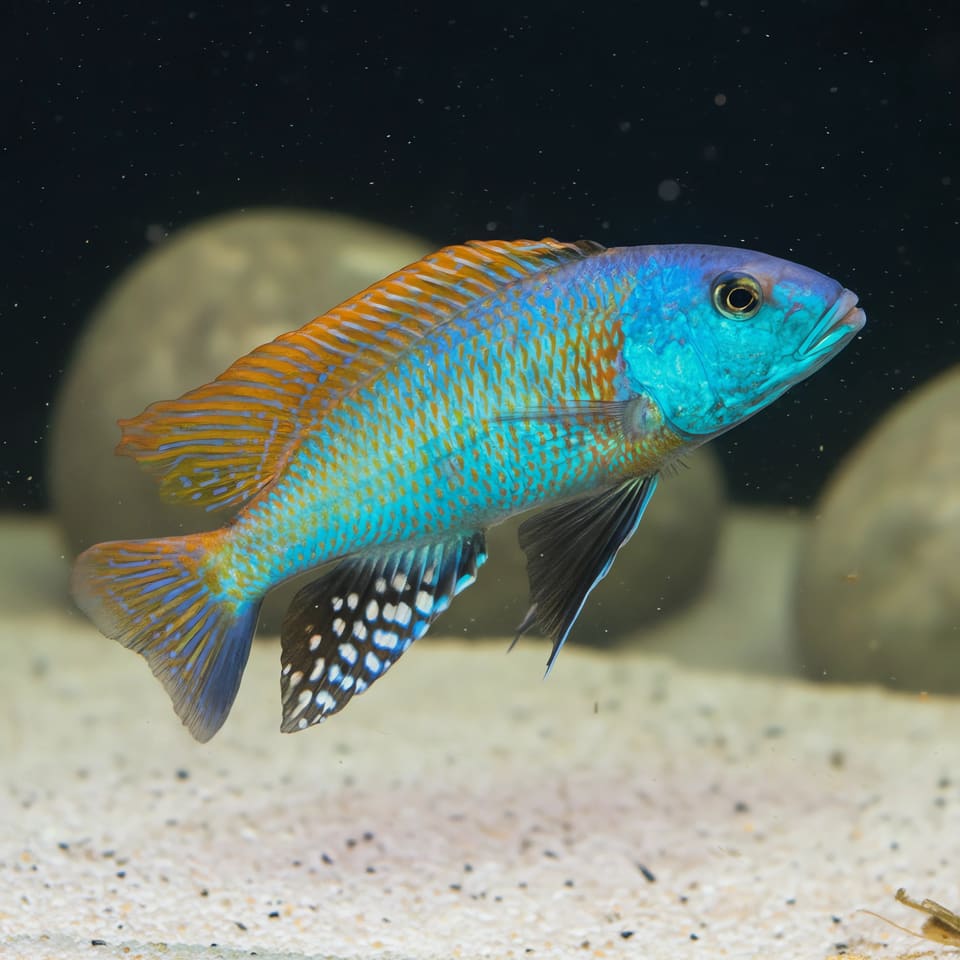
Centerpiece fish for sale UK — large, attention-grabbing species that anchor a display tank. Oscars, Discus, Angelfish, Arowanas, Severums.
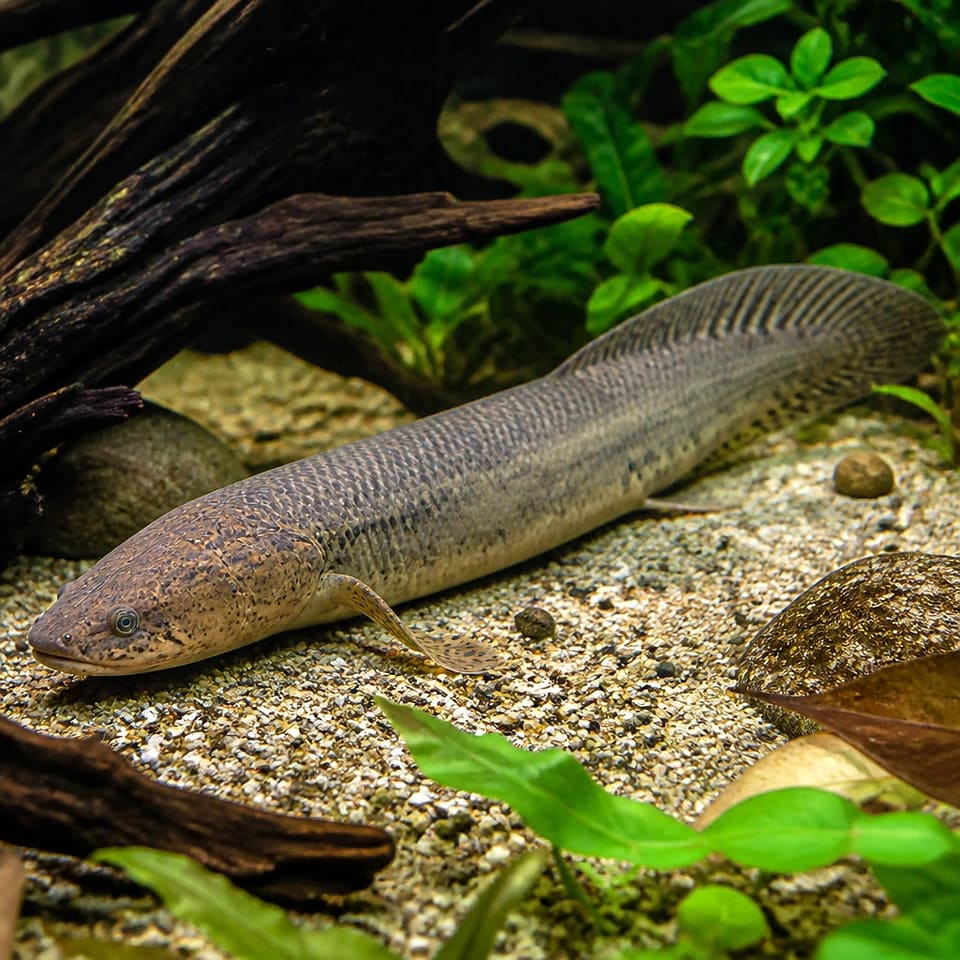
Explore unusual aquarium fish and collector interests. Compare exact identities, supplied sizes and care needs; check any origin or lineage claim on the listing.
Short clips from our own channel — the things keepers most often get wrong, answered in a minute.
The best tropical fish for beginners UK — hand-picked easy-care species that thrive with minimal fuss. Perfect starter community tank candidates.
Explore fish and invertebrates for smaller aquarium plans. Compare adult size, group needs, tank dimensions and water conditions before choosing.
Compare fish for a community aquarium. Check adult size, water conditions, group needs and temperament before choosing compatible tank mates.
Planted-tank fish for sale UK — peaceful, plant-safe species that showcase aquascaped layouts. Tetras, rasboras, dwarf cichlids, shrimps.