

Moderate
Neon Tetra (Paracheirodon innesi)
21–25°C · pH 5–7
£2.99

A colourful, active South American tetra sold as one fish in your selected size. Plan a shoal of at least 8–10, a mature filtered aquarium with a 90 × 30 cm minimum base, and companions of similar size and temperament.
Adult size is the maximum length this species reaches at full maturity (scientific sources). The livestock you receive will be younger and smaller — pick a size variant above for the actual shipping size. Product-photo provenance and any image-specific limitations are stated on the listing.
Hyphessobrycon columbianus
Red-Blue Colombian Tetra are a shoaling species — they need 6+ to feel safe and show their full colour.
Minimum of 2 per order.
A colourful, active South American tetra sold as one fish in your selected size. Plan a shoal of at least 8–10, a mature filtered aquarium with a 90 × 30 cm minimum base, and companions of similar size and temperament.
Adult size is the maximum length this species reaches at full maturity (scientific sources). The livestock you receive will be younger and smaller — pick a size variant above for the actual shipping size. Product-photo provenance and any image-specific limitations are stated on the listing.
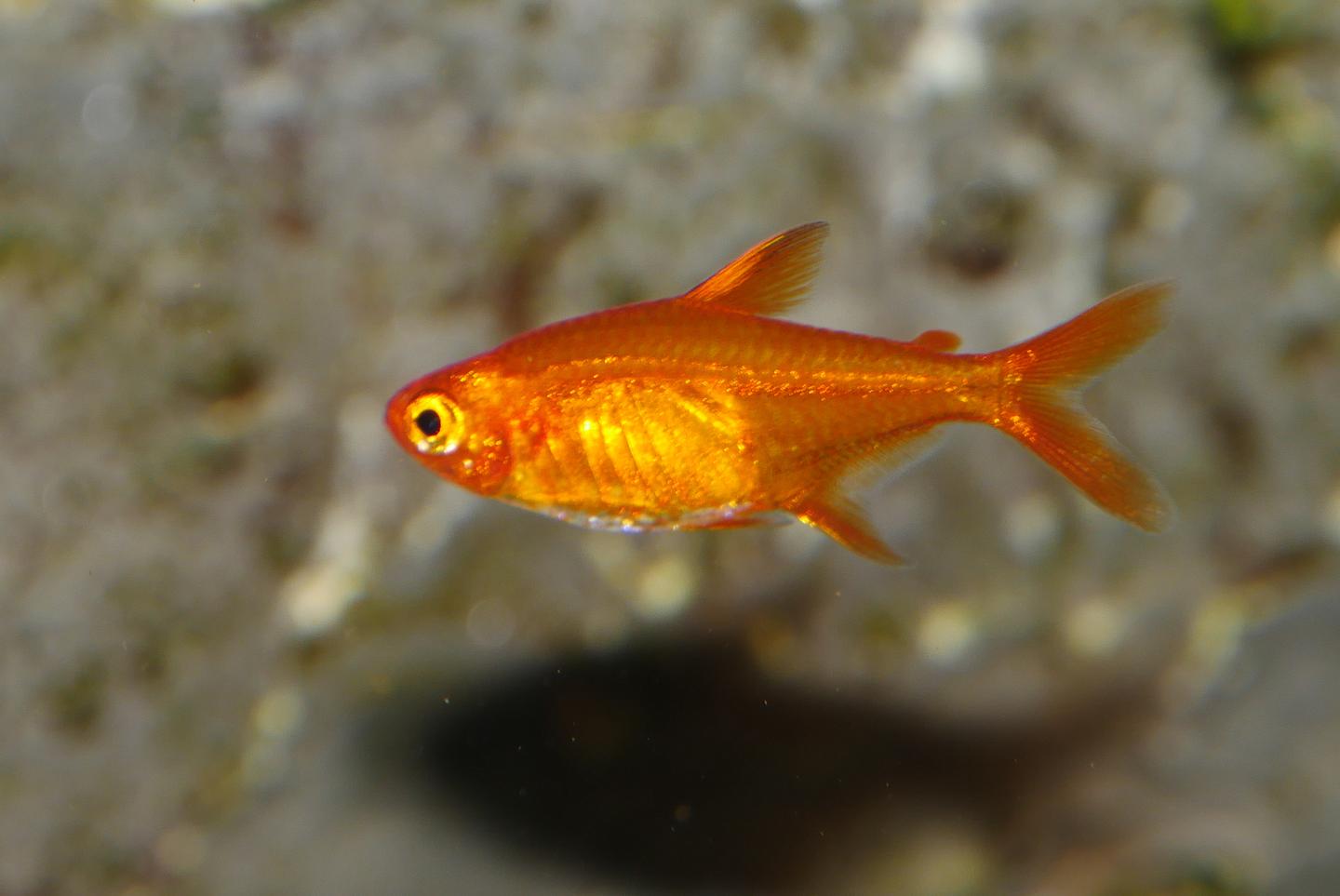
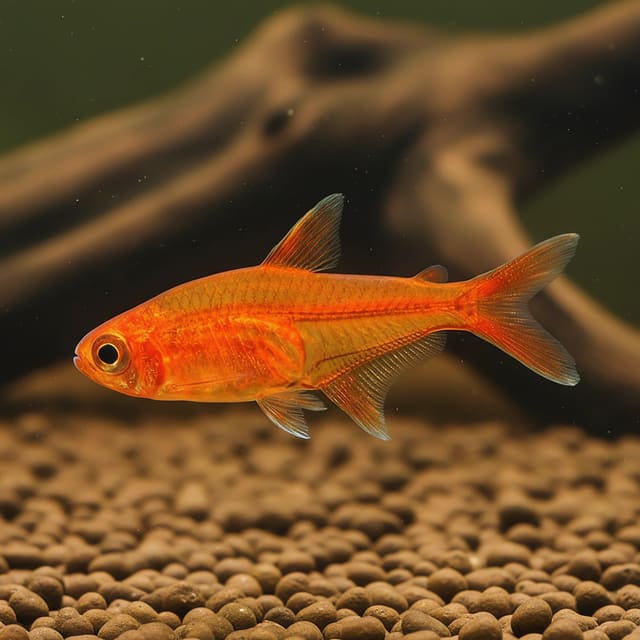
Ember tetras are very small Brazilian social fish, with a maximum recorded length of 2.0 cm excluding the tail. Keep them only in a fully cycled, stable aquarium. We recommend a group of at least 10 and about 45 litres with a 45 × 30 cm footprint rather than using a litres-per-fish formula.
Maintain these water conditions for optimal health and vibrant colors
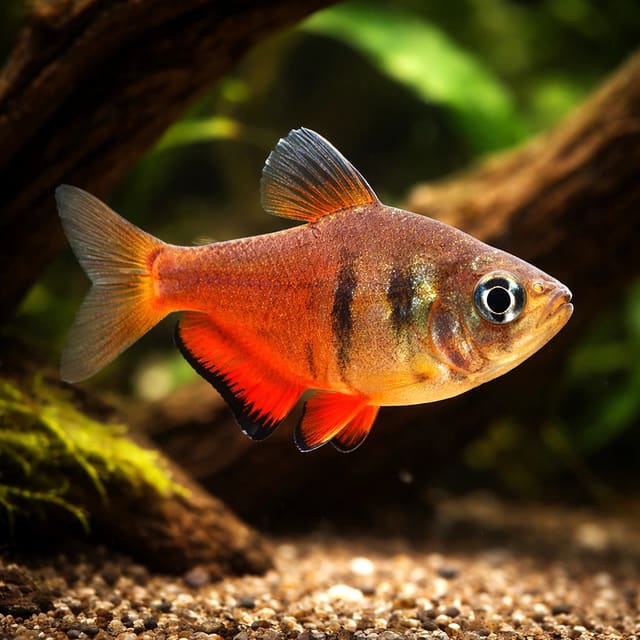
The Red-Blue Colombian Tetra is a colourful South American shoaling fish for a carefully planned community aquarium. Its silver body, iridescent blue upper area and bright red fins give a group strong visual presence. It is generally peaceful, but its active social behaviour, adult dimensions and need for horizontal swimming room make it a better fit for a roomy community than a small display.
Care is straightforward once you provide a mature, filtered aquarium, suitable water, enough swimming room and a proper shoal. This can suit a newer keeper who is ready to provide the complete environment from the outset; it is not a solitary fish or a suitable choice for an immature system.
| Requirement | What to plan |
|---|---|
| Aquarium | Allow a minimum base of 90 × 30 cm or equivalent and approximately 81 litres, giving the adult group a clear horizontal swimming route. |
| Shoal | Keep at least 8–10 fish and calculate the space and biological load for the complete group rather than one individual. |
| Water | Provide 20–28°C, pH 5.0–7.5 and general hardness of 1–10°dGH, with ammonia and nitrite kept at zero. |
| Community | Choose companions of comparable size and temperament, accounting for the activity and feeding access of every group. |
Before choosing this tetra, check that the aquarium can accommodate its adult size, minimum footprint, full shoal and intended community. The care tab explains how to interpret the size records, select equipment and manage the aquarium.
Each purchase quantity supplies one animal of the selected option, so set the order quantity for your planned shoal. Five recurring size options are configured: 1.5–2 cm, 2–2.5 cm, over 3 cm, 4 cm and XL over 5 cm. Check the live selector for the exact grades offered before setting the quantity for the planned shoal. The size you select is the size supplied, not the adult size.
Sex is guaranteed only when the selected option explicitly states male or female. This Red-Blue Colombian Tetra listing has no sex-guaranteed option. Gallery appearance cannot be used to select or guarantee a fish's sex.
The gallery images are representative, based on reference photographs of this species, so colours can look slightly different from the live animal. They show representative features and aquarium scenes rather than the exact fish supplied, and individual colour intensity can vary.
Read the current dispatch, delivery and Live Arrival Guarantee terms before ordering. Use the live size selector and quantity control for the order itself, while planning the permanent aquarium around the adult shoal.
FishBase identifies Hyphessobrycon columbianus as the accepted scientific name, in the genus Hyphessobrycon and family Acestrorhamphidae, the American tetras. It records a tropical freshwater, pelagic species from South America, specifically Colombia's Acandí River basin, and shows the conservation assessment as Data Deficient. Seriously Fish lists Blue Flame Tetra and Blue-Red Tetra among its trade names; Colombian Red Fin Tetra is another trade identity. The same account notes that the species was misidentified as Hyphessobrycon ecuadorensis for several years before its formal description. Its natural pattern combines a silver base, iridescent blue across the upper body, bright red caudal and anal fins, and transparent to light-orange ventral fins.
Moenkhausia columbiana is a legacy trade and catalogue identity for this fish. Use Hyphessobrycon columbianus when checking current scientific identity, while recognising Red-Blue Colombian Tetra, Blue Flame Tetra, Blue-Red Tetra and Colombian Red Fin Tetra as common trade names.
This is a generally peaceful, social tetra that should live in a proper shoal rather than alone. The group is part of its husbandry, not merely a way to create a fuller display. Plan the aquarium and purchase quantity around the complete shoal, while accounting for the biological load created by all livestock and feeding.
Do not keep this shoaling fish alone or in too small a group, as undersized groups can become stressed. A proper shoal provides social security and allows ordinary interaction to be directed towards its own kind. Enough swimming room remains essential; adding more fish to an inadequate footprint would increase crowding rather than correct it.
A newer keeper can meet these needs through careful preparation and regular maintenance. The commitment lies in providing the required dimensions, stable tropical conditions, dependable filtration and full social group together, rather than expecting the fish to adapt to a partial setup.
Seriously Fish gives a minimum aquarium base of 90 × 30 cm or equivalent, approximately 81 litres or 21 US gallons, with water at 20–28°C, pH 5.0–7.5 and general hardness of 1–10°dGH. Keep a shoal of at least 8–10 Red-Blue Colombian Tetras for a more natural-looking display and greater social security. For that minimum aquarium, the profile suggests four to five turnovers per hour, a filter rated around 325–405 litres per hour and roughly 50–75 W of heating when the room is around 20°C. A 60-litre aquarium is below the stated minimum. The same profile lists 65 mm standard length, while FishBase records a 7.0 cm total-length maximum for male or unsexed fish. Mature males tend to be slimmer, a little smaller and more intensely coloured, with a more extended dorsal fin.
Use the 7.0 cm recorded maximum when checking whether the complete shoal and its companions can use the aquarium without crowding. The 65 mm and 7.0 cm figures carry different measurement labels, so they should not be treated as conflicting dispatch grades. For permanent planning, work from the recorded maximum and the space required by the full shoal.
Volume and base dimensions describe different parts of the setup. Litres indicate the amount of water available, while the 90 × 30 cm minimum base protects the horizontal area needed by the moving shoal. A taller aquarium with inadequate base dimensions does not replace that swimming footprint. Décor, plants and equipment must also fit without blocking most of the usable route.
The dispatch grade describes the fish's current supplied size. Compare it with the present size of established residents. Screen the selected grade against every resident for a predator-and-prey mismatch and check that the new fish can reach appropriate food.
A well-structured, ideally planted aquarium tends to show this tetra's colour particularly well. Use plants and other aquarium-safe structure for cover while preserving a clear route for the shoal to swim. Décor choice is flexible: the useful result is shelter combined with open horizontal space, not one compulsory aquascaping style.
Keep dense structure away from the entire swimming route. Place cover where fish can move around it without being forced through narrow gaps, and retain a broad open area across the aquarium. This lets the base dimensions work for the shoal instead of losing most of the footprint to bulky ornaments.
Substrate colour is optional. Choose safe aquarium sand or gravel and prioritise cleanliness, stability and a well-structured layout over claims that one colour is essential. Plants can be live or artificial where suitable, provided their placement creates useful cover without consuming the main swimming area.
Filtration need not be especially strong, but this tetra appreciates some water movement. Provide dependable circulation without directing an excessive current at the shoal. Watch how the group uses the aquarium: the layout should include open water that remains comfortable to occupy rather than forcing every fish behind cover to escape the outlet flow.
If this is your first setup, use our first tropical aquarium guide to complete biological maturation and check the system before livestock is introduced. The guide adds the preparation sequence; the species dimensions and water values on this page remain the criteria for deciding whether this particular tetra fits.
RSPCA aquarium welfare guidance covers filtration, biological maturation and waste processing for aquarium fish. Fish waste produces toxic ammonia. In a working biological filter, beneficial bacteria convert ammonia to toxic nitrite and then to the safer end product nitrate. A clean-looking aquarium can therefore still contain dangerous waste when the biological stage is not functioning properly.
Filtration has two connected jobs in this setup. Water movement carries dissolved waste towards the filter, while biological media provides a home for the bacteria that process it. A high flow number alone does not show that the biological stage is mature, and established media still needs unobstructed water flow to work dependably.
Add livestock gradually rather than stocking the aquarium quickly. The filter's bacterial population needs time to adjust when fish numbers and feeding increase. This does not turn one tetra into a suitable temporary social group; it means the stocking plan must account for both the full shoal and the filter's existing capacity.
Use test results to judge how the system is coping. Ammonia or nitrite means harmful waste is present and requires prompt attention to water quality, filtration and recent changes in biological load. Keep the filter running and maintained as part of the aquarium's life-support system rather than treating it only as a device for removing visible particles.
Measure the aquarium rather than estimating from heater settings, tap-water reputation or appearance. Compare temperature, pH and general hardness with the species figures, then use ammonia, nitrite and nitrate to assess how effectively the aquarium is processing waste. No single acceptable reading replaces the need to check the complete set of relevant conditions.
OATA's guidance for tetras and pencilfish as a group gives 22–27°C, pH 6.5–8.0, general hardness of 4–12°dGH, carbonate hardness of 3–10°dKH, zero ammonia, zero nitrite and nitrate no more than 20 mg per litre above the normal tap-water level. These are broad group-level values, not a species-specific optimum. Keep this fish within the species range of 20–28°C, pH 5.0–7.5 and 1–10°dGH. Where the ranges differ, the group-level pH ceiling of 8.0 does not extend the species maximum of 7.5. The 3–10°dKH figure describes broad tetra and pencilfish guidance rather than a separate species-specific target for this tetra. Apply the zero-ammonia, zero-nitrite and nitrate comparison when judging how the aquarium is processing waste.
Use our water chemistry guide to understand what the readings show and why each test matters. Then enter your measurements into the Water Matcher to compare the aquarium with the stated species guidance. Make this comparison before ordering so a mismatch can be addressed before the fish enters the aquarium.
In nature, this species probably forages mainly on worms, insects and other zooplankton, with smaller amounts of plant material and organic detritus. The natural feeding pattern described by Seriously Fish translates well to a varied omnivorous aquarium diet rather than dependence on one food type.
Build the routine around a good-quality dried product that is appropriately sized for the fish. Flakes and small granules are practical staples because this tetra generally accepts prepared aquarium foods readily. Include some dried food with plant or algal content as part of the broader diet.
Regularly offer suitably small live or frozen foods such as Daphnia, bloodworm and Artemia. These additions broaden the diet and support good condition and colour, but they do not replace an appropriate staple food. Match each item to the mouth size of the fish being fed, particularly when caring for one of the smaller dispatch grades.
Feed once daily and offer only what the shoal can finish within a few minutes. Follow the food manufacturer's guidance when judging the initial amount, then watch whether the group can access and consume it within that period. An enthusiastic response is not a reason to continue adding food after the intended portion has been eaten.
Do not overfeed. Uneaten food breaks down into harmful waste and increases the burden on the aquarium's biological filter. If food remains after the feeding period, remove the excess and reduce the next portion rather than allowing it to decay.
Watch the whole shoal rather than only the fastest fish. Confirm that food reaches different parts of the open swimming area and that the group shows an appropriate feeding response. A fish that stops feeding or repeatedly fails to participate should prompt a water-quality check and closer observation of its condition and behaviour.
Change about 25% of the aquarium water at least once each week. Use a siphon during the change to remove settled solid waste from the substrate. This combines dilution of dissolved waste with physical removal of material that would otherwise remain in the aquarium and break down.
Treat replacement tap water with a suitable aquarium conditioner before adding it. The conditioner must address harmful chlorine or chloramine in the source water. Follow the product manufacturer's dose for the volume being treated rather than estimating by total aquarium size alone.
Check the filter regularly for blockages so water flow and biological filtration remain dependable. Inspect the intake and accessible flow paths as part of maintenance, then respond when reduced flow or accumulated debris shows that attention is needed.
When filter media requires cleaning, rinse it lightly in aquarium water removed during the partial change rather than under the tap. This helps preserve the beneficial bacterial population by avoiding direct exposure to chlorine or chloramine. Clear obstructive debris without stripping the biological media unnecessarily.
Test ammonia and nitrite at least once each week and whenever behaviour or appearance changes. Record the results and relevant maintenance details so a departure from the aquarium's usual condition is easier to recognise. A regular schedule prevents testing from becoming something done only after a visible problem has become severe.
If a weekly result changes, check it alongside filter flow, the recent feeding amount, livestock additions and completion of the water change. Those connected observations help identify whether the aquarium's biological load or maintenance needs have changed.
Healthy fish should have clear, bright eyes, intact scales, undamaged fins and an appropriate swimming and feeding response. Learn the normal appearance and behaviour of the group so a meaningful change is easier to identify. Regular observation is most useful when it covers the whole shoal rather than only the most visible individual.
Observe swimming behaviour and feeding response regularly so these changes are noticed early. Compare an affected fish with the rest of the shoal and with its own usual pattern, because a sustained departure from normal behaviour is more informative than one isolated moment.
If fish appear unwell, test the aquarium water first and review filtration, recent stocking and maintenance. Water results can reveal an immediate environmental problem affecting the whole aquarium. Check whether flow has reduced, whether livestock or feeding recently increased and whether scheduled maintenance was completed.
A single visible sign is not enough for a diagnosis. White spots, breathing changes, damaged fins or reduced feeding require attention, but begin with measured water quality and the aquarium's recent history before deciding what further help is needed.
If concerns remain after testing and checking filtration, contact an aquatic retailer for further guidance. Have the recent water results and a clear description of the changes available so the discussion starts with measured conditions and observed signs.
This species is an egg-scattering free spawner and provides no parental care. Well-conditioned adults may spawn in a mature aquarium, and small numbers of fry may appear without intervention. To maximise the number protected from adults, the breeding account advises a smaller aquarium filled with mature water and kept very dimly lit. The base should allow scattered eggs to pass beyond the adults' reach.
Condition the adult group together before a controlled attempt.
Match this generally peaceful tetra with fish of comparable size and temperament in a well-researched community. Compatibility remains conditional on aquarium dimensions, group sizes, individual behaviour and access to food; a broad community label does not guarantee that two animals will suit the same setup.
Suitable categories can include similarly sized characins, smaller callichthyid or loricariid catfish and non-predatory medium-sized cichlids when the complete community has been checked. Assess the particular species and aquarium rather than treating any category as a universal tank-mate promise.
The tetra's own group must be complete before community suitability is judged. One animal per purchase describes the retail unit, not suitable solitary care. An undersized shoal may become stressed and cannot be made appropriate by surrounding it with unrelated fish.
If the required footprint or shoal does not suit your aquarium, browse the current tetra collection for other options. Treat them as alternatives to investigate, not automatically compatible companions.
It is Hyphessobrycon columbianus; Colombian Red Fin Tetra, Blue Flame Tetra and Blue-Red Tetra are trade names for the same species.
One purchase quantity supplies one animal in the selected option. Set the quantity to the number required for your planned shoal.
Five recurring dispatch grades span 1.5 cm to over 5 cm. Check the live selector for the exact choices, and plan the aquarium around adult needs rather than dispatch size.
Prepare a mature, filtered and heated aquarium with generous horizontal swimming room, structured cover and a minimum base of 90 × 30 cm or equivalent.
No. It is a social shoaling fish; plan eight to ten together in an aquarium large enough for the complete group.
Keep this species at 20–28°C, pH 5.0–7.5 and 1–10°dGH; measure these values before purchase, and maintain zero ammonia and nitrite.
Feed suitably small quality flakes or granules once daily, then regularly include Daphnia, bloodworm or Artemia and some dried food with plant or algal content.
Before acclimation, confirm that the aquarium is mature, filtered, heated and tested, with its water inside the stated species range.
Screen fish for comparable size and temperament. Similarly sized characins and suitable catfish or non-predatory cichlids may work, while timid or long-finned fish require particular caution.
Max adult size is the length this species reaches at full maturity (from scientific sources). The livestock you receive will be younger and smaller — pick a size variant on the buy box for the actual shipping size. Product-photo provenance and any image-specific limitations are stated on the listing.
Always research specific species before adding them to your tank. Consider:
No reviews for this item yet. Bought one? Honest reviews only, good or bad.
What customers say about ordering from us
I have a small group of long finned mountain minnows. So was delighted to be able to order ten of this variety to increase the genetics in my tank . The ones I recieved are healthy but it’s to early to give a verdict on wether they are of a long finned type since they are small currently.
Gordon Walker · 23 Sept 2026
100% success travel and "installation". Pleased with quality of purchase. The Siamese fighter a bit "shy" so have not yet seen him at his best yet but looking good. Happy customer. GG
George E Garratt · 21 Sept 2026
Reviews of our shop, collected by Judge.me, an independent third-party review collector. Newest first.
21–25°C · pH 5–7
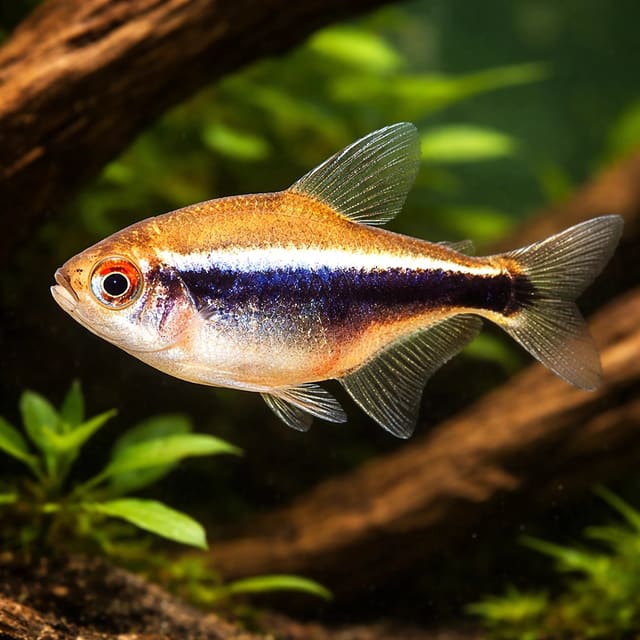
23–27°C · pH 5.5–7.5 · 40L
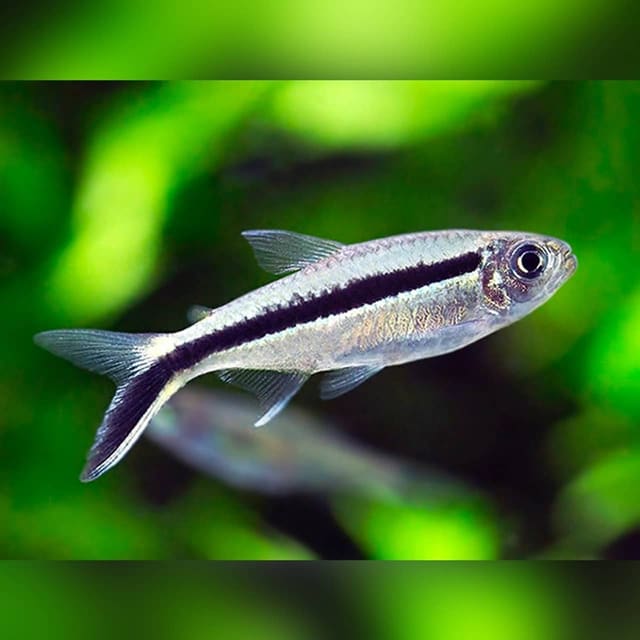
22–27°C · pH 6.5–8 · 68L
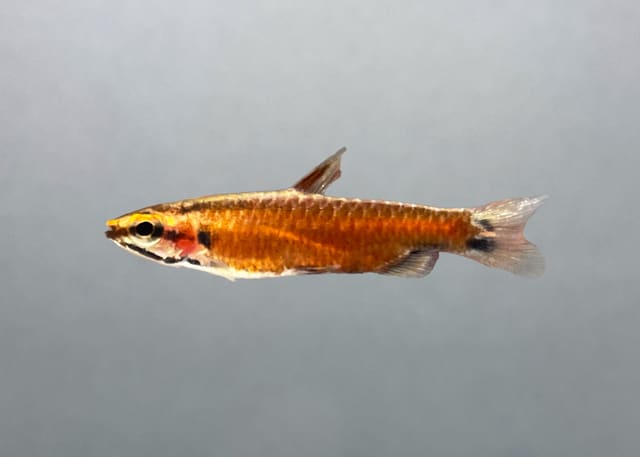
22–27°C · pH 6.5–8
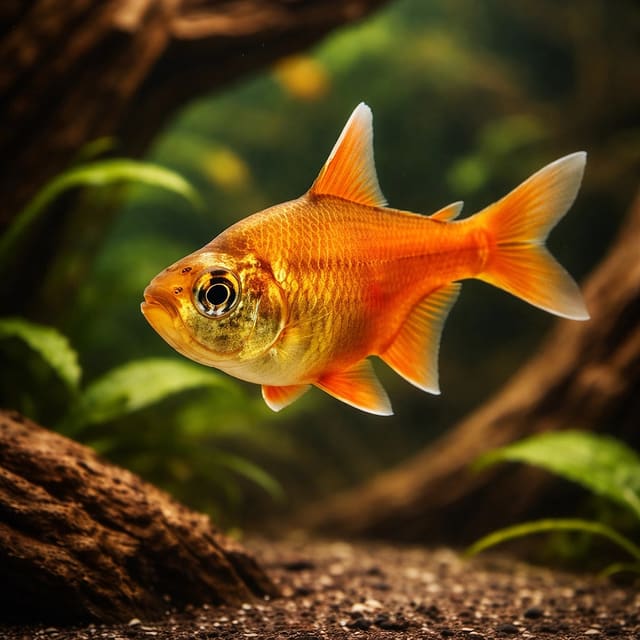
22–26°C · pH 6.5–7.5 · 54L
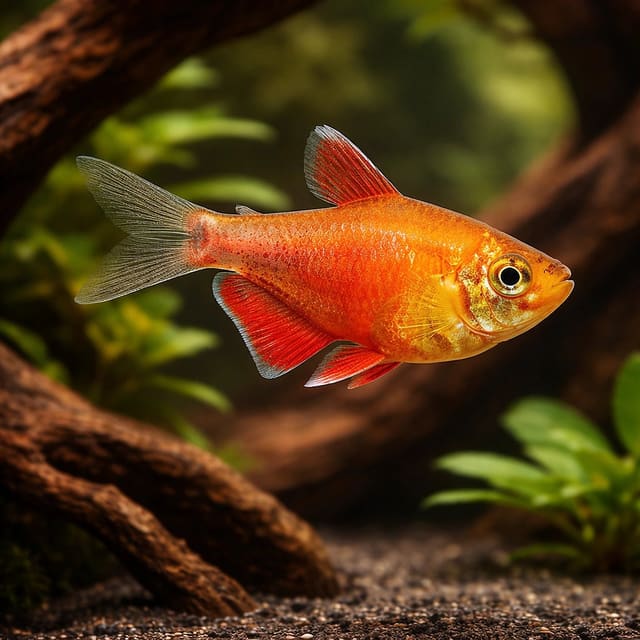
22–26°C · pH 6.5–7.5 · 60L
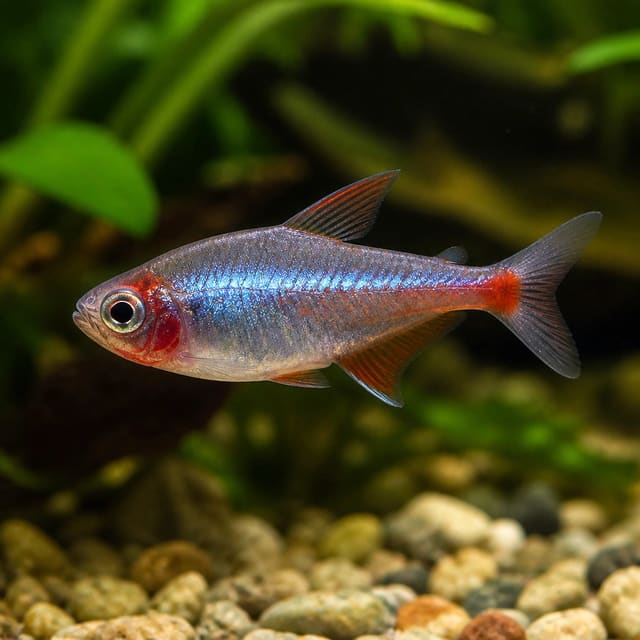
22–27°C · pH 6.5–8
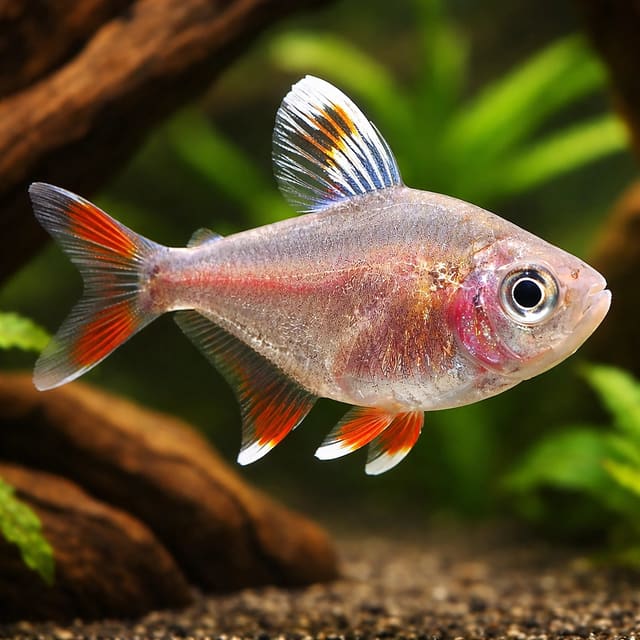
23–28°C · pH 5.5–7.5 · 60L
22–26°C · pH 6.5–7.5 · 54L
23–28°C · pH 6–7.5 · 80L
20–28°C · pH 5–7 · 54L
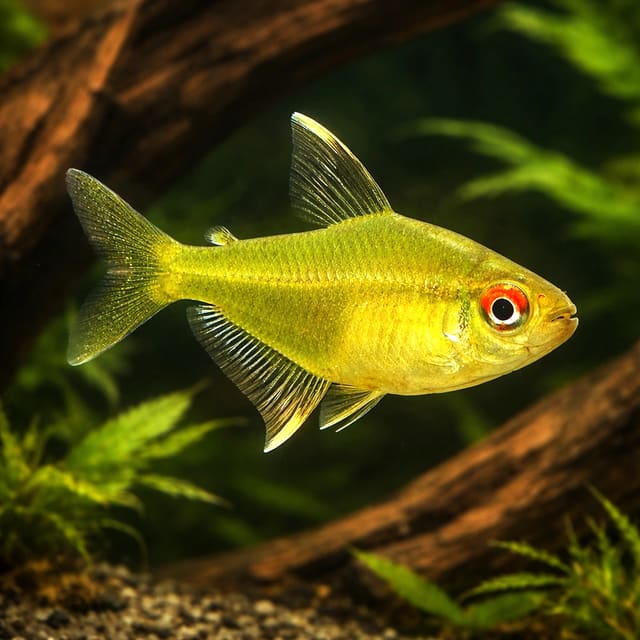
22–27°C · pH 6.5–7.5 · 72L
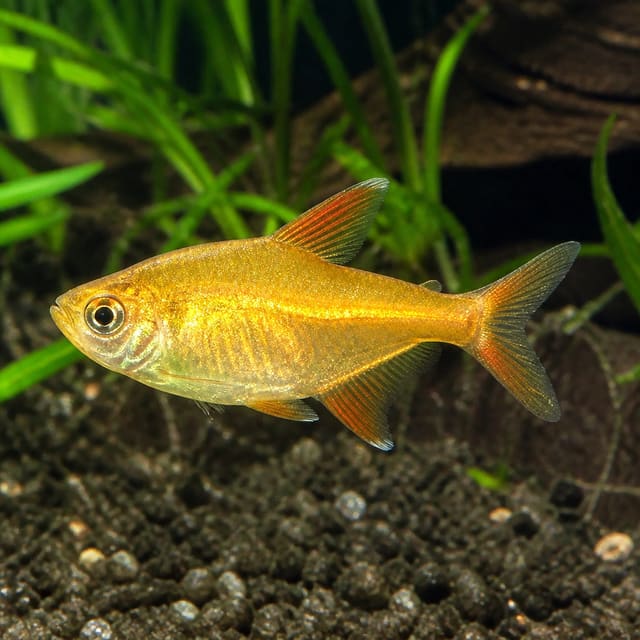
24–27°C · pH 6.5–7.5

23–28°C · pH 5–7 · 54L
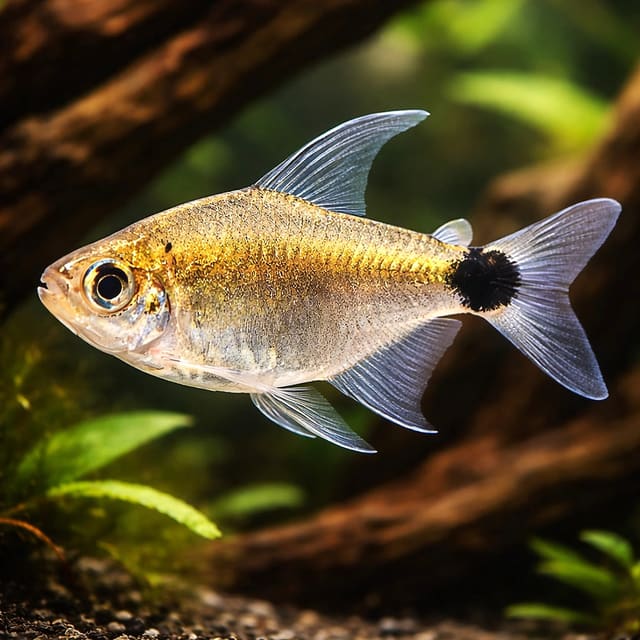
24–27°C · pH 6.5–7.2

22–28°C · pH 7–8 · 41L
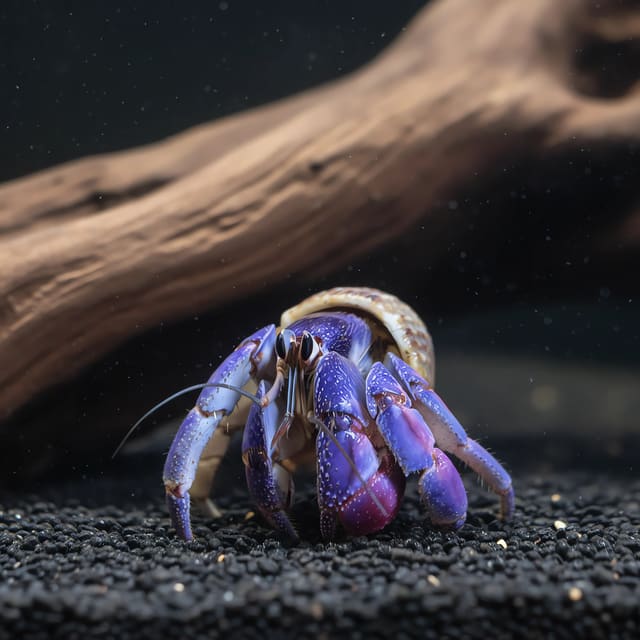
24–29°C

24–27°C · pH 6.5–6.5

22–27°C · pH 6–8 · 72L
24–27°C · pH 6.5–8 · 200L

23–27°C · pH 5.5–7 · 60L

22–27°C · pH 6–8

22–26°C · pH 6–7.8 · 75L