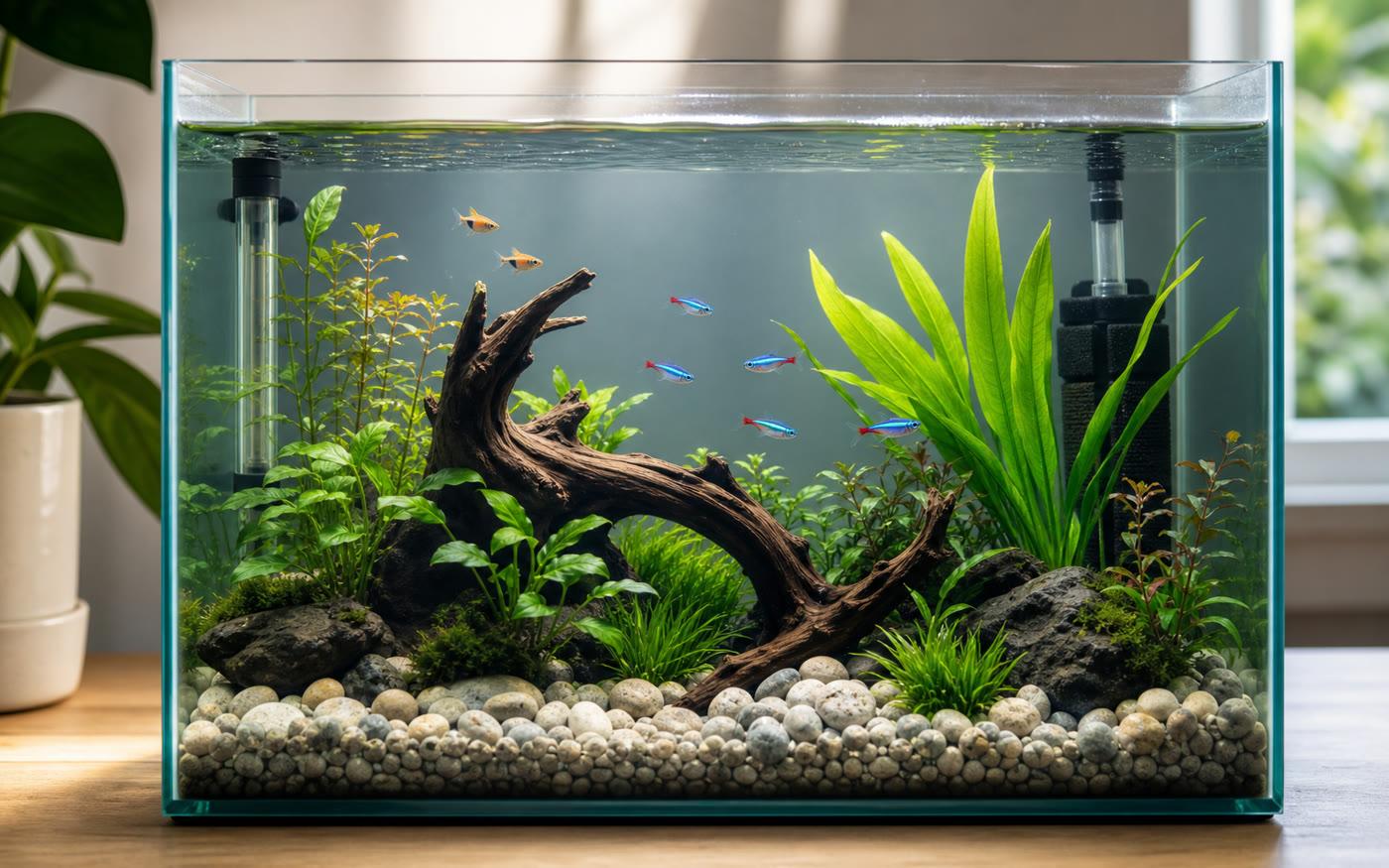
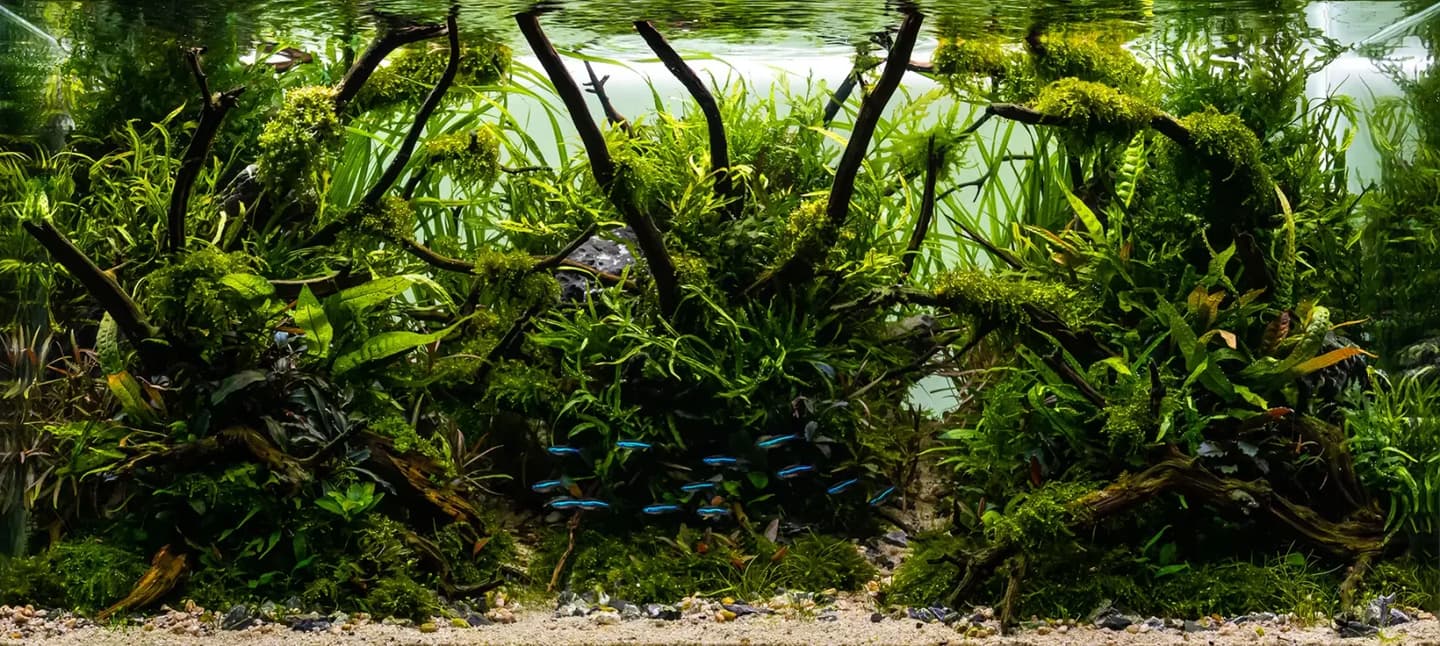
A planted beginner tropical aquarium with peaceful fish
Cited Aquarium Care

Care Guides

Expert advice from an experienced UK fishkeeper. Every guide is backed by cited sources, including peer-reviewed papers, FishBase, IUCN, SeriouslyFish and trusted expert videos, so the page helps customers choose with confidence before they buy.

Looking for in-depth species & buying guides too? Browse the full guide library →

26
UK guides
Data
Cited sources
Care
Tank-ready advice

Best starting points

Start With the Essentials

These guides help customers understand cycling, water testing and plant basics before they pick fish for the tank.

Watch instead

Care Tips in Under a Minute

The same advice as the guides below, filmed in our own fishroom — quick answers you can watch while the tank fills.

Watch every clip

Expert Care, Cited Sources

Every guide is backed by FishBase, peer-reviewed papers, and real-world experience

11 guides

Community Fish

Peaceful shoals, livebearers and centrepiece fish for mixed tanks.

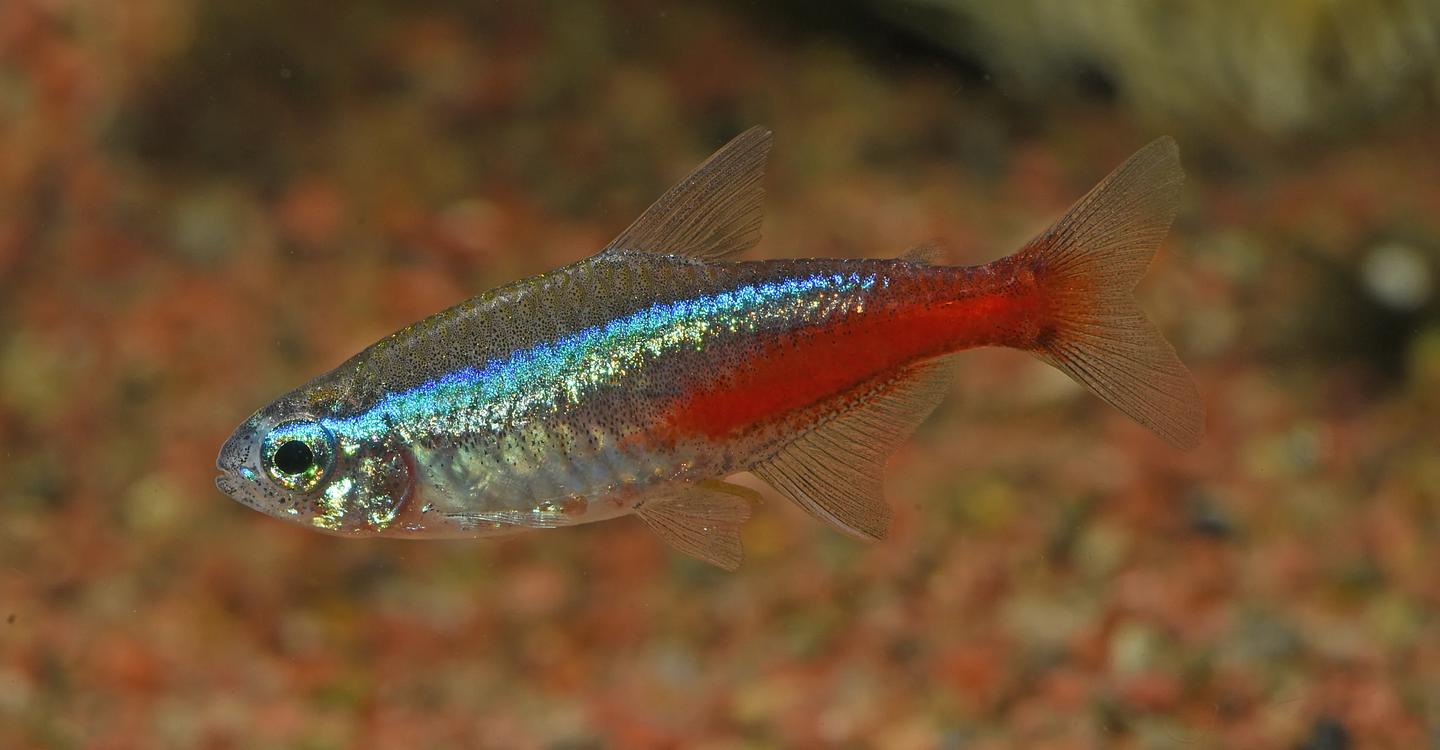
Neon tetra labelled Paracheirodon innesi in side view, showing a blue-green stripe and red rear band
IntermediateShoaling fish
13 min

Neon Tetra Care Guide

Start here: use a mature, filtered aquarium at least 60 cm long. FishBase and OATA compile groups of five or more; our conservative planning screen starts at eight, then checks usable volume, water, filtration and every adult tank mate.

Read guide
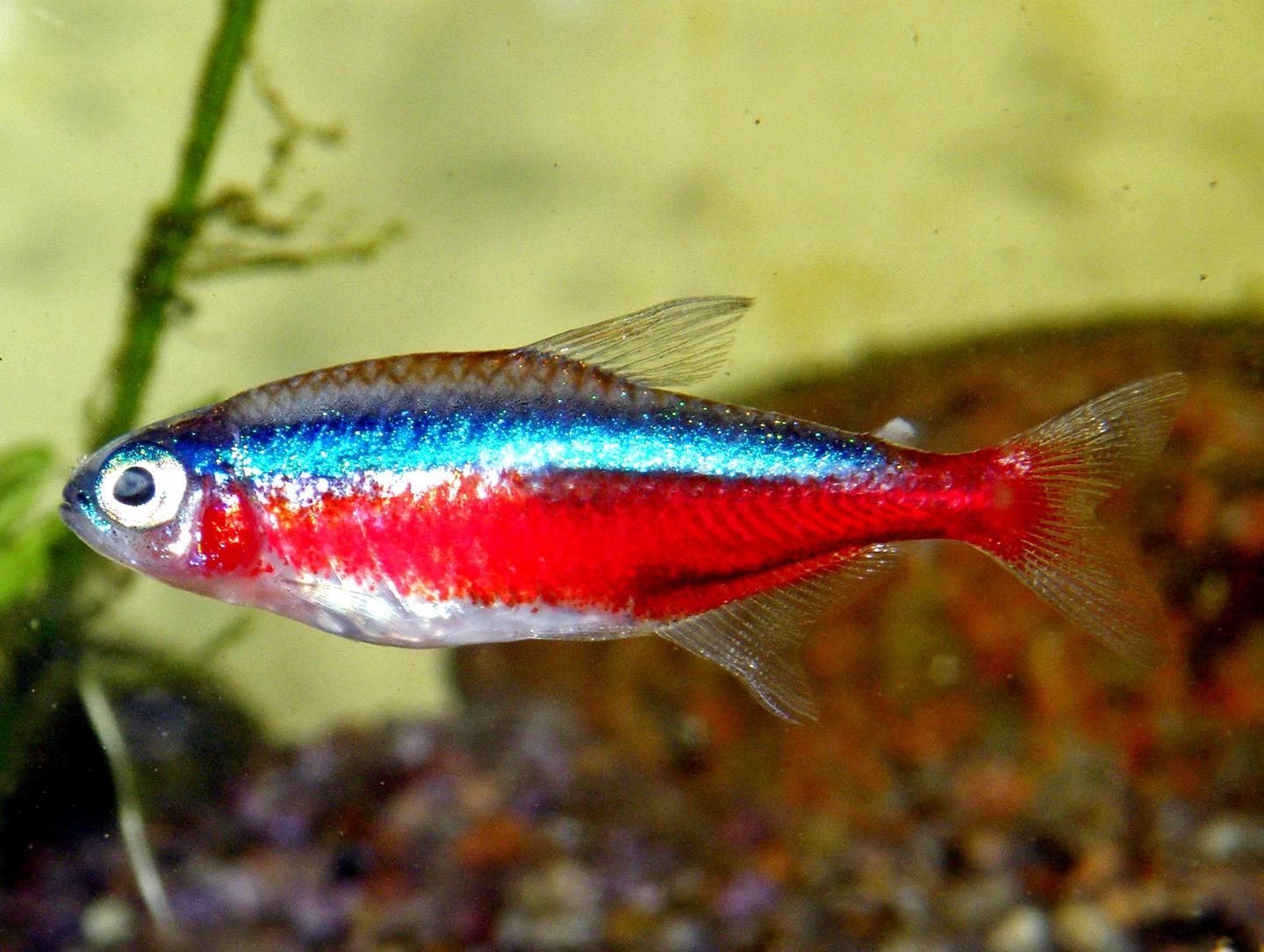
Cardinal tetra labelled Paracheirodon axelrodi in side view, with a bright blue stripe above red colour along the body
IntermediateSoft-water shoal
17 min

Cardinal Tetra Care Guide

Cardinal tetras are small, social blackwater fish, but they need more than a small volume of water. Our conservative starting policy is a mature, filtered aquarium at least 60 cm long and about 60 litres, a group of 10 or more, a routine target of 24-27 °C, and water chosen from measured supplier and home values rather than a fixed UK tap-water recipe.

Read guide
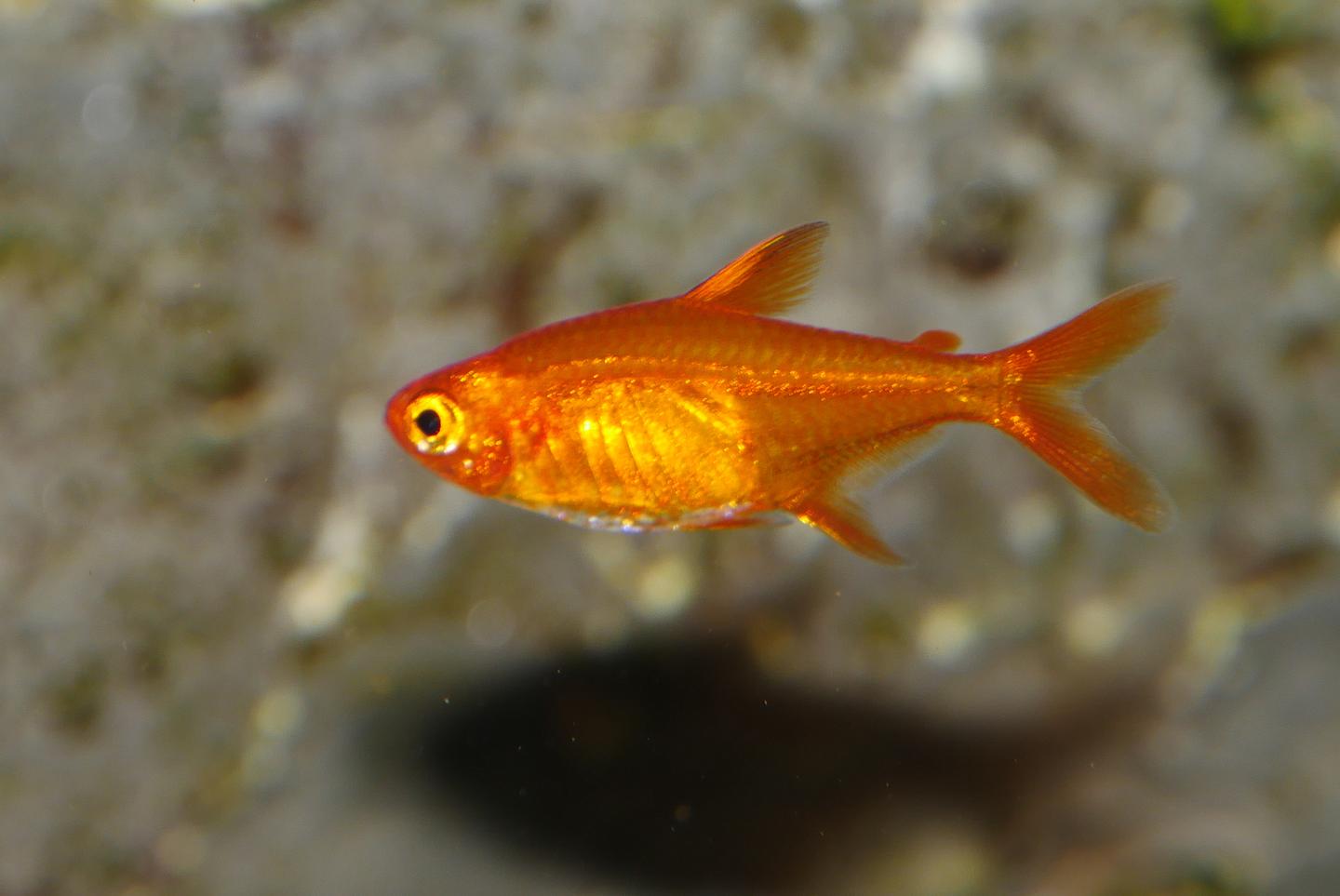
Ember tetra (Hyphessobrycon amandae) in side view against a pale aquarium background
IntermediateNano shoal
12 min

Ember Tetra Care Guide: Hyphessobrycon amandae

Ember tetras are very small Brazilian social fish, with a maximum recorded length of 2.0 cm excluding the tail. Keep them only in a fully cycled, stable aquarium. We recommend a group of at least 10 and about 45 litres with a 45 × 30 cm footprint rather than using a litres-per-fish formula.

Read guide
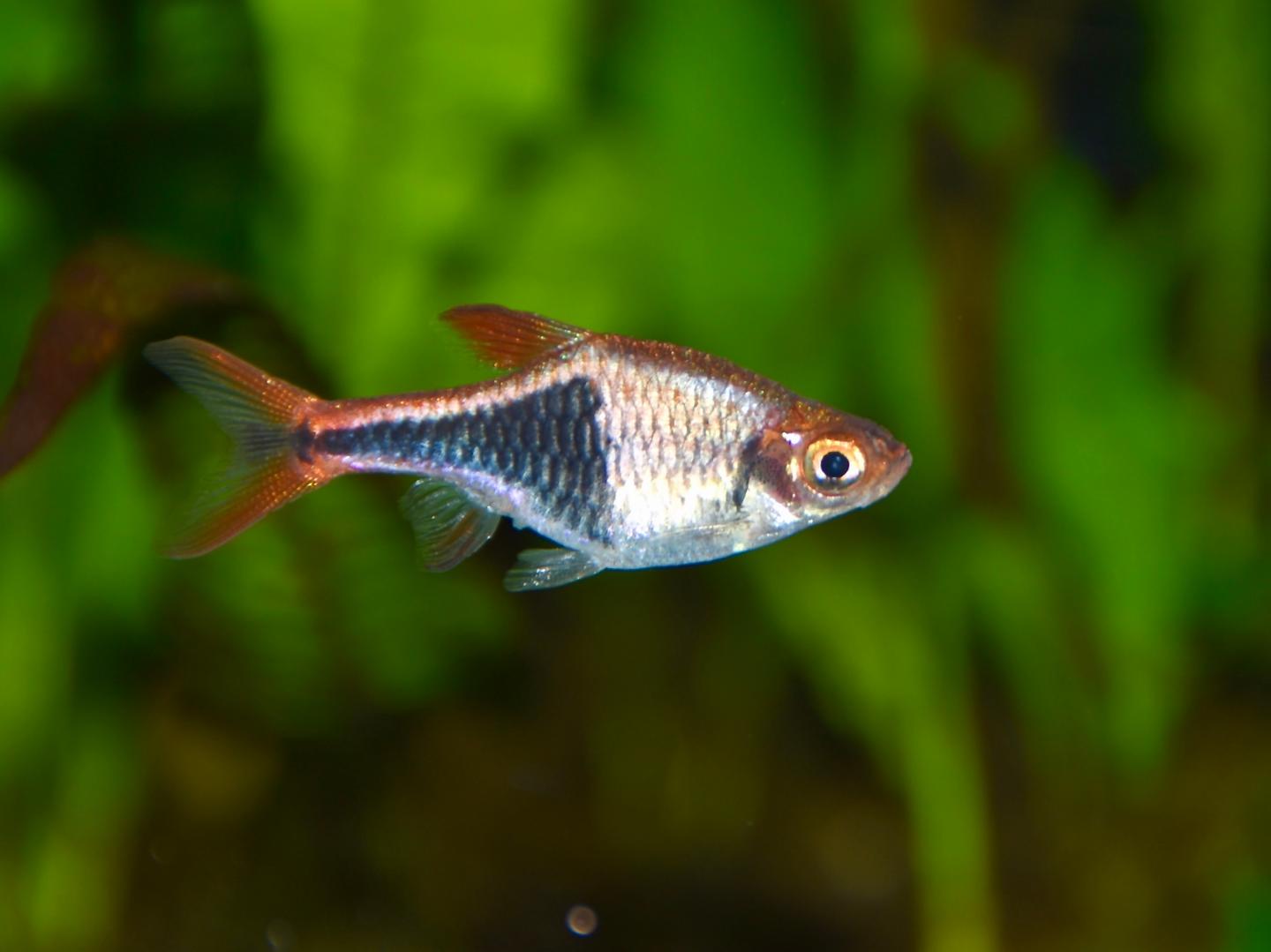
Harlequin rasbora labelled Trigonostigma heteromorpha in side view, showing the dark wedge-shaped flank marking
IntermediateCommunity shoal
18 min

Harlequin Rasbora Care Guide

Our conservative starting policy is a mature, filtered aquarium at least 60 cm long and about 60 litres, eight or more fish, and measured water screened against 22-25 °C, pH 5-7 and 5-12 dGH.

Read guide
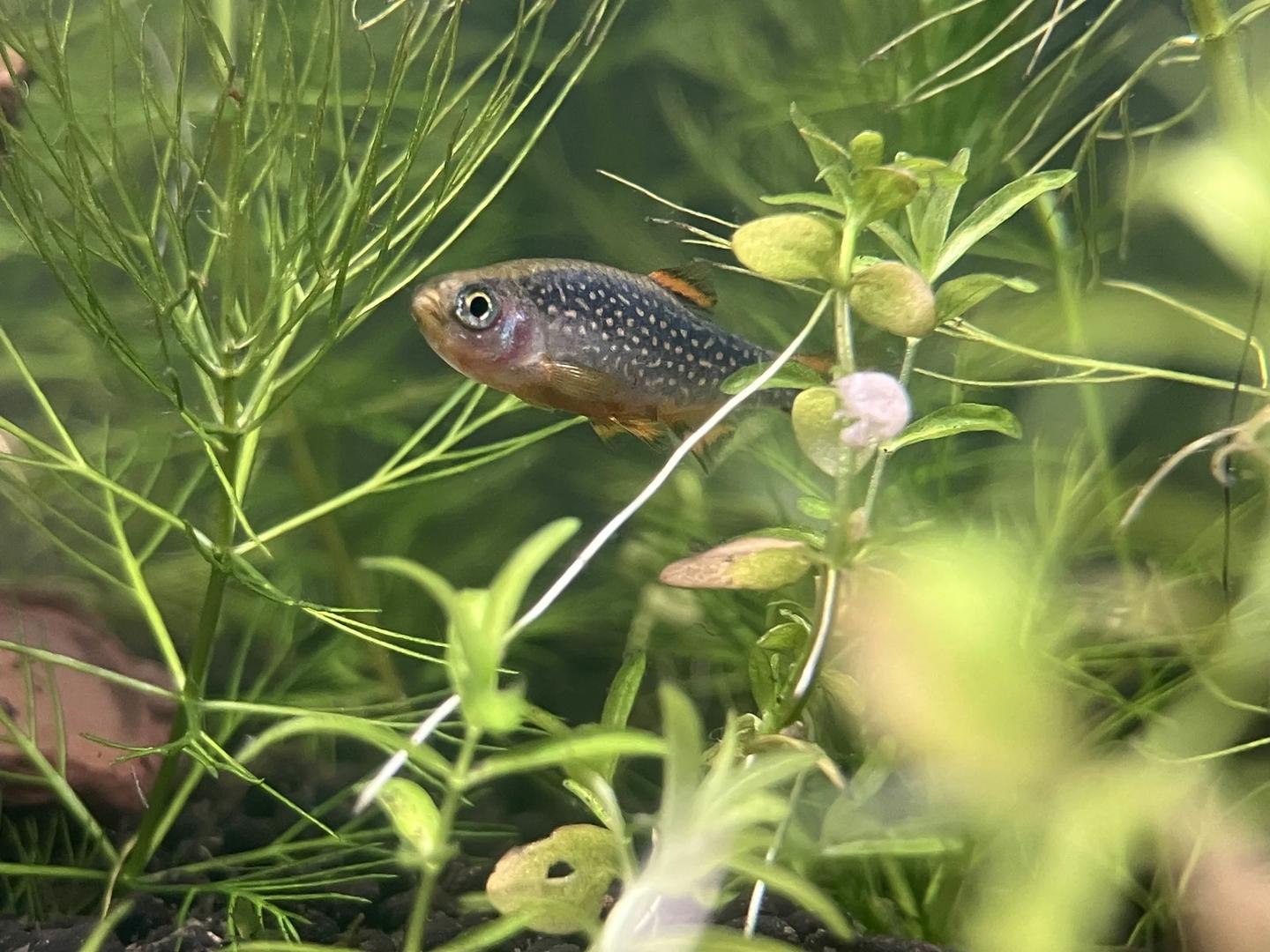
Celestial pearl danio swimming between fine-leaved aquarium plants
Nano fish
13 min

Celestial Pearl Danio Care Guide: Tank, Group and Water

Plan a mature, densely planted aquarium with at least a 45 × 30 cm base for a social group. Use 20–26°C, pH 6.5–7.5 and 5–15 dGH as published screening ranges, then hold a stable value inside the overlap for every animal in the tank.

Read guide
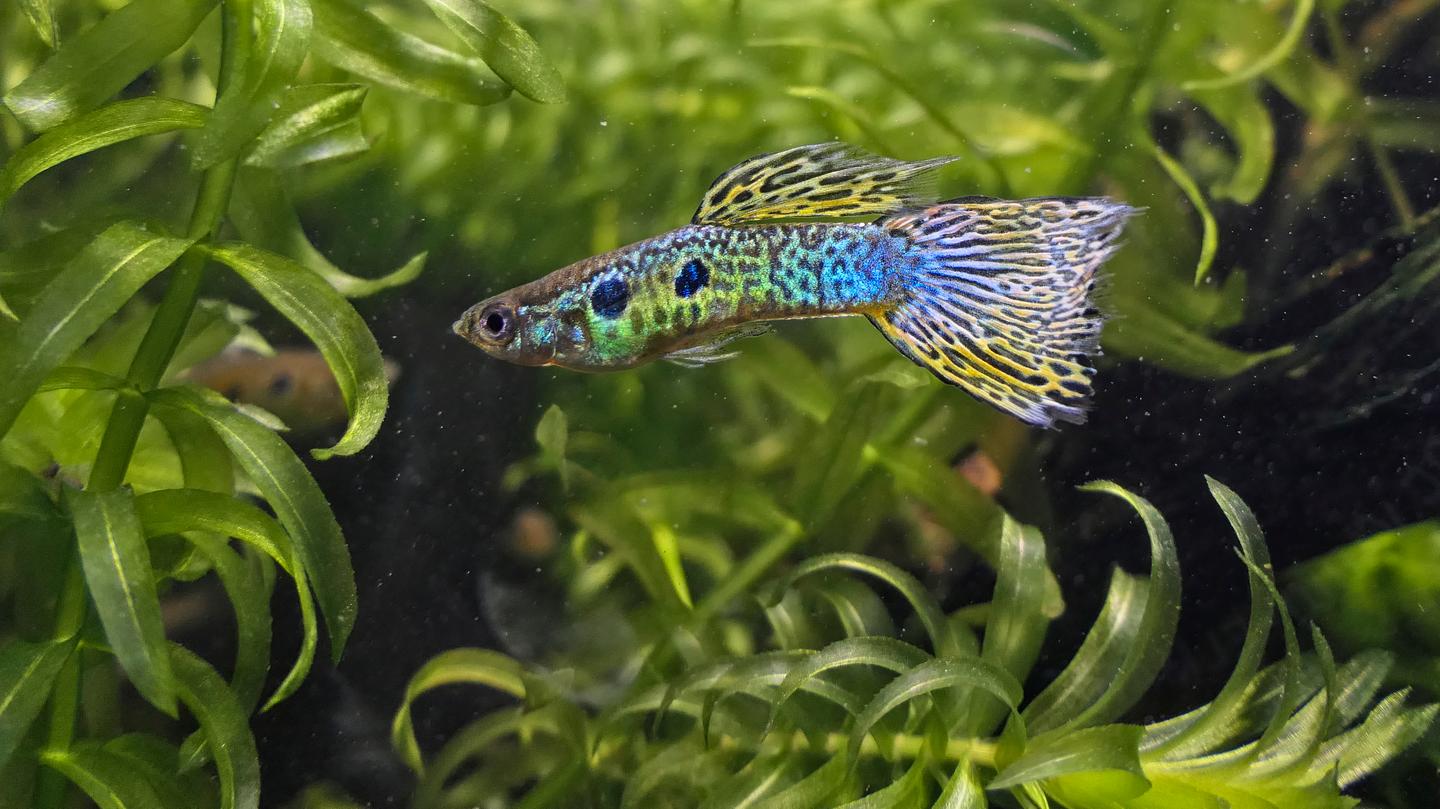
Domestic cobra-green male guppy (Poecilia reticulata) swimming among green aquarium plants
EasyLivebearer
15 min

Guppy Care Guide: Poecilia reticulata

Guppies are social livebearers suited to a prepared beginner, not a fish-per-litre formula. Use a mature filtered aquarium, tested neutral-to-alkaline mineral-bearing water, deliberate sex and population planning, open swimming room, cover and a separation option.

Read guide
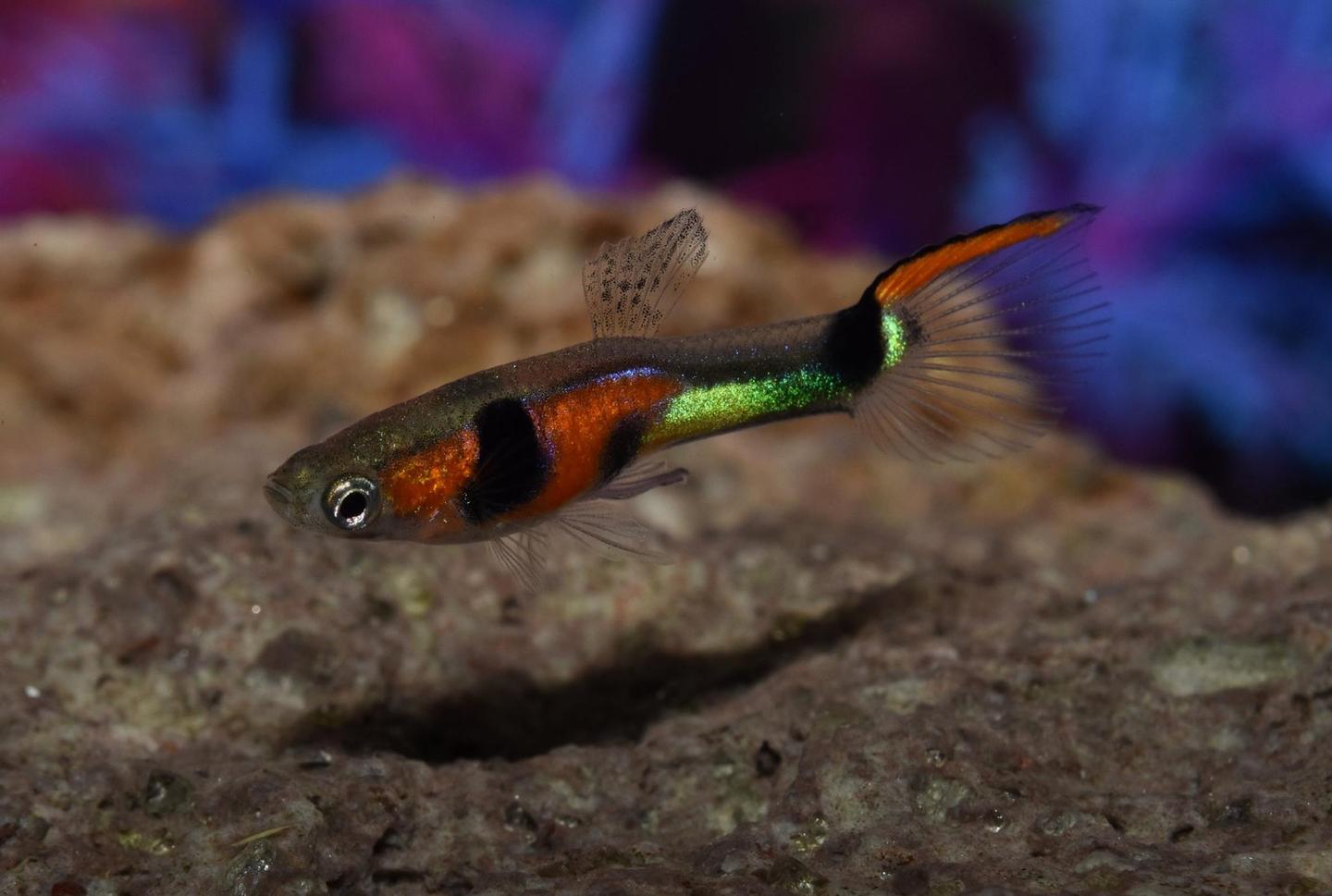
Orange, black and green male fish labelled as an Endler's livebearer (Poecilia wingei) in side view
EasyNano livebearer
16 min

Endler Guppy Care Guide: Poecilia wingei

Endler's livebearer is a small, social, rapidly reproducing Venezuelan fish. Start with a mature filtered aquarium, a deliberate sex and population plan, stable tested medium-hard water, open swimming room and cover. Our conservative house screen is an aquarium at least 60 cm long and a group of five or more where capacity allows.

Read guide
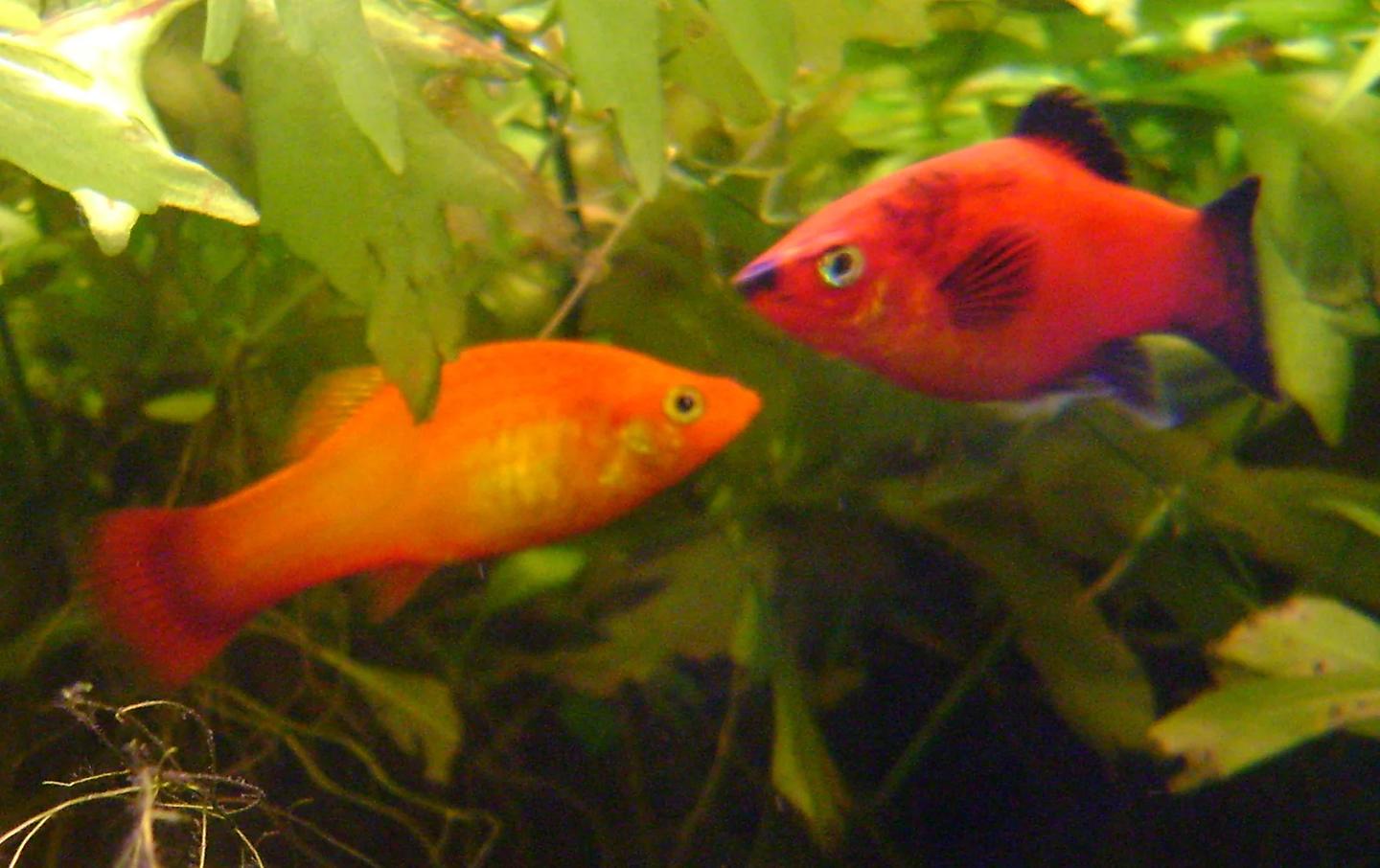
Two red and orange southern platyfish swimming among aquarium plants
Beginner livebearer
16 min

Platy Fish Care: Tank Size, Temperature & Types

Platy is a trade name used for Xiphophorus maculatus, X. variatus and domestic forms. Start with at least three in a mature aquarium of at least 45 litres, verify the exact fish and measured water, and plan extra capacity before mixing sexes.

Read guide
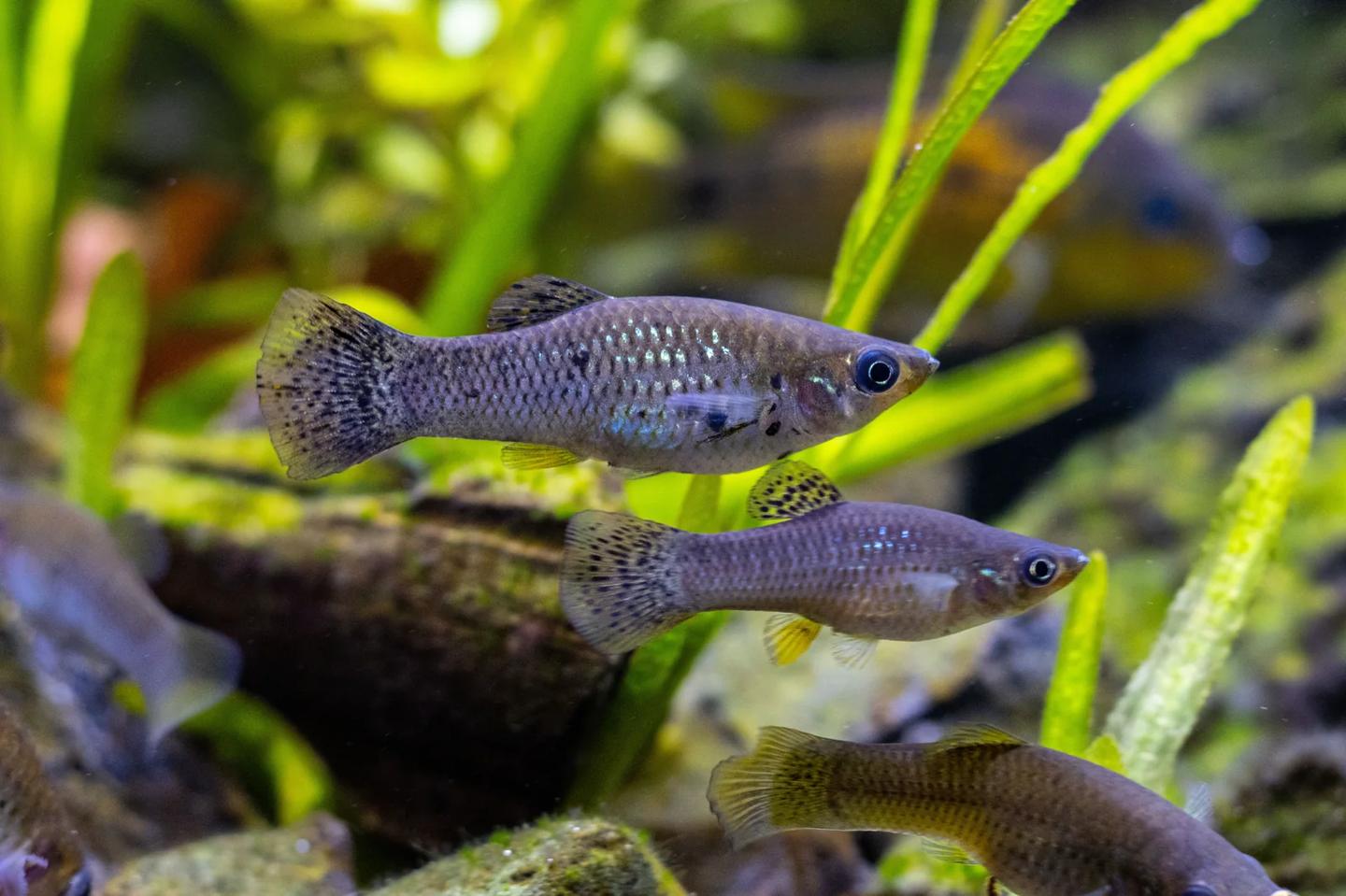
Three grey common mollies swimming among green aquarium plants
Hard-water fish
17 min

Molly Fish Care: Tank Size, Temperature & Types

Mollies are social livebearers sold under a broad trade name. Identify the species or domestic form first; plan at least 45 litres for a small group of smaller mollies or 80 litres for sailfins, then verify adult size, water, sex ratio and the complete community.

Read guide
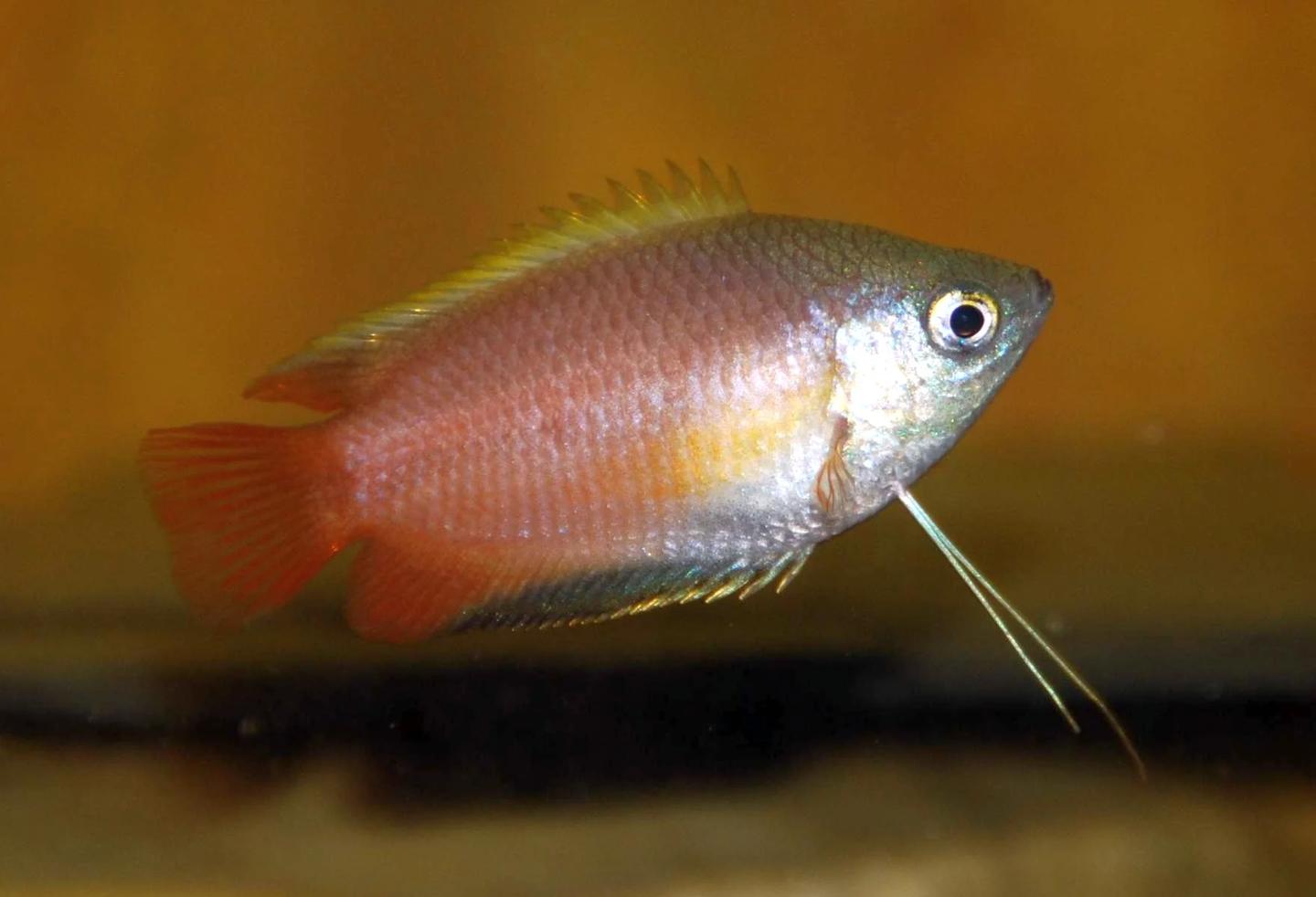
Source-labelled male Colisa chuna in side view against an orange aquarium background, with a red-orange body and long pelvic fin rays
IntermediatePeaceful centrepiece
14 min

Honey Gourami Care Guide

Start with a mature, filtered aquarium at least 60 cm long. Published size records disagree, and broad group guidance is not Honey-Gourami-specific, so verify Trichogaster chuna, the seller's adult-size advice and any claimed sexes before choosing one fish or a group.

Read guide
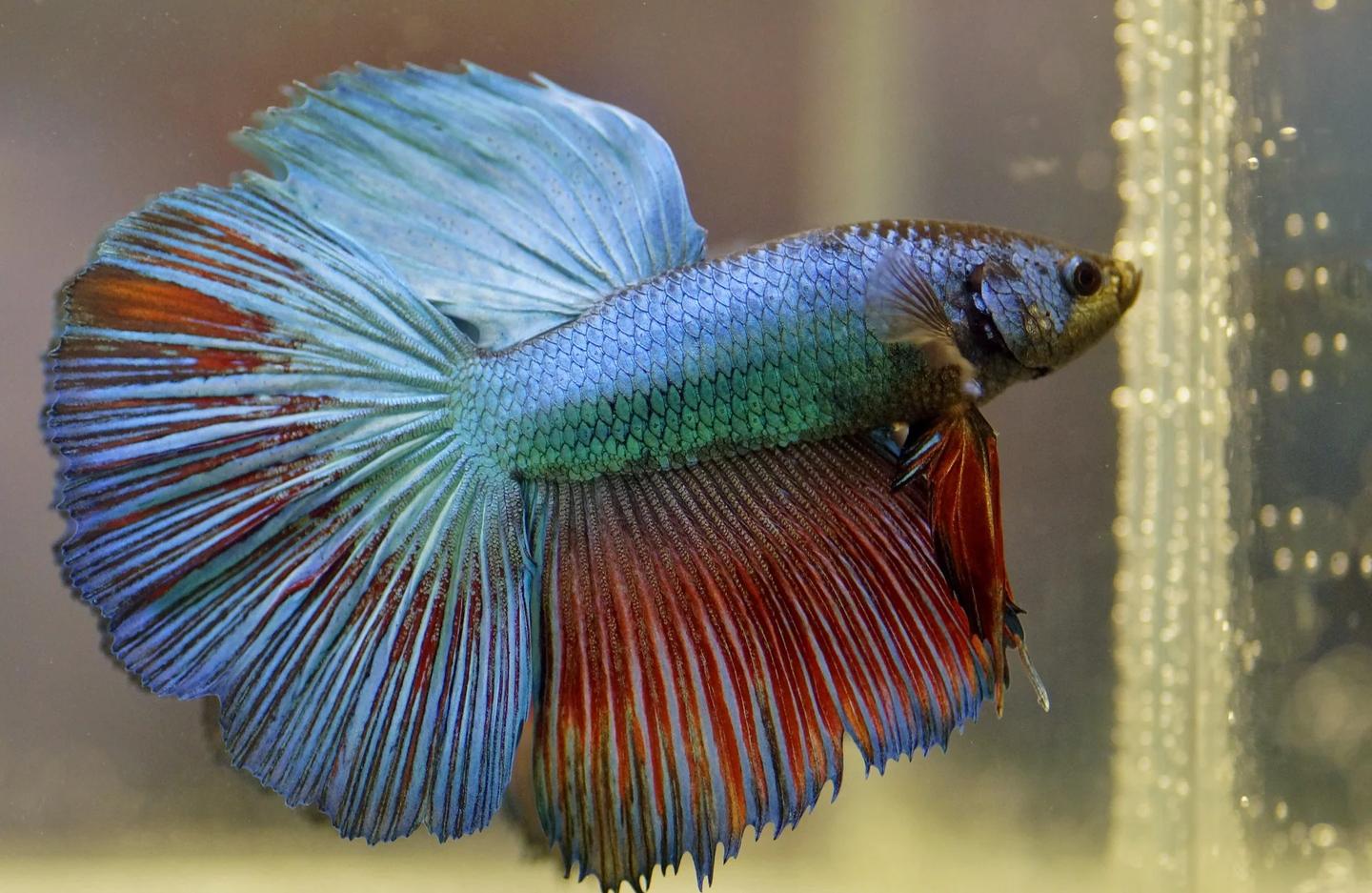
Blue and red male Betta splendens swimming side-on in an aquarium
IntermediateSolo centrepiece
13 min

Betta Fish Care Guide: Siamese Fighting Fish

For one typical domestic Betta splendens, start with at least 20 litres, a mature filter, thermostatic heater, separate thermometer, gentle flow, a secure lid with surface access, and plants or refuges. Keep one male per aquarium.

Read guide

5 guides

Bottom & Algae Crew

Catfish, loaches and grazing species that need the right setup.

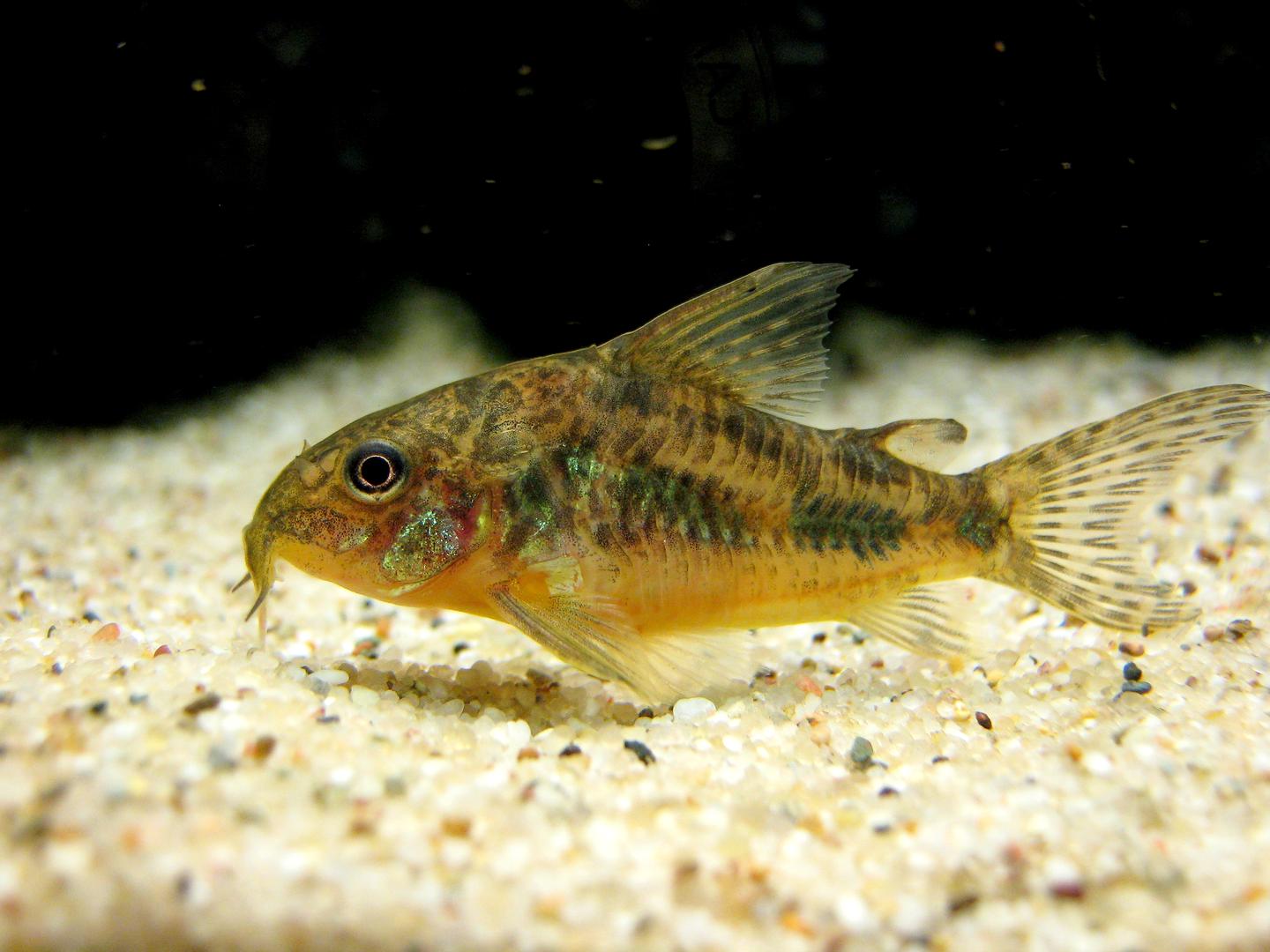
Peppered cory catfish labelled Hoplisoma paleatum swimming over pale aquarium substrate
Bottom dweller
17 min

Corydoras Care Guide: Choose the Right Cory Catfish

Identify the exact cory catfish before choosing care. Our starting policy for many common medium species is six compatible conspecifics, a mature 60 x 30 cm aquarium of about 60 litres, smooth fine sand and measured species-appropriate water.

Read guide
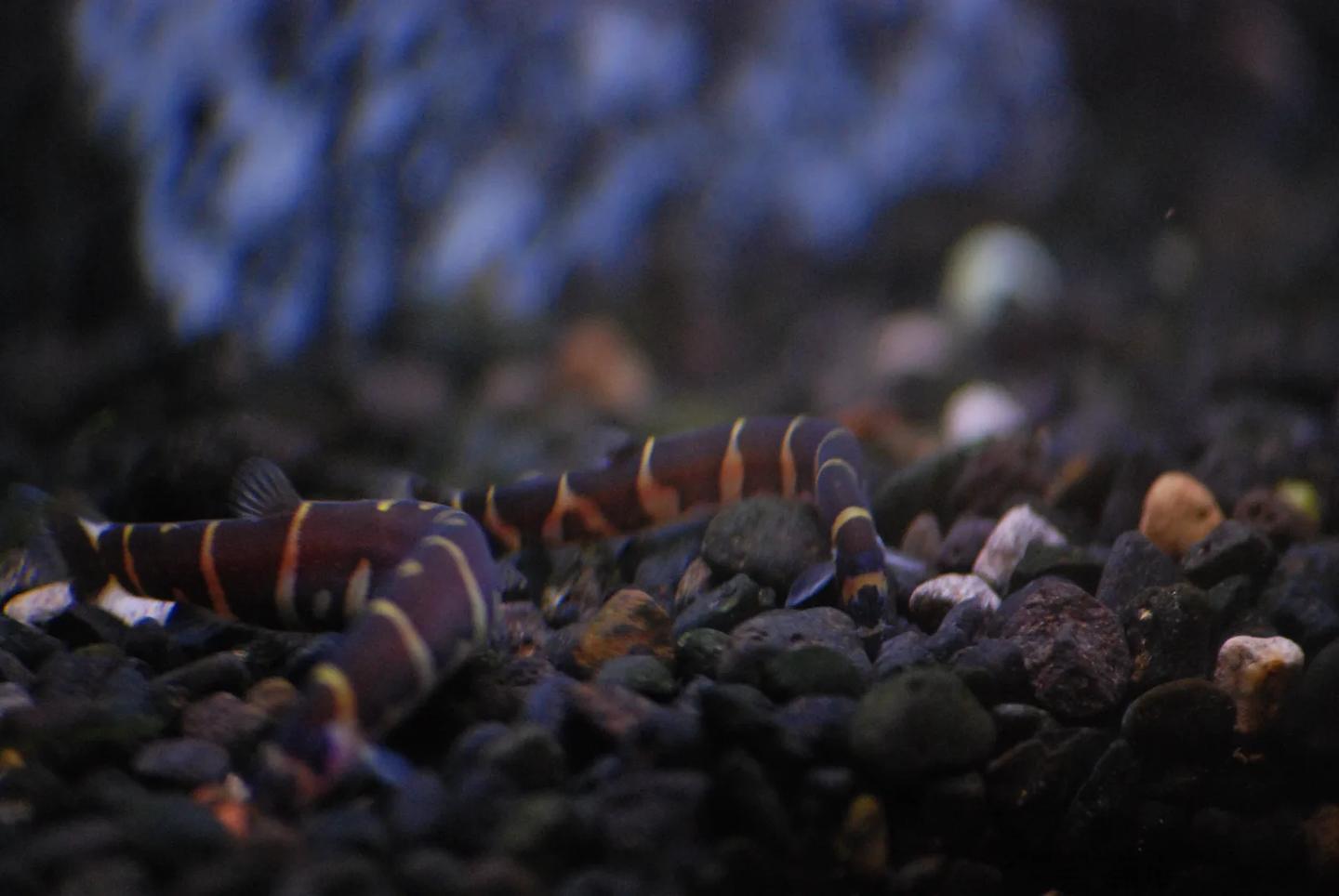
Several banded kuhli loaches resting together over smooth aquarium substrate
IntermediateShy bottom dweller
16 min

Kuhli Loach Care: Tank Size, Group & Safe Treatment

Kuhli loaches are peaceful, slender Pangio loaches that need an established, escape-resistant aquarium with cover and a social group. As a conservative UK planning floor, use at least five compatible individuals and an aquarium of at least 80 litres for the smallest loaches; adult identity, dimensions, water, companions and filtration can require more.

Read guide
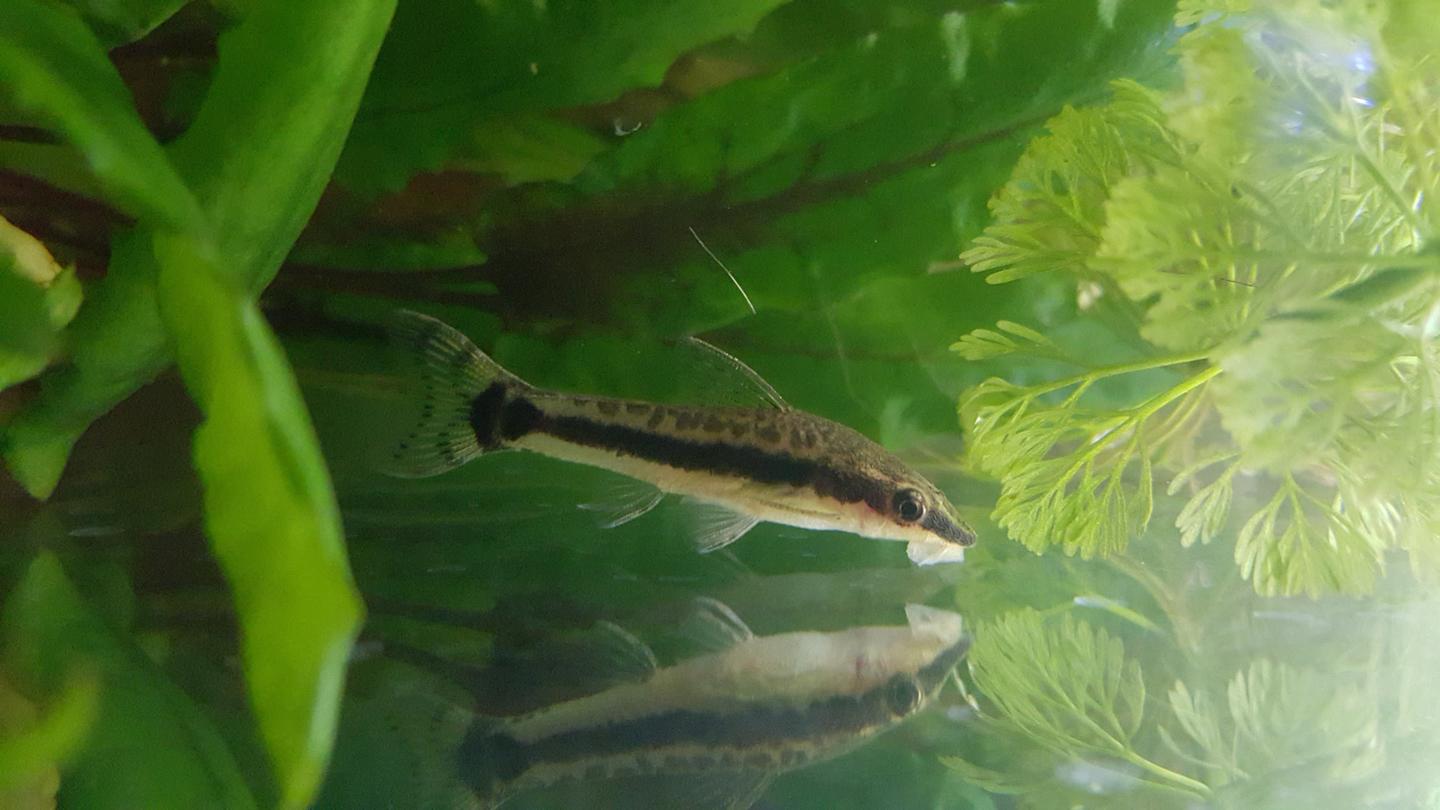
Otocinclus vestitus resting on a broad green aquarium leaf
IntermediateAlgae grazer
17 min

Otocinclus Catfish Care: Tank Size, Food & Groups

Otocinclus are small South American loricariid catfish, not disposable algae cleaners. Confirm the supplied species where possible; start with a mature, stable aquarium with ample grazing surfaces; plan a compatible social group; and provide suitable food even when algae is visible.

Read guide
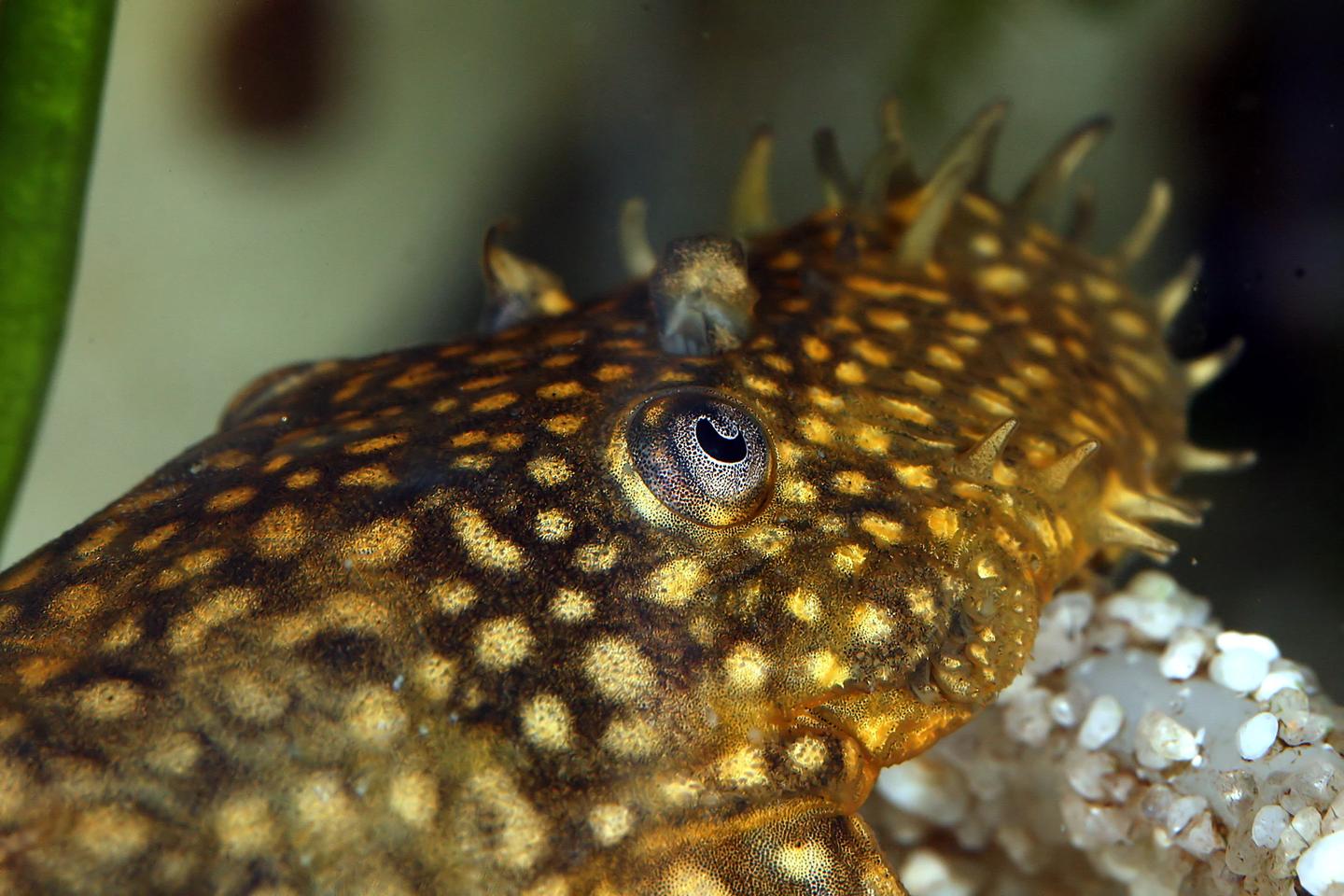
Close view of a brown male Ancistrus catfish with branched snout bristles
Algae grazer
13 min

Bristlenose Pleco Care Guide: Size, Tank and Lifespan

For one typical common bristlenose, start with a mature, filtered aquarium of at least 90 litres, useful floor area, wood and cover. OATA reports about 15 cm adult length, 22-27°C, pH 6-8 and 4-12 dGH. Confirm the exact trade identity before applying species-level claims.

Read guide
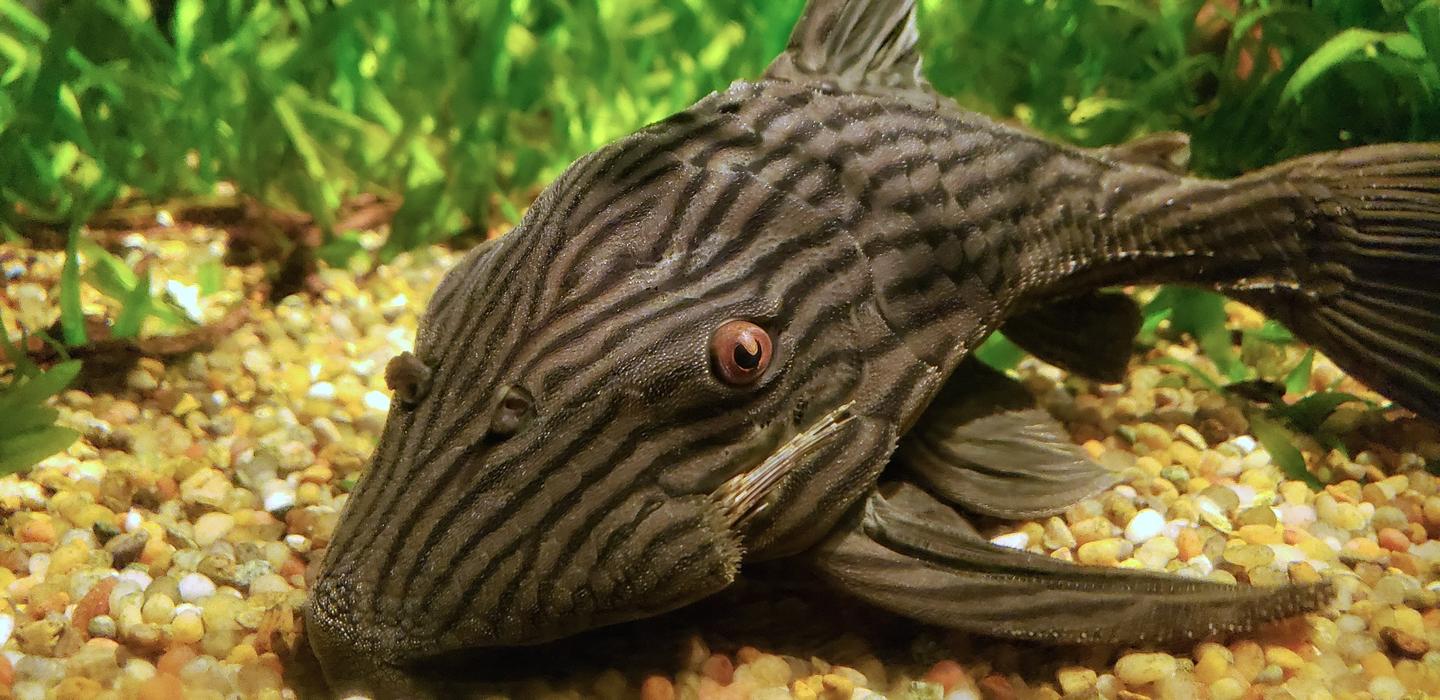
Royal pleco Panaque nigrolineatus resting on pale gravel in a planted aquarium
Large catfish
18 min

Pleco Fish Guide: Types, Adult Size, Food & Tank Planning

‘Pleco’ is a loose aquarium-trade label, not one species or one care sheet. Before buying, confirm the scientific name or defensible L-number, adult size and measurement method, required footprint, temperature and water, diet, social plan and source. No universal pleco tank size, menu or algae result is honest.

Read guide

4 guides

Shrimp & Snails

Invertebrate guides for planted tanks and clean-up crews.

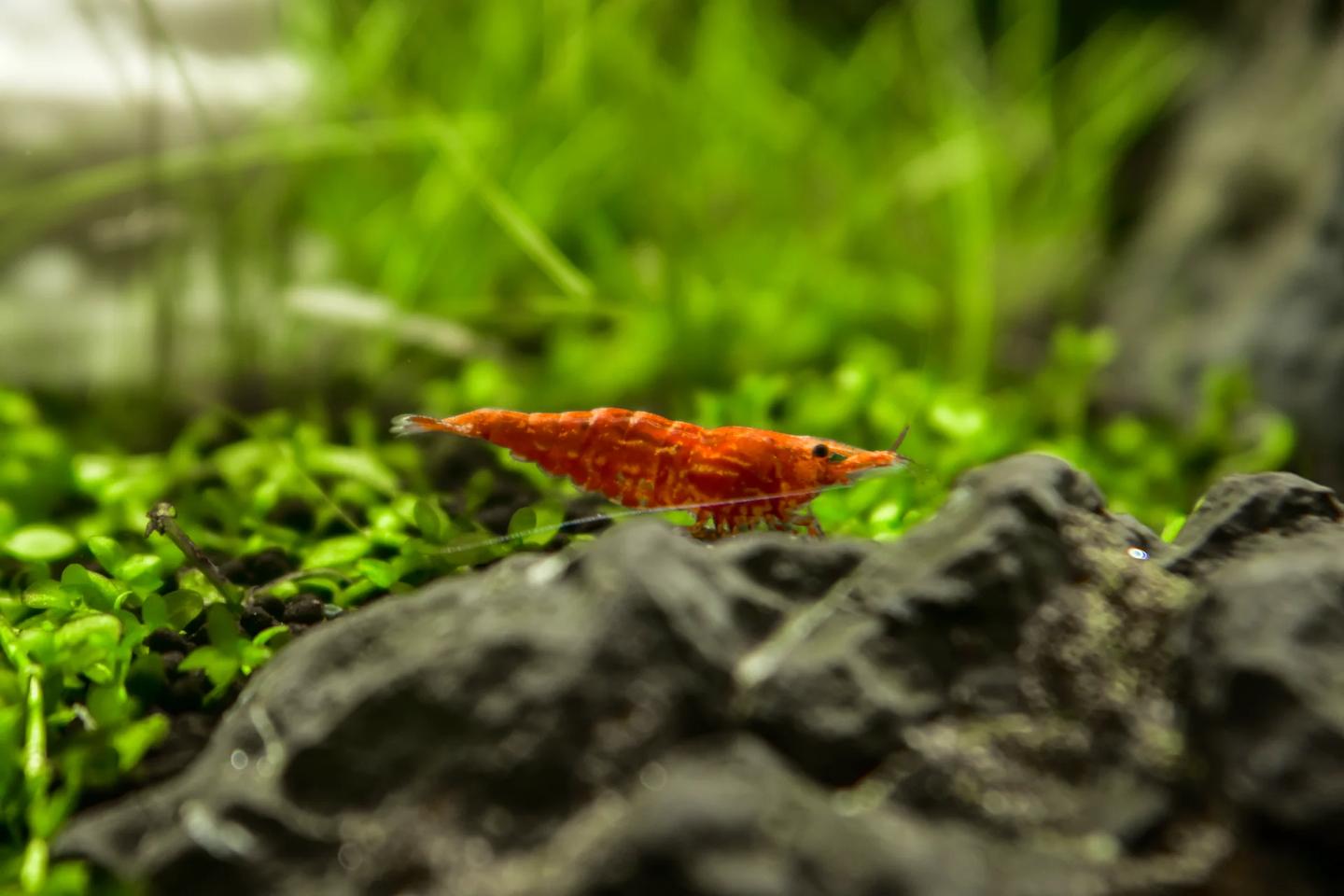
Red cherry shrimp in a planted freshwater aquarium
Shrimp basics
15 min

Freshwater Shrimp Care: Set Up Your First Tank

Choose an identified shrimp before copying care numbers. A mature, filtered 20-litre aquarium is our cautious starting policy for a small group from a source-documented Neocaridina davidi trade line—not a biological minimum or per-litre formula. Test your actual tap and tank water, protect the filter inlet, provide established grazing surfaces, and treat tank mates, medicines and breeding as species-specific decisions.

Read guide
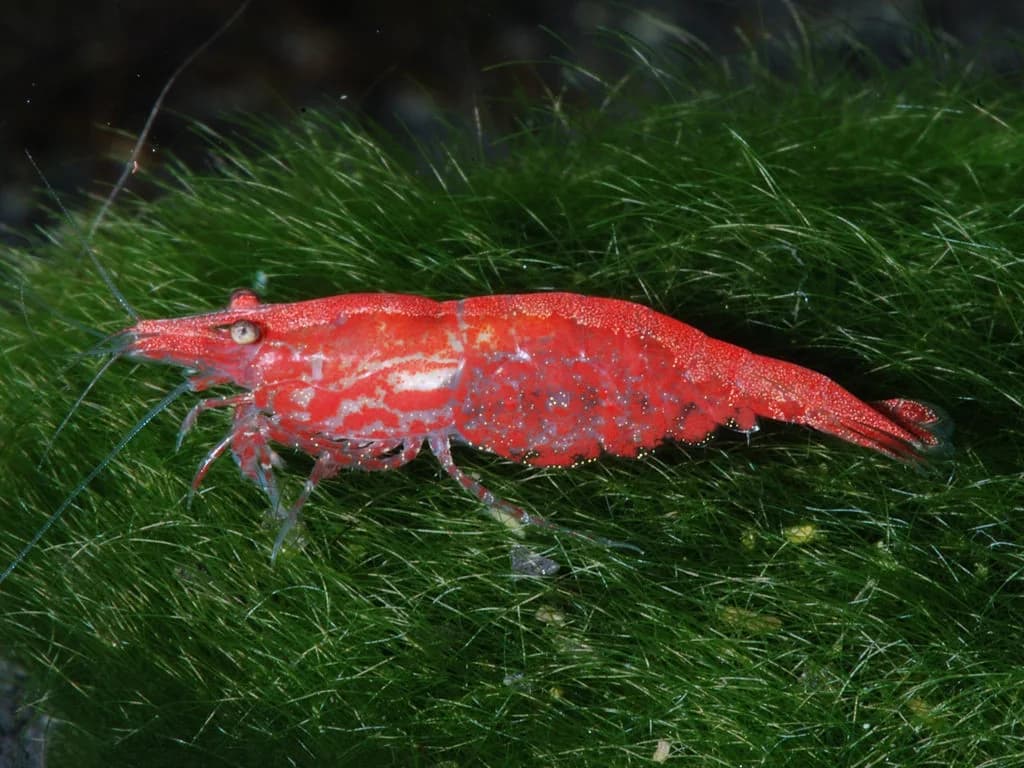
Red cherry shrimp grazing on green aquarium moss
IntermediateBeginner shrimp
15 min

Cherry Shrimp Care Guide

Use a mature, filtered aquarium and measured water—not a shrimp-per-litre rule. Tropical Fish Co uses 20 litres as a cautious starting policy for a small Cherry Shrimp group, above OATA's general 10-litre screen for small shrimp. Provide established grazing surfaces, cover and a protected filter inlet. No fish is guaranteed shrimplet-safe, and breeding should never be promised.

Read guide
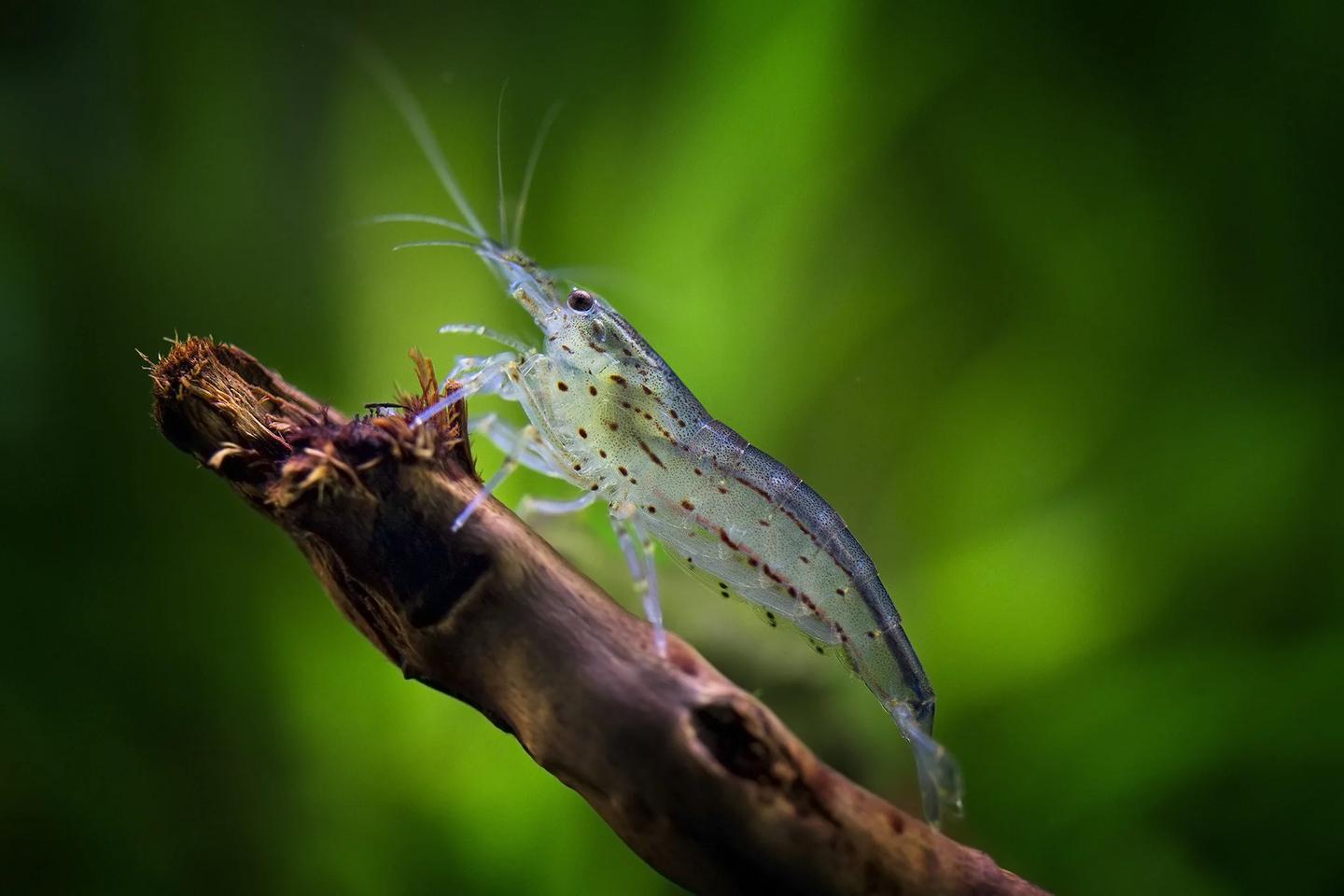
Translucent Amano shrimp on aquarium wood, viewed from the side and slightly above
IntermediateAlgae shrimp
15 min

Amano Shrimp Care Guide

Start with a mature, filtered aquarium. OATA's broad UK guidance suggests approximately 20 litres for Amano Shrimp and at least five for social shrimp, with a larger aquarium when fish are present. Treat those as cautious planning screens—not biological minima or a per-litre formula. Match the complete adult community, test your water, protect the filter inlet and never buy them as a guaranteed algae cure.

Read guide
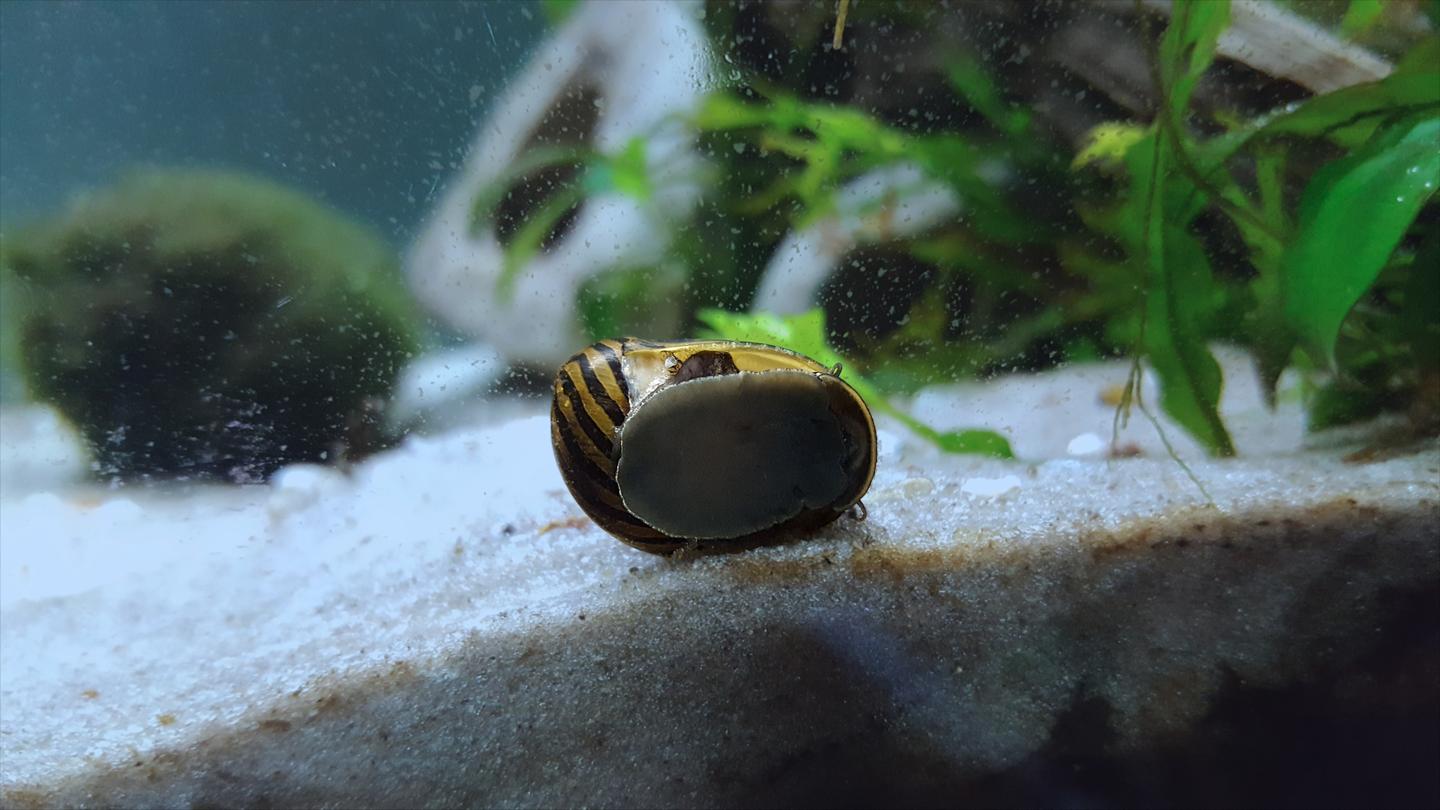
Zebra-pattern nerite snail attached to aquarium glass
IntermediateAlgae snail
16 min

Nerite Snail Care Guide: Species, Eggs & Feeding

Nerite snail is a trade umbrella, not one species. Confirm the supplied taxon and holding water, use a mature covered aquarium with established grazing surfaces, stock from food availability rather than a litre formula, and treat egg capsules, medicines and tank mates as species-specific decisions.

Read guide

3 guides

Cichlids & Show Fish

Higher-care species where tank size and water stability matter.