Loaches & Oddball Fish for Sale UK

Choose by adult habitat and feeding: loaches, predators and amphibians need different homes.

Shop stockCare guide70 live listings
3 things to check before orderingShow
  • Check freshwater, brackish or land-access needs
  • Plan adult space, companions and feeding
  • Read the selected size and individual or pack unit

Current Loaches & Oddballs listings

70 products

Kuhli Loach with bold dark bands swimming between wood and green plants

Kuhli Loach (Acanthophthalmus kuhli)

24–27°C · pH 6.5–6.5

£2.39

Also in packs from £6.19

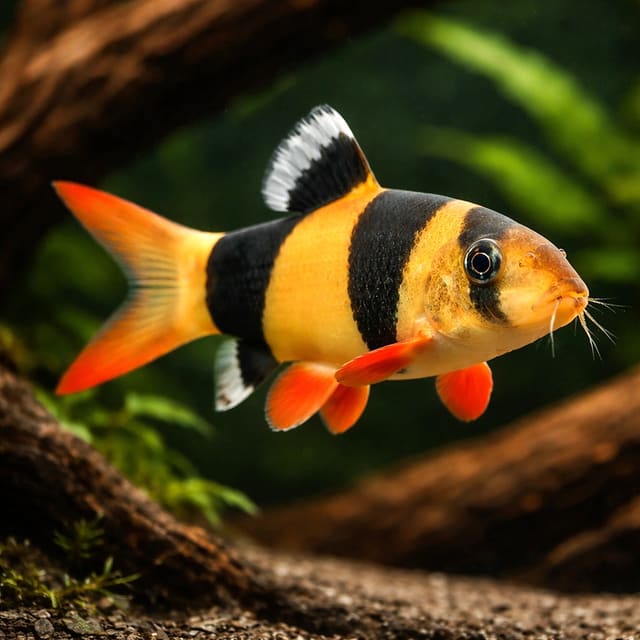
Clown Loach swimming right among green plants, dark wood and gravel
Advanced

Clown Loach (Chromobotia macracanthus)

24–30°C · pH 5–7 · 648L

From £9.29Some sizes on sale

Also in packs from £23.99

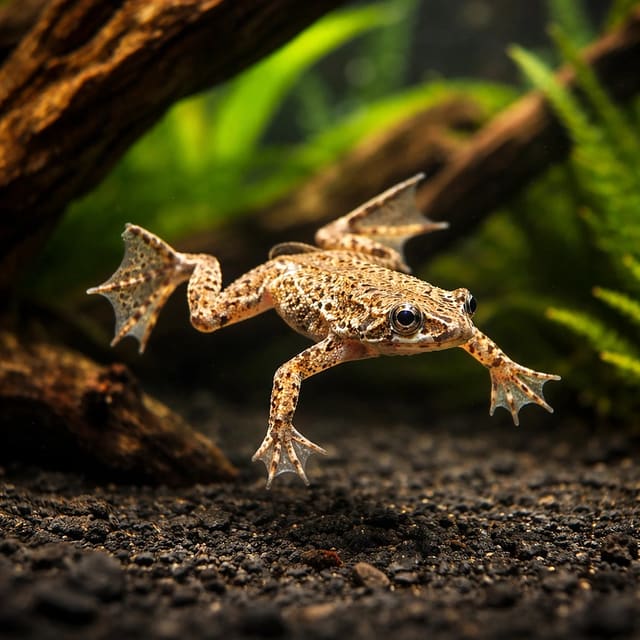
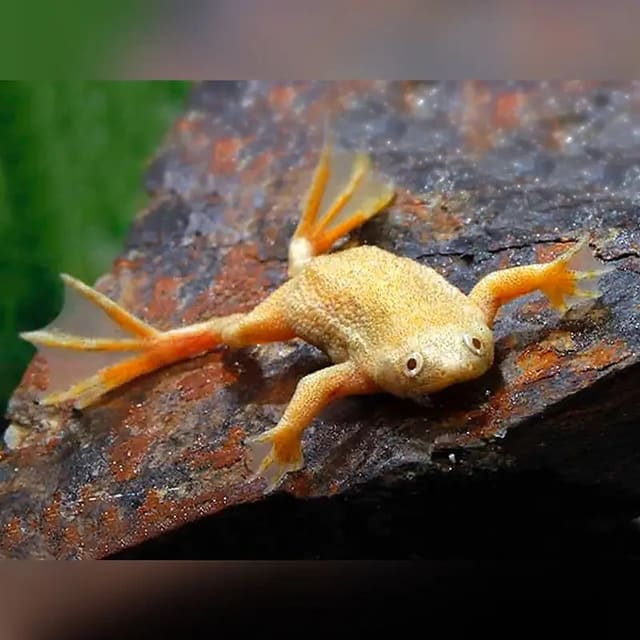
African Dwarf Frog swimming over dark gravel with webbed feet spread

African Dwarf Frog (Hymenochirus sp.)

22–25°C · pH 7–8

£5.39
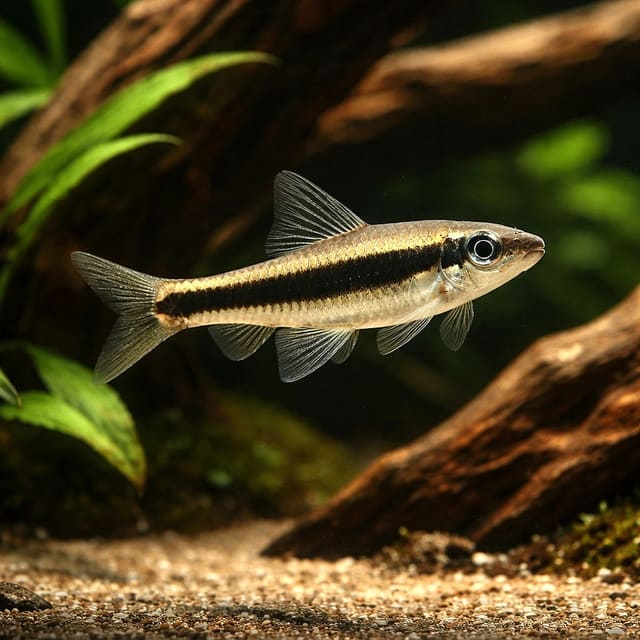
Siamese Algae Eater swimming above gravel among green plants and wood, with a black side stripe and translucent fins

Siamese Algae Eater (Crossocheilus cf. langei)

22–27°C · pH 6–8

£4.99

Also in packs from £19.49

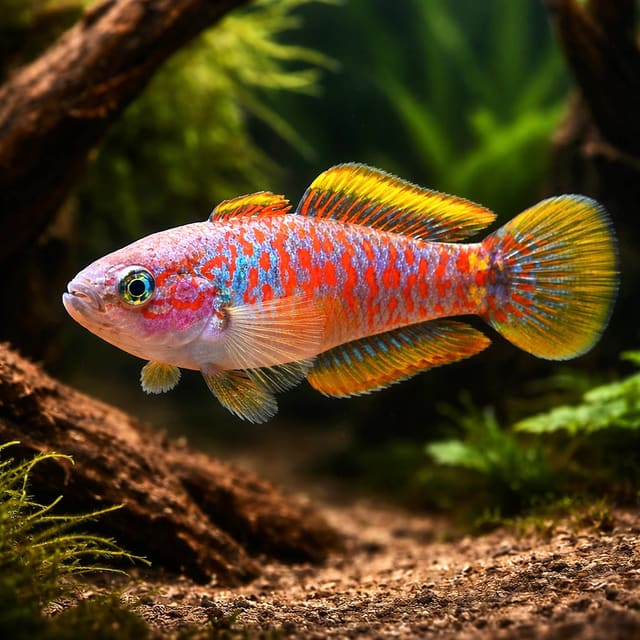
Peacock Gudgeon with red markings and yellow fins swimming among wood and plants

Peacock Gudgeon (Tateurndina ocellicauda)

22–26°C · pH 6.5–7 · 41L

£7.29
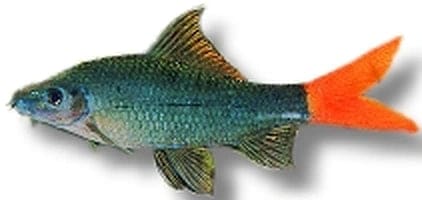
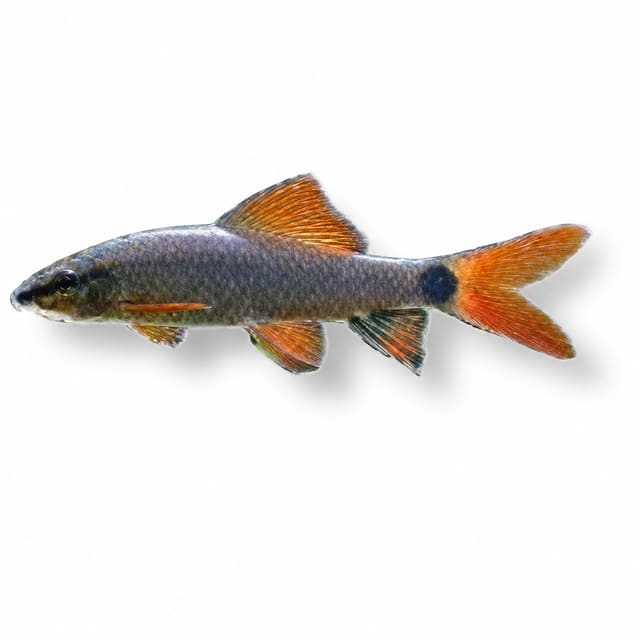
Red Tail Black Shark (Epalzeorhynchos bicolor) reference image; not the exact fish supplied
Moderate

Red Tail Black Shark (Epalzeorhynchos bicolor)

23–26°C · pH 6.5–7.5 · 120L

£5.19
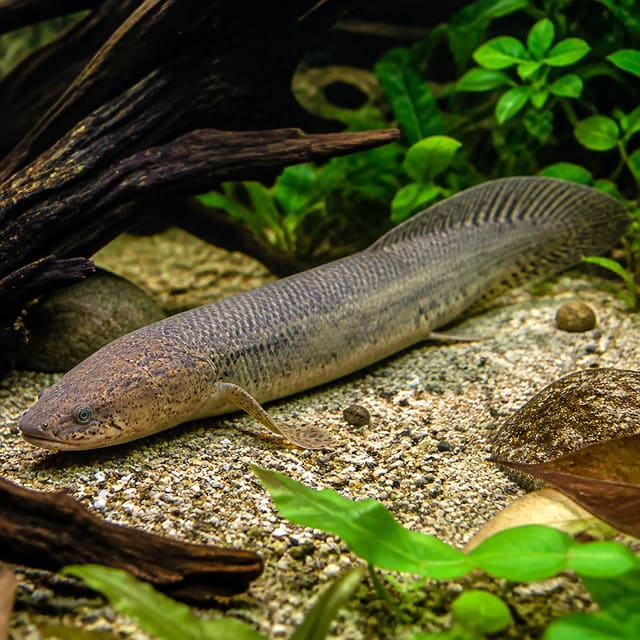
Mottled grey-brown West African Lungfish resting on pale gravel among dark wood, stones and green plants

West African Lungfish (Protopterus annectens)

25–30°C

£42.99
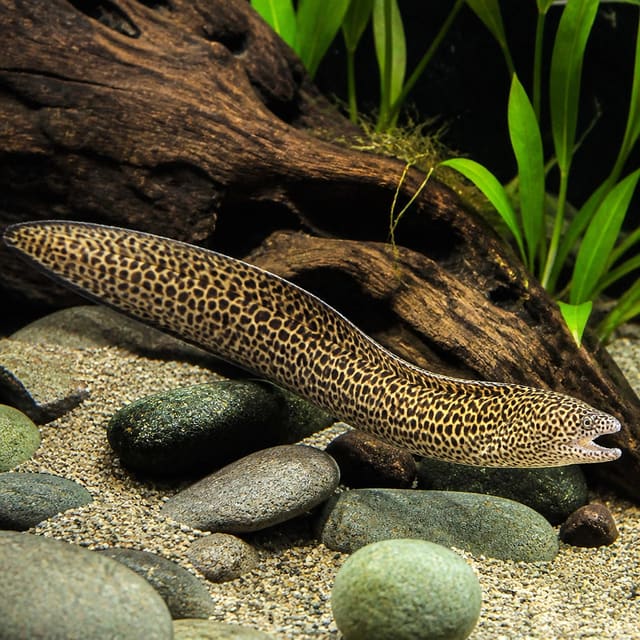
One elongated yellow-brown spotted moray among rounded stones, driftwood and green plants
−10%
Advanced

Freshwater Moray (Gymnothorax polyuranodon)

£107.99£119.99
Olive-gold algae-eating fish with a black side stripe resting on layered rock
Moderate

Chinese Algae Eater (Gyrinocheilus aymonieri)

22–26°C · pH 6–8 · 304L

£7.99
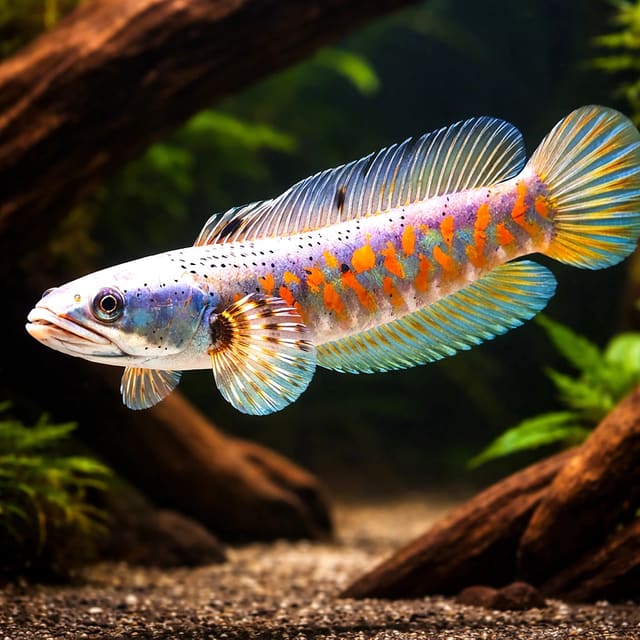
One orange-spotted blue-grey Peacock Snakehead swimming above gravel between driftwood
Advanced

Peacock Snakehead (Channa pulchra)

£43.99
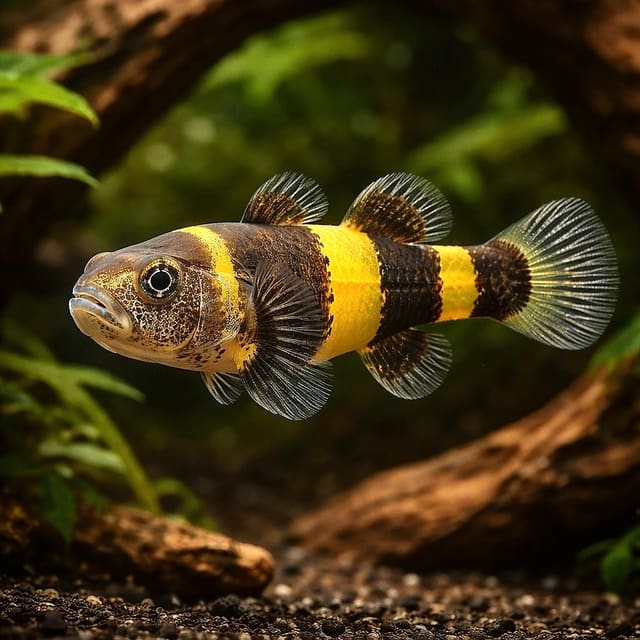
One yellow-and-dark banded goby shown side-on among driftwood and green plants
Moderate

Golden Band Bumblebee Goby (Brachygobius sp.)

24–27°C · pH 7.5–8.5

£5.99
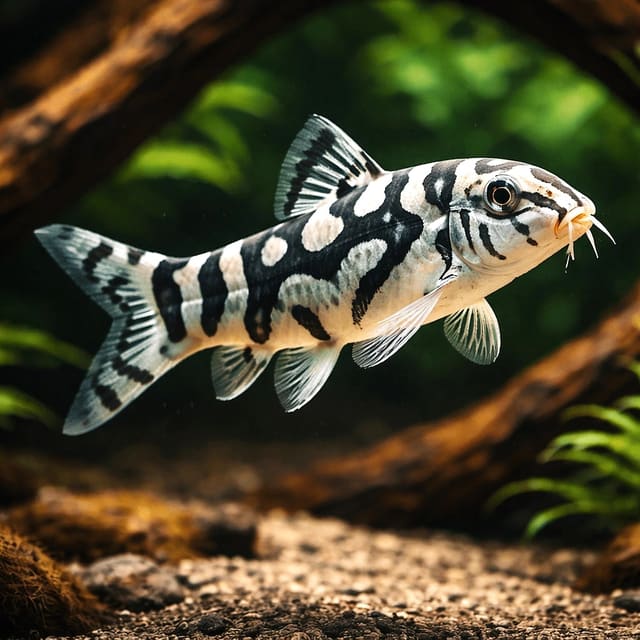
YoYo Loach with bold black and cream markings swimming above gravel and wood

YoYo Loach (Botia lohachata)

24–27°C · pH 6.5–8

£6.29

Also in packs from £19.99

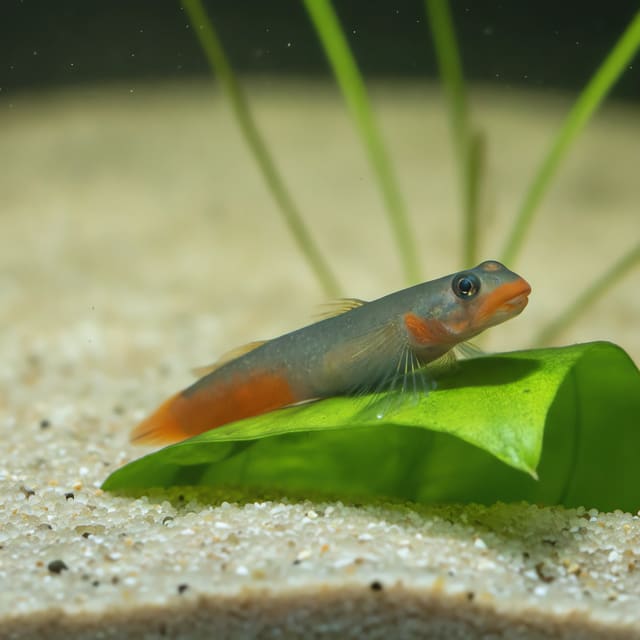
Representative Red Lipstick Goby trade fish; exact stock origin, sex and individual colour not certified
−13%
Moderate

Red Lipstick Goby (Sicyopus jonklaasi)

£17.39£19.99
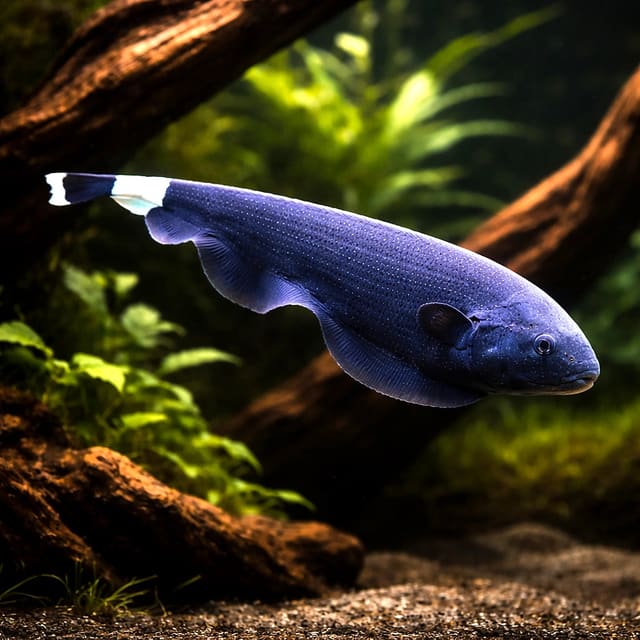
Black Apteronotus Albifrons - Black Ghost Knifefish - South America
−15%

Black Ghost Knifefish (Apteronotus albifrons)

£20.39£23.99
Gold African Dwarf Frog resting with legs spread across dark reddish-brown wood, softly blurred green aquarium behind

Gold African Dwarf Frog (Hymenochirus sp. 'Gold')

22–25°C · pH 7–8

£5.99
Eastern Bottlenose Mormyrid (Mormyrus longirostris) swimming between driftwood above a sandy aquarium bottom
Advanced

Eastern Bottlenose Mormyrid (Mormyrus longirostris)

£35.99
Dwarf puffer (Carinotetraodon travancoricus) side view, gold-green body with dark blotches and a pale yellow belly
Moderate

Dwarf Puffer (Carinotetraodon travancoricus)

22–28°C · pH 6.8–8 · 20L

£9.49
Australian Bonytongue Scleropages jardinii in a large covered aquarium
Advanced

Australian Bonytongue (Scleropages jardinii)

24–30°C

£442.99
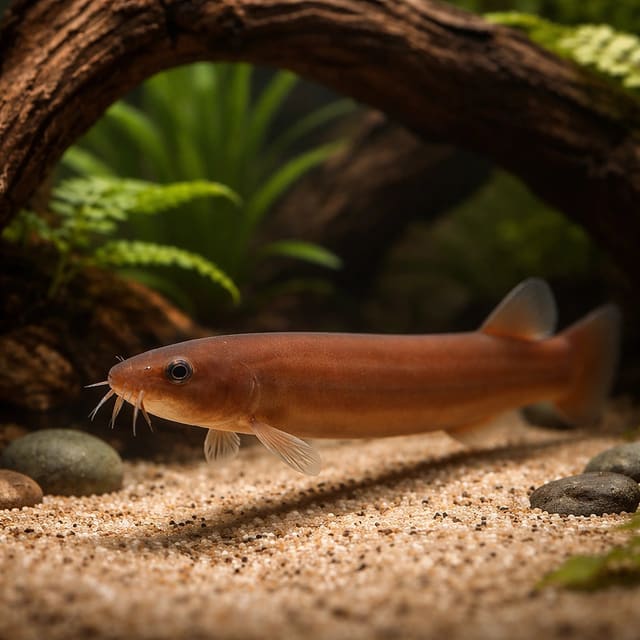
Java Kuhli Loach
Easy

Brown Kuhli Loach (Pangio cf. kuhlii)

24–28°C · pH 5.5–7.5 · 60L

£5.99
Rainbow shark (Epalzeorhynchos frenatum) with a dark grey body, a dark stripe through the eye, a dark spot at the tail base
Moderate

Rainbow Shark (Epalzeorhynchos frenatum)

24–26°C · pH 6.5–8 · 243L

£5.99
Reticulated Hillstream Loach with golden maze-like markings and broad fins above gravel

Reticulated Hillstream Loach (Sewellia lineolata)

20–24°C · pH 6–7.5 · 68L

£11.99
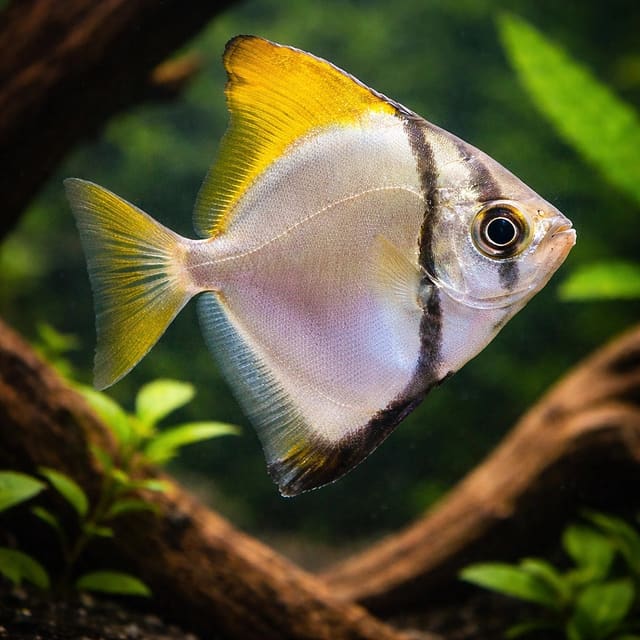
Silver Moony with yellow fins and black bars swimming among green plants and wood
Advanced

Silver Moony (Monodactylus argenteus) – 3–6cm Juvenile Size Grades

24–28°C

£26.99
Saddled Bichir swimming over gravel among wood and green plants, with tan body, dark bands and spread pectoral fins
Advanced

Saddled Bichir (Polypterus endlicherii) – 5–25cm Size Grades

From £17.99Some sizes on sale
Illustrative Dusky Snakehead in a planted aquarium with driftwood
Advanced

Dusky Snakehead (Parachanna obscura) – 1–15cm Size Grades

24–27°C · pH 6–7.8 · 650L

£11.99

Before you choose from this collection

Show

Browse loaches alongside bichirs, knifefish, puffers, eels and other unusual aquarium animals. Compare the adult habitat and feeding needs before choosing companions.

This broad selection also includes amphibians and fish with freshwater, brackish or land-access requirements. The shared collection is a browsing choice, not a promise that its animals can live together.

Frequently asked questions

Social needs depend on the species. Kuhli and clown loaches need suitable company, but the wider collection includes territorial fish and animals that need a different arrangement. Plan the adult group and aquarium before buying; an individual or stated pack offer does not establish the right group size for every species.
Use the selected offer and option for the current price, supplied size, sale unit and availability. A visible listing may be unavailable. Larger specialist animals can also require substantial spending on adult housing, filtration and appropriate food; compare that commitment alongside the purchase price.
Oddball is a broad aquarium trade description, not a biological group. Here it includes bichirs, knifefish, loaches, puffers, gobies and amphibians. Some need surface breathing access, land, particular salinity or specialist feeding. Choose by the exact animal’s requirements rather than the shared label.
Clown loaches grow into substantial, social fish and need suitable adult swimming space and a group. A small supplied size does not make them a small-aquarium choice. Kuhli and dwarf loaches are different species with their own social and habitat needs; compare those needs rather than treating them as interchangeable substitutes.
Some loaches eat snails, but this does not make every fish in the collection suitable for snail control. Assess the named animal’s adult size, social needs, diet and risk to ornamental invertebrates. Address overfeeding and the cause of excess snails; do not add a fish solely as a cleaning tool.
Prepare the correct enclosure before ordering and check the selected animal, supplied size and availability. Use the delivery page for current coverage, arrival arrangements and Live Arrival Guarantee terms, including evidence and contact requirements. Unusual species can need different arrival care, so resolve any uncertainty about identity or housing beforehand.

Watch: Loaches & Oddballs in 60 seconds

Short clips from our own channel — the things keepers most often get wrong, answered in a minute.

The Elephantnose Fish Scans Its Tank With ElectricityThe elephantnose fish lives in murky West African rivers and finds its way, its food and its tank mates with a weak electric field.
This Fish Grew Skin Over Its Own Eyes — On PurposeThe Mexican blind cavefish did not lose its eyes by accident: why the cave form seals them over, and what that means for keeping one.