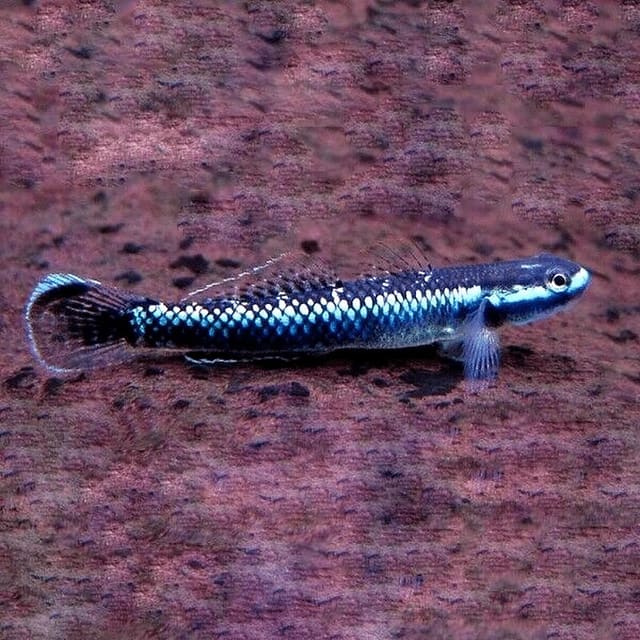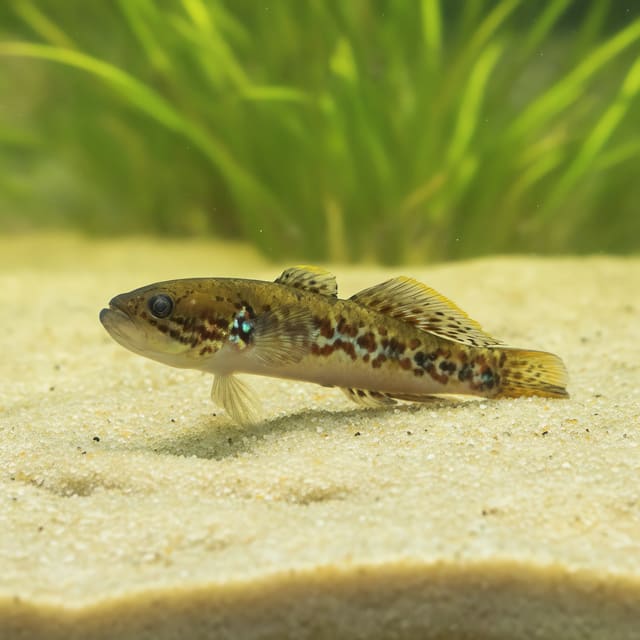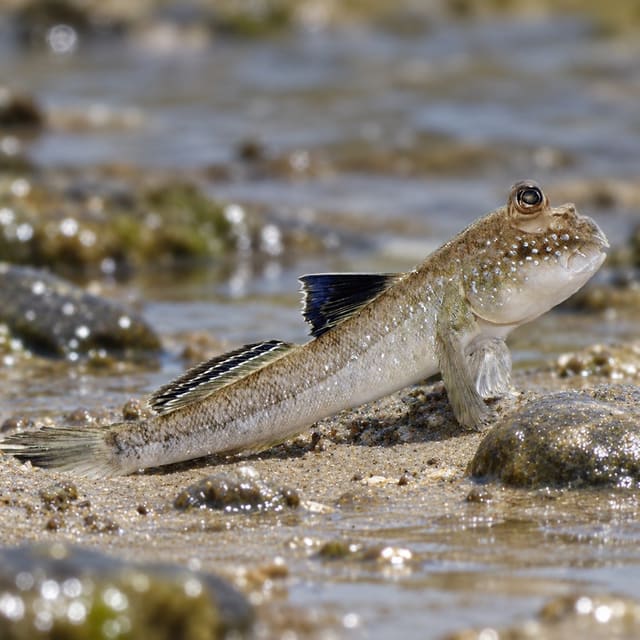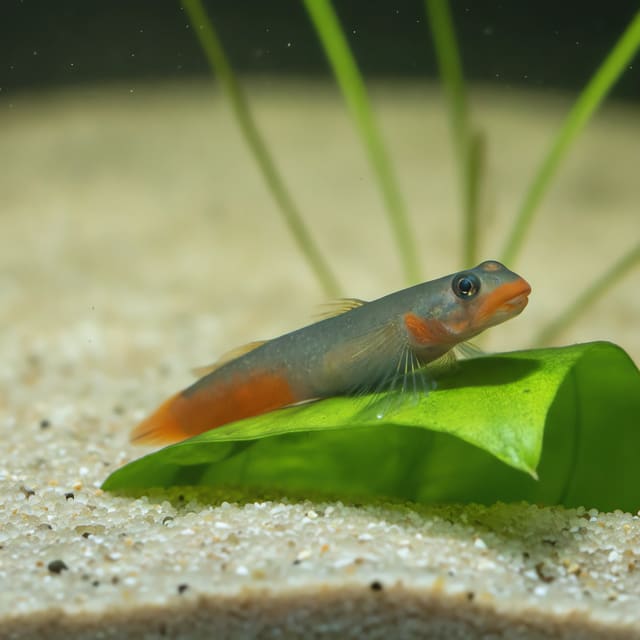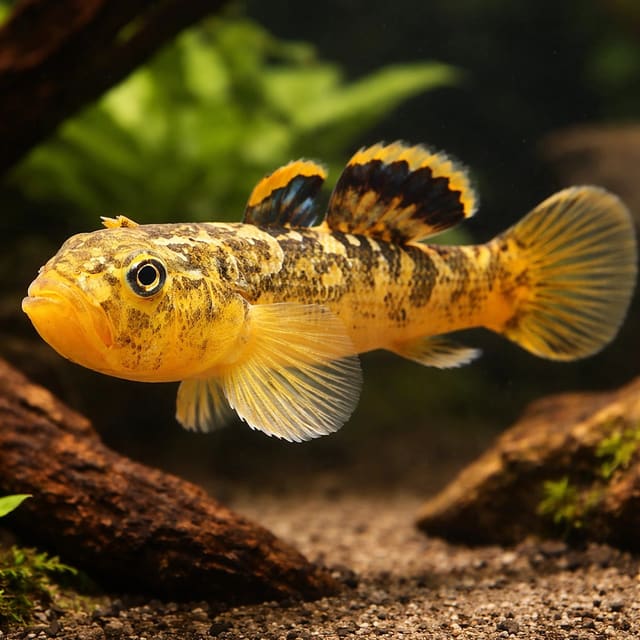
Peacock Gudgeon (Tateurndina ocellicauda)
22–26°C · pH 6.5–7 · 41L
£7.29

Golden Band Bumblebee Goby (Brachygobius sp.) is a small specialist goby sold as one live fish per purchase, with three dispatch-size choices spanning 1–3 cm and no sex guarantee. Plan a mature, filtered aquarium with fine substrate, generous cover and food delivered where this deliberate feeder can reach it.
Brachygobius sp.
Shoaling fish: kept in a group they feel safer, stay calmer and show their best colour.
Minimum of 2 per order.
Golden Band Bumblebee Goby (Brachygobius sp.) is a small specialist goby sold as one live fish per purchase, with three dispatch-size choices spanning 1–3 cm and no sex guarantee. Plan a mature, filtered aquarium with fine substrate, generous cover and food delivered where this deliberate feeder can reach it.
Maintain these water conditions for optimal health and vibrant colors
The Golden Band Bumblebee Goby is a small, bottom-oriented goby with bold yellow and dark banding. It is an appealing choice for the keeper who enjoys watching a fish use low cover, pause on the substrate and investigate food at close range. Its modest dispatch size can make it look like an easy nano-community purchase, but the most important decision comes before choosing a tank: this listing is identified only to the genus Brachygobius. Different bumblebee gobies can have meaningfully different water, salinity, social and feeding needs, so the aquarium should be planned conservatively and the fish watched carefully rather than treated as a generic community species.
The exact species has not been identified, so the care advice here follows the genus Brachygobius and its care group. The World Register of Marine Species accepts Brachygobius as a genus in the goby family Gobiidae. That supports the honest label Brachygobius sp.; it does not justify adding a species epithet from a filename, trade habit or visual resemblance. The name Golden Band Bumblebee Goby remains the useful customer name, while the genus-level scientific label keeps the uncertainty visible.
One purchase supplies one live fish. The listing carries three genuine dispatch-size choices spanning 1–3 cm: 1–2 cm, 2.0–2.5 cm and 2.5–3 cm. The size you select is the size supplied, not the adult size. The live selector is the place to see which choice can be ordered at the time; this description keeps all three established size choices without turning a temporary stock position into permanent copy.
No option on this listing guarantees male or female. Colour intensity, pattern edges, body condition and maturity can also vary naturally from the gallery. Choose the fish for its genus-level character and care needs rather than expecting a particular sex or an exact copy of one pictured animal.
This is best approached as an intermediate-care fish. The label is a store suitability assessment, not a scientific category. It reflects the need to keep a mature biological filter, decide the right water and salinity plan for the actual fish, provide small foods that reach a bottom-dwelling goby, and observe feeding instead of assuming that food added to the aquarium has been eaten. A keeper who likes a species-focused or carefully researched oddball setup will usually find that work rewarding. Someone seeking a fish that can simply be dropped into any mixed tropical aquarium should choose a species with a clearer match to that system.
| Identity | Golden Band Bumblebee Goby, Brachygobius sp. |
|---|---|
| Sold unit | One live fish per purchase |
| Dispatch sizes | Three choices spanning 1–3 cm; selected size is supplied size |
| Sex | No male or female guarantee on this listing |
| Care approach | Intermediate; mature filtered setup, careful water planning and close feeding observation |
| Adult size | No unqualified adult figure is used while the species remains unresolved |
Gallery images have been digitally enhanced to improve image quality. Natural colour, pattern, size and maturity can vary between live animals.
If you are comparing unusual bottom-dwelling fish rather than looking for a predetermined tank mate, browse the loaches and oddballs collection. Every candidate still needs its own water, diet and social check before being combined with this goby.
Before choosing a dispatch size, write down the receiving aquarium's measured temperature, pH and hardness, whether any salinity is used, and which foods can be offered in portions small enough for this fish. Confirm that the filter is mature and that there is a clear place to watch food reach the bottom. Those simple checks matter more than choosing the largest fish in the size list.
Also decide whether this will be a species-focused aquarium or a mixed display. A species-focused plan makes water, cover and feeding easier to tailor. A mixed plan needs a genuine overlap in water conditions and a feeding method that gives the goby time to eat. If those answers are uncertain, resolve them before arranging delivery rather than trying several changes after arrival.
The dispatch choice describes the fish's supplied length only. It does not change the genus-level identity, create a sex guarantee or provide an adult-size prediction. Select the size that suits the established aquarium and the keeper's ability to observe feeding closely.
Sex is guaranteed only when the selected option explicitly states male or female. This Golden Band Bumblebee Goby listing has no sex-guaranteed option.
Build the aquarium around stability, access to food and low-level cover. The goby is small, but small body size does not make unstable water harmless. A mature biological filter, zero measurable ammonia and nitrite, consistent temperature, and a substrate that can be kept clean are more valuable than squeezing the fish into the smallest possible container.
Cycle and mature the aquarium before the fish arrives. A biological filter houses bacteria that process toxic ammonia into nitrite and then into the less harmful nitrate, which is why the RSPCA's general fish-welfare guidance treats filtration as essential. The filter should already be coping with the aquarium's existing waste load; adding livestock gradually gives that bacterial population time to respond to more food and waste.
If this is your first setup, follow the practical sequence in the first tropical aquarium guide before choosing an arrival date. The useful milestones are a conditioned water supply, a running filter, stable temperature, test results showing zero ammonia and zero nitrite, and a maintenance routine you can repeat. The goby should be the final passenger in a prepared system, not the reason a new aquarium is filled in a hurry.
The OATA freshwater goby and blenny sheet gives broad group guidance of 24–27°C, pH 7.5–8.5, general hardness 8–18°dGH and carbonate hardness 5–15°dKH. It also says that needs within the group can be wide-ranging and species-specific, and that salinity must be considered for the individual fish. Use those figures as a cautious group framework, not as proof that every animal sold under the bumblebee-goby name has the same optimum.
Before purchase, measure the receiving aquarium rather than relying on a water-company average or a memory of what the tank once tested. Record temperature, pH and hardness, then compare those readings with the agreed plan for the fish. The aquarium water-chemistry guide explains what the common tests mean, while the water matcher helps organise a comparison. A reading inside a broad range is only the beginning: sudden swings, an uncycled filter or the wrong salinity direction can still make an apparently acceptable number unsafe.
Keep ammonia at 0 mg/l and nitrite at 0 mg/l. OATA's group sheet gives nitrate not exceeding 50 mg/l for freshwater gobies and blennies. Test at least weekly and also whenever the fish stops feeding, breathes differently, hides more than usual or behaves erratically. A new reading after a change is more useful than guessing from water clarity; clear water can still contain toxic nitrogen compounds.
OATA recommends at least 40 litres for a group of the smallest freshwater gobies and blennies and at least 80 litres for a group of the larger species. For this unresolved Brachygobius, treat 40 litres as broad small-goby planning guidance rather than a species-specific minimum or an instruction to keep a particular number. Choose a tank with useful floor area and enough water volume to remain stable under normal feeding and maintenance.
A larger aquarium is often easier to keep steady because temperature and chemistry change more slowly, and it gives you room to separate feeding points and shelters. More litres do not compensate for an immature filter, but they provide a wider margin for daily husbandry. Think about the whole system: footprint, filter capacity, access for siphoning, placement of cover and whether you can watch each fish take food.
OATA's broad goby and blenny guidance recommends aquarium sand or fine gravel to protect sensitive skin. Use a smooth, cleanable layer rather than sharp pieces or deep pockets that trap uneaten food. Leave open patches where you can see food land and remove leftovers, then break up the open space with planted areas and shelters.
Plants, wood, suitable pots and model caves can all provide cover. Arrange them securely and leave enough room for water to circulate around the base. The goal is not a decorative maze that hides every problem; it is a readable habitat where the goby can settle near cover while you can still check body condition, breathing and appetite. If artificial plants are used, inspect them for rough edges before placing them in the tank.
Cover also helps when more than one territorial fish shares the aquarium, but the packet does not establish a group number for this unresolved species. Ask Tropical Fish Co about the current fish and intended group before adding several. Make that decision before purchase so the tank contains enough separate resting and feeding areas from day one.
Use a filter sized for the aquarium and keep its intake safe for a small fish. OATA recommends a partial water change of 25% at least once a week for freshwater gobies and blennies. Use a siphon to lift solid waste and uneaten food from accessible parts of the substrate. The percentage is a routine starting point from the group sheet; actual nitrate trend and feeding load tell you whether the system needs more frequent attention.
Treat replacement tap water with conditioner before it enters the aquarium. Match its temperature closely enough to avoid an abrupt shift. Check the filter for reduced flow or blockage during maintenance. When the media needs cleaning, do not run it under the tap; rinse it lightly in water removed from the aquarium so the established bacterial population is protected from chlorine or chloramine.
Keep a simple weekly record of ammonia, nitrite, nitrate, temperature, pH and water-change volume. The value of the log is not bureaucracy; it reveals direction. A stable pH followed by a repeated fall, or nitrate rising faster than usual, tells you something changed before the fish reaches a crisis. Add observations about appetite and behaviour so numbers and the animal's condition can be considered together.
OATA describes freshwater gobies and blennies generally as omnivorous and names small meaty frozen foods such as daphnia, plankton and brine shrimp as good staples. Some may need live food before accepting frozen food; with time, some learn to take sinking pellets or flakes. Some members of the group also graze algae and biofilm. Because this offer is not resolved to species, begin with the foods the fish is already accepting and broaden the menu gradually rather than assigning it a rigid dietary label.
Feed only what the fish can eat within a few minutes, once a day, as the group sheet advises. Place a small portion close enough for the goby to notice and watch it feed. In a shared aquarium, seeing other fish eat is not proof that the goby received anything. Use more than one feeding point when necessary and pause long enough to see whether the food is swallowed or ignored.
Frozen food should be portioned so that it does not scatter into inaccessible gaps. Remove uneaten pieces before they decay. If live food is used during a transition, keep the aim clear: getting a reluctant fish feeding, then building a varied routine it accepts reliably. A fish that repeatedly refuses familiar food needs a water-quality check and closer assessment rather than ever-larger meals.
Overfeeding harms both sides of the equation. The fish does not benefit from food it cannot eat, and decomposing leftovers release waste that burdens the filter. Small portions, direct observation and prompt removal are safer than pouring in extra food in the hope that some reaches the bottom.
Prepare the aquarium, tests and food before dispatch. On arrival, follow the current store instructions and keep the transfer calm. The delivery policy says to float the sealed bag for 20–30 minutes before release. Do not pour transport water into the aquarium. After transfer, watch from a distance and avoid repeatedly disturbing shelters just to make the fish visible.
During the first week, check breathing, swimming, colour, fin condition, body weight and interest in food. OATA lists darker or paler colour, unusual hiding, faster or slower gill movement, erratic swimming, damaged fins, white spots, fluffy growths, bumps and loss of appetite as warning signs across the group. If anything changes, test water first and contact Tropical Fish Co with the readings and a clear description of what you see.
Keep later changes gradual too. Add livestock slowly so filtration can respond. Avoid rearranging the water plan, feeding method and social group all at once; changing one thing at a time makes the fish's response easier to interpret. Consistency is the foundation of care for a small goby whose exact species requirements cannot safely be reduced to a single generic recipe.
Spend a quiet minute observing the goby before food enters the water. Look for its normal resting place, body outline, breathing rhythm and response to movement nearby. This gives you a baseline for that individual. A fish that is usually visible but suddenly remains hidden, or one that approaches food less readily, deserves attention even when the aquarium still looks clean.
Prepare one small portion rather than feeding straight from a large pack. Offer it where the fish can find it and stay long enough to see food swallowed. If pieces drift behind decor, retrieve what is practical before it decomposes. Note whether the goby accepts frozen food reliably or still needs a live-food transition. The aim is a steady routine with a varied diet the fish actually eats, not the widest menu on paper.
Use the pattern in those observations to guide action. If ammonia or nitrite appears, treat it as an immediate water-quality problem rather than waiting for the next scheduled change. If tests remain stable but appetite or colour shifts, record exactly what changed and ask Tropical Fish Co for help with the readings ready. Clear information about timing, water and food makes support much more useful.
Any new fish increases food input and waste, so add livestock slowly. Test again after a stocking change instead of assuming the filter will absorb it without consequence. If decor must be moved, keep safe cover available and make sure the new layout still leaves visible feeding points and accessible places to siphon.
Seasonal room-temperature changes can alter heater workload and evaporation. Recheck the aquarium rather than automatically topping up or adjusting controls from habit. Water added to replace evaporation does not remove nitrate, while a measured partial water change does. Keeping those two tasks distinct helps preserve both mineral balance and waste control.
Do not choose a freshwater or low-salinity direction from the common name alone. Agree the plan for the actual fish, then keep a written note of the target and any method used to prepare replacement water. That prevents a later water change from accidentally taking the system in a different direction.
Compatibility begins with water and feeding, not with a list of attractive names. OATA notes that freshwater gobies and blennies come from specialised habitats and that few are well suited to a standard community aquarium. A companion that prefers different mineral levels or salinity is a poor match even if both fish appear calm. A fast, assertive feeder can also be unsuitable when a small bottom fish needs time to notice and take tiny foods.
Compare temperature, pH, hardness and any salinity requirement for every animal under consideration. Use the tighter compatible plan rather than averaging two incompatible ranges. If the goby's current routine involves a salinity direction the other species cannot share, keep them separately. The same applies when one species needs strong flow or a feeding pattern that works against the goby's access to food.
Then consider scale and behaviour. Provide enough floor space, shelter and feeding access for the number of animals involved. Observe what actually happens at meal time and around cover. Chasing, repeated displacement from a resting place, a fish becoming darker or paler, hiding more than normal, or declining body condition all deserve attention. A tank can look peaceful from across the room while one animal consistently misses meals.
Social needs vary across the goby and blenny group: OATA notes that some species require male-and-female pairs while others tolerate different arrangements. This listing provides no sex-guaranteed option and no confirmed species-level group count. Do not buy a pair on the assumption that it will be male and female, and do not infer sex from the gallery. Ask about the present fish and plan enough separated cover and feeding points before keeping more than one.
A species-focused aquarium is often the clearest way to manage uncertainty because every shelter, food choice and water decision can be made for the goby. A mixed setup may work only when the companions genuinely share the same conditions and allow the fish to feed. That is a conditional decision, not a promise attached to a particular common name.
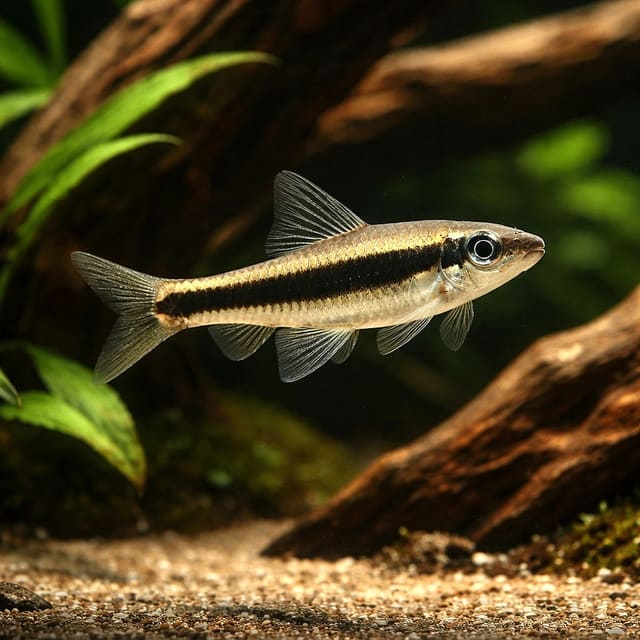
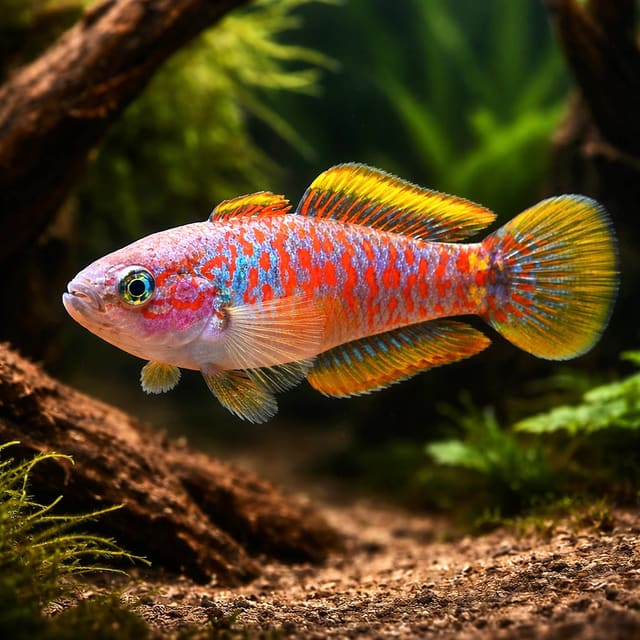
Related products on this page are browsing alternatives, not an approved companion list. A Peacock Gudgeon or Blue Neon Goby may interest someone comparing goby-shaped oddballs, but each has its own habitat and care requirements and should be assessed independently.
Run a proposed companion through three questions. First, can both animals share the same stable water and salinity plan? Second, will the aquarium provide enough floor space and cover for the goby to rest without being repeatedly displaced? Third, can you feed both animals while seeing the goby take its own portion? A convincing yes to only one or two questions is not enough.
After introduction, watch the aquarium at different times, especially during meals. Compatibility can fail through quiet food competition rather than obvious injury. Declining body condition, persistent hiding or a repeated colour change is as important as chasing. If a fish cannot use shelter or feed normally, separate it rather than hoping the pattern will resolve itself.
Reassess the plan as animals grow and as the group changes. A combination that appears spacious at dispatch size may create different pressures later. Because this listing does not supply a species-level adult figure, avoid using a guessed growth number to justify a permanent stocking decision; preserve room and a practical separation option.
This listing uses Brachygobius sp. because the fish is supported at genus level but not identified to a single species. Keeping the label at genus level avoids assigning care or adult size from the wrong bumblebee goby.
OATA's broad freshwater goby and blenny guidance gives 24–27°C, pH 7.5–8.5, 8–18°dGH and 5–15°dKH, with ammonia and nitrite at 0 mg/l. Needs within the group can be species-specific, including salinity, so confirm the current fish's routine before purchase.
OATA recommends at least 40 litres for a group of the smallest freshwater gobies and blennies. Use that as broad group planning guidance rather than a species-specific minimum, and favour a mature tank with useful floor area, fine substrate, filtration and cover.
There is no single genus-wide number: OATA notes that social arrangements vary between goby and blenny species. This listing does not guarantee sex, so confirm the intended group before ordering several and prepare separate shelters and feeding points.
It is rated intermediate by the store because the exact species is unresolved and the keeper must manage water, possible salinity needs and food delivery carefully. A prepared keeper with a mature aquarium and reliable test routine can make a sound plan; it is not a universal community fish.
OATA's group guidance names small frozen daphnia, plankton and brine shrimp. Some gobies may need live food before accepting frozen food, and some later accept sinking pellets or flakes. Feed a small amount once daily and watch the goby eat within a few minutes.
Few freshwater gobies and blennies are well suited to a standard community aquarium. Consider companions only when they share the same water and possible salinity plan, provide enough space around cover and do not prevent the goby taking small food.
Tropical Fish Co hand-packs live fish in pure oxygen, uses an insulated box and adds a heat pack when the weather calls for it, then sends the parcel with a licensed live-animal courier. For a Live Arrival Guarantee claim, make one continuous unboxing video before opening the sealed parcel, keep the fish in the sealed bag on camera and contact the store the same day with your order number.
Identity: World Register of Marine Species: Brachygobius supports the accepted genus and family placement. The Brachygobius genus overview explains why several small banded gobies share the bumblebee-goby trade name; it is used for general context, not species-level care values.
Husbandry: The Ornamental Aquatic Trade Association goby and blenny care sheet supplies the broad water, aquarium, feeding, maintenance and compatibility guidance. Its ranges cover a diverse group rather than one confirmed species. The RSPCA aquarium environment guidance supports the general filtration and nitrogen-cycle explanation.
Delivery: Read the current delivery and Live Arrival Guarantee policy before dispatch for packing, receiving and claim steps.
No reviews for this item yet. Bought one? Honest reviews only, good or bad.
What customers say about ordering from us
I have a small group of long finned mountain minnows. So was delighted to be able to order ten of this variety to increase the genetics in my tank . The ones I recieved are healthy but it’s to early to give a verdict on wether they are of a long finned type since they are small currently.
Gordon Walker · 23 Sept 2026
100% success travel and "installation". Pleased with quality of purchase. The Siamese fighter a bit "shy" so have not yet seen him at his best yet but looking good. Happy customer. GG
George E Garratt · 21 Sept 2026
Reviews of our shop, collected by Judge.me, an independent third-party review collector. Newest first.