

Easy
Blue Moscow Male Guppy (Poecilia reticulata)
22–28°C · pH 7–8 · 45L
£4.09
Find tropical freshwater fish for your aquarium, then compare adult space, water and social needs.
1,729 listings · 915 available. Sold-out choices stay visible.
1729 products
22–28°C · pH 7–8 · 45L

21–25°C · pH 5–7
Also in packs from £21.49

22–26°C · pH 6–7.8 · 75L
Also in packs from £55.49

24–27°C · pH 6.5–6.5
Also in packs from £6.19

22–27°C · pH 6–8 · 72L

23–27°C · pH 5.5–7 · 60L
Also in packs from £9.09

22–27°C · pH 6–8

24–27°C · pH 6.5–8 · 200L
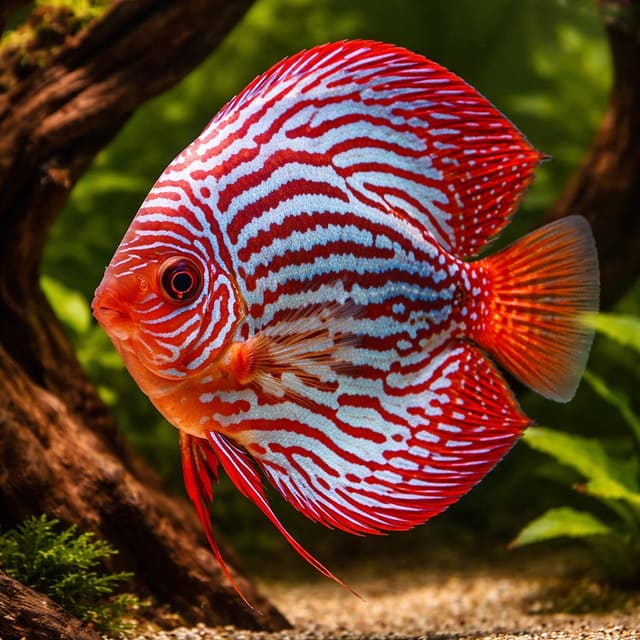
26–30°C · pH 6–7.5
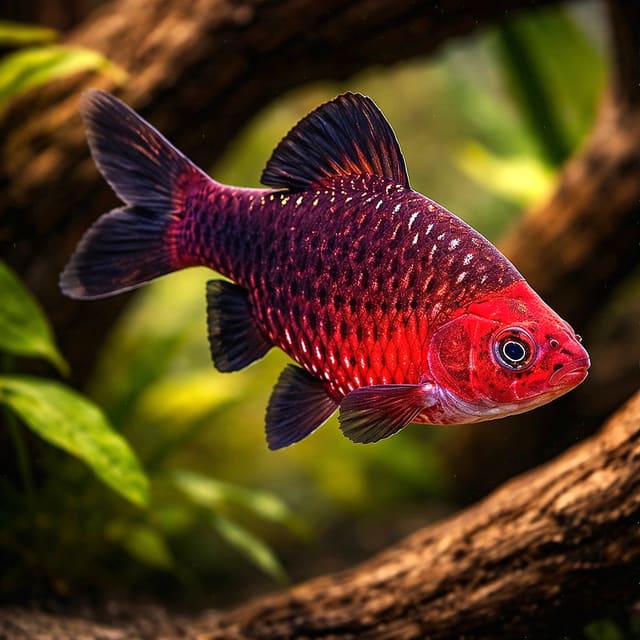
22–26°C · pH 6–6.5 · 72L
Also in packs from £9.59
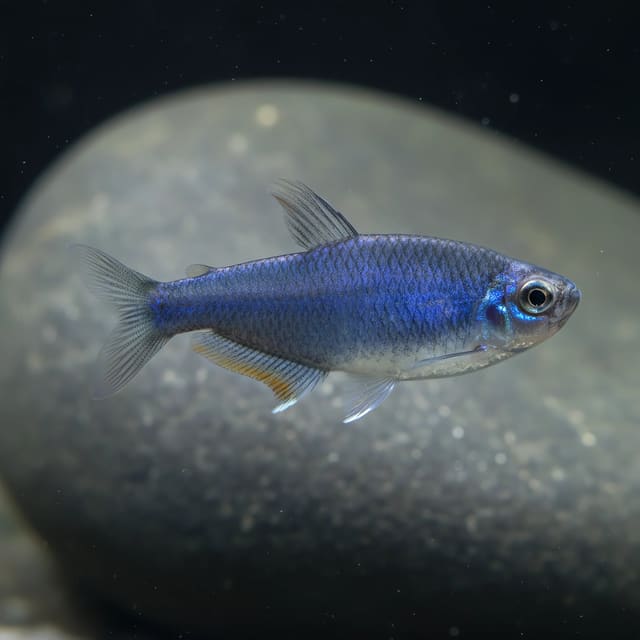
24–27°C · pH 5.5–7 · 68L
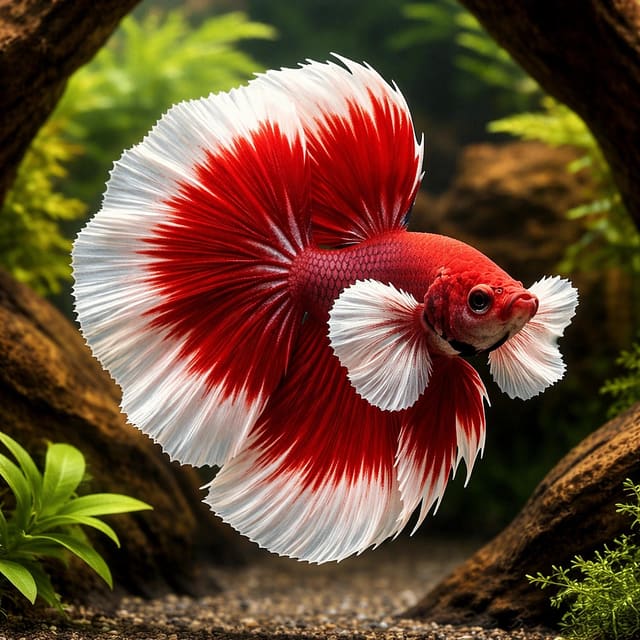
26–28°C · pH 6–8
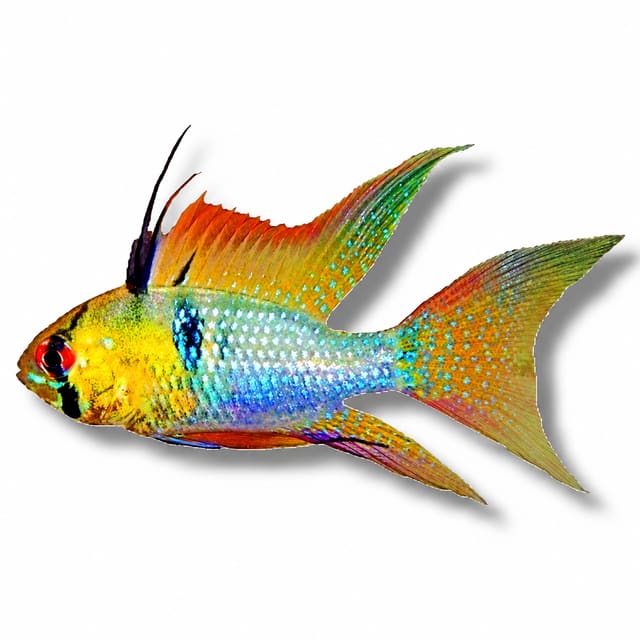
27–30°C · pH 4–7 · 54L
Also in packs from £11.99
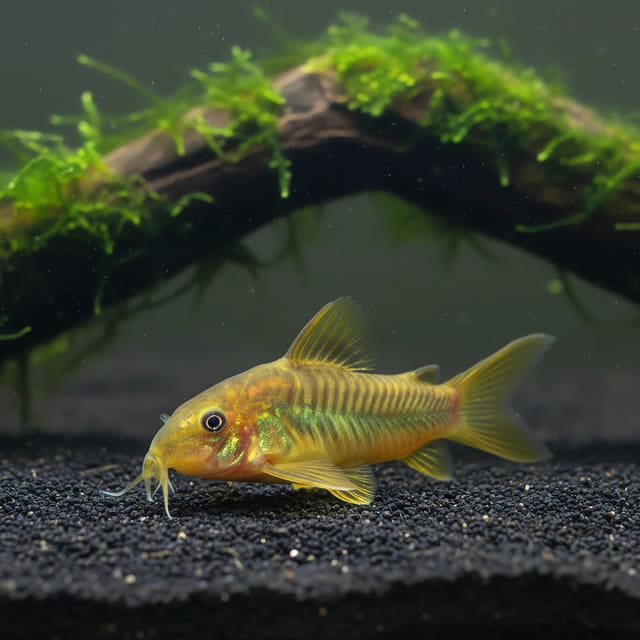
22–26°C · pH 6–7.5 · 60L
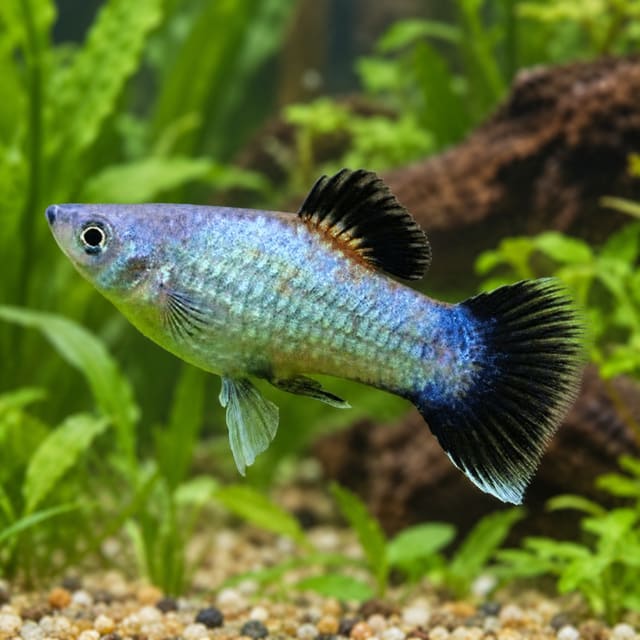
20–26°C · pH 7–8.2 · 54L
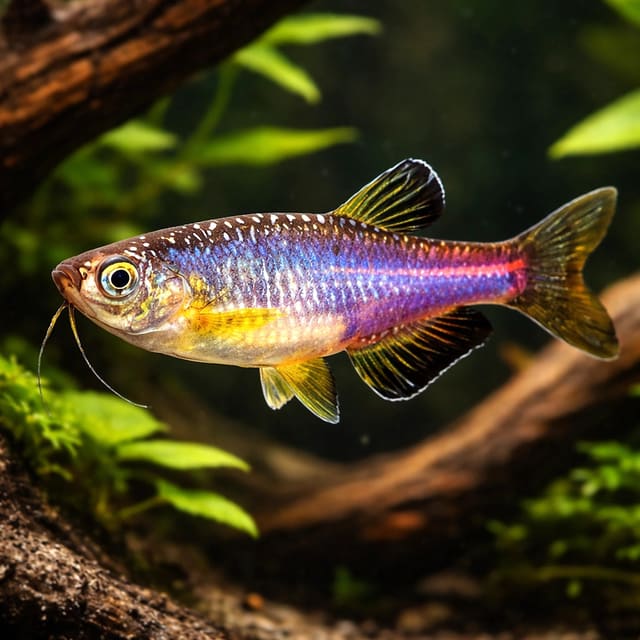
16–25°C · pH 6–8
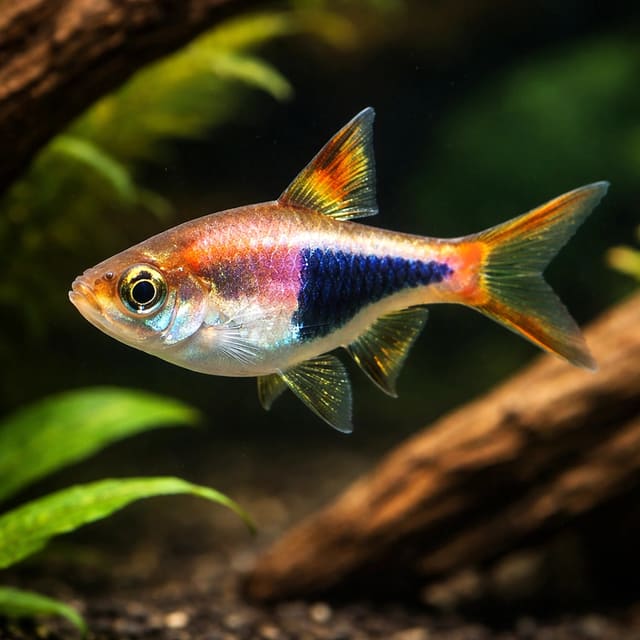
21–28°C · pH 5–7.5 · 54L
Also in packs from £12.99

22–23°C · pH 6.5–8

20–28°C · pH 6–7.5 · 540L
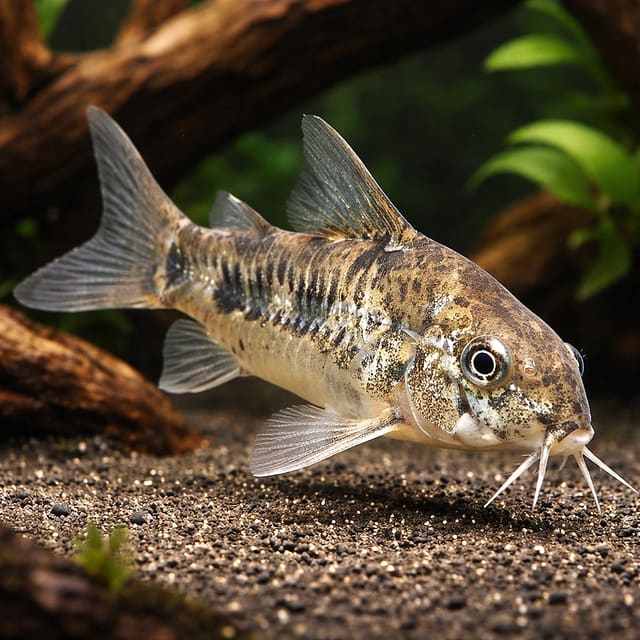
22–23°C · pH 6–7 · 70L
Also in packs from £9.89
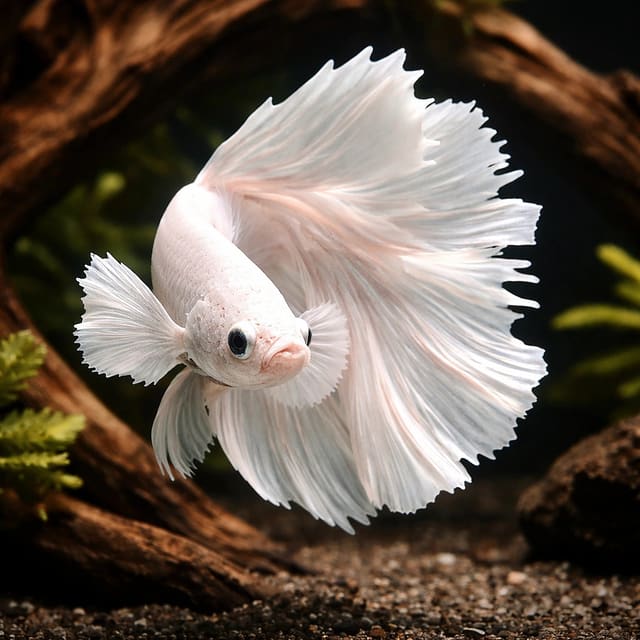
20–28°C · pH 6–8
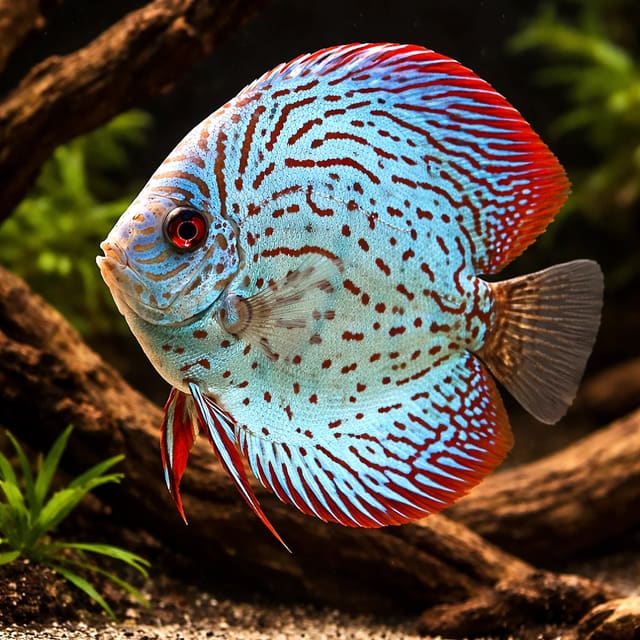
26–30°C · pH 6–7.5
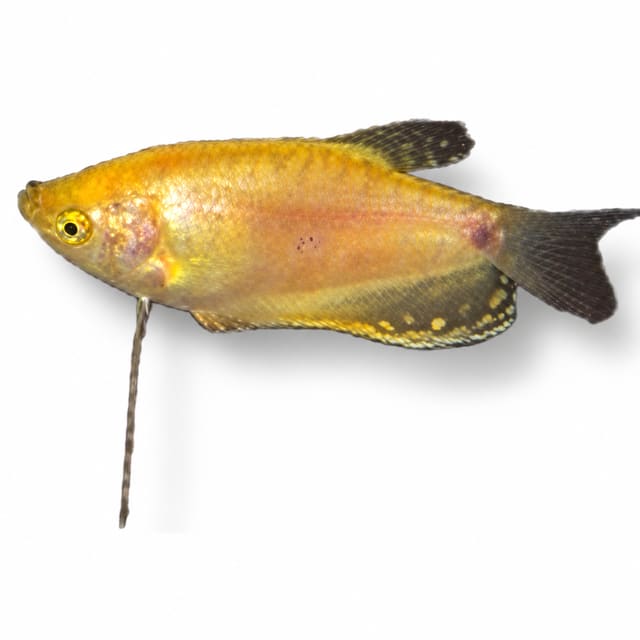
24–28°C · pH 6–8 · 81L
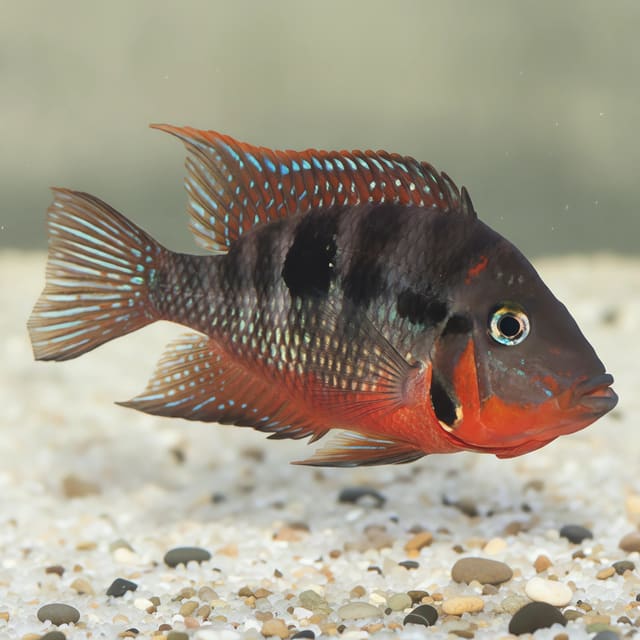
20–32°C · pH 6.5–8.5 · 108L
Live prices · Live Arrival Guarantee
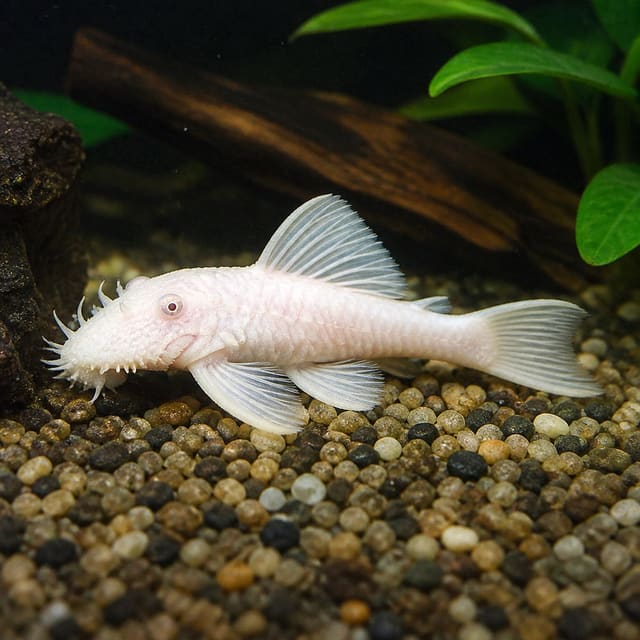
22–27°C · pH 6–8
22–27°C · pH 6–8 · 72L
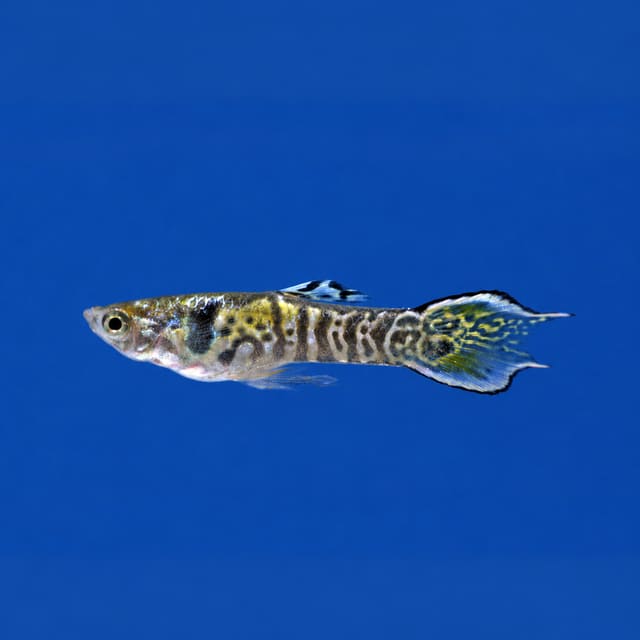
24–30°C · pH 7–8.5 · 41L
21–25°C · pH 5–7
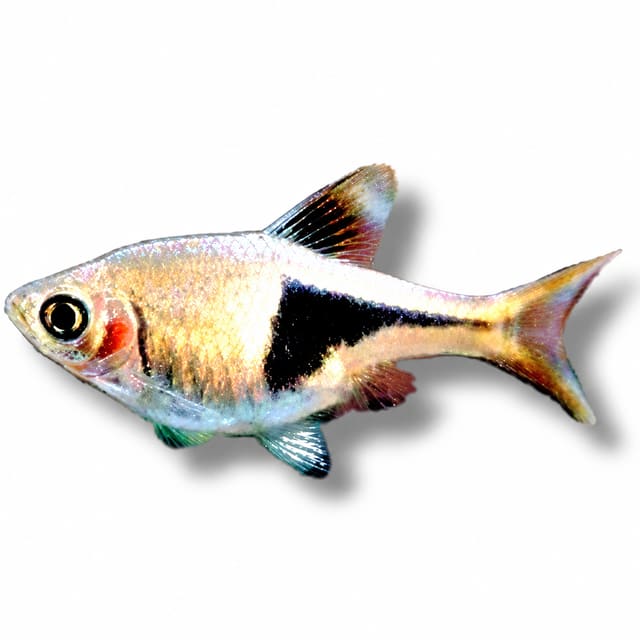
22–25°C · pH 5–7
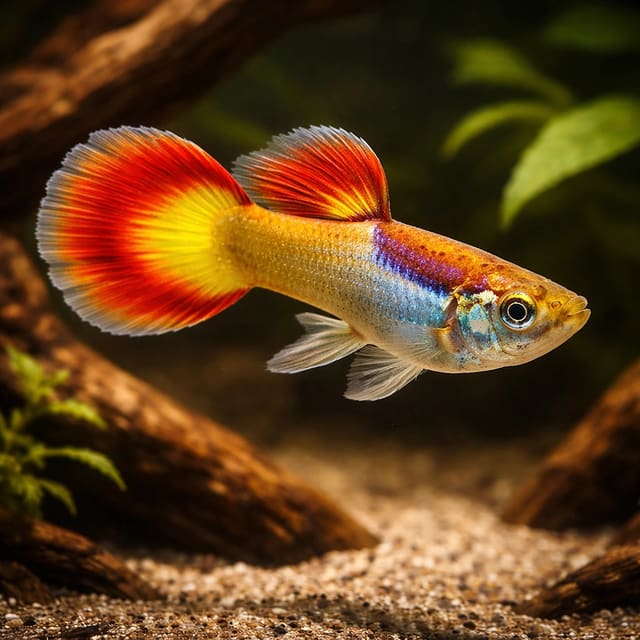
22–28°C · pH 7–8 · 41L
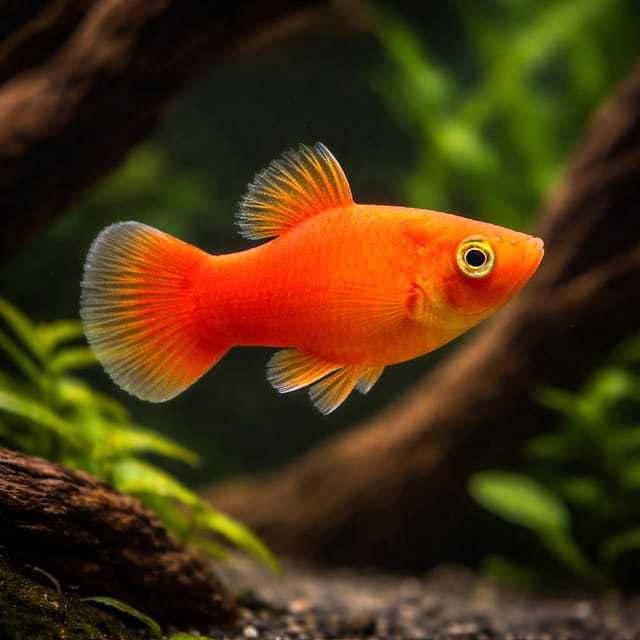
20–25°C · pH 7–8 · 54L
23–27°C · pH 5.5–7 · 60L
Each tile is a curated category — filter by species, tank size and more inside.
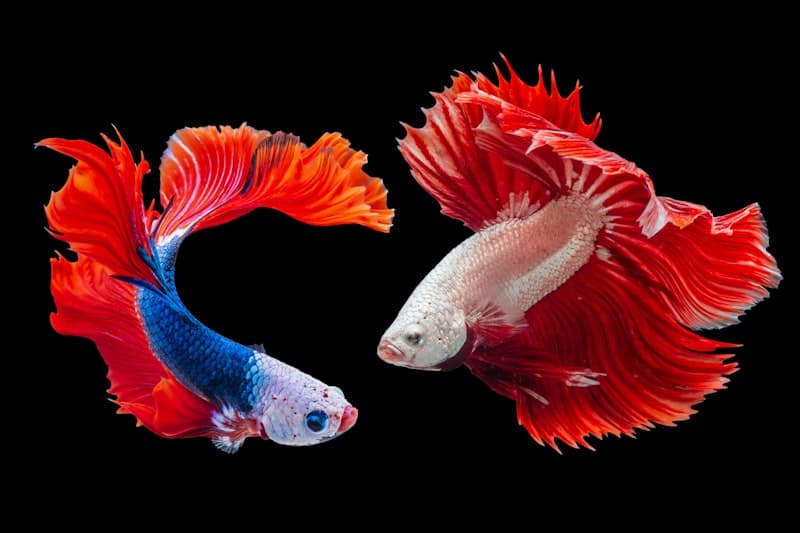
Halfmoon, plakat, wild-type — UK-stocked
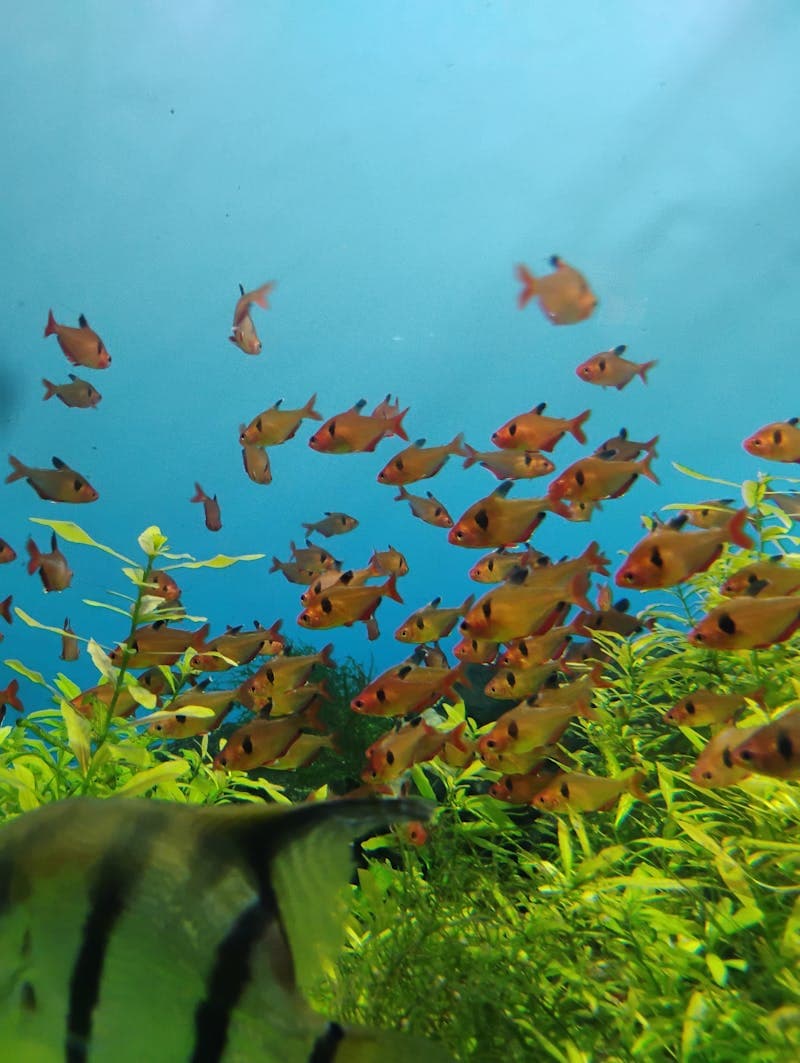
Cardinal, Neon, Ember & schooling tetras
Mbuna, Peacock, Aulonocara, Frontosa
Bristlenose, Corydoras, L-number specials
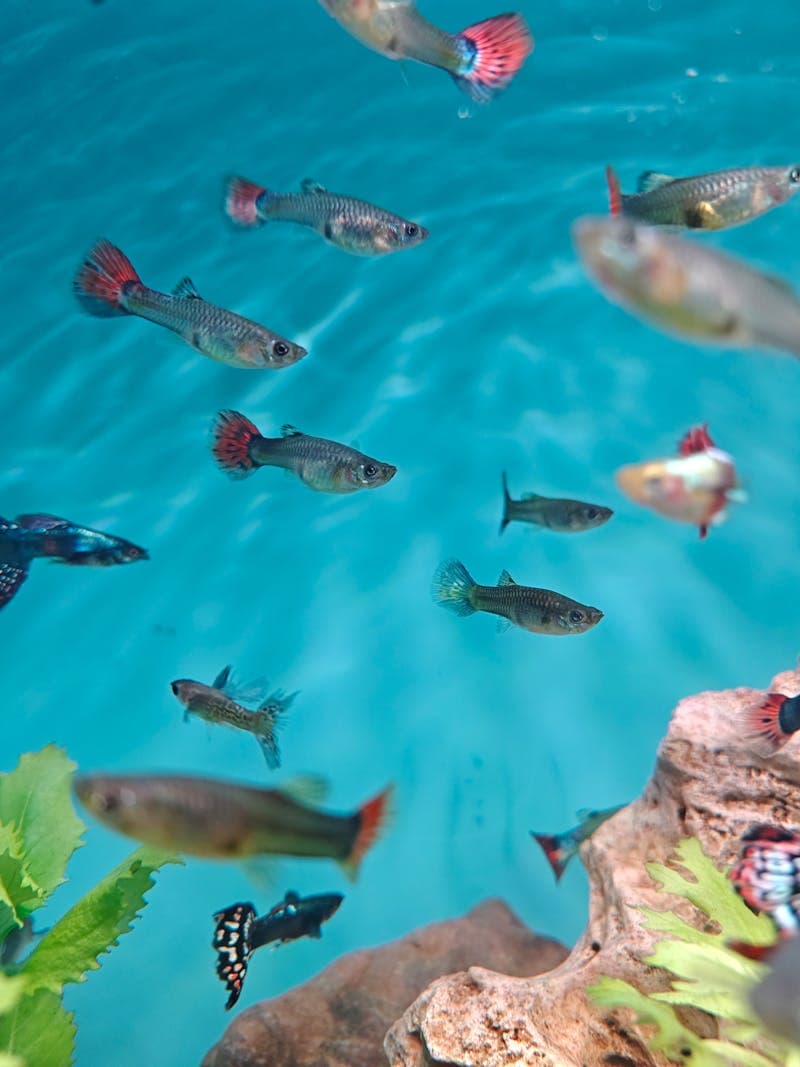
Guppies, Endlers, Mollies, Platys, Swordtails
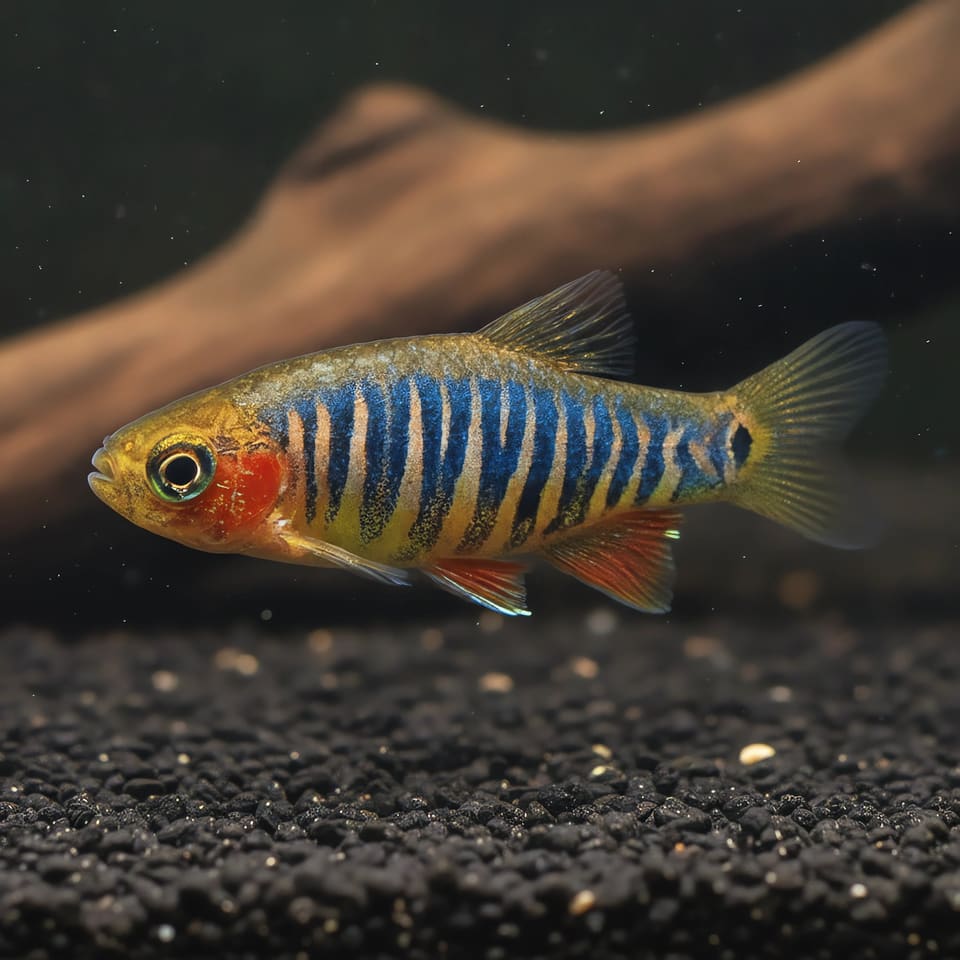
Harlequin, Chili, Galaxy, Zebra and more
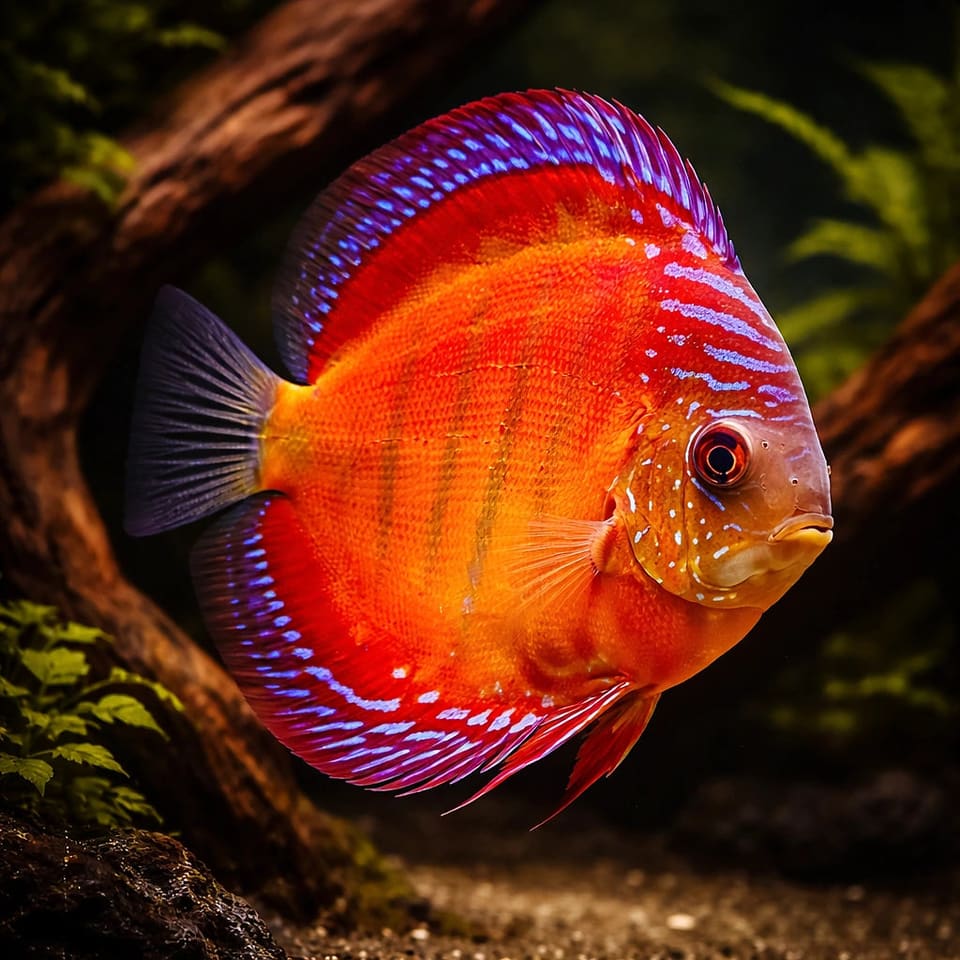
Stendker, Pigeon Blood, Royal Blue strains
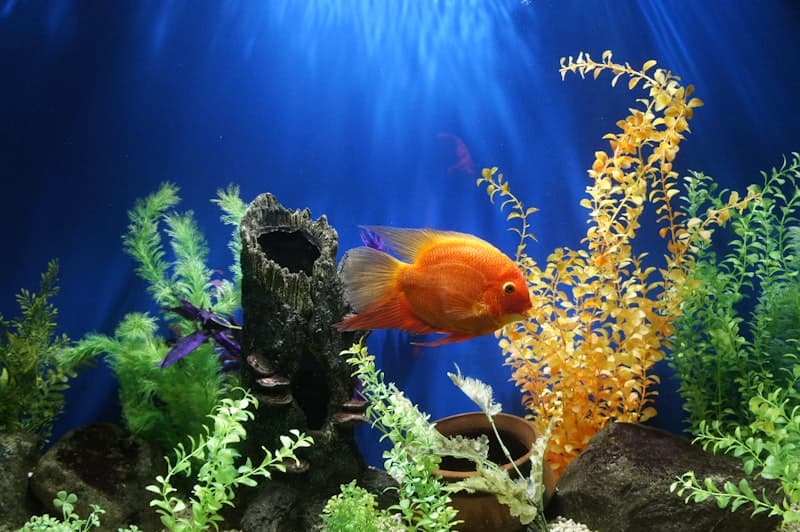
Kuhli, Hillstream, Yoyo, oddball specials
The full Tropical Fish Co range — every live hub in one index.
The product grid above is a live shopping tool, not a compatibility promise. Begin with the aquarium's mature water volume and footprint, stable temperature, tested pH and hardness, filtration and existing livestock. Then compare those conditions with the exact fish at its adult size—not only the colour or size shown in a sale photograph.
UK welfare guidance recommends planning around adult fish size, installing suitable filtration, completing a fishless cycle and testing the water before livestock is added [2]. OATA's pet-purchase code also asks buyers to consider adult size, lifespan, equipment, time and continuing cost before making the commitment [3]. Neither source turns one tank size or one list of tank mates into a universal rule.
| Start with | Compare on the exact listing or guide | Stop and check if |
|---|---|---|
| Adult space | Mature length, body shape, swimming style, aquarium base and usable volume | Only the juvenile sale size is clear |
| Water | Temperature, pH, hardness and stability | Your water has not been tested |
| Social needs | Required group, territory and sex ratio where relevant | “Community fish” is the only compatibility detail |
| Existing animals | Adult size, speed, feeding access and predation risk | A suggested pairing is treated as guaranteed safe |
| Long-term care | Diet, expected commitment, equipment and backup space | The purchase depends on the fish doing a maintenance job |
OATA's UK distance-selling guide says live-animal information should cover the current and potential adult size, common and scientific name, compatibility, water parameters, minimum aquarium guidance, diet, origin, guarantee and price [1]. For this catalogue, the practical check is:
The live cards own price and availability because both can change. Care guides own deeper husbandry reasoning. If an important detail is absent or the sources disagree, pause and ask rather than filling the gap with an assumption.
Use family collections to create a shortlist, then return to each exact fish:
This page is deliberately fish-only. Browse Shrimps and Crustaceans, Freshwater Snails or Goldfish and Cold-water Fish in their own clearly labelled collections.
“Best together” is not a species list. For every proposed combination, ask five questions:
Our tank-mate tool can help organise that comparison, but it cannot observe the individual fish or guarantee the outcome. Stocking examples and “community” labels are starting points, never safety promises.
Read the current delivery information before payment. Check your postcode, the available dispatch day, delivery charge, who will receive the parcel and the exact Live Arrival Guarantee conditions. Prepare the correct, fully cycled aquarium before dispatch rather than trying to build or stabilise it after the fish has travelled.
On arrival, follow the instructions supplied for that shipment. Packing method, journey and source water can differ, so a universal timer copied from another order is not automatically correct. The acclimation timer is a prompt for the chosen process, not a substitute for the current shipment instructions. The returns and live-arrival policy explains the evidence and contact timing required if there is a problem.
Do not order yet if the aquarium is uncycled or unstable, the water has not been tested, adult size or identity is unclear, the required group will not fit, you cannot receive the delivery promptly, or the plan has no safe fallback for territorial or predatory behaviour. A product being available does not remove those constraints.
Tropical Fish Co is the retailer of products linked from this page. That commercial relationship is why current stock and purchase controls appear early. It does not change the welfare evidence, make every animal suitable or turn availability into a recommendation.
Explore bettas by species, fin form and stated sex. Compare current sizes and prices, then check the housing guide before choosing your fish.
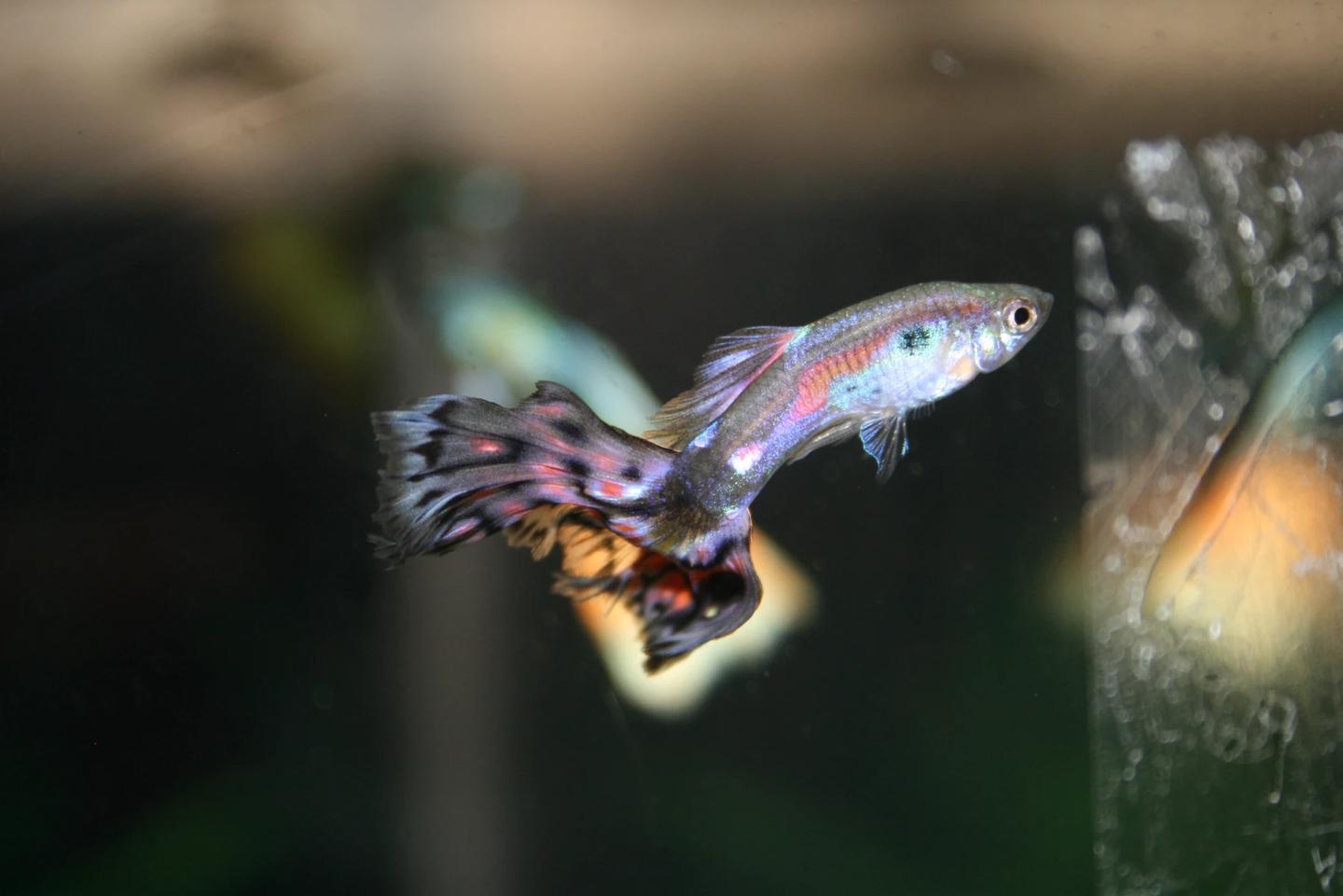
Fancy guppies including Moscow, Cobra and Dumbo ear forms. Browse Endlers separately. Match listing water needs to your tank water.
Compare Standard, Diamond and Yellow Neon Tetras, plus a 20-fish pack. Check supplied sizes, quantities and care before planning your aquarium group.
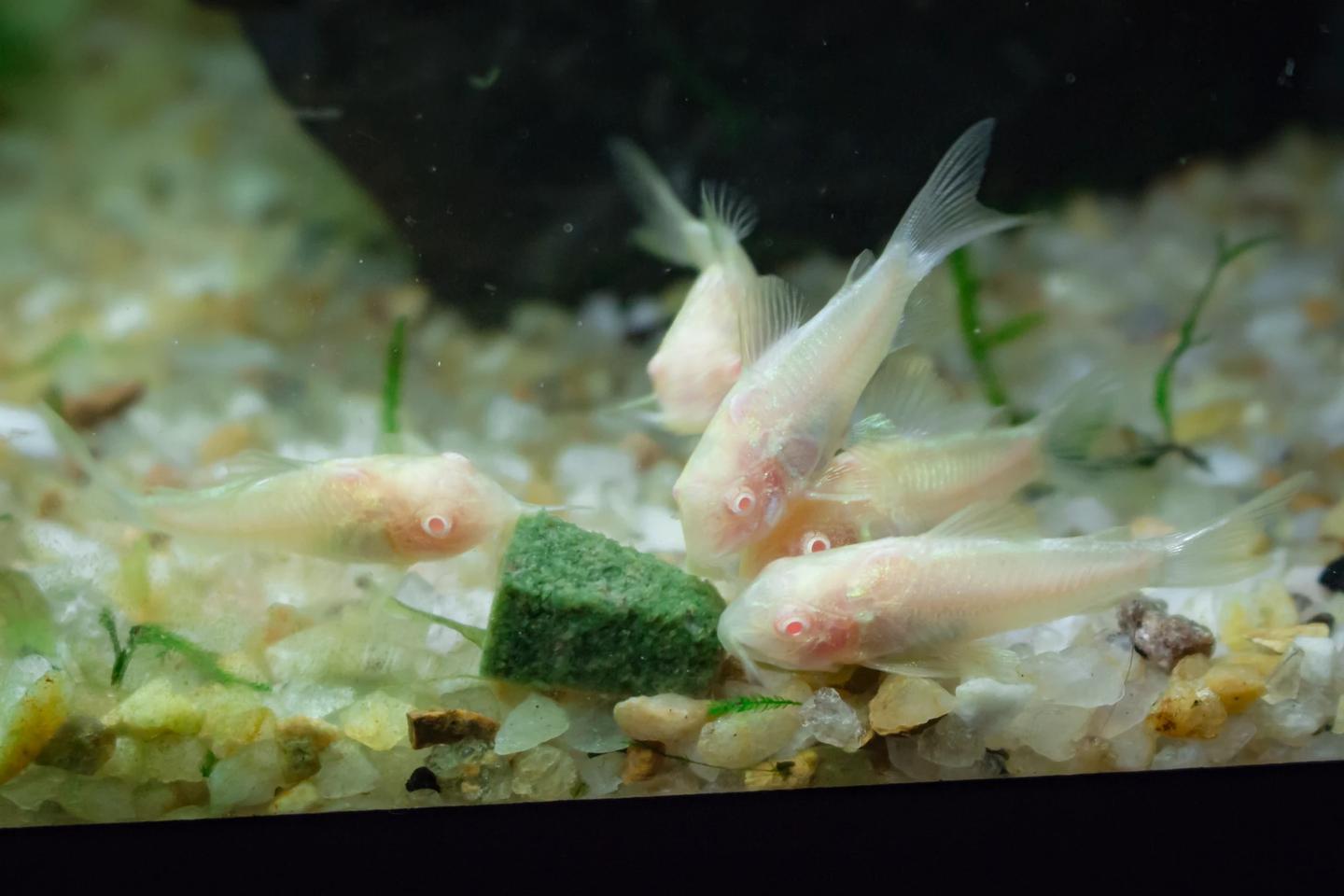
Shop current Corydoras catfish listings in the UK. Compare scientific identity, size and sale unit, with price and availability shown per product.
Shop Bristlenose plecos in the UK, including common, albino, Super Red, Snow White, longfin and selected L-number Ancistrus. Live Arrival Guarantee.
Explore African cichlids and compare their adult needs, supplied sizes and current prices. Distinguish Rift Lake species from riverine fish before choosing.
Compare tetras and related characins, from Ember and Cardinal Tetras to specialist larger fish. Check adult needs, current sizes, prices and sale units.
Keep cardinal tetras thriving in UK water: check tank size, group size, tank mates, temperature and cardinal vs neon differences before you buy.
Evidence-checked guppy care for UK aquariums: tank size, social and sex planning, water, feeding, tank mates, health, breeding and buying.
Learn which freshwater aquarium water parameters to test, how to read ammonia, nitrite, nitrate, pH, GH and KH, and when a result needs action.
Set up a tropical fish tank in 10 evidence-led steps: choose the tank, install filter and heater, cycle safely, test the water and add fish carefully.
Buy tropical fish online in the UK — licensed live-animal courier checks, retailer standards, acclimation steps and live arrival guarantees.
Read or listen to our beginner tropical fish guide — 10 hardy UK-friendly species, stocking order, tank size and simple first-community picks.
Material factual claims cite the sources below; store policy and cautious inference are labelled in the article. Sources are grouped by type so you can judge their weight at a glance.
UK welfare guidance on adult-size planning, filtration, fishless cycling and water testing; not a universal tank size or species-compatibility source.
UK trade-body guidance on the information a distance listing should provide, buyer suitability checks, care information, delivery and guarantees; not species-specific husbandry evidence.
Pre-purchase planning guidance covering adult size, lifespan, equipment, time and continuing costs; not a promise that any listed fish is suitable.

Evidence-led aquarium editorial team
The Tropical Fish Co editorial team compiles care guidance from the sources cited on each page, separates published evidence from practical husbandry policy, and checks retail links against the current catalogue. First-hand experience is included only when a named contributor and the observation have been verified.