
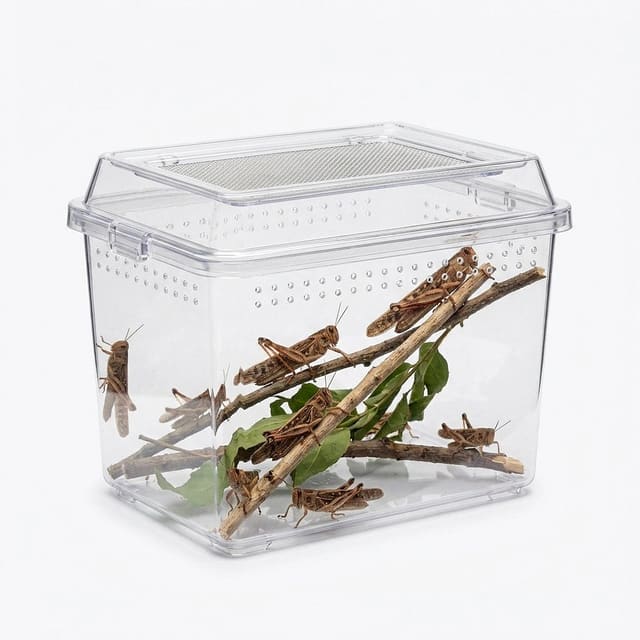
Live Locust Packs for Reptiles (Locusta migratoria)
£8.69
168 products available
Premium fish food — dried, frozen, and live food from top brands to keep your fish healthy and vibrant.
168 products
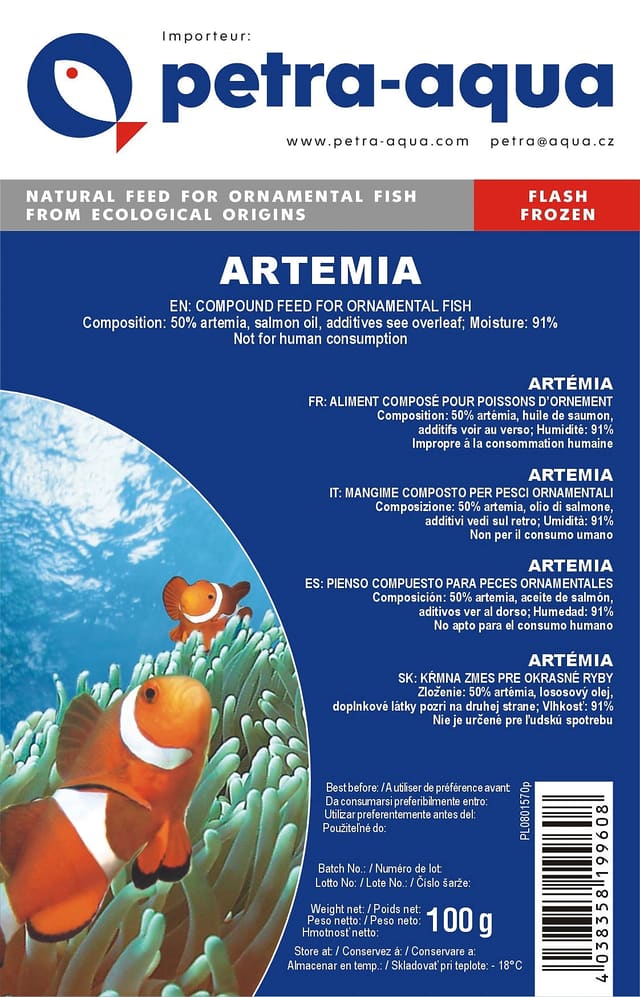
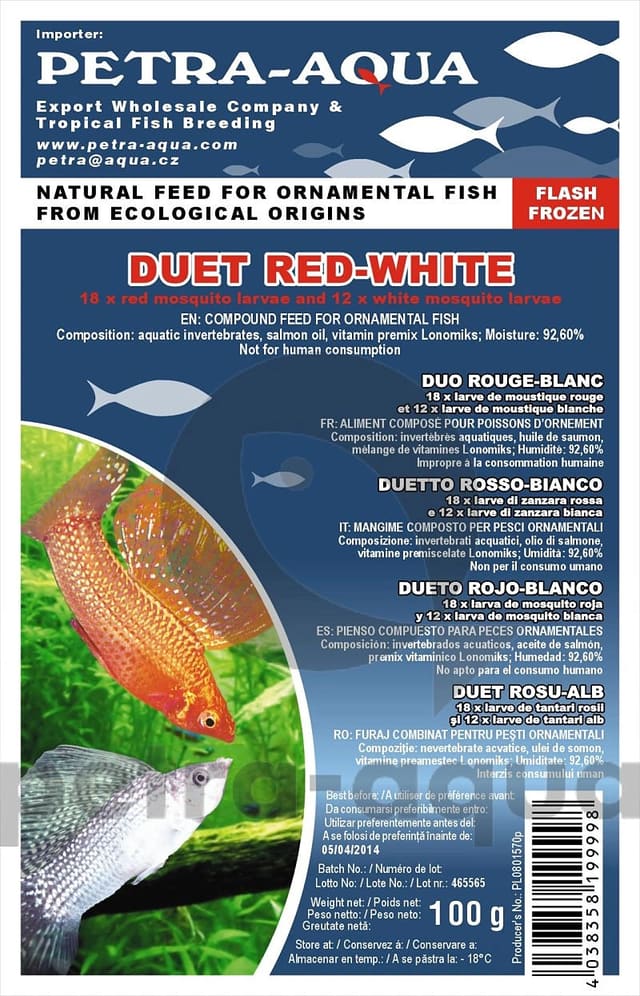
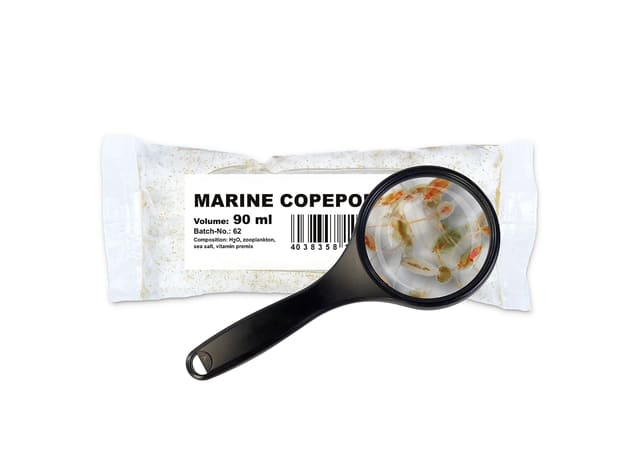
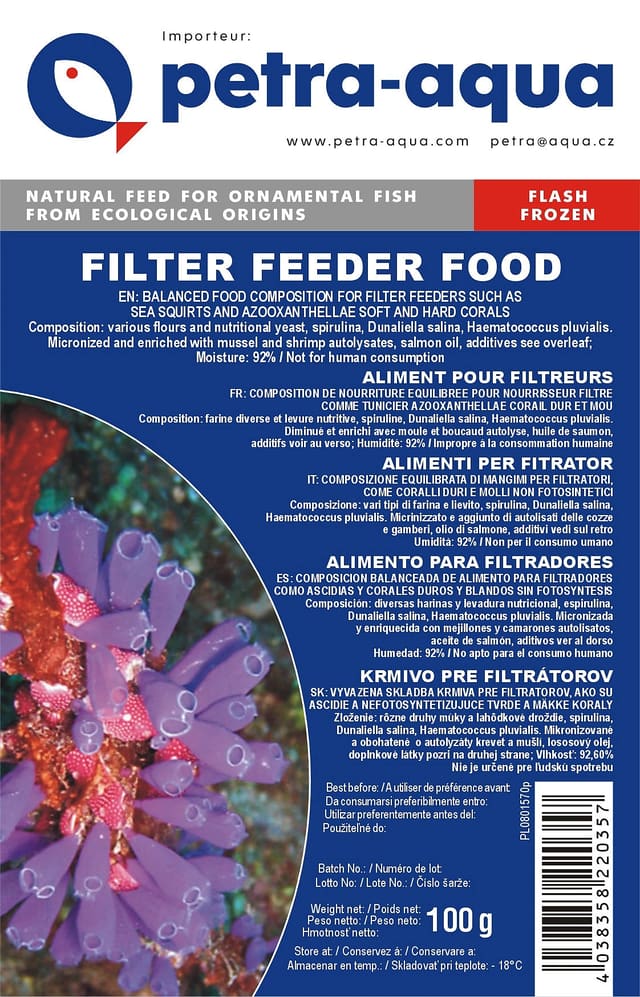
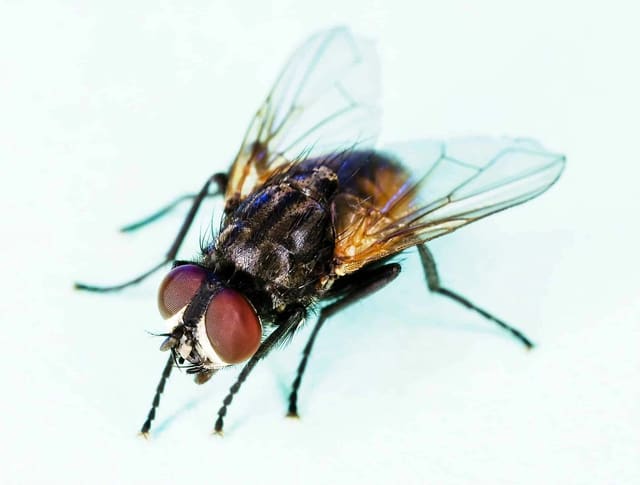
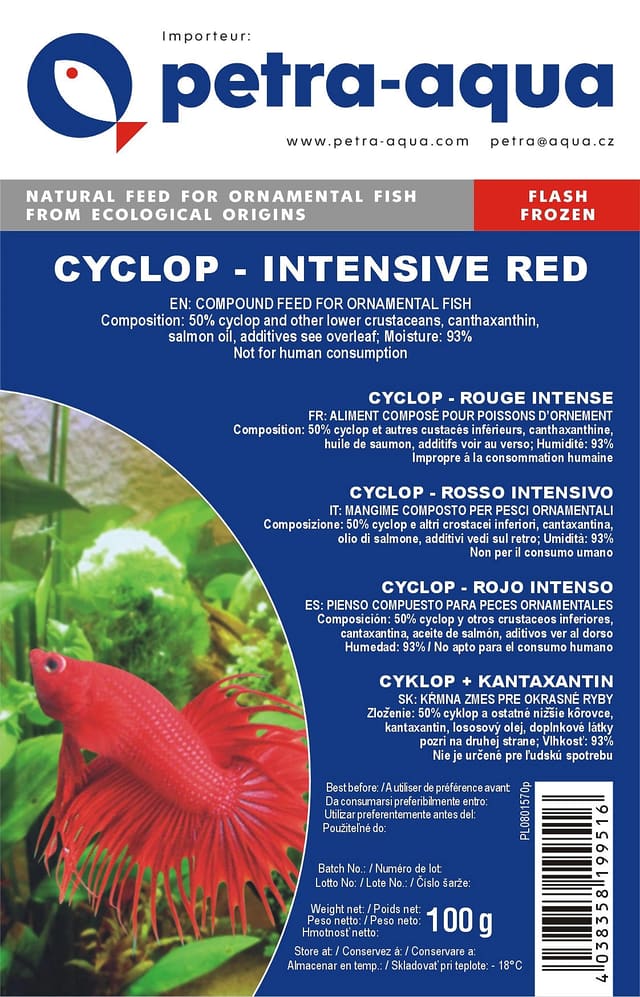
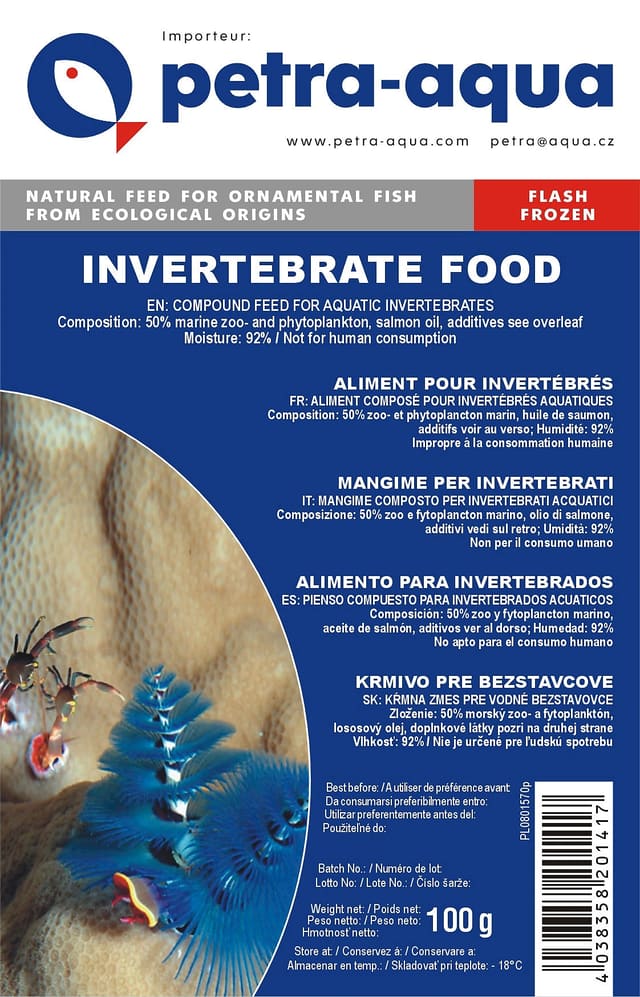
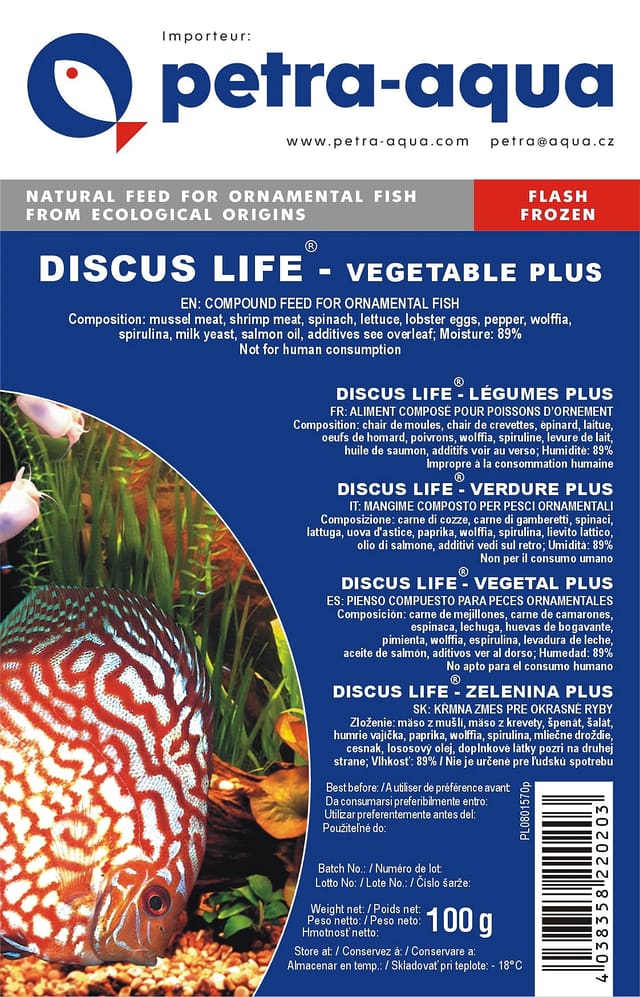
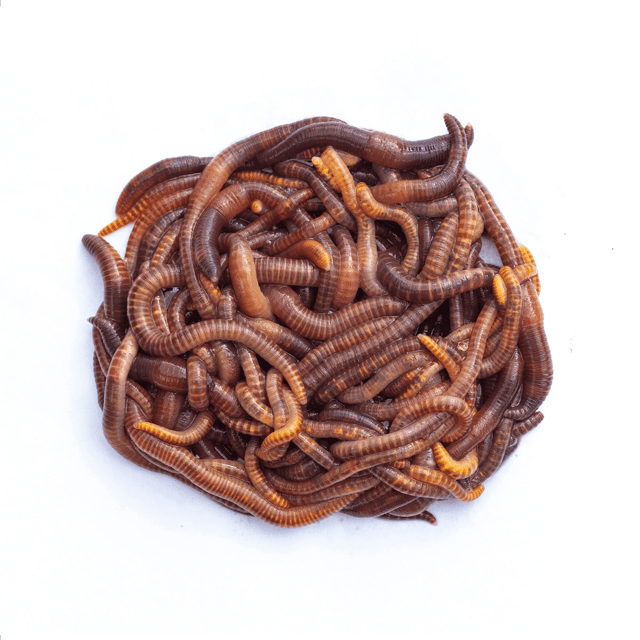
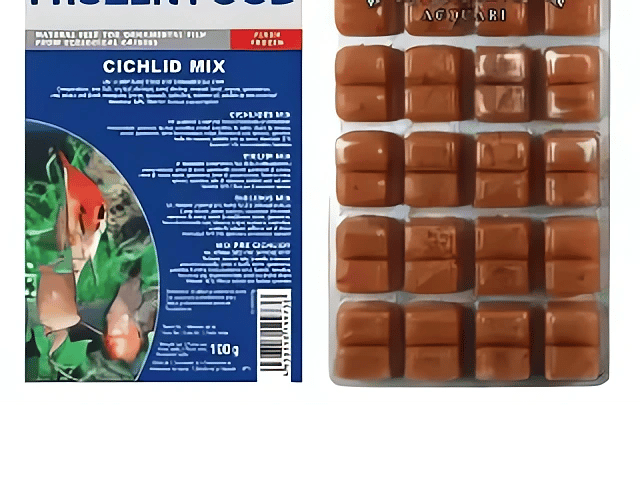
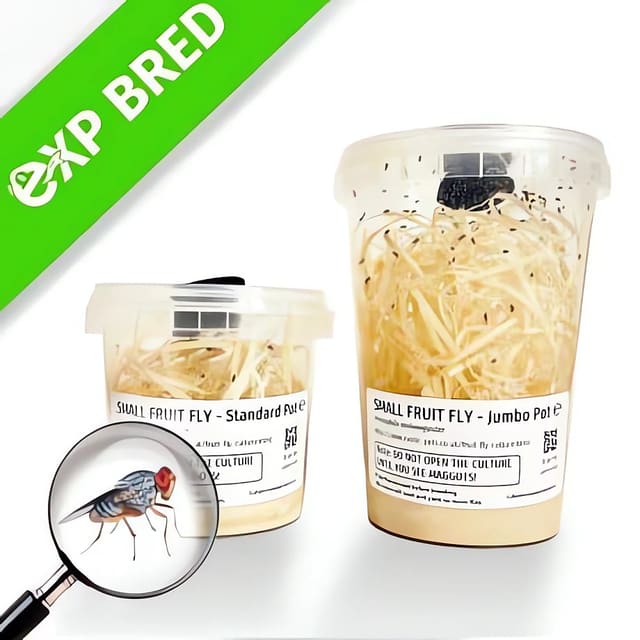
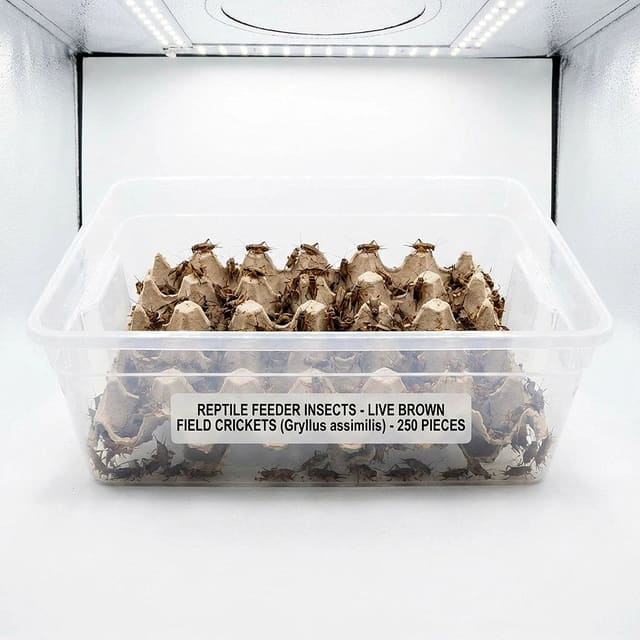
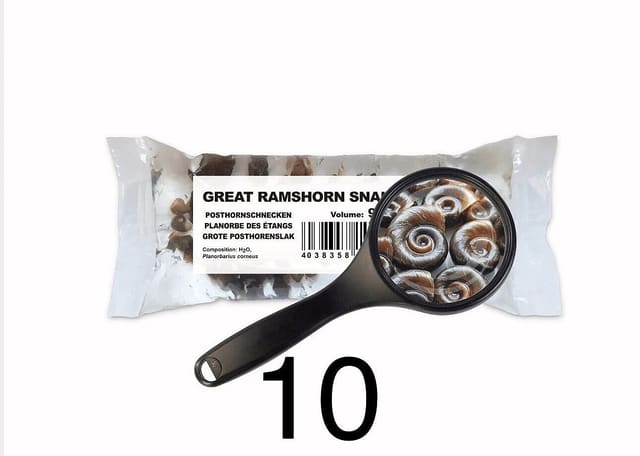
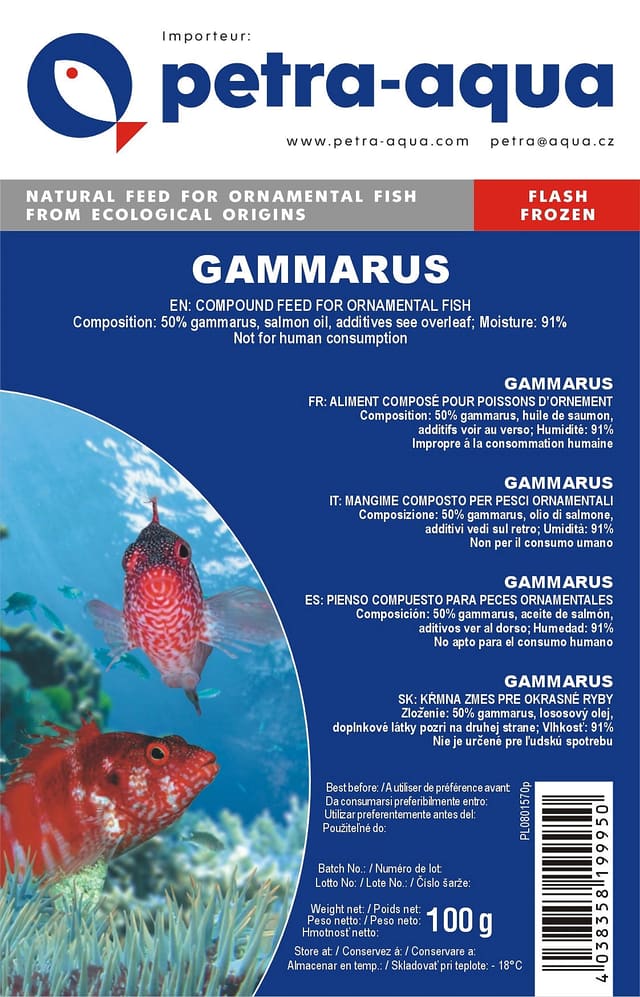
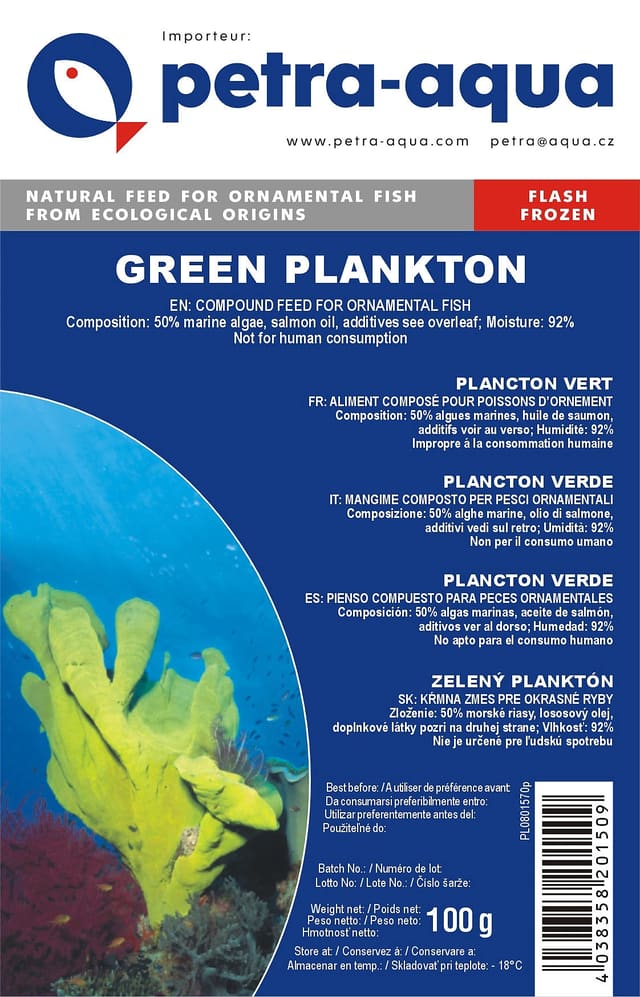
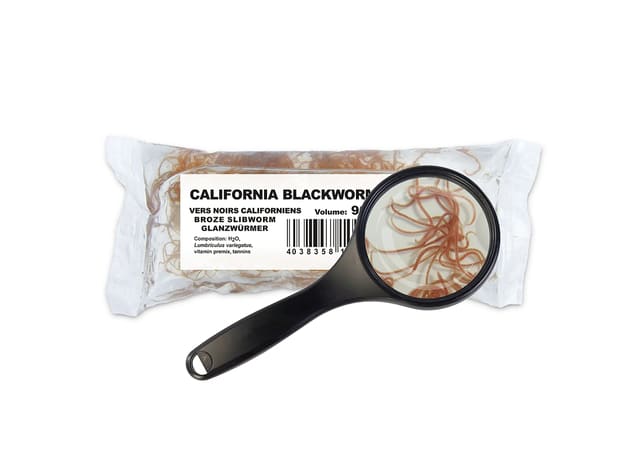
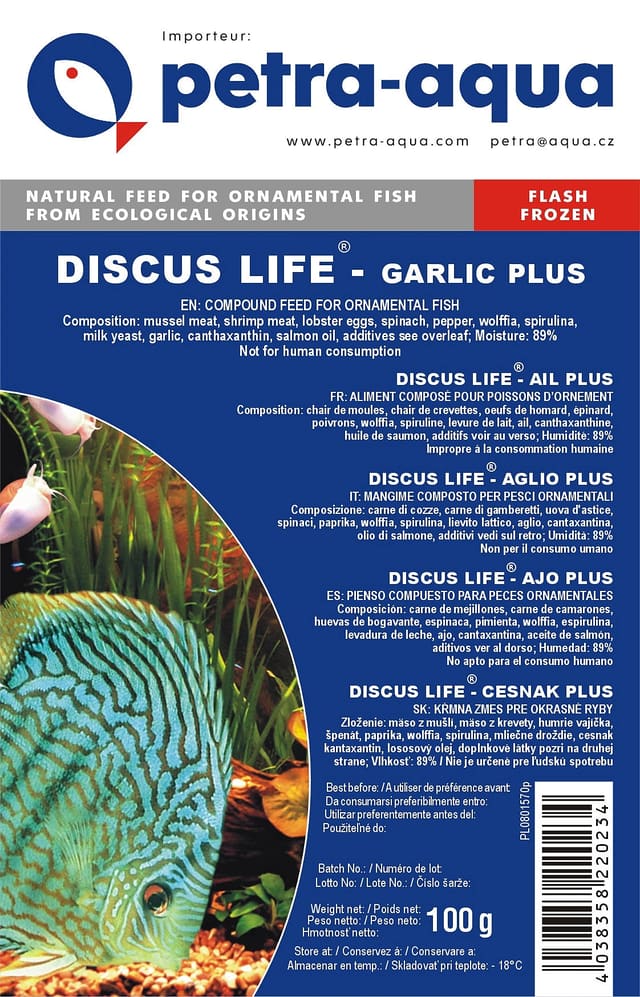
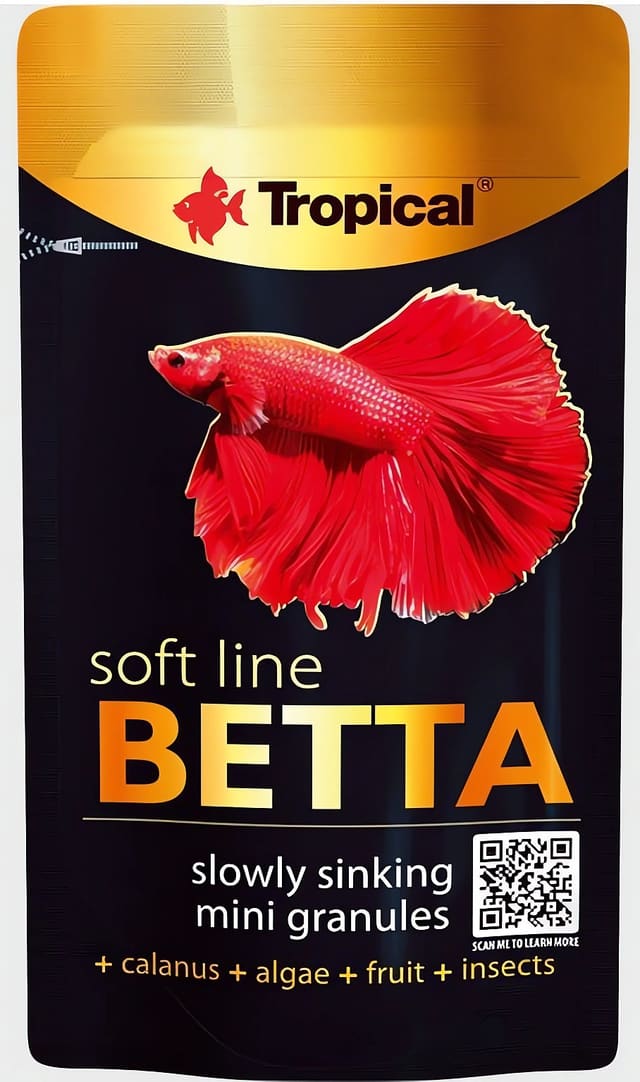
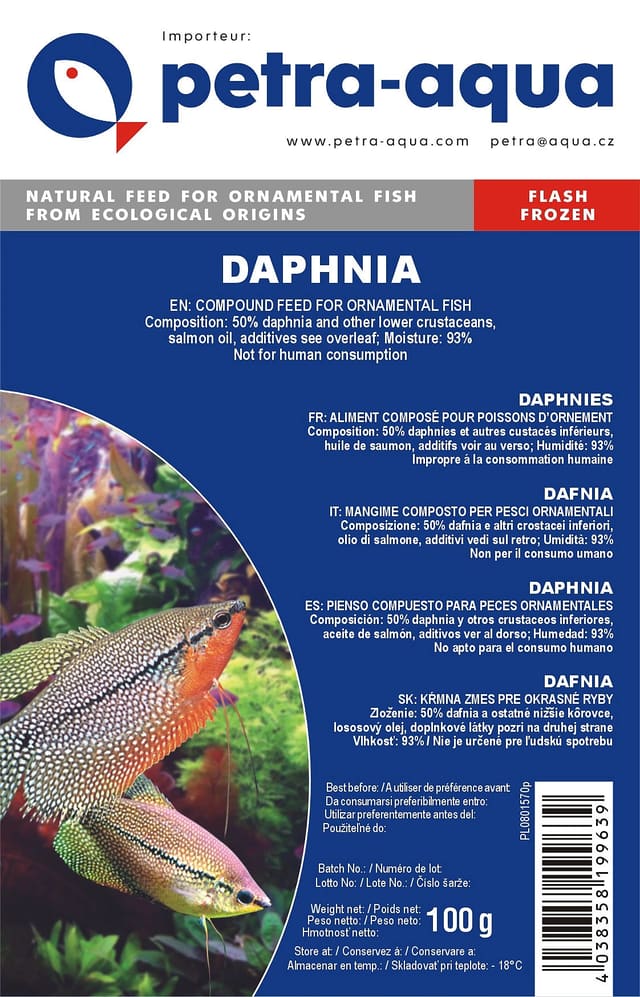
Most adult community fish need feeding once or twice a day — only what they can eat in 2–3 minutes. Fry and breeding fish need more frequent smaller meals. A fasting day once a week helps digestion and mimics natural feeding patterns in rivers and lakes.
Flakes float and suit top and mid-water feeders like Tetras and Guppies. Pellets sink (or float) and give more concentrated nutrition for cichlids and larger fish. Wafers are dense sinking discs designed for bottom-dwellers like Plecos and Corydoras.
It's not strictly better, but it supplements a dry-food diet with natural proteins and triggers natural hunting behaviour. A mix of high-quality flake or pellet as the staple plus frozen bloodworm, brine shrimp or daphnia 2–3 times a week is the ideal balance.
Healthy adult fish tolerate 5–7 days without food. For longer trips, use an automatic feeder rather than holiday blocks (which foul water). Never overfeed before leaving — uneaten food pollutes faster than a short fast harms the fish.
Signs of overfeeding: uneaten food on the substrate, cloudy water, rising nitrate or ammonia, algae blooms and fish with visibly distended bellies. If food remains after 3 minutes, reduce the portion. Rotting food is the primary cause of poor water quality.