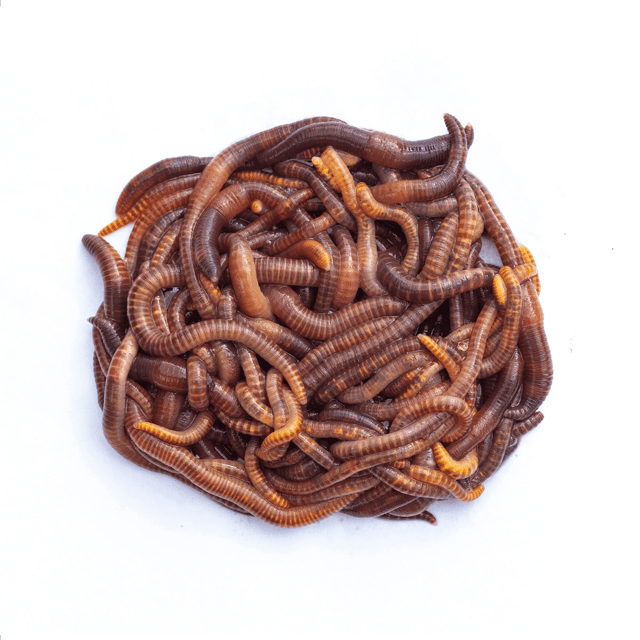

Live Black Worms (Lumbriculus variegatus) supplied as 25 x 90ml PE bags - a high-response natural live food for bettas, discus, corydoras and tropical fish. Supports appetite, conditioning, colour and breeding. Buy live blackworms online with UK delivery.
Black Worms are one of the most effective live foods for waking up a fish's feeding response. This 25-pack of 90ml PE bags contains live California blackworms, the natural worm food for fish UK keepers trust for fussy feeders, breeding pairs, and fish that need extra condition. For bettas in particular, black worms for betta fish are prized because they move enticingly in the water, trigger hunting behaviour, and support strong body condition, richer colour, and steady growth. If you have been looking for aquarium live food UK, dependable live fish food UK, or blackworms for aquarium UK, this PE-bag format makes regular feeding and easy portioning straightforward.
These live worms are sold under the name Lumbriculus variegatus, a freshwater annelid with excellent acceptance among bettas, gouramis, corydoras, loaches, discus, and many other tropical species. Many aquarists consider them the best live worm for aquarium fish because they are highly palatable, easy to rinse, and a safe live worm for aquarium fish when handled correctly. Whether you want them for daily conditioning or as a targeted treat before spawning, this 25-piece pack gives you a dependable way to keep high-value live food on hand.
In the aquarium hobby, Black Worms are sold as a live food rather than an ornamental species. They are especially valued for fish conditioning because their wriggling movement encourages natural feeding behaviour. Aquarists comparing freeze dried blackworms with live worms usually choose live blackworms when they want the maximum feeding response and stronger breeding condition.
For many keepers, the answer is simple: fish go crazy for them. If you have ever struggled with a newly imported betta, a shy dwarf cichlid, or a discus that ignores dry food, Black Worms can make the difference between a fish that merely survives and one that thrives. They are often described as the best live worm for tropical fish because they stay active in the water long enough to trigger a strike response without immediately fouling the tank when fed in sensible amounts.
Their appeal is broad. They work well for the tropical fish UK hobbyists keep, as a live food for bottom feeders UK aquariums rely on, and as a conditioning food for egg-layers and bubble-nesters. Many aquarists build a blackworms for fish feeding guide around them, rotating live worms alongside dry staples such as Vitality & Color Flakes or Insect Menu Granules S to create a more varied diet. They are also easier to portion than chopped earthworms and often more readily accepted than pellets by newly settled fish.
The accepted lumbriculus scientific name is Lumbriculus variegatus. These freshwater worms are collected or cultured for fish food and have long been used in aquatics, research, and laboratory settings. If you have asked what is black worms or where do black worms come from, the short answer is that they are aquatic worms associated with freshwater habitats rich in organic matter - not household pests, and not the same thing people mean when they search for black worms in house.
Questions like how does a blackworm move are common because movement is part of what makes them so attractive as food. A blackworm stretches, contracts, and wriggles through the water or across a feeding dish, which is exactly why predatory and insect-eating fish respond so strongly. Hobbyists also ask how do lumbriculus reproduce and how do blackworms reproduce asexually: in culture they are well known for multiplying by fragmentation, which is why phrases such as california blackworm asexual reproduction appear so often in search results.
If you feed bettas, sparkling gouramis, licorice gouramis, or juvenile discus, offer a small pinch of rinsed Black Worms in a shallow dish or feeding cone. This keeps the worms concentrated, reduces waste, and lets you monitor exactly how much each fish eats.
Correct storage is the key to getting the best from any live worms for fish UK order, and the most important point is cool storage. For anyone researching blackworm storage temperature, the practical target is refrigerator-cool conditions, typically around 4-8°C, rather than room temperature. This slows their metabolism and helps keep the worms in good condition. The method behind how to keep blackworms alive, how to keep live blackworms alive, and how to store live blackworms is straightforward: keep them cool, rinse them regularly in dechlorinated cool water, and avoid sealing them in dirty water for long periods.
Good blackworm storage tips include using a shallow container, changing water often, and keeping the worm layer thin so oxygen can reach them. The expected blackworm shelf life depends on handling and temperature, but well-kept worms last far longer than worms left warm or unrinsed. If you notice blackworms turning white, that is usually a sign of stress or die-off, and the batch should be checked immediately. For aquarists interested in keeping live blackworms long enough for repeated feedings, regular rinsing matters more than any fancy equipment.
For bettas, offer only what they can finish in a few minutes. Blackworm feeding frequency depends on the fish, but for most adult bettas, 2-4 small live feedings per week is enough alongside a balanced staple. This delivers the benefits of live food while helping avoid obesity. When thinking about blackworm portion size, picture a modest pinch, not a heavy clump - bettas have small stomachs, and overfeeding rich live foods can quickly cause digestive issues.
As a general feeding rule, offer small portions to small fish, slightly more to active shoals or growing juveniles, and larger amounts only for bigger species such as adult discus. The best fish for blackworms include bettas, gouramis, corydoras, kuhli loaches, many rasboras, angelfish, and discus. They are especially useful as blackworms for breeding condition because the protein-rich, lively movement encourages stronger feeding and helps bring fish into spawning shape.
If you keep bottom-dwellers, live blackworms for loach feeding and blackworms for corydoras are both popular uses. Corydoras and loaches actively root through feeding areas to find them, making Black Worms an excellent choice for mixed community tanks where surface fish otherwise dominate mealtimes. For marine keepers, live black worms for marine fish and live black worms saltwater aquarium use can work as a short-term feeding tool for some species, but these are freshwater worms and should be treated as a supplemental food rather than a permanent marine staple.
| Time | Food | Amount |
|---|---|---|
| Morning | Vitality & Color Flakes or Insect Menu Granules S | Only what fish finish in 1-2 minutes |
| Evening | Rinsed Black Worms | Small pinch; no leftovers after a few minutes |
Overfeeding live worms can cause rapid waste build-up. Uneaten worms may die in the tank, increasing ammonia and worsening the blackworms water quality impact. Feed small portions, remove leftovers, and do not treat Black Worms as the only food in a long-term diet.
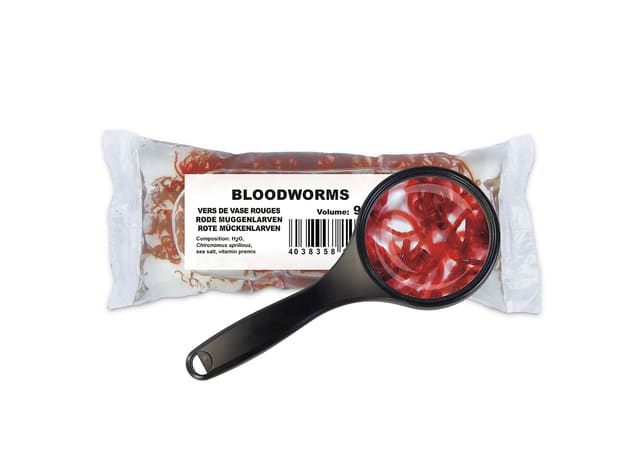
A common question is blackworms vs bloodworms. Bloodworms are widely used and convenient, especially frozen, but many fish show a stronger feeding response to live Black Worms because of their constant movement. On safety and husbandry, hobbyists also weigh up blackworms vs tubifex, including blackworms vs tubifex safety and the husbandry of blackworms vs tubifex worms. Blackworms are often preferred by cautious aquarists because tubifex have historically carried a reputation for coming from dirtier environments, though source quality matters greatly for both.
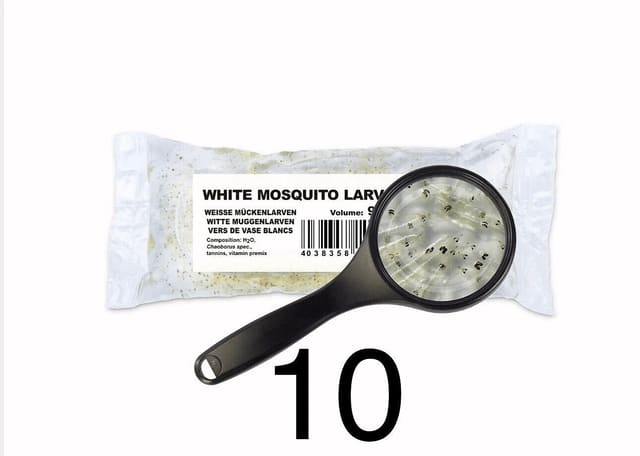
When looking at blackworms vs white worms, white worms are richer and excellent for conditioning, but they can be too fatty for frequent use. Blackworms vs earthworms for fish is another useful comparison: earthworms are nutritious for larger fish, but they need chopping and are less practical for small tropical species. If you want a live food that suits bettas, dwarf gouramis, corydoras, and many community fish, Black Worms are usually the more versatile option. For variety, you can rotate them with White Mosquito Larvae PE-bags 90ml-.of 25pcs and White Worms PE-bags 90ml-.of 25pcs.
| Feature | Black Worms | Bloodworms |
|---|---|---|
| Movement | Very active live wriggle | Usually sold frozen; less movement |
| Best For | Fussy feeders, conditioning, bettas | General treats and frozen feeding |
| Use Style | Small rinsed live portions | Frozen cubes or live where available |
Searches such as are black worms dangerous, are black worms harmful to humans, and can humans get black worms usually come from people unfamiliar with aquarium live foods. In normal aquarium use, Black Worms are a fish food item, not a parasite of humans. Good hygiene still matters: wash your hands after handling live food, keep storage containers clean, and never mix fish-food cultures with kitchen food-preparation areas.
For fish, they are considered a safe live worm for aquarium fish when sourced well and rinsed properly before feeding. As with any live food, the main risks come from poor handling, overfeeding, or dirty storage water. If you are wondering can worms be black or are worms black, then yes - many aquatic annelids sold in aquatics are dark brown to black in appearance. They are unrelated to terrestrial caterpillar-type animals such as the "wooly worm".
Yes - and many aquarists look up how to culture blackworms, live blackworm culture, how to culture lumbriculus, or blackworm culture for sale when they want a more self-sufficient feeding routine. If you are asking how to take care of blackworms, the basics are simple: cool, clean water, shallow containers, light feeding, and regular maintenance. Hobbyists also ask what do blackworms eat; in culture they consume fine organic matter and microorganisms, though a home culture is more demanding than simply storing a purchased batch for short-term feeding.
Another frequent question is how to keep blackworms in aquarium. In most display tanks they are best used as food rather than as a permanent resident culture. Some may burrow into the substrate and survive for a while, but that does not make the tank an efficient production system. If your goal is steady supply, a dedicated shallow culture tub works better. Related searches such as how do mud worms reproduce point to the same hobby interest as blackworm reproduction: these worms multiply by fragmentation under suitable conditions, but stable cultures still require care and cleanliness.
If you want to experiment with a home culture, start with a small backup batch rather than your whole food supply. Shallow water, cool temperatures, gentle aeration, and strict cleanliness are the difference between a productive live blackworm culture and a foul-smelling crash.
This product is marketed for bettas for good reason. Black worms betta fish feeding is one of the classic ways to improve appetite in newly settled or selective fish. The movement of the worms fits the betta's hunting style, and the food is rich enough to support body condition without needing large portions. That said, Black Worms are not only for bettas. They are also excellent black worms for fish in many freshwater setups, especially for corydoras, loaches, rasboras, gouramis, apistogramma, and juvenile angelfish.
Discus keepers often reach for them, which is why live blackworms for discus fish, live black worms for discus, and live blackworms for discus UK are such frequent searches when looking for a high-response conditioning food. In discus rooms, Black Worms are valued for getting fish to feed strongly after stress and for helping prepare pairs to spawn. They are widely used as part of blackworms for discus care and for raising appetite in recently imported specimens. If you keep mixed communities, pair live feeding with a staple such as Tropical SuperVit Tablets B for bottom-feeding fish or Kirysek Granules for corydoras-style feeding.
| Fish Type | Compatible? | Notes |
|---|---|---|
| Betta splendens | ✅ Yes | Excellent for appetite and conditioning; feed sparingly |
| Corydoras | ✅ Yes | Great as blackworms for corydoras and other bottom feeders |
| Large herbivores | ⚠️ Limited | Use as occasional protein supplement, not staple diet |
The strong reputation of Black Worms comes from their blackworm nutritional value in practical fishkeeping. They are rich, highly palatable, and ideal when fish need to regain weight, show stronger colour, or enter spawning condition. This is why they are so often recommended as blackworms for breeding condition for bettas, gouramis, killifish, and dwarf cichlids. Breeders commonly use them before pairing fish because live foods encourage more vigorous courtship and stronger feeding behaviour.
Many customers combine Black Worms with colour-supporting dry foods such as Tropical Red Parrot Granules or algae-rich options like Spirulina Granulat to create a broader nutrient profile. That mix works well because live worms stimulate appetite, while a formulated staple fills in vitamins and plant matter. If you are comparing live with preserved options, freeze dried blackworms and freeze dried blackworms for sale can be useful for convenience, but live worms usually produce the stronger feeding response and are often preferred when fish are settling in or being conditioned for breeding.
If you have been searching where to buy black worms, where to purchase black worms, where to buy black worms near me, where to buy live blackworms near me, buy live blackworms UK, or buy live blackworms online UK, this 25-bag pack is designed for aquarists who want a practical quantity for regular use. It suits hobbyists, fish rooms, and breeders who need repeated feedings without relying on whatever happens to be available locally that week.
Searches such as black worms for sale, black worms uk, California blackworms for sale UK, California blackworms for sale online UK, buy Lumbriculus variegatus UK, and live blackworms bulk UK all reflect the same need: dependable access to live food in usable quantities. This PE-bag format is more convenient than chasing uncertain batches on marketplace listings like live black worms ebay, or comparing international references such as live black worms petco, live blackworms petsmart, eastern aquatics blackworms, the california blackworm company, or australian black worms that may not help UK buyers at all.
A useful alternative live food when you want to rotate diets and offer a different feeding response to small tropical fish and bettas.
Ideal as a richer conditioning food to alternate with Black Worms for breeders and keepers of fish needing extra body mass.
A balanced staple to use between live feedings so your fish get variety rather than relying on one food type alone.
The biggest mistake is treating Black Worms as a dump-and-forget food. Because they are live, they need sensible handling. Feed too much and the blackworms water quality impact becomes obvious: leftovers die, organics build up, and ammonia rises. Store them too warm and you shorten their usable life. Skip rinsing and you increase the chance of dirty water entering the aquarium. If you are wondering how to get rid of black worms after overfeeding, the best answer is prevention: feed less and siphon leftovers promptly.
Another mistake is assuming all worm-like foods are interchangeable. They are not - blackworms vs tubifex, blackworms vs bloodworms, and blackworms vs white worms each involve different feeding strengths and husbandry considerations. A final point: odd searches such as what are long black skinny worms or what are small thin black worms are not useful when choosing aquarium food. For aquarists, what matters is source, freshness, storage, and portion control.
If the worms smell foul, appear milky, or show widespread die-off, do not feed them. Healthy Black Worms should look dark, active, and fresh after rinsing. Poor batches can pollute tanks quickly, especially small heated betta aquariums.
This product is built around convenience and repeatability. Instead of buying an uncertain loose portion, you get 25 separate 90ml PE bags that are easy to organise, easy to rotate, and easy to portion across multiple tanks. That is especially useful for breeders, betta keepers, and anyone running a fish room where consistent feeding matters. Customers looking for a fish food online UK option often want exactly this kind of practical format: a predictable pack size, live presentation, and enough quantity for planned feeding rather than impulse use.
Used correctly, these Black Worms support stronger feeding response, improved body condition, and better colour expression in fish that benefit from regular live foods. They also pair well with dry staples and other live foods, making them a flexible addition to your freshwater fish food UK and tropical fish food UK routine. If you have been comparing the live blackworms fish food price UK market, this 25-pack format offers a practical balance between quantity and usability for serious hobbyists.
For a varied live-feeding routine, rotate these Black Worms with White Mosquito Larvae PE-bags 90ml-.of 25pcs and White Worms PE-bags 90ml-.of 25pcs. To build a balanced weekly diet, combine live foods with Insect Menu Granules S, Kirysek Granules, and Tropical SuperVit Tablets B. If you want colour support between live feedings, Vitality & Color Flakes, Spirulina Granulat, and Tropical Red Parrot Granules are all useful additions depending on the fish you keep.


18–26°C · pH 6.5–8 · 30L

23–27°C · pH 7.4–8.4 · 500L

20–27°C · pH 6–7 · 54L

23–27°C · pH 7.4–8.4 · 150L

24–28°C · pH 6.5–7.8 · 300L

20–24°C · pH 7–8 · 45L

24–28°C · pH 6.5–7.5 · 2000L

24–28°C · pH 7.5–8.5 · 200L