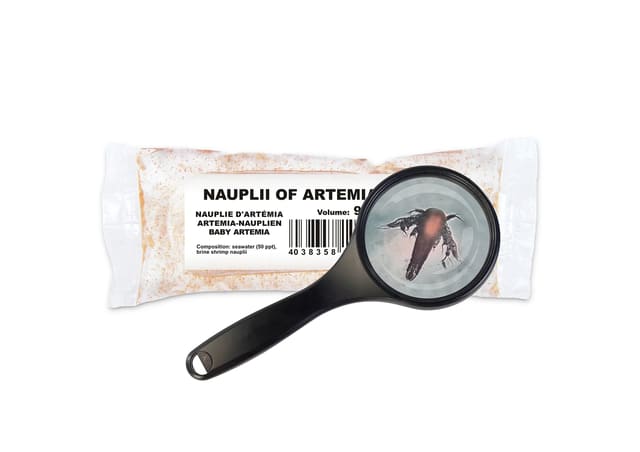
Artemia Nauplii, Freshly Hatched – Live Food in PE Bags
£47.99
Photo coming soon
The size, price and care details on this page are for this listing.
Live Anguillula rediviva microworms in a 20ml box for fry, nano fish and breeders needing tiny moving live food.
Anguillula rediviva
Live Anguillula rediviva microworms in a 20ml box for fry, nano fish and breeders needing tiny moving live food.
Anguillula rediviva Micro Worms Live Box 20ml is a compact live-food portion for breeders and nano-fish keepers who need a very small moving food. It is most useful when newly free-swimming fry, very small species or cautious feeders need prey that is smaller and slower than many common aquarium foods.
The product is sold under the supplier's Anguillula rediviva name. Aquarium and aquaculture sources usually describe microworms as tiny live nematodes used for larval fish and small-mouthed fry; the same hobby group is often discussed under Panagrellus microworms. The important practical point for the aquarist is size and movement: microworms are small, live, soft-bodied foods that can be taken by fish too small for many flake crumbs, granules or newly hatched brine shrimp.
This 20ml box is a practical way to keep a small live food available without buying a large mixed live-food pack. Use it for targeted feeding, early fry work, conditioning small fish, or adding variety to a breeding setup. It should not be treated as a complete diet for every species. Microworms are best used alongside other suitable foods such as Artemia nauplii, fine fry powder, infusoria, daphnia or species-appropriate dry foods once the fish are large enough.
| Product | Anguillula rediviva Micro Worms Live Box |
|---|---|
| Size supplied | 20ml box |
| Product type | Live microworm food for aquarium fish |
| Best use | Fry, tiny nano fish and small-mouthed feeders |
| Food behaviour | Tiny live worms; generally sink and stay moving for a limited time in freshwater |
| Diet role | Specialist live food, best used as part of a varied feeding plan |
| SKU | KE95 |
Live foods are valuable in fry rearing because movement helps trigger the feeding response. Many tiny fry hunt by sight and motion, so a food that wriggles slowly can be noticed more easily than inert powder. That is why microworms remain popular with aquarists raising bettas, small cichlids, rainbowfish, tetras, barbs, cyprinids and other species whose early fry may struggle with larger foods.
University extension guidance on microworm culture notes that microworms are small enough for many larval ornamental fish, simple to produce, and useful as an alternative or co-feed where Artemia is too large, expensive or inconvenient. It also cautions that nutritional requirements vary by species, so microworms should be tested and used case by case rather than treated as a universal first food.
Aquarium hobby guidance gives a similar practical message: microworms can suit fry that are too small for traditional fry foods, but they should be part of a broader feeding routine. That balance matters. Used well, microworms make feeding easier; used as the only food for too long, they may leave gaps in the diet or contribute to water-quality problems if overfed.
Offer very small amounts at a time. A fine brush, cotton bud, pipette or similar tool can help move a controlled portion from the box to the aquarium. Target the area where fry or small fish are feeding rather than spreading too much food through the whole tank. Start with less than you think you need, watch the response, then adjust.
Microworms generally sink in freshwater, which is helpful for fry that graze near the bottom, sponge filter, moss, leaf litter or breeder-box surfaces. For fish feeding high in the water column, combine them with foods that remain suspended longer. Once added to the aquarium, microworms can remain alive for around half a day, but that is not a reason to overfeed. Any live food left uneaten still adds organic load to the tank.
This product is most relevant for breeders, fry tanks, nano aquariums and small species with tiny mouths. It can be especially handy during the awkward stage when fry are free-swimming but still too small or hesitant for larger prepared foods. It can also help when small fish respond better to moving food than to dry food.
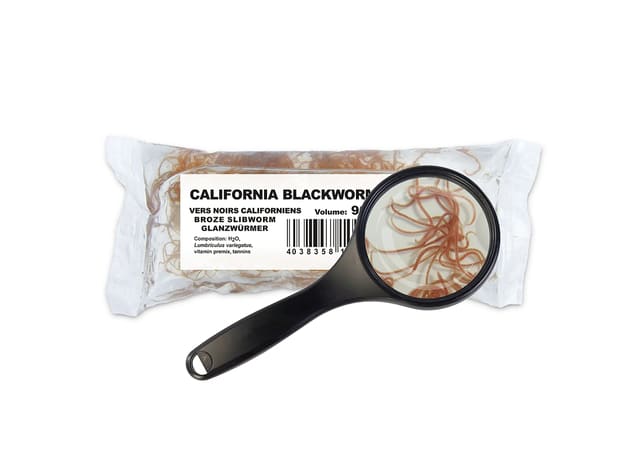
Good candidates include small fry and tiny aquarium fish that naturally pick at minute live foods. Larger fish may eat microworms too, but that is not where this product gives its best value. For bigger fish or larger mixed communities, compare live daphnia, Artemia, Tubifex, blackworms or white worms instead.
Because this is live food, treat it as perishable. Keep it away from heat, cold extremes and contamination. Open it carefully, use clean tools, and avoid leaving the container in direct sun or near aquarium equipment that runs warm. If you plan to maintain a culture, keep backup cultures where possible because live-food cultures can age, foul or crash.
Do not add large amounts of culture medium to the aquarium. A tiny smear may be harmless in a busy fry tank, but repeated overfeeding can cloud water and stress young fish. Clean, stable water is especially important in fry setups because small fish are less tolerant of sudden water-quality swings.
This listing keeps the product identity clear: Anguillula rediviva microworms, 20ml box, SKU KE95, from the live-food category.
If you are building a fry-food kit, compare this with Artemia Nauplii for larger fry, Live Daphnia for small fish and water-column feeding, Live White Worms for richer conditioning food, and Live Black Worms for larger worm-feeding species.
They are used as tiny moving live food for fry, nano fish and small-mouthed aquarium fish that need very small prey items.
No. They are useful, but they should be part of a varied fry-feeding plan. Rotate with other suitable foods as the fry grow.
Microworms generally sink in freshwater, so they are especially useful for fry and small fish feeding near surfaces, moss, sponge filters or the lower water levels.
Feed tiny portions. Add a small amount, watch how quickly the fish clear it, and avoid leaving obvious excess food in the aquarium.
They are best for fry and very small fish. Larger fish may ignore them or need more substantial foods such as daphnia, Artemia, blackworms or white worms.
No exact owned or official product image was available during this manual review. We do not upload generic culture images or competitor photos as product media.
No reviews for this item yet. Bought one? Honest reviews only, good or bad.
What customers say about ordering from us
Easy website plenty of info on fish your buying great to pick a time slot
TRACEY DURRANT · 7 Oct 2026
Got some lovely fish thank you
Kevin Mackie · 7 Oct 2026
Reviews of our shop, collected by Judge.me, an independent third-party review collector. Newest first.