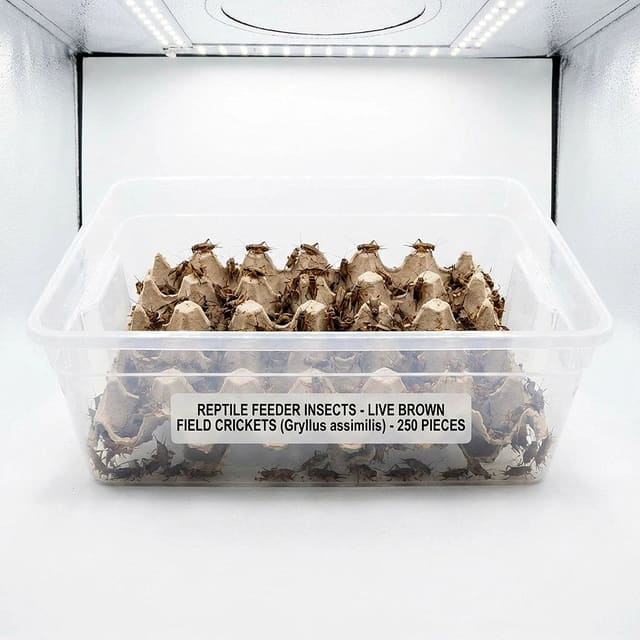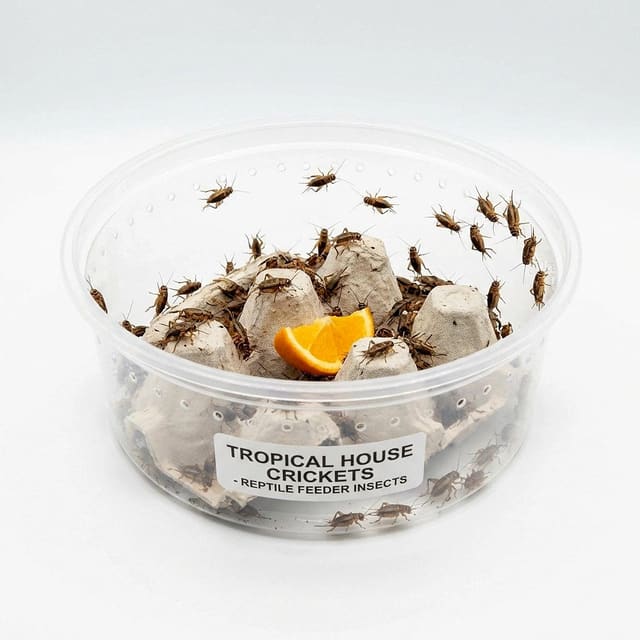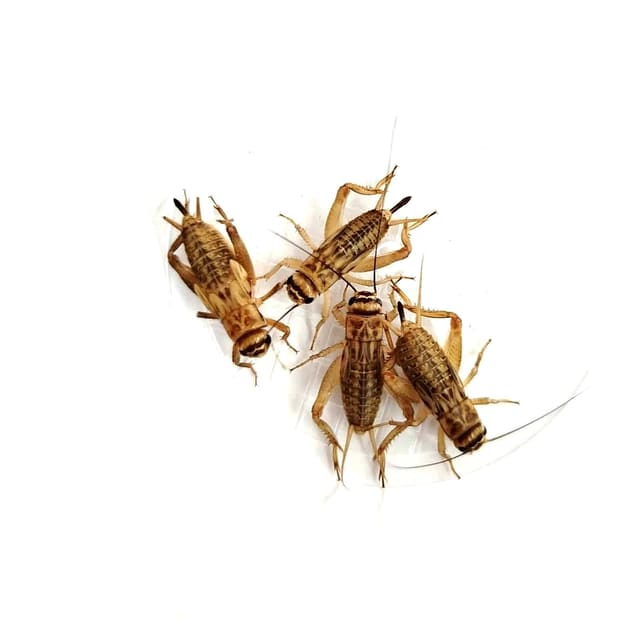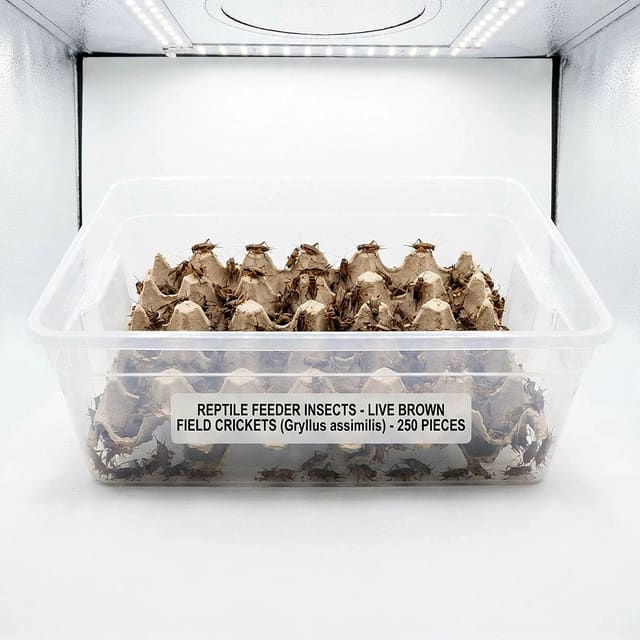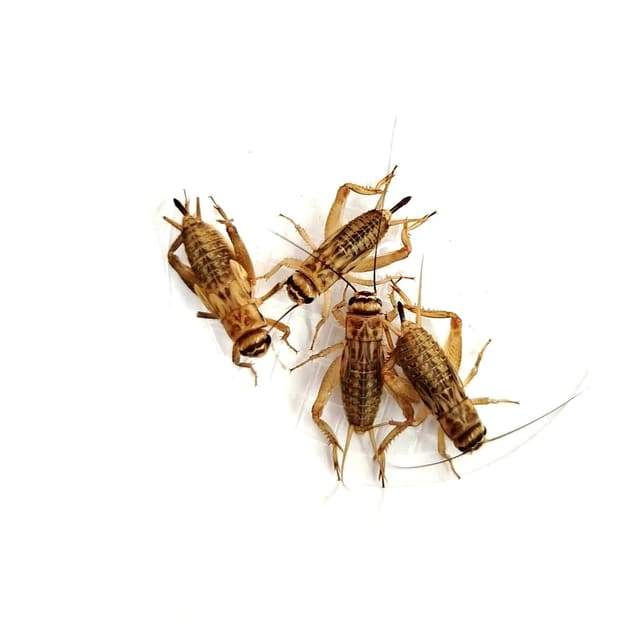
Acheta domestica Large Crickets – 250 Pack
£29.99

Housefly Non-Fly 1/2 Litre offers a practical live feeding option for reptiles. Great for regular feeding routines. Order now with fast UK delivery.
Housefly Non-Fly 1/2 Litre offers a practical live feeding option for reptiles. Great for regular feeding routines. Order now with fast UK delivery.
If you want a cleaner, more stimulating way to add movement to your reptile’s diet, Musca Domestica Housefly Non-Fly - 1/2 Litre is a smart choice. These Musca Domestica Housefly feeders offer the visual hunting response many insectivores love, but without the frustration of fast-flying adults escaping around the room. For keepers searching for live food UK options that are practical, active, and easy to use, non-flying houseflies sit in a very useful middle ground between fruit flies and larger crawling feeders. They are especially popular as live food for bearded dragons, young chameleons, mantids, spiders, dart frogs, and other small predators that benefit from movement-rich prey.
This 1/2 litre culture is ideal for keepers who want reliable feeder insects UK stock without committing to a huge tub. It is also a handy option if you are comparing houseflies vs fruit flies for reptiles and want something larger than Drosophila but still manageable indoors. Many customers looking for live reptile food near me, live reptile food uk, or even buy live feeder houseflies UK are really after three things: visible movement, easy feeding, and less mess. That is exactly where these non-fly houseflies shine. See our detailed photos showing the culture format, substrate condition, and feeder size so you know what to expect on arrival.
Musca domestica is one of the best-known fly species in the world, but in reptile feeding it is valued for movement, size, and hunting stimulation rather than nuisance. In the hobby, selectively bred non-flying or Curly Wing Houseflies are used as practical live feeders because they trigger feeding responses while remaining easier to manage than standard flying adults.
For many keepers, the biggest advantage of this Flightless Housefly Culture is behaviour. Reptiles and invertebrates often respond more enthusiastically to moving prey than to static bowls of worms or pellets. These Live Feeder Houseflies walk, climb, and flutter enough to attract attention, making them excellent for animals that ignore less active food. If you have a fussy juvenile dragon, a visually hunting gecko, or a mantis that prefers elevated prey, non-fly houseflies can be very effective.
They are also useful when you want variety in a reptile food UK routine. Many collections rotate between crickets live food, roaches, worms, and flies to provide enrichment and reduce feeding boredom. Compared with tiny fruit flies, houseflies are easier for larger juveniles and small adults to spot. Compared with larger crawling feeders, they are lighter, more active, and often less intimidating for smaller hunters. That is why searches such as best non-flying feeder insects UK, best feeder houseflies UK, and live food for reptiles uk have become more common among keepers refining their feeding plans.
This product is a 1/2 litre culture of non-flying Musca Domestica Housefly feeders designed for home use. A culture format gives you a practical way to receive developing feeders rather than a loose bag of random insects. As adults emerge, you can feed them out over time instead of using everything at once. That makes it a sensible choice for keepers who want live food by post without needing a large live food bulk order.
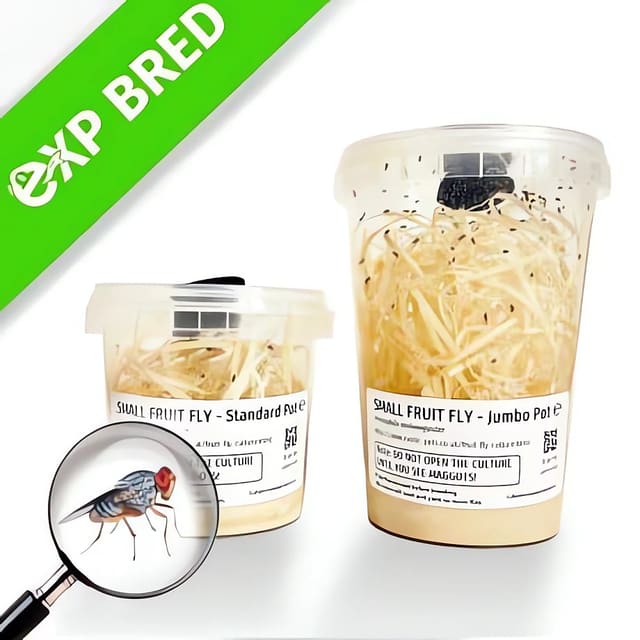
The 1/2 litre size suits single pets, small collections, and keepers testing whether flies work better than other prey. It is particularly handy if you are comparing musca domestica vs drosophila for feeding. Drosophila fruit flies are excellent for tiny froglets and very small spiderlings, but houseflies are generally more visible, more substantial, and better suited to slightly larger mouths. For many keepers, this format is the sweet spot between convenience and value when considering flightless houseflies price UK.
A good musca domestica housefly care guide starts with simple storage. Keep the culture in a cool to moderate room, ideally around 18-24°C, away from direct sun, radiators, and damp cupboards. Warm conditions speed development, while excessive heat can shorten lifespan and increase die-off. Good ventilation matters, so keep the lid secure but do not seal the culture in an airtight container.
Basic flightless housefly culture maintenance is straightforward. Keep the culture dry, upright, and clean around the lid to prevent condensation and mould. Do not shake it unnecessarily. If you want a slower hatch rate, use a slightly cooler room; if you need feeders more quickly, a warmer room within a safe range can help. This makes the culture flexible for keepers planning feeds across the week.
Many buyers coming from swell reptiles, a live food warehouse, or general live foods direct searches are surprised by how little work these cultures need. In most cases, success comes down to three basics: ventilation, temperature control, and sensible feed-out timing.
If you only need a few flies at a time, move the culture to a slightly cooler room after arrival. This can help spread emergence over a longer period and reduce waste, especially for single-pet households.
Feeding houseflies to reptiles works best for species that hunt by sight and respond to movement. They are especially useful as live non-flying houseflies for chameleon UK setups, where climbing prey can encourage natural tongue strikes. They are also excellent for smaller bearded dragons, day geckos, anoles, some amphibians, and invertebrates. Searches for live bearded dragon food uk and live gecko food uk often reflect a need for more enrichment, not just calories, and houseflies deliver that well.
They are equally popular as feeder houseflies for mantis and spiders UK. Mantids often prefer elevated moving prey, and many arboreal spiders will readily take active flies offered carefully. For amphibian keepers, a flightless housefly culture for dart frogs UK can work for larger froglets and adults, particularly when fruit flies start to feel too small. This is also where housefly nutrition for chameleons and frogs becomes relevant: flies are useful as part of a varied rotation, especially when gut loaded before feeding.
The answer depends on the animal and the feeding goal. If you are comparing musca domestica vs drosophila for feeding, houseflies are larger and more visible, making them better for slightly larger hunters. If you are choosing between flies and reptile crickets, crickets usually offer a more common staple option for many reptiles, while flies provide extra enrichment and can tempt reluctant feeders. Compared with cockroaches reptile food, houseflies are softer-bodied and less intimidating for smaller pets, though roaches often remain a stronger staple for larger lizards.
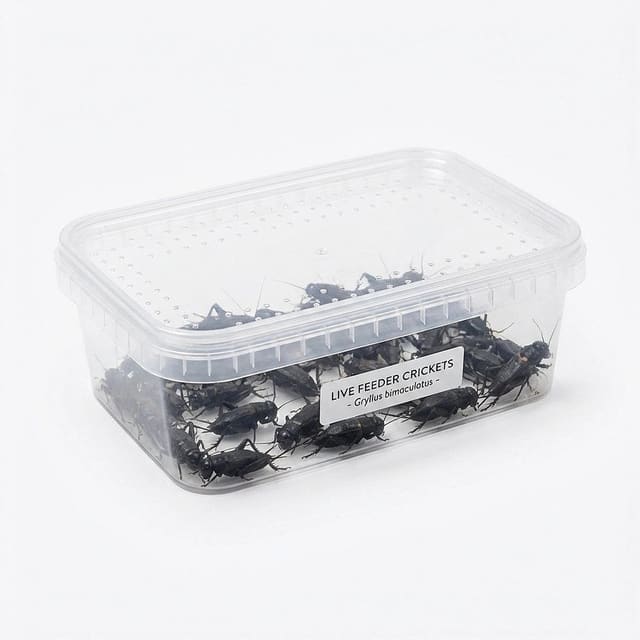
That is why many keepers use a rotation. You might pair these non-fly houseflies with Gryllodes Sigillatus Tropical House Cricket Small for younger reptiles, step up to Gryllodes Sigillatus Tropical House Cricket Large for stronger feeders, or use Gryllus Assimilis Field Cricket Large - 250pcs when you need a larger, active prey item. If your pet prefers darker, more robust feeders, Gryllus Bimaculatus Black Cricket Large - 250pcs can be a useful contrast in a mixed feeding plan.
| Feeder | Best Use | Notes |
|---|---|---|
| Non-Fly Houseflies | Enrichment, visual hunters | Excellent movement, easy to spot |
| Fruit Flies | Tiny froglets, spiderlings | Better for very small mouths |
| Crickets | Staple for many reptiles | Widely used, size options available |
Use these flies as part of a varied diet rather than the only feeder. For small reptiles and amphibians, offer a manageable number that can be eaten within a short session. For mantids and spiders, feed individually or in small batches so prey does not stress the animal. If you are using them as vivarium food UK stock, avoid releasing too many at once into a planted enclosure where uneaten prey may hide and die.
Before feeding, many keepers dust flies with calcium or vitamin supplements where appropriate. You can also improve value by using gut loaded insects for sale principles at home: feed your staple insects well and use flies for activity and variety. In a balanced rotation, houseflies work well alongside Acheta Domestica Cricket Large - 250pcs, occasional Galleria Mellonella Waxworms - 18g as a richer treat, and Lumbricus Terrestris Earthworm - 10pcs for species that benefit from worm-based variety.
Do not rely on houseflies as the sole feeder for most reptiles. They are best used in rotation with nutritionally appropriate staples such as crickets, roaches, worms, or locusts, depending on the species you keep.
Common buyer questions include: is this suitable for live reptile food delivery, can I order live reptile food delivery uk, and is there live reptile food uk free delivery or live reptile food free delivery? While delivery terms vary by order size and destination, this culture format is popular because it travels more practically than some loose feeders. Buyers also search for live reptile food tracked delivery, live food warehouse, uk live food, and musca domestica buy online UK when they need a reliable source without visiting multiple shops.
Another frequent question is whether this is better than ordering live locusts for sale, a locust box, or live mealworms 1kg. The answer depends on your pet. Locusts and crickets are often better staples for medium and large lizards, while non-fly houseflies are excellent for stimulation, smaller hunters, and picky feeders. If you are building a varied order, these flies combine well with other feeders in a mix and match live food basket.
Yes, but always match feeder size and quantity to the animal. For live food for bearded dragons, non-fly houseflies are best as a supplementary feeder for juveniles and smaller dragons rather than the only prey item. For chameleons, they are one of the most natural-feeling options because the movement pattern encourages accurate tongue projection. For frogs, especially larger dart frogs and small tree frogs, they can add useful variety beyond fruit flies.
For invertebrates, they are among the most practical feeder flies UK options. Mantids often take them readily from branches or mesh sides, and many spiders respond well to the movement. This is why terms like feeder houseflies for mantis and spiders UK and non-flying houseflies for sale UK matter to specialist keepers looking for prey that behaves differently from worms or crickets.
| Pet Type | Suitable? | Notes |
|---|---|---|
| Chameleons | ✅ Yes | Excellent moving prey for visual feeding |
| Bearded Dragons | ⚠️ Yes, as supplement | Use with staple feeders for balance |
| Mantids & Spiders | ✅ Yes | Very useful for arboreal hunters |
A strong feeder rotation usually includes one staple, one or two secondary feeders, and occasional treats. For many keepers, staple choices include brown crickets uk, live black crickets, roaches, or locusts. Houseflies then add movement and novelty. If you are already buying buy mealworms uk, 500g morio worms, or frozen insects uk, adding non-fly houseflies can help cover the enrichment side of feeding that static foods do not provide.
For larger carnivores or mixed collections, you may also order items such as Mouse 18-22g for species that require vertebrate prey, while keeping flies and crickets for smaller insectivores. This flexible approach is one reason buyers search for live food bulk, live food subscription uk, and cheap live food uk: they are trying to create a sustainable routine, not just buy a single tub.
The most common mistake is overheating. Keepers often place cultures near a basking setup or sunny window and then wonder why the hatch window is too fast or the culture crashes early. Another issue is poor ventilation. Condensation encourages spoilage, and stale air reduces culture quality. If you are following a musca domestica housefly care guide, stable room conditions matter more than complicated maintenance.
A second mistake is treating flies as a complete diet. Whether you buy from a live food uk ltd supplier, a local shop, or a specialist online source, the nutritional role stays the same: these are best used as part of a varied feeding plan. Finally, avoid unrelated search noise such as food network uk live stream, food network uk live stream free, how long do spiders live uk without food, or how long do bees live uk without food when researching feeders; those phrases do not help you assess feeder quality, storage, or suitability.
Do not release large numbers into the enclosure unless your pet is ready to feed immediately. Uneaten flies can die in awkward spots, reducing cleanliness and making it harder to monitor intake.
This product is selected for keepers who want practical live food UK options that add movement without the hassle of fully flying adults. The 1/2 litre format suits trial orders, smaller collections, and mixed feeder routines. It is a good match for customers searching buy musca domestica housefly UK, curly wing houseflies for sale UK, live reptile food uk, or reptile live food uk who want a feeder that is easy to store and simple to use.
We also know that buyers often compare suppliers such as Livefoods4u, Livefood Direct, and Live Foods 4 U. What matters most is getting a culture that arrives in usable condition, is clearly described, and fits the needs of the animal you actually keep. This product is listed with plain, practical guidance so you can decide whether non-fly houseflies are the right addition to your feeding rotation. If you keep reptiles, amphibians, mantids, or spiders and want active prey without a room full of escaping flies, this is a very sensible feeder choice.
Build a more flexible feeding plan by pairing these non-fly houseflies with Gryllodes Sigillatus Tropical House Cricket Small for smaller insectivores or Acheta Domestica Cricket Large - 250pcs for a more traditional staple feeder. If you need a larger, more robust prey item, try Gryllus Assimilis Field Cricket Large - 250pcs or Gryllus Bimaculatus Black Cricket Large - 250pcs. For occasional high-fat treats, Galleria Mellonella Waxworms - 18g can help tempt reluctant feeders, while Lumbricus Terrestris Earthworm - 10pcs adds useful variety for amphibians and some reptiles.
No reviews for this item yet. Bought one? Honest reviews only, good or bad.
What customers say about ordering from us
I have a small group of long finned mountain minnows. So was delighted to be able to order ten of this variety to increase the genetics in my tank . The ones I recieved are healthy but it’s to early to give a verdict on wether they are of a long finned type since they are small currently.
Gordon Walker · 23 Sept 2026
100% success travel and "installation". Pleased with quality of purchase. The Siamese fighter a bit "shy" so have not yet seen him at his best yet but looking good. Happy customer. GG
George E Garratt · 21 Sept 2026
Reviews of our shop, collected by Judge.me, an independent third-party review collector. Newest first.