Great Ramshorn Snails Live Food 25 x 90ml
£38.79
Perishable live mysid feed in 25 separate 90ml-format PE bags. Species, salinity, count and biomass are not supplied; use as a varied supplementary food.
Perishable live mysid feed in 25 separate 90ml-format PE bags. Species, salinity, count and biomass are not supplied; use as a varied supplementary food.
Live Mysis Fish Food - 25 x 90ml PE Bags is a bulk live-feed format for fishrooms, breeders and aquarists who can use multiple small bags promptly. The product is sold as live mysid feed, not frozen mysis. Each pack contains 25 separate PE bags in a 90ml bag format. The 90ml figure describes the nominal bag format; it is not a promise of 90ml pure animal biomass, a fixed shrimp count or a stated net weight.
Mysis and mysid are common trade words for small shrimp-like crustaceans in the order Mysida. Our stock records do not identify the species, culture origin, salinity, life stage, count per bag or guaranteed nutritional analysis. This page therefore does not label the contents as Mysis relicta, a marine species, a freshwater species or a PE Mysis branded frozen product. It also does not promise suitability for every fish, seahorse, mandarin, coral, amphibian or axolotl.
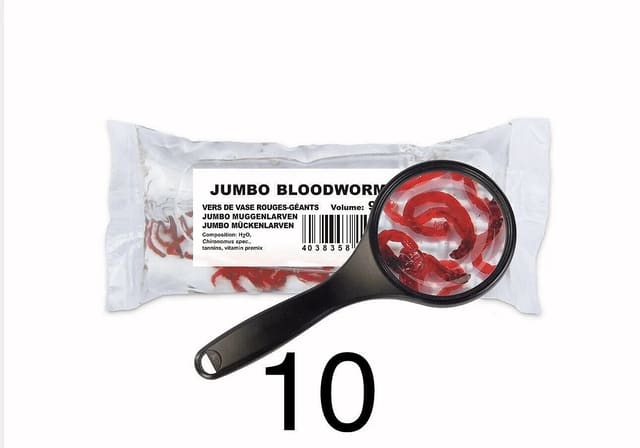
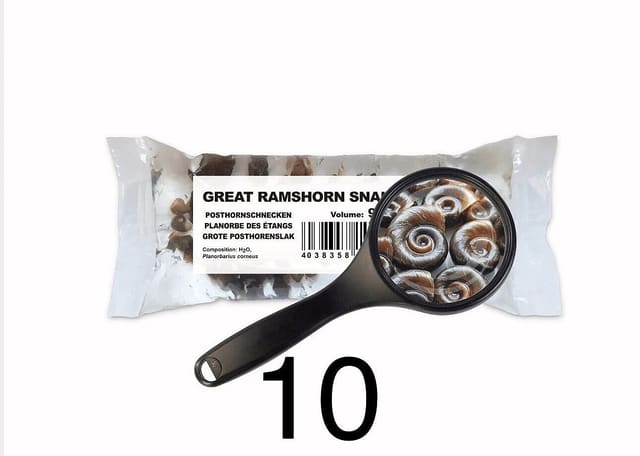
The product image is a small packet graphic. Individual mysids cannot be identified from it, and it is not evidence of species, count, freshness or bag density. Storage life and restock dates are not stated.
The pack is a wholesale-style case of 25 individually sealed small bags. This can be practical when feeding several aquariums, conditioning breeding groups or sharing a delivery between experienced keepers. It may be excessive for one lightly stocked home tank. Before ordering a future restock, calculate how many bags can be used while the organisms remain in acceptable condition under the instructions supplied with that batch.
A 90ml-format bag contains transport or holding water as well as live feed. It should not be compared directly with a 90g frozen cube, 90ml of drained shrimp or a labelled net weight. Our stock records do not state a minimum count or drained biomass. Natural size and density can also vary between bags. The honest purchase unit is therefore 25 live-food bags, not a guaranteed number of mysids.
| Pack wording | What it means | What it does not mean |
|---|---|---|
| 25 pack | Twenty-five separate PE bags | Twenty-five individual mysids |
| 90ml | Nominal bag size including holding water | 90ml pure biomass or a 90g net weight |
| Live Mysis | Live mysid-type crustacean feed | A frozen slab, blister or named species guarantee |
| Fish food | Feed intended for suitable aquatic animals | A stocking animal for release or an automatic complete diet |
The 25 x 90ml PE-bag product is the live listing. Frozen mysis is sold separately as a 500g flat plate in a zipper bag and a 6 x 100g blister pack.
Live and frozen feeds can both be useful, but they solve different practical problems. Live prey movement can trigger feeding in some visually hunting fish. Frozen mysis is easier to store for longer periods and portion gradually. Frozen food does not need to remain alive in transit; live feed does. A customer searching for frozen mysis should use the clearly labelled Mysis Frozen Flat Plate 500g or Mysis Frozen Blister 6 x 100g, not this product.
| Feature | Live 25 x 90ml bags | Frozen mysis formats |
|---|---|---|
| State | Live aquatic feed | Frozen feed |
| Storage | Perishable; follow batch instructions | Keep frozen under the product label |
| Feeding response | Movement may encourage pursuit | Scent and familiarity may encourage feeding |
| Pack use | Best where many bags can be used promptly | Better for gradual portioning over time |
| Species claim | Not stated for this pack | Read each frozen product's own label |
Mysids are small shrimp-like crustaceans in the order Mysida. They occur in marine, brackish and freshwater environments, depending on species. Calling every product 'Mysis shrimp' is convenient trade language, but it does not identify a species or its water requirements. The pack is described only as live Mysis in PE bags.
That distinction matters. Advice for a cold-water freshwater mysid cannot automatically be applied to an unidentified live-feed bag, and advice for a marine culture cannot be assumed either. Do not attempt to establish a display colony, breed the feed or adjust the aquarium to a guessed salinity. The product is offered as feed, and the label or instructions included with a future batch should take priority over generic internet care sheets.
The name also should not be confused with the PE Mysis brand often seen in frozen-food searches. Here, PE describes the polyethylene bag format, not a brand.
Peer-reviewed aquaculture literature supports mysids as potentially valuable live prey. Reviews report useful protein, lipid and fatty-acid profiles in studied mysid species, and describe their movement as a feeding stimulus for fish and other aquatic predators. Mysids have been investigated as alternative live feed for marine fish nursery culture, seahorses, cephalopods and crustaceans.
Those findings do not create a laboratory analysis for this retail pack. Nutrient composition changes with mysid species, size, culture diet, environment and handling. Some studies found higher lipid or particular fatty-acid values in tested mysids than in a specific enriched Artemia treatment, but that is not a universal guarantee for every bag.
Use live mysids as one part of a species-appropriate diet. A complete prepared staple can provide consistency, while carefully chosen live, frozen and fresh foods add behavioural and nutritional variety. Breeding or larval programmes may use live feeds more intensively, but those programmes need feeding rates and enrichment matched to the exact animal.
| Evidence supports | Evidence does not prove for this pack |
|---|---|
| Mysids can be valuable prey for suitable aquatic predators | A guaranteed protein or fat percentage |
| Live movement can stimulate capture behaviour | That every fish will recognise or digest the food |
| Studied mysids can contain useful fatty acids | That this product is always richer than brine shrimp |
| Mysids have aquaculture and aquarium-feed uses | That they form a complete diet for every target species |
Suitability begins with mouth size, feeding behaviour, life stage and normal diet. Small to medium predatory or omnivorous fish that take moving crustacean prey may show interest. Bettas, killifish, dwarf cichlids, some community fish and marine fish are often fed mysis products, but that does not mean this unidentified live format is correct for every individual.
Do not use a species list as a guarantee. A fish may ignore prey that is too large, too fast or presented in the wrong part of the water column. Herbivores need a diet built around their actual nutritional ecology. Very small fry may require rotifers, copepod stages or Artemia nauplii rather than adult-sized mysids. Large predators may find a 90ml bag uneconomical.
Seahorses and mandarins can have specialist feeding needs, while corals vary widely in prey capture and particle size. Consult a reliable care plan for the exact animal before using any live feed.
| Question | Check before feeding |
|---|---|
| Can the animal swallow it? | Compare actual prey size with mouth gape and life stage |
| Does it hunt moving crustaceans? | Review the species' normal feeding ecology |
| Will it receive a balanced diet? | Keep a suitable staple and rotate foods where appropriate |
| Is the feed condition acceptable? | Inspect movement, odour, water and packaging on arrival |
| Is the source water compatible? | Avoid adding transport water and follow batch instructions |
Inspect the bag before opening. Use only feed that arrives in good condition, and follow the instructions provided with the order. If the bag is leaking, badly fouled, unusually odorous or the contents appear dead, do not pour it into the aquarium. Photograph the sealed bag and contact support within the applicable evidence window.
Where the batch instructions allow, separate the live feed from packing water with an appropriately fine clean sieve and rinse with water suitable for the target aquarium. Do not use soap, household disinfectant or untreated tap water. A pipette, baster or small cup can place a modest portion where the intended fish can reach it.
Start with less than you think is needed and watch the whole feeding event. Add more only while the target animals are actively taking the prey. Remove obvious uneaten organisms or dead material. Live feed does not make overfeeding harmless; animals that die unseen can decompose and raise the biological load.
Try one small portion in a well-observed aquarium before opening several bags. Confirm prey size, feeding response and water-quality impact, then build a routine around what the animals actually consume.
The case size is designed for high-use situations. A breeder with multiple tanks may distribute one bag across several groups. A single betta keeper may struggle to use 25 bags responsibly. Because the historical listing has no verified storage-life figure, this page cannot promise that a case will remain viable for a particular number of days.
Plan consumption before purchase. Count the aquariums, estimate a cautious portion from prior live-food use and leave room for fish that refuse the first trial. Do not open bags early merely to combine them into an untested container. Separate bags reduce cross-contamination and make it easier to inspect each unit.
| Use case | Fit for a 25-bag case | Reason |
|---|---|---|
| Breeding room with many suitable fish | Potentially good | Several bags can be used while fresh |
| Retail or club group order | Potentially good | Sealed bags can be allocated between experienced keepers |
| One lightly stocked aquarium | Usually poor | High risk of waste before all bags are used |
| First live-food experiment | Consider a smaller product | Prey acceptance is not yet known |
Live mysids are perishable aquatic animals. Follow the storage temperature, light, oxygen and use-by instructions supplied with the actual batch. Those details can change with species, packing method and season, and none is documented for this pack, so no refrigerator temperature or multi-day survival promise is made.
Keep bags protected from heat, freezing, direct sunlight, pets and household contamination. Do not freeze this live product to 'save it' unless a manufacturer instruction explicitly says the contents can be frozen safely as feed. Freezing changes a live product into an unanalysed home-frozen product and can compromise quality.
Do not add food, salt, medication or aeration to sealed retail bags. Do not attempt a culture from an unidentified organism. If longer-term live-feed culture is the goal, begin with a correctly identified culture and a purpose-built protocol.
Live aquatic feed can carry water and microorganisms from its production system. Buy from a responsible aquatic supplier, inspect every bag and avoid adding transport water where suitable handling instructions permit separation. Keep feed equipment separate from sick-fish tanks and wash hands between systems.
Never release unused mysids or bag water into ponds, streams, drains connected to natural water, or any outdoor habitat. The species and environmental tolerance are unknown. UK rules control the movement of live aquatic animals, and non-native release can damage ecosystems. Unused feed should be contained and disposed of according to the instructions supplied with the order and local requirements.
Do not sell or distribute the feed as a named culture species. The pack label is a food trade description, not a taxonomic certificate. If bags are shared within a legitimate group order, keep the original product information and handling instructions with them.
A moving prey item can disappear behind decor before it is eaten. That does not mean it is harmless. Any mysids that die in the aquarium become organic waste. Use modest portions, maintain filtration and check hidden areas after feeding. In small tanks or fry systems, the margin for error is limited.
Monitor ammonia and nitrite whenever a new feeding method is introduced, especially in newly established or heavily stocked aquariums. If readings change, stop adding the food, remove remains and correct the husbandry cause. Do not rely on snails or bottom feeders to consume excess.
Target feeding can reduce waste. Temporarily lowering strong flow may help some fish capture prey, but restore normal circulation promptly. Never leave filtration off and forgotten after a feeding session.
Different prey sizes and movement patterns serve different animals. Live Brine Shrimp are widely used and their identity is clearer. Live Daphnia may suit many freshwater fish and can provide a different prey profile. Live Tubifex Worms and Live White Worms are richer, worm-based alternatives for selected fish.
None is universally best. Choose by the target animal, prey size, nutrient plan, source quality and your ability to store and use the pack. Rotate only foods that genuinely suit the animal. Variety is not improved by adding unsuitable prey.
| Food | Useful distinction | Check first |
|---|---|---|
| Live mysids | Shrimp-like moving prey; unidentified species in this pack | Prey size, condition and target-animal suitability |
| Live Artemia | Clearly labelled brine shrimp option | Life stage and enrichment |
| Live Daphnia | Freshwater water-flea prey | Size and source quality |
| Live Tubifex / White Worms | Worm-based conditioning options | Species diet and portion size |
| Frozen mysis | Longer-storage non-live alternative | Cold chain, thawing and portion control |
Search results often ask how to breed or culture mysid shrimp. Successful culture depends on exact species, salinity, temperature, oxygen, density, cannibalism control and feed. Research protocols for one mysid cannot safely be transferred to an unidentified retail food bag.
This listing includes no starter-culture guarantee, no mixed-sex count and no viability period for reproduction. Its purpose is feeding. Anyone planning a culture should obtain a named, legal source with documented water parameters and biosecurity guidance rather than using a food pack opportunistically.
Live feed requires different handling from dry or frozen food. Delivery availability, dispatch days and weather restrictions should be checked at checkout and in the current live-feed terms. Do not assume the live-fish guarantee, frozen-food cold chain or a general next-day statement applies in exactly the same way to this product.
Be available to receive the parcel. Inspect the outer packaging and all bags before opening. If there is a problem, follow the evidence process in the current policy promptly. Clear photographs of the sealed bag, label, condition and shipping packaging are more useful than a report made after the contents have been poured into an aquarium.
The site advertises 10% off a first eligible order. Eligibility and exclusions are governed by the current promotion and checkout, so the discount is not added to the product title or presented as a permanent price reduction.
| Confirm before ordering | Why it matters |
|---|---|
| Your target animals can take the prey size | Acceptance and safe swallowing are not universal |
| You can use 25 bags promptly | No verified long storage life is published |
| You understand this is live, not frozen | Handling and delivery differ |
| You accept an unidentified mysid trade product | Species, salinity and culture source are not supplied |
| You have fine feeding and removal equipment | Target feeding reduces waste and packing-water transfer |
| You will not release or culture leftovers | Responsible biosecurity protects native waters |
It is the live 25 x 90ml PE-bag listing. Frozen mysis flat plates and blisters are separate products.
No. It contains 25 bags. No fixed animal count, drained biomass or net weight is stated.
No. The 90ml figure is the nominal bag size and includes holding water.
Our stock records do not name a species. The product must not be relabelled as Mysis relicta or any marine or freshwater species without evidence.
No brand is documented. In this historical wording, PE refers to the plastic bag format, not a frozen-food brand claim.
No. Use them as a varied supplementary feed within a complete species-appropriate nutrition plan unless a qualified protocol says otherwise.
No universal comparison can be made. Results depend on species, life stage, culture diet and enrichment, and this pack has no guaranteed analysis.
Only after checking the exact animal's prey size and specialist care plan. This unidentified pack is not automatically suitable for every seahorse or mandarin.
Follow the batch-specific instructions supplied with the delivery. No verified temperature or storage duration is present in the current source record.
Do not convert the product at home unless the manufacturer explicitly provides a safe freezing instruction. Use a purpose-made frozen mysis product instead.
No culture suitability is promised. The species and water requirements are unknown, and live aquatic organisms must never be released outdoors.
Use the current product-specific live-feed delivery and evidence terms shown with the order. Do not assume live-fish or frozen-food terms are identical.
The general discussion of mysids as live feed and their variable nutritional value was checked against the open-access review Adaptation and potential culture of wild amphipods and mysids as potential live feed in aquaculture. General live-feed principles were compared with the FAO Manual on the production and use of live food for aquaculture. UK biosecurity context was checked against Cefas and Defra guidance on live aquatic animals. None of those sources supplies a species or guaranteed analysis for this particular pack.
This listing tells you that the product is live, explains the 25 x 90ml format, separates it from frozen mysis and explains the limits of the product image. When it is back in stock, check the stock shown on this page and the batch instructions before you buy.
Live mysid feed in 25 separate 90ml-format PE bags for aquarists able to use a bulk perishable pack. Feed small observed portions as part of a varied diet, avoid transferring packing water, follow batch storage instructions and never release or culture unidentified leftovers. Species, salinity, count, biomass, guaranteed analysis and storage life are not supplied.
No reviews for this item yet. Bought one? Honest reviews only, good or bad.
What customers say about ordering from us
Easy website plenty of info on fish your buying great to pick a time slot
TRACEY DURRANT · 7 Oct 2026
Got some lovely fish thank you
Kevin Mackie · 7 Oct 2026
Reviews of our shop, collected by Judge.me, an independent third-party review collector. Newest first.