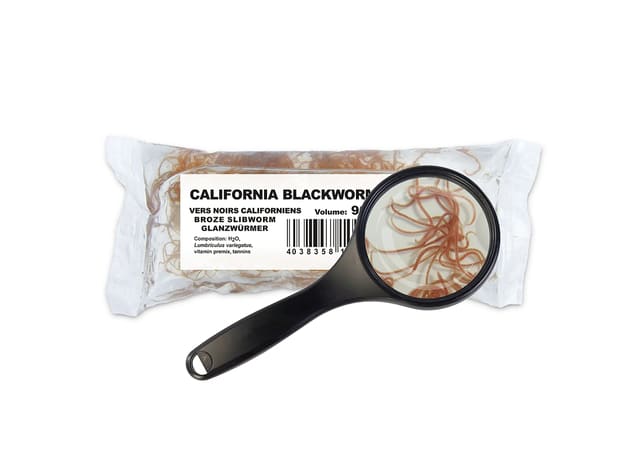
Live California Blackworms (Lumbriculus variegatus) - Case Packs
£78.99

Sea Monkeys brine shrimp PE bags, 90ml x 25pcs, ideal for bettas and community aquariums. A vibrant treat to support colour, health and growth. Buy now.
Sea Monkeys brine shrimp PE bags, 90ml x 25pcs, ideal for bettas and community aquariums. A vibrant treat to support colour, health and growth. Buy now.
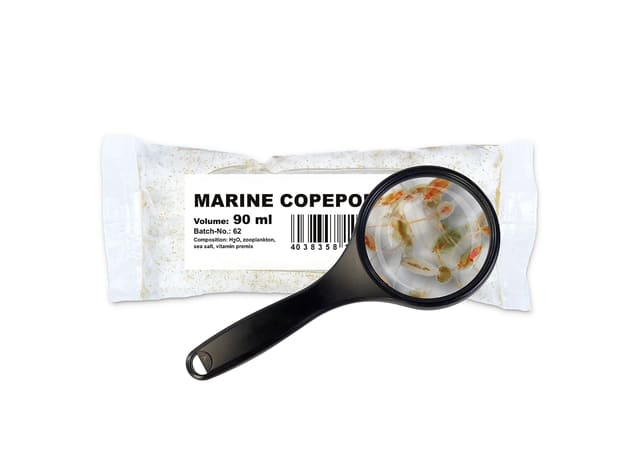
Sea Monkeys are one of the most recognisable names in the hobby, but many aquarists are surprised to learn that they are simply Brine Shrimp — tiny Artemia salina-type crustaceans long valued as a highly digestible, protein-rich live food for tropical fish. This 25-pack of 90ml PE bags gives you a practical sea monkeys kit alternative for feeding rather than novelty keeping, with ready-to-use Live Brine Shrimp for bettas, gouramis, small cichlids, livebearers, rasboras, tetras and fry. If you have ever asked what are sea monkeys, what are sea-monkeys, or can you feed sea monkeys to fish, this product is the hobby answer: yes, these are the same type of tiny saltwater crustaceans sold under the famous brand concept, and they are excellent for aquarium nutrition when used correctly. See our detailed photos showing the clean PE-bag presentation in sea-monkeys.webp, ideal for hobbyists who want reliable aquarium live food UK stock for routine feeding, conditioning breeders, or raising young fish. For fishkeepers looking for live fish food UK options that improve feeding response, support colour, and add variety to a dry-food routine, these brine shrimp sea monkeys are a practical, high-interest choice.
Artemia, often marketed as Sea Monkeys, became famous through novelty kits linked to harold von braunhut, the classic sea monkeys ad, and the well-known sea monkeys cartoon style branding. In the aquarium trade, however, their real value is nutritional: they are one of the most useful live foods for stimulating feeding and supporting growth in small tropical fish.
If you grew up seeing a sea monkey advertisement, wondering about sea monkeys walmart, sea monkeys argos, sea monkeys amazon, or even novelty items like a sea monkey watch and sea monkey accessories, it helps to separate the brand story from the biology. Sea Monkeys are a branded form of brine shrimp, and in fishkeeping they are valued because they move in the water, trigger a hunting response, and are easy for many fish to digest.
This makes them especially useful as live brine shrimp for betta fish, as artemia for tropical fish fry, and as protein-rich live food for fish during conditioning. Many keepers also choose them as the best live food for small fish because the size suits nano species and juveniles. Compared with some heavier foods, live brine shrimp are often accepted quickly even by shy or recently imported fish.
In practical terms, this product is not a toy or novelty set. It is a fish-feeding format designed for aquarists who want dependable live food for community fish UK systems. If your fish are fussy, under condition after transport, or being prepared for spawning, live artemia for fish UK is one of the simplest ways to increase feeding interest without moving straight to richer foods.
To understand why Brine Shrimp are so hardy, it helps to know where do brine shrimp live and where are brine shrimp found. Their natural range includes hypersaline lakes, salt pans and inland saline waters across several continents. The classic brine shrimp habitat is not a freshwater river or tropical stream but a salty, mineral-rich environment where few predators can survive.
This unusual brine shrimp environment explains their famous tolerance for harsh conditions. Brine shrimp salinity requirements in culture are far higher than normal aquarium water, and that is one reason they are easy to separate from freshwater fish systems when used as food. Their biology also includes remarkable dormancy traits linked to cysts, which is why people ask what is cryptobiosis when discussing dormant brine shrimp eggs or sea monkeys eggs.
Their resilience has also led to scientific use, which answers another common question: why are brine shrimp used for toxicology? They are used because they are easy to hatch, easy to standardise, and sensitive enough to act as a simple test organism in laboratory screening. That does not change their main aquarium role, though: they remain one of the most useful live foods in the hobby.
Fish usually show the strongest feeding response when live brine shrimp are offered in small portions that are fully consumed within a few minutes. That keeps interest high while limiting waste and unnecessary salinity transfer from packing water.
Because this is a live product, correct handling matters. The ideal brine shrimp storage temperature is cool and stable rather than warm. Avoid direct sun, radiators, windowsills and car dashboards. Overheating shortens survival, while freezing damages the animals and the bag contents. Good brine shrimp storage tips include keeping bags upright, handling them gently, and feeding as fresh as possible after arrival.
If you are comparing artemia shelf life with dry or frozen foods, remember that live food is best treated as a short-term, high-value supplement. This is not a cupboard product. Once delivered, plan your feeding schedule so the bags are used promptly. For hobbyists searching buy live brine shrimp UK, buy live brine shrimp online UK, or live brine shrimp bulk UK, freshness matters more than simply buying the largest quantity available.
A common customer question is whether these are suitable as an original sea monkey-style pet culture. While they are biologically similar to novelty kit shrimp, this pack is intended for aquarium feeding. If your goal is fish nutrition rather than novelty keeping, the format is far more practical. For routine feeding alongside dry foods, many aquarists pair live foods with staples like Vitality & Color Flakes or Insect Menu Granules S to create a varied weekly plan.
This product works best as a ready-to-feed sea monkeys kit for aquarists who want the benefits of live food without learning how to hatch brine shrimp from cysts. There is no need for cones, airline tubing, salt mix or a separate brine shrimp hatching station. Simply acclimatise the bag to room temperature if needed, open carefully, and feed small portions with a pipette, turkey baster, or fine net.
For keepers who do culture their own Artemia, this pack can still be useful as a backup when your hatch rate drops or when you need immediate food for fry. It is especially handy for artemia for fry feeding during the first growth stages, and for brine shrimp for conditioning breeders before spawning attempts. In many fishrooms, ready-packed live food prevents gaps in nutrition when hatching schedules fail.
People often ask what do brine shrimp eat and what do sea monkeys eat. In culture, they feed on microalgae, suspended particles, specialised powders and very fine organic matter. In home culture discussions, you may also see topics like feeding brine shrimp yeast or using prepared brine shrimp food and sea monkeys food. That matters because the nutritional profile of live food depends partly on what it has been fed before your fish eat it.
Well-managed Live Artemia are valued for movement, digestibility and useful nutrient content. The artemia nutritional value is especially appreciated for fry and small-mouthed fish, while adults benefit from the feeding stimulation. If you are raising juveniles, artemia portion size should be small and frequent rather than large and wasteful.
For a balanced routine, combine live food with quality dry foods. Bettas and small tropicals do well when live brine shrimp are rotated with Kirysek Granules, Spirulina Granulat, or Tropical SuperVit Tablets B depending on species and feeding zone.
The best brine shrimp feeding frequency depends on the fish you keep. For adult bettas, 2-4 live feedings per week is usually enough as part of a varied diet. For fry, juveniles, or fish being conditioned for breeding, smaller daily portions may be appropriate. This is where a clear brine shrimp for fish feeding guide helps: use live brine shrimp as a supplement, not the only food, unless you are following a specialised fry-raising schedule.
As a rule, feed only what is eaten in 2-3 minutes. This reduces waste and limits brine shrimp water quality impact. In community tanks, target feed slower fish so faster species do not take everything. Bettas, gouramis and rasboras usually respond very well to moving prey, making this one of the top choices for brine shrimp for tropical fish UK.
| Time | Food | Amount |
|---|---|---|
| Morning | Staple dry food | Small pinch or species-appropriate portion |
| Evening | Live brine shrimp | Only what is eaten in 2-3 minutes |
Too much live food can leave uneaten shrimp and packing water in the tank, contributing to ammonia spikes and avoidable maintenance. Feed lightly, especially in small aquariums and fry tanks.
Many shoppers compare live brine shrimp vs frozen brine shrimp, or ask about brine shrimp vs bloodworms, brine shrimp vs daphnia, and brine shrimp vs mysis. Each has a place. Live brine shrimp excel at triggering feeding response and are often easier for small fish to handle than mysis. Bloodworms are richer and can be overused with sedentary fish. Daphnia can be useful for fibre and gut clearance, while brine shrimp are often preferred for fry growth and conditioning.
In nutritional discussions, artemia vs daphnia nutrition is a common comparison. Artemia are generally favoured when you want active hunting behaviour and a soft-bodied prey item. For many keepers, they are the best live crustacean for tropical fish because they suit so many species and life stages.
If you want variety, alternate this product with White Worms PE-bags 90ml-.of 25pcs for larger fish or breeding adults, and keep a dry staple such as Vitality & Color Flakes on hand for everyday feeding.
This pack is especially useful for bettas and labyrinth fish, but the list is much wider. Some of the best fish for brine shrimp include bettas, sparkling gouramis, dwarf gouramis, guppies, endlers, platies, mollies, rasboras, danios, small rainbowfish, killifish, Apistogramma, and many tetras. Young fish and recently imported stock often take live artemia UK readily even when they ignore flakes.
It is also an excellent option as live artemia for seahorse food in suitable marine contexts, though enrichment is often recommended there. Freshwater breeders use it heavily as artemia for fry feeding and for pre-spawn conditioning. If you keep a mixed tropical aquarium, this is one of the most flexible tropical fish food UK supplements available.
| Fish Type | Suitable? | Notes |
|---|---|---|
| Bettas and gouramis | ✅ Yes | Excellent feeding response and conditioning food |
| Small community fish | ✅ Yes | Ideal as live food for community fish UK tanks |
| Large predatory fish | ⚠️ Limited | Usually too small to be worthwhile as a main food |
For timid fish, switch off strong flow for a few minutes before feeding. Live Artemia stay in the water column long enough for shy fish to join the meal.
Another popular question is how big do sea monkeys get. Typical brine shrimp size varies with strain, age and culture conditions, but adults are usually around 8-12mm, with some reaching a little larger. Their transparent body, visible gut line and swimming appendages make brine shrimp anatomy surprisingly interesting under close inspection.
The brine shrimp life cycle is fast. Under suitable conditions, cysts hatch into nauplii, then pass through multiple moults before reaching adulthood. Brine shrimp lifespan is usually measured in weeks to a few months, depending on temperature, salinity and food. This is why hobbyists asking about sea monkeys lifespan, how long can sea monkeys live, or how long do sea-monkeys live will see a range of answers: conditions matter a lot.
When people talk about sea monkeys fully grown, sea-monkeys fully grown, or fully grown sea monkeys, they are usually referring to adult Artemia with visible tails, appendages and a more elongated body shape. In a feeding context, however, you do not need to raise them to full size to gain nutritional value for fish.
If you are curious about how do sea monkeys work, the simple answer is that dormant cysts can survive dry storage and then hatch when placed in the right saline conditions. That is why brine shrimp eggs, sea monkeys eggs and sea-monkeys eggs are such a familiar part of educational kits. The process is tied to their remarkable survival biology and the dormancy state often described in discussions of cryptobiosis.
People also ask how do sea monkeys reproduce. Adult Artemia can reproduce sexually, and depending on conditions some populations may produce live young or cysts. Their brine shrimp adaptations to extreme saline habitats are what make this possible in environments that would kill many other small crustaceans.
For aquarists, the key point is convenience. If you do not want to learn how to hatch brine shrimp at home, this ready-packed live option skips the equipment and gives you immediate feeding value. If you do hatch your own, this product is still useful as a backup during poor hatch periods or when you need larger Live Brine Shrimp rather than newly hatched nauplii.
The question are sea monkeys cruel usually comes from novelty-kit discussions rather than fishkeeping. In aquarium use, brine shrimp are simply a natural prey item and a long-established live food. Ethical feeding comes down to sensible use: buy only what you can use fresh, store it correctly, and avoid waste.
Some shoppers also ask what are aqua dragons and what are triops. Aqua Dragons are another branded brine shrimp concept, while Triops are different branchiopod crustaceans with a separate appearance and care profile. So sea monkeys vs triops is not a direct comparison of the same animal. Likewise, novelty searches such as sea monkeys kmart, sea monkeys madrid, sea monkeys dideco, sea monkeys films, or itsy bitsy sea dragons are interesting culturally, but for aquarists the important point is nutritional usefulness.
And for the occasional odd question, can you eat sea monkeys is not relevant here — this product is intended strictly for aquarium use.
Hatching cysts can be rewarding, but it also means managing saltwater, aeration, light, timing and separation. For many fishkeepers, ready-packed artemia for aquarium UK use is simply easier. There is no need to buy hatching gear, no uncertainty over hatch rates, and no waiting period before feeding.
This makes the pack especially useful for busy aquarists, breeders needing emergency food, and anyone wanting brine shrimp for sale online UK without turning fish feeding into another project. It is also a straightforward option for keepers comparing live brine shrimp price UK against the hidden cost of salt, cysts, air pumps and failed hatches.
| Feature | This Live Pack | DIY Hatching |
|---|---|---|
| Setup time | Immediate use | Requires hatching system |
| Convenience | Very high | Moderate |
| Best for | Routine feeding and backup | Large fry-rearing projects |
Live food works best in rotation. For omnivorous community fish, combine this product with a dependable dry staple from our fish food online UK range. Bettas and small carnivores often do well with Insect Menu Granules S between live feedings, while community fish can benefit from Vitality & Color Flakes or Kirysek Granules.
Herbivorous or mixed feeders also appreciate some plant content, so Spirulina Granulat can help round out the week. Bottom-feeding species may take leftovers poorly, so targeted options such as Tropical SuperVit Tablets B are useful. Larger cichlids and colour-focused displays may be supplemented with Tropical Red Parrot Granules, while mixed reptile or amphibian keepers sometimes also browse Turtle Pro Multi-Feed for other setups.
This 25-bag format is designed for fishkeepers who actually use live food regularly, not for one-off novelty feeding. The 90ml PE bags are practical to portion, easy to store short term, and suitable for anyone running multiple tanks, breeding projects or a busy betta rack. If you are searching brine shrimp for sale, artemia for sale UK, buy live artemia UK, or dependable freshwater fish food UK options with real feeding value, this product fits that need well.
We describe it clearly for what it is: a live food product for aquarium nutrition and maintenance. That matters because customers often arrive via novelty searches like executive sea monkeys for grown ups or branded curiosity terms, then realise they actually need a practical feeding solution. This pack gives you that solution in a fishroom-friendly format.
To build a more varied feeding plan, pair these Sea Monkeys with White Worms PE-bags 90ml-.of 25pcs for a richer live-food option. For everyday dry feeding, Vitality & Color Flakes and Insect Menu Granules S are easy staples for tropical community tanks. If you keep algae grazers or omnivores, Spirulina Granulat adds useful plant content. For mixed feeding zones, Tropical SuperVit Tablets B helps target bottom and midwater fish, while Kirysek Granules is a handy all-rounder for small tropicals. Browse the wider LIVE FOOD FOR FISH collection if you want more natural crustacean food for fish UK and other live feeding options.
No reviews for this item yet. Bought one? Honest reviews only, good or bad.
What customers say about ordering from us
I have a small group of long finned mountain minnows. So was delighted to be able to order ten of this variety to increase the genetics in my tank . The ones I recieved are healthy but it’s to early to give a verdict on wether they are of a long finned type since they are small currently.
Gordon Walker · 23 Sept 2026
100% success travel and "installation". Pleased with quality of purchase. The Siamese fighter a bit "shy" so have not yet seen him at his best yet but looking good. Happy customer. GG
George E Garratt · 21 Sept 2026
Reviews of our shop, collected by Judge.me, an independent third-party review collector. Newest first.