Acheta domestica Large Crickets – 250 Pack
£29.99

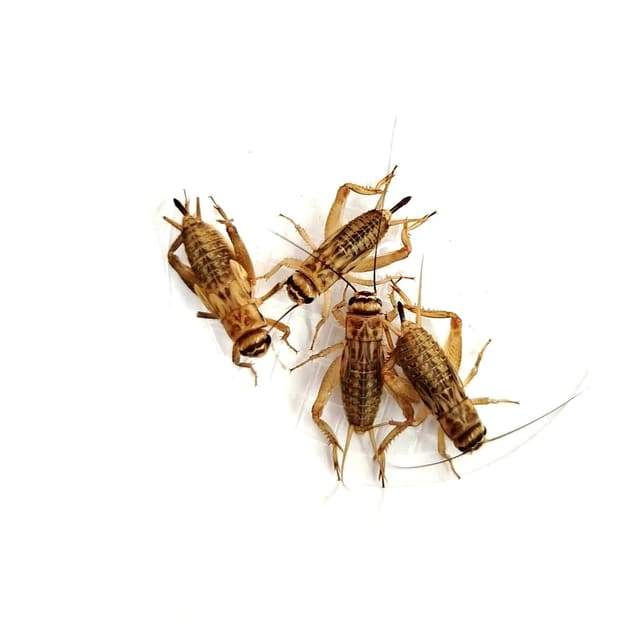
Large Gryllus assimilis (Jamaican field cricket) feeders in a 250-piece pack. A hardy, meaty, active feeder insect for bearded dragons, geckos, amphibians and invertebrates. Live reptile food with UK delivery.
Save when buying more.
Large Gryllus assimilis (Jamaican field cricket) feeders in a 250-piece pack. A hardy, meaty, active feeder insect for bearded dragons, geckos, amphibians and invertebrates. Live reptile food with UK delivery.
Large Gryllus assimilis field crickets are one of the most practical choices in live food UK for keepers who want a hardy, active feeder insect with enough size for bigger insect-eating pets. Sold here as Large Field Crickets 250pcs, these live field feeder crickets are widely used as live food for bearded dragons, geckos, amphibians, mantids and tarantulas. If you are comparing a house cricket with a Jamaican field cricket, many keepers choose large Gryllus assimilis because they are robust, meaty and easy to gut load before feeding. Each Field Cricket Large batch is a true field cricket rather than a vague mixed-grade tub, so you know exactly what your reptile is eating.
For keepers searching live reptile food near me, feeder crickets UK or feeder insects UK, this 250-count pack offers a practical balance between value and freshness. These are among the best field crickets for reptiles UK when you need active prey that triggers a natural hunting response. They suit anyone wanting to buy gryllus assimilis large UK, buy jamaican field crickets UK or source field crickets 250 for sale UK without compromising on feeder quality. Whether you keep a bearded dragon, leopard gecko, juvenile monitor or an invertebrate collection, this pack gives you reliable crickets live food that can be stored, hydrated and gut loaded at home for better nutrition.
The field cricket scientific name for this feeder is Gryllus assimilis. In the reptile hobby, Gryllus species are valued for their larger body mass and strong feeding response. Compared with smaller feeder species, they are often chosen by keepers who want a more substantial insect for medium to large reptiles.
If you are buying reptile food UK for active insectivores, size and durability matter. This Large Field Crickets 250pcs pack suits keepers who feed bearded dragons, larger geckos, young monitors, tree frogs and other hunters that benefit from a lively, visible prey item. For customers comparing reptile crickets online, field crickets are often preferred because they are sturdier than some alternatives and hold up well when kept correctly for several days.
These feeders also work as live reptile food uk within a wider routine alongside Gryllodes Sigillatus Tropical House Cricket Small, Gryllodes Sigillatus Tropical House Cricket Large and Acheta Domestica Cricket Large - 250pcs. Keepers often build a rotation of prey items to improve variety, stimulate feeding and reduce fussiness — especially helpful for bearded dragons and monitors that become selective if offered the same feeder every time.
For customers searching live food by post, live food warehouse or live food bulk, a 250-pack is a practical middle ground. It is large enough for regular feeding yet still manageable for hobbyists who do not want to maintain a huge feeder colony at home.
Gryllus assimilis, often sold as the Jamaican field cricket, is a member of the true cricket family. As a feeder it is known for a dark brown to near-black appearance, strong jumping ability and a more substantial body than many tropical house crickets. Although some keepers loosely call them live black crickets, they are not the same product as Gryllus Bimaculatus Black Cricket Large - 250pcs, which is a separate species.
Common questions around field cricket facts, the gryllus assimilis life cycle and the wider field cricket life cycle usually come from keepers wanting to know whether these insects are easy to store and feed over time. In warm, well-ventilated conditions with food and moisture they remain active and usable as feeders, though like all live insects they should be fed out progressively rather than left too long. Their active movement makes them excellent for encouraging a feeding strike in reptiles that ignore static prey.
Some hobbyists ask about jamaican singing crickets and jamaican field cricket sounds. Males can chirp, though feeder conditions, temperature and density all affect noise levels. If low noise is a priority, keep them clean, avoid overheating and feed them regularly.
A good field cricket keeping guide starts with three basics: ventilation, warmth and dryness. Transfer your Field Cricket Large feeders into a secure, well-ventilated tub or cricket keeper with plenty of surface area from egg trays. Overcrowding traps moisture and shortens lifespan, so spread them out where possible. Ideal holding temperatures are around 22–28°C — below that they slow down, and above that stress and losses increase quickly.
Use a dry base or bare-bottom setup rather than damp substrate, as crickets die faster from excess moisture than from slightly cool conditions. Add hydration crystals or water gel rather than open water, which causes drowning. Feed fresh carrot, leafy greens, squash or similar veg in small amounts and remove leftovers before they spoil. This simple routine doubles as a basic gryllus assimilis care guide for short-term home storage.
If you buy bulk large field crickets for large reptiles UK, split them into two tubs on arrival. Better airflow and lower crowding often improve survival and keep the insects cleaner for feeding.
Many keepers searching live reptile food delivery or live reptile food delivery uk want to know how long feeders last. The answer depends mostly on temperature, hygiene and hydration. In our experience customers get the best results when they unpack immediately, provide egg-crate structure and start feeding the crickets on day one rather than leaving them in the shipping container.
A proper field cricket gut loading guide is essential if you want more than an empty shell of protein — crickets are only as nutritious as what they have eaten recently. For 24–48 hours before feeding, offer a quality dry gut-load plus moisture-rich vegetables such as carrot, sweet potato, butternut squash, spring greens or dandelion leaves. This improves their value for reptiles, amphibians and invertebrates, and gives the jamaican field cricket nutrition profile a real lift.
If you are looking for gut loaded insects for sale, remember that home gut loading lets you tailor nutrition to your pet. Bearded dragons, for example, benefit from feeders that have been well hydrated and loaded with calcium-friendly veg before dusting. This is one reason many keepers choose live bearded dragon food uk from a reliable source and then finish preparation at home.
Dusting still matters. For most reptiles, gut loading and dusting work together rather than replacing each other. Use plain calcium regularly and add a multivitamin to your species-specific schedule. This is especially important for fast-growing juveniles and breeding females.
Do not feed crickets straight from the tub without hydration and gut loading if they have been in transit. Freshly delivered feeders need time to drink and feed before they offer their best nutritional value.
Yes — these are excellent live food for reptiles uk when matched to the right pet size. They are especially popular as live food for bearded dragons, and for leopard geckos, young tegus, juvenile monitors, chameleons and many amphibians. Keepers searching field crickets for monitor lizard feeding UK often choose large Gryllus assimilis because they are active enough to trigger a strong prey response and large enough to be worth chasing.
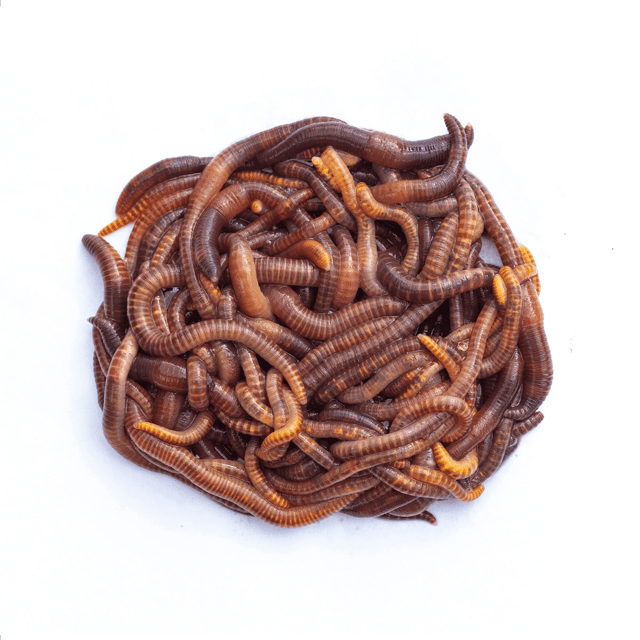
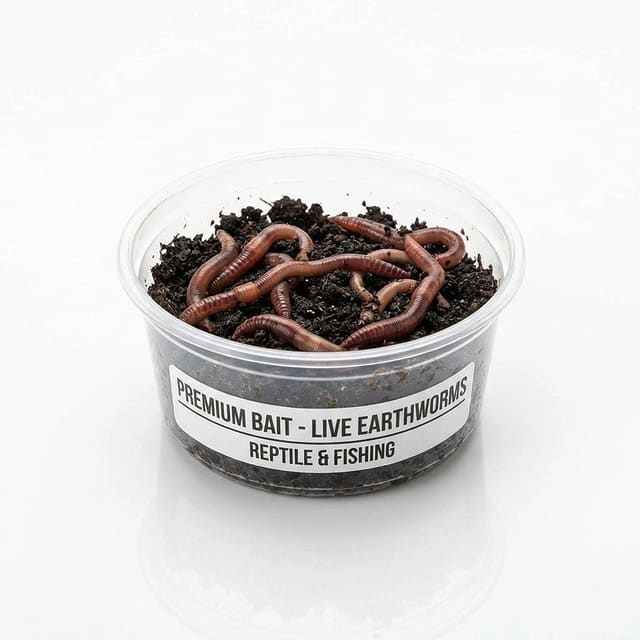
As with all feeders, choose a cricket no longer than the space between your reptile's eyes for routine feeding. Larger pets can handle larger prey, but juveniles should not be offered oversized insects. If your animal prefers a different movement pattern or body shape, rotate with Musca Domestica Housefly Non-Fly - 1/2 Litre for flying-hunter stimulation, Galleria Mellonella Waxworms - 18g as an occasional high-fat treat, or Lumbricus Terrestris Earthworm - 10pcs for moisture-rich variety.
Customers often compare cockroaches reptile food with crickets. Roaches are excellent feeders too, but many pets respond more eagerly to the fast movement of crickets. That makes this a strong choice when you need to restart appetite in a fussy feeder or add enrichment through active hunting.
The debate around field cricket vs house cricket for reptiles usually comes down to size, movement, smell and keeper preference. A house cricket such as Acheta Domestica Cricket Large - 250pcs is often lighter-bodied and familiar to many keepers. Gryllus assimilis tends to be chunkier and more robust, which can make it one of the best large cricket species for feeding UK if you keep larger insectivores.
| Feature | Gryllus assimilis | House Cricket |
|---|---|---|
| Body Build | Stockier, meatier | Usually slimmer |
| Best For | Medium to large reptiles | General mixed use |
| Movement | Active, strong prey response | Active and versatile |
| Common Search Intent | buy gryllus assimilis large UK | General cricket feeder purchase |
If you want a tropical alternative, Gryllodes Sigillatus Tropical House Cricket Large is another useful option. If you want a darker, heavier feeder for larger lizards, many keepers compare this product with Gryllus Bimaculatus Black Cricket Large - 250pcs.
When customers search gryllus assimilis vs gryllus bimaculatus, they are usually comparing feeder size, toughness and suitability for larger pets. Gryllus bimaculatus is commonly sold as the larger black cricket and is often chosen for very robust feeders. Gryllus assimilis remains a great middle-ground option: substantial enough for many medium and large reptiles, yet still manageable for a wider range of species.
| Feature | Gryllus assimilis Large | Gryllus bimaculatus |
|---|---|---|
| Typical Use | General large feeder | Larger, tougher feeder option |
| Suitability | Beardies, geckos, frogs, young monitors | Bigger lizards and stronger feeders |
| Alternative Product | This listing | Black Cricket Large - 250pcs |
If you are deciding on prey size alone, choose the feeder your pet can safely swallow and digest. If you are deciding on variety, alternating between species can improve feeding response and broaden nutritional intake.
Although primarily sold as live reptile food uk, these crickets also suit a range of other animals. They work as live field crickets for exotic pets UK including tarantulas, scorpions, mantids, giant centipedes and some insect-eating birds. Searches like live bird food uk and vivarium food UK reflect how versatile crickets are across different setups. For amphibians and invertebrates, active prey often triggers more natural feeding than static or frozen alternatives. If your collection includes several species, this is a practical feeder to keep on hand as part of a broader mix and match live food routine.
Feeding frequency depends on the animal, not the insect. Juvenile bearded dragons may take multiple feeding sessions a day, while adult lizards often do better with measured portions several times a week alongside greens or other staples. Amphibians, geckos and invertebrates all have different requirements, so use these crickets as part of a species-appropriate plan rather than a one-size-fits-all routine.
For keepers building a regular supply of reptile live food uk, a 250-pack works well for weekly or fortnightly use. If you need a bigger supply, you may be looking for live food bulk or a live food subscription uk style routine. In that case it helps to rotate orders so you always have fresh feeders at the right size rather than one oversized batch aging at home.
| Pet Type | Typical Use | Notes |
|---|---|---|
| Adult bearded dragon | Several per session | Dust and gut load first |
| Leopard gecko | 2–6 depending on size | Choose correct prey size |
| Juvenile monitor | Higher intake | Great for active hunting |
| Tarantula | 1–3 as needed | Remove uneaten prey |
A varied diet is usually better than relying on one feeder. Large field crickets pair well with earthworms, waxworms, flies, mealworms, roaches and occasionally locusts depending on the species you keep. If you are comparing alternatives such as live mealworms 1kg, looking to buy mealworms uk, weighing up 500g morio worms, or searching live locusts for sale and livefood locusts, think about your pet's natural feeding style. Crickets are ideal for active pursuit, worms are useful for easy calorie intake, flies stimulate arboreal hunters, and waxworms are best as treats rather than staples.
A rich occasional treat for reptiles that need tempting or conditioning, but too fatty for staple use.
Excellent for amphibians and insectivores that benefit from a softer, moisture-rich prey item.
Useful for geckos, frogs and other hunters that respond strongly to movement.
Some keepers compare live crickets with frozen insects uk, a locust box or mixed feeder packs. Live insects offer something frozen food cannot: movement. That movement stimulates natural hunting, exercise and feeding response. For pets that are shy, under-stimulated or fussy, active prey can make a major difference.
That said, mixed feeding is often best. A mix and match live food approach lets you combine crickets with worms, flies and occasional higher-fat treats. If you are choosing between a cricket tub and a locust box, think about prey size, enclosure height and your pet's strike style. Crickets are often easier to store in quantity and are a dependable staple for many keepers.
Many customers ask whether live reptile food free delivery, live reptile food uk free delivery or live reptile food tracked delivery is available. Delivery options vary by order value, location, season and courier service, so it is best to check the current shipping terms at checkout. With any uk live food order, the key point is that live insects must be packed and moved quickly, with care taken around extreme hot or cold weather.
Another common question is whether this is the same as searching live reptile food near me. Ordering online gives access to a wider range of sizes and species than many local shops carry, especially if you want large field crickets for sale UK or a specific species like Gryllus assimilis. Shoppers comparing cheap live food uk should weigh price against condition on arrival — healthy, lively crickets are worth more than a nominally larger tub of weak or undersized insects.
This product is selected for keepers who want a reliable, correctly sized feeder rather than a vague mixed cricket grade. Our large Gryllus assimilis batches are chosen for active movement, useful body size and suitability for medium to large exotic pets. That matters when you are weighing up large field cricket price UK on value rather than the cheapest count on paper. Healthy, lively crickets that arrive in good condition are worth more than a nominally larger tub with weak or undersized insects.
These crickets are a practical choice for anyone looking to gryllus assimilis buy online UK, source large field crickets for sale UK, or buy dependable live food for reptiles uk from a specialist livestock and feeder supplier. Customers keeping beardies, geckos, amphibians and invertebrates often tell us they prefer a pack size like this because it is easy to manage, easy to gut load and easy to combine with other feeders in one order.
For a complete feeder rotation, try Acheta Domestica Cricket Large - 250pcs if you want a classic brown crickets uk style feeder, or Gryllus Bimaculatus Black Cricket Large - 250pcs if you need a heavier black cricket option. Smaller insectivores often do well with Gryllodes Sigillatus Tropical House Cricket Small, while larger hunters can benefit from Gryllodes Sigillatus Tropical House Cricket Large for variety. To broaden your feeding plan further, add Galleria Mellonella Waxworms - 18g as an occasional treat or Lumbricus Terrestris Earthworm - 10pcs for moisture-rich variety. If your pet takes vertebrate prey, Mouse 18-22g is another specialist option for appropriate species.
No reviews for this item yet. Bought one? Honest reviews only, good or bad.
What customers say about ordering from us
I have a small group of long finned mountain minnows. So was delighted to be able to order ten of this variety to increase the genetics in my tank . The ones I recieved are healthy but it’s to early to give a verdict on wether they are of a long finned type since they are small currently.
Gordon Walker · 23 Sept 2026
100% success travel and "installation". Pleased with quality of purchase. The Siamese fighter a bit "shy" so have not yet seen him at his best yet but looking good. Happy customer. GG
George E Garratt · 21 Sept 2026
Reviews of our shop, collected by Judge.me, an independent third-party review collector. Newest first.