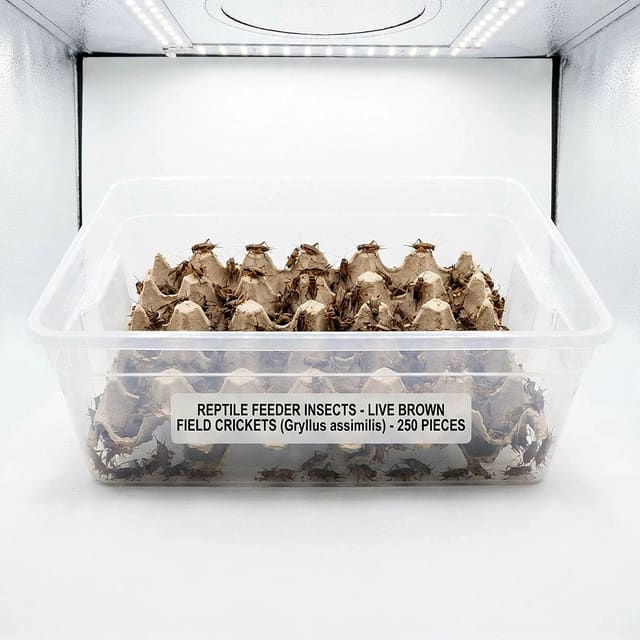
Acheta domestica Large Crickets – 250 Pack
£29.99

One 18g tub of live waxworms (Galleria mellonella): a rich, soft-bodied feeder for suitable insect-eating pets. Use within a varied, species-appropriate diet.
Galleria mellonella
One 18g tub of live waxworms (Galleria mellonella): a rich, soft-bodied feeder for suitable insect-eating pets. Use within a varied, species-appropriate diet.
Live waxworms 18g are the larval stage of the greater wax moth, Galleria mellonella. This listing supplies one 18g tub for keepers who want a rich feeder to add to a varied, species-appropriate diet. Waxworms are widely taken by suitable insect-eating reptiles, amphibians, birds and some fish, but they should not be treated as a nutritionally complete food or given according to one universal schedule.
The pack weight is the reliable sale-unit detail. The number and size of larvae can vary, and the existing gallery image is a representative close-up rather than a photograph of the exact tub or batch you will receive. This page gives practical handling and feeding boundaries without inventing a count, shelf life, nutrient percentage or veterinary promise.
Your order is for one tub with a stated net weight of 18g. It is not sold as a fixed number of larvae, and individual waxworms are not graded to one promised length on this listing. Natural variation in larval size means two tubs with the same weight may not contain the same count.
This distinction matters when comparing products. A weight tells you what the sale unit is; a photograph cannot establish the quantity, size mix or condition of a future batch. Use the live product option and checkout information for current availability and delivery choices rather than relying on static text.
| Detail | What this listing confirms | What is not promised |
|---|---|---|
| Pack | One tub | A multipack or subscription |
| Net weight | 18g | A fixed larval count |
| Organism | Galleria mellonella larvae | A different wax moth species |
| Appearance | Representative close-up in the gallery | An exact batch photograph |
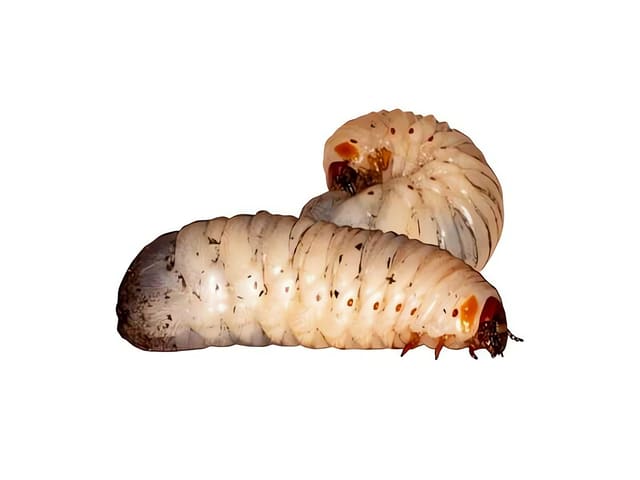
Waxworms are caterpillars, not true worms. They are the larval stage of Galleria mellonella, whose accepted common name is the greater wax moth. NCBI Taxonomy places the species in the order Lepidoptera and family Pyralidae. The pale body and darker head visible in the gallery are consistent with the familiar feeder-larva appearance.
Larvae eventually pupate and develop into moths when conditions allow. That is why warmth matters during storage: it speeds biological activity and development. A tub should be treated as short-term live feeder food, not as an indefinite cupboard product.
Waxworms are commonly selected when a keeper wants a soft-bodied, energy-rich feeder that many insect-eating animals will notice readily. Their role is best understood as one option within a broader feeding plan, not as a complete diet on their own.
Research on commercially raised feeder invertebrates found meaningful nutrient differences between species and identified deficiencies when individual insects were compared with complete-diet requirements. Research also shows that the diet used to rear G. mellonella can change aspects of larval fatty-acid composition. For that reason, this page does not copy a fat, protein, calcium or phosphorus percentage from another supplier or laboratory batch.
| Good reason to choose waxworms | Reason to choose another feeder as well |
|---|---|
| Add prey variety for an animal already eating an appropriate diet | No single feeder supplies every nutrient in the right balance |
| Offer a different texture and movement pattern | Other insects provide different body structure and nutrient profiles |
| Use a manageable 18g quantity | A larger collection may need several feeder types and pack sizes |
| Support enrichment through suitable live-prey behaviour | Not every species or individual should receive live insect prey |
Waxworms are used for many insect-eating reptiles, amphibians and birds, and sometimes for fish that safely take appropriately sized terrestrial insects. That broad use does not mean they are automatically suitable for every bearded dragon, gecko, frog, bird or fish. The animal must be able to swallow the prey safely, and the feeder must fit its normal diet, age, size, health and husbandry plan.
If your animal is very young, unwell, under veterinary treatment, overweight, refusing its normal food or has a history of digestive problems, seek advice from a qualified exotics vet or an experienced species specialist. A product page cannot diagnose the cause of poor appetite or prescribe a recovery diet.
| Keeper question | Decision boundary |
|---|---|
| Can the species naturally and safely take insect prey? | Check a current care plan for that species |
| Is the individual larva an appropriate size? | Compare prey size with the animal, not only the tub label |
| Is the rest of the diet varied and balanced? | Do not use waxworms as the sole food |
| Is supplementation required? | Follow species-specific veterinary or husbandry advice |
| Is poor appetite a health concern? | Investigate the cause rather than masking it with a preferred feeder |
Suitable bearded dragons and insect-eating geckos may take waxworms, but the amount and frequency should come from the animal's complete feeding plan. Age, body condition, reproductive status, temperature, UVB provision, supplementation and the rest of the diet all affect that decision.
Some feeding guides prescribe the same weekly pattern across every animal and offer exact example portions. That can look convenient, but it is not responsible husbandry: a juvenile, a healthy adult and an animal under veterinary care do not share one universal requirement. Use waxworms deliberately alongside appropriate staple feeders, and monitor the whole diet rather than counting only this one insect.
Waxworms are not a treatment for weight loss or food refusal. Persistent appetite change, rapid weight change, abnormal droppings, weakness or repeated regurgitation needs species-appropriate assessment.
Some amphibians and insectivorous birds accept waxworms, while some fish take insects from the surface or water column. Suitability still depends on the species and individual. Check whether terrestrial larvae are a normal, safe part of the feeding plan and remove uneaten prey before it dies or fouls the enclosure or aquarium.
For fish, waxworms should not be described as a general-purpose aquatic staple. Their terrestrial origin, rich composition and variable size make them an occasional option only where the fish's established care guidance supports them. For birds, use an avian feeding plan rather than assuming that every insect-eating species has the same requirement.
There is no honest single answer for every animal. A suitable portion depends on species, age, size, body condition, activity, the size of the larvae and every other food offered that day or week. Start from an established species care plan and count waxworms as part of the total diet, not as an extra that does not matter.
Observe the individual animal. If waxworms displace appropriate staple foods or overall body condition is moving away from the healthy range for that species, review the plan with a qualified professional. Avoid using appetite alone as proof that a feeder is nutritionally appropriate.
| Avoid this shortcut | Use this safer approach |
|---|---|
| A fixed number for every reptile | Use species, age, size and body condition |
| A fixed once-or-twice-weekly rule | Follow the complete feeding schedule |
| Offering more because the animal is eager | Judge suitability from the whole diet |
| Treating food refusal without investigation | Check husbandry and seek veterinary advice when needed |
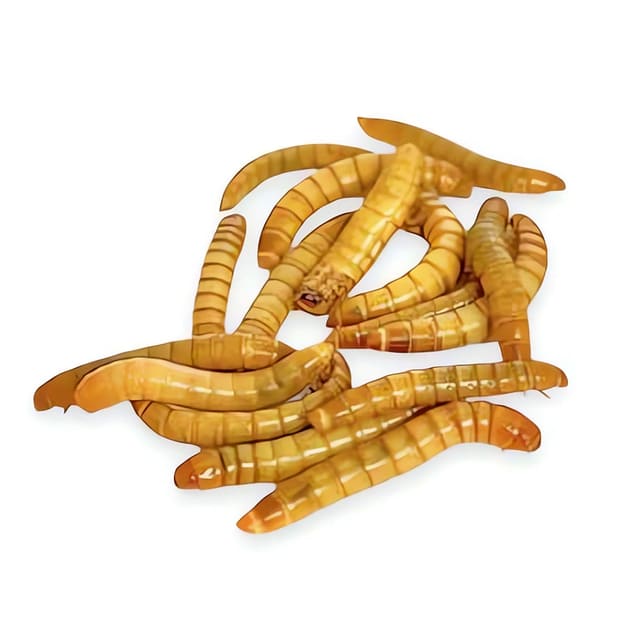
No feeder is universally better. The useful comparison is what each option contributes to a rotation and whether it suits the animal. Waxworms offer a soft larval form and are commonly treated as a richer choice. Mealworms have a firmer larval body; crickets and locusts move differently and may encourage a different hunting response; non-flying houseflies provide another small, active prey type.
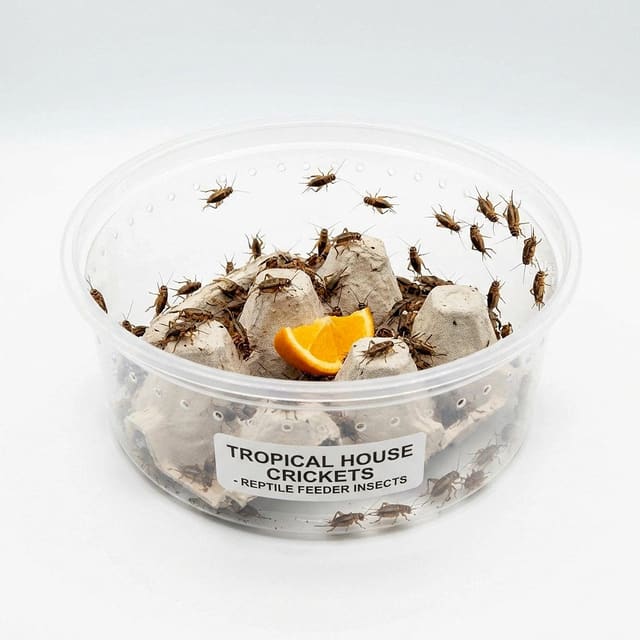
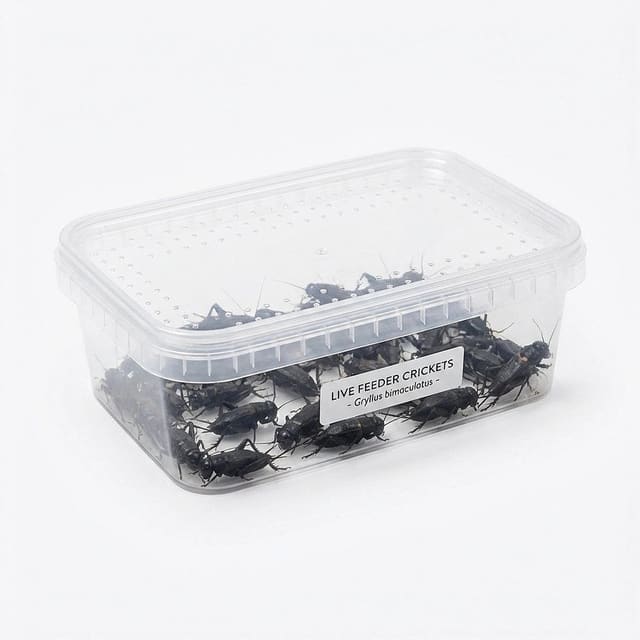
Choose by species suitability and the overall plan rather than by one headline claim. You can compare this tub with live mealworms, Acheta domestica house crickets, field crickets, black crickets, non-flying houseflies and migratory locusts.
| Feeder | Form and movement | Planning note |
|---|---|---|
| Waxworms | Soft-bodied moth larvae | Use as one richer element of a varied plan |
| Mealworms | Firmer beetle larvae | Check prey size and species suitability |
| Crickets | Active jumping insects | Remove uneaten insects where husbandry guidance requires |
| Locusts | Active, larger-bodied insects | Select a size the animal can safely take |
| Non-flying houseflies | Small active flies | Useful only for species suited to that prey type |
Keep the ventilated tub cool, dry, secure and away from direct sun, heaters, vivarium tops and other warm equipment. Warm conditions accelerate development, so an overheated tub is more likely to contain pupae or moths sooner. Keep ventilation openings clear and prevent condensation from collecting inside.
Follow any instruction supplied with the actual tub because this listing does not have a verified manufacturer-specific temperature or shelf-life guarantee. Do not assume that the coldest part of a household refrigerator is suitable. Avoid transferring the larvae into an airtight container, and keep the tub somewhere escaped larvae or moths cannot reach stored foods, textiles, beekeeping materials or animal enclosures.
Cool, dry, ventilated and secure are the priorities. Heat, direct sun, trapped moisture and blocked ventilation shorten the useful window and encourage development.
Open the outer parcel promptly and inspect the tub in good light. Check that the container is intact, ventilation is unobstructed and there is no obvious excess moisture, strong sour odour, widespread collapse or contamination. Cool larvae can be less active, so movement alone is not a complete condition test.
Separate any clearly unsuitable material and follow the current customer-service process if the order appears damaged. Keep the packaging and take clear photographs where a delivery issue needs to be reported. This feeder-food listing does not use the fish-specific arrival policy; the current delivery and customer-service terms govern the order.
| Observation | Practical response |
|---|---|
| Larvae cool and slow-moving | Inspect body condition and container before assuming loss |
| Pupae or moths present | Development has progressed; secure the container |
| Condensation or wet substrate | Improve dry storage and follow pack guidance |
| Damaged tub or widespread poor condition | Photograph the parcel and contact customer service promptly |
Pupation is a normal part of the greater wax moth life cycle, not a different product appearing in the tub. Larvae feed and grow, then form pupae before emerging as adult moths. Temperature and time influence how quickly this happens, and natural variation means the whole tub may not develop in step.
If development has started, keep the container secure. Adult moths are not the sale unit described on this page, and this product is not sold as a home breeding culture. Buying a manageable quantity and using it within an appropriate feeding plan reduces avoidable waste.
This listing does not claim that the waxworms are pre-gut-loaded or dusted with a supplement. Whether to gut load or dust a feeder depends on the target animal and its complete diet. Use a current species care plan or veterinary recommendation rather than applying one supplement routine to every reptile, amphibian, bird or fish.
Do not add wet foods to the retail tub without reliable husbandry instructions. Extra moisture can spoil the holding medium and change storage conditions. If your care plan calls for feeder preparation, use a method designed for G. mellonella and offer the larvae within the appropriate time.
An 18g tub suits keepers who want a defined, manageable weight without buying a large bulk culture. Whether it is enough for one feed or several depends on the animals being kept and the portion specified by their feeding plans. The page cannot turn 18g into a universal number of feeds because larval size and animal requirements vary.
Before ordering several tubs, consider how quickly the collection can use them and whether storage conditions are suitable. A smaller fresh order can be more practical than holding excess larvae while they continue to develop.
| Choose one 18g tub when | Reconsider the quantity when |
|---|---|
| You are adding occasional variety for a small collection | You cannot store the tub cool, dry and secure |
| You want a weight-defined sale unit | You need a guaranteed count or size grade |
| You can use it within the planned rotation | You are unsure whether the target species should eat waxworms |
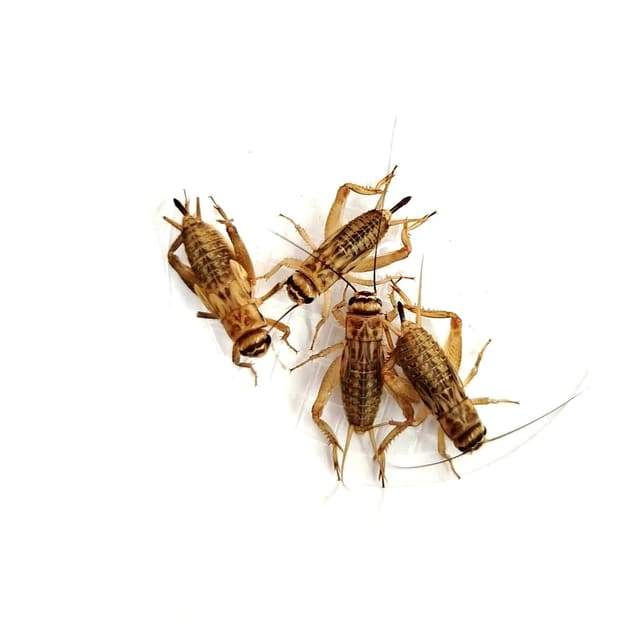
The retained gallery image is a clear close-up reference showing waxworm larvae. It helps identify general body shape and colour. It does not show the exact 18g retail tub, a label, an individual count, a size scale or the current batch.
Natural larvae vary, so appearance on arrival will not match every individual position or detail in the photograph.
Select the product once for one 18g tub and use the live checkout for current price, stock and delivery options. New customers can use the verified code WELCOME10 for 10% off their first order where the promotion's current terms are met.
Because this is live feeder food rather than a fish or livestock listing, fish-specific arrival cover is not advertised here. Review the current delivery information and customer-service terms before ordering, especially during periods of extreme weather or when nobody can unpack the parcel promptly.
The identity is checked against the NCBI Taxonomy record for Galleria mellonella. Nutritional boundaries are informed by Finke's analysis of commercially raised feeder invertebrates. The warning against copying product percentages from another batch is supported by research showing that larval diet affects fatty-acid profiles.
Storage advice remains deliberately conservative. Research on lower rearing temperature and waxworm development supports the direction of the effect, but it does not create an exact storage temperature or shelf-life promise for this retail tub. Pack-specific instructions take priority.
Choose this product when your species care plan supports waxworms, you want one 18g tub, and you can store it cool, dry, ventilated and secure. Choose a different feeder or seek advice when prey size is unsuitable, the animal needs a complete-diet review, or you require a guaranteed count, larval grade, nutrient analysis or shelf life that this listing does not provide.
For a broader rotation, browse the live food collection and compare prey type, movement, size and handling requirements before ordering. The best choice is the feeder that fits the animal's verified husbandry plan, not the one with the longest list of marketing claims.
No reviews for this item yet. Bought one? Honest reviews only, good or bad.
What customers say about ordering from us
I have a small group of long finned mountain minnows. So was delighted to be able to order ten of this variety to increase the genetics in my tank . The ones I recieved are healthy but it’s to early to give a verdict on wether they are of a long finned type since they are small currently.
Gordon Walker · 23 Sept 2026
100% success travel and "installation". Pleased with quality of purchase. The Siamese fighter a bit "shy" so have not yet seen him at his best yet but looking good. Happy customer. GG
George E Garratt · 21 Sept 2026
Reviews of our shop, collected by Judge.me, an independent third-party review collector. Newest first.