
Gryllus Assimilis Field Cricket Packet - UK
Live Gryllus assimilis field cricket packet for dependable feeding. A practical choice for reptiles and amphibians. Buy now with fast UK delivery.
Premium Quality
Healthy, vibrant fish from trusted suppliers
Expert Care
Detailed care guides and support
Live Arrival Guarantee
Your fish arrives healthy or we'll replace it
Acclimated
Properly quarantined and ready for your tank
Why Choose This Fish?
Live Gryllus assimilis field cricket packet for dependable feeding. A practical choice for reptiles and amphibians. Buy now with fast UK delivery.
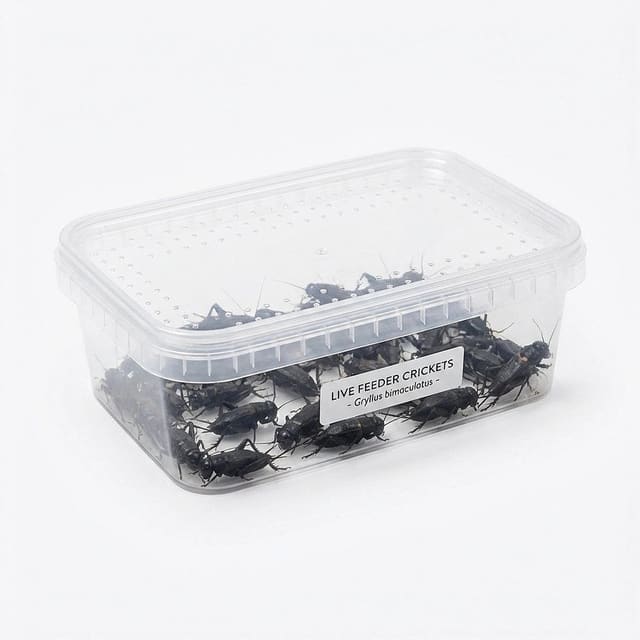
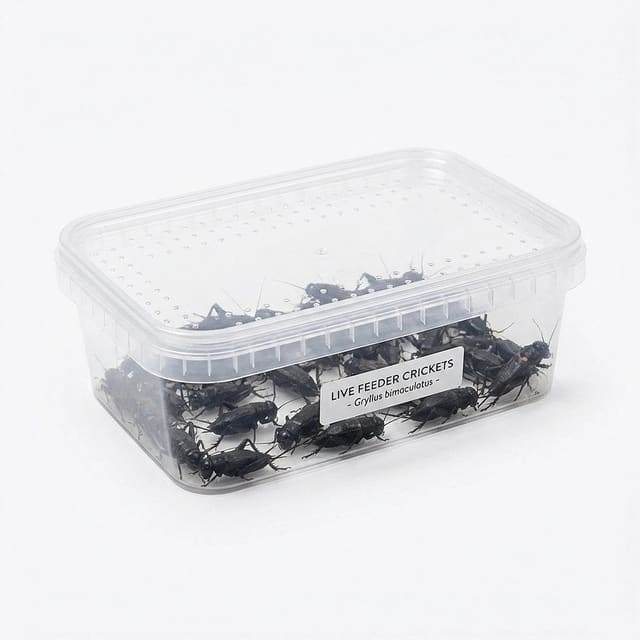
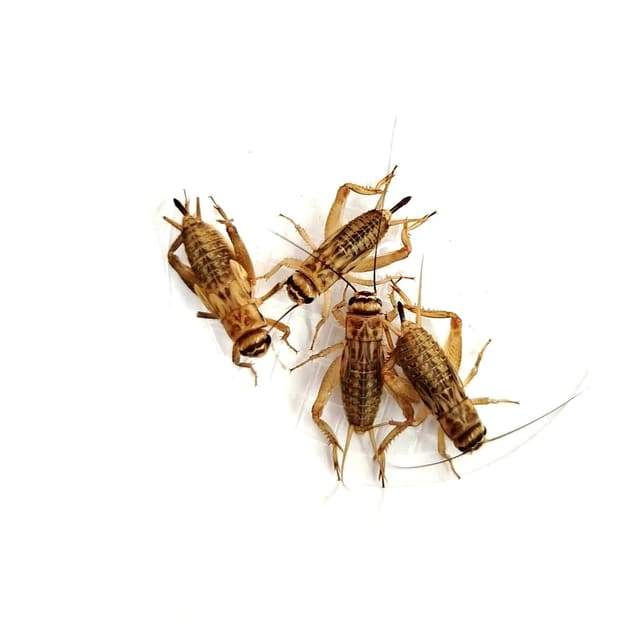
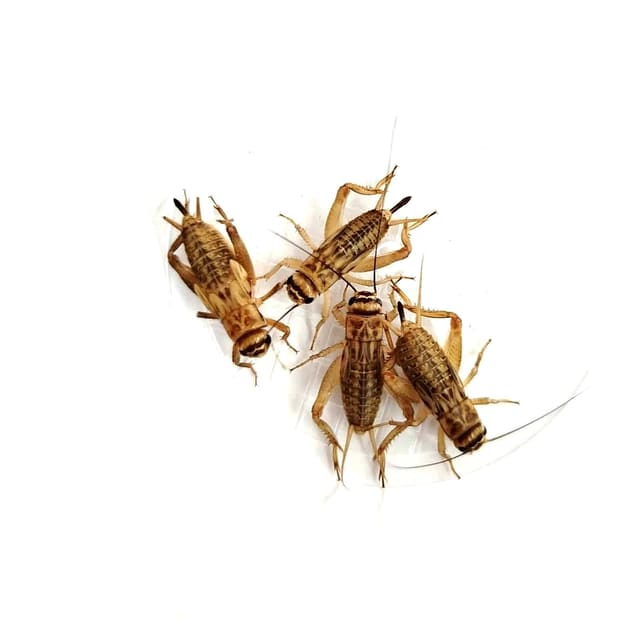
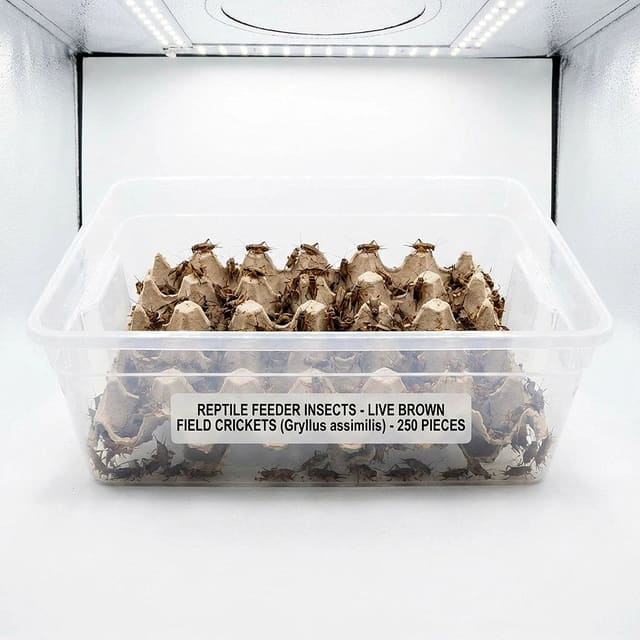
Gryllus assimilis, often sold as the quiet field cricket, is one of the most reliable live feeders for reptiles, amphibians, mantids, and larger invertebrates. This Gryllus Assimilis Field Cricket Packet gives you active, nutritious feeders with a firmer body than many tropical house cricket lines, making them a practical choice for keepers who want dependable live food with less odour and less escape-related nuisance. If you have ever searched what are field crickets, field cricket scientific name, or field crickets uk, this packet is the answer in a keeper-friendly format: healthy live insects packed for short-term holding and easy feeding. See our detailed photos showing the natural dark brown to field crickets black coloration in the product image gryllus-assimilis-field-cricket-packet-vivarium-animal-food.webp, which helps you judge field cricket size before ordering.
For many keepers, Gryllus assimilis hits the sweet spot between nutrition, durability, and handling ease. They are excellent as live crickets for amphibians and tarantulas, useful as small live crickets for baby reptiles when ordered in the right size, and ideal as large field crickets for adult reptiles in bigger grades. They are also popular with customers comparing a house cricket to a field cricket vs grasshopper for feeding response, movement pattern, and gut-loading potential. If you want high protein live food for reptiles that is simple to keep for several days with correct room temperature cricket storage, this packet is an easy, flexible option.
🔹 Quick Facts
- Scientific Name: Gryllus assimilis
- Common Name: Field cricket
- Product Type: Live feeder insect packet
- Best For: Reptiles, amphibians, tarantulas, mantids and insectivorous pets
- Storage Temperature: 20-26°C ideal for short-term holding
- Care Level: Easy
- Diet: Dry feeder diet, fresh veg, hydration crystals or moisture source
- Use: Feed directly or gut load before offering
Classification
- Order: Orthoptera
- Family: Gryllidae
- Genus: Gryllus
The field cricket family and order place Gryllus assimilis among the true crickets, distinct from locusts and grasshoppers. If you have looked up field cricket order, field cricket order name, or field cricket order and family, this species belongs to Orthoptera, family Gryllidae. In the live food trade, it is valued for its robust build, good feeding response, and suitability for gut loading before use.
What Makes Gryllus Assimilis Field Crickets a Good Feeder Choice?
This packet is designed for keepers who need flexible feeder numbers without jumping straight to bulk quantities. It suits hobbyists feeding a single leopard gecko, a young bearded dragon, a few dart frogs, or a tarantula collection. Compared with some softer-bodied alternatives, gryllus assimilis care is straightforward: good ventilation, dry base material, a clean food source, and sensible moisture management. That means fewer losses and more usable feeders over the life of the pack.
Customers often ask are field crickets dangerous, are field crickets harmful, or are field crickets harmless. As feeder insects, they are generally harmless when handled sensibly. They do not have venom, so are field crickets poisonous and which field crickets are poisonous are usually answered the same way for feeder species used in UK reptile keeping: they are not poisonous. They can nibble if overcrowded or hungry, so can field crickets bite and do field crickets bite are fair questions, but bites are rare, minor, and easily prevented by proper feeding. They do not sting, so can field crickets sting is a simple no.
If you are choosing between packet sizes, you can also move up to the Gryllus Assimilis Field Cricket - 500pcs for regular feeding schedules or the Gryllus Assimilis Field Cricket - 1000pcs for multi-animal collections.
How Should You Store a Field Cricket Packet at Home?
The best short-term setup is simple. Transfer the crickets to a well-ventilated tub, add egg crate for climbing space, keep them dry, and maintain room temperature cricket storage around 20-26°C. This reduces stress, improves airflow, and limits waste build-up. If you are wondering how to store live crickets, avoid sealed containers, direct sunlight, and damp substrate.
Quick Setup Checklist
- Use a ventilated plastic tub with secure lid
- Add egg trays or cardboard for surface area
- Keep at 20-26°C, away from radiators and cold windows
- Offer dry cricket feed plus fresh carrot or greens
- Remove dead insects and wet food daily
- Do not leave standing water where crickets can drown
💡 Expert Tip
For the best keeper results, set up your holding tub before delivery arrives. Crickets settle faster, stay cleaner, and remain more nutritious when moved straight into a dry, ventilated enclosure with food already in place.
People also ask why field crickets in house and how to get rid of field crickets. In a reptile room, the answer is prevention: use smooth-sided tubs, keep the lid secure, and avoid overfilling with clutter that helps escapees hide. If a few get loose, reduce hiding spots, vacuum corners, and remove food crumbs. That is far easier than dealing with a noisy escaped male later.
What Do Field Crickets Eat and How Often Should You Feed Them?
If you have searched what do field crickets eat, what field crickets eat, field crickets diet, or field crickets what do they eat, the answer is that they are opportunistic omnivores. Are field crickets herbivores? Not strictly. Field crickets eat a mix of plant matter and protein sources. In captivity, a balanced feeder diet can include dry insect feed, bran-based mixes, leafy greens, carrot, squash, and occasional protein support depending on how long you are keeping them.
Questions like do field crickets eat grass and do field crickets eat ants come up often. In the wild, they may nibble grasses, seeds, decaying plant material, and small organic matter, but for feeder use you should provide a controlled, clean diet instead. Must field crickets eat daily? Yes, if you want them alive, hydrated, and nutritionally useful. How often field crickets eat is essentially continuous grazing, so food should be available at all times. How long field crickets live without food depends on temperature and humidity, but losses can begin quickly under warm, dry conditions. How long do feeding crickets live is highly variable, yet good husbandry can keep them in usable condition for days to weeks depending on size and density.
| Time | Food | Amount |
|---|---|---|
| Morning | Dry cricket feed | Small dish, topped up as needed |
| Evening | Carrot, leafy greens, or squash | Only what they clear before spoiling |
⚠️ Feeding Mistake to Avoid
Do not add too much wet food at once. Damp, spoiled food is the fastest route to smell, mould, and die-off in a cricket tub. Small portions changed daily work far better than one large piece left for several days.
For keepers asking how to gut load crickets and how to dust crickets with calcium, the best method is to gut load for 24-48 hours before feeding out, then place the needed number in a bag or cup with calcium powder and shake gently. This is especially useful when preparing gut loaded crickets for reptiles such as geckos and dragons.
Are Field Crickets Safe for Reptiles, Amphibians, and Invertebrates?
Yes, when size-matched correctly. Can bearded dragons eat field crickets? Absolutely, and many keepers consider them among the best live crickets for bearded dragons UK when chosen in the right size. Gryllus assimilis field crickets for leopard geckos are also a strong option because they trigger a good hunting response and can be dusted easily. They are popular as live field crickets for chameleons UK keepers because they climb and move naturally, encouraging active feeding.
How big field crickets can eat and how small field crickets eat are really questions about prey size for the pet, not the cricket. As a rule, feeders should be no wider than the space between the reptile's eyes. That makes a multiple size feeder crickets packet strategy useful if you keep animals at different growth stages. For tiny froglets or hatchlings, smaller feeders are safer. For adult insectivores, larger grades provide more substance per insect.
| Animal | Compatible? | Notes |
|---|---|---|
| Leopard geckos | ✅ Yes | Excellent when dusted and size matched |
| Bearded dragons | ✅ Yes | Great staple within a varied diet |
| Very small hatchlings | ⚠️ Caution | Use only suitably small crickets |
For keepers comparing species, the Gryllus Bimaculatus Black Cricket Packet offers a larger, more powerful feeder, while Gryllodes Sigillatus Tropical House Cricket Large - 250pcs is another useful choice for animals that prefer a different movement style.
Can Field Crickets Fly, Jump, Swim, or Bite?
This section answers several common PAA searches directly. Can field crickets fly? Adult Gryllus assimilis may have wings, but in feeder conditions they are not strong, sustained fliers like many people imagine. So can field crickets fly and can black field crickets fly are usually overestimated concerns in the reptile room. Can field crickets jump? Yes, very well, which is why smooth-sided tubs and careful handling matter. Can field crickets swim? Not in any practical husbandry sense, so do not use open water dishes.
Can field crickets bite, could field crickets bite, and do black field crickets bite all come down to the same point: a hungry or stressed cricket may nibble, but they are not aggressive feeders on people. Are black field crickets dangerous, black field crickets dangerous, and are black field crickets harmful are common worries when customers compare species. In normal feeder use, they are not dangerous, but larger black cricket species can be more robust and more likely to chew on a reptile if left overnight uneaten. That is one reason some keepers prefer Gryllus assimilis for routine feeding.
Black field crickets noise is another frequent question. Males chirp, and why do field crickets chirp is simple: it is a mating call made by rubbing wing structures together. Are field crickets nocturnal? Mostly yes; they are often more active from evening onward. So what time field crickets come out, what time field crickets start, when field crickets come out, and what day field crickets are active usually point to dusk and night-time activity. What time field crickets go away is usually around daylight when they settle into cover. That behaviour is useful because many reptiles respond strongly to evening movement in a feeding tub.
How Do Gryllus Assimilis Compare With Black Crickets and House Crickets?
Choosing the right feeder often depends on your animal, your room setup, and how long you need to keep live food before use. Customers comparing house cricket options with field species often want less smell, better survival, and a sturdier feeder. Gryllus assimilis is often selected for that middle-ground role.
| Feature | Gryllus assimilis | Gryllus bimaculatus |
|---|---|---|
| Build | Medium-firm body | Larger, heavier-bodied |
| Noise | Generally lower nuisance level | Often louder adult males |
| Best For | General reptile and amphibian feeding | Larger reptiles and stronger feeders |
| Handling | Easy for most keepers | More robust and lively |
| Buying Option | Packet, 500pcs, 1000pcs | Packet, 500pcs, 1000pcs |
If you want a step up in size, see Gryllus Bimaculatus Black Cricket - 500pcs or Gryllus Bimaculatus Black Cricket - 1000pcs. If you want a field-type feeder in a larger grade, Gryllus Assimilis Field Cricket Large - 250pcs is a useful option. For keepers who prefer another classic feeder profile, Gryllodes Sigillatus Tropical House Cricket Large - 250pcs is worth comparing.
Can You Breed Field Crickets at Home?
Yes, field cricket breeding is possible for hobbyists who want a steady feeder supply. A simple breeding tub needs warmth, ventilation, egg crate, dry feed, and a moist laying container. If you have searched when field crickets hatch, what day field crickets hatch, or when field crickets hatch, incubation time depends heavily on temperature. Warmer, stable conditions speed development, while cooler rooms slow it down.
Customers also look for terms like field cricket eggs, field cricket baby, field cricket larvae, field cricket female, and field cricket male vs female. Technically, crickets do not have a larval stage like beetles; they hatch as nymphs, so field cricket larvae is a common search phrase but not the precise biological term. Females can be identified by the long ovipositor at the rear, while males are usually the chirpers. After laying, field cricket eggs should remain lightly moist, never wet. Once hatched, tiny nymphs need very fine food, dry conditions, and plenty of surface area to reduce crowding.
Advanced Breeding Tip
Separate breeding adults from hatchlings as soon as practical. This improves survival, keeps feeding more consistent, and makes it easier to raise multiple size groups for a more useful feeder rotation.
For most keepers, though, buying fresh packets is easier than maintaining a full breeding colony. That is especially true if you only need occasional feeders rather than a constant output.
Where Do Field Crickets Live in Nature and Does It Matter for Feeding?
Where do field crickets live and where do black field crickets live are common questions because keepers want to know whether natural habitat affects nutrition and behaviour. The field cricket habitat for Gryllus species usually includes grassland, scrub, field margins, leaf litter, and sheltered ground-level spaces. That means they are adapted to hiding, climbing over rough surfaces, and feeding opportunistically on mixed organic matter. In captivity, giving them cardboard structure and dry footing mirrors those habits enough to improve survival.
Searches such as field cricket host plant, field cricket green, field cricket predators, and field cricket metamorphosis all connect to that natural history. They are prey animals for birds, reptiles, mammals, and invertebrates, which is exactly why they work so well as feeder insects. Their life cycle is incomplete metamorphosis, with nymphs gradually moulting into adults. Natural colour is usually brown to dark brown rather than bright green, although lighting and age can affect appearance.
Some keyword searches like cricket field template, cricket field chart, cricket field explained, cricket field editor, cricket field editor online, cricket field editor online free, cricket field 2d, cricket field 3d, cricket field 3d model, cricket field 11, cricket field 11 players, cricket field 2, cricket field 4 letters, cricket field all positions, cricket field and positions, cricket field areas, cricket field length, cricket field whiteboard, cricket field information, cricket field images hd, cricket field in acres, cricket field is called, cricket field fielding positions, cricket field court, cricket field exeter, cricket field court exeter, cricket field accommodation exeter, cricket field altoona pa, cricket field forest park, cricket field house salisbury, cricket field house salisbury united kingdom, cricket field #2 kingston, cricket field app, cricket field all positions name, cricket field all side name, and cricket field and equipment refer to the sport rather than the insect. Customers still type them, so it helps to clarify: this product is a live feeder insect packet, not sports equipment or a digital field planner.
Are Field Crickets Edible and Are They Good to Eat?
Are field crickets edible and is field crickets good to eat are usually asked in two ways: for human novelty foods and for pet feeding. For pets, yes, they are edible and widely used as feeder insects. For humans, edible insect standards are a separate category and not the same as buying feeder insects for reptiles. So while the species itself may be edible in a broad biological sense, this packet is sold specifically as animal food.
How field crickets eat and how to feed field crickets to reptiles matter more for most keepers. Offer only as many as your pet will take in a short session, especially for lizards that may ignore leftover insects later. Uneaten crickets can stress resting reptiles, and larger individuals may chew on shed skin, tails, or soft tissue if left overnight in enclosed spaces.
⚠️ Do Not Leave Excess Crickets in Enclosures
Remove uneaten feeders after the session, especially with young reptiles, amphibians, and freshly moulted invertebrates. This reduces stress, prevents nibbling injuries, and keeps the enclosure cleaner.
What Are the Most Common Problems With Live Cricket Packets?
The main issues are heat stress, dampness, overcrowding, poor ventilation, and lack of food. If a packet declines quickly, it is usually not because are black field crickets dangerous or are black field crickets harmful, but because basic holding conditions were missed. Signs of a healthy packet include active movement, intact legs and antennae, clean smell, and low mortality on arrival. If you notice a strong sour smell, wet bedding, or many dead insects, move survivors into a fresh dry tub immediately.
Field cricket information from experienced keepers is consistent: cleanliness matters more than complexity. Remove dead crickets daily, keep food dishes shallow, and avoid open water. If you need a larger, more resilient feeder for big lizards, Gryllus Bimaculatus Black Cricket Large - 250pcs may suit better. If you want to scale up your regular supply, larger pack sizes reduce the frequency of reordering.
Quarantine & Hygiene Protocol
- Move new crickets into a clean holding tub on arrival
- Keep tools used for feeders separate from pet food bowls
- Wash hands after handling live food
- Remove dead insects and spoiled food every day
- Do not release unwanted crickets outdoors
Why Buy Gryllus Assimilis Field Cricket Packets From Tropical Fish Co?
We select live feeder lines that travel well, settle quickly, and remain useful under normal UK keeper conditions. For customers searching field crickets for sale, live field crickets for sale, may field crickets for sale, might field crickets for sale, shall field crickets for sale, or even jamaican field crickets for sale, what matters most is not the phrase typed into Google but the condition of the insects when they reach your door. This packet is packed for practical reptile-room use, with attention to ventilation, density, and transit stability.
Each order is prepared for the UK climate with insulated packing when needed and heat packs in colder weather. Tracked delivery helps reduce unnecessary delays, and the packet format is ideal for keepers who want fresh feeders without committing to a bulk box. It is also a smart trial size if you are comparing Gryllus assimilis with black cricket lines before moving to higher counts.
Customers often tell us this packet is the easiest way to test whether their gecko, dragon, or amphibian prefers field crickets over house cricket types. One common success story comes from leopard gecko keepers who switch after poor survival with softer feeders and find that gut-loaded Gryllus assimilis stay active longer and trigger a better feeding response.
Why Choose Tropical Fish Co for Gryllus Assimilis Field Cricket Packets
- Carefully packed live feeders selected for short-term survival and active feeding response
- Useful size options available, from packet quantities to 500pcs and 1000pcs
- A practical UK source for amphibian food UK and reptile live food needs
You Might Also Like
If this packet suits your feeding routine, you may also want the 500pc Gryllus assimilis field cricket box for regular weekly use or the 1000pc field cricket bulk option for larger collections. For bigger, stronger feeders, try the Gryllus bimaculatus black cricket packet or move up to the 500pc black cricket box. If you are comparing feeder styles, the Gryllodes sigillatus tropical house cricket large - 250pcs and Gryllus assimilis field cricket large - 250pcs are both useful additions to a varied live food rotation.
Popular Right Now


Aulonocara sp. 'Firefish' - Tropical Fish for Sale UK

Yellow Lepturus Cichlid - UK

Apistogramma agassizii “Super Red” - UK

Endler Gold Guppy Breeding (Poecilia wingei) - UK

X Neon Green Rasbora - UK

Rasbora Heteromorpha (Trigonostigma heteromorpha) - UK