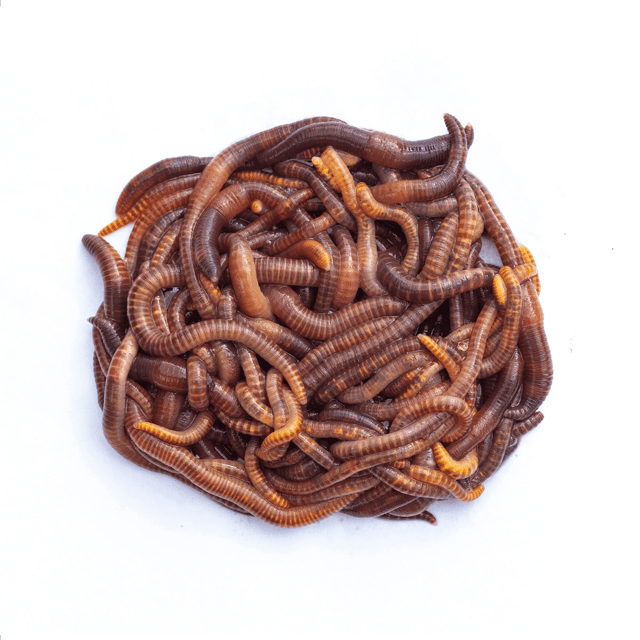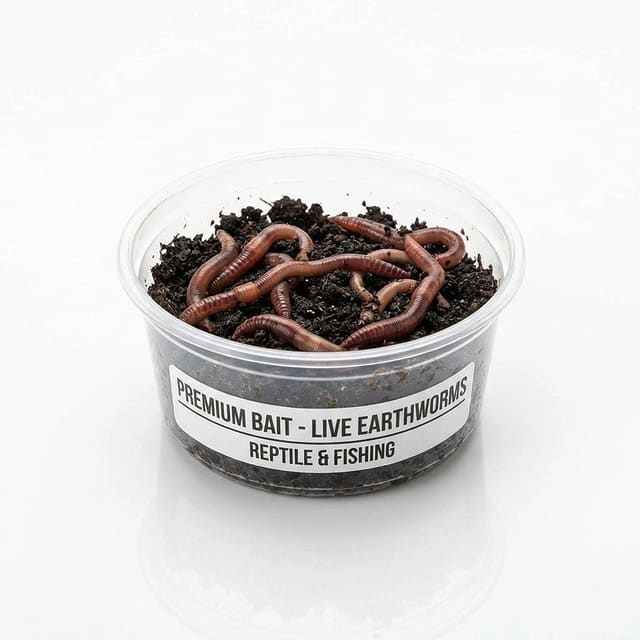
Lumbricus Terrestris Earthworm - 10pcs
£19.99

Jumbo bloodworms and red mosquito larvae for bettas and tropical fish. Boost colour, growth and appetite. Buy online with UK delivery today.
Jumbo bloodworms and red mosquito larvae for bettas and tropical fish. Boost colour, growth and appetite. Buy online with UK delivery today.
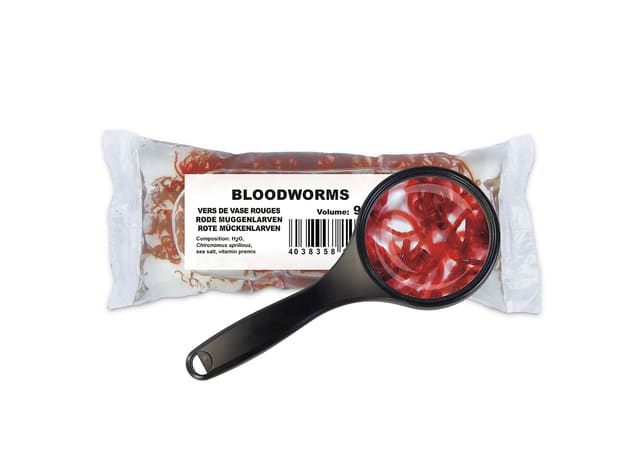
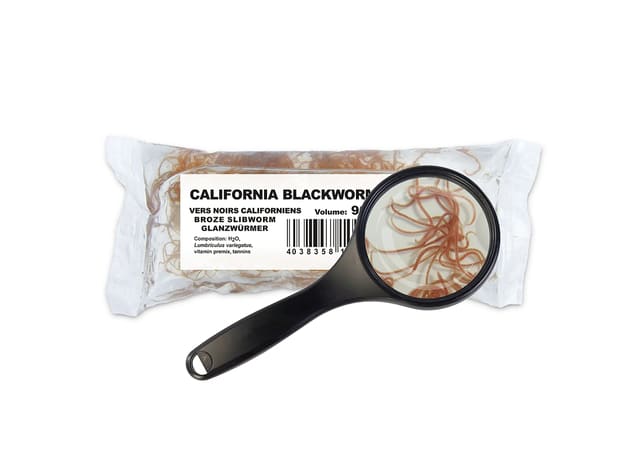
If you keep bettas, gouramis, dwarf cichlids or other small predators, you already know one simple truth: fish show their best colour, appetite and breeding condition when they are offered food that matches what they would hunt in nature. These 90ml jumbo live bloodworms, also known as red mosquito larvae, are a highly attractive live food aquarium fish keepers use when ordinary tropical fish food flakes are not enough. For many hobbyists looking for the best food for tropical fish, live bloodworms sit near the top of the list because they deliver strong feeding response, rich protein and excellent variety in a balanced routine. See our detailed product photos of best-food-for-tropical-fish.webp to get a clear view of the size and condition of these jumbo larvae before feeding.
This listing is ideal for aquarists who want a more natural feeding option for bettas and labyrinth fish, but it also suits community species that relish moving prey. Used correctly, these bloodworms can support healthy growth, stronger body condition and brighter display colour, making them a smart choice if you are comparing the best food for aquarium fish, the best tropical fish food for aquarium, or the best live food for tropical fish. They are especially useful as a conditioning food, a treat for fussy feeders and a practical alternative when you want natural fish food aquarium keepers trust for response and palatability.
Live bloodworms trigger a hunting response that dry foods often cannot match. The wriggling movement encourages shy or newly imported fish to feed, and that makes them particularly useful for bettas, gouramis, discus, angelfish and many nano predators. If you have been searching for the best food for tropical fish, the best fish food for freshwater fish, or even the best fish food for fast growth, live bloodworms deserve a place in the conversation because they combine attraction, digestibility and high feeding value.
Compared with some flake fish food options, bloodworms provide a more natural texture and stronger feeding stimulus. That does not mean dry foods are bad; in fact, a good fish nutrition guide always recommends variety. The best approach is to use live bloodworms as part of a rotation alongside quality flakes, granules and pellets. This helps answer common questions like what is the best fish food for tropical fish and what to look for in fish food: look for digestibility, species suitability, ingredient quality, and whether the food encourages a healthy feeding response.
Bloodworms are the aquatic larval stage of certain midge flies and are widely used as live fish food UK aquarists rely on for carnivorous and omnivorous species. In the hobby, they are valued as a protein rich fish food that can improve body condition and support strong feeding behaviour. They are not the same as tropical fish food pellets, tropical fish food granules or basic flake fish food, but they complement all of them well.
If you are wondering what do pet fish eat or what do fish eat in the wild, the answer for many tropical species includes insect larvae, tiny crustaceans, worms and biofilm. That is why live foods remain so effective. Bloodworms imitate one part of that natural prey spectrum. They are especially useful for fish that ignore dry foods after transport or during breeding preparation.
Many keepers compare live food vs flake food for fish. In practice, the best system is not choosing one or the other; it is using both correctly. Flakes can provide a balanced staple, while bloodworms add variety, enrichment and targeted conditioning. If you have asked what is flake fish food, what is flake fish food made of, what is flaky fish food made of or what's flake fish food made of, the answer varies by brand but usually includes fish meal, plant matter, vitamins and minerals in fish food. Bloodworms are different: they are a natural live prey item rather than a processed complete diet.
In the aquarium trade, bloodworms are sold as a practical live feeding option for fishkeepers who want stronger feeding response than many dry foods can offer. They are especially popular with betta keepers, breeders and hobbyists conditioning fish for colour, growth and spawning.
This product is best suited to fishkeepers feeding bettas, gouramis, paradise fish, dwarf cichlids, angelfish, discus, killifish and many community fish that accept moving prey. It is also useful for aquarists raising picky feeders or fish recovering appetite after stress. If you are searching for live food for betta fish, live bloodworms for tropical fish or best live food for discus fish, this is the sort of food hobbyists usually keep on hand for targeted feeding.
Bloodworms can also help when conditioning adult fish before spawning. Many breeders use live food for breeding fish because it can improve body mass and trigger stronger courtship behaviour. In that context, bloodworms are often discussed alongside daphnia, white worms and brine shrimp. If you are comparing bloodworms vs brine shrimp, bloodworms are typically richer and more filling, while brine shrimp are often lighter and useful for variety.
For bettas and other surface-oriented hunters, feed a few bloodworms at a time rather than dumping the whole portion in. This keeps the feeding response strong, reduces waste and lets you monitor exactly how much each fish eats.
Correct feeding matters as much as food quality. A common mistake is adding too much fish food in aquarium water and assuming the fish will clear it all. With live foods, controlled portions are essential. The right live food aquarium dosage depends on species, body size, water temperature and stocking density. As a rule, offer only what your fish can consume in 2 to 3 minutes.
For a single betta, a small pinch or several individual bloodworms per meal is usually enough. For a community aquarium, feed in small batches and watch how quickly the fish respond. This helps you judge bloodworms feeding amount and avoids leftovers sinking into decor. Hobbyists often ask how much frozen food to feed fish; the same principle applies here: feed modestly, observe closely and adjust to appetite.
| Time | Food | Amount |
|---|---|---|
| Morning | Quality flakes or granules | Very small portion, fully eaten in 1-2 minutes |
| Evening | Live jumbo bloodworms | Small treat portion, eaten in 2-3 minutes |
If your fish already eat tropical fish food flakes, tropical fish food pellets or tropical fish food granules, use bloodworms as a supplement 2 to 4 times per week rather than a sole diet. This gives the benefits of a protein rich fish food without creating an unbalanced routine.
Overfeeding bloodworms can foul water quickly, especially in small tanks or unfiltered betta setups. Uneaten food breaks down into ammonia, so always remove leftovers and avoid feeding more just because the fish appear excited.
That depends on the goal. If you want a complete daily staple, a well-made flake or pellet often offers broader vitamin coverage. If you want stronger appetite stimulation, conditioning and a more natural prey response, bloodworms are often superior. This is why people compare best flake fish food, best tropical flake fish food, best quality flake fish food and the best live food for aquarium fish rather than relying on one format only.
For fishkeepers researching what is the best flake fish food, products such as tetramin tropical flakes, sera vipan nature tropical flakes, aqua one tropical flake fish food, api tropical flakes fish food 5.7 ounce container and even a tetra color flakes review may be useful comparisons. But live bloodworms fill a different role. They are not trying to replace every staple feed; they are there to improve variety, trigger feeding and support fish that benefit from richer live prey.
If colour is your focus, bloodworms can be part of the best food for fish colour enhancement plan, especially when paired with a quality colour food such as Tropical 3-Algae Granulat in a varied schedule. They are also a strong option if you are looking for the best tropical fish food for color or the best fish food for color in combination with staple dry foods.
This is one of the most common online questions, so let us answer it clearly. Can you feed aquarium fish bread? Technically some fish may peck at it, but it is not a suitable regular food. Can fish eat bread, can all fish eat bread, can aquarium fish eat bread, can aquarium fish eat bread crumbs, can baby fish eat bread, can fish eat white bread, can fish have white bread, do fish eat white bread, can koi fish eat white bread, can fish eat expired bread and can fish eat chocolate bread are all variations of the same issue: bread is poor aquarium nutrition and can pollute water fast.
Why can't fish eat bread? Bread swells, breaks apart and lacks the proper protein, fats, vitamins and digestible ingredients tropical fish need. People also ask why do fish eat bread, why do fish like bread, what fish eat bread, what fish will eat bread, what fish would eat bread, what can fish eat bread, what do fish eat bread, what fish eat bread as bait, what fish eat bread in the ocean and what fish eat bread UK. The fact that fish may nibble bread does not make it nutritionally correct.
If you run out of food, hobbyists often ask what can i feed my fish if i run out of food or look for food for fish at home. Short term, some species can take blanched peas, spinach or courgette, so vegetables to feed fish can be useful for herbivores and omnivores. But insect-eating fish like bettas do far better on proper foods such as bloodworms, daphnia or quality pellets. For that reason, bloodworms are a much safer and more species-appropriate choice than bread.
One reason bloodworms are often listed among the best food for tropical fish options is their role in conditioning. The bloodworms fish food benefits include strong palatability, useful protein content and support for body condition when fed in moderation. This can be especially valuable if you are trying to improve finnage, encourage courtship or bring fish into spawning condition.
For breeders, this product can be part of a routine for live food for breeding fish and selective conditioning. Bettas, gouramis and dwarf cichlids often show better feeding intensity when offered live prey. If you are aiming for the best tropical fish food for growth or the best fish food for fast growth, bloodworms work best when paired with a complete staple rather than used alone. They can also support fish being prepared for competition or sale by improving fullness and response at feeding time.
Some keepers also use live foods before spawning and then switch to smaller prey for young fish. While jumbo bloodworms are for adults or larger juveniles, related foods can support live food for fry and live food for fry feeding once the fry are large enough for suitable prey size.
Condition pairs for 7 to 14 days with alternating live bloodworms, daphnia and a quality staple pellet. This varied routine often produces better egg quality and stronger breeding behaviour than feeding one food type alone.
Freshness matters. If you have searched how to keep bloodworms alive, the key points are cool storage, clean water and prompt use. Keep the pack chilled but not frozen unless you intend to preserve them differently. Rinse gently if needed, avoid contamination from dirty nets and do not leave the container in direct sunlight or a warm fish room.
Good bloodworms storage tips include using them quickly after arrival, feeding smaller portions and keeping the remaining worms cool between uses. Hobbyists interested in how to culture bloodworms or bloodworms culture temperature are usually looking at a separate live food project; for routine aquarium feeding, most keepers simply store and use fresh portions rather than culturing them. Still, if you are researching how to culture bloodworms, remember that hygiene and temperature stability are critical because live cultures can crash quickly if neglected.
These jumbo bloodworms are especially useful for bettas and labyrinth fish, but they also suit many other freshwater species. If you are comparing the best fish food for guppies, use bloodworms sparingly as a treat because guppies do best on a mixed omnivore diet. If you want the best fish food for cichlids, bloodworms can be excellent for smaller carnivorous or omnivorous cichlids, though herbivorous African rift lake species should receive them only occasionally. For the best fish food for goldfish, bloodworms can be a treat, but goldfish need a more fibre-rich staple overall.
Discus keepers often consider bloodworms among the best live food for discus fish because discus usually respond strongly to them. Bettas and gouramis also benefit because the food matches their insectivorous tendencies. If you are shopping for freshwater fish food UK, natural fish food UK or premium fish food UK options that increase feeding response, bloodworms are one of the most practical choices.
| Fish Type | Suitable? | Notes |
|---|---|---|
| Betta fish | ✅ Yes | Excellent as a high-protein treat and conditioning food |
| Discus and angelfish | ✅ Yes | Useful for appetite and body condition |
| Goldfish or herbivorous cichlids | ⚠️ Limited | Feed sparingly as part of a varied diet |
If you are comparing dry options such as aquarian tropical fish food, tetra tropical fish food, fish food tropical, tropical fish food tesco or a tropical brand fish food line, remember that live foods fill a different role. Dry foods offer convenience and stability, while bloodworms provide enrichment and stronger prey response. If colour is a priority, some keepers compare flake fish food color enhancing, green flake fish food, bio flake fish food and other specialist feeds. Bloodworms are less about added pigments and more about natural protein intake and feeding stimulation.
It is also worth checking flake fish food ingredients and understanding that not all flakes are equal. Some fishkeepers ask about best marine fish flake food, best saltwater fish flake food, aqua zone goldfish flake fish food, aqua zone tropical flake fish food or even are bonito flakes fish food. For freshwater tropical fish, live bloodworms remain one of the most useful supplements when you want variety beyond standard dry formulations.
If you want to buy live fish food UK hobbyists actually use, freshness and packing matter more than exaggerated claims. This product is a practical choice for aquarists searching live fish food for sale UK, live bloodworms for sale UK, buy live bloodworms UK, order live bloodworms online UK, live bloodworms delivery UK or where to buy live bloodworms UK. It is designed for fishkeepers who want a straightforward, species-appropriate feeding option rather than another generic dry food tub.
For shoppers comparing live bloodworms price UK, cheap live bloodworms UK, live bloodworms shop UK and fish food delivery UK, the real value comes from condition on arrival and feeding performance. Healthy live food that your fish attack instantly is worth more than a larger but poor-quality portion that dies off quickly or fouls the tank. This is one reason many keepers rate live bloodworms among the best fish food for tropical fish uk and best tropical fish food uk options for supplemental feeding.
Build a more complete feeding routine by pairing these bloodworms with other targeted foods. Try X 90Ml Bags Marine Copepods in for smaller predators and marine-style live feeding variety, or add X 90Ml Bags Great Ramshorn Snails if you keep puffers or want a natural clean-up and forage option in selected setups. For broader diet rotation, many keepers combine bloodworms with X 90 Ml Red Rotifer Perfect, X 90Ml Bags Daphnia in Water Aquatic Food and X 90 Ml White Worms Perfect. If your fish also need a dependable dry staple, Discus Food 100 Gram Blister and Tropical 3-Algae Granulat are sensible additions to a varied feeding schedule.
No reviews for this item yet. Bought one? Honest reviews only, good or bad.
What customers say about ordering from us
I have a small group of long finned mountain minnows. So was delighted to be able to order ten of this variety to increase the genetics in my tank . The ones I recieved are healthy but it’s to early to give a verdict on wether they are of a long finned type since they are small currently.
Gordon Walker · 23 Sept 2026
100% success travel and "installation". Pleased with quality of purchase. The Siamese fighter a bit "shy" so have not yet seen him at his best yet but looking good. Happy customer. GG
George E Garratt · 21 Sept 2026
Reviews of our shop, collected by Judge.me, an independent third-party review collector. Newest first.