Catfish & Plecos for Sale UK

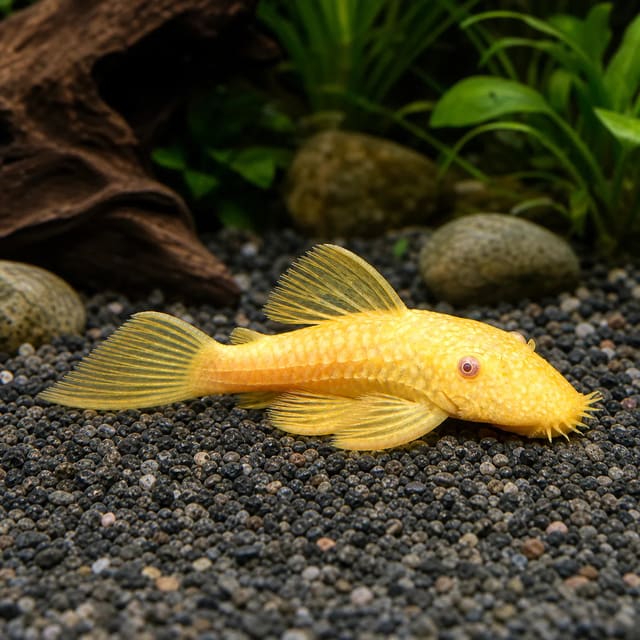
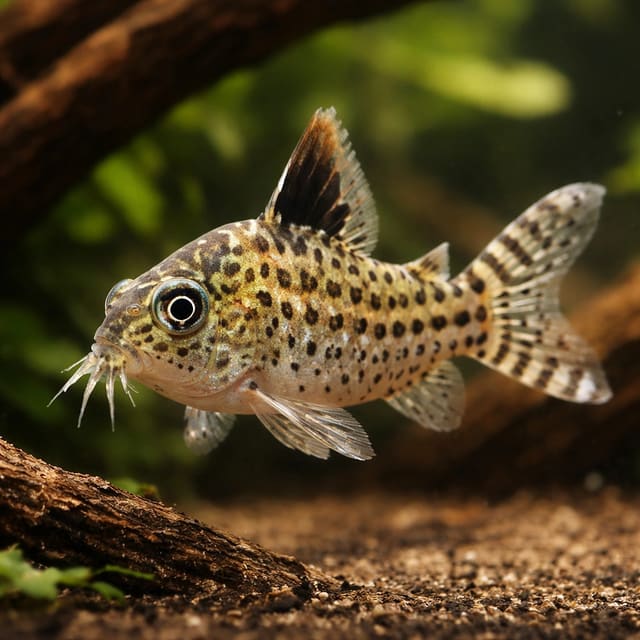
Corydoras, Bristlenose, L-number plecos, Synodontis and Otocinclus for clean-up and character — supplied and adult size on each listing so the tank fits.

3 things to check before ordering
  • Check the listing for the exact sale unit and current price
  • Match adult size, water needs and social behaviour
  • Prepare a fully cycled aquarium before arrival

Current Catfish & Plecos listings

105 products

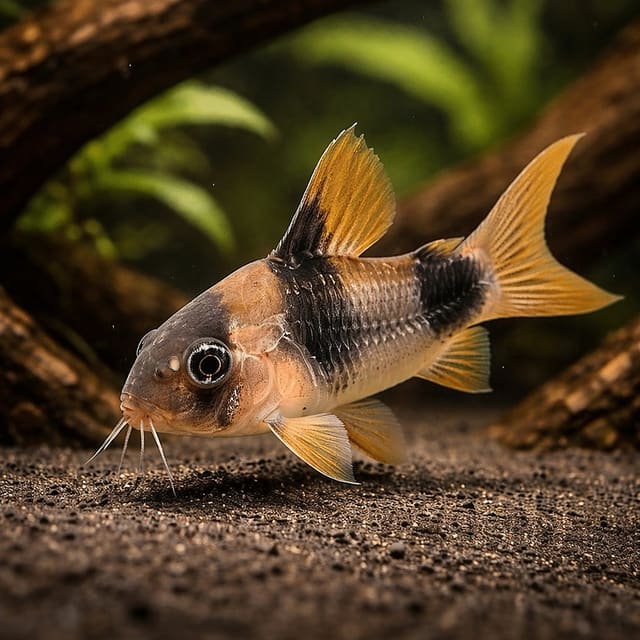
Black Corydoras
Moderate

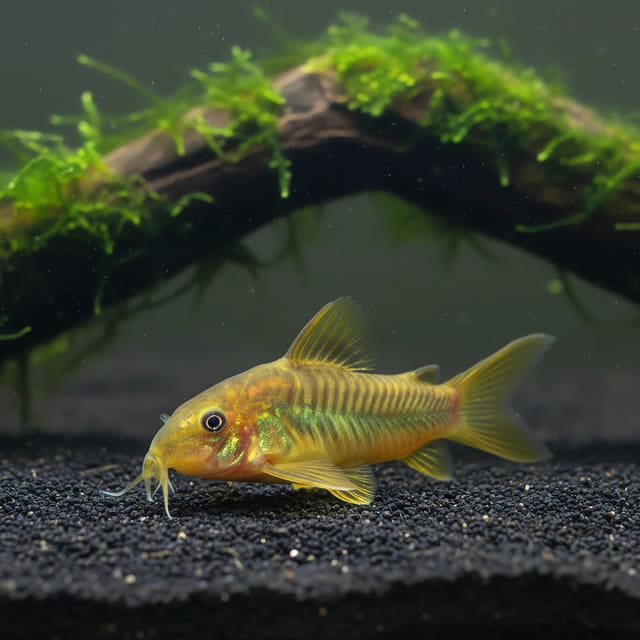
Black Venezuela Corydoras (Corydoras sp. Black Venezuela)

22–26°C · pH 6–7.8 · 75L

From £6.79Some sizes on sale
Albino Bronze Cory resting on pale sand in front of dark wood and green plants, with a cream body and red eye

Albino Bronze Cory (Osteogaster aenea)

22–27°C · pH 6–8 · 72L

£2.99
Spotted Bristlenose Pleco with long snout bristles swimming above gravel and wood
Moderate

Bristlenose Pleco (Ancistrus sp.)

22–27°C · pH 6–8

From £3.51Some sizes on sale
Albino Bronze Cory (Corydoras aeneus)
−10%
Easy

Bronze Corydoras, Bronze Cory Catfish (Corydoras aeneus)

22–26°C · pH 6–7.5 · 60L

£3.59£3.99
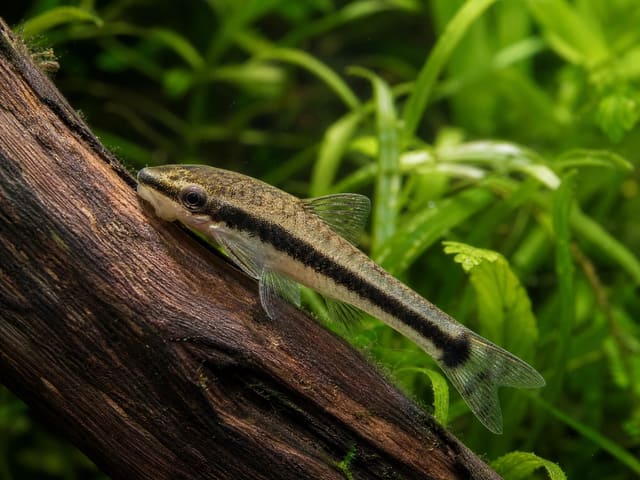
Golden Otocinclus resting on dark wood among bright green aquarium plants
Moderate

Golden Otocinclus (Otocinclus sp.)

22–27°C · pH 6–8

£4.19
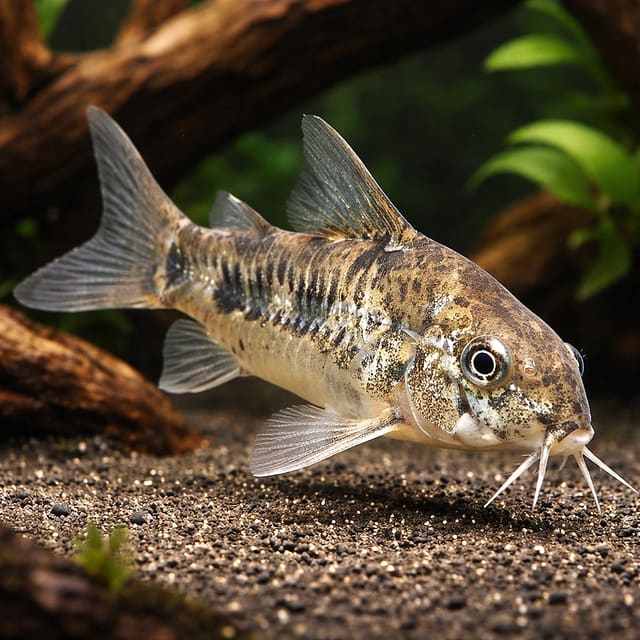
Peppered Corydoras with spread fins above dark gravel, wood and green plants behind
Moderate

Peppered Corydoras (Corydoras paleatus)

22–23°C · pH 6–7 · 70L

£3.79
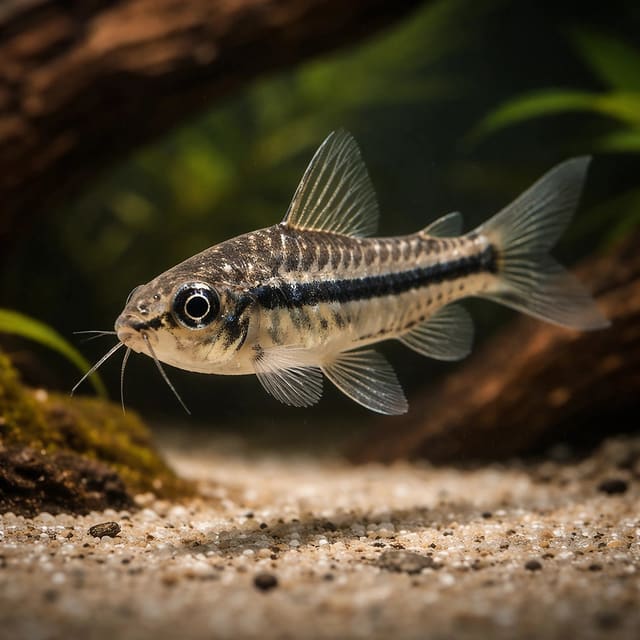
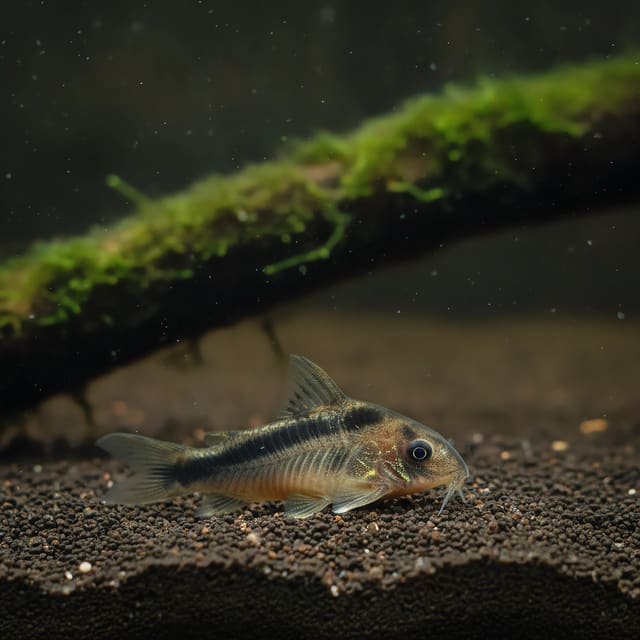
Pigmy Corydoras with a dark side stripe swimming above sand and wood

Pigmy Corydoras (Corydoras pygmaeus)

22–26°C · pH 6.4–7.4 · 41L

£3.49
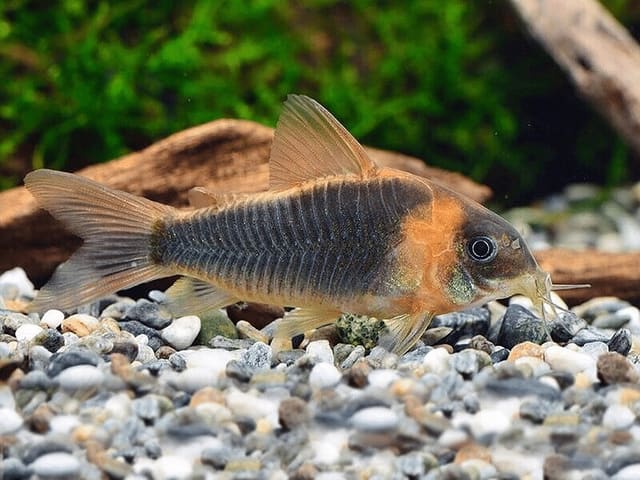
Horseman Cory with a dark body and orange shoulder patch resting over mixed gravel

Horseman Cory (Corydoras eques)

24–26°C · pH 6–8 · 81L

£6.59
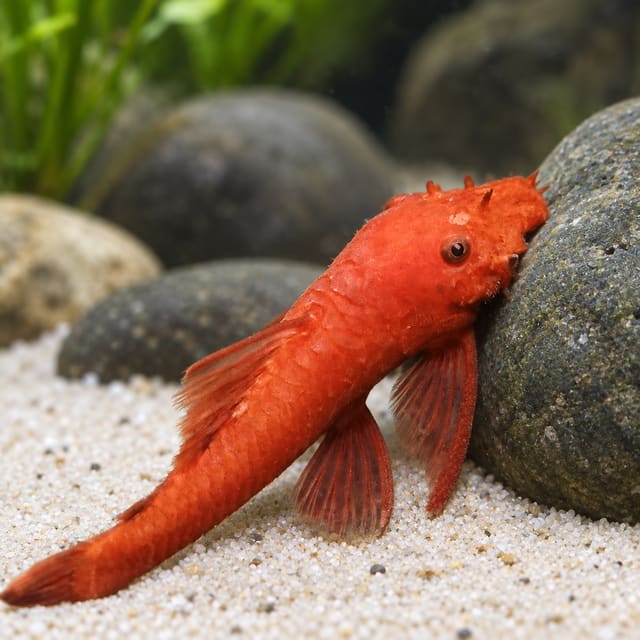
Super Red Bristlenose Pleco (Ancistrus sp.), a bright orange-red bristlenose resting against a smooth stone on pale sand
Moderate

Super Red Bristlenose Pleco (Ancistrus sp.)

24–27°C · pH 6–7.5 · 90L

From £12.99Some sizes on sale
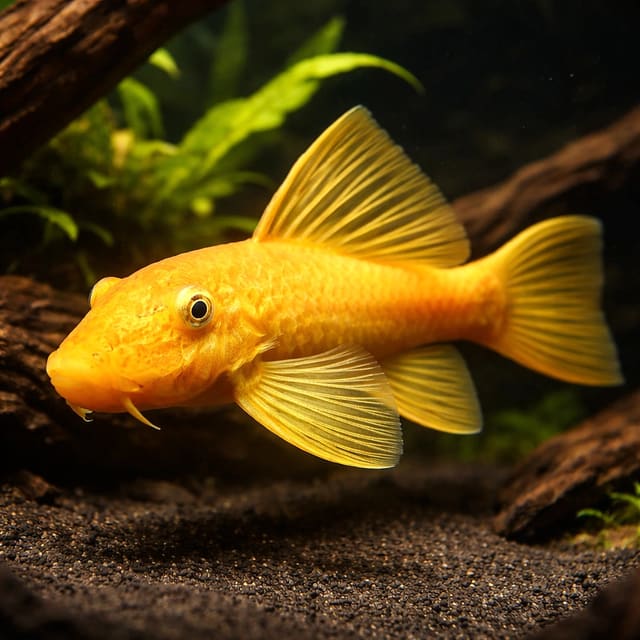
Representative Marigold Bristlenose Pleco (Ancistrus sp. gold), a golden bristlenose trade form

Marigold Bristlenose Pleco (Ancistrus sp.)

22–27°C · pH 6–8

From £5.49Some sizes on sale
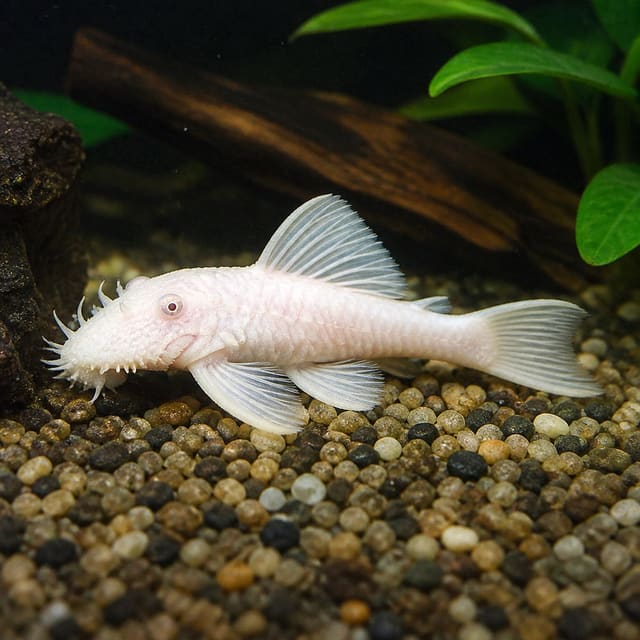
Snow White Bristlenose Pleco resting on rounded gravel beneath green leaves, with dark wood behind

Snow White Bristlenose Pleco (Ancistrus sp.)

22–27°C · pH 6–8

£35.99
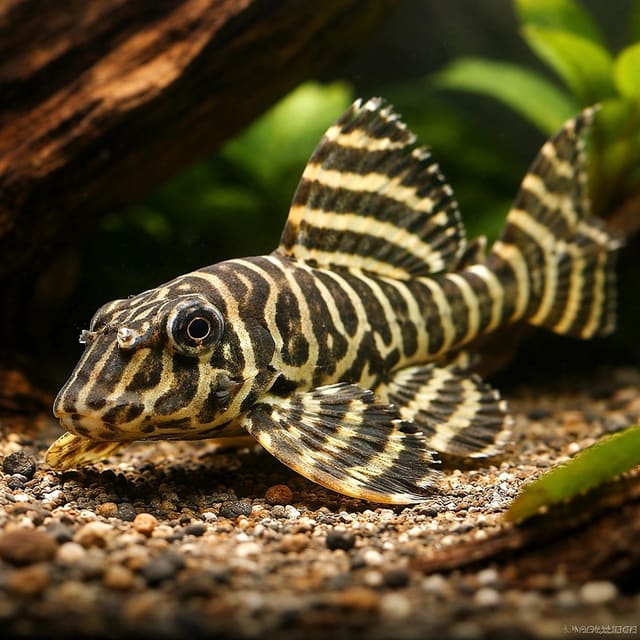
L066 King Tiger Pleco with bold cream and dark stripes resting on dark substrate, with green plants and wood behind

L066 King Tiger Pleco (Hypancistrus sp.)

22–27°C · pH 6–8

£84.99
Albino Green Dragon Bristlenose Pleco resting on dark gravel among rocks and plants, with red eyes

Albino Green Dragon Bristlenose Pleco (Ancistrus sp.)

22–27°C · pH 6–8

£42.99
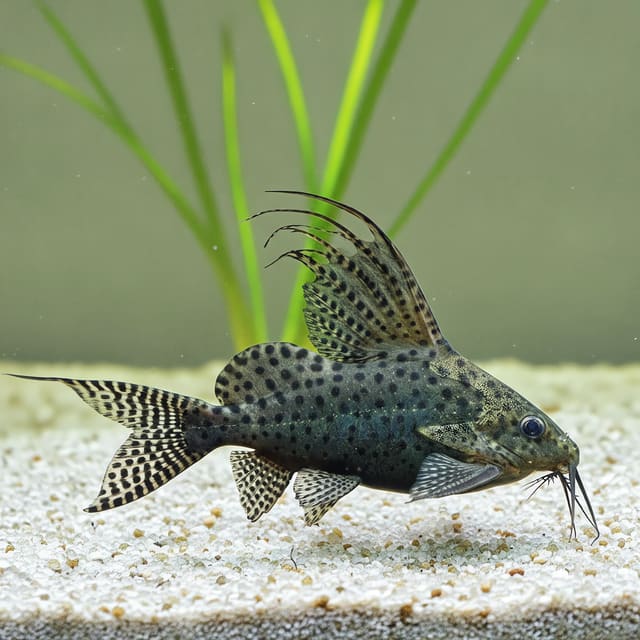
Spotted Featherfin Synodontis with a tall trailing dorsal fin over pale sand, facing right beside green plants

Featherfin Synodontis (Synodontis eupterus)

22–26°C · pH 6.2–7.5

£6.99
Corydoras Catfish (Corydoras spp.)
Easy

Agassiz’s Cory (Corydoras agassizii)

22–26°C · pH 6–7.5 · 60L

£18.99
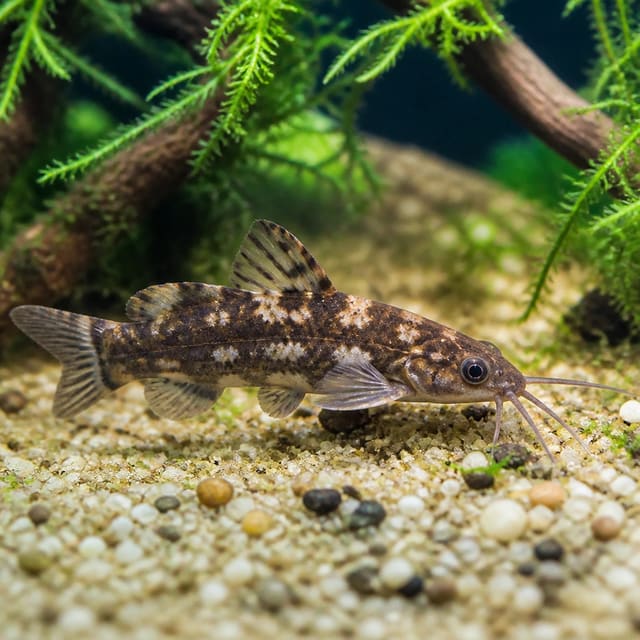
Dwarf Marbled Catfish with long barbels resting on pale gravel among green plants, with dark wood behind
−10%

Dwarf Marbled Catfish (Microglanis poecilus)

22–27°C · pH 6–8

£8.09£8.99
L204 Flash Pleco (Panaqolus albivermis)

L204 Flash Pleco (Panaqolus albivermis)

22–27°C · pH 6–8

£59.99
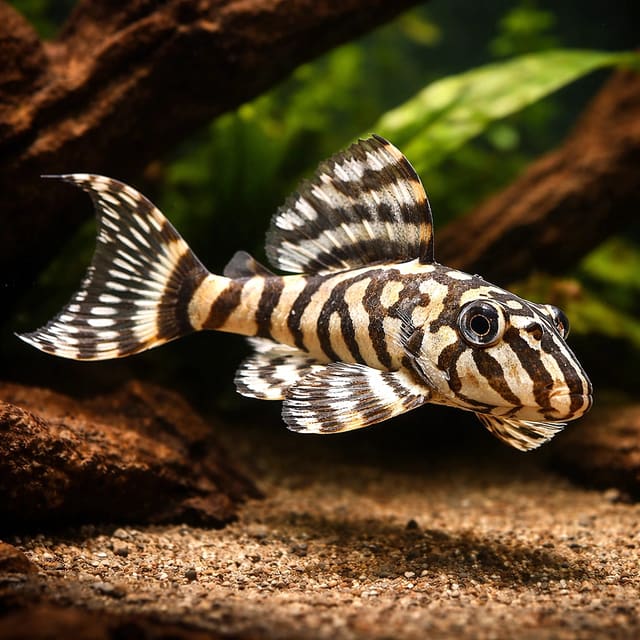
L333 Maze Zebra Pleco with cream bands resting on gravel beneath wood and blurred green plants

L333 Maze Zebra Pleco (Hypancistrus sp.) – CB Porto de Mos

22–27°C · pH 6–8

£48.99
Longfin Bristlenose Pleco (Ancistrus sp. long fin)

Longfin Bristlenose Pleco (Ancistrus sp. long fin)

22–27°C · pH 6–8

£11.99
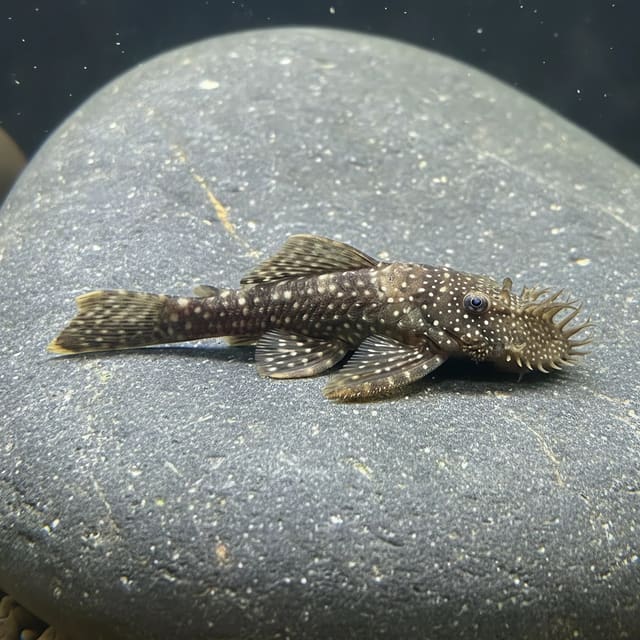
Illustrative spotted bristlenose catfish; not an exact L393 identification image
Moderate

L393 Cheese Creek Bristlenose (Ancistrus sp.)

24–28°C

£33.99
Twosaddle Corydoras facing left above dark sand, with amber fins and two black saddles

Twosaddle Corydoras (Corydoras weitzmani)

22–26°C · pH 6–8

£46.99
L236 Pleco with black-and-cream bands swimming above gravel and wood
Moderate

L236 Pleco - Basic Grade (Hypancistrus seideli)

22–27°C · pH 6–8

£61.99
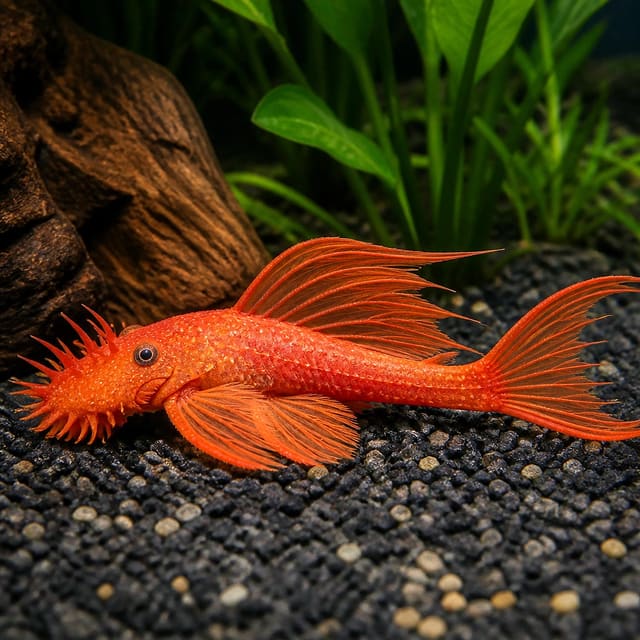
Super Red Long Fin Bristlenose Pleco resting on dark gravel beside wood and green plants, with long flowing fins

Super Red Long Fin Bristlenose Pleco (Ancistrus sp.)

22–27°C · pH 6–8

£40.99
Rusty Cory (Corydoras rabauti) shoaling catfish for planted aquariums
−15%
Easy

Rusty Cory (Corydoras rabauti)

22–26°C · 60L

£7.64£8.99

Before you choose from this collection

Every catfish and pleco on this page is a live fish held in our own system before dispatch — not a stock photo. We stock corydoras, bristlenose and fancy L-number plecos, synodontis, and other catfish, with new imports landing most weeks.

Catfish ship in oxygen-charged bags inside an insulated box, dispatched Wednesday for Thursday delivery with a licensed live-animal courier so your fish never sits over a weekend. Every order carries our live arrival guarantee: email clear photos and your order number the same day; an unboxing video is optional. Approved claims are refunded or replaced under the guarantee.

Catfish and plecos are the workers of the aquarium — bottom-dwellers that forage, graze algae and add real character. Sizes range from 3 cm dwarf corys to plecos that need a very large tank, so read the individual care guides linked below and match the adult size to your setup before ordering.

Explore related collections

Visual route into our wider UK live-fish range.
Frequently asked questions

Partly. Bristlenose plecos and otocinclus genuinely graze algae, and corydoras hoover up leftover food from the substrate — but none of them are a substitute for water changes and filtration. They also need their own food; a 'clean-up crew' still has to be fed sinking wafers, algae tabs or vegetables.
Common corydoras and bristlenose plecos start at about £2-£6, mid-range fancy plecos and synodontis run £15-£40, and rare L-number plecos reach well into the hundreds for sought-after imports. Prices on this page are live: what you see is what's in stock today.
It depends entirely on the species. Bristlenose plecos stay around 15 cm and suit most tanks, but a common pleco can reach 40-60 cm and needs a very large aquarium. Always check the species before buying that cute 5 cm juvenile — this is the single most common pleco mistake.
Corydoras are the classic community catfish — peaceful, small, shoaling and active by day. Bristlenose plecos are the best pleco for a normal-sized tank. Otocinclus are superb algae grazers for planted tanks but need a mature setup. Avoid large or predatory catfish in a community of small fish.
Many do. Bristlenose and several other plecos rasp on wood to aid digestion and graze the biofilm it grows, and keepers often find them healthier with bogwood present. It is not universal — check the species — but for the common home-aquarium plecos, a piece of driftwood is strongly recommended.
Yes. Catfish and plecos are hardy shippers: each is bagged in oxygen-charged water inside a polystyrene-insulated box, sent midweek by a licensed live-animal courier so it never sits over a weekend. Every order is covered by our live arrival guarantee. To claim, email your order number and clear photos on the day your order arrives. An unboxing video is optional.

Watch: Catfish & Plecos in 60 seconds

Short clips from our own channel — the things keepers most often get wrong, answered in a minute.

You bought it to clean your tank. It's the messiest fish you ownA common pleco eats less algae than a snail, grows to around 60 cm and produces more waste than the rest of the tank combined.
The catfish you can see straight throughA glass catfish is transparent enough to read its anatomy from outside — the spine, the ribs and the silvered organ sac behind the gills.
The only fish that never raises its own youngThe cuckoo catfish of Lake Tanganyika lays its eggs among a mouthbrooding cichlid's clutch — the only obligate brood parasite among fish.