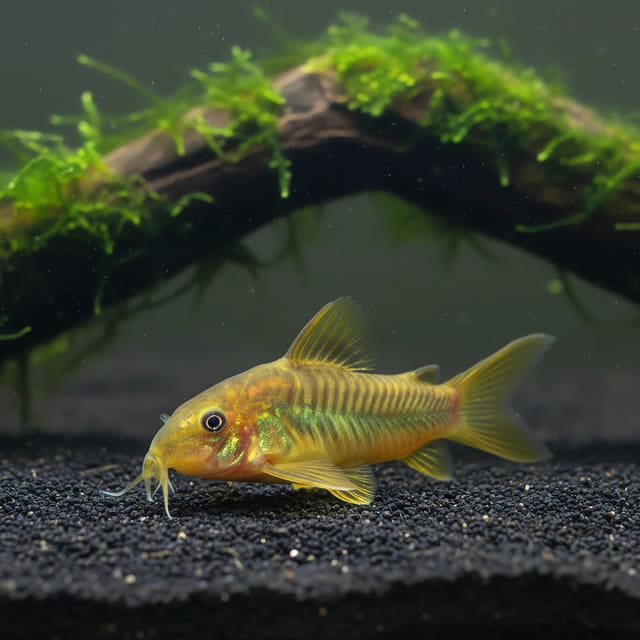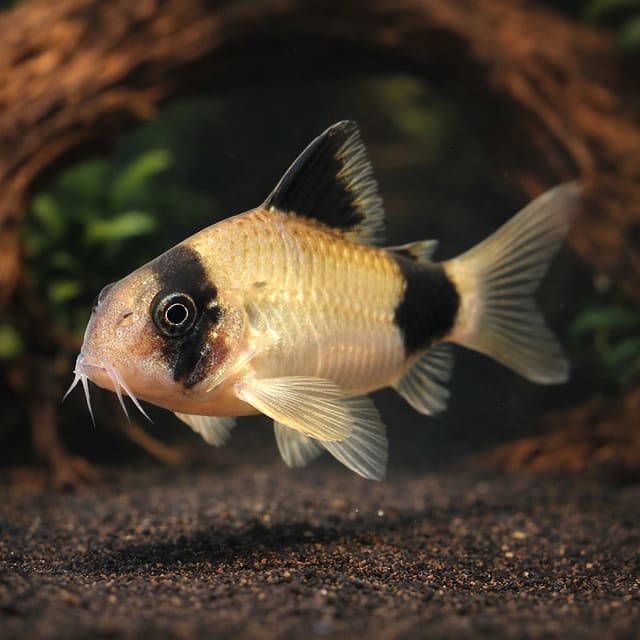
Panda Cory Catfish (Corydoras panda)
22–25°C · pH 6–7.4
£7.29

The L204 Flash Pleco (Panaqolus albivermis) is a freshwater suckermouth armoured catfish from Peru, known only from the San Alejandro River, that reaches 9.6 cm standard length. It suits a prepared keeper with a filtered tropical aquarium; OATA's tropical algae-eater guidance gives 22–27°C, pH 6.0–8.0 and 4–12°dH. Sold individually in dispatch sizes from 2–3 cm to 7–10 cm.
Adult size is the maximum length this species reaches at full maturity (scientific sources). The livestock you receive will be younger and smaller — pick a size above for the actual shipping size. Product-photo provenance and any image-specific limitations are stated on the listing.
Panaqolus albivermis
The L204 Flash Pleco (Panaqolus albivermis) is a freshwater suckermouth armoured catfish from Peru, known only from the San Alejandro River, that reaches 9.6 cm standard length. It suits a prepared keeper with a filtered tropical aquarium; OATA's tropical algae-eater guidance gives 22–27°C, pH 6.0–8.0 and 4–12°dH. Sold individually in dispatch sizes from 2–3 cm to 7–10 cm.
Adult size is the maximum length this species reaches at full maturity (scientific sources). The livestock you receive will be younger and smaller — pick a size above for the actual shipping size. Product-photo provenance and any image-specific limitations are stated on the listing.
‘Pleco’ is a loose aquarium-trade label, not one species or one care sheet. Before buying, confirm the scientific name or defensible L-number, adult size and measurement method, required footprint, temperature and water, diet, social plan and source. No universal pleco tank size, menu or algae result is honest.
Maintain these water conditions for optimal health and vibrant colors
The L204 Flash Pleco (Panaqolus albivermis) is a tropical freshwater, demersal suckermouth armoured catfish from the family Loricariidae. It is endemic to Peru and known from the San Alejandro River, within the upper Ucayali drainage. FishBase records a maximum length of 9.6 cm standard length. It suits a keeper prepared to run a well-maintained filter, test the water every week, supply shelter and feed a supplemented diet instead of expecting the fish to live on aquarium algae.
A natural-history account of Panaqolus albivermis identifies it as a freshwater ray-finned fish from the San Alejandro River type locality in Padre Abad Province. Its restricted Peruvian distribution makes accurate identity important: plan for this species as an indoor tropical catfish, not as a general-purpose cleaner or a cold-water animal.
The decisive growth figure is 9.6 cm standard length. Use that adult measurement when planning the aquarium, whichever dispatch size you select. Aquarium volume should then be chosen around the adult fish, the usable space occupied by shelter, the filter, the total stocking level and the need to keep water conditions stable.
| Suits | Not suited to |
|---|---|
| A filtered tropical freshwater aquarium | An unfiltered aquarium |
| A keeper who tests water weekly | A setup maintained without regular water checks |
| Sand or gravel with plants or other shelter | A bare plan with nowhere for the fish to take cover |
| A supplemented diet of prepared foods and vegetables | Being expected to survive on visible algae alone |
| A stocking plan assessed for shared needs | Being added only to fix persistent algae |
Browse the catfish and plecos collection if you are comparing animals by adult size and aquarium requirements. Comparisons should start with the identity and mature needs of each fish rather than treating every pleco or algae eater as interchangeable.
One purchase supplies one L204 Flash Pleco in the size selected on the live selector. The listed dispatch-size labels are 2–3 cm, 3–4 cm, 4–5 cm, 5–6 cm and 7–10 cm. Check the size selector for the sizes available to order today.
The size you select is the size supplied, not the adult size. Dispatch size describes the fish at the point of supply, while 9.6 cm standard length is the recorded maximum used for adult planning. A smaller selection therefore does not justify a smaller permanent aquarium, weaker filtration or a short-term layout that cannot accommodate the mature fish.
Sex is guaranteed only when the selected option explicitly states male or female. This L204 Flash Pleco listing has no sex-guaranteed option.
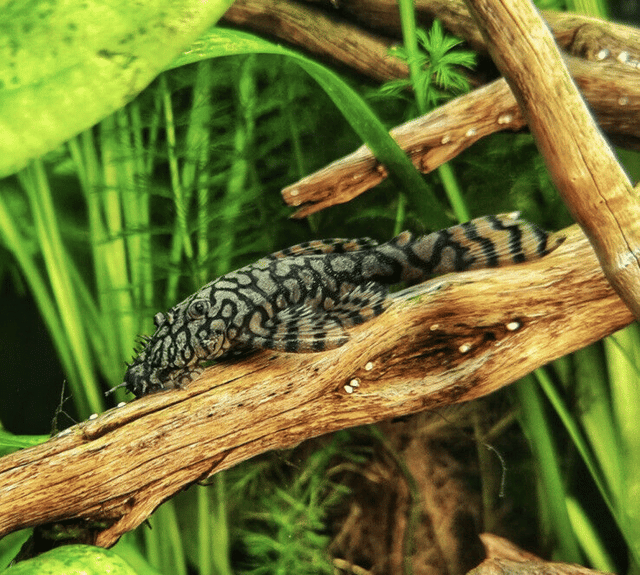
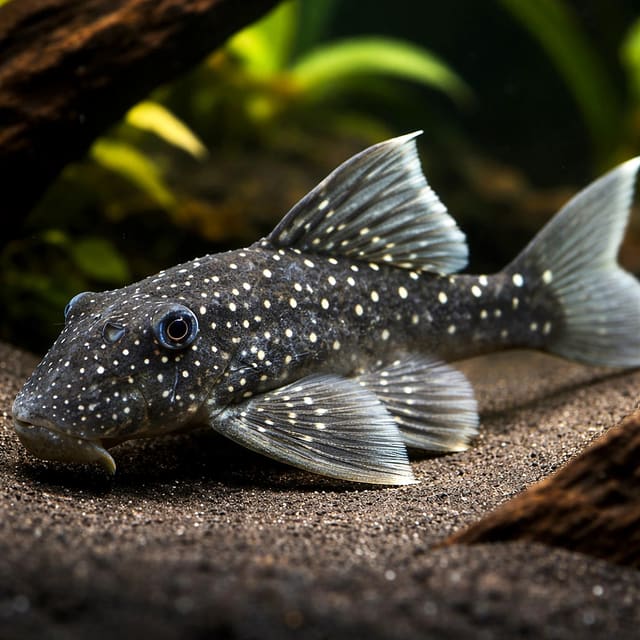
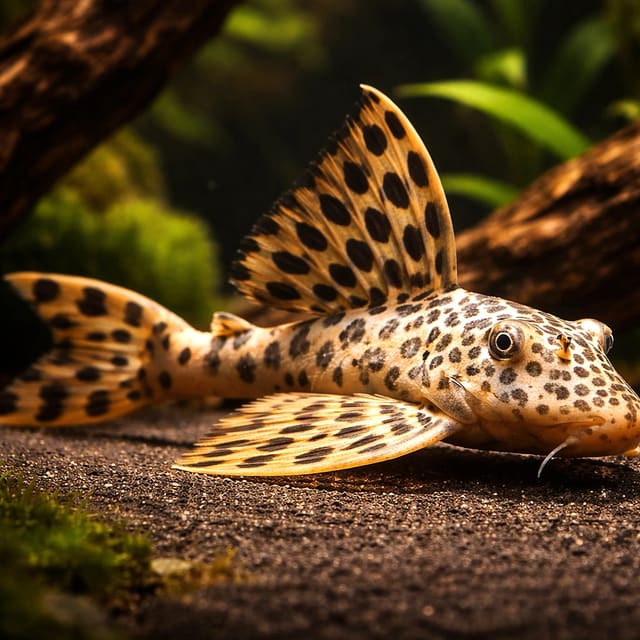
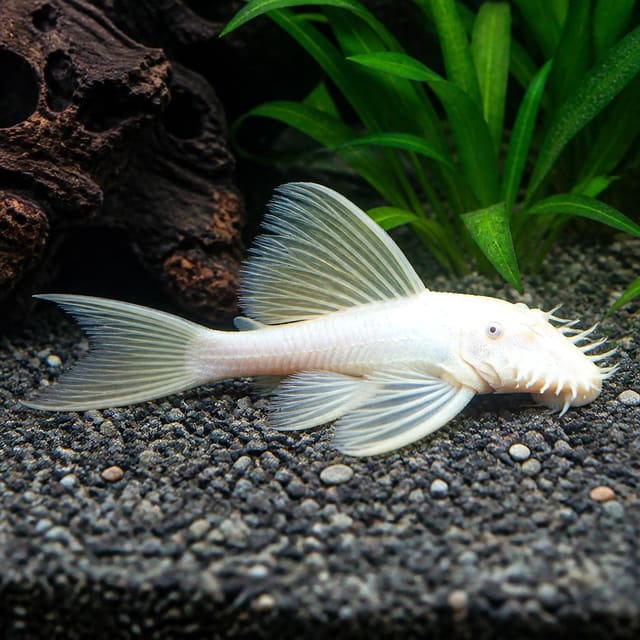
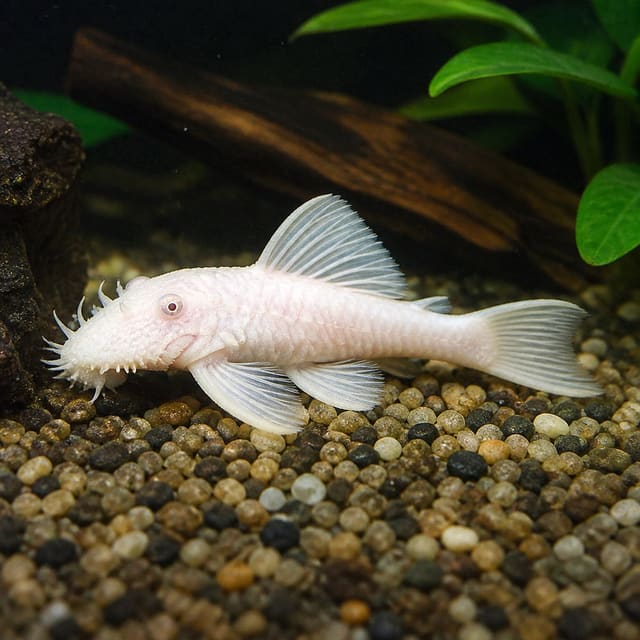
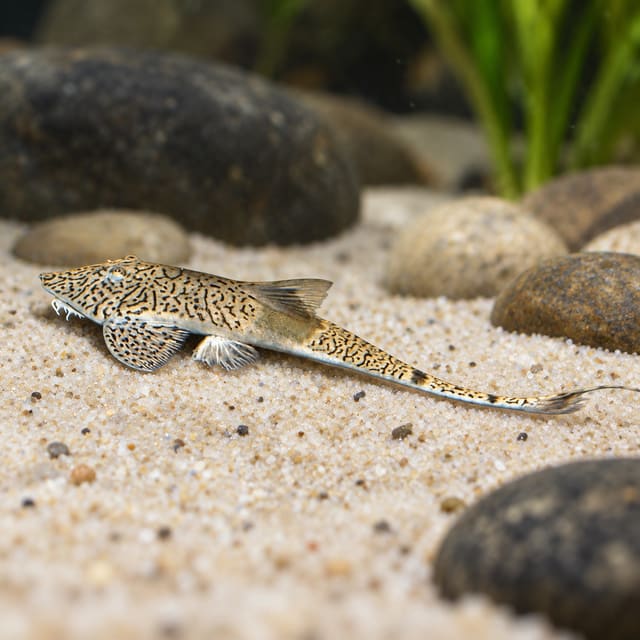
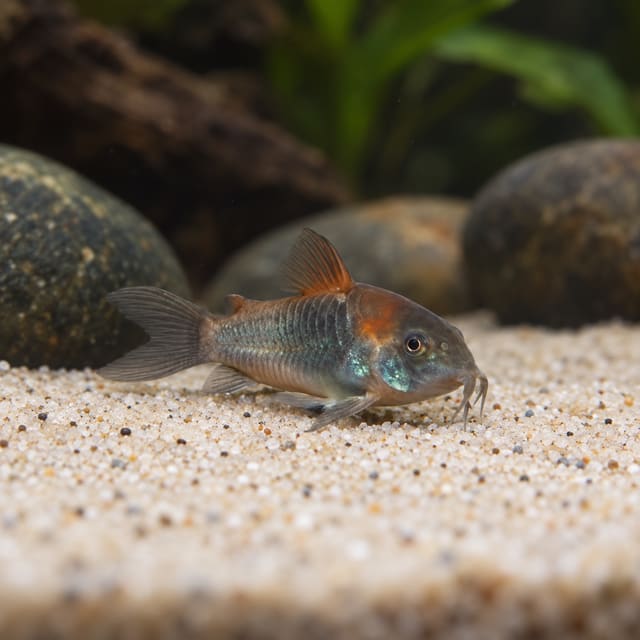
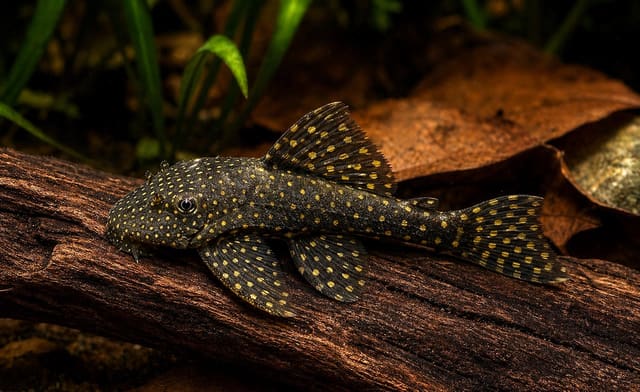
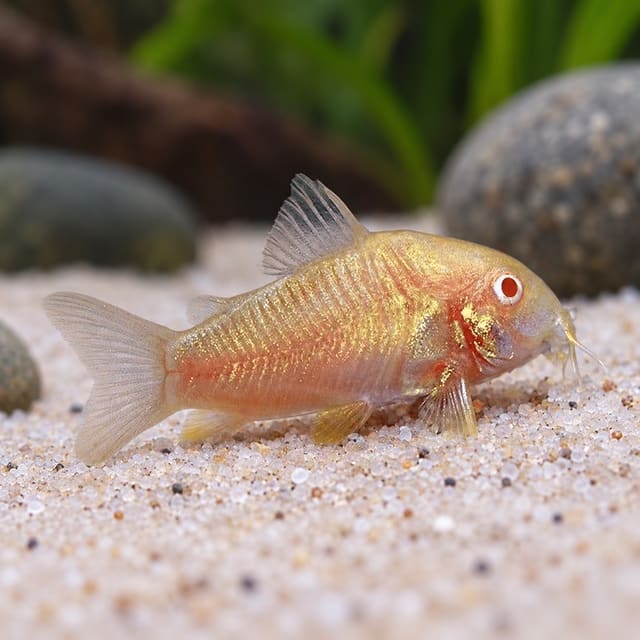
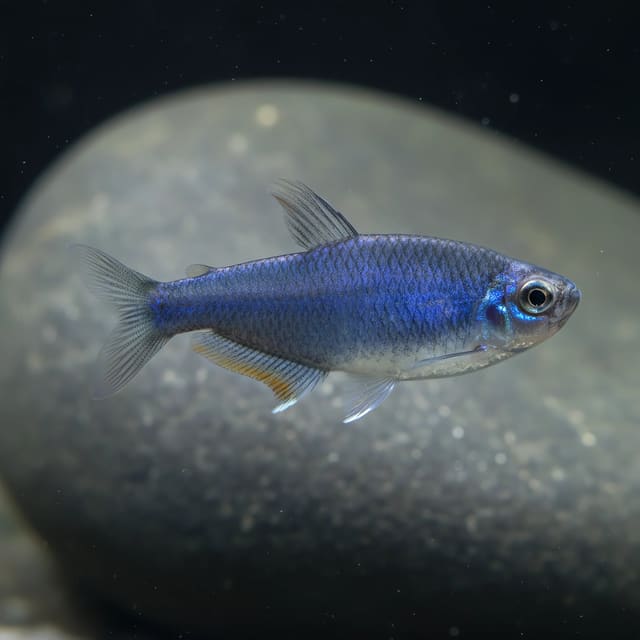
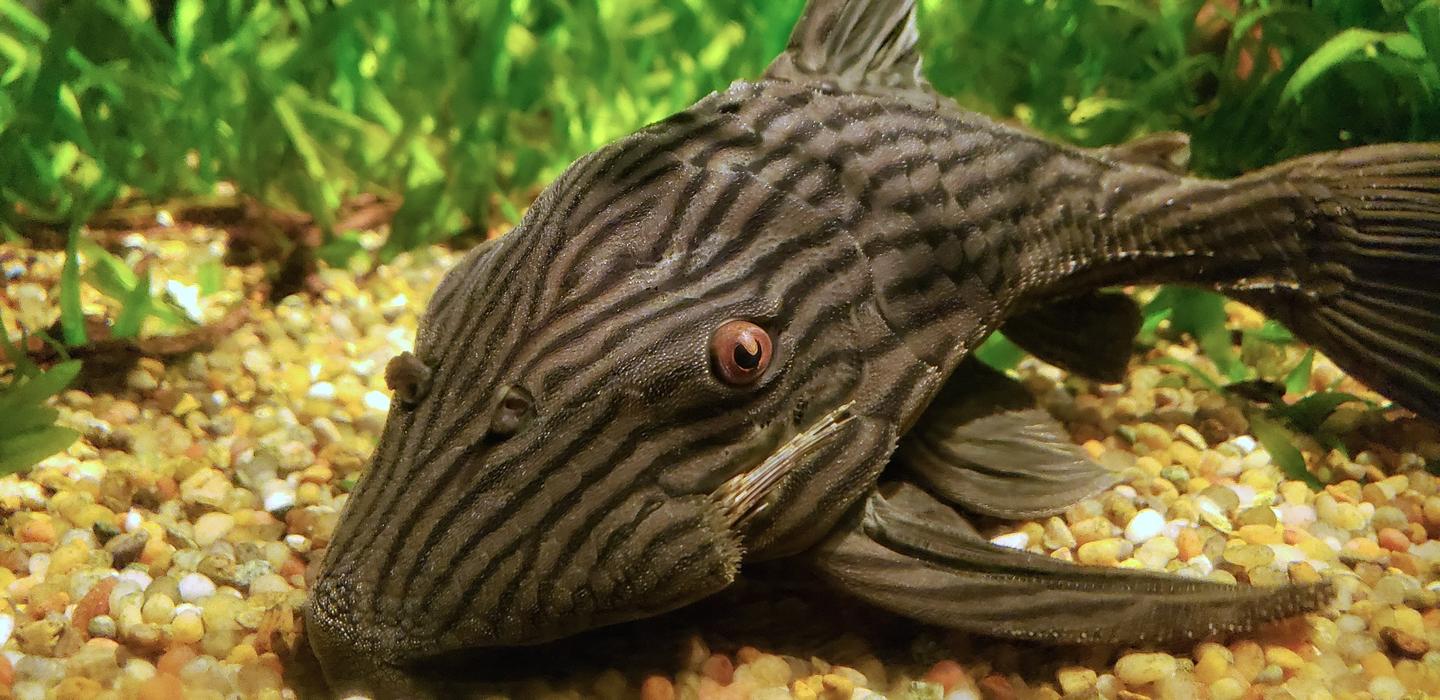
Some gallery images have been digitally enhanced to improve image quality. They show the listed type of animal rather than guaranteeing the exact markings of the individual supplied, so natural colour and pattern can vary.
The illustrations show pleco-shaped fish in aquarium scenes and on a plain background, but their broad cream cross-bands and spotted fins differ from the fine pale longitudinal striping associated with the L204 identity. Use the scientific identity, adult-size record and written care decisions as the basis for planning. Do not use an illustration to infer sex, age, exact markings or the appearance of the individual fish supplied.
The selector answers which dispatch size you are ordering. It does not determine the required filtration, water-testing routine, feeding plan or compatibility assessment. Those decisions belong to the adult aquarium plan and should be settled before the fish arrives.
Keep the aquarium at 22–27°C, pH 6.0–8.0 and 4–12°dH. OATA's tropical algae-eater sheet gives these figures as broad group guidance rather than a species-specific optimum. Use the full set together when assessing this aquarium, and keep the fish in tropical freshwater conditions.
Test the water once a week. OATA gives zero mg per litre for ammonia, zero mg per litre for nitrite and nitrate not exceeding 20 mg per litre above the normal tap-water level. Record the result rather than relying on the aquarium's appearance, because clear water alone does not report ammonia, nitrite, nitrate, pH or hardness.
| Check | Action |
|---|---|
| Temperature | Keep it between 22°C and 27°C |
| pH | Keep it between 6.0 and 8.0 |
| General hardness | Keep it between 4°dH and 12°dH |
| Ammonia | Maintain zero mg per litre |
| Nitrite | Maintain zero mg per litre |
| Nitrate | Do not exceed 20 mg per litre above the normal tap-water level |
Use the same units each time so that one result can be compared directly with the next. Our aquarium water-chemistry guide explains what the principal tests measure, while the water matcher helps compare measured aquarium values with the stated guidance.
If ammonia or nitrite is above zero, treat the result as a water-quality problem because both are toxic to fish. Check that the filter is operating and maintained, review whether excess food is breaking down and postpone further stocking while the aquarium is outside the target. If pH, hardness or temperature is outside the range, establish the measured value before making a new livestock decision.
Consistency comes from regular testing, appropriate stocking and filter care. Avoid chasing an unseen problem with repeated guesses; write down the date and values, correct the identified cause and test again so that the next decision is based on a measured result.
Choose as large an aquarium as is practical, then plan it around the L204 Flash Pleco's recorded 9.6 cm standard length, the shelter inside the aquarium and every other animal in the stocking plan. OATA explains that the larger the aquarium, the more stable conditions such as temperature and water quality will be. A litre figure on its own cannot account for displaced space, total stocking or filter performance.
A filter is essential regardless of aquarium size. The RSPCA explains the role of biological filtration: fish release toxic ammonia, beneficial bacteria in a working filter convert it to nitrite, and further processing produces the safer nitrate. The filter therefore needs to be well set up and maintained rather than treated as a decoration or optional accessory.
Our guide to preparing and maturing a first tropical aquarium provides a practical route through setup before livestock arrives. Do not use a calendar alone as proof that the system is ready; use the filter's operation and measured water results to guide the decision.
The L204 is demersal, so include its use of the lower aquarium when arranging shelter and assessing other animals. Check that ornaments do not consume so much usable space that the nominal aquarium volume becomes misleading. Plants and shelter still need room, and the filter must handle waste from the entire community rather than this fish alone.
Do not scale filtration down simply because a selected fish is below adult size. Feeding and stocking affect waste, while the aquarium must remain suitable as the fish grows. Planning the permanent setup first avoids transferring the animal solely because the dispatch size changed.
Use aquarium sand or gravel and provide cover with live plants, artificial plants or suitable ornaments such as plant pots or model caves. OATA says the aquarium should have sand or gravel and, ideally, live plants for cover, with artificial plants or ornaments such as plant pots or model caves giving shelter where live plants are not used. Arrange them securely while retaining enough open space to inspect the lower aquarium, retrieve uneaten food and keep the layout maintainable.
The L204 Flash Pleco is recorded as a demersal fish, so decisions at substrate level matter. Place shelters where the fish can enter them without being blocked by equipment or unstable decorations. Count the space occupied by each object when judging the aquarium: a heavily furnished tank has less open internal room than an empty tank with the same stated volume.
| Feature | Planning purpose |
|---|---|
| Sand or gravel | Provides the aquarium substrate described in OATA's setup guidance |
| Live plants | Provide cover while contributing to a furnished freshwater layout |
| Artificial plants | Provide an alternative form of cover where live plants are not used |
| Plant pots or model caves | Create suitable sheltered areas |
| Open access | Allows food and the lower aquarium to be checked |
Inspect the arrangement after filling the aquarium and again during routine maintenance. An ornament that shifts, traps food out of reach or prevents access to the substrate should be repositioned. Keep filter intakes, outlets and other essential equipment unobstructed so that the filtration plan remains functional.
Before adding another bottom-oriented animal, assess how much shelter and usable lower space remain. Do not count one cave as proof that every combination will work. Adult size, water conditions, total stock and access to cover all belong in the same decision.
Plants and ornaments can make the aquarium look complete, but appearance does not replace weekly water tests or filter maintenance. A useful layout lets you carry out both. Keep enough access to check the substrate, identify uneaten food and maintain equipment without repeatedly dismantling every sheltered area.
Offer supplemented prepared feeds, such as algae-based wafers or flakes, together with fresh vegetables such as cucumber. OATA's group feeding advice says algae-grazing fish still require this supplemented food. Aquarium algae is not a complete feeding plan, so adjust the amount by watching what the fish consumes and prevent uneaten food from accumulating.
Prepare vegetables safely. Choose organic produce or wash it thoroughly because residual pesticides may harm fish or invertebrates. Offer a modest portion and check what has been eaten. Food left to break down adds toxic waste to the aquarium, so portion control supports the water-quality targets as well as the fish's diet.
| What you observe | What to do next |
|---|---|
| Food is eaten cleanly | Keep the next portion similarly modest |
| Algae-based food needs additional grazing time | Allow access while continuing to check the portion |
| Food remains uneaten and begins accumulating | Remove the excess and reduce the next portion |
| Other fish reach the food first | Confirm that the L204 can access its portion without increasing the total blindly |
| Waste builds up around shelter | Review portion size and restore access for maintenance |
Visible algae may vary independently of the fish's nutritional needs. Continue the prepared and fresh-food plan rather than withholding food because algae is present. Equally, do not increase food simply because the fish is classed with algae eaters. Use what is actually consumed to guide the next portion.
Prepared algae-based wafers or flakes and carefully washed cucumber are the concrete foods named in the group guidance. Offer both the prepared food and the washed cucumber rather than relying on one food alone. Modest portions also make it easier to see whether food is accumulating before weekly test results show a waste problem.
Avoid turning feeding into an automatic fixed quantity that ignores the aquarium. Fish size, competition and grazing behaviour affect what is consumed, so watch the food and adjust the following portion. The rule remains the same: provide a supplemented diet and prevent uneaten food from building up.
Treat persistent algae as a prompt to check water chemistry, maintenance and stocking rather than as a reason to add another fish automatically. OATA warns that algae-eating fish are not substitutes for regular maintenance and appropriate stocking levels. The L204 should therefore be chosen because its adult size, tropical requirements and long-term care fit the aquarium.
Start with measurements. Test temperature, pH, hardness, ammonia, nitrite and nitrate, then compare the figures with the stated guidance. Check whether excess prepared food or vegetables are accumulating and confirm that the filter is working. These actions address the managed aquarium rather than assigning an undefined cleaning job to an animal.
Do not solve an unexplained test result by adding livestock. If ammonia or nitrite is detectable, focus on the biological filter and sources of waste. If nitrate is above the group target, review the aquarium's maintenance and stocking. If pH or hardness falls outside the planned range, use the measured result when deciding whether the aquarium remains appropriate.
Algae control is the keeper's job, not the fish's. The keeper remains responsible for water testing, filtration, food portions, maintenance and total stocking. Keeping those roles clear prevents algae control from overriding welfare decisions.
Keep a written weekly routine from the day the fish arrives. Record weekly test values in the same units, note whether offered food was consumed and inspect the filter and lower aquarium. A short, consistent record makes changes visible and helps distinguish a feeding issue from a filtration or stocking issue.
Be present to receive the parcel and carry out the arrival steps on the day it arrives. Tropical Fish Co uses insulated packaging, pure oxygen and a heat pack when the weather calls for it, with transport by a tracked, licensed live-animal courier. The current delivery and Live Arrival Guarantee policy contains the complete terms.
The video step applies to every arrival: start with the sealed parcel rather than trying to reconstruct the sequence afterwards. For a Live Arrival Guarantee claim, contact us the same day with the order number and the short continuous video showing the sealed parcel, the opening and the fish still in the sealed bag.
Before the parcel arrives, have the filtered aquarium ready within 22–27°C, pH 6.0–8.0 and 4–12°dH, with ammonia and nitrite at zero mg per litre. Those are aquarium-care checks, while filming, inspection and floating the bag are the arrival procedure. Completing the water checks in advance prevents the unboxing period from becoming the moment when basic aquarium suitability is first considered.
Do not add unplanned animals simply because transport and acclimatisation went smoothly. Continue with modest feeding, weekly testing and the stocking plan established for the adult fish. The first routine test should use the same units and targets as later tests so results remain comparable.
Assess every proposed companion individually. Start by matching tropical freshwater conditions of 22–27°C, pH 6.0–8.0 and 4–12°dH, then compare adult size, total stocking, filtration, shelter and use of the lower aquarium. OATA advises checking a species before adding it to a community aquarium rather than assuming that every animal described as an algae eater has the same needs.
Do not use a universal tank-mate list for the L204 Flash Pleco. A shared common label such as pleco, catfish, community fish or algae eater does not answer whether two animals fit the same water, space and stocking plan. Check the exact combination against every step below before adding another species or another L204.
After adding a companion or a second L204, check that every fish can still reach food and shelter. Do not treat a combination as safe merely because no immediate conflict is visible. The practical decision is whether the exact animals can share water conditions, space, filtration, food access and shelter.
If two candidate animals require different water ranges, stop at that point rather than trying to average incompatible needs. Where the ranges align, continue through the rest of the screen; matching temperature alone is not a complete compatibility decision.
Each purchase supplies one fish; decide how many to keep from the aquarium, not from the purchase quantity. Begin with a one-fish stocking plan, and keep more than one only when the aquarium passes every check below. Those checks cover adult size, available shelter, usable lower space, filter capacity and every other animal already planned for the aquarium.
Do not infer a group requirement from an illustration showing two fish. The gallery is illustrative, and the number of visible animals does not change the purchase unit or determine how many should share an aquarium. Likewise, plan any group of small fish for the space, shelter and filtration they will need as they approach adult size.
| Question | Decision |
|---|---|
| Do all animals share 22–27°C? | Continue only if their temperature needs align |
| Do all animals share pH 6.0–8.0? | Continue only if their pH needs align |
| Do all animals share 4–12°dH? | Continue only if their hardness needs align |
| Is there enough shelter and usable space? | Count the actual furnished layout, not empty dimensions |
| Can the filter support the total stock? | Use measured ammonia, nitrite and nitrate as ongoing checks |
| Can each fish reach its food? | Observe feeding without overfeeding the aquarium |
A proposed community passes only when every necessary condition can be met at the same time. A shared pH does not compensate for incompatible temperature needs, and a large aquarium does not compensate for an unsuitable water range. Use the complete set of decisions rather than choosing the most convenient figure.
Continue weekly water tests after another animal is introduced. Check whether food remains accessible and whether shelter can still be used without blocking maintenance. If ammonia or nitrite rises above zero, or uneaten food starts accumulating, address the water-quality and feeding problem before considering any further addition.
Base every stocking decision on measured water results and the furnished aquarium you actually have.
The L204 Flash Pleco reaches 9.6 cm standard length. FishBase records that maximum for Panaqolus albivermis; use 9.6 cm as the adult planning figure rather than the selected dispatch size.
Plan the aquarium around the fish's 9.6 cm adult standard length, shelter, usable lower space, total stocking and filter capacity, then choose as large an aquarium as is practical. OATA notes that the larger the aquarium, the more stable its temperature and water quality will be.
Begin with a one-fish plan, and keep more than one L204 Flash Pleco only when the aquarium can meet every fish's needs. Check adult size, shelter, lower space, filtration and food access; one purchase supplies one fish.
This fish suits a prepared keeper who can maintain a biological filter, test water weekly, provide shelter and offer a supplemented diet. Treat those tasks as the suitability test rather than relying on a simple beginner label.
Offer the L204 Flash Pleco a supplemented diet in portions that do not leave food accumulating. OATA's tropical algae-eater guidance says these fish need their diet supplemented with prepared foods such as algae-based wafers or flakes, ideally with fresh vegetables such as cucumber; wash vegetables thoroughly or choose organic produce.
Keep it at 22–27°C and pH 6.0–8.0, with general hardness of 4–12°dH. These are OATA's broad tropical algae-eater values, used together as routine aquarium guidance.
Compatibility for the L204 Flash Pleco needs an individual assessment rather than an automatic peaceful or aggressive label. Screen each combination for shared water needs, adult size, space, shelter, filtration, food access and total stocking.
Choose each companion species individually, and only one that shares 22–27°C, pH 6.0–8.0 and 4–12°dH. OATA advises assessing each proposed species, and matching water is only the first step before space, filtration and stocking are checked.
The L204 Flash Pleco is hand-bagged in pure oxygen, placed in an insulated box with a heat pack when weather calls for it and carried by a tracked, licensed live-animal courier. Receive it in person, film continuously from the sealed parcel, inspect it that day and float the bag for 20–30 minutes before release.
No reviews for this item yet. Bought one? Honest reviews only, good or bad.
What customers say about ordering from us
I have a small group of long finned mountain minnows. So was delighted to be able to order ten of this variety to increase the genetics in my tank . The ones I recieved are healthy but it’s to early to give a verdict on wether they are of a long finned type since they are small currently.
Gordon Walker · 23 Sept 2026
100% success travel and "installation". Pleased with quality of purchase. The Siamese fighter a bit "shy" so have not yet seen him at his best yet but looking good. Happy customer. GG
George E Garratt · 21 Sept 2026
Reviews of our shop, collected by Judge.me, an independent third-party review collector. Newest first.