Moderate
Bristlenose Pleco (Ancistrus sp.)
22–27°C · pH 6–8
From £3.51Some sizes on sale
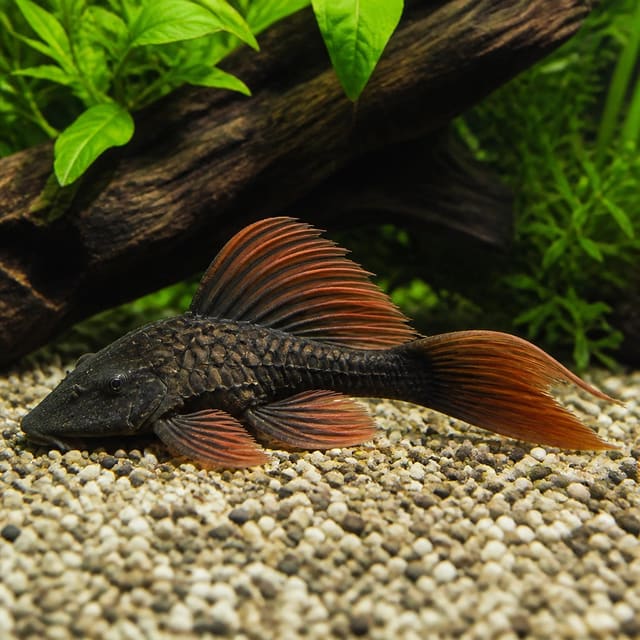
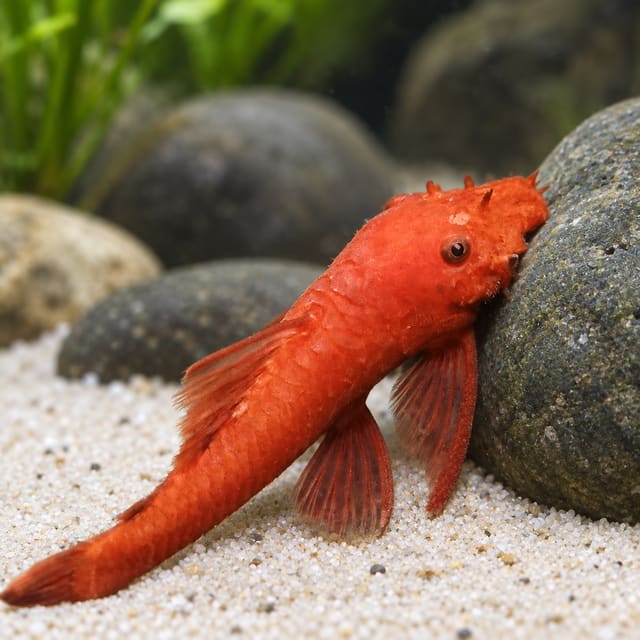
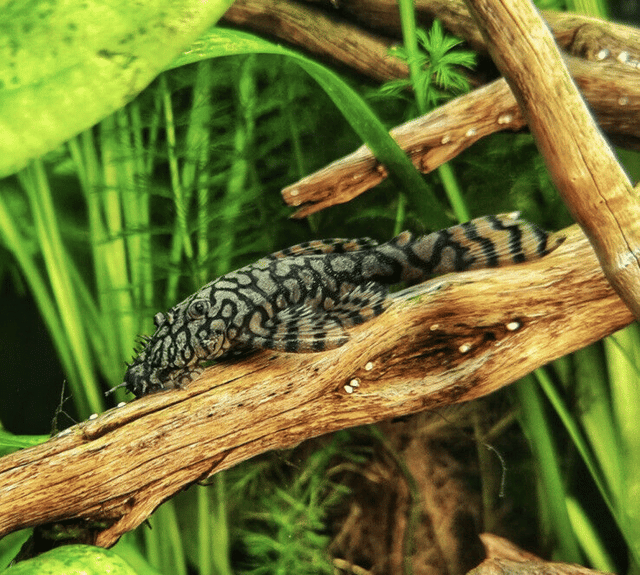
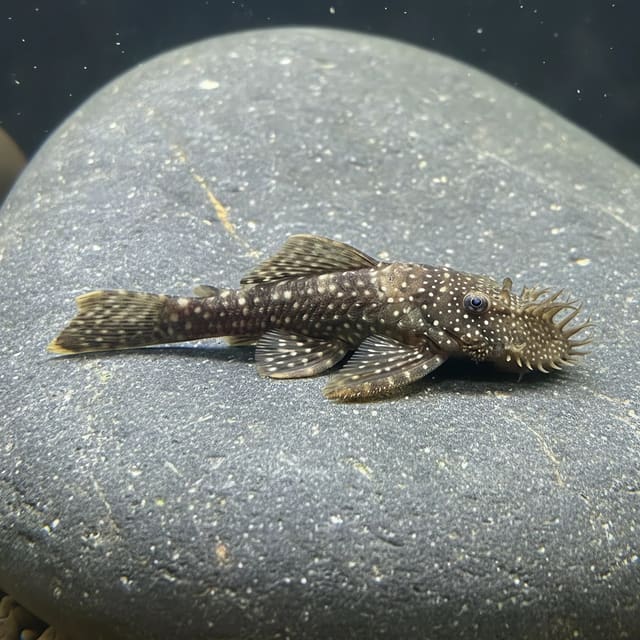
Red and Black Bristlenose Pleco (Ancistrus sp.) is a South American loricariid sold as one live fish per purchase. The exact species is unresolved, so plan from broad bristlenose guidance: a mature filtered aquarium, wood and cover, supplemented grazing foods, and individually checked companions.
Ancistrus sp.
Red and Black Bristlenose Pleco (Ancistrus sp.) is a South American loricariid sold as one live fish per purchase. The exact species is unresolved, so plan from broad bristlenose guidance: a mature filtered aquarium, wood and cover, supplemented grazing foods, and individually checked companions.
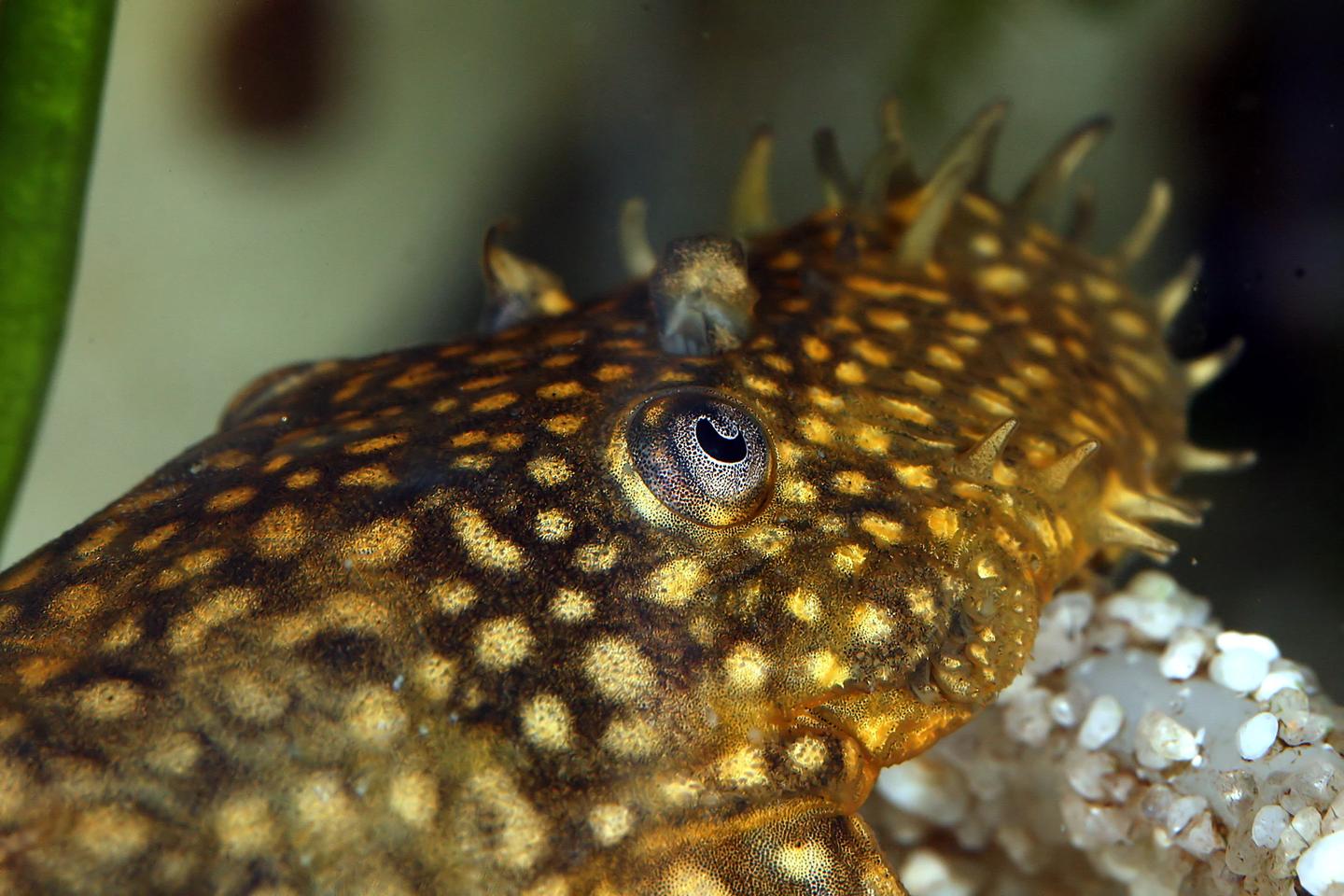
For one typical common bristlenose, start with a mature, filtered aquarium of at least 90 litres, useful floor area, wood and cover. OATA reports about 15 cm adult length, 22-27°C, pH 6-8 and 4-12 dGH. Confirm the exact trade identity before applying species-level claims.
Maintain these water conditions for optimal health and vibrant colors
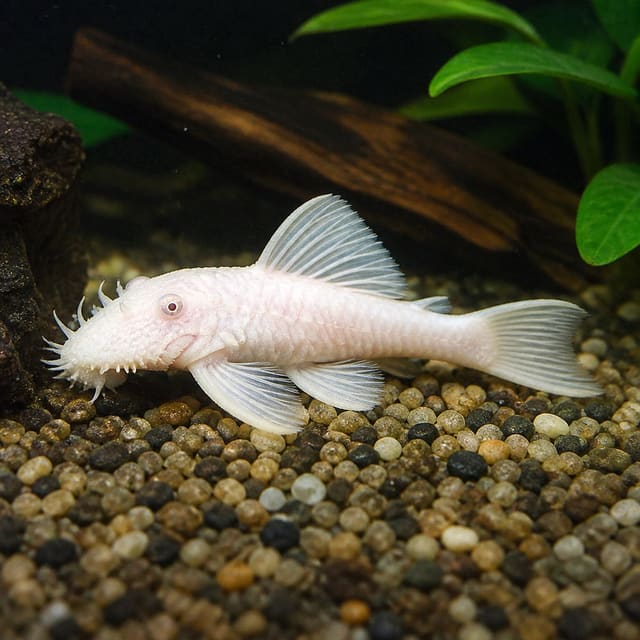
The Red and Black Bristlenose Pleco (Ancistrus sp.) is a warm-toned, dark-patterned loricariid for aquarists who enjoy the quiet, purposeful behaviour of a bottom-dwelling grazer. It spends much of its time close to wood, stones, leaves and aquarium surfaces, becoming especially interesting around feeding time or after the main lights settle. This is an attractive fish in its own right, not an appliance for fixing an algae problem.
The exact species has not been identified, so the care advice here follows the genus Ancistrus and its care group. That distinction matters. Ancistrus contains more than one species, and a red-and-black trade description does not create a verified species identity. The accepted Ancistrus genus record establishes the taxonomic level. The safest buying decision is therefore based on the confirmed offer, conservative space planning and the relevant bristlenose guidance that applies without pretending to know more than the name establishes.
One purchase supplies one live fish in the chosen grade. The listed grades are 2–2.5 cm, 2.5–3 cm, 3–4 cm, 5–6 cm, 6–7 cm and XL. The size you select is the size supplied, not the adult size. A small fish still needs an aquarium and stocking plan built for continued growth. The XL label is retained as a genuine shop grade, without assigning it a centimetre measurement.
| Suits | Keepers with a mature filtered aquarium, useful bottom area, wood, cover and time to provide a complete diet. |
|---|---|
| Not suited to | Anyone seeking a fish to replace maintenance, or a precisely identified species with a exact care profile. |
| Sold unit | One live fish per purchase, in the selected dispatch grade. |
| Identity | Red and Black Bristlenose Pleco, identified to Ancistrus genus only. |
UK bristlenose guidance describes these catfish as relatively compact compared with many larger loricariids, with about 15 cm used for the care group. Because this listing is not resolved to species, that figure is a cautious planning reference rather than a promise of the exact final length of every fish. Give it generous floor area, accessible shelters and room to turn comfortably at maturity. A larger aquarium also makes temperature and water quality easier to keep steady.
Plan the aquarium around a proper biological filter. Fish waste produces ammonia; a mature filter supports bacteria that process ammonia and nitrite, both of which should remain at zero on a reliable test. Regular testing, partial water changes and sensible feeding are essential. If this will be your first livestock aquarium, use the first tropical tank guide to prepare and mature the system before the fish arrives.
Wood and cover are central to the layout. Bristlenose guidance recommends at least one piece of wood to graze, together with plentiful sheltered areas. Arrange wood, caves and planting so the fish can rest away from the brightest light while still reaching food easily. Leave open bottom routes between shelters, and make sure décor is stable before the fish explores beneath it.
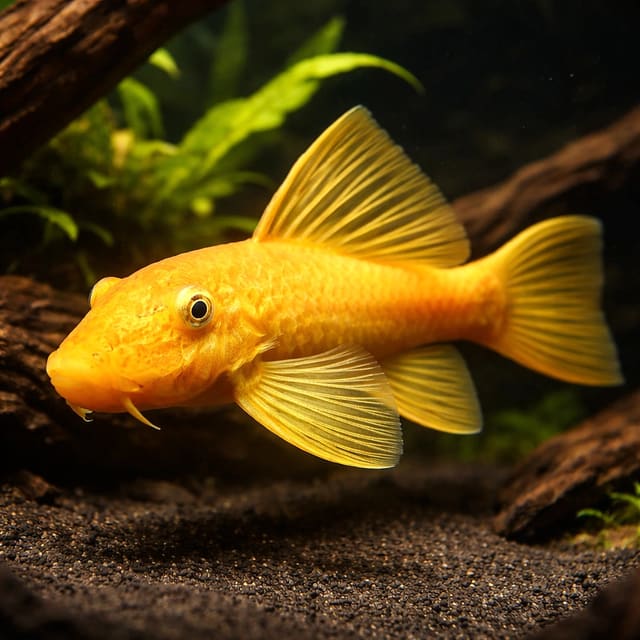
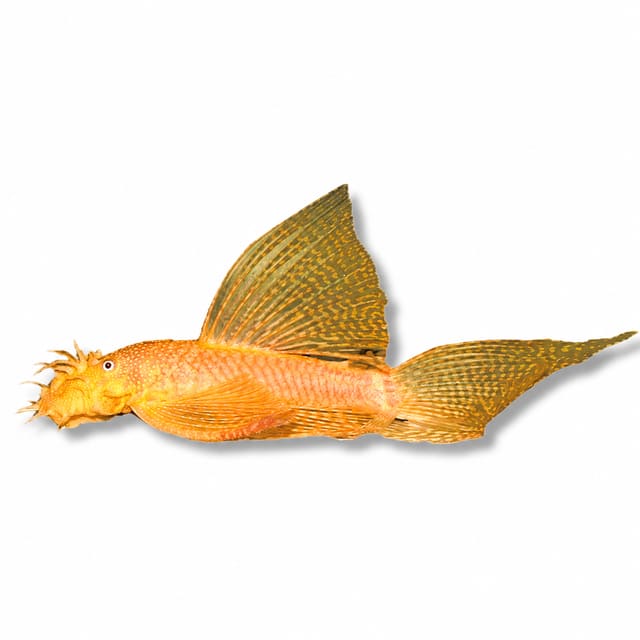
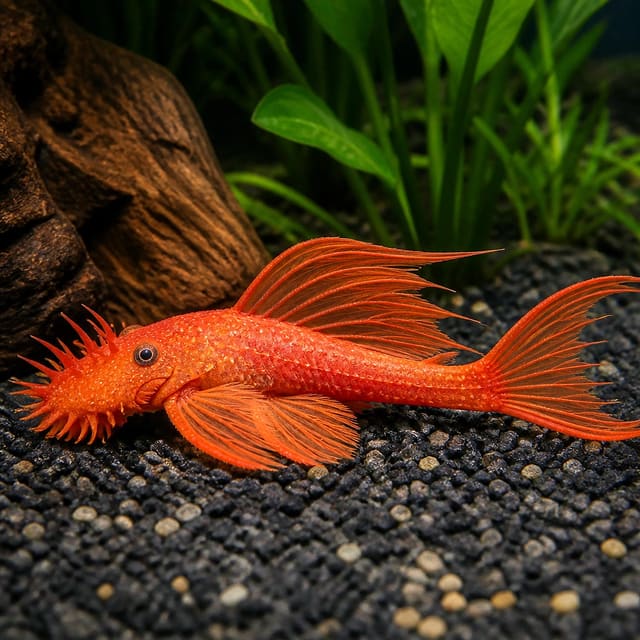
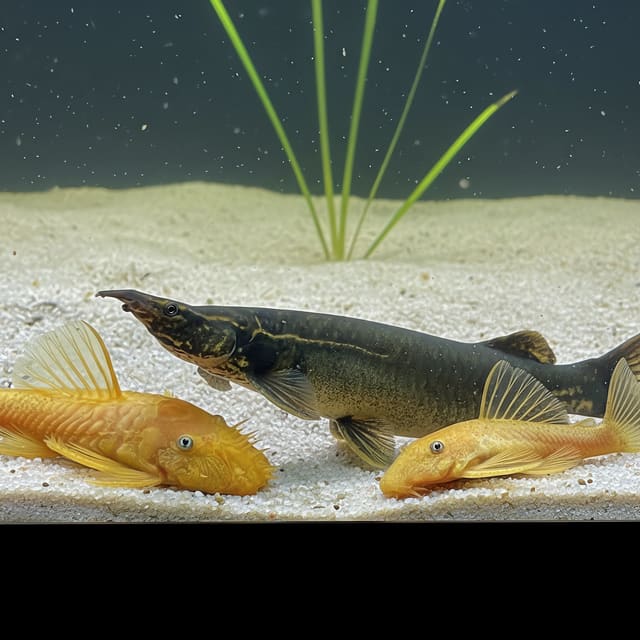
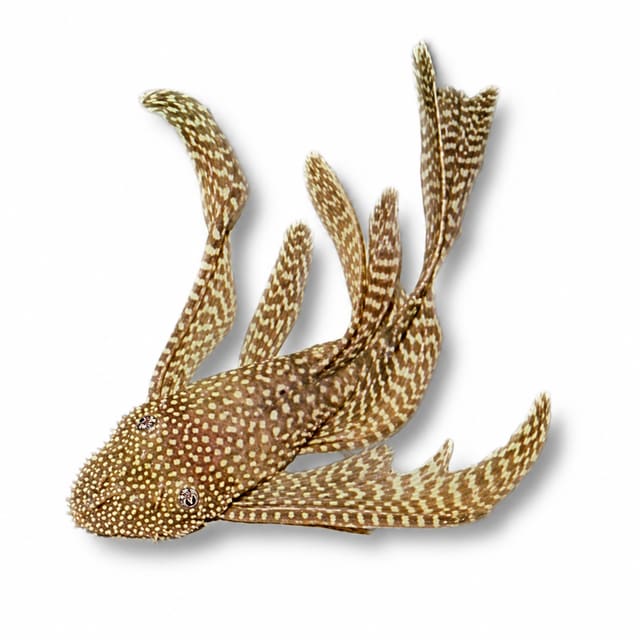
Sex is guaranteed only when the selected option explicitly states male or female. This Red and Black Bristlenose Pleco listing has no sex-guaranteed option. Do not infer sex from colour, size grade or the gallery. Gallery images have been digitally enhanced to improve image quality. Natural colour, pattern, size and maturity can vary between live animals.
A good Red and Black Bristlenose Pleco aquarium begins with stability rather than decoration. The fish lives close to the bottom, where uneaten food and waste also settle, so filtration and maintenance must work together. Use a correctly sized filter with established biological media, keep circulation reaching the lower areas without turning every shelter into a fast-flowing channel, and test the water regularly. A clear-looking aquarium can still contain ammonia or nitrite, so appearance alone is not a water-quality test.
OATA's bristlenose guidance gives a temperature of 22–27°C and pH 6.0–8.0. These values describe a care group, not an exact-species optimum for this unresolved Ancistrus. Use them as a bounded starting framework, then prioritise consistency and the needs shared by all animals in the aquarium. The water chemistry guide explains what the common tests measure, while the water matcher can help compare measured values with a planned range.
Ammonia and nitrite should test at zero. OATA's bristlenose guidance places nitrate at no more than 20 mg per litre, while also making clear that maintenance and stocking determine whether an aquarium stays within a safe range. Test at least weekly while learning the tank's pattern, and test promptly when appetite, breathing, colour or activity changes. Treat replacement tap water with an appropriate conditioner before it enters the aquarium.
Temperature changes should be gradual. Check the heater with a separate thermometer, place it where water moves around it, and avoid locating the aquarium where direct sun or a cold draught causes daily swings. The purpose of the stated range is not to encourage movement from one end to the other; a stable value inside the shared requirements of the tank is more useful than repeatedly chasing a number.
A biological filter is essential because the fish and its food create waste continuously. The RSPCA aquarium environment guidance explains that beneficial bacteria convert ammonia to nitrite and then to nitrate. Those bacteria need oxygenated water and stable conditions, so clean filter components gently and keep flow unobstructed. Never interpret an algae-grazing fish as permission to reduce maintenance. Algae growth can reflect excessive light, nutrient accumulation, overfeeding or an imbalance that needs its own correction.
Build a repeatable routine around water tests, a partial water change, substrate cleaning where debris collects and a visual check of the filter intake. Observe what the tank normally looks and smells like. A sudden change in clarity, flow, fish respiration or appetite deserves attention. Feed with the filter running unless a particular sinking food would otherwise be swept away; if flow is paused briefly, use a reminder so it is restored promptly.
Because this catfish uses the bottom, inspect behind wood and beneath plants where food can lodge. Remove uneaten vegetable pieces before they soften and foul the water. Match portions to what the fish actually consumes, remembering that a shy fish may wait until the room is quiet. Good care balances access to food with prevention of waste, rather than adding more in the hope that some reaches the right place.
Provide at least one piece of aquarium-safe wood. The same bristlenose guidance specifically links wood with grazing and secure cover. Combine it with caves, roots, stones or robust ornaments that create darker resting places. Position shelters so the fish does not have to cross a brightly lit open area every time it moves between food and cover. The layout should also let you inspect the fish and remove trapped debris.
Use aquarium sand or smooth gravel, keeping it clean without stripping the tank of every natural surface. Live plants can add shade and cover; if live planting is not practical, inert artificial plants and suitable ornaments can still create shelter. Secure heavy décor before adding the fish. A cave that rocks, collapses or traps the animal is worse than no cave at all.
For more than one bristlenose or for a mixed group of bottom dwellers, duplicate key resources. Two shelters placed beside one another may function as a single contested area; shelters separated across the floor are more useful. Place food where each fish can reach it, and observe after lights dim to confirm that a dominant animal is not excluding another.
Algae is part of the behaviour that makes bristlenose catfish appealing, but it is not a complete feeding programme. OATA recommends supplementing algae-grazing fish with prepared algae-based wafers or flakes and fresh vegetables such as cucumber. Wash vegetables thoroughly to remove residues, use aquarium-safe clips or weights, and take out leftovers before they deteriorate.
Offer modest portions without leaving a persistent layer of waste, while allowing suitable sinking foods enough time to be grazed. A wafer or vegetable may remain accessible longer than floating food, but it still requires observation and timely removal. Adjust the amount to the fish, its grade, the other bottom feeders and the natural grazing available.
Feed after checking that the fish can physically reach the food. Fast mid-water fish may intercept sinking items, and another catfish may sit over the feeding point. Distribute suitable food across more than one location when necessary. A rounded, well-proportioned body and steady feeding response are more useful observations than an aquarium wall that looks clean.
Prepare the aquarium before dispatch: test it, confirm the heater and filter are operating, and make sure the intended shelter is accessible. Someone must be present to receive live fish. Begin one continuous unboxing video while the parcel is still sealed, show the outer box being opened and the fish still inside the sealed bag before anything is disturbed; this preserves the evidence required for any Live Arrival Guarantee claim.
Use the delivery and Live Arrival Guarantee page for the current claim conditions and contact route. The practical goal after introduction is a calm fish with a secure place to rest, not an immediate performance at the front glass. Allow it time to learn the layout and feeding routine.
Learn the individual's normal pattern. Many Ancistrus are more active in dimmer periods, but regular observation should still confirm steady breathing, intact fins, a sound body condition and access to food. A change from the fish's usual behaviour can be an early reason to test water, inspect flow and check for competition.
Keep a simple maintenance record if several people care for the tank. Note test results, water changes, feeding adjustments and unusual behaviour. This makes gradual drift easier to spot and prevents duplicate feeding. It also helps separate a genuine change in the fish from a change in household routine.
Do not add livestock quickly after this fish arrives. Every new animal increases waste and changes social pressure. Let the biological filter and the existing stock settle, then reassess the floor area and hiding places before another bottom dweller is considered. A thoughtfully stocked aquarium is easier to maintain than one that relies on repeated corrective action.
Dispatch size describes the fish at supply, so the aquarium should not be chosen by measuring the smallest grade against an empty cave. Picture the mature animal moving between wood, food and shelter without scraping through gaps or becoming confined to one corner. Keep the front or centre of the bottom open enough for turning, while using the back and sides for secure retreats. This creates useful space rather than simply filling every part of the footprint with décor.
Review the layout as the fish grows. A cave that seemed generous to a juvenile can become too narrow, and a gap behind a filter may turn into a trapping point. Replace cramped shelter with a larger safe alternative before it becomes a problem. Move heavy pieces only when you can do so without destabilising the aquarium or leaving the fish exposed for a prolonged period.
Growth also changes feeding access. Larger fish need appropriately sized sinking food, but portion control still depends on observation. Watch where each piece lands and whether it is eaten or carried into a hidden area. If vegetables disappear behind wood, check and remove the remains rather than adding another piece on top of them.
When other bottom dwellers are present, reassess floor-space competition at adult size. Two juveniles can appear to share a small shelter peacefully simply because neither has yet developed its full demand for space. Duplicate caves, spread food and keep open routes to the surface and front glass. If one fish repeatedly loses access, change the stocking plan.
The Ancistrus natural-history overview describes the genus as nocturnal freshwater catfish. In the aquarium, an individual may spend daylight in cover and emerge more confidently when lighting softens. A quiet daytime fish is not automatically unwell, but its normal pattern should still include steady breathing, secure attachment and a reliable feeding response.
Observe without forcing the fish out of cover. Use a small torch briefly after the room darkens if needed, and check from different angles during routine maintenance. The aim is to confirm body condition and behaviour, not to disturb the shelter each day. An established routine makes a genuine change easier to recognise.
Colour and activity can vary with light, background, age and stress. Judge welfare from several signs together: breathing, posture, appetite, body condition, fin condition and use of the aquarium. If something changes, test water first, check temperature and flow, and inspect whether another fish is controlling the shelter or food.
This listing is identified to Ancistrus genus, so compatibility should be decided by the actual aquarium rather than a universal list of named tank mates. Start with four questions: do the animals share stable water conditions, can every fish reach food, is there enough adult floor space, and can each bottom dweller use a separate shelter? If any answer is uncertain, improve the plan before purchase.
Bristlenose guidance allows these catfish to be kept alone, in pairs or in small groups, while recommending only one male per group. That is useful planning guidance, but this listing does not offer a sex guarantee. A buyer cannot safely order a group on the assumption that its sex ratio is known. Extra floor area and duplicate shelters are therefore more valuable than trying to predict sex from juvenile appearance.
A single fish can still display natural grazing and sheltering behaviour. Keeping one is often the clearest option in a smaller community because it reduces competition for caves and sinking food. For a pair or group, watch access to every key resource. Repeated chasing from a shelter, a fish that never reaches food, or one animal remaining exposed while another occupies all cover means the layout or stocking needs attention.
Choose companions that are unlikely to swallow a small juvenile, harass a resting catfish or monopolise the bottom. Match temperature and pH requirements before considering appearance. Give particular thought to other loricariids and territorial bottom dwellers because their needs overlap most directly. Similar feeding and shelter use can create competition even when two species are commonly described as peaceful.
Mid-water fish may leave the bottom free, but they can still intercept food. Feed in a way that lets the bristlenose receive a complete ration. Slow or nocturnal feeding is not a reason to overfeed the whole aquarium; use well-placed sinking foods and observe. If several fish crowd one wafer, add appropriate food in separated positions rather than simply increasing one pile.
| More promising | Animals whose adult size, water needs and behaviour overlap, with limited competition for bottom shelters and sinking food. |
|---|---|
| Needs caution | Other bristlenose catfish, territorial bottom dwellers, very fast feeders and any fish large enough to view a juvenile as prey. |
| Plan first | Separate retreats, distributed feeding points, mature filtration and enough floor area for every adult. |
Plants can help create a calmer, more complex layout, especially when wide leaves and wood produce shaded areas. Planting does not replace proper shelters, and a dense tank still needs accessible cleaning routes. Keep the layout functional: the fish should be able to move, graze and rest without being trapped behind décor or forced through another animal's territory.
A bristlenose may graze algae, but it will not correct excessive light, accumulated nutrients or poor maintenance. Buying it solely as a cleaner risks underfeeding the animal and leaving the original cause untouched. Treat grazing as one part of its behaviour, supply a complete diet, and solve algae with a balanced maintenance plan.
It is also unwise to treat the red-and-black label as proof of a particular temperament, adult size or sex. Colour describes the trade form offered; the verified scientific identity remains Ancistrus sp. The responsible approach is to provide conditions that work across the bristlenose care information while monitoring the individual fish.
If a different bristlenose variety would better suit the intended display, browse the bristlenose pleco collection. A different colour form is an alternative purchase, not automatically a compatible companion for the same tank.
Watch the bristlenose through several full feeding and maintenance cycles before expanding the stock. Note where it rests, where food lands and which routes it uses after lights dim. This turns compatibility from a label into a practical map of the aquarium. A new fish needs space that is genuinely unused, not space already serving as a feeding route or retreat.
Compare the proposed animal's mature size and preferred water with the bristlenose framework. Then compare behaviour: a peaceful mid-water shoaler presents a different challenge from a cave-owning catfish, even when both share the same temperature. The strongest overlap usually occurs at the bottom, where shelter and sinking food are limited resources.
Add only to a tank whose filter and maintenance routine already keep ammonia and nitrite at zero. Increased feeding and waste must be absorbed by the biological filter. Test more frequently after a carefully planned addition and watch whether either animal changes its use of cover.
Keep a safe alternative available if the new combination fails. Moving décor can improve access, but it cannot create unlimited floor area. If repeated exclusion continues after resources are spread out, separate the animals rather than allowing chronic competition to become normal.
These answers separate the confirmed offer from broad bristlenose care guidance. Where the exact species would change the answer, the wording stays conservative rather than turning a genus-level name into a precise promise.
The exact species is unresolved. UK bristlenose guidance gives about 15 cm for the care group, so allow generous bottom area, wood and cover rather than treating a juvenile dispatch grade as its finished size.
No species-specific minimum volume is established for this fish. Choose the largest practical mature aquarium, with enough floor area for its eventual growth, a working filter, sheltered resting places and a piece of wood.
Broad bristlenose guidance allows one fish, a pair or a small group, but recommends only one male in a group. Provide separate shelters and enough bottom area, and be ready to separate fish if access to caves or food becomes contested.
It can suit a careful newer keeper who already has a mature filtered aquarium and is willing to feed it properly. Its unresolved species identity means the sensible approach is conservative planning and steady observation rather than assuming every Ancistrus behaves identically.
Algae in the aquarium is not a complete diet. Offer prepared algae-based sinking food and thoroughly washed vegetables, remove uneaten food, and keep a piece of wood available for grazing and cover.
OATA broad bristlenose guidance gives 22–27°C and pH 6.0–8.0. These are group-level values rather than an exact-species optimum, so keep conditions stable and avoid sudden changes.
No fish replaces routine maintenance. A bristlenose may graze some algae, but persistent algae calls for a review of light, nutrients, feeding, stocking and maintenance as well as a complete diet for the fish.
Assess companions by adult size, water overlap, feeding style and use of the bottom of the tank. Avoid assuming a universal list: this fish is identified only to genus, and other bottom dwellers may compete for food or shelters.
Tropical Fish Co uses a licensed live-animal courier. Be present to receive the parcel; for any Live Arrival Guarantee claim, make one continuous unboxing video from the sealed parcel to the fish still in its bag, then contact the shop the same day.
The identity and care summary uses the accepted Ancistrus genus record, a genus natural-history overview, OATA's UK guidance for tropical algae eaters, and the RSPCA's general aquarium environment guidance. The scientific register establishes genus identity only; the UK care material supplies the clearly bounded bristlenose and welfare guidance used for planning.
Read these values as a practical framework, not a guarantee that every unidentified Ancistrus has identical needs. The sold-unit wording on this page controls the animal and dispatch grade supplied. Water, feeding and layout advice stays within that scope, with no lifespan or exact-species figure added.
No reviews for this item yet. Bought one? Honest reviews only, good or bad.
What customers say about ordering from us
Easy website plenty of info on fish your buying great to pick a time slot
TRACEY DURRANT · 7 Oct 2026
Got some lovely fish thank you
Kevin Mackie · 7 Oct 2026
Reviews of our shop, collected by Judge.me, an independent third-party review collector. Newest first.