
 By Priya Ramesh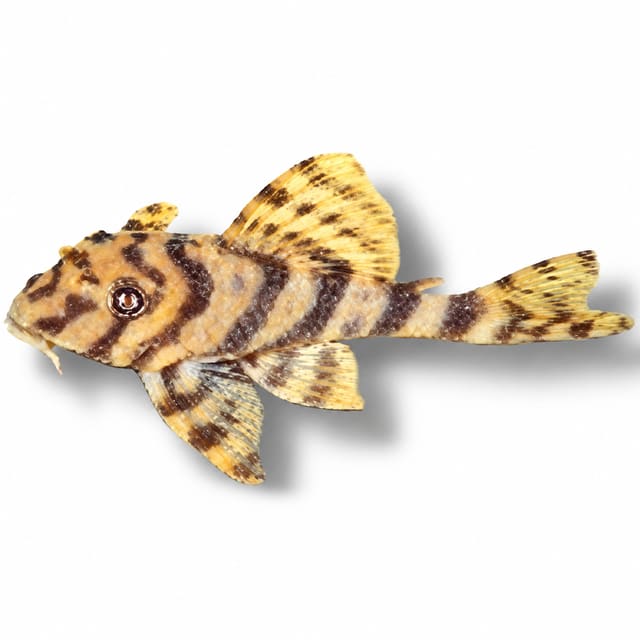
Moderate
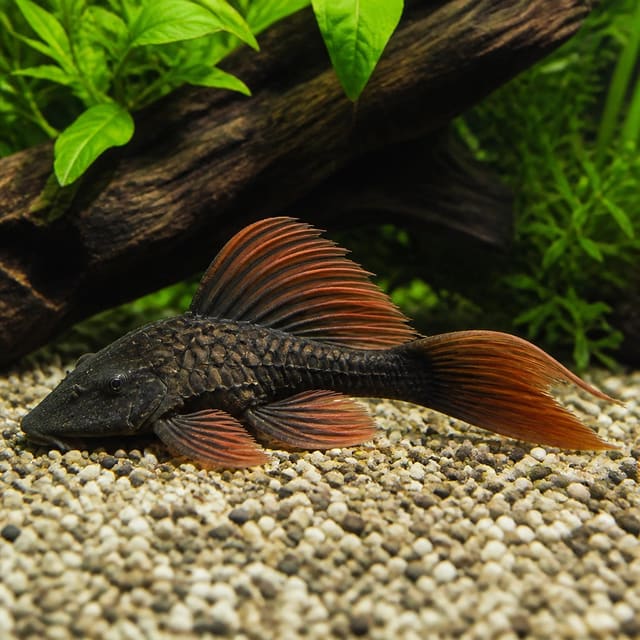
Candy Striped Pleco L015 (Peckoltia vittata)
23–26°C · pH 5–7.5
£22.99
Catfish & Plecos · Buying Guide
Clown plecos (L-numbers) stay small enough for a 90 L tank but need wood and specific water conditions. L204, L206, L226 compared. The 5 lines in UK stock today.
8 products in stock today
Live prices and stock. Every fish covered by our Live Arrival Guarantee.
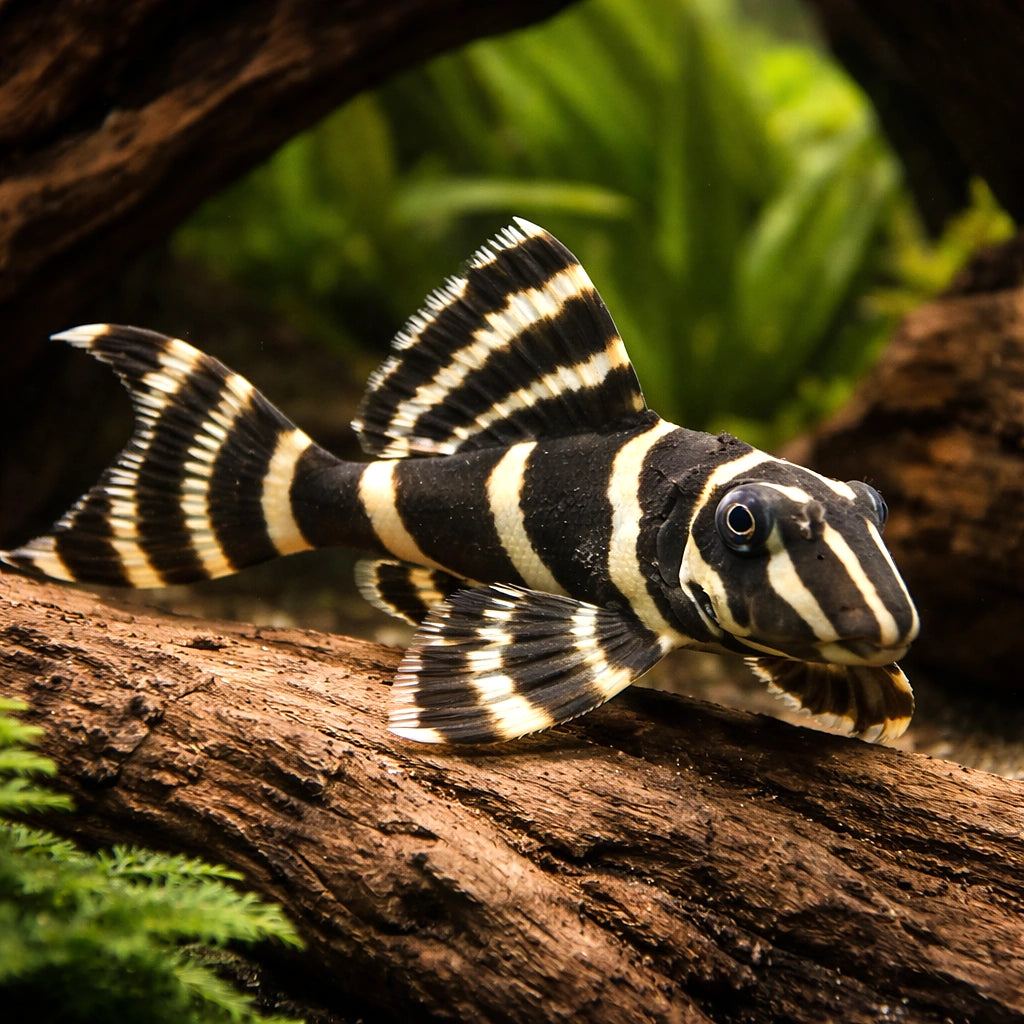
23–26°C · pH 5–7.5
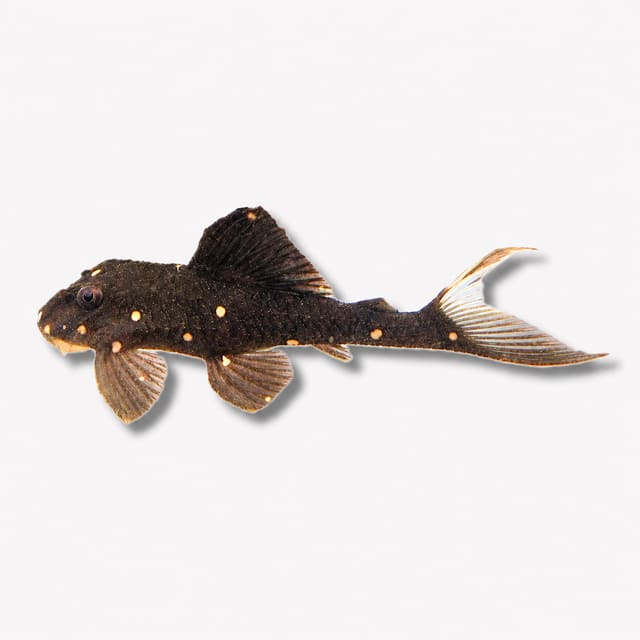
22–27°C · pH 6–8

22–27°C · pH 6–8
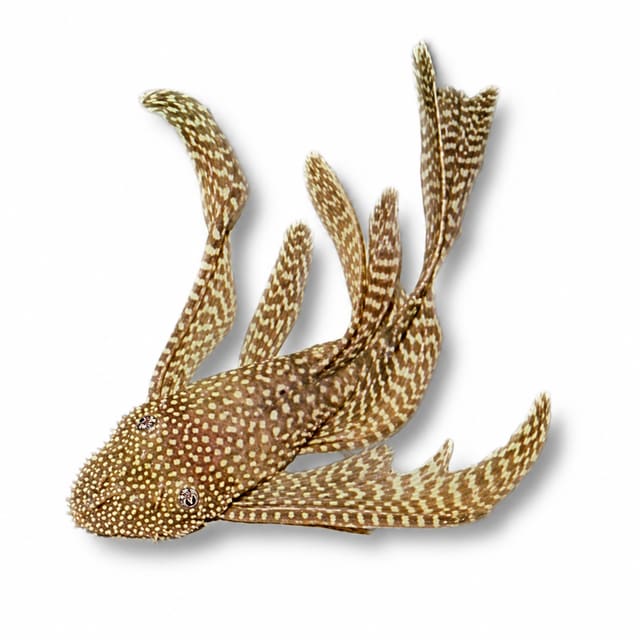
22–27°C · pH 6–8
22–27°C · pH 6–8
22–27°C · pH 6–8
22–27°C · pH 6–8
24–26°C · pH 6–8 · 81L
Our trained assistant knows this clown pleco page inside out. Ask it anything — water parameters, tank mates, how many to buy — or have it read the guide aloud while you set up your tank.
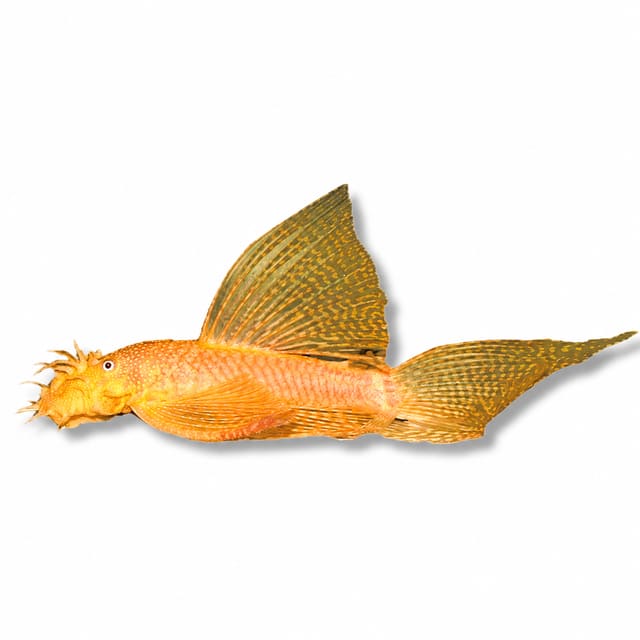
Because "clown pleco" covers a dozen different species in the UK trade — Panaqolus maccus (the original L162), L204 Zebra Tiger, L206 Pencil, L226, L397 — all sold under the same common name with wildly different appearances and prices.
I'm Priya, the site's catfish + South American specialist. I've kept L204 and L226 in my breeding rack for 8 years. This is the version of the guide that separates the species I've actually kept from the ones you'll see recommended online by people who haven't.
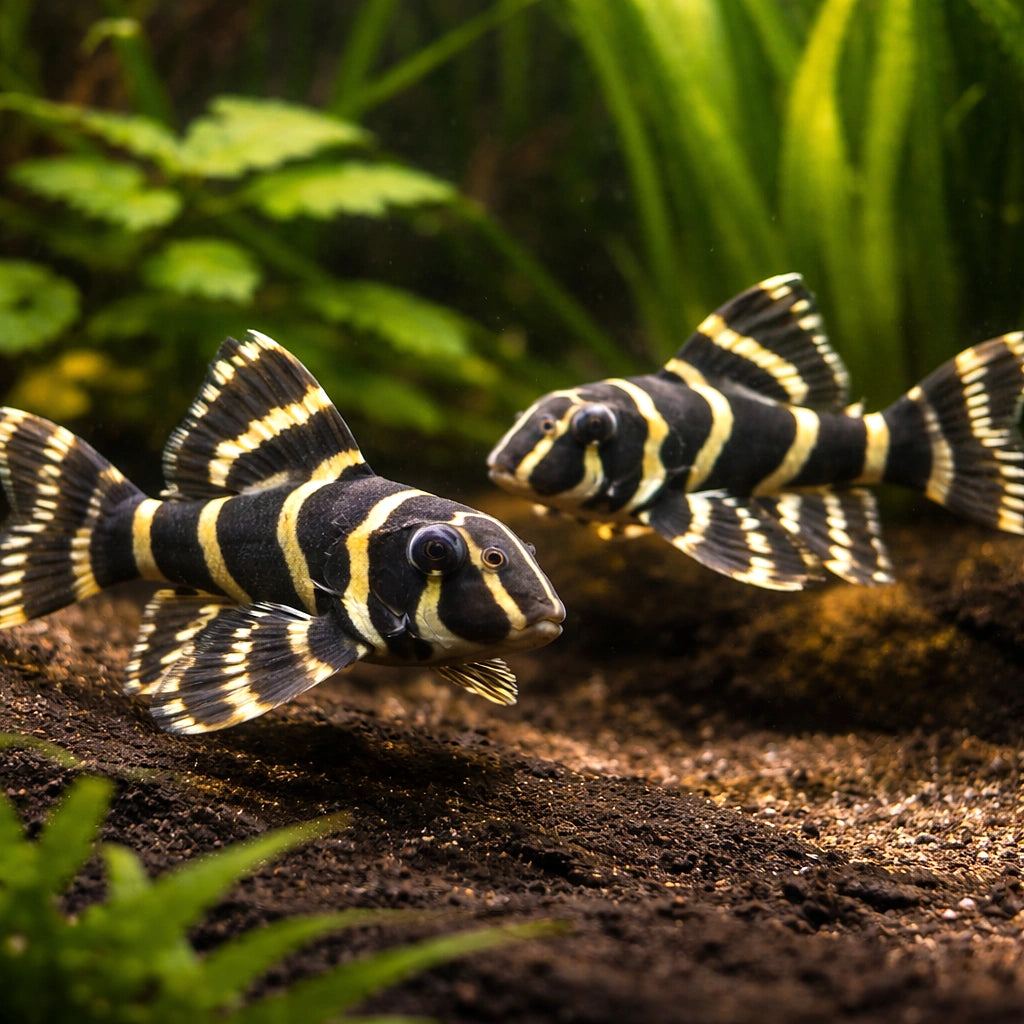
Two L204 Zebra Tiger Plecos in our holding tank. The bold black-and-cream bands give this species its common name — and make it the most-recognisable Panaqolus in the UK hobby. Photo: Tropical Fish Co warehouse.
| L-number | Scientific name | Pattern | Adult size | Rarity | UK price |
|---|---|---|---|---|---|
| L162 | P. maccus | Cream + dark bands | 9 cm | Common historically, harder now | £25–£40 |
| L204 | P. albivermis | Bold zebra bands | 8 cm | Common | £35–£60 |
| L206 | P. sp. "pencil" | Fine pencil-width stripes | 8 cm | Common | £35–£45 |
| L226 | P. changae | Banded body | 10 cm | Uncommon | £40–£50 |
| L397 | P. sp. "L397" | Rare colour line | 12 cm | Rare | £150–£200 |
L204 (Zebra Tiger) and L206 (Pencil) are the two we'd recommend for a first clown pleco — commonly farm-bred, stable supply, established care protocols.
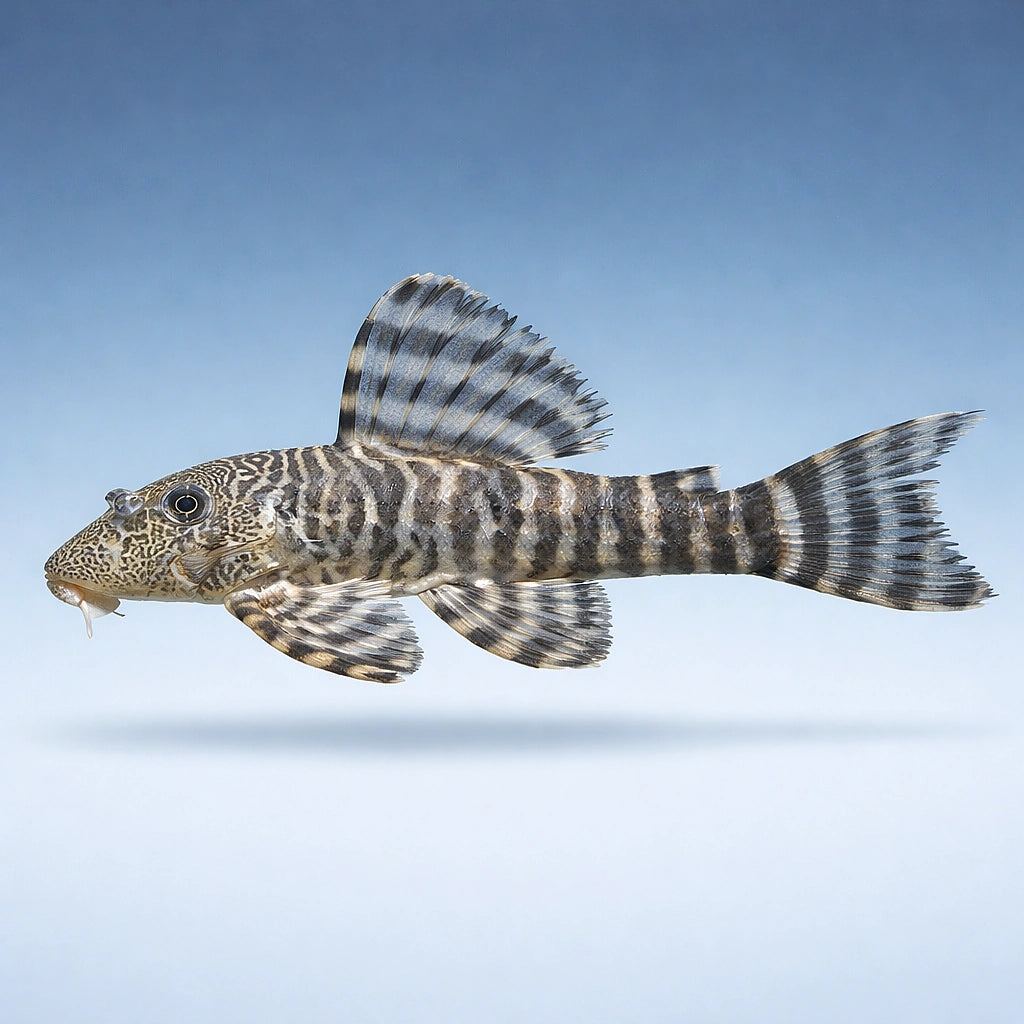
L226 Panaqolus changae. The fine horizontal bands + elongated body separate L226 from the shorter, taller-bodied L204. Photo: Tropical Fish Co warehouse.
While wood provides the fibre foundation, they also need:
Watch for a slightly convex belly — a concave belly = underfed.
Clown plecos are peaceful with almost everything in the water column. They only fight each other.
Avoid: other Panaqolus species or bristlenose plecos in tanks under 180 L — territorial overlap.
A healthy clown pleco rasps wood. Visible rasp marks are the single best indicator the fish is feeding correctly. Here's what to expect by month:
| Time keeping | Visible wood wear | Significance |
|---|---|---|
| Week 1 | None visible | Fish still acclimating; not yet grazing |
| Week 2–3 | Faint scrape marks on softest wood surfaces | Normal; grazing beginning |
| Month 2 | Clear rasp grooves 1–2 mm deep on soft spots | Healthy feeding established |
| Month 6 | Visible erosion of soft bogwood; Malaysian wood unchanged | Normal — dense woods rasp slowly |
| Year 1 | Soft wood significantly eroded; 1 cm grooves | Normal; rotate wood pieces |
| Year 2+ | Malaysian wood showing rasp marks | Healthy long-term |
If you see no rasp marks after 2 months, the fish isn't feeding properly — check water parameters, alternative food availability, and tank mates.
Tick 5 of 5 before buying:
Any "no" = buy from a different source or a different batch.
L-number keeping has a dedicated hobby community, smaller than the tetra or shrimp communities but deeply knowledgeable:
Clown plecos are robust shippers but stress-sensitive during the first 48 hours in a new tank.
New keepers buy an L204 for £45, bring it home, and feed it exclusively sinking pellets + frozen bloodworms — no wood, or a token piece of decorative driftwood. Fish dies at month 6. Wood isn't decoration for Panaqolus plecos — it's the diet foundation [6].
Full species deep-dives:
Shopping the full pleco range? The catfish & plecos hub covers every species in stock. For related buying guides, see our ancistrus pleco guide for the smaller bristlenose alternative.
Visual route into the rest of our UK live-fish range.
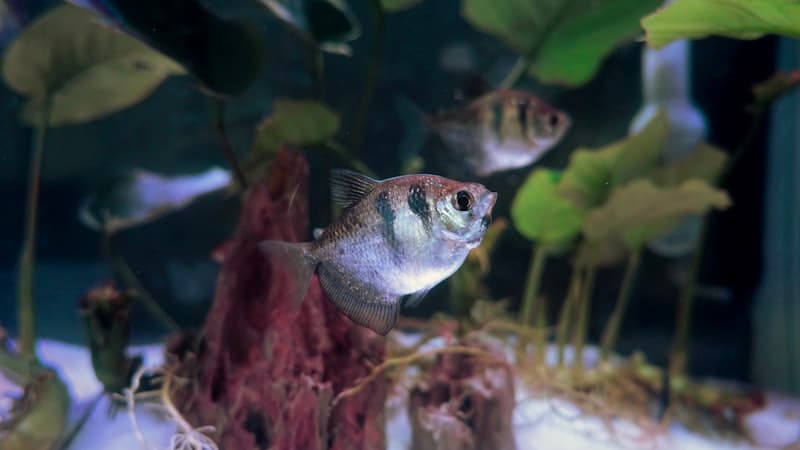
Corydoras, Bristlenose, L-number plecos, Synodontis and Otocinclus for clean-up and character — supplied and adult size on each listing so the tank fits.
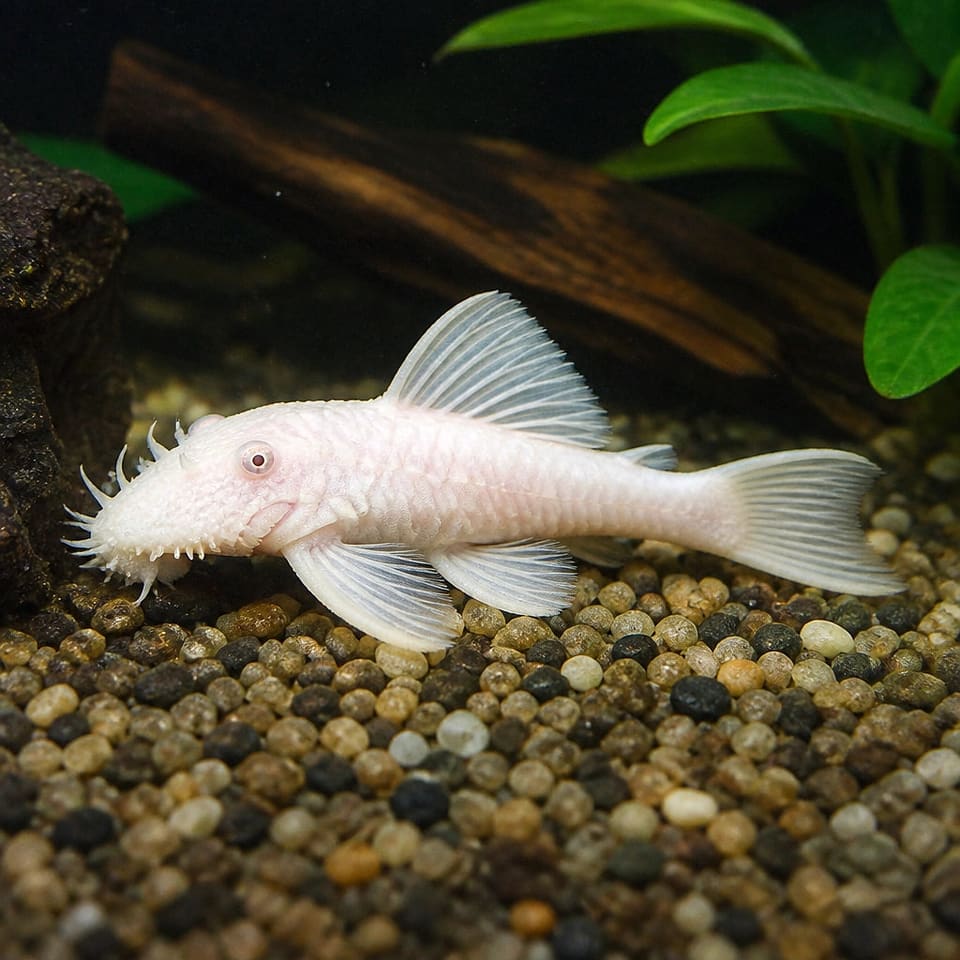
Shop Bristlenose plecos in the UK, including common, albino, Super Red, Snow White, longfin and selected L-number Ancistrus. Live Arrival Guarantee.
Planted-tank fish for sale UK — peaceful, plant-safe species that showcase aquascaped layouts. Tetras, rasboras, dwarf cichlids, shrimps.
Material factual claims cite the sources below; store policy and cautious inference are labelled in the article. Sources are grouped by type so you can judge their weight at a glance.
Taxonomic paper on Loricariidae — cited on Panaqolus genus placement.
Source for species-level water parameters, max size, and wood-diet requirements.
Conservation status — several L-numbers wild-caught only.
Definitive L-number reference for Panaqolus species.
Husbandry + wood-diet cross-check.
UK hobbyist perspective on L-number selection.
Video reference on wood-requirement fatality rate.
Fishkeeping moves fast and we want every guide spot-on. If you think something here is wrong, out of date, or could be clearer, tell us — our team reads every message and updates the page.
Suggest an editCorydoras, Bristlenose, L-number plecos, Synodontis and Otocinclus for clean-up and character — supplied and adult size on each listing so the tank fits.
Shop Bristlenose plecos in the UK, including common, albino, Super Red, Snow White, longfin and selected L-number Ancistrus. Live Arrival Guarantee.
Planted-tank fish for sale UK — peaceful, plant-safe species that showcase aquascaped layouts. Tetras, rasboras, dwarf cichlids, shrimps.
Bristlenose pleco care for UK tanks: adult size, 90-litre starting point, 22-27°C water, food, wood, sexing and the truth about lifespan.
Pleco fish guide for UK keepers: compare types, adult sizes, diets, tank planning, water and buying checks before choosing a suckermouth catfish.
Corydoras care for UK aquariums: compare popular cory catfish by adult size and temperature, then check tank, group, substrate, food and tank mates.
Keep cardinal tetras thriving in UK water: check tank size, group size, tank mates, temperature and cardinal vs neon differences before you buy.
Discus & Cichlid Expert · 15+ years in the hobby
Priya has bred discus commercially in Leicester since 2016 — supplying Tropical Fish Co and two other UK retailers with F1 tank-bred juveniles. Before that she spent seven years on South American dwarf cichlids. Her discus and cichlid guides on this site are written from the perspective of someone who has actually hatched, grown out, and shipped the fish — not from library research alone.