Moderate
Bristlenose Pleco (Ancistrus sp.)
22–27°C · pH 6–8
From £3.51Some sizes on sale

A peaceful, attractive dwarf pleco that stays manageable in size and thrives in a well-oxygenated, mature aquarium. Moderate care, peaceful. 24-29C, pH 6.0-7.5.
Adult size is the maximum length this species reaches at full maturity (scientific sources). The livestock you receive will be younger and smaller — pick a size above for the actual shipping size. Product-photo provenance and any image-specific limitations are stated on the listing.
Panaqolus sp.
Confirm your email, then we’ll send an availability message for this exact item if it returns within 180 days.
This request is only for this product—no newsletter or other promotions. A mail-provider retry may very rarely duplicate the same availability message. Unconfirmed addresses are removed after 48 hours. See our privacy policy.
A peaceful, attractive dwarf pleco that stays manageable in size and thrives in a well-oxygenated, mature aquarium. Moderate care, peaceful. 24-29C, pH 6.0-7.5.
Adult size is the maximum length this species reaches at full maturity (scientific sources). The livestock you receive will be younger and smaller — pick a size above for the actual shipping size. Product-photo provenance and any image-specific limitations are stated on the listing.
Maintain these water conditions for optimal health and vibrant colors
Freshwater fish UK enthusiasts seeking a manageable-sized dwarf pleco will find Panaqolus sp. (L206) an attractive choice for medium to large community aquariums. This peaceful loricariid originates from South America, though the exact locality remains unknown given the L-number designation. Available for sale UK in sizes around 3cm, the species reaches approximately 16cm at maturity, making it far more manageable than giant sailfin plecos while retaining the attractive appearance and algae-grazing behavior of larger species. Peaceful temperament, specialized wood-eating diet, and moderate care requirements appeal to aquarists with some experience maintaining plecos. Moderate care level suits those prepared to provide driftwood, high water quality, and appropriate tankmate selection.
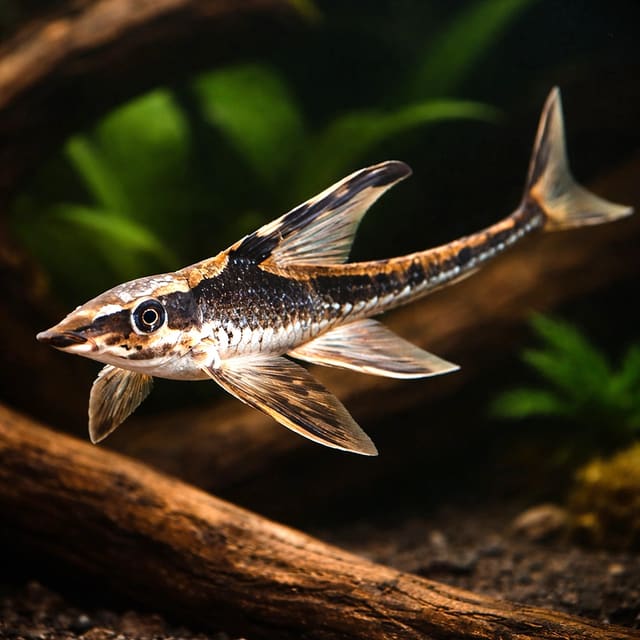
Panaqolus sp. (L206) displays attractive patterning typical of Panaqolus species, with a streamlined body covered in overlapping bony plates. Coloration and pattern details vary depending on the specific L-number variant, typically featuring combinations of spots, stripes, or vermiculations in contrasting tones. The head is broad and flattened, with a large sucker mouth equipped with specialized teeth for rasping aufwuchs and wood. The dorsal fin is prominent and typically displays attractive patterning. All fins feature delicate extensions and ray patterns. The ventral surface is lighter in color. Juveniles often show crisper, more defined patterns that may slightly blur as the fish matures. Overall appearance is refined and attractive, making this a popular choice for aquarists seeking a smaller, manageable pleco with distinctive appearance.
This species originates from South American river systems, though the exact locality remains uncertain. Panaqolus species typically inhabit rivers and streams with moderate current, rocky or woody substrates, and well-oxygenated water. Water conditions are warm, soft to moderately hard, slightly acidic to neutral, and clear to moderately turbid. The species shelters in crevices, under rocks, or among submerged wood during the day, emerging during crepuscular and nocturnal periods to graze. Natural diet includes aufwuchs (algae, biofilm, microorganisms) covering wood and rocks, with the pleco rasping surfaces continuously.
A minimum 250-litre aquarium with dimensions emphasizing length provides appropriate space for one or more L206 plecos. Use fine sand or smooth gravel substrate and provide substantial driftwood pieces to serve as both food source and hiding places. Ensure at least one cave or enclosed retreat sized appropriately for the fish. Arrange smooth rocks, slate, and additional wood to create territories and grazing surfaces. Moderate to strong water flow replicates natural conditions and ensures high oxygenation; use powerheads or position filter outlets to create directional current. Moderate lighting supports biofilm and algae growth on surfaces. Robust plants such as Anubias and Java fern tolerate the pleco's activity. Ensure all decor is stable and securely positioned.
Expert Tip: Provide multiple types of driftwood and replenish regularly as pieces are consumed. Driftwood is essential for the pleco's digestive health and long-term wellbeing.
Maintain tropical temperatures between 24-29°C, with 26-27°C representing optimal conditions. The species tolerates the upper end of this range if water is well-oxygenated and flow is strong. pH should remain between 6.0-7.5, with slightly acidic to neutral values (6.5-7.0) ideal. Water hardness can range from soft to moderately hard without issue. Ammonia and nitrite must be undetectable, while nitrates should stay below 30 ppm through efficient biological filtration and weekly water changes of 30-40%. Panaqolus species are moderately sensitive to poor water quality, responding with reduced activity, lethargy, or increased hiding. Ensure strong water circulation and surface agitation to maintain high dissolved oxygen levels.
Panaqolus sp. (L206) is primarily herbivorous with wood-grazing tendencies. Offer high-quality sinking algae wafers, spirulina tablets, and herbivore pellets designed for plecos as the dietary foundation. Supplement with blanched vegetables such as zucchini, cucumber, spinach, and peas 2-3 times weekly. Provide abundant driftwood at all times, as the species rasps wood to access cellulose, lignin, and aufwuchs. Occasional protein-rich foods—frozen bloodworms, brine shrimp, or quality carnivore pellets—can be offered in small amounts but should not dominate the diet. Feed once daily in the evening to align with the species' nocturnal activity. A primarily herbivorous and wood-based diet supports long-term health and proper digestion.
L206 plecos are primarily nocturnal and crepuscular, spending daylight hours hidden in caves, under driftwood, or among rocks. During evening and nighttime hours, they emerge to graze on aufwuchs, forage across substrates, and rasp wood. The species is generally peaceful toward other fish but can be mildly territorial toward conspecifics if space or caves are insufficient. Males may display raised odontodes during territorial disputes, though serious conflict is rare with adequate hiding places. The pleco uses its strong sucker mouth to adhere firmly to surfaces, often remaining motionless for extended periods while grazing. Activity increases during water changes or when food is introduced. Overall, the species is calm, hardy, and undemanding in terms of social behavior.
Panaqolus sp. (L206) thrives alongside peaceful community fish that occupy mid-water or upper regions. Excellent companions include tetras (Congo, diamond, bleeding heart), rasboras, rainbowfish, peaceful barbs, Corydoras catfish (if tank is large enough), and smaller plecos that do not compete heavily for bottom territory. Avoid housing with aggressive cichlids, fin-nippers, highly territorial bottom dwellers, or very small shrimp that may be inadvertently consumed. The species' nocturnal habits and bottom-dwelling nature mean it rarely interacts with midwater tankmates, reducing conflict. In appropriately sized tanks with multiple territories and ample driftwood, cohabitation with other peaceful fish proceeds without issue.
Breeding Panaqolus sp. (L206) in home aquariums is uncommon and not well documented. Successful spawning likely requires excellent water quality, mature adults in pristine condition, suitable caves for the male to claim, and seasonal conditioning with varied foods and water changes. Like many loricariids, males guard eggs in caves until hatching. Fry require finely powdered vegetable-based foods and access to soft driftwood. Raising fry demands exceptional water quality and careful feeding. Most specimens in the trade are wild-caught or farm-raised, with captive breeding remaining rare among hobbyists.
Tropical Fish Co supplies healthy, active L206 plecos carefully selected for attractive patterning, robust body condition, and strong feeding response. We ensure all specimens are feeding confidently on prepared vegetable-based foods and grazing on driftwood before dispatch. Our expert team provides detailed care guidance covering the importance of driftwood, herbivorous diet, water parameters, and suitable tankmate selection. With reliable UK delivery using specialist livestock couriers, your pleco arrives safely in insulated packaging with oxygen. We are committed to responsible fishkeeping and supporting customers with this attractive dwarf pleco species. Choose Tropical Fish Co for quality South American plecos and expert customer support.
No reviews for this item yet. Bought one? Honest reviews only, good or bad.
What customers say about ordering from us
I have a small group of long finned mountain minnows. So was delighted to be able to order ten of this variety to increase the genetics in my tank . The ones I recieved are healthy but it’s to early to give a verdict on wether they are of a long finned type since they are small currently.
Gordon Walker · 23 Sept 2026
100% success travel and "installation". Pleased with quality of purchase. The Siamese fighter a bit "shy" so have not yet seen him at his best yet but looking good. Happy customer. GG
George E Garratt · 21 Sept 2026
Reviews of our shop, collected by Judge.me, an independent third-party review collector. Newest first.