−10%
Easy
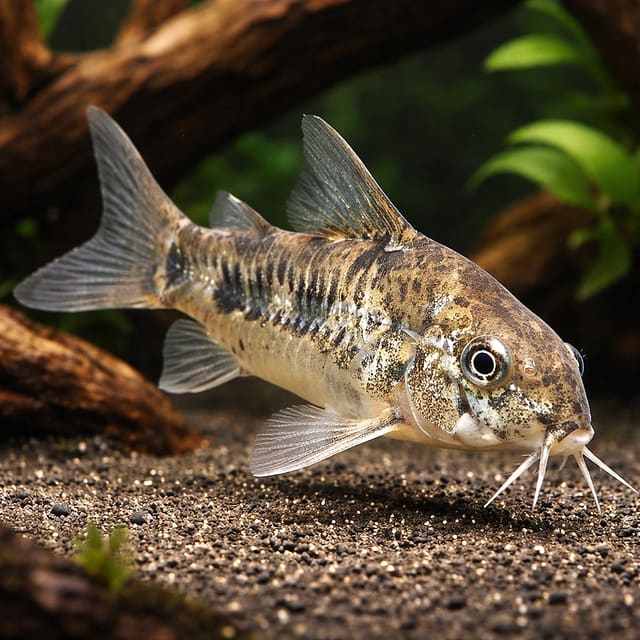
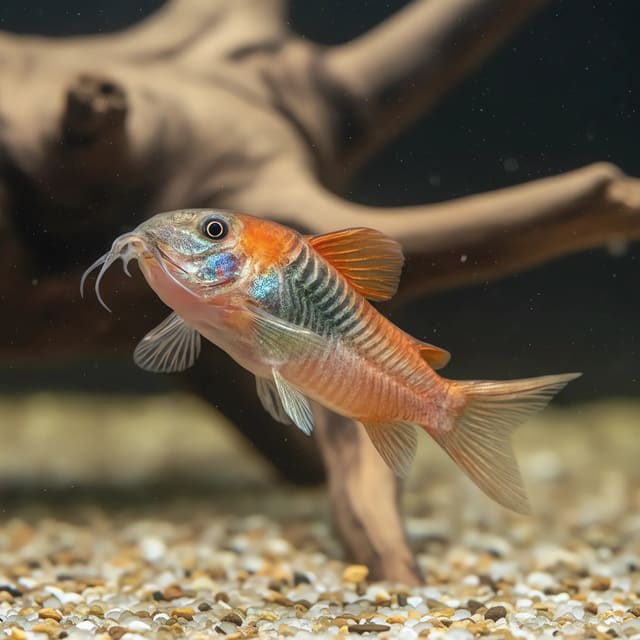
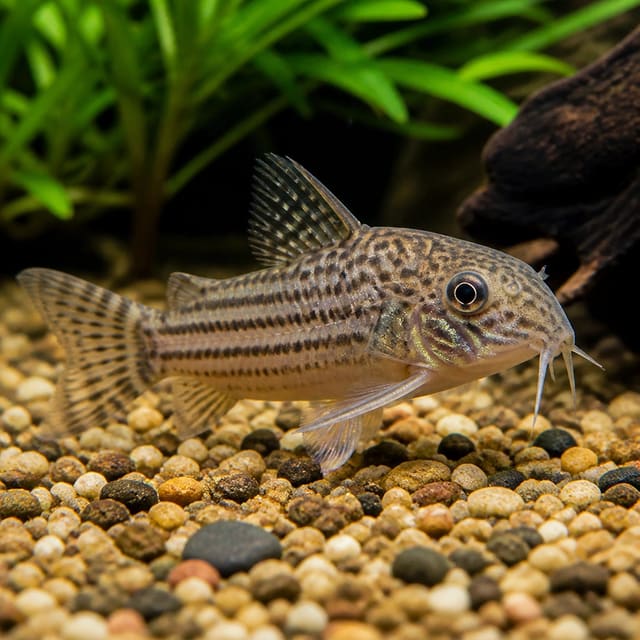
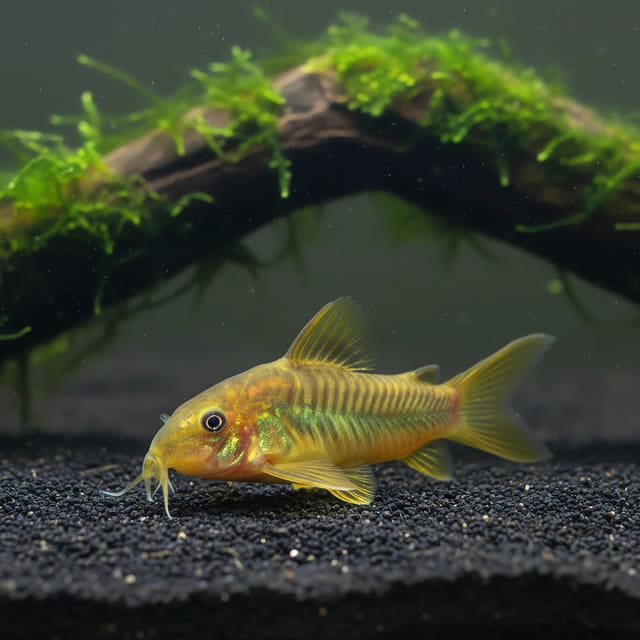
Bronze Corydoras, Bronze Cory Catfish (Corydoras aeneus)
22–26°C · pH 6–7.5 · 60L
£3.59£3.99

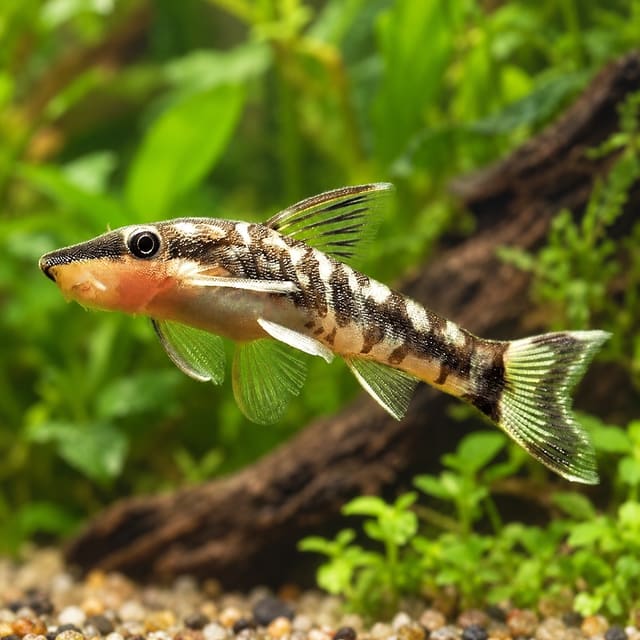
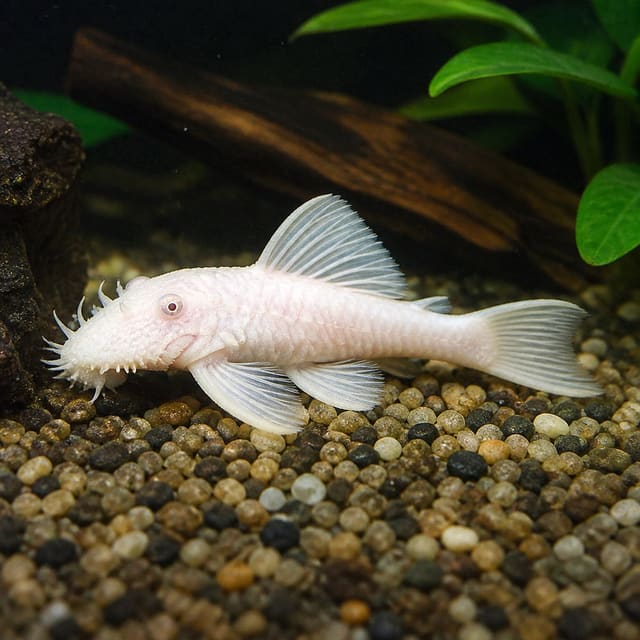
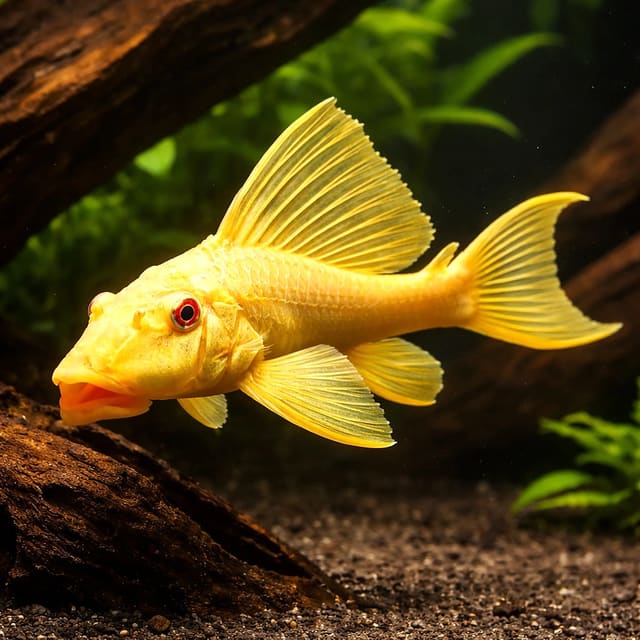
The Golden Otocinclus (Otocinclus sp.) is a small suckermouth armoured catfish from South America. It suits established, calm aquariums; OATA recommends 5 or more at 22–27°C, pH 6.0–8.0 and 4–12°dGH. Sold individually in 2 cm and 3–4 cm dispatch sizes.
Otocinclus sp.
Shoaling fish: kept in a group they feel safer, stay calmer and show their best colour.
The Golden Otocinclus (Otocinclus sp.) is a small suckermouth armoured catfish from South America. It suits established, calm aquariums; OATA recommends 5 or more at 22–27°C, pH 6.0–8.0 and 4–12°dGH. Sold individually in 2 cm and 3–4 cm dispatch sizes.
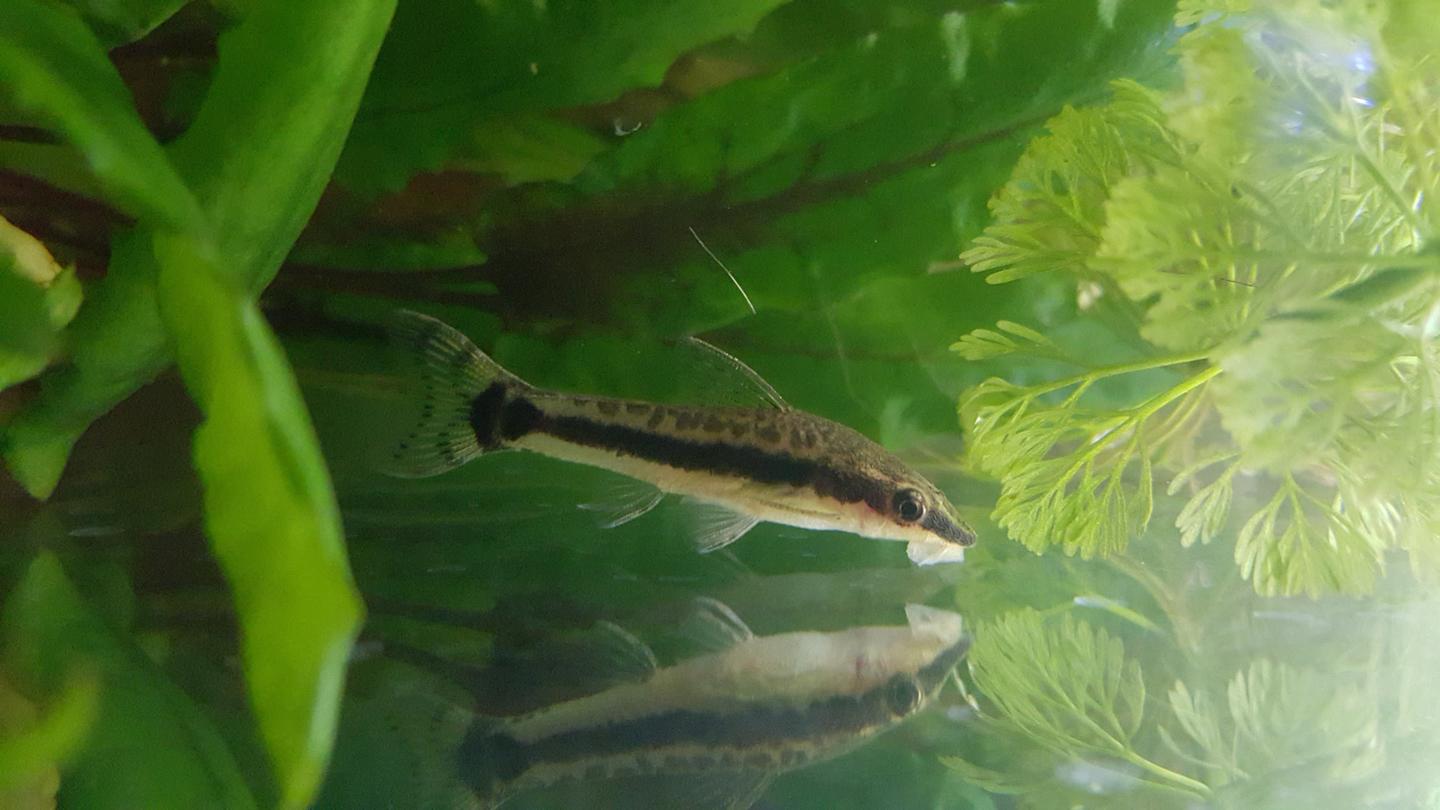
Otocinclus are small South American loricariid catfish, not disposable algae cleaners. Confirm the supplied species where possible; start with a mature, stable aquarium with ample grazing surfaces; plan a compatible social group; and provide suitable food even when algae is visible.
Maintain these water conditions for optimal health and vibrant colors
The Golden Otocinclus (Otocinclus sp.) is a small freshwater suckermouth armoured catfish from South America. It belongs to the family Loricariidae and suits keepers who can maintain clean, highly oxygenated water, provide cover and feed a social group deliberately. Golden Oto, dwarf sucker and oto are useful shorter names for this genus-level fish.
The WoRMS identity record places Otocinclus in Loricariidae. A Wikipedia overview of the genus describes rows of armour plating, an underslung suckermouth and a South American range east of the Andes, from northern Venezuela to northern Argentina, generally outside the Amazon and Orinoco lowlands. These are natural-history details for the genus rather than an identity for the individual fish.
This is an intermediate-care choice because success depends on more than adding an algae grazer. The keeper must prepare a stable aquarium, protect water quality, provide supplementary food and make room for a social group. Browse the catfish and pleco collection when comparing animals with different social and feeding needs.
One purchase supplies one Golden Otocinclus. The live size selector carries the labels 2 cm and 3–4 cm, allowing the dispatch size to be chosen directly on the product page. The size you select is the size supplied, not the adult size.
The exact species has not been identified, so the care advice here follows the genus Otocinclus and its care group. Plan the aquarium around the complete social group, usable grazing area, filtration and total community rather than treating a dispatch measurement as a long-term space calculation.
Sex is guaranteed only when the selected option explicitly states male or female. This Golden Otocinclus listing has no sex-guaranteed option.
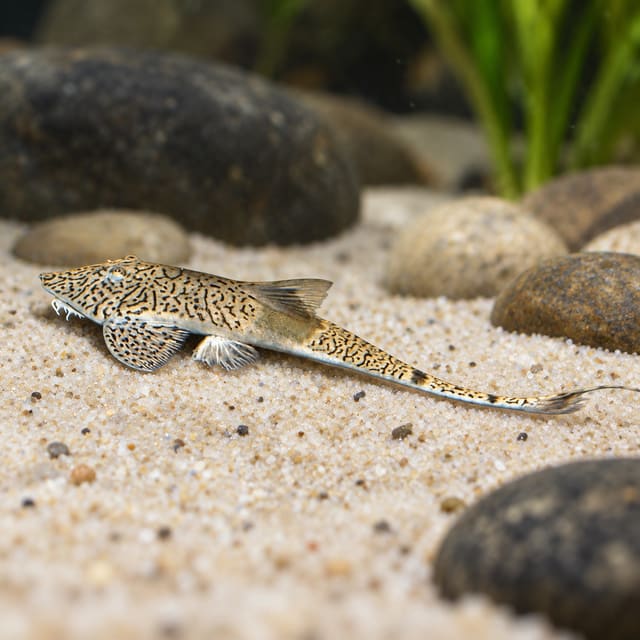
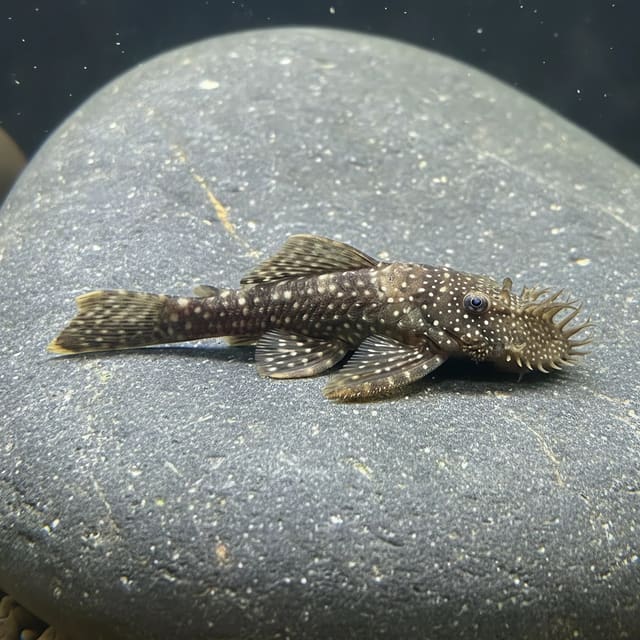
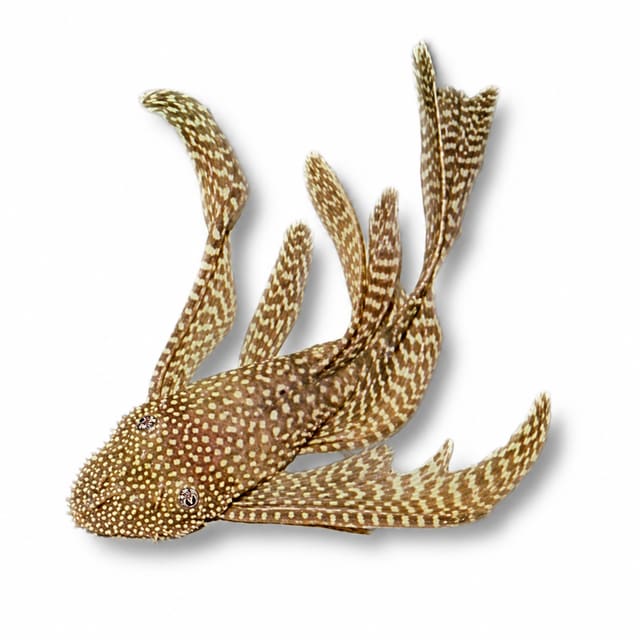
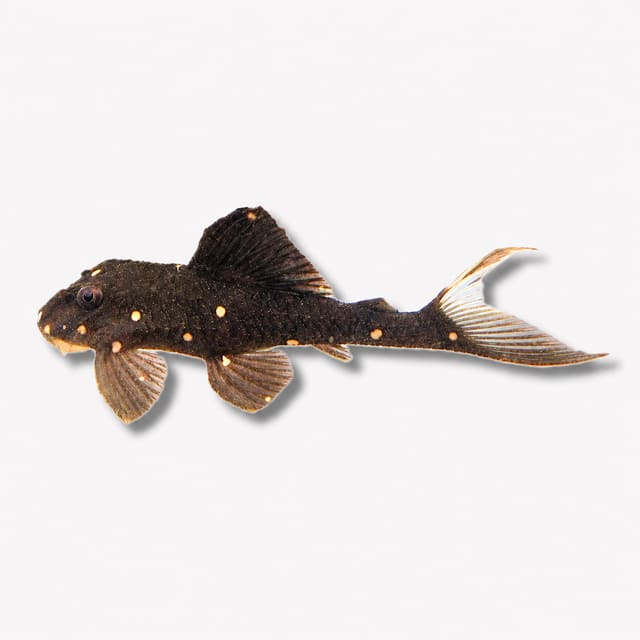
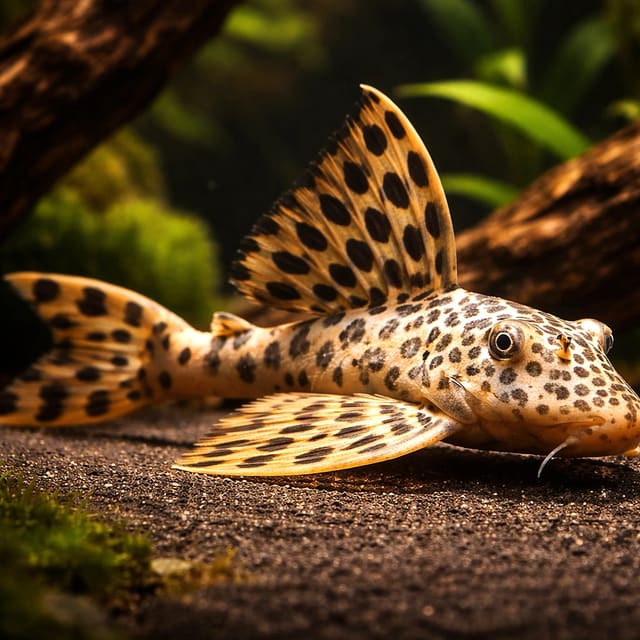
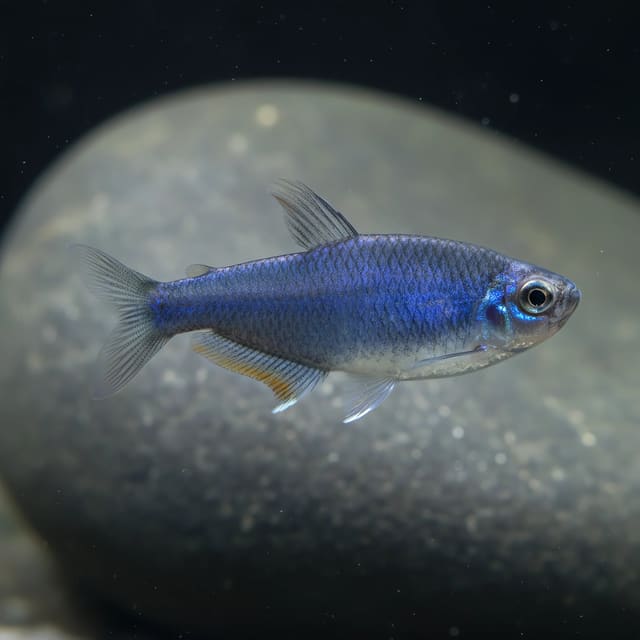
Some gallery images are representative, based on reference photographs of this kind of animal, and none shows the exact animal supplied, so colours can look slightly different from the live animal.
Prepare the aquarium before ordering and read the delivery and Live Arrival Guarantee policy before arrival day. Someone must be present to receive the parcel, and every delivery should be filmed continuously from the sealed parcel through opening, with the fish still inside the sealed bag.
Keep Golden Otocinclus in a group of five or more at 22–27°C, pH 6.0–8.0 and 4–12°dGH. OATA’s tropical algae-eater sheet gives these values for Otocinclus as group guidance, not a species-specific optimum. It also calls for zero ammonia, zero nitrite, clean highly oxygenated water, cover and nitrate no more than 20 mg/l above the normal tap-water level.
Choose an aquarium as large as reasonably possible because a larger volume generally provides more stable temperature and water quality. Assess usable space after substrate, plants, wood, ornaments and equipment are installed. The plan must accommodate the whole group and every existing inhabitant without concentrating all cover, food and grazing surfaces in one corner.
| Suits | Not suited to |
|---|---|
| Established, calm aquariums with clean, highly oxygenated water | Unfiltered aquariums or systems with detectable ammonia or nitrite |
| Groups of five or more with deliberate supplementary feeding | Keeping one fish as a trial algae cleaner |
| Planted layouts with wood or other sheltered grazing areas | Boisterous communities that intimidate shy fish |
| Keepers who test water weekly and maintain the aquarium | Using fish instead of correcting persistent algae or maintenance problems |
Visible algae is only one part of the decision. OATA states that algae-eating fish are not substitutes for regular maintenance or appropriate stocking, and every fish still needs prepared food and suitable fresh vegetables.
Prepare a stable aquarium with a functioning biological filter before introducing the group. A filter processes the waste created by the whole community, while established plants, wood, smooth ornaments and aquarium glass provide surfaces the fish can browse. Both functions matter: visible growth cannot process toxic waste, and a working filter cannot replace deliberate feeding.
If this is your first aquarium, follow the first tropical aquarium guide through setup and maturation. Test rather than relying on elapsed time or appearance. Ammonia and nitrite must be zero, and temperature, pH and hardness should remain steady within the chosen care range.
Delay introduction when ammonia or nitrite is detectable, the temperature fluctuates, the filter has recently been disrupted or the intended group would depend entirely on visible algae. Correct the limiting factor and repeat the relevant checks.
An aquarium with zero ammonia and nitrite is not ready for this group if it has no cover, little browsing area or no plan for supplementary food. Equally, an aquarium with abundant plant growth is not ready when its filter is unreliable or its water readings fluctuate. Treat readiness as a combined result: filtration, stable water, oxygenation, cover, grazing surfaces, food and space must all work at the same time.
Use a simple pass-or-pause approach. Pass the plan only when every item on the checklist is in place. Pause when even one essential item fails, then correct that part and repeat the full check because changing equipment, planting or hardscape can affect flow, usable space and water stability.
Repeat water and equipment checks after major filter work, substantial layout changes or the removal of established plants and wood. Confirm normal flow, zero ammonia and zero nitrite before adding livestock. If the biological readings are correct but food would reach only one crowded spot, improve feeding access before proceeding.
Keep the aquarium at 22–27°C, pH 6.0–8.0 and 4–12°dGH. These are OATA’s group-level Otocinclus values, not a species-specific optimum. Select stable conditions within those ranges and avoid repeatedly changing the chemistry merely to reach the midpoint.
| Reading | Required action |
|---|---|
| Temperature | Hold it steadily between 22°C and 27°C and verify it with a thermometer. |
| pH | Maintain a stable reading between 6.0 and 8.0. |
| General hardness | Keep it within 4–12°dGH. |
| Ammonia | Keep it at zero mg/l. |
| Nitrite | Keep it at zero mg/l. |
| Nitrate | Prevent it from exceeding the normal tap-water level by more than 20 mg/l. |
Use the water chemistry guide to understand the measurements, then enter the actual results into the water matcher. Compare temperature, pH and hardness together; a temperature match cannot make incompatible chemistry suitable.
Write down results so trends become visible. If temperature remains inside the range but changes sharply during the day, inspect the heater, thermometer and room conditions. If pH remains stable within 6.0–8.0, leave it stable instead of altering it to reach a preferred centre point. If hardness falls outside 4–12°dGH, pause the stocking plan and choose a safe, gradual way to maintain suitable water.
Any detectable ammonia or nitrite requires immediate attention to filtration, stocking, waste and recent maintenance. Retest the result, inspect filter flow and reduce avoidable waste while restoring normal biological filtration. Do not mask a waste problem by concentrating only on pH or hardness.
Carry out a 25% water change at least once a week. Match replacement water appropriately, maintain a repeatable schedule and use testing to decide whether the total community requires closer monitoring.
A well-set-up and maintained biological filter is essential. The RSPCA’s aquarium guidance explains that fish release toxic ammonia, which beneficial filter bacteria convert first into toxic nitrite and then into safer nitrate. Maintain enough filtration for every animal in the aquarium, not only the Otocinclus group.
OATA also calls for clean, highly oxygenated water for Otocinclus. Arrange circulation and surface movement so oxygenated water reaches sheltered and planted areas without leaving stagnant corners. Inspect actual flow around wood, leaves and ornaments because an equipment rating cannot show whether debris or hardscape is obstructing circulation.
Test again after adding animals, changing filter media, carrying out major maintenance or noticing a change in breathing or activity. A larger aquarium can improve stability, but water volume cannot replace filtration, testing and maintenance.
Protect the intake if its openings could trap a small fish while preserving enough flow for the filter to work. Avoid replacing all established biological media at the same time. If flow weakens, inspect the equipment for blockage and restore normal operation promptly.
If ammonia or nitrite appears, retest, inspect the filter and review recent feeding, stocking and maintenance. Remove decaying leftovers, restore circulation and postpone further additions. Once both readings return to zero, continue testing until the aquarium has demonstrated stability rather than treating one improved result as the end of the check.
Use live plants, wood and suitable ornaments to provide cover and useful browsing surfaces. OATA describes Otocinclus as shy fish that appreciate wood or heavily planted areas and may be intimidated in an exposed, boisterous aquarium. Spread shelter across the aquarium so every fish can withdraw without the whole group crowding one place.
| Feature | Purpose |
|---|---|
| Live plants | Provide cover and accessible leaf surfaces. |
| Wood | Add sheltered structure and browsing area. |
| Stable ornaments | Create retreats when live plants are limited. |
| Open glass | Provide an observable surface for checking feeding and condition. |
| Clear routes | Let the group move between shelter and food without becoming trapped. |
Secure wood and ornaments so ordinary activity cannot dislodge them. Reject sharp contact points, unstable piles and narrow gaps that could trap a small catfish. Recheck the layout after maintenance because moving one object can create a new blocked route or pinch point.
Retain a mixture of sheltered and observable areas. Dense cover can help a shy fish withdraw, while open surfaces let you check whether each member of the group is moving and feeding. Concentrating all useful surfaces in one corner can increase crowding and make individual observation difficult.
Manage cleaning in sections rather than stripping every established surface at the same time. Clean the areas needed for viewing and hygiene while retaining safe browsing surfaces elsewhere. This does not turn natural growth into a complete diet; supplementary feeding remains essential.
Watch which surfaces the fish use after introduction. A layout may look evenly furnished while water flow, light or companion activity makes only one area practical. If all five or more fish repeatedly crowd the same piece of wood, add or reposition sheltered browsing surfaces and check that circulation reaches them.
Make one layout change at a time, then observe the result. Moving every object together can disrupt established surfaces and makes it difficult to identify which change improved access. Keep several clear routes between cover and feeding areas so one obstruction does not isolate part of the aquarium.
Assess usable space after substrate, plants, wood, ornaments and equipment are in place. A nominally large aquarium may offer poor access if hardscape blocks circulation or places all food and cover together. Rearrange it when the complete group cannot move between several sheltered, oxygenated and observable surfaces.
Supplement natural grazing with algae-based wafers or flakes and suitable fresh vegetables such as cucumber. OATA recommends these foods for aquarium algae grazers because grazing alone is not a dependable complete diet. Offer measured portions while allowing grazing species the extra time they need to feed on algal foods, and prevent uneaten food from accumulating.
Wash vegetables thoroughly before use because pesticide residues may harm fish or invertebrates. Organic produce can reduce that concern, but it should still be washed. Remove uneaten fresh food before it deteriorates and adds waste to the aquarium.
Adjust one part of the routine at a time. If every fish feeds and no leftovers remain, keep the portion and placement consistent. If a boisterous companion takes the food first, change access or separate the incompatible animals rather than continually increasing the amount. More food creates more waste if the same fish still control every portion.
Do not use Golden Otocinclus as a replacement for aquarium maintenance. OATA warns that persistent algae can indicate underlying water-chemistry or maintenance problems. Correct lighting, waste, stocking and maintenance while continuing to feed the fish properly.
Overfeeding can leave food that breaks down and releases toxic waste. If ammonia or nitrite becomes detectable, remove decaying material, inspect filtration and correct the feeding routine. A clean-looking dish or surface is not enough; test the aquarium and observe whether all five or more fish gain fair access.
Maintain established grazing surfaces even after the group accepts prepared food. Natural browsing, supplementary food, clean water and fair access form one feeding plan; none of those parts should be treated as a substitute for the others.
Prepare the aquarium, testing equipment and feeding plan before the parcel arrives. Someone must be present to receive live fish, and the parcel must be opened and inspected on the day it arrives.
The fish are hand-bagged in pure oxygen and packed in an insulated poly box, with a heat pack when the weather calls for it. The store uses a licensed live-animal courier. The continuous unboxing video is required for a Live Arrival Guarantee claim and should show the sealed parcel, the opening and the fish still in the bag before anything is disturbed.
Confirm 22–27°C, pH 6.0–8.0 and 4–12°dGH before release. Ammonia and nitrite must be zero. These aquarium checks follow OATA’s Otocinclus guidance and sit alongside the arrival sequence rather than inside the parcel-opening steps.
Begin with the water and equipment whenever behaviour changes. Confirm temperature, test ammonia and nitrite, and inspect filter flow and surface movement before altering food or the layout. If the readings and equipment are normal but one fish cannot reach cover or a feeding surface, correct that access problem without disturbing every established surface.
Observe individuals as well as the group. Five fish gathered on one surface may show that the location is useful, but it does not show that every fish has fed. Check several positions and watch whether each animal can move between shelter and browsing areas without being displaced by another inhabitant.
Observe every fish daily during the first week and confirm that each reaches grazing surfaces or supplementary food. During the first month, review food competition, filter performance and water trends before adding more animals. Postpone further stocking while feeding access or water quality remains unsettled.
Keep Golden Otocinclus in a group of five or more. OATA describes Otocinclus as highly social and recommends that minimum group size. Plan the complete group before purchase rather than using one fish as a trial algae cleaner.
Five is a social starting point, not an aquarium-capacity formula. The aquarium must support the whole group through stable filtration, clean oxygenated water, usable browsing surfaces, cover and supplementary feeding. Existing fish also count toward the total waste load and competition for food and space.
| Question | Required decision |
|---|---|
| Can the filter support the group? | Ammonia and nitrite must remain at zero. |
| Can every fish feed? | Provide observable grazing and prepared-food positions. |
| Can every fish withdraw? | Distribute plants, wood and shelters across the aquarium. |
| Does the water fit? | Maintain 22–27°C, pH 6.0–8.0 and 4–12°dGH. |
| Will companions intimidate them? | Reject boisterous fish and larger fish that may eat them. |
Do not add fish only to reach five when the aquarium cannot support them. Correct filtration, water, feeding or layout limitations first. Equally, do not plan solitary keeping merely because each fish is small; their social requirement remains part of the decision.
If an aquarium can maintain the water range but has room for only one reliable feeding point, the group plan fails on food access. If it has several browsing areas but ammonia or nitrite is detectable, it fails on filtration. If both parts work but larger or boisterous companions intimidate the fish, it fails on compatibility. Passing one test never cancels a failure in another.
When space, water and filtration all pass, verify that the layout supports several fish at once. Count usable sheltered and observable surfaces rather than decorative objects. One large ornament may occupy considerable space while offering little cover or feeding access, whereas several stable surfaces can distribute the group more effectively.
When adding to an existing Otocinclus group, compare maintained water and assess the combined food demand before introduction. Afterward, confirm that every fish uses the aquarium and reaches food. Repeated exclusion from the most useful surfaces is a compatibility failure even without visible injury.
For the first week, confirm zero ammonia and nitrite and watch the whole group feed. Over the first month, look for stable water trends and fair access to several surfaces. Add no further companions until the established group feeds reliably and the filter continues to process the total waste load.
Choose calm fish with overlapping water requirements and feeding behaviour that will not intimidate the Otocinclus group. Avoid larger fish that may eat them and avoid boisterous species. OATA places Otocinclus in a calm aquarium because they are shy and can be intimidated by more forceful inhabitants.
Do not assign universal tank mates from a broad community label. Two calm-looking fish may still require different water, and another algae grazer may compete heavily for the same surfaces and prepared food. Screen the exact animals, intended numbers and maintained conditions together.
A calm fish that shares the maintained water can still be unsuitable if it takes every prepared portion before the Otocinclus reach it. A fish that ignores the food can still be unsuitable if it repeatedly drives the group from cover. Compatibility therefore requires all parts of the screen to pass: behaviour, water, predation risk, food access, layout and total waste load.
Observe the result at more than one point in the aquarium. A companion may leave the group undisturbed near plants but control the only prepared-food position. Add a second accessible feeding position and watch again. If intimidation or exclusion continues, separate the animals rather than increasing food and waste.
Food exclusion is a compatibility result. If the Otocinclus remain active but never reach supplementary food, first separate the feeding positions and observe again. If another fish continues to control every position or intimidate the group, separate the incompatible animals instead of adding excess food.
Separate animals when a larger fish attempts to eat an Otocinclus or a boisterous inhabitant repeatedly drives the group from food and shelter. Retest ammonia and nitrite after any period of extra feeding or disturbance. For a stocking assessment, contact us with the aquarium dimensions, measured water, existing animals and intended numbers.
A suitable community allows all five or more Otocinclus to browse, withdraw and eat without repeated intimidation. Continue checking after introduction because a combination that looks calm at first can still fail through persistent food competition.
Golden Otocinclus is a genus-level identity, so plan the aquarium around the complete group, its usable grazing area and the total community rather than assigning one species’ adult figure. OATA recommends keeping Otocinclus in a group of at least five.
Choose an aquarium as large as reasonably possible and assess its usable footprint, filtration, cover, oxygenation and food access for the complete group. OATA explains that larger aquariums generally provide more stable temperature and water quality.
Keep five or more Golden Otocinclus together. OATA describes Otocinclus as highly social and recommends a group of at least five, with enough filtration, cover, grazing area and supplementary food for every fish.
This fish is rated intermediate because the keeper must maintain clean highly oxygenated water, keep a social group, test regularly and confirm that every fish eats supplementary food.
Feed Golden Otocinclus algae-based wafers or flakes and suitable fresh vegetables such as thoroughly washed cucumber alongside established grazing surfaces. OATA advises measured portions, with extra time for grazing species to feed on algal foods and no build-up of uneaten food.
Keep it at 22–27°C and pH 6.0–8.0, with general hardness of 4–12°dGH. OATA gives these as group guidance for Otocinclus; ammonia and nitrite must be zero.
Plan Golden Otocinclus as shy, highly social fish for a calm aquarium. Avoid boisterous species that intimidate them, and separate any combination involving repeated chasing, blocked feeding access or fin damage.
Choose calm fish that share OATA’s Otocinclus guidance of 22–27°C, pH 6.0–8.0 and 4–12°dGH without intimidating or eating it. Avoid larger fish that may eat Otocinclus and avoid boisterous species.
Start by filming the sealed parcel continuously before opening it, then show the fish still inside the sealed bag. Someone must be present to receive it; float the bag for 20–30 minutes before release and never pour the bag water into the aquarium.
No reviews for this item yet. Bought one? Honest reviews only, good or bad.
What customers say about ordering from us
I have a small group of long finned mountain minnows. So was delighted to be able to order ten of this variety to increase the genetics in my tank . The ones I recieved are healthy but it’s to early to give a verdict on wether they are of a long finned type since they are small currently.
Gordon Walker · 23 Sept 2026
100% success travel and "installation". Pleased with quality of purchase. The Siamese fighter a bit "shy" so have not yet seen him at his best yet but looking good. Happy customer. GG
George E Garratt · 21 Sept 2026
Reviews of our shop, collected by Judge.me, an independent third-party review collector. Newest first.