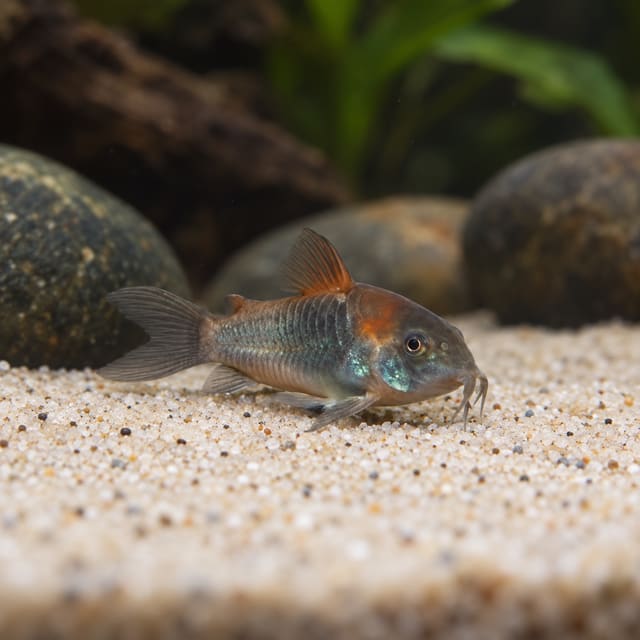
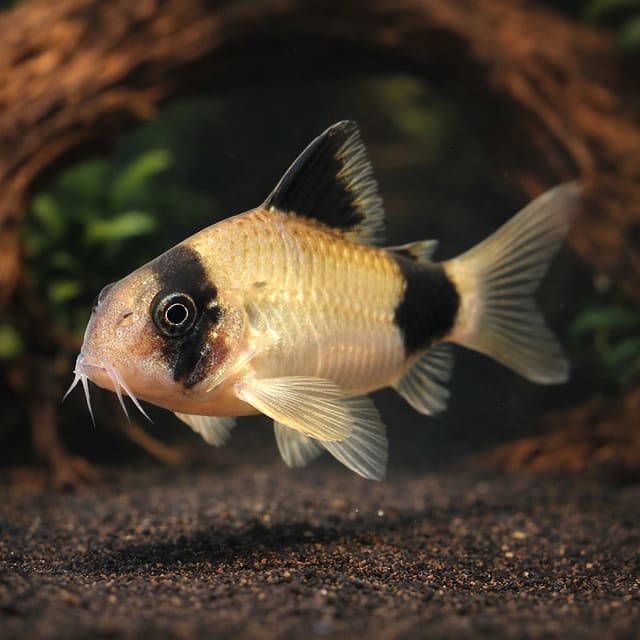
Albino Bronze Cory (Osteogaster aenea)
22–27°C · pH 6–8 · 72L
£2.99

Buy Cory Catfish for sale in the UK. Peaceful, hardy bottom dwellers for community aquariums, ideal for planted tanks and active clean-up crews.
Adult size is the maximum length this species reaches at full maturity (scientific sources). The livestock you receive will be younger and smaller — pick a size above for the actual shipping size. Product-photo provenance and any image-specific limitations are stated on the listing.
Brochis splendens
Shoaling fish: kept in a group they feel safer, stay calmer and show their best colour.
Confirm your email, then we’ll send an availability message for this exact item if it returns within 180 days.
This request is only for this product—no newsletter or other promotions. A mail-provider retry may very rarely duplicate the same availability message. Unconfirmed addresses are removed after 48 hours. See our privacy policy.
Buy Cory Catfish for sale in the UK. Peaceful, hardy bottom dwellers for community aquariums, ideal for planted tanks and active clean-up crews.
Adult size is the maximum length this species reaches at full maturity (scientific sources). The livestock you receive will be younger and smaller — pick a size above for the actual shipping size. Product-photo provenance and any image-specific limitations are stated on the listing.
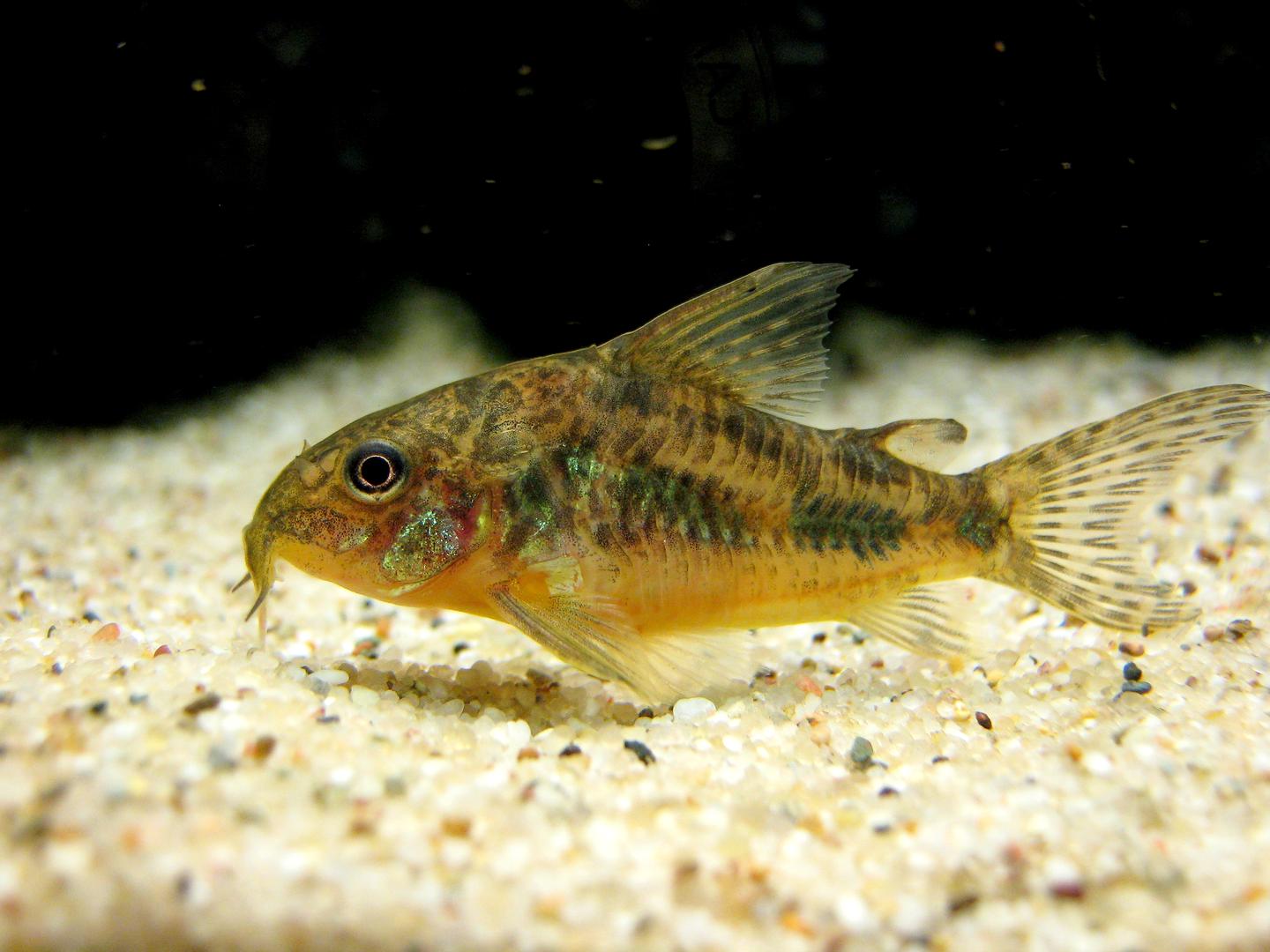
Identify the exact cory catfish before choosing care. Our starting policy for many common medium species is six compatible conspecifics, a mature 60 x 30 cm aquarium of about 60 litres, smooth fine sand and measured species-appropriate water.
Maintain these water conditions for optimal health and vibrant colors
If you want a Cory Catfish that stands out from the usual bronze and panda types, Brochis splendens is a brilliant choice. Known to aquarists as the Emerald Catfish or Sailfin Cory, this peaceful South American bottom dweller brings a metallic green sheen, a larger body, and a lively shoaling personality to the home aquarium. It is a true cory catfish favourite for aquarists who want the charm of Corydoras with a more striking look and slightly bigger presence. Adults reach around 8 cm, live for up to 5 years, and are classed as an easy care species when given the right brochis splendens short-bodied catfish tank setup, stable brochis splendens short-bodied catfish water parameters, and a soft sandy base. This is a peaceful brochis splendens short-bodied catfish for aquarium use, ideal for community tanks, planted aquariums, and anyone looking for a reliable brochis splendens short-bodied catfish tank cleaner. See our detailed photos showing the emerald body sheen, sail-like dorsal fin, and natural bottom-feeding posture so you can judge the fish’s true colour and shape before ordering. If you are comparing cory catfish types, this species sits in the sweet spot between hardy, attractive, and manageable, making it one of the best brochis splendens short-bodied catfish for community tank setups in the UK.
Brochis splendens belongs to the armored catfish family and is closely related to the broader Corydoras group, which is why many hobbyists search for it under Corydoras and Cory Catfish UK terms. In the aquarium trade, it is often discussed alongside bronze corydoras, corydoras albino, corydoras julii, corydoras panda, and sterbai corydoras because all share the same friendly community-tank appeal. This species is sometimes described as a larger, more iridescent cousin of the classic cory catfish species, and that makes it especially appealing for aquarists who want an eye-catching school of freshwater catfish UK fish without moving into aggressive or oversized species.
Brochis splendens short-bodied catfish habitat comes from slow-moving freshwater systems in South America, especially river basins with soft substrates, leaf litter, and dense shoreline vegetation. In the wild, this species spends much of its time over sand and fine silt, using its sensitive barbels to search for small invertebrates, insect larvae, and detritus. That natural behaviour explains why a brochis splendens short-bodied catfish substrate type should always be smooth and gentle on the mouth. These fish are adapted to warm, slightly acidic to neutral water, which is why the ideal brochis splendens short-bodied catfish temperature and brochis splendens short-bodied catfish water temperature range sit between 22-26°C. They also appreciate moderate oxygenation and a gentle current, so brochis splendens short-bodied catfish water flow needs matter more than many beginners expect.
In nature, Brochis splendens lives as a shoaling fish, often gathering in loose groups while foraging. That is why brochis splendens short-bodied catfish schooling group behaviour is so important in the aquarium. Keeping a single fish may result in shyness, while a group of six or more usually produces more confident, natural activity. The species is a classic bottom feeder fish UK hobbyists can rely on, but it is not a true algae specialist, so the question do cory catfish eat algae is best answered with “only a little.” They will graze on biofilm and leftovers, but they are not the same as best algae eaters for aquarium species such as otocinclus or Siamese algae eaters. If you are comparing them to brochis splendens short-bodied catfish vs chinese algae eater, the difference is simple: Brochis is peaceful and community-safe, while Chinese algae eaters can become territorial with age.
Brochis splendens is found in warm tropical waters, so it suits aquarists searching for tropical catfish UK options that are hardy but not demanding. It is also a strong candidate for a brochis splendens short-bodied catfish for planted aquarium layout because plants, driftwood, and leaf litter help recreate the shelter and grazing zones it uses in the wild. Although not currently known as a threatened species in the hobby context, responsible sourcing still matters, especially when buying live brochis splendens short-bodied catfish for sale UK stock from a reputable specialist. A well-designed habitat encourages natural foraging, better colour, and lower stress.
Mimicking the species’ natural riverbed habitat improves health and brings out its best colour. Use soft sand, scattered botanicals, and broad-leaved plants, then keep the school active with gentle filtration and stable water quality.
The brochis splendens short-bodied catfish tank size should start at 80 litres, which matches the brochis splendens short-bodied catfish minimum tank size and gives enough floor space for a small group. Because this species is a shoaler, the real answer to brochis splendens short-bodied catfish size and stocking is not just adult length, but how many fish you keep. A group of six or more creates a healthier social dynamic and spreads out the bioload more naturally than keeping one or two fish. For a busy community tank, 100-120 litres is even better, especially if you want to combine them with tetras, rasboras, or dwarf cichlids. If you are searching brochis splendens short-bodied catfish for sale UK or buy brochis splendens short-bodied catfish UK, plan the tank first so the fish can settle in without crowding.
Stable water matters more than chasing perfect numbers. The recommended brochis splendens short-bodied catfish water parameters are 22-26°C, pH 6.0-7.5, and hardness around 2-15 dGH. That range makes the species forgiving for many UK aquariums, especially when the tank is cycled and maintained with regular water changes. If your tap water is harder, gradual acclimation is safer than sudden shifts. A steady heater and thermometer are useful even in heated rooms, because this fish dislikes temperature swings. When hobbyists ask brochis splendens short-bodied catfish pH requirements, the practical answer is that stability within the range matters more than a “perfect” reading.
Choose a filter that offers strong biological filtration and a gentle outflow. This species enjoys clean, oxygen-rich water, but it does not want to be blasted around the tank. A sponge pre-filter or spray bar can soften current while keeping the water fresh. That balance is especially useful in a brochis splendens short-bodied catfish tank setup with plants and sand. A mature canister filter or well-sized internal filter works well, and live plants help support water quality. For aquarists comparing brochis splendens short-bodied catfish water flow needs with other catfish, this one sits in the moderate-flow category rather than high-turbulence territory.
The best brochis splendens short-bodied catfish substrate type is fine sand or very smooth rounded gravel. Sharp gravel can damage barbels, which affects feeding and increases infection risk. Aim for a soft, natural-looking base with open feeding lanes and shaded corners. Add driftwood, caves, and brochis splendens short-bodied catfish hiding spots so the school can rest without feeling exposed. In planted tanks, species like Amazon swords, Cryptocoryne, Java fern, and Anubias work especially well. If you are building a brochis splendens short-bodied catfish for planted aquarium display, use broad leaves and open foreground space so the fish can sift comfortably. This is also where a good Bronze Cory Catfish Corydoras Aeneus comparison helps, because both species enjoy similar substrate and decor, but Brochis often looks more dramatic under strong plant contrast.
Moderate lighting is ideal. Bright light can make these fish cautious unless there are shaded areas, floating plants, or wood cover. A 6-8 hour photoperiod is usually enough in a planted aquarium. Use light to show off the emerald sheen, but avoid a bare tank that leaves the fish exposed. If you want the best visual effect, dark substrate and green plants help the metallic body colour stand out.
Always cycle the tank for 4-6 weeks before adding Cory Catfish. A mature biofilter keeps ammonia and nitrite at zero, which is essential for barbels, gill health, and long-term success.
Brochis splendens short-bodied catfish diet is omnivorous, but this species is best thought of as a bottom forager rather than an algae specialist. In the wild it picks through small foods on the substrate, and in the aquarium it thrives on a varied menu of sinking foods, protein-rich frozen items, and occasional plant-based supplements. If you are searching for cory catfish food, choose foods that sink quickly and stay intact long enough for the fish to find them. Good staples include quality sinking pellets, wafers, and granules designed for corydoras care. The question brochis splendens short-bodied catfish algae eater comes up often, but the honest answer is that it will graze on algae film and biofilm rather than clear a tank the way dedicated algae eating fish UK species do.
For daily feeding, use a small portion in the evening when the fish are most active. For variety, add frozen bloodworms, daphnia, brine shrimp, and chopped blackworm. These foods are especially useful when conditioning fish for brochis splendens short-bodied catfish breeding or when you want to support colour and body condition. Many aquarists ask que comen las corydoras; the short answer is that they eat sinking meaty foods, soft vegetable matter, and leftover bits from the substrate. They are one of the best bottom feeders for community tank setups because they keep the floor tidy without being destructive. They are not a substitute for proper maintenance, but they do help with the aquarium cleaning crew UK role when paired with regular gravel vacuuming and water changes.
Feed 1-2 small meals per day, only as much as the group can finish in 2-3 minutes. Overfeeding is the fastest route to poor water quality, especially in smaller tanks. A varied diet also helps with immune health and supports the species’ natural activity. If you are comparing them with brochis splendens short-bodied catfish bottom feeder competitors like plecos or loaches, Brochis is usually easier to feed because it accepts a wider range of sinking foods without needing algae-heavy diets.
| Time | Food | Amount |
|---|---|---|
| Morning | Sinking pellets or wafers | Small pinch for the group |
| Evening | Frozen bloodworms or brine shrimp | Enough to finish in 2-3 minutes |
A balanced sinking formula made for cory catfish and other bottom feeders, ideal as a daily staple for Brochis splendens.
Useful as an occasional supplement for grazing behaviour and for tanks with mixed bottom-dwelling species.
Overfeeding causes ammonia spikes, cloudy water, and stress-related disease. Remove uneaten food after the feeding window, and do not rely on this species to clean up excess waste.
Brochis splendens short-bodied catfish appearance is one of the biggest reasons aquarists choose it. Adults usually reach around 8 cm, making them larger than many small cory catfish varieties such as the smallest cory catfish and pygmy cory catfish. The body is short, deep, and armored, with a striking emerald-green to bronze sheen that can shift under different lighting. The dorsal fin is tall and sail-like, which is why the common name Sailfin Cory is so fitting. Compared with black cory catfish, emerald cory catfish, or bronze cory catfish, Brochis splendens has a more reflective, metallic look that really pops against dark sand or planted backgrounds.
Sexing is usually easiest in mature fish. Females tend to be broader and rounder through the belly, while males are slimmer and may show a slightly more pointed profile. This is useful when planning brochis splendens short-bodied catfish breeding or simply trying to build a balanced group. Hobbyists comparing cory catfish size and cory catfish lifespan often appreciate that this species offers a nice middle ground: bigger than pygmy types, but still manageable in a community tank. You may also see it marketed as Brochis Splendens Short-Bodied Cory or Brochis Splendens Short-Bodied Corydoras, which reflects how often it is grouped with the broader cory catfish species trade.
Our photos show the intense chocolate-green coloration that appears when the fish is settled, well fed, and kept on a dark substrate. Good lighting, clean water, and a varied diet all improve shine and contrast. If you are comparing cory catfish types for a display tank, Brochis splendens is one of the most eye-catching choices without becoming difficult to keep.
This species is one of the most peaceful catfish UK hobbyists can keep, and it works beautifully in a best brochis splendens short-bodied catfish for community tank setup. It is social, non-territorial, and happiest when it can move around the substrate without being chased. The best brochis splendens short-bodied catfish tank mates are small-to-medium peaceful fish that occupy the middle and upper levels of the aquarium. Good choices include tetras, rasboras, guppies, and dwarf cichlids. It also fits well with neon and ember tetras, which share similar water needs and add colour to the upper water column. If you are looking at brochis splendens short-bodied catfish with other fish, think calm, non-aggressive, and not too large.
Invertebrates are usually fine too. Shrimp are generally compatible, especially in planted tanks, and many keepers use Brochis as part of a mixed cleanup crew. Snails are also safe. The main rule is to avoid large predatory fish and aggressive bottom dwellers that may outcompete or harass them. For comparison, brochis splendens short-bodied catfish vs bristlenose pleco comes down to behaviour and feeding style: Brochis is more social and less likely to dominate a tank, while bristlenose plecos may be more visible on wood and algae. Against brochis splendens short-bodied catfish vs otocinclus, Brochis is larger and more robust, while otos are better pure algae grazers. And compared with brochis splendens short-bodied catfish vs nerite snail, the catfish is a social fish and the snail is a lone cleaner, so they complement each other rather than compete.
| Species | Compatible? | Notes |
|---|---|---|
| Bronze Cory Catfish Corydoras Aeneus | ✅ Yes | Similar temperament and water needs; great mixed school option. |
| Adolfo's Cory Corydoras Adolfoi Hardy Aquaruom | ✅ Yes | Peaceful bottom-dweller that shares the same community focus. |
| Black Cory Corydoras Tropical Fish | ✅ Yes | Works well in planted tanks with similar soft substrate needs. |
| Large predatory cichlids | ❌ Avoid | Risk of harassment, stress, and fin damage. |
For stocking, a 100-litre community tank might hold 6 Brochis splendens, 12 ember tetras, and a small group of shrimp. In a larger 150-litre setup, you can add rasboras or a pair of dwarf cichlids as long as the bottom space remains open. This is one of the best bottom feeders for community tank designs because it brings movement to the lower level without causing conflict. It is also a smart choice for aquarists who want a brochis splendens short-bodied catfish schooling group that looks active and natural instead of hiding all day.
Keep new fish in a separate tank for 2-4 weeks before adding them to the main aquarium. This reduces the risk of parasites, bacterial infection, and stress-related losses in established schools.
Brochis splendens short-bodied catfish breeding is considered moderate, which makes it a realistic project for experienced beginners. The species is not as simple as some livebearers, but it is very achievable with good conditioning and stable water. When planning breeding cory catfish, start with a healthy group of at least six fish and allow them to pair off naturally. Females are usually fuller-bodied, while males are slimmer. Many aquarists ask how often do cory catfish lay eggs; in the right conditions, they may spawn multiple times over a season, especially after cool water changes and heavy conditioning.
To trigger spawning, feed a protein-rich diet for 1-2 weeks using frozen bloodworms, brine shrimp, and quality sinking foods. Then perform a slightly cooler water change of 20-30% to simulate rainfall. This often encourages courtship and egg laying. The eggs are usually attached to glass, plant leaves, or decor in small clusters. If you are looking for cory catfish eggs, check on the aquarium glass, plant stems, and filter intake covers. Remove adults if you want to protect the spawn, because they may eat the eggs. Some keepers successfully attempt breeding corydoras in community tank conditions, but a dedicated breeding tank gives better results.
Eggs typically hatch in 3-5 days depending on temperature. Once free-swimming, the cory catfish fry should be fed infusoria, newly hatched baby brine shrimp, or powdered fry food. The corydoras fry growth rate is fairly steady when water quality is excellent and food is offered multiple times daily in tiny amounts. One common challenge is fungus on unfertilised eggs, which can be reduced by removing bad eggs promptly and keeping gentle aeration over the clutch. Another challenge is inconsistent spawning if the water is too warm or too dirty.
For better spawning results, condition the group with live or frozen foods, then use a large water change with slightly cooler, softer water. A thin layer of sand, broad-leaved plants, and gentle air-driven filtration often improves egg survival and fry confidence.
Comparing corys helps you choose the right fish for your tank size, water conditions, and visual style. If you like the size and behaviour of Brochis splendens short-bodied catfish but want a different look, there are several excellent alternatives. The most common comparisons are with corydoras panda, corydoras paleatus, bronze corydoras, corydoras julii, and sterbas corydoras. Each has its own strengths, but Brochis stands out for its metallic sheen and taller dorsal fin. It is a strong option if you want a fish that looks a little more dramatic than the classic bronze form while staying peaceful and manageable.
| Feature | Brochis splendens | Corydoras panda |
|---|---|---|
| Max Size | 8 cm | 5 cm |
| Care Level | Easy | Easy |
| Temperature | 22-26°C | 20-25°C |
| Price | £13.55 | Varies |
| Best For | Planted community tanks | Smaller peaceful tanks |
| Feature | Brochis splendens | Corydoras julii |
|---|---|---|
| Max Size | 8 cm | 6 cm |
| Pattern | Metallic emerald sheen | Spotted/leopard pattern |
| Best For | Eye-catching schools | Pattern-focused aquascapes |
Choose Brochis if you want a slightly larger, more reflective fish that still behaves like a classic cory. Choose panda or pygmy types if your tank is smaller. Choose bronze or peppered types if you want the hardiest traditional look. For many UK aquarists, Brochis is the sweet spot between beauty, size, and simplicity, which is why it is often searched as cory catfish for sale or cory catfish price by hobbyists planning their first shoal.
Healthy Brochis splendens are active, responsive, and eager to feed. They should have clear eyes, intact barbels, smooth skin, and a full but not swollen belly. Good brochis splendens short-bodied catfish health starts with clean water, a soft substrate, and a varied diet. The most common problems are barbel erosion, skin irritation, bacterial infections, and stress from poor water quality. These issues are often linked to sharp gravel, high ammonia, or overcrowding. Brochis splendens short-bodied catfish diseases are usually preventable if the tank is mature and maintenance is consistent.
If you notice clamped fins, reduced feeding, pale colour, or rapid breathing, check temperature, ammonia, nitrite, and oxygen levels immediately. The safest first response is a partial water change, improved aeration, and a review of feeding and stocking. Quarantine new fish before introduction, especially if they come from mixed shipments. This is particularly important when buying corydoras for sale UK stock or comparing cory catfish UK listings, because not all suppliers prepare fish the same way. If you are keeping shrimp, remember that copper-based remedies can be dangerous. Use fish-safe treatments only and remove activated carbon when medicating, if required.
NEVER use copper-based medications with invertebrates - lethal to shrimp! Always read labels carefully and treat only in a separate quarantine tank when possible.
Brochis splendens short-bodied catfish behaviour is peaceful, social, and often more active at dawn, dusk, and after lights dim. They are not aggressive or territorial, and they spend much of the day foraging in groups. When they feel secure, they move confidently across the substrate and may even rise into the midwater briefly during feeding time. This makes them a great choice for aquarists who want a fish with personality but without aggression. A proper brochis splendens short-bodied catfish group size of six or more helps reduce shyness and encourages natural shoaling.
They use barbels to explore the tank, sift through sand, and investigate food. You may see them resting in shaded areas or under broad leaves, which is why brochis splendens short-bodied catfish hiding places are so useful. In a planted tank, they often appear more confident and show better colour. Their social nature also makes them a strong option for brochis splendens short-bodied catfish for beginners who want a peaceful fish with interesting behaviour. If you compare brochis splendens short-bodied catfish or corydoras in general, the answer is simple: this is a cory-style fish with a slightly larger, more dramatic presence.
Our Brochis splendens are selected for healthy body shape, strong barbels, and the rich emerald tone that makes this species so attractive in the aquarium. Each fish is quarantined before sale, observed for feeding response, and prepared for UK water conditions so it settles more quickly after arrival. If you are searching brochis splendens short-bodied catfish buy online UK, order brochis splendens short-bodied catfish online UK, or where to buy brochis splendens short-bodied catfish UK, you want fish that have already been handled with care from the start. We pack live fish in insulated packaging, use heat packs in winter when needed, and send orders with tracked delivery for peace of mind. Our live arrival process is designed to reduce stress, protect water temperature, and keep the fish safe in transit.
We also include practical aftercare guidance so you know how to acclimate your new school, feed them on day one, and set up a suitable bottom zone. That support matters whether you are buying your first cory catfish for sale UK school or adding to an established community tank. If you want a reliable brochis splendens short-bodied catfish shop UK experience with clear care information and fish that are ready to thrive, this is a strong choice. Order your Cory Catfish today with confidence and build a peaceful bottom-dwelling group that will settle into your tank beautifully.
Build a better Cory Catfish community with a few carefully chosen companions and supplies. Pair Brochis splendens with Bronze Cory Catfish Corydoras Aeneus, Albino Golden Corydora Neon Cory Catfish, or Gold Laser Cory Corydoras CW010 for a mixed cory school. For upper-water movement, Black Widow Tetra style schooling fish make a great match. For feeding and maintenance, add Cory Catfish Food and Algae Wafers. If you are building a planted community, these fish also pair well with gentle filtration and a soft sand substrate to keep the whole aquarium balanced.
No reviews for this item yet. Bought one? Honest reviews only, good or bad.
What customers say about ordering from us
I have a small group of long finned mountain minnows. So was delighted to be able to order ten of this variety to increase the genetics in my tank . The ones I recieved are healthy but it’s to early to give a verdict on wether they are of a long finned type since they are small currently.
Gordon Walker · 23 Sept 2026
100% success travel and "installation". Pleased with quality of purchase. The Siamese fighter a bit "shy" so have not yet seen him at his best yet but looking good. Happy customer. GG
George E Garratt · 21 Sept 2026
Reviews of our shop, collected by Judge.me, an independent third-party review collector. Newest first.