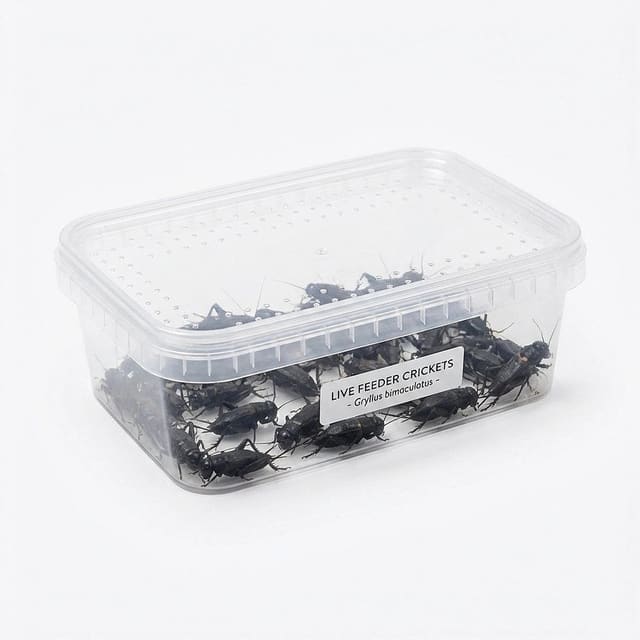
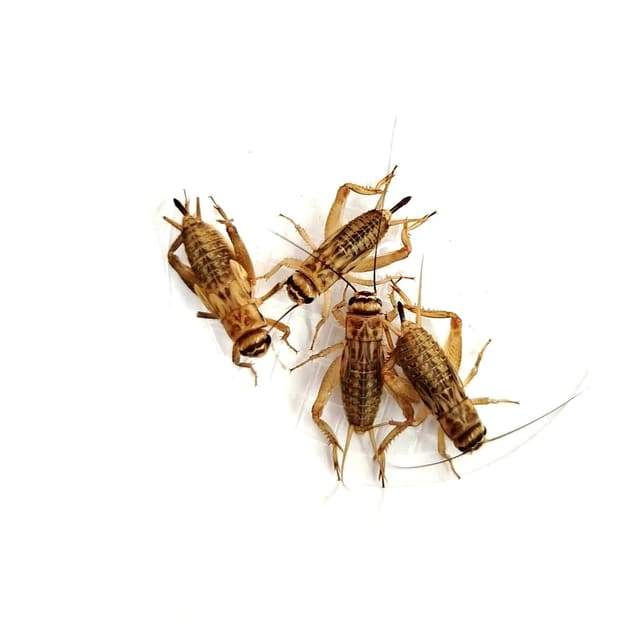
Gryllodes sigillatus Tropical House Cricket Packet
£6.99

Live Pachnoda sun beetle larvae supplied as one retail feeder pack. Count, weight and size are not stated in the source record; confirm suitability and current pack details before ordering.
Live Pachnoda sun beetle larvae supplied as one retail feeder pack. Count, weight and size are not stated in the source record; confirm suitability and current pack details before ordering.
Sun beetle larvae are live Pachnoda beetle grubs sold as a specialist food item for keepers whose animals are already known to accept this type and size of prey. This listing supplies one retail live-food pack. The source record does not state a guaranteed larva count, net weight or size grade, so none of those details should be inferred from the price, title or photograph.
The older trade name is Pachnoda butana. Current taxonomic sources treat that name as a synonym of Pachnoda marginata peregrina, but the supplied batch has no voucher specimen or locality record that would justify promising a subspecies identification. For that reason, this page uses the practical description Pachnoda sun beetle larvae while retaining the original trade name for traceability.
You are buying one live-food product, not a fixed number of individually selected larvae and not a beetle-breeding starter colony. The Shopify product has a single default option rather than count, weight or size choices. We therefore do not invent a quantity such as five grubs, a weight such as 25 g, or a larval stage that is absent from the source data.
This distinction matters because a photograph can show two animals without meaning that two are supplied. It also prevents the phrase “larva packet” in an old source title from being mistaken for a standardised pack specification. Check the parcel label when it arrives. If an exact count, weight or size is essential for your feeding plan, ask us to confirm the current pack before ordering.
| Listing detail | What is confirmed | What is not promised |
|---|---|---|
| Animal type | Live Pachnoda beetle larvae | A batch-level subspecies identification |
| Sale unit | One retail live-food pack | A fixed larva count or net weight |
| Purpose | Feeder item for a suitable exotic pet | Universal suitability for reptiles or amphibians |
| Condition | Supplied as a live product | A guaranteed individual size or developmental stage |
| Nutrition | No product analysis supplied | High-calcium, complete-diet or other nutrient claims |
Pachnoda butana is not a fabricated phrase, but it is not the currently accepted name used by the principal taxonomic backbones we checked. GBIF and the Catalogue of Life place Pachnoda butana Schurhoff, 1938 in the synonymy of the accepted subspecies Pachnoda marginata peregrina Kolbe, 1906. Both records place the animal within Coleoptera, Scarabaeidae and the genus Pachnoda.
A synonym tells us how an older name maps into current taxonomy; it does not prove that every commercial pack carrying that label has been identified from diagnostic adult characters. Larvae are being sold here as feeder stock, and the supplier has not supplied a specimen record, origin or identification method. The accurate customer-facing position is therefore “Pachnoda sun beetle larvae, sold under the historical P. butana trade name,” rather than an unsupported claim of scientifically verified subspecies.
This is catalogued and sold as live food. It is intended for a keeper who has already established, from reliable animal-specific guidance, that beetle larvae are an appropriate prey type. It is not sold with an enclosure, rearing substrate, sexed adults, breeding data or a guarantee that larvae will complete metamorphosis.
Sun beetles are also kept as display invertebrates, and general zoological sources describe Pachnoda larvae as detritivores associated with decomposing organic material. That natural-history context explains why care searches often mention leaf litter, wood and pupation. It does not turn this feeder pack into a breeding product, and it does not provide a verified storage recipe for the particular packaging supplied here.
No feeder insect is automatically suitable for every reptile, amphibian, bird, fish or invertebrate. The correct decision depends on the recipient species, life stage, gape, normal feeding method, health, current diet and the actual size of the larvae in the pack. A broad list of popular pets cannot replace that assessment.
| Before checkout | Evidence to have | If it is unknown |
|---|---|---|
| Prey type | The recipient's care plan permits live beetle larvae | Do not order on a generic species list |
| Prey size | The current pack size is appropriate for the individual animal | Ask support to check the current batch |
| Feeding amount | A species- and life-stage-specific schedule | Ask an exotics veterinary professional |
| Holding method | Instructions printed on the current container | Ask before attempting prolonged storage |
These checks are especially important for young, small, unwell or recovering animals. Those assurances have been removed. Individual husbandry advice should come from the care plan for the animal being fed.
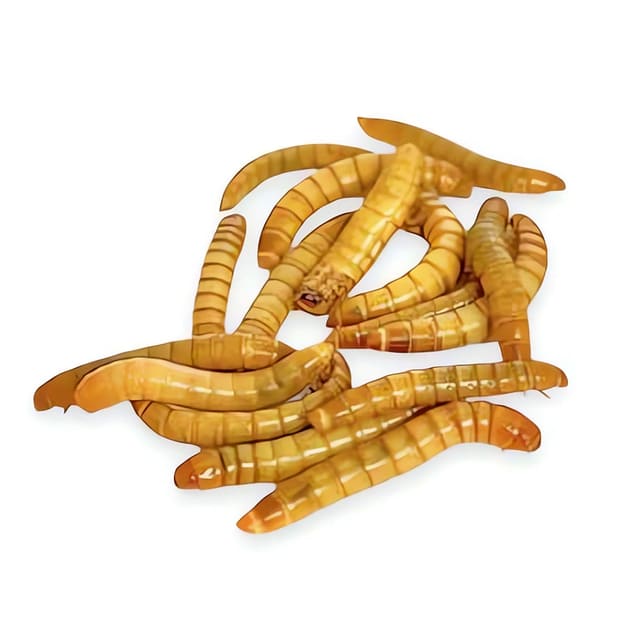
The available product record confirms one live-food pack but does not specify the number of larvae, net weight, length range or instar. The gallery image shows two pale grubs on a white background, but it is a reference image rather than a pack-content diagram. It must not be used to estimate quantity or scale.
Natural variation is expected in live larvae, and a commercial pack can also change specification between supplier batches. If your animal requires prey below a particular size, or if you need a known number for several enclosures, contact support before purchase. Do not order on the assumption that the contents match another retailer's Pachnoda pack.
Open the outer parcel promptly on delivery and inspect the live-food container before feeding. Keep the pack away from direct sunlight, radiators, hot vehicles and freezing conditions while you check it. Record any immediate concern before disturbing or discarding the packaging, because the original condition and label are the clearest evidence of what arrived.
The source data does not give a verified storage temperature, humidity target, substrate recipe or maximum holding time for this retail pack. We therefore do not repeat the former 18-24 C instruction or tell customers to refrigerate it. Different live-food products and packaging systems are handled differently; an invented temperature can do more harm than a clear evidence boundary.
For delivery timing, destination information and current restrictions, read the delivery page before ordering. The returns and Live Arrival Guarantee page currently names fish, shrimp, snails and plants; it does not expressly name feeder insects. If live-arrival coverage is important to your decision, ask support to confirm the current position for this product before checkout.
The page does not prescribe “one to three larvae,” “once or twice weekly,” or any other universal schedule. Feeding amount and frequency are animal-specific decisions. Use the recipient's established care plan, account for the size of each larva and consider everything else fed during the same period.
Offer prey in a way appropriate to the animal and enclosure. Some keepers use feeding tongs or a smooth-sided feeding dish because these methods make supervision and removal easier, but the right presentation depends on the species. Avoid loose live food where it can disappear into the substrate, disturb a vulnerable animal or remain unnoticed after the feeding session.
If dusting or supplementation is part of the animal's documented care plan, use the product and dose recommended for that species. This listing does not substitute for veterinary advice, and the absence of a batch nutrient analysis means it cannot justify changing calcium, vitamin or feeding-frequency decisions on its own.
The supplied commercial data contains no laboratory nutrient profile for this pack. It does not report calcium, phosphorus, fat, protein, moisture or digestibility. Claims such as “high calcium,” “nutrient rich,” “easy to digest,” “ideal for recovery” or “stimulates appetite” were therefore removed. They sound helpful but create a false level of certainty.
The responsible claim is narrower: these are live Pachnoda larvae sold as a feeder item. Whether they are used as occasional variety, a regular component or not at all must be decided within a complete species-appropriate diet. A live food should never be promoted as nutritionally complete merely because an animal accepts it eagerly.
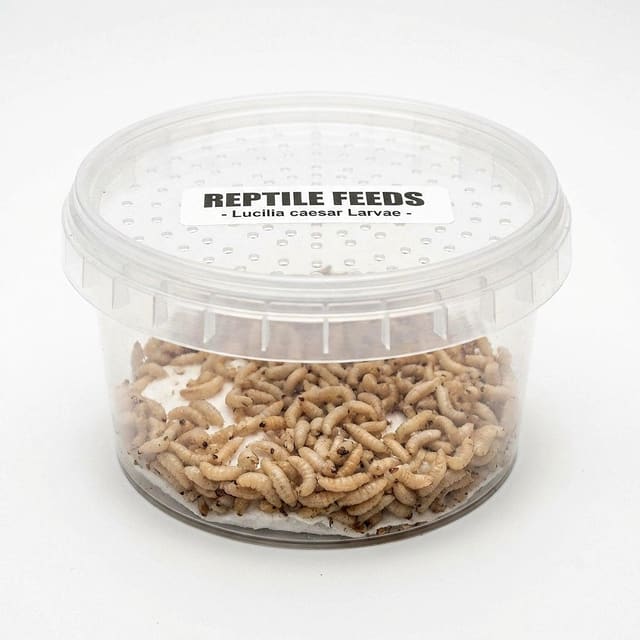
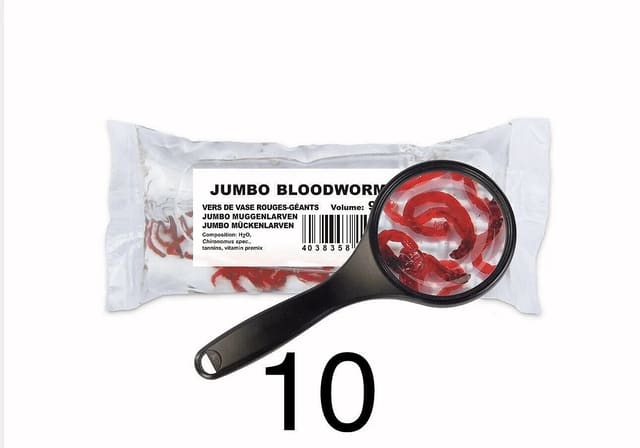
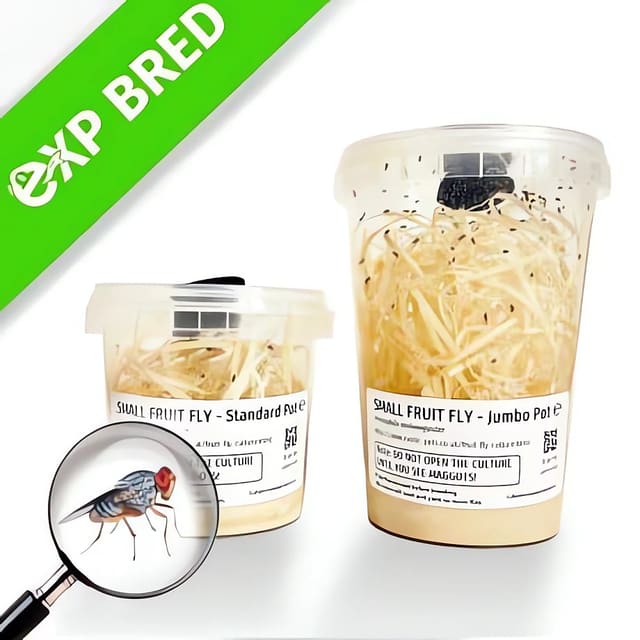
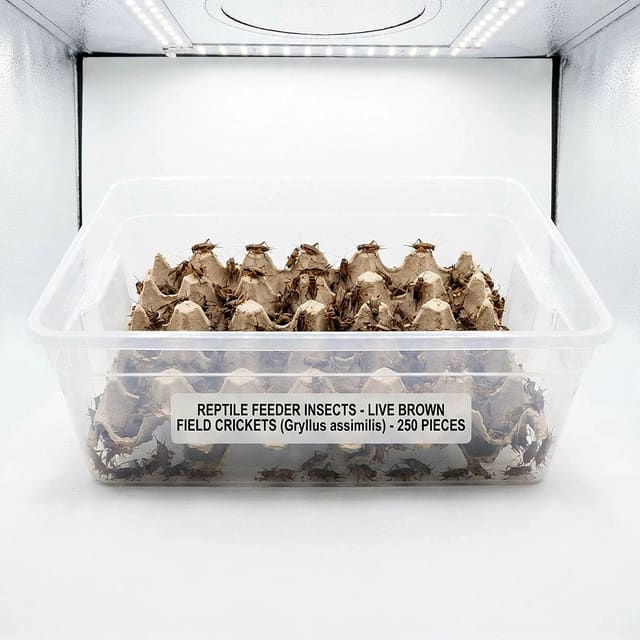
Comparison is useful when it describes purchasing and presentation differences rather than inventing a nutrient ranking. Pachnoda larvae are large grub-shaped prey sold in a single unspecified pack. Cricket products are available in named size and count variants, while fly-larva products use their own weights or volumes. Choose from the specification your animal actually needs.
| Live-food option | What the listing identifies | When to consider it | Important boundary |
|---|---|---|---|
| Pachnoda sun beetle larvae | One pack; count, weight and size not stated | Only when beetle larvae and the actual prey size suit the recipient | No batch nutrient analysis |
| Acheta domestica cricket packet | Named cricket size and count variants | When a documented plan calls for active cricket prey in a selectable size | Choose the variant, not the species name alone |
| Tropical house cricket packet | Named size and count variants | When Gryllodes crickets are appropriate and a defined pack helps portion planning | Check selected size at checkout |
| Greenbottle larvae | Product with weight or volume variants | When fly larvae are supported by the recipient's care plan | Not interchangeable solely because both products are larvae |
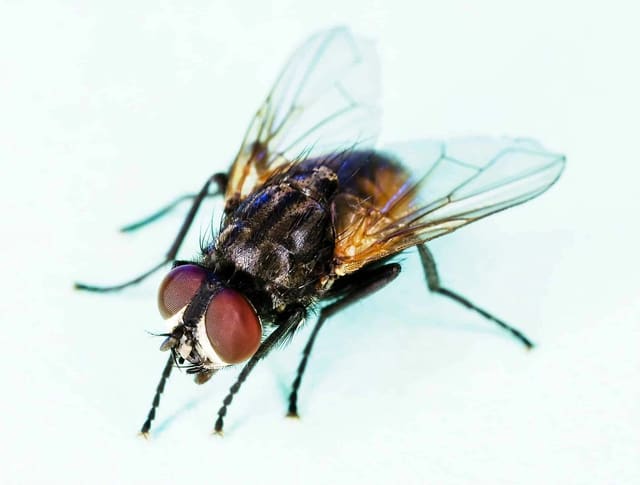
| Housefly non-fly | A separately specified housefly live-food product | When that prey type and pack format are suitable | Follow its own listing and pack instructions |
Variety should mean a planned range of appropriate foods, not an arbitrary collection of insects. Start with the recipient species' evidence-based diet, then select live foods by prey type, size, presentation and known pack specification. Review body condition, appetite and veterinary advice rather than assuming that more variety is always better.
For customers who need a clearly selectable count and size, the Acheta domestica cricket packet and tropical house cricket packet provide variant information that this Pachnoda pack lacks. The greenbottle larva listing and housefly non-fly listing are separate prey formats, not nutritional substitutes.
Never collect unknown beetle grubs from a garden, compost heap or home and feed them as though they were this product. Wild or household larvae can be misidentified and may have been exposed to pesticides, parasites or unsuitable material. Purpose-supplied live food still requires correct handling, but it removes the deliberate use of an unidentified wild animal.
The existing gallery contains one enhanced supplier-derived image showing two pale, C-shaped beetle larvae on a white background. The original was upscaled and sharpened for web display. It is useful as a visual reference for the general product type, but it is not a photograph of the exact pack allocated to your order.
The photograph does not promise two larvae, a particular length, identical colour, a particular developmental stage or subspecies-level identification. Live specimens and pack contents can vary.
Live-food dispatch can be affected by destination, weather, bank holidays and courier conditions. Check the current delivery information, make sure somebody can receive the parcel and unpack it promptly. If something appears wrong on arrival, preserve the container and parcel evidence and contact support without delay rather than waiting until the product has been fed or transferred.
New customers can use WELCOME10 for 10% off an eligible first order, subject to current checkout validation and the special-offer terms. General ordering answers are available in the shop FAQ. The discount is an order offer; it does not change the pack specification or the need to confirm suitability before purchase.
For taxonomy, the GBIF Backbone Taxonomy record for Pachnoda marginata peregrina lists Pachnoda butana as a synonym, and the linked Catalogue of Life treatment reports the same accepted placement. Newquay Zoo's sun beetle profile is used only for general genus-level natural-history context.
None of those sources proves the contents, nutrition, storage conditions or subspecies of the retail pack in front of the customer. Where current supplier evidence is absent, this listing says so. That is more useful for search and shopping systems than repeating precise claims that cannot be traced to the actual product.
Browse the verified alternatives above when you need a different prey type or a pack with explicit size and count choices. Compare the selected variant at checkout, not just the broad phrase “live reptile food.” Each product has its own handling instructions and must be matched independently to the animal being fed.
For help choosing between Pachnoda larvae, crickets or fly larvae, contact support with the recipient species, age or size and the guidance you are already following. We can clarify current pack details, but a retailer should not replace an exotics veterinary professional or a reliable species husbandry source.
No reviews for this item yet. Bought one? Honest reviews only, good or bad.
What customers say about ordering from us
I have a small group of long finned mountain minnows. So was delighted to be able to order ten of this variety to increase the genetics in my tank . The ones I recieved are healthy but it’s to early to give a verdict on wether they are of a long finned type since they are small currently.
Gordon Walker · 23 Sept 2026
100% success travel and "installation". Pleased with quality of purchase. The Siamese fighter a bit "shy" so have not yet seen him at his best yet but looking good. Happy customer. GG
George E Garratt · 21 Sept 2026
Reviews of our shop, collected by Judge.me, an independent third-party review collector. Newest first.