Live white mosquito larvae (glassworms) – 10x90ml bags of premium live food for tropical fish

White Mosquito Larvae 90ml - UK

£17.99In Stock

Natural white mosquito larvae in a 90ml portion, ideal for enriching tropical fish diets with protein and variety. Buy now with fast UK delivery.

Fish FoodFreshwaterLive FoodModerate CareNatural FoodProtein RichTropical Fish

Premium Quality

Healthy, vibrant fish from trusted suppliers

Expert Care

Detailed care guides and support

Live Arrival Guarantee

Your fish arrives healthy or we'll replace it

Acclimated

Properly quarantined and ready for your tank

Why Choose This Fish?

Natural white mosquito larvae in a 90ml portion, ideal for enriching tropical fish diets with protein and variety. Buy now with fast UK delivery.

Few foods trigger a faster feeding response than White Mosquito Larvae. These lively, pale Chaoborus-type larvae are a classic choice for aquarists who want a more natural, stimulating diet for freshwater fish. If you are searching for live food UK hobbyists actually use for conditioning, colour, and breeding preparation, this 90ml portion is an easy way to add variety without overcomplicating your routine. As a form of live aquarium food UK keepers trust, white larvae are especially useful for shy feeders, newly imported fish, and species that ignore dry foods at first. They are widely used as live food for tropical fish, as natural fish food live larvae, and as part of a balanced tropical fish food UK feeding plan.

See our detailed photos showing the clean, pale body colour and active movement of these White Larvae in the product image live-food-uk.webp. That wriggling action is exactly why many fishkeepers rate them among the best live food for tropical fish. Whether you keep bettas, gouramis, dwarf cichlids, rasboras, rainbowfish, or juvenile predators, this pack offers a practical way to buy live fish food UK aquariums can use straight away. Used correctly, this Live White Mosquito Larvae portion enriches diet, supports stronger feeding behaviour, and helps build beautiful, thriving freshwater fish communities.

🔹 Quick Facts

  • Scientific Name: Chaoborus spp. / White Mosquito Larvae
  • Care Level: Easy to use with correct storage
  • Min Tank Size: Suitable for most freshwater aquariums from 20 litres (4.4 gallons)
  • Temperature: Best stored cool; feed to fish kept at 18-28°C (64-82°F)
  • pH Range: Suitable for fish kept in pH 6.0-8.0
  • Lifespan: Short-term live food item; use promptly for best value
  • Temperament: Non-aggressive live prey item that stimulates hunting
  • Diet: High-protein supplemental live food for carnivores and omnivores

Classification

  • Order: Diptera
  • Family: Chaoboridae / related mosquito-like aquatic larvae groups sold in the trade as white mosquito larvae
  • Genus: Chaoborus

In the aquarium hobby, White Mosquito Larvae are sold as a live prey food rather than a display species. They sit alongside daphnia, brine shrimp, tubifex, and bloodworm as part of a varied conditioning diet. Aquarists value them because they move in the water column, attract hesitant feeders, and can be offered to many freshwater fish that benefit from a more natural hunting response.

Where Do White Mosquito Larvae Come From? Natural Habitat Explained

Mosquito larvae UK fishkeepers buy are associated with still or slow-moving freshwater habitats such as ponds, ditches, marsh edges, flooded containers, and seasonal pools. In nature, larvae develop in standing water rich in microscopic life. That is one reason aquarists often connect them with topics such as mosquito pond control UK, what eats mosquito larvae in ponds, and even how to get rid of mosquito larvae in outdoor water features. Fish, tadpoles, aquatic insects, and some amphibian larvae all feed on them. The phrase midge larvae UK is also sometimes used by hobbyists when discussing similar live aquatic foods.

For aquarium use, these larvae are collected or cultured as a controlled food source. They are not added to the tank to live long term; they are offered as prey. In the wild, many small fish species naturally hunt insect larvae every day, so feeding white mosquito larvae recreates a very familiar part of that diet. This is why they are popular for feeding live food to discus, for encouraging small cichlids to spawn, and as live food for picky eaters that refuse flakes or pellets after transport.

Outdoor pond keepers also ask whether fish can help with larvae control. The answer is yes: many fish species are part of the answer to what eats mosquito larvae in ponds, and some hobbyists even search best fish for eating mosquito larvae or mosquito fish UK when planning wildlife ponds. In aquariums, however, the focus is nutrition rather than pest control. White mosquito larvae are best understood as a targeted, high-interest food item that brings natural hunting behaviour into the home aquarium while supporting a varied feeding plan.

💡 Expert Tip

Mimicking a fish’s natural diet almost always improves feeding confidence. If a new fish is hiding, refusing pellets, or looking washed out after shipping, a small portion of white mosquito larvae often gets it feeding again within minutes.

How to Set Up the Perfect Tank for Fish Fed White Mosquito Larvae

Because this product is a food item rather than a display animal, the key question is not how to house the larvae long term, but how to prepare a tank so fish can benefit from them safely. White mosquito larvae work best in established freshwater aquariums with stable filtration, moderate oxygen, and fish that actively hunt in the midwater or near the surface. They are ideal in community tanks, breeding setups, grow-out systems, and selective conditioning tanks.

Tank Size Requirements

This food can be used in tanks from 20 litres upward, but feeding response is easiest to manage in aquariums of 54 litres or more, where fish have enough room to chase prey without stress. In nano tanks, feed very sparingly because uneaten larvae can add to the bioload. In larger aquariums, white mosquito larvae are excellent for spreading feeding activity across the whole group, especially when used as mosquito larvae for community tank fish.

Water Parameters

18-28°C
Fish tank temperature
6.0-8.0
pH range
3-15 dGH
General hardness
0 ppm
Ammonia and nitrite

Good live food water quality matters. Fish digest live foods best in clean, stable conditions, and overfeeding in immature tanks can quickly lead to ammonia spikes. For that reason, use white mosquito larvae only in fully cycled aquariums with reliable mechanical and biological filtration. If you are feeding discus, dwarf cichlids, or fry-rearing groups, keep nitrate low with regular water changes.

Filtration

Sponge filters are excellent in breeding tanks because they protect fry and allow you to monitor uneaten food. In community tanks, internal or external filters with gentle to moderate flow work well. Avoid blasting the larvae into overflows or strong powerheads where fish cannot catch them. If you are building a dedicated conditioning setup for live food for breeding tropical fish, stable oxygen and low waste are more important than high current.

Substrate

Substrate choice is mainly about cleanliness. Bare-bottom breeding tanks make it easier to remove leftovers. In planted displays, fine sand or smooth gravel is ideal because uneaten larvae are easier to spot. Searches such as swell reptiles substrate, swell reptiles soil, and swell reptiles tortoise soil are not relevant to aquarium feeding, so for fish tanks stick to aquatic-safe sands and gravels only.

Plants & Decor

Dense planting helps timid fish feel secure enough to feed in the open. Floating plants, stems, and branching wood all improve confidence. While terms like swell reptiles live plants and swell reptiles plants may appear in broad pet searches, aquarium fish need true aquatic plants rather than terrarium décor. A calm, planted tank is especially useful when offering mosquito larvae for betta fish, gouramis, or small rasboras.

For hobbyists who also browse other live food lines, products such as Gryllodes Sigillatus Tropical House Cricket Small, Gryllodes Sigillatus Tropical House Cricket Large, Gryllus Assimilis Field Cricket Large - 250pcs, and Musca Domestica Housefly Non-Fly - 1/2 Litre are designed for reptiles rather than fish, so keep feeding categories separate.

Lighting Requirements

Standard aquarium lighting of 6-8 hours is enough. Fish often take live larvae more confidently under slightly dimmer light, especially shy species. If your fish are nervous, feed just after lights come on or before they go off.

🔹 Quick Setup Checklist

  • Use only in fully cycled freshwater aquariums
  • Feed small portions that are eaten within a few minutes
  • Keep ammonia and nitrite at 0 ppm
  • Use gentle to moderate flow so fish can catch the larvae
  • Remove leftovers in small tanks or breeding setups
  • Store the larvae cool and use promptly after arrival

💡 Pro Tip

Always cycle the aquarium for 4-6 weeks before heavy live feeding. White mosquito larvae are excellent conditioning food, but only mature filters can handle the extra organic load safely.

What Do Fish Eat White Mosquito Larvae? Complete Feeding Guide

White mosquito larvae are a supplemental, protein-rich live food for omnivorous and carnivorous freshwater fish. They are not meant to replace a complete staple diet, but they are one of the most effective tools for boosting appetite, conditioning adults, and adding variety. If you are looking for live food for fish UK aquariums can use for both routine feeding and special conditioning, this is a very flexible option.

Staple Foods

Most fish should still receive a quality staple pellet, granule, or flake as their main daily nutrition. White mosquito larvae work best as a supplement 2-4 times per week for community fish, or more often in breeding projects. They are especially useful as fish conditioning food UK breeders use before spawning.

Supplemental Foods

Use white mosquito larvae alongside daphnia, brine shrimp, and high-quality prepared foods for a broader nutrient profile. Many aquarists compare live food vs frozen food for fish; both have value, but live foods trigger stronger hunting behaviour and often help shy fish start feeding faster. Common comparisons include mosquito larvae vs brine shrimp, mosquito larvae vs bloodworm, and mosquito larvae vs daphnia. White mosquito larvae are usually less messy than bloodworm and more stimulating than many dry foods.

Treats & Special Foods

This product shines in conditioning. It is excellent live food conditioning fish keepers use before breeding attempts, and a proven choice as mosquito larvae for breeding fish and mosquito larvae for discus conditioning. Bettas, apistogramma, killifish, gouramis, and many tetras respond very well. It is also useful as live food for picky eaters that ignore inert foods after transport.

Feeding Frequency & Portion Control

If you are wondering how to feed mosquito larvae to fish, the rule is simple: offer only what the fish can eat in 2-3 minutes. The right mosquito larvae feeding amount depends on fish size and stock level. For a small community tank, start with a small pinch or spoonful. For discus or breeding cichlids, feed slightly larger portions but monitor waste closely. This product works well as Mosquito Larvae Food in rotation, not as the only diet.

Time Food Amount
Morning Quality staple granule or flake What fish finish in 1-2 minutes
Evening White mosquito larvae Small portion eaten in 2-3 minutes

Customers often ask for a practical mosquito larvae fish food guide. A good schedule is 2-3 live feeds per week for display tanks, 4-6 per week for conditioning adults, and very small daily portions for selected breeders if water quality remains excellent. If you want to mix and match live food, rotate white mosquito larvae with daphnia or brine shrimp rather than doubling up in one heavy feeding.

Maylandia zebra — A useful reference point if you keep robust cichlids that appreciate occasional high-protein live foods during conditioning.
Chipimbi Albino Blunthead Cichlid - Tropheus — Best viewed as a comparison species for advanced keepers planning species-specific feeding routines and careful protein moderation.

⚠️ Feeding Warning

Overfeeding causes ammonia spikes and water quality issues. Uneaten live foods break down quickly in warm aquariums, so feed small portions and siphon leftovers in fry tanks, nano tanks, and breeding setups.

What Do White Mosquito Larvae Look Like? Appearance, Size & Identification

White mosquito larvae are slender, pale, semi-translucent aquatic larvae with a soft, elongated body and active wriggling movement. Most are off-white to glassy cream, which is why hobbyists often search for White Larvae, White Mosquito Larvae, or white larvae fish food UK. Their colour is much lighter than red bloodworm, making them easy to distinguish in a feeding tub or against a dark aquarium background.

Size varies with age and culture batch, but they are generally small enough for many community fish while still substantial enough to interest larger tetras, gouramis, and cichlids. In the water column they move in short, jerky bursts, which is exactly what triggers a predatory feeding response. That movement is one reason many aquarists prefer Live Larvae Fish Food over static prepared foods when trying to tempt shy fish.

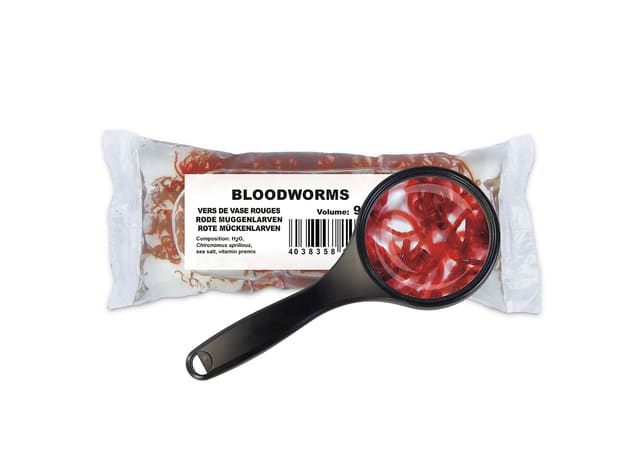
In our product photos, the pale body tone is visible even through the container, helping you identify a healthy batch quickly. Unlike unrelated feeder insects such as live black crickets, crickets live food, or other reptile prey items, these larvae are intended for aquatic use. If you are comparing options for fish, look for clean water, active motion, and a fresh appearance rather than a strong odour or excessive debris.

Another common comparison is white mosquito larvae vs red larvae. White larvae are usually leaner-looking and less intensely pigmented than red bloodworm, and many aquarists find them a cleaner, more versatile addition to community fish diets. They are a practical middle ground between tiny planktonic foods and heavier worm-based treats.

What Fish Can Eat White Mosquito Larvae? Compatibility Guide

White mosquito larvae are compatible with a wide range of freshwater fish because they are a food item, not a tank mate. The real question is which fish benefit most. In general, they are ideal mosquito larvae for freshwater fish that naturally hunt insect larvae in the wild. This includes bettas, gouramis, many tetras, rasboras, rainbowfish, killifish, danios, dwarf cichlids, juvenile angelfish, and many peaceful community species.

Ideal Fish Groups

They are especially useful as mosquito larvae for betta fish because bettas often prefer moving prey. They are also excellent mosquito larvae for community tank fish when fed in small, controlled portions so dominant fish do not monopolise the food. Discus keepers frequently use them for conditioning, and they can be a very effective part of feeding live food to discus when hygiene and portion control are strict.

For cichlid keepers browsing related stock, species such as Maylandia zebra and Chipimbi Albino Blunthead Cichlid - Tropheus highlight how feeding strategy changes by species. Robust omnivores may enjoy occasional live larvae, while strict herbivorous cichlids require much more caution with protein-rich foods.

Species to Avoid or Use With Caution

Very small fry may struggle with larger larvae unless chopped or replaced with smaller first foods. Strict algae grazers and specialised herbivores should not receive large amounts. Goldfish can eat them, but portions should be conservative; broad searches like swell uk goldfish often lead people to overgeneralise feeding, yet fancy goldfish still need balanced, fibre-aware diets.

Community Tank Stocking Examples

In a 60-litre planted tank with a betta and rasboras, feed a tiny evening portion once or twice weekly. In a 125-litre community with gouramis, rainbows, and tetras, offer a larger shared portion 2-3 times weekly. In a 200-litre discus grow-out, use them as one part of a varied conditioning programme and watch live food water quality closely.

Compatibility with Invertebrates

Shrimp and snails are not at risk from the larvae themselves, but overfeeding can foul the water and stress invertebrates. Feed carefully in mixed tanks.

Species Compatible? Notes
Maylandia zebra ⚠️ Caution Can take larvae, but use sparingly and match to species diet
Chipimbi Albino Blunthead Cichlid - Tropheus ⚠️ Caution Protein-rich treats should be limited for specialised herbivorous cichlids
Bettas, gouramis, tetras, rasboras ✅ Yes Excellent for appetite stimulation and variety

Some shoppers arrive from broader searches such as live reptile food near me, live food for bearded dragons, or live marine fish food UK. Those are different use cases. White mosquito larvae are primarily aimed at freshwater aquarium fish, not reptiles and not marine predators. If you keep reptiles, products like Galleria Mellonella Waxworms - 18g, Gryllodes Sigillatus Tropical House Cricket Small, and Gryllus Assimilis Field Cricket Large - 250pcs are more appropriate than aquatic larvae.

💡 Compatibility Tip

Always quarantine new fish for 2-4 weeks before using rich conditioning foods. Healthy, settled fish digest live foods better and show a much stronger feeding response.

How Do You Use White Mosquito Larvae for Breeding Fish?

White mosquito larvae are one of the most useful conditioning foods in the hobby. If you are preparing adults for spawning, this product can help build body condition, increase feeding enthusiasm, and support egg production when used as part of a varied diet. That is why searches for live food for breeding tropical fish, mosquito larvae for breeding fish, and buy live mosquito larvae UK often come from breeders rather than casual keepers.

Breeding Setup

Use a separate breeding or conditioning tank where feeding can be controlled. Sponge filtration, 25-27°C for many tropical species, and frequent small water changes work well. For pairs of apistogramma, bettas, or small killifish, offer white mosquito larvae 1-2 times daily in small portions alongside a complete staple. This is a proven approach for live food conditioning fish before spawning.

Spawning Behaviour

Well-conditioned fish often show stronger colours, more active courtship, and better nest or territory defence. White mosquito larvae are especially useful before spawning attempts in bettas, gouramis, and many egg-layers. They are also popular as mosquito larvae for discus conditioning, though discus should receive them in strict moderation and with excellent hygiene.

Egg Care & Hatching

The larvae are not a fry food for tiny newly hatched fish. Once eggs are laid, shift adults back to a lighter maintenance diet if needed and keep the breeding tank clean. For fry, use appropriately sized first foods.

Fry Care & Growth

As juveniles grow, finely sized live foods can be introduced. White mosquito larvae are more suitable for older fry and juveniles that can swallow them safely. This is where a practical mosquito larvae fish food guide helps: match prey size to mouth size, not just species name.

Common Breeding Challenges

The biggest mistake is feeding too much too quickly. Rich foods can pollute small breeding tanks fast. Another issue is relying on one food alone. Even if you buy live larvae UK breeders recommend, variety still matters. For best results, use white mosquito larvae as part of a broader plan rather than the whole plan.

Advanced Breeding Tip

For stubborn pairs, increase feeding frequency slightly for 7-10 days, then follow with a series of cooler, soft-water changes if the species prefers that trigger. The combination of improved condition and environmental cue often starts courtship quickly.

White Mosquito Larvae vs Similar Fish Foods: Which Should You Choose?

Choosing the right live food depends on fish size, feeding style, and your maintenance routine. White mosquito larvae sit in a very useful middle ground: larger and more substantial than some microfoods, but usually cleaner and less heavy than bloodworm. If you are comparing Live Fish Food Larvae options, this is often the best starting point for mixed tropical communities.

Feature White Mosquito Larvae 90ml Brine Shrimp
Max Size Small to medium larvae Usually smaller
Care Level Easy Easy
Temperature Store cool; feed to fish at 18-28°C Store cool; feed to fish at 18-28°C
Price £17.42 Varies
Best For Picky feeders, conditioning, hunting response Smaller fish, juveniles, broad acceptance
Feature White Mosquito Larvae 90ml Bloodworm
Mess Level Moderate if fed correctly Often heavier
Visual Trigger Excellent active movement Excellent
Use Case Community fish and breeders Larger carnivores and treats
Comparison mosquito larvae vs bloodworm favours cleaner portions Richer but easier to overfeed
Best For Balanced live-food rotation Occasional heavy treat

If your fish are tiny or newly free-swimming, brine shrimp may be the better first choice. If you want a stronger feeding trigger for adults, white mosquito larvae often win. When hobbyists compare mosquito larvae vs brine shrimp or mosquito larvae vs daphnia, the answer usually comes down to mouth size and the level of conditioning needed. White mosquito larvae are often the better option for medium community fish and breeding adults.

For keepers comparing broader live-food categories, reptile products such as Musca Domestica Housefly Non-Fly - 1/2 Litre, Galleria Mellonella Waxworms - 18g, or Mouse 18-22g serve completely different animals and should not be confused with aquatic feeds.

What Problems Can White Mosquito Larvae Cause, and How Do You Prevent Them?

White mosquito larvae are safe and effective when handled correctly, but like any live food they need sensible storage and feeding. The most common issue is not disease from the larvae themselves; it is poor husbandry after overfeeding. Excess food decomposes, driving ammonia up and reducing oxygen. This is why live food water quality is one of the most important topics for anyone using live feeds regularly.

Signs of Healthy Feeding Response

Healthy fish strike quickly, swallow easily, and show alert behaviour after feeding. Colour often intensifies over time when live foods are used in rotation. Breeding fish may show stronger courtship and nest-building behaviour.

Common Problems

Cloudy water, uneaten larvae, and sluggish fish usually point to overfeeding. In small tanks, this can happen after just one heavy portion. If you are feeding discus, fry, or heavily stocked community tanks, use a turkey baster or airline siphon to remove leftovers promptly.

Treatment & Prevention

If water quality slips, perform an immediate partial water change of 30-50%, reduce feeding, and test ammonia and nitrite. Keep storage conditions stable, because mosquito larvae shelf life depends heavily on temperature and oxygen. Anyone asking about how to store live mosquito larvae should keep them cool, out of direct sunlight, and use them promptly. A safe mosquito larvae storage temperature is refrigerator-cool rather than room-warm, but avoid freezing unless you intend to use them as a frozen feed instead of live.

Quarantine Procedures

Quarantine applies to fish more than food, but it matters here because stressed new fish often struggle with rich foods. Set up a separate bare-bottom tank with sponge filtration for 2-4 weeks before intensive conditioning.

⚠️ Important Health Warning

Do not confuse aquarium live foods with unrelated feeder lines such as cockroaches reptile food, crickets live food, live mealworms 1kg, or live locusts for sale. Those are for reptiles and insectivores, not tropical fish.

🔹 Quarantine Protocol

  • 2-4 weeks in a separate tank for new fish
  • Use a sponge filter and bare bottom for easy cleaning
  • Observe appetite before offering rich live foods
  • Test ammonia and nitrite regularly during conditioning
  • Increase live feeding only when fish are stable and active

How Do Fish Behave When Fed White Mosquito Larvae?

One of the biggest benefits of white mosquito larvae is behavioural enrichment. Fish that usually drift around the tank often switch into active hunting mode as soon as the larvae hit the water. Bettas stalk them, gouramis pick them from the surface and midwater, and tetras often form a loose feeding swarm. This is one reason many aquarists searching natural fish food UK or best live food for tropical fish end up choosing live larvae.

For shy species, live foods can break a cycle of stress and refusal. A fish that ignores pellets may instantly recognise moving prey. In breeding groups, the extra activity often goes hand in hand with stronger colour and courtship. This makes white mosquito larvae especially useful as live food for picky eaters and as a short-term appetite booster after transport.

Because the larvae move through the water column, they encourage natural chasing rather than passive grazing. That makes feeding more engaging for both fish and keeper. In community aquariums, scatter-feeding small portions helps spread the action and reduces bullying at one point in the tank.

Why Buy White Mosquito Larvae from Tropical Fish Co?

This 90ml portion is selected for aquarists who want a practical amount of active live food without committing to oversized bulk packs. The focus is freshness, clean presentation, and suitability for freshwater fishkeepers who need a reliable conditioning food rather than a novelty purchase. If you are comparing live fish food UK options, the difference is in usability: active larvae, sensible pack size, and clear guidance on feeding and storage.

We recommend this product for hobbyists searching live fish food for sale UK, buy live mosquito larvae UK, live mosquito larvae online UK, or white mosquito larvae for sale UK because it fits real aquarium use. It is ideal for regular supplemental feeding, short breeding projects, and tempting difficult feeders. Aquarists also use it when comparing mosquito larvae fish food price UK and looking for value in a manageable quantity rather than a hard-to-use bulk tub.

For delivery, live foods are packed to travel with care, and we advise planning receipt so the product can be unpacked promptly and stored correctly. Shoppers often search broad retail terms such as swell reptiles delivery, swell reptiles delivery times, swell reptiles next day delivery, swell reptiles free delivery code, or swell reptiles discount code first order; what matters here is getting live food to your door quickly enough to preserve condition, then refrigerating it straight away. If you are ordering multiple feeder lines, note again that reptile products and fish foods should be selected by species, not by convenience alone.

Order your white mosquito larvae today with confidence if you want a proven live food that improves appetite, supports conditioning, and adds natural hunting behaviour to your aquarium routine.

Why Choose Tropical Fish Co for White Mosquito Larvae

  • Practical 90ml portion suited to community tanks, breeding pairs, and selective conditioning
  • Ideal for picky feeders, bettas, gouramis, tetras, rainbowfish, and many freshwater fish
  • Clear guidance on storage, portion control, and live-food hygiene for better results

You Might Also Like

If you keep cichlids or are planning a specialist setup, compare feeding needs with Maylandia zebra and Chipimbi Albino Blunthead Cichlid - Tropheus. For reptile keepers ordering across categories, Gryllodes Sigillatus Tropical House Cricket Large, Gryllodes Sigillatus Tropical House Cricket Small, and Galleria Mellonella Waxworms - 18g are useful feeder options for appropriate species. If you need another non-aquatic feeder comparison, Musca Domestica Housefly Non-Fly - 1/2 Litre is designed for insectivores rather than fish. Browse our broader live food UK collection to build a varied feeding plan and mix and match live food sensibly by species.