Frozen Loricaria Food - Aquarium supplies from Tropical Fish Co

Tropical Fish Food Pellets Blister Pack - UK

£11.99In Stock

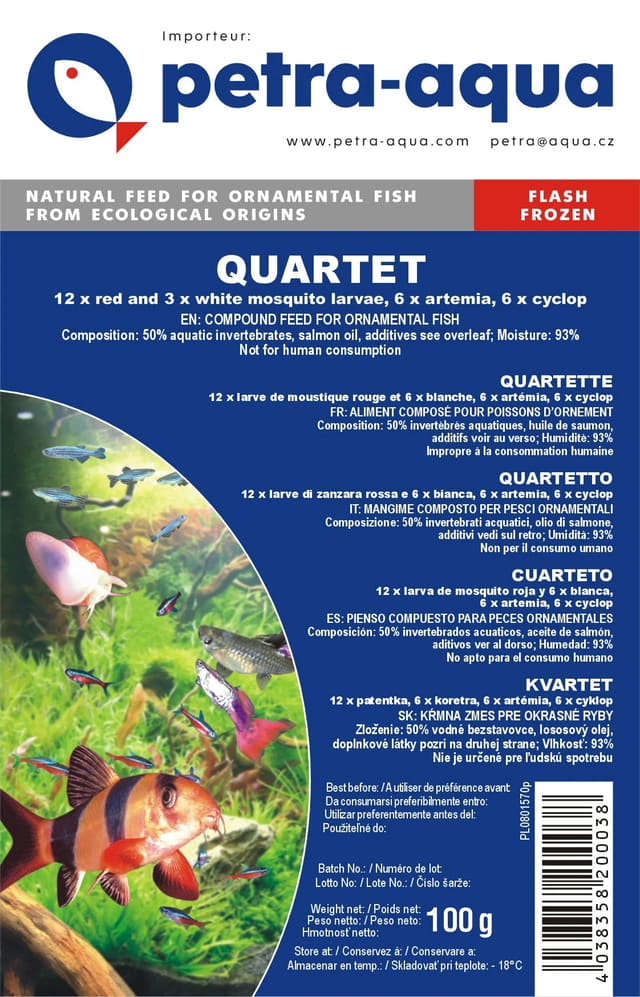
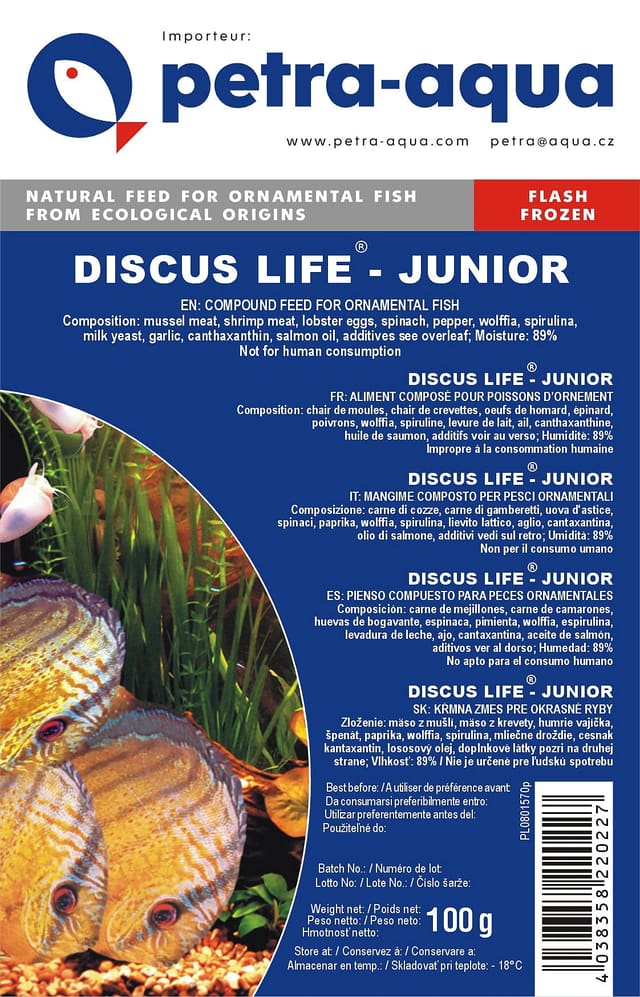
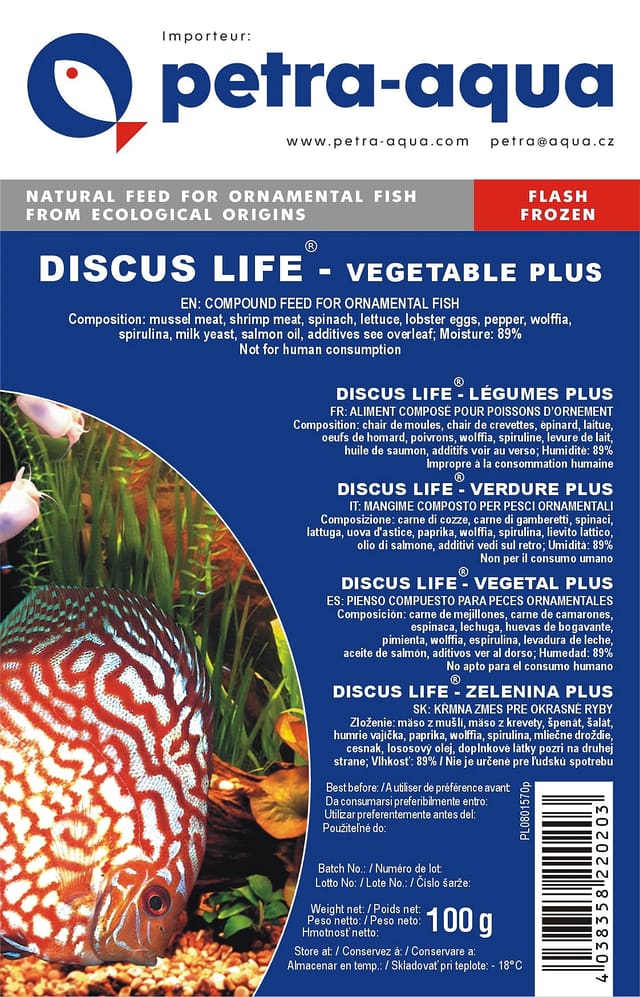
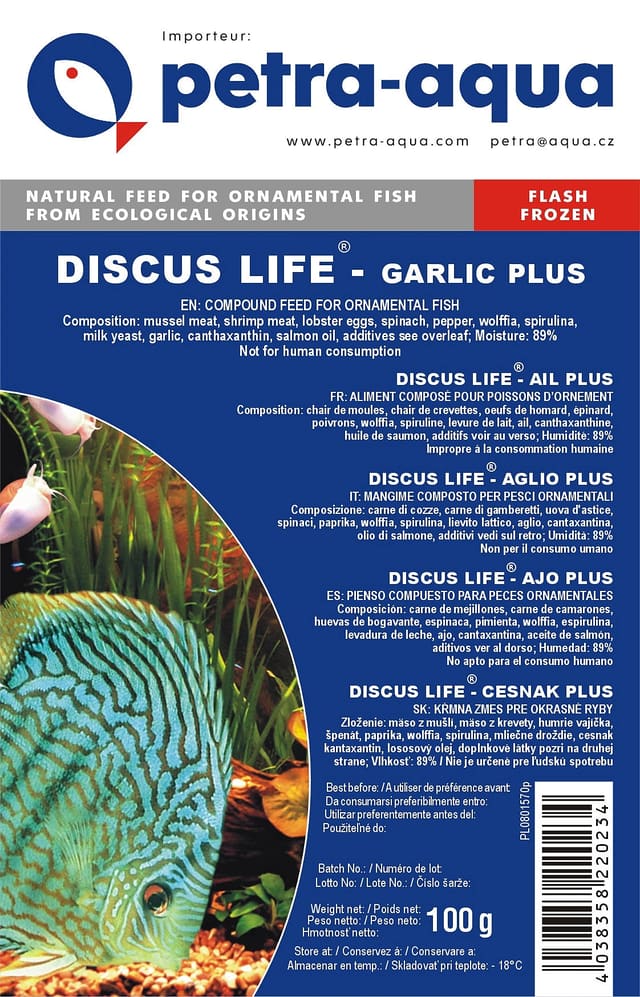
Handy 6x100g Loricaria food blister pack for reliable daily feeding. A practical tropical fish food option for mixed aquariums. Buy now with UK delivery.

Aquarium EquipmentBottom Feeder FoodCatfish FoodFish FoodModerate CareTropical FishUK Delivery

Premium Quality

Healthy, vibrant fish from trusted suppliers

Expert Care

Detailed care guides and support

Live Arrival Guarantee

Your fish arrives healthy or we'll replace it

Acclimated

Properly quarantined and ready for your tank

Why Choose This Fish?

Handy 6x100g Loricaria food blister pack for reliable daily feeding. A practical tropical fish food option for mixed aquariums. Buy now with UK delivery.

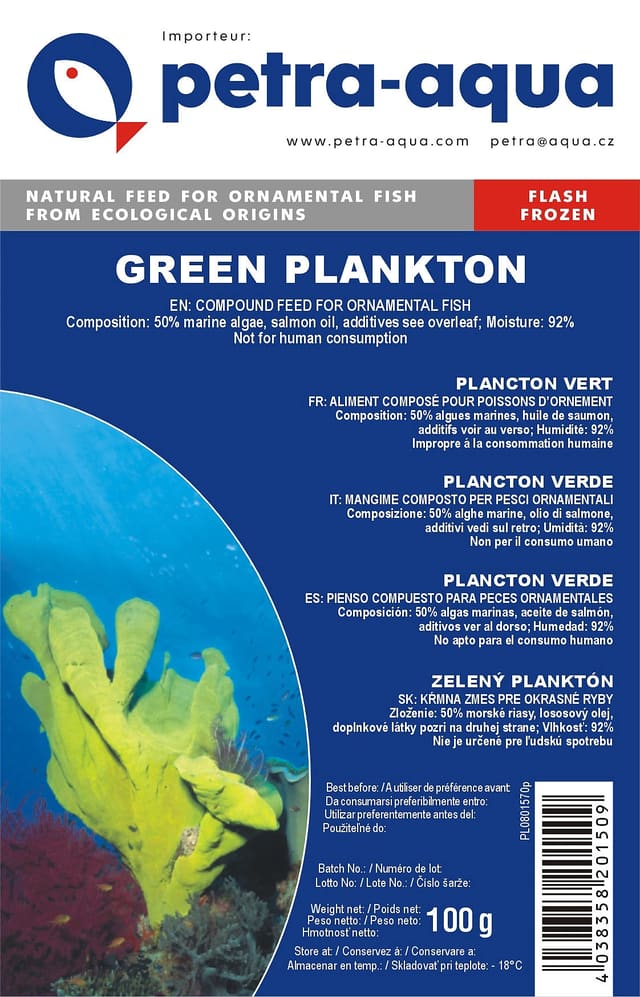
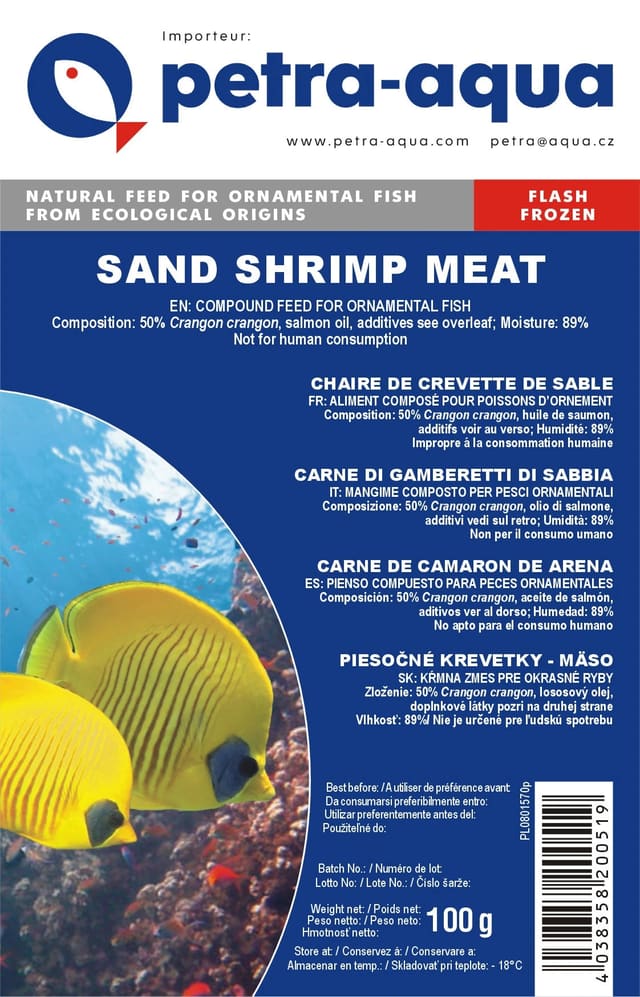
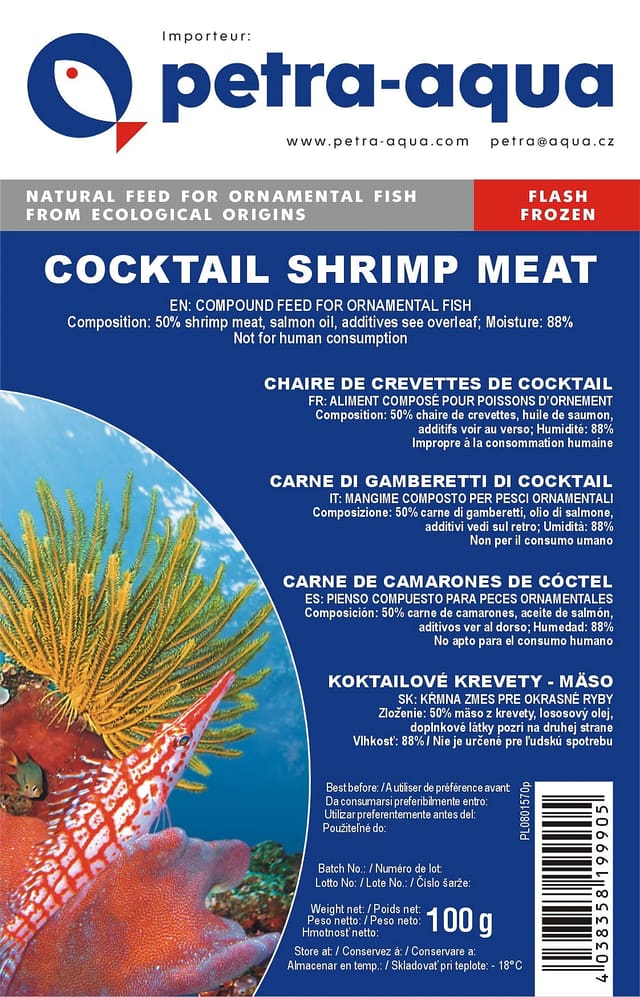
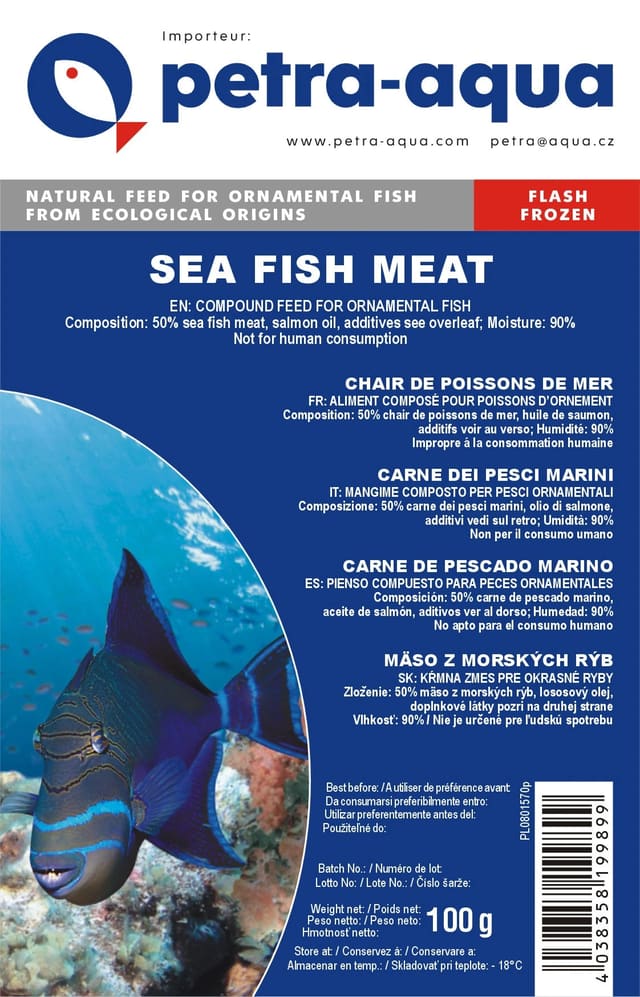
6X100G Loricaria Food Blister is a practical, high-value tropical fish food option for aquarists who keep whiptail catfish, loricariids, and other peaceful bottom dwellers in warm freshwater aquariums. If you have ever wondered what is tropical fish food, the answer depends on the species you keep: for Loricaria and similar catfish, the best diet is a balanced mix of marine proteins, plant content, and stable binders that hold together long enough for shy bottom feeders to find their meal. This blister format makes portioning easy, keeps each block protected, and helps reduce waste compared with a large open tub of aquarium fish food. It is especially useful in a mixed setup where surface fish rush to flakes while catfish need targeted feeding lower down.

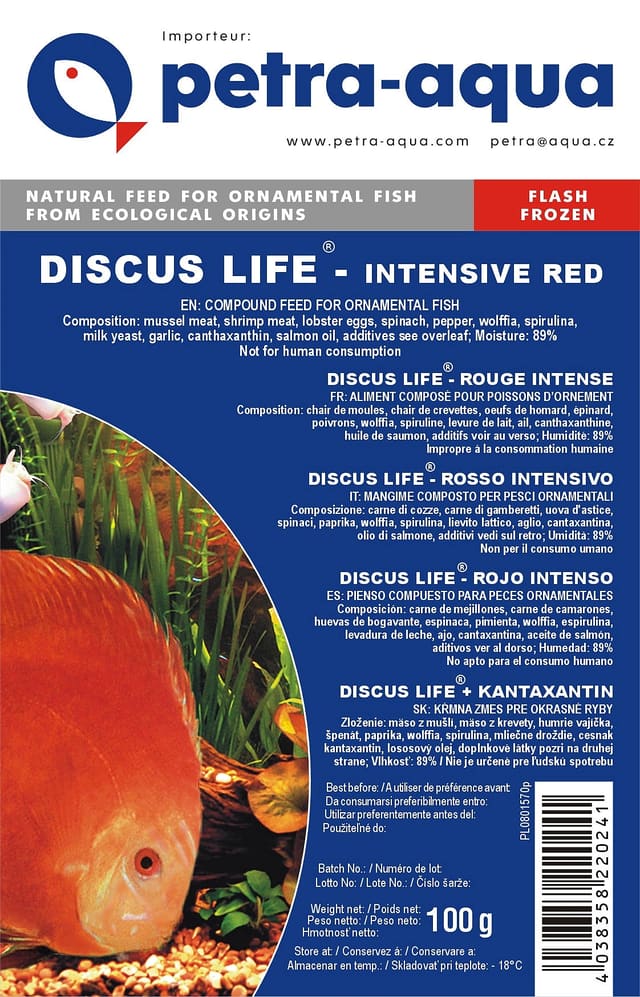
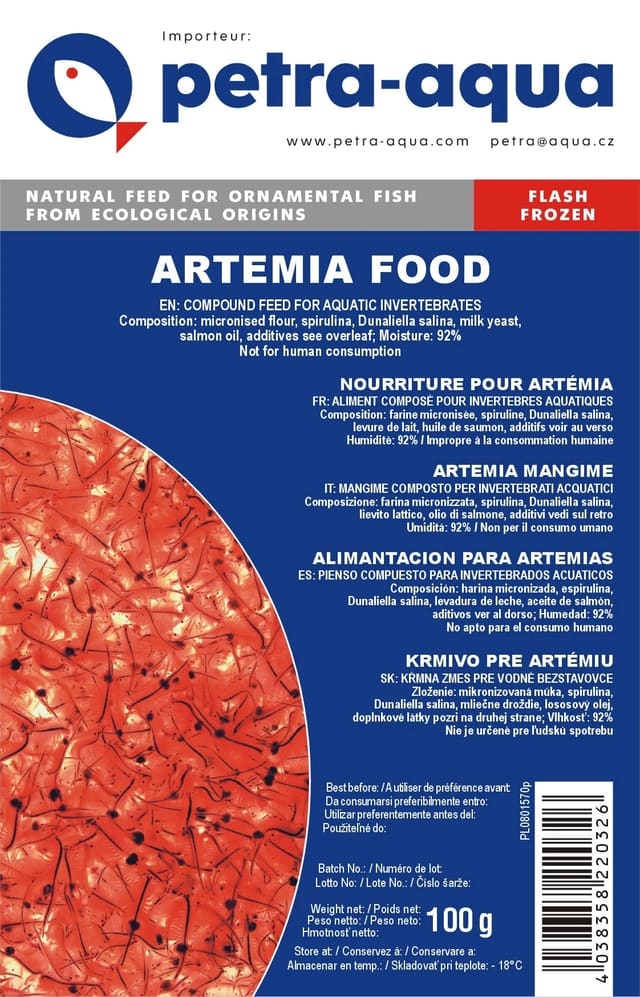
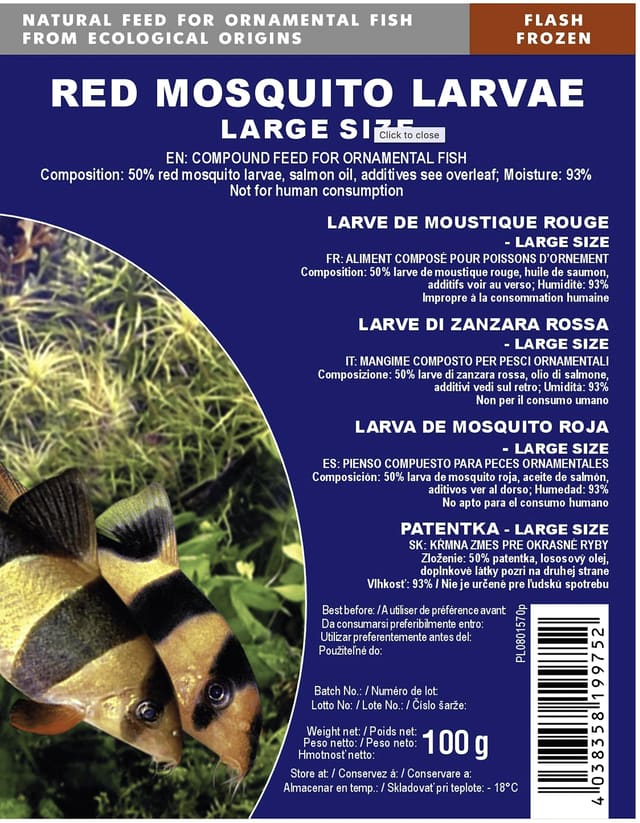
Unlike generic fish food pellets or floating flakes, this product is designed around the needs of a tropical bottom feeder diet. It suits keepers searching for the best food for loricaria catfish in a tropical aquarium, for tropical fish food for warm water aquariums, and for a reliable staple that can be combined with algae wafers, granules, and occasional frozen treats. See our detailed product image tropical-fish-food.webp showing the blister format and portion layout. For aquarists who want cleaner feeding, easier storage, and a more species-appropriate menu, this blister pack is a smart everyday choice.

🔹 Quick Facts

  • Product Type: Sinking tropical fish food pellets / blister portions for bottom feeders
  • Best For: Loricaria, whiptail catfish, small loricariids, peaceful bottom-feeding tropical fish
  • Water Type: Freshwater tropical aquariums
  • Temperature Use: Ideal as bottom feeder food for tropical aquarium temperatures around 24-28°C
  • Feeding Style: Sinking portions for targeted bottom feeding
  • Pack Size: 6 x 100g blister portions
  • Diet Focus: Protein plus vegetable matter in fish diet
  • Care Level: Easy to use for beginner to advanced fishkeepers

Classification

  • Use Category: Prepared aquarium fish food for tropical bottom dwellers
  • Format: Blister-portioned sinking food
  • Target Group: Loricaria catfish and other community bottom feeders

Within the aquarium hobby, Loricaria foods fill a specific niche between general tropical fish food flakes and heavy carnivore diets. They are intended for fish that browse the substrate, feed more slowly, and often do best when offered food after active midwater species have settled. This product fits neatly into a modern tropical fish feeding guide for mixed community aquariums.

Why Choose a Blister Format for Tropical Fish Food?

One of the most useful features of this product is the blister pack itself. Many aquarists buy a large tub, leave it open too often, and then wonder why the smell, texture, or acceptance changes over time. A sealed blister helps preserve freshness portion by portion, making it easier to manage your aquarium fish food container needs without exposing the whole supply to humidity every day.

For keepers comparing tropical fish food pellets or flakes, blister portions offer a middle ground: they are more targeted than flakes and often less messy than over-crushed pellets. In community tanks, this matters because shy catfish can miss out when fast tetras or barbs intercept floating foods. A portioned sinking food supports more accurate feeding and better observation of aquarium fish food habits at the bottom of the tank.

Expert Tip

If your Loricaria feed mostly at dusk, offer this food 20-30 minutes after the main lights dim. That simple timing change often improves feeding response and reduces competition from faster daytime fish.

What Makes This a Good Food for Loricaria Catfish?

Loricaria and related whiptail catfish are not aggressive feeders. They prefer calm access to food, and they do best with a menu that combines digestible protein with fibre and plant content. That is why many experienced keepers look for healthy fish food for bottom feeders rather than a one-size-fits-all flake. This product is ideal for aquarists seeking the best food for loricaria catfish in a tropical aquarium and for those building a balanced diet for tropical bottom feeders.

In practice, this means using the blister as a staple while rotating in complementary foods such as 3-Algae Tablets A for extra plant content and Tropical Super Spirulina Forte Mini Granulat when you want more spirulina in the weekly plan. For fish needing extra conditioning, some keepers also alternate with D-Allio Plus Granulate to add garlic-based variety.

Sinking
Feeding action
Bottom zone
Target area
24-28°C
Ideal use range
Daily staple
Best role

What Is Aquarium Fish Food Made Of, and Why Does It Matter?

A common customer question is what is aquarium fish food made of and, more specifically, what is tropical fish food made of. Good bottom-feeder foods usually combine fish meal or aquatic proteins, crustacean ingredients, plant meals, stabilised vitamins, and binders that help the food sink and hold shape. The exact aquarium fish food ingredients matter because loricariids need digestible nutrition, not just filler.

Another frequent comparison is what are tropical fish flakes made of. Flakes often contain similar core ingredients, but their structure is designed for surface and midwater feeding. For Loricaria, a sinking format is usually more practical than standard tetramin tropical flakes, tetra color tropical flakes, or other floating foods unless you deliberately soak and target-feed them. That is why many keepers move from general aquarium tropical fish food to species-focused sinking diets once they see how their catfish actually eat.

How Do You Feed Bottom Feeding Fish Properly?

If you are asking how to feed bottom feeding fish, the key is placement, timing, and restraint. Add only what your fish can finish in a few hours, place food where current will not blow it into a corner, and feed when the tank is calm. In most mixed aquariums, one evening feed works better than scattering food all day.

This product works well as part of a simple bottom feeder feeding guide. For a small group, feed 2-3 sinking cubes per feeding depending on fish size and competition. These are useful sinking cubes for bottom feeders that sink quickly, making them suitable for whiptails, small plecs, and peaceful catfish that browse the substrate. They also function as sinking fish cubes for small group feeding when you need to spread food across several hiding spots.

Time Food Amount
Morning Light community feed such as Tropical Supervit Flakes Only what upper fish eat in 1-2 minutes
Evening 6X100G Loricaria Food Blister 1-3 portions depending on stock level

⚠️ Overfeeding Warning

Too much food left on the substrate can raise ammonia, encourage fungus, and foul decor. Remove uneaten food the next morning if your fish have not finished it.

Is This Better Than Tropical Fish Food Flakes?

Many shoppers search for tropical fish food flakes, then realise their bottom dwellers are not getting enough to eat. So, tropical fish food pellets or flakes—which is better? For Loricaria, pellets, wafers, and sinking cubes are usually the better choice because they reach the feeding zone quickly. Flakes still have a role in a community aquarium, especially for tetras, rasboras, and livebearers, but they are not ideal as the only food for substrate-feeding catfish.

If you keep a mixed tank, combine this blister with Tropical Ovo-vit Flakes or Tropical Supervit Flakes for upper-water species. That gives you a more complete tropical fish food mix and answers the common question what to feed tropical fish in a community setup: feed by feeding zone, not by a single universal food.

Can You Mix This With Frozen or Live Foods?

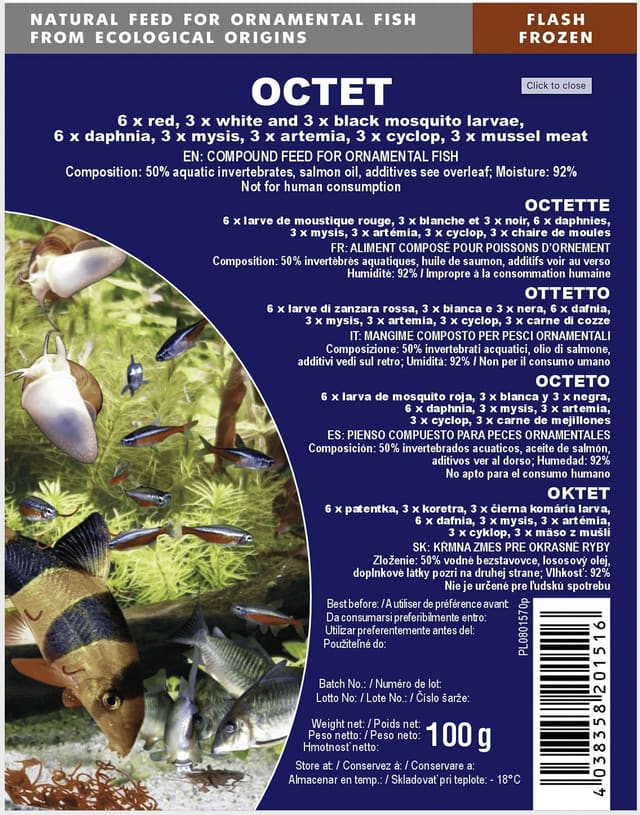
Yes. This blister food pairs well with occasional frozen items, especially if you are conditioning fish, improving body mass, or feeding a larger community of catfish. Aquarists often ask how to use frozen fish food, how to feed frozen fish food, or how to feed frozen fish food cubes. The safest method is to thaw a small amount in tank water, strain if needed, and feed sparingly so it does not overload the filter.

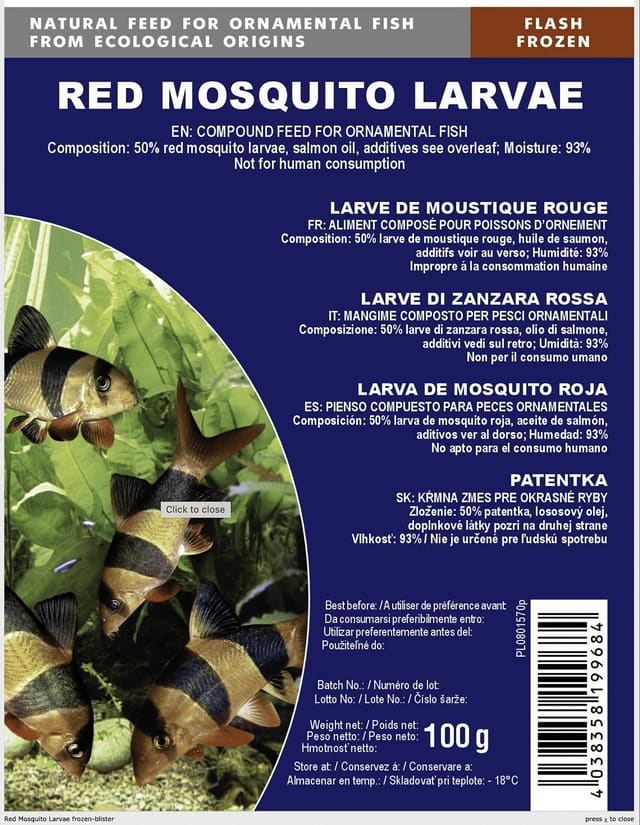
For variety, you can rotate with X 100G Red Mosquito Larvae as a richer supplement. If you are comparing this product with the best frozen food for bottom feeding aquarium fish, think of the blister as your stable staple and frozen foods as occasional extras. That is often the most effective approach for frozen fish food for loricaria and other bottom feeders.

X 100G Red Mosquito Larvae — A useful occasional protein-rich supplement for robust tropical fish that benefit from extra variety.
Tropical Mini Wafers Mix 18g Doypack — Handy for smaller bottom dwellers and for spreading food across multiple feeding points.

What Fish Can Eat Loricaria Food in a Community Tank?

This is not only for Loricaria. It is also suitable as fish food for community tropical tanks that include Corydoras, small plecs, loaches, and peaceful nocturnal catfish. If you have ever asked what do tropical fish eat, the real answer is that different species eat in different zones. Surface fish may prefer flakes, midwater fish may take granules, and bottom dwellers need a sinking option.

Used correctly, this can be part of a broader aquarium fish eating food plan for the whole aquarium. It is not intended as fish food for ponds, and it is not the right staple if you are asking are tropical fish flakes ok for goldfish or feeding coldwater species. This is a warm-water freshwater product, designed for tropical community use rather than pond fish, koi, or fancy goldfish.

Species/Group Compatible? Notes
Loricaria / whiptail catfish ✅ Yes Primary target user; ideal for slow bottom feeding
Corydoras and small plecs ✅ Yes Works well as a shared sinking staple
Large aggressive cichlids ⚠️ Caution May need a more protein-heavy dedicated diet
Goldfish / pond fish ❌ Avoid as staple Not formulated as coldwater or pond food

Community Feeding Tip

Drop portions into two or three separate areas of the tank. This reduces bullying and gives shy catfish a better chance to feed undisturbed.

What Tropical Fish Food Do I Need for Colour, Growth, and Condition?

If you are deciding what tropical fish food do i need, start with your fish’s body shape and feeding style. Loricaria need a digestible staple, not just intense colour food. That said, diet still affects condition, skin tone, and contrast. A varied menu can support fish food for colour enhancement without overdoing rich treats.

This blister can be used alongside foods marketed as colour enhancing food for tropical bottom feeders, but the real goal is consistency. Stable nutrition supports growth, body line, and steady activity. For fish that need extra support, many keepers also look for fish food with vitamins and probiotics for digestive support or high protein sinking cubes for growth and muscle development. In a weekly rotation, this product sits nicely between algae-based wafers and protein treats.

How Much Should You Feed, and How Long Can Tropical Fish Live Without Food?

A practical question many owners ask is aquarium fish food dose per day. For most bottom-feeding tropical fish, one measured evening feed is enough, with a second small feed only in heavily stocked tanks. Start low, observe, and adjust. Fish should finish the food overnight or by the next morning.

Another common search is how long tropical fish live without food. Healthy adult tropical fish can often manage several days without feeding, but that does not mean they should. Bottom dwellers in community tanks are often the first to lose condition because they get outcompeted. Consistent targeted feeding is far safer than relying on leftovers from flake feeds.

Quick Setup Checklist

  • Feed after lights dim if Loricaria are shy
  • Use a calm area of the tank with low flow
  • Break portions for smaller groups if needed
  • Remove leftovers the next morning
  • Rotate with algae and spirulina foods weekly

What Can You Feed Tropical Fish Besides Fish Food?

People often ask what can you feed tropical fish besides fish food or what can i feed my tropical fish if i run out of food. In an emergency, some species can take blanched courgette, cucumber, spinach, or peas, but that is not a full replacement for a complete prepared diet. Similarly, questions like what fruit can tropical fish eat or what human food can tropical fish eat usually lead to overcomplicated answers. Most tropical fish do best on foods made specifically for aquarium use.

If you enjoy experimenting with fish food homemade recipes or searching how to make tropical fish food, keep homemade feeds as supplements rather than staples. Prepared foods like this blister are easier to portion, more stable in water, and simpler to use in a regular maintenance routine.

Is This One of the Best Tropical Fish Food UK Options?

For UK fishkeepers, the best food is the one that matches the species, feeding zone, and your maintenance habits. If you are searching for the best tropical fish food uk, this blister stands out for aquarists who keep bottom-feeding tropical fish and want a neat, portioned format. It is especially useful if you are comparing broad retail searches such as tropical fish food pets at home, tropical fish food tesco, or even tropical fish food walmart style results and want something more targeted than a general flake tub.

It also suits buyers looking for aquarium fish food online, an aquarium fish food online order, or a specialist aquarium fish food shop rather than a generic marketplace listing. Shoppers searching buy tropical fish food online UK, fish food near me, or aquarium fish food shop near me usually want a product that solves a specific feeding problem. This one does exactly that for loricariids and other bottom feeders.

How Does It Compare With Flakes, Granules, and Wafers?

Feature 6X100G Loricaria Food Blister General Tropical Flakes
Feeding Zone Bottom Surface / midwater
Best For Loricaria, catfish, bottom dwellers Tetras, barbs, livebearers
Portion Control Excellent blister format Moderate; easy to over-pour
Water Stability Better for targeted feeding Can break up quickly
Price £11.88 Varies

Choose this product if your priority is a species-specific sinking feed, cleaner portioning, and a practical staple for catfish. Choose flakes if most of your stock feed at the surface. In many tanks, the best answer is not one or the other, but both. A good example is pairing this blister with Tropical Supervit Granulat 10g Zip-Sachet for midwater fish and Tropical Supervit Flakes for surface feeders.

Are There Common Feeding Mistakes to Avoid?

Yes. The biggest mistake is assuming all tropical fish will eat the same way. Another is using an aquarium fish food dispenser or automatic feeder for a tank full of shy bottom dwellers without checking where the food lands. Surface-fed automation can leave catfish underfed while faster fish become overweight.

Likewise, products such as an aquarium fish feeding ring or aquarium fish food holder are useful for flakes and floating granules, but they do not replace targeted sinking feeds. If you are wondering which tropical fish food, what tropical fish food is best, or what's the best tropical fish food, the answer is usually the one that matches the fish’s natural feeding behaviour.

⚠️ Common Mistake

Do not rely on cichlid pellets, goldfish food, or random leftovers as the main diet for Loricaria. Questions like can tropical fish eat cichlid food come up often, but a species-specific bottom feeder staple is the safer long-term choice.

Why Buy This Loricaria Food from Tropical Fish Co?

This blister pack is selected for aquarists who need a practical, species-appropriate staple rather than a generic all-purpose feed. The 6 x 100g format is useful for fishrooms, multi-tank keepers, and hobbyists who prefer structured storage over one oversized open tub. It is a strong option for those comparing tropical fish food bulk, aquarium fish food wholesale, tetra fish food wholesale, or hikari fish food wholesale style searches but still wanting a manageable retail pack.

We also know many buyers compare convenience terms such as aquarium fish food delivery, aquarium fish food delivery near me, aquarium fish food instant delivery, and even frozen fish food delivery UK. For a dry prepared feed, this blister format gives you easier storage and simpler stock rotation than chilled or frozen foods. It is also a sensible choice if you have been comparing aquarium fish food price 1 kg, aquarium fish food 1 kg, aquarium fish food 1kg, aquarium fish food 50g, or broad marketplace terms like aquarium fish food ebay. Instead of buying a format that does not suit your fish, you get a product built around bottom-feeding behaviour.

Why Choose Tropical Fish Co for 6X100G Loricaria Food Blister

  • Selected specifically for Loricaria, whiptails, and peaceful tropical bottom dwellers
  • Blister-portioned format helps with cleaner feeding and easier stock control
  • Works well alongside algae tablets, spirulina granules, wafers, and occasional frozen treats

You Might Also Like

Build a more complete feeding routine with a few complementary foods. For upper-water fish, Tropical Supervit Flakes are a dependable community staple. For extra plant content, 3-Algae Tablets A and Tropical Super Spirulina Forte Mini Granulat are excellent additions. If you want a compact sinking option for smaller fish, try Tropical Mini Wafers Mix 18g Doypack. For occasional richer variety, X 100G Red Mosquito Larvae can be used as a supplement, while D-Allio Plus Granulate offers another useful rotation food for mixed tropical aquariums.