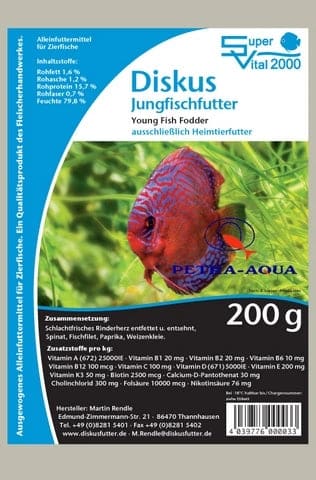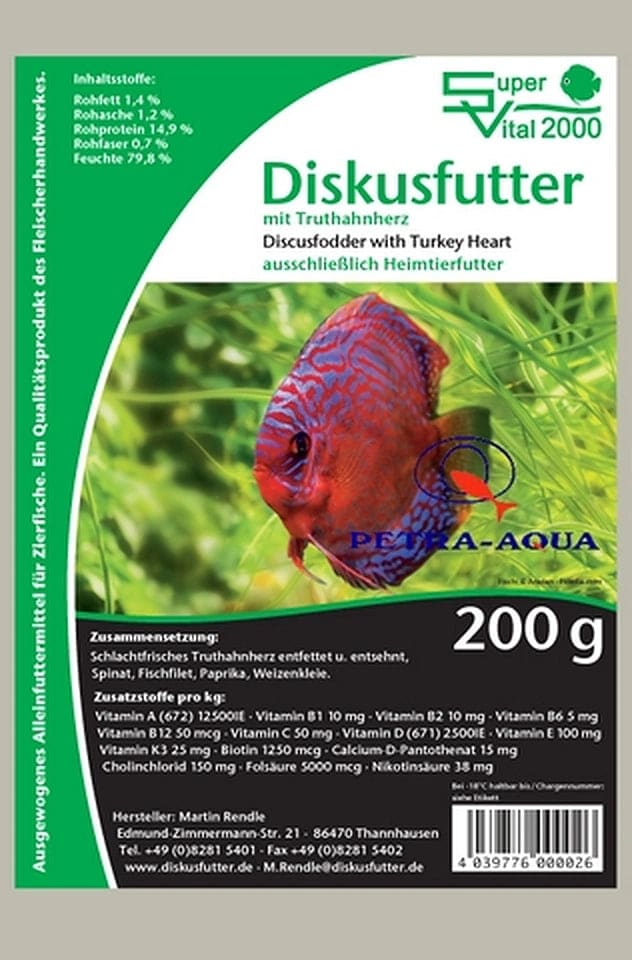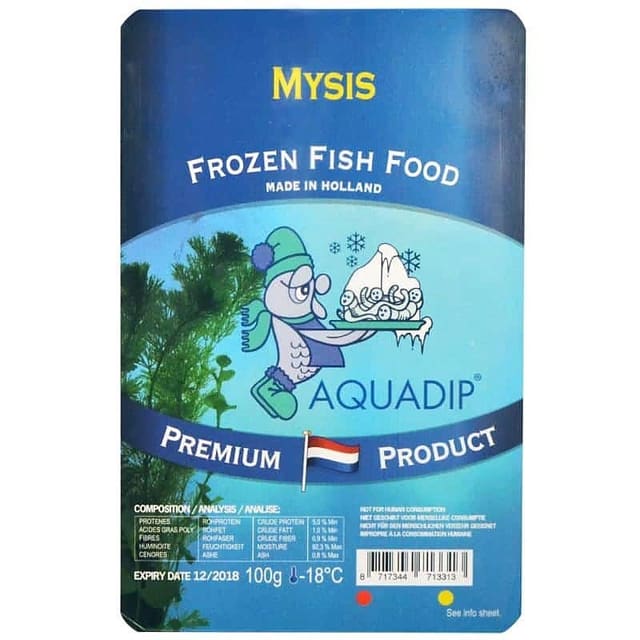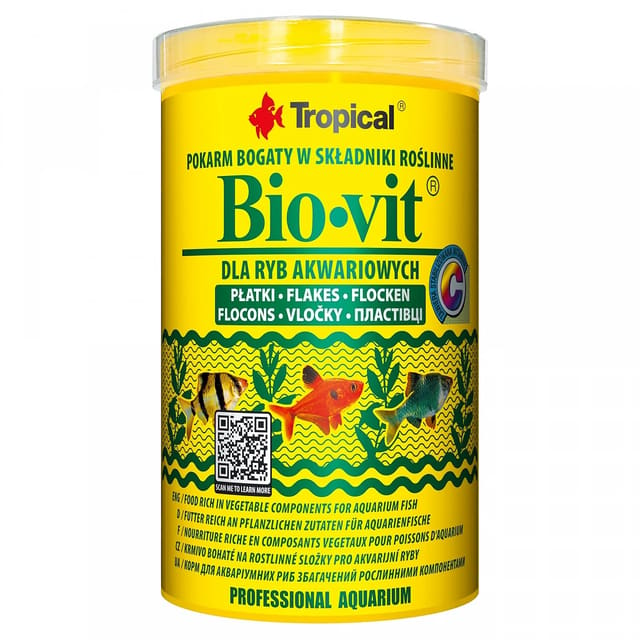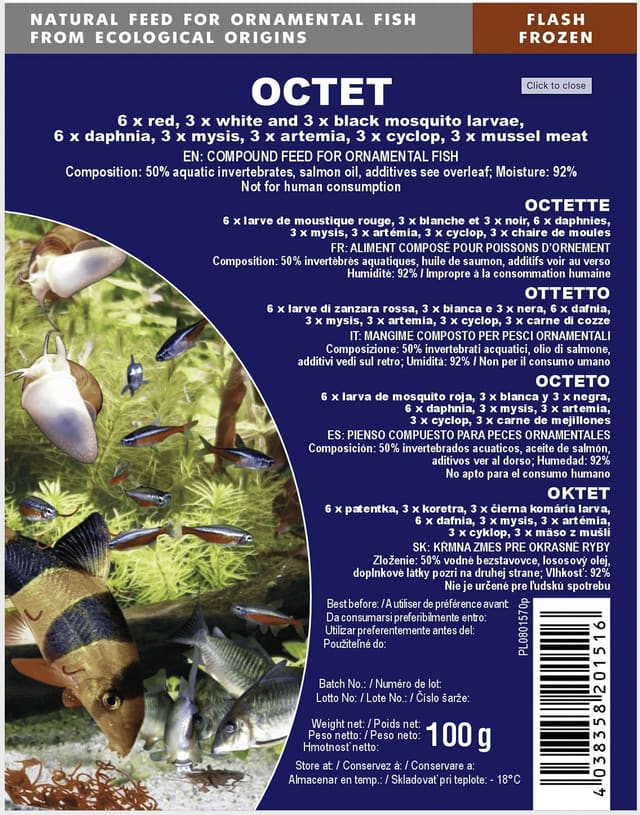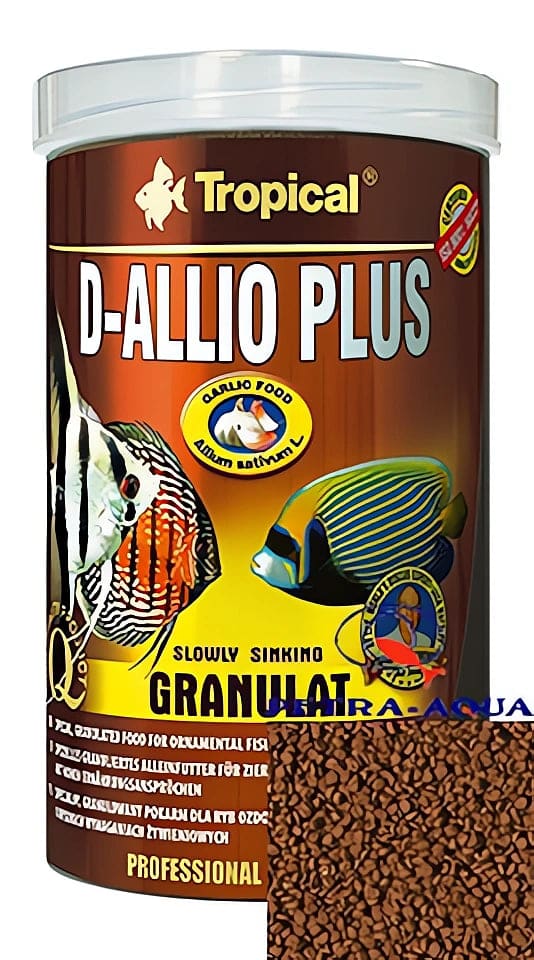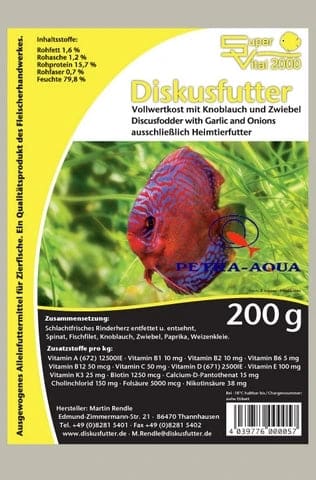
Tropical Super Vital Premium Discus Food with Garlic 200g
£23.99
Photo coming soon
The size, price and care details on this page are for this listing.
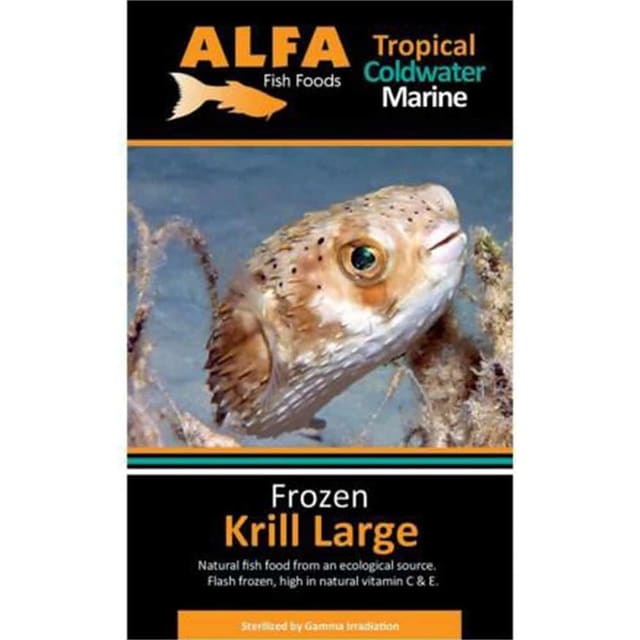
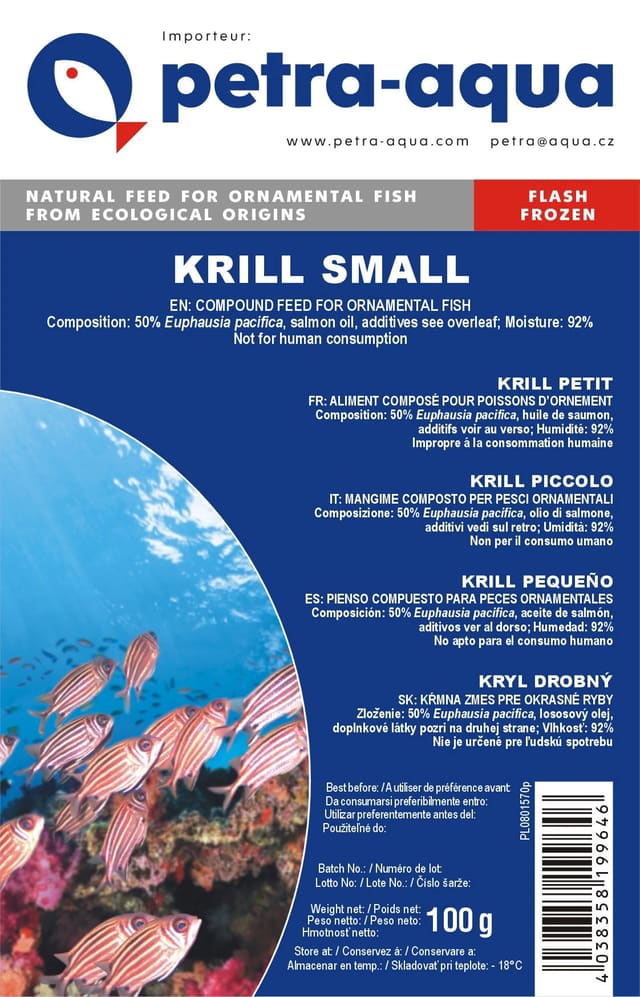
Frozen small krill flat plate in a 500g resealable zipper pack for suitable marine and carnivorous aquarium fish.
Frozen small krill flat plate in a 500g resealable zipper pack for suitable marine and carnivorous aquarium fish.
Krill Small Flat Plate in Zipper 500g is a frozen small-krill food for aquarium feeding routines. It sits in the frozen-food breeding-pack range and is best treated as a practical frozen food option for suitable marine and carnivorous aquarium fish.
The important details are the food type, the flat-plate format, the resealable 500g pack, the confirmed source identity, the separate trade-pack distinction, and the handling guidance that helps a keeper use frozen food cleanly without wasting it.
You are buying a 500g frozen flat plate in a resealable zipper pack. That matters in everyday use. A flat plate is easier to break into controlled portions than a deep block, and the zipper pack is easier to organise in the freezer than loose trays or open wrapping. If you feed more than one aquarium, or if you rotate several frozen foods, the pack format helps keep feeding sessions tidy and repeatable.
There is also a separate 30 x 500g pack under SKU Y888. This Shopify listing is for the single 500g Y893 pack. That distinction is important for buyers comparing a home-use or small fish-room pack with a trade or high-volume frozen-food quantity.
Use Krill Small for fish that can safely take krill-sized frozen food. It is most relevant for marine fish, larger community fish, carnivorous species and mixed feeding plans where frozen foods are already part of the routine. It should not be treated as a universal food for every aquarium. Fry, nano fish and very small-mouthed species may need much finer foods, while herbivorous species still need diets matched to their natural feeding style.
Krill can be useful when you want a stronger feeding response than a dry food gives, because many suitable fish recognise the marine scent and texture quickly. That does not make it a magic fix for poor appetite, and it does not replace good water quality, correct stocking or species-appropriate staple foods. It simply gives you another reliable frozen-food option in a varied routine.
The useful old voice notes for this product focused on feeding appeal: a marine-origin frozen food with an attractive scent, a palatable texture and strong acceptance for the right fish. That detail has been kept here in a more practical form. When you feed frozen krill, watch the fish in front of you. Confident, suitable fish should notice the food quickly, but the portion still needs to match the mouth size, behaviour and competition level in the tank.
If a piece is too large, break it smaller before feeding. If shy fish are missing out, feed in more than one area or use a smaller amount more carefully. If food is drifting into filters, sitting in the substrate or remaining after the initial feeding response has passed, reduce the portion next time. The goal is not heavy feeding. The goal is a clean, controlled feeding response.
Treat Krill Small as part of a varied feeding plan rather than as the only food. A sensible routine might rotate a suitable staple pellet or flake with frozen foods such as Artemia, Cyclops, Mysis or krill depending on the species in the aquarium. The reason to rotate is simple: different foods bring different particle sizes, textures and feeding behaviours, and variety can help keep a routine flexible.
Krill is often best used when you want a richer, more aromatic frozen food for fish that are built to take it. Smaller foods such as Cyclops are usually more appropriate for tiny mouths or fine feeding, while Mysis and Artemia can suit different species and feeding styles. Choose the food by the fish, not by a broad keyword.
Break off a small portion while the plate is still frozen. Thawing method depends on your own routine and the fish you keep, but the key rule is the same: feed only what fish will clear promptly. Some keepers thaw frozen foods before feeding, while others use very small pieces directly. Either way, avoid adding a large amount at once just because the pack is convenient.
If you are feeding larger fish, make sure the krill is still a safe size. If you are feeding a mixed tank, remember that faster fish may take most of the food before slower or more cautious fish get a chance. Controlled feeding is more useful than simply adding more food.
Frozen food can be excellent in the right routine, but poor portion control can quickly affect water quality. Uneaten food adds waste, can settle where it is hard to remove and can encourage messy feeding habits. Start small, observe the response and adjust. Remove visible leftovers where practical.
Good feeding practice is especially important if this is part of a heavy feeding schedule, a breeding-focused routine or a fish-room setup with several tanks. The resealable flat-plate pack helps with control, but the aquarist still decides the amount, frequency and clean-up.
Keep the pack frozen until use. Open it only long enough to remove a portion, reseal the zipper and return the rest to the freezer promptly. Do not repeatedly thaw and refreeze the same food. Do not leave the bag open on the worktop during a feeding round. Clean handling keeps the product in better condition and reduces avoidable contamination.
Discard any portion that has thawed for too long, smells wrong, shows unusual freezer damage beyond normal frost, or has been contaminated during handling. This is non-living fish food, so livestock shipping guarantee wording does not apply to this product page.
Do not choose this as a sole diet for fish that need a broader nutritional plan. Do not use it for very small fish that cannot handle krill-sized food safely. Do not use it as a shortcut for fish with appetite problems caused by stress, unsuitable water conditions, poor compatibility or illness. Match the food to the stock and the aquarium, then use it carefully.
| SKU | Y893 |
|---|---|
| Source product family | 4373 |
| Product name | Krill small flat plate in zipper |
| Size | 500g |
| Food type | Frozen small krill |
| Format | Flat plate in resealable zipper pack |
| Category | Feed for Fish > Frozen Food |
| Source MOQ note | 6 |
The information on this listing comes from the product record for product family 4373. The same source page references image paths for product family 4373, but the direct photo and thumbnail URLs currently return 404. Because of that, no generic krill image, competitor image, sibling product image or title-only image has been added.
It is frozen small krill food supplied as a flat plate in a resealable zipper pack for aquarium feeding routines.
Use it for suitable marine and carnivorous aquarium fish that can take krill-sized frozen food. Match the portion to the species, mouth size and feeding behaviour.
No. Treat it as part of a varied feeding plan alongside appropriate staple foods and other frozen, prepared or specialist foods.
Break off a small portion while still frozen, thaw if that suits your feeding routine, feed only what fish clear promptly, and remove uneaten food.
Keep it frozen, open the pack only long enough to remove a portion, reseal it and return the rest to the freezer promptly.
No reviews for this item yet. Bought one? Honest reviews only, good or bad.
What customers say about ordering from us
Easy website plenty of info on fish your buying great to pick a time slot
TRACEY DURRANT · 7 Oct 2026
Got some lovely fish thank you
Kevin Mackie · 7 Oct 2026
Reviews of our shop, collected by Judge.me, an independent third-party review collector. Newest first.